






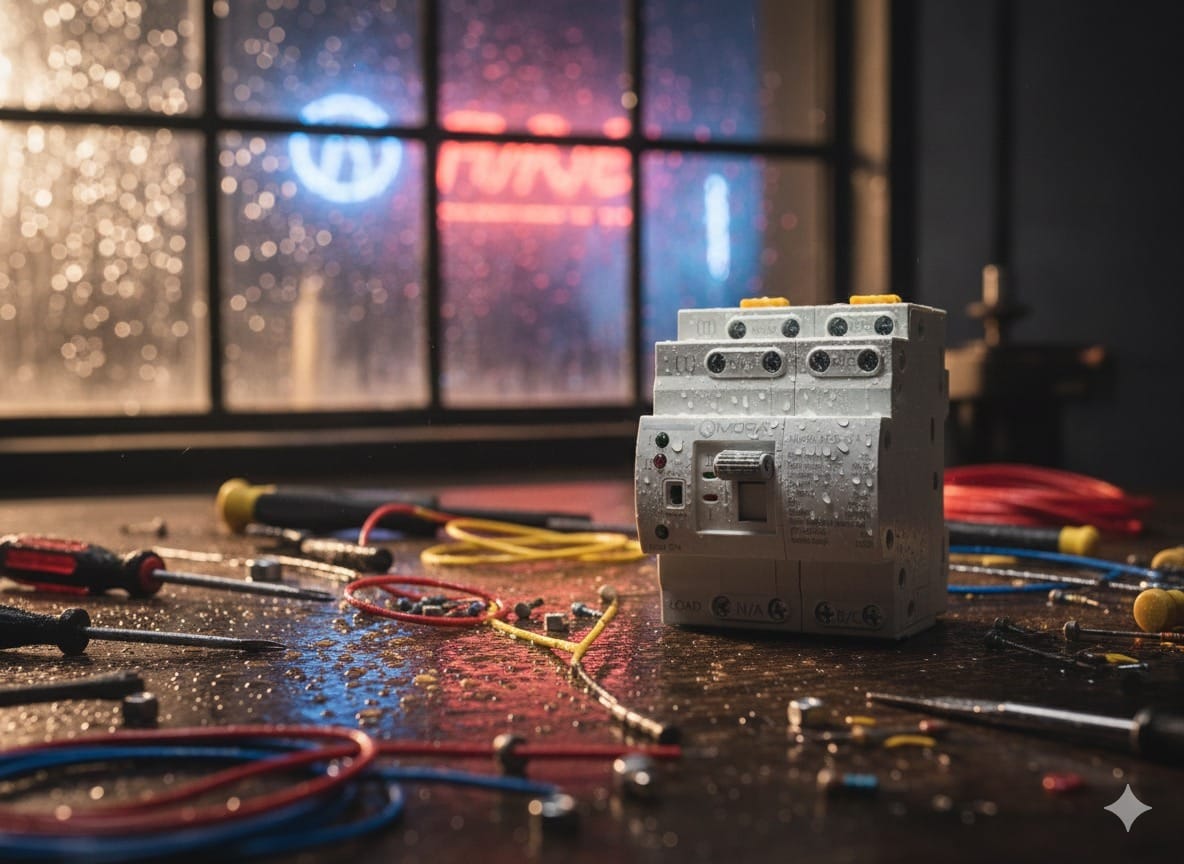




Generator ATS for Poultry Farm: Sizing, Wiring & Delay Settings (Pakistan Guide)


Short answer: a generator ATS for a poultry farm should be a 4-pole automatic transfer switch, rated for the larger of your main breaker or 1.25 x the generator’s full-load current, and paired with a generator that can start automatically (AMF or remote-start controller). Set a short mains-fail delay, a warm-up delay, a longer mains-return delay, and make sure the fans restart in stages. Done right, the shed moves to generator power during load-shedding without anyone running to the panel at night.
In a controlled (EC) shed, ventilation is life support. When WAPDA or your DISCO trips at 2 am and the fans stop, heat and ammonia build up quickly, especially with grown birds in summer. Extension guides for commercial poultry say plainly that standby power should be a permanently installed generator controlled by an automatic transfer switch, not a manual changeover that depends on someone waking up. This guide explains how to choose and set up a generator ATS for a poultry farm in Pakistan: types, sizing table, wiring layout, delay settings, a worked example and a checklist.
What a Generator ATS Does on a Poultry Farm
An automatic transfer switch (ATS) watches the mains supply. When mains fails or goes badly out of limits, it connects the shed load to the generator. When mains returns and stays stable, it moves the load back. On a farm the full job has three parts:
- Sensing: detecting a dead supply, a missing phase or very low voltage on the incoming three-phase line.
- Starting the generator: sending a start signal (usually a dry contact) to the generator controller, or relying on an AMF (automatic mains failure) controller on the generator itself.
- Transferring the load safely: switching mains OFF before generator ON, with mechanical and electrical interlocking so the generator can never back-feed the WAPDA line. This protects your equipment and the lineman working on the feeder.
Many people in Pakistan buy an “ATS” and are surprised the generator doesn’t start by itself. A dual power ATS only switches between two live sources. If your generator has a simple key-start panel, someone still has to start it. For an unattended shed you need either an ATS controller with a generator start output or an auto-start (AMF) controller on the genset.
Generator ATS Types Compared: Which One Suits a Poultry Shed?
| Option | How it works | Generator start | Good for | Main risk |
|---|---|---|---|---|
| Manual changeover switch | Staff turn the handle after starting the generator | Manual | Open-sided sheds with staff on site, small backup loads | Delay at night; birds stressed or lost in EC sheds |
| Dual power ATS (switch only) | Senses both sources, transfers automatically once generator voltage appears | Manual unless the genset has auto-start | Sheds where the generator already has an auto-start controller | Bought alone with a key-start genset, nothing happens until someone starts it |
| ATS + AMF controller (full automatic) | Controller senses mains failure, starts the generator, transfers, returns and cools down | Automatic | Environment-controlled broiler, layer and breeder sheds | Wrong delay settings or no staged restart can overload the generator |
For an EC shed, the third option is the standard. If you already run a manual changeover today, read our guide on ATS problems in Pakistan and their real fixes before upgrading, so you avoid the common mistakes.
Why a 4-Pole ATS for a Poultry Farm Generator?
Control sheds run on three-phase supply, so the ATS must switch L1, L2 and L3. A 4-pole ATS also switches the neutral. That matters on farms because the generator usually has its own neutral-earth bond, and switching the neutral keeps the two sources fully separate, avoids neutral current flowing through the wrong path, and stops earth leakage devices from nuisance tripping after transfer. Your installer should confirm the earthing arrangement, but for most generator setups we recommend 4P.
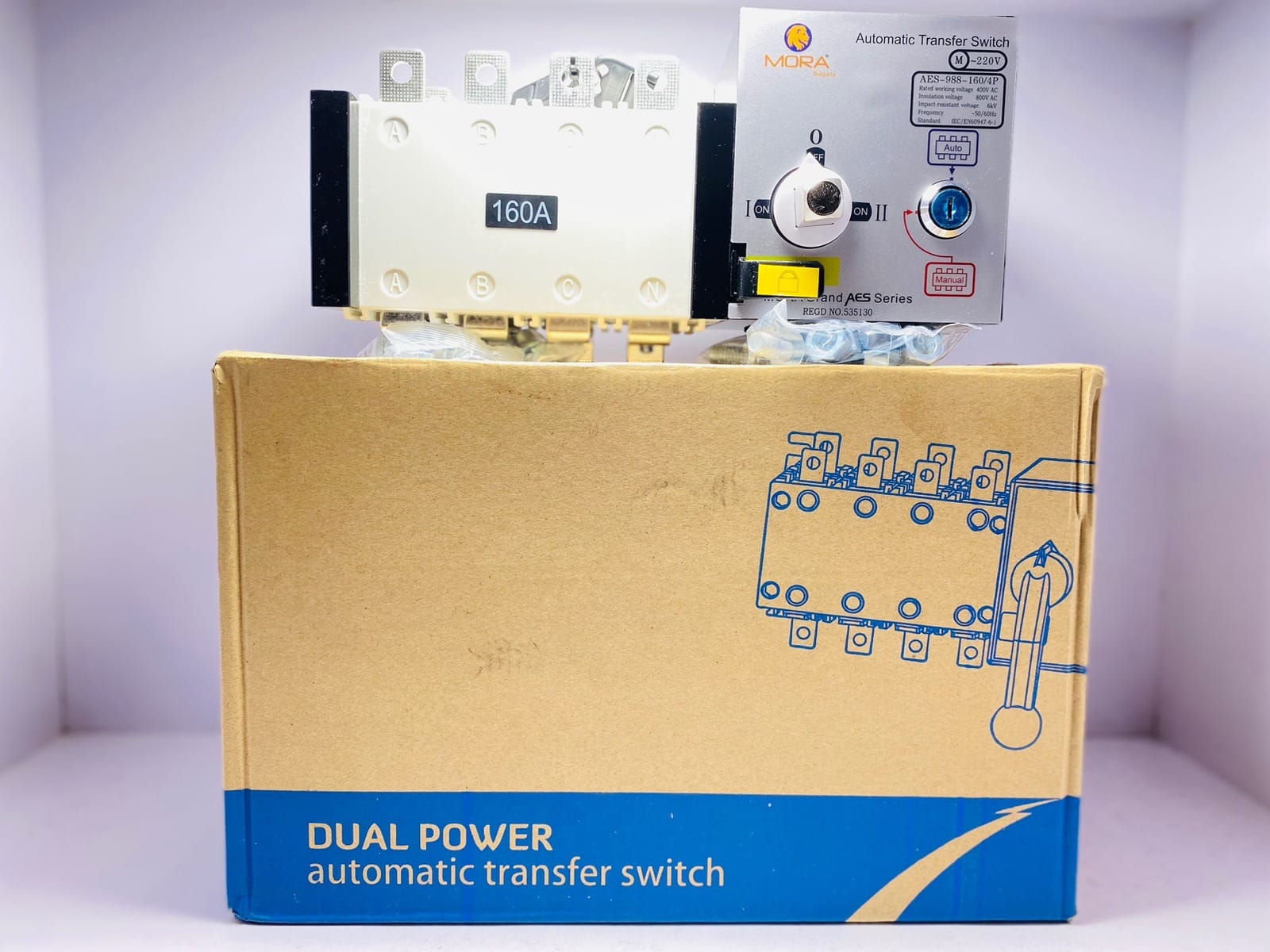
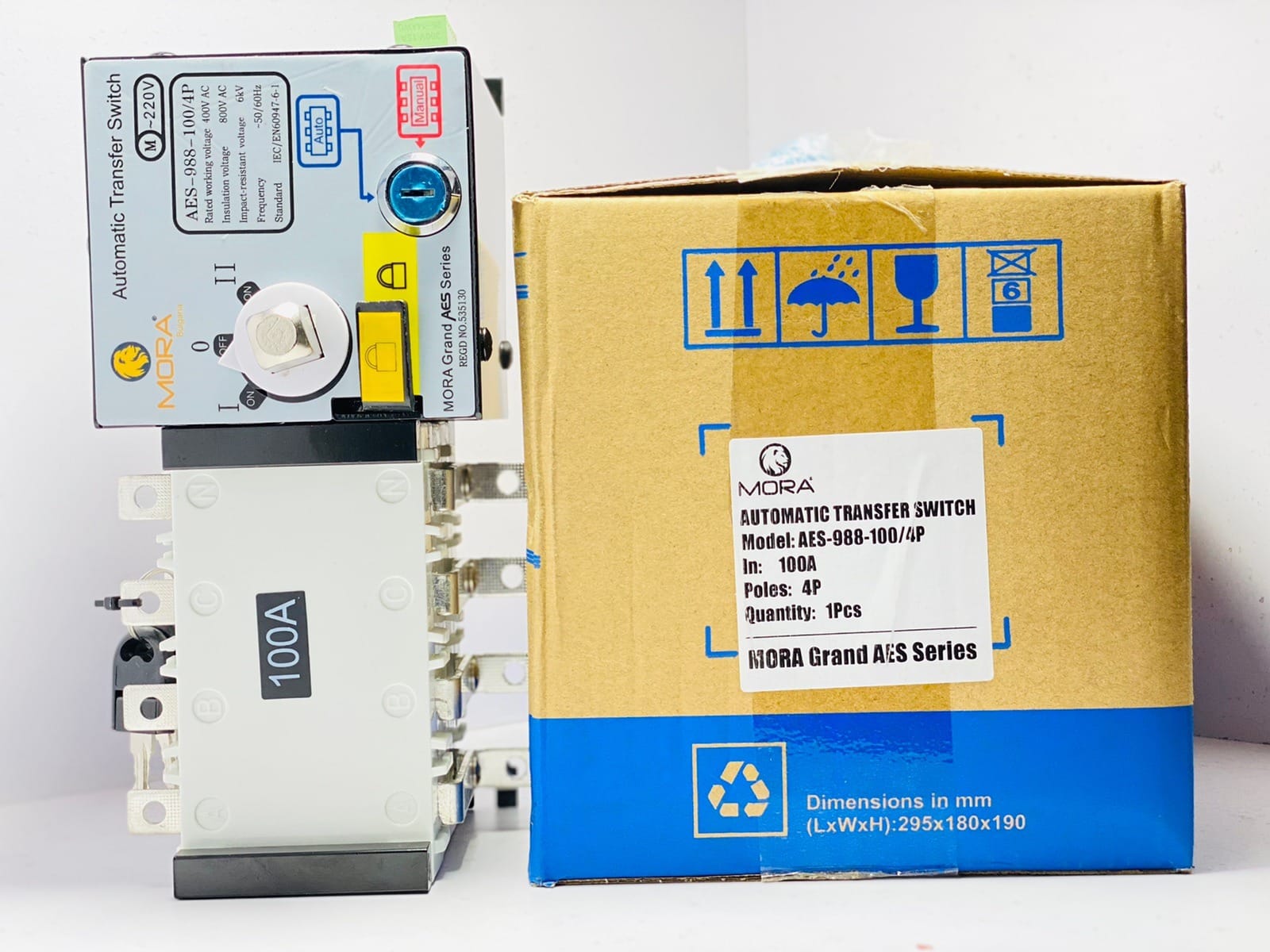
A motorised ATS (a switch driven by a small motor mechanism) is generally preferred over a homemade two-contactor changeover for larger loads, because the switching mechanism and interlock are built into one unit. For example, the MORA ATS 100A 4-pole motorised automatic transfer switch (model AES-988-100/4P) is listed for 400 V AC with an IEC/EN 60947-6-1 certification and an auto/manual selector with key-lock.
How to Size a Generator ATS for a Poultry Farm
Size the ATS on current, not just on the generator’s kVA badge. Use these steps:
- Find the generator full-load current: I = kVA x 1000 / (1.732 x 400 V). At 400 V this is about 1.44 A per kVA.
- Add a continuous-duty margin: multiply by 1.25, because shed fans run for hours at a stretch in summer.
- Check the mains side: note your main breaker (MCCB) rating on the WAPDA side.
- Pick the next standard ATS frame above the larger of the two numbers.
- Check the short-circuit side: the ATS must be protected by an upstream breaker on each source, as the manufacturer specifies.
| Generator (kVA, 3-phase 400 V) | Full-load current (A) | x 1.25 (A) | Suggested 4P ATS frame |
|---|---|---|---|
| 20 | 29 | 36 | 63 A |
| 30 | 43 | 54 | 63 A |
| 40 | 58 | 72 | 100 A |
| 62.5 | 90 | 113 | 125 A |
| 100 | 144 | 180 | 250 A |
| 150 | 217 | 271 | 400 A |
| 200 | 289 | 361 | 400 A |
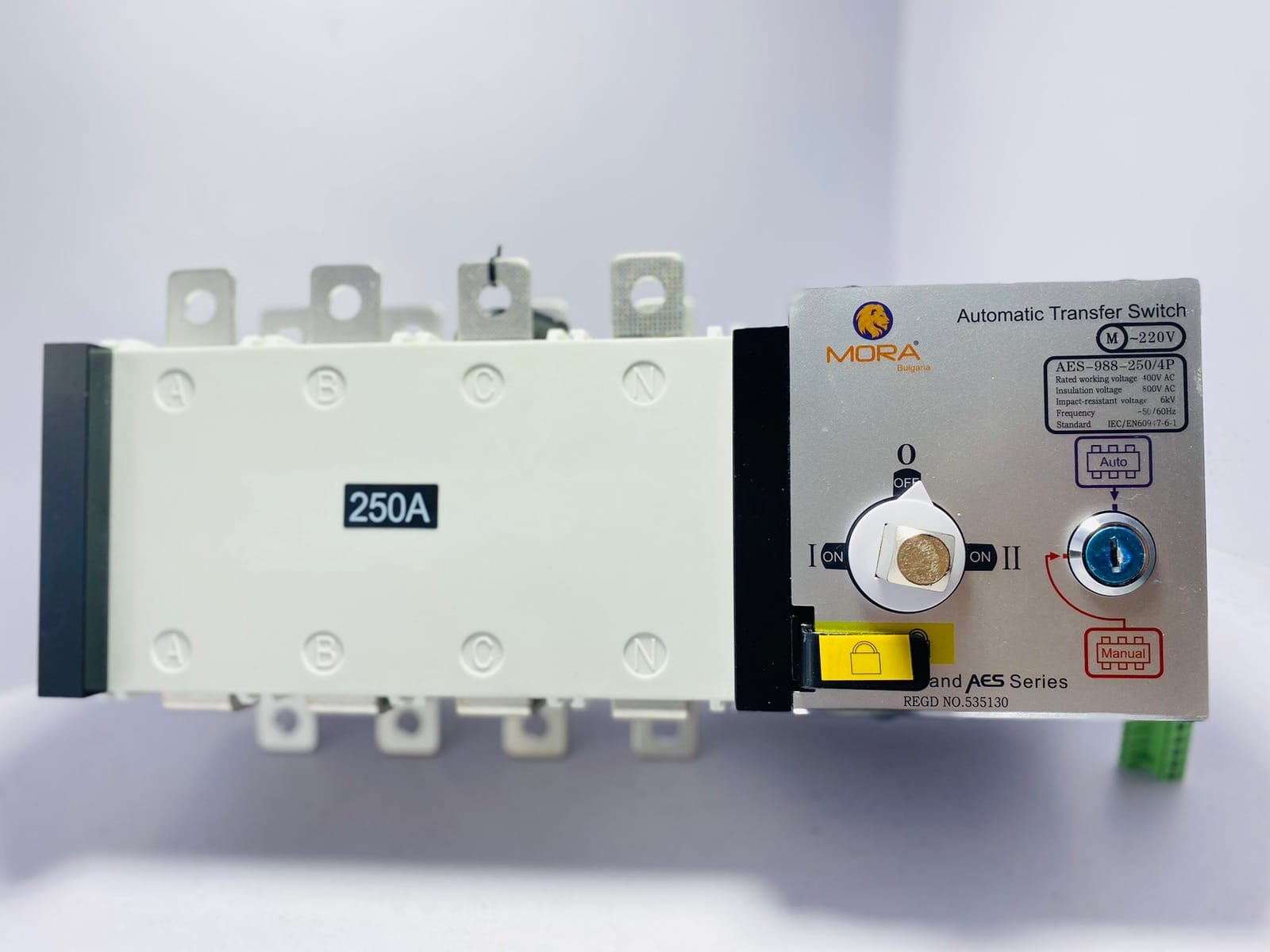
If your main breaker is bigger than the generator-based figure, the ATS must match the main breaker, because full mains current passes through it every day. Larger farms often use one ATS per shed group, for example a MORA 250A 4P motorised ATS on a multi-shed feeder.
The generator itself must be sized for motor starting, not just running load. We covered that in detail in our poultry shed electrical load calculation guide.
Generator ATS Wiring Layout for a Poultry Farm
The diagram shows a typical single-line layout. Your panel builder will adapt it to your site and the ATS manual.

- Mains side: DISCO meter, then a main MCCB or fused isolator before the ATS, so the ATS can be serviced without calling the utility.
- Generator side: generator output breaker, then cable to ATS source 2. Keep the start-signal cable (two wires) separate from power cables.
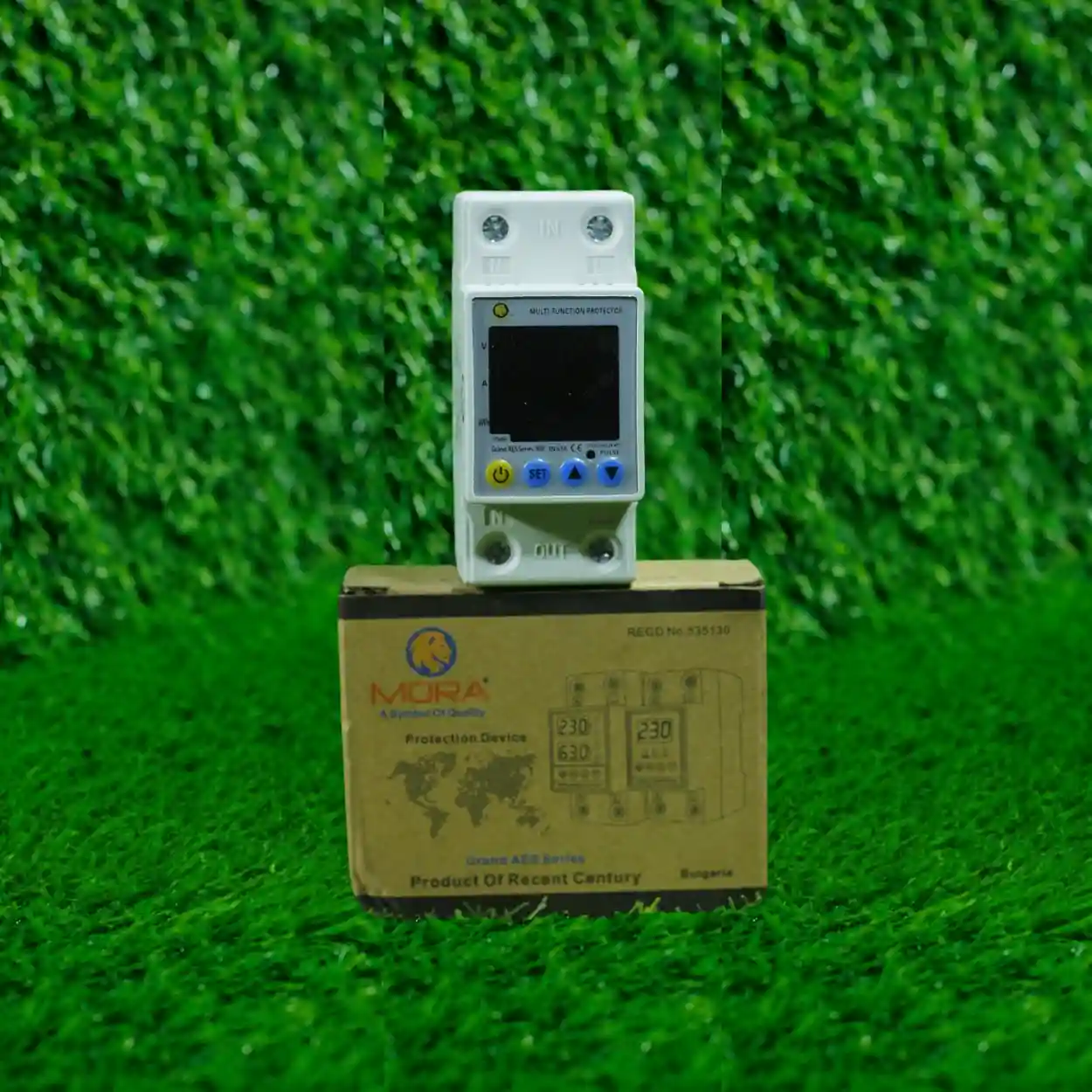
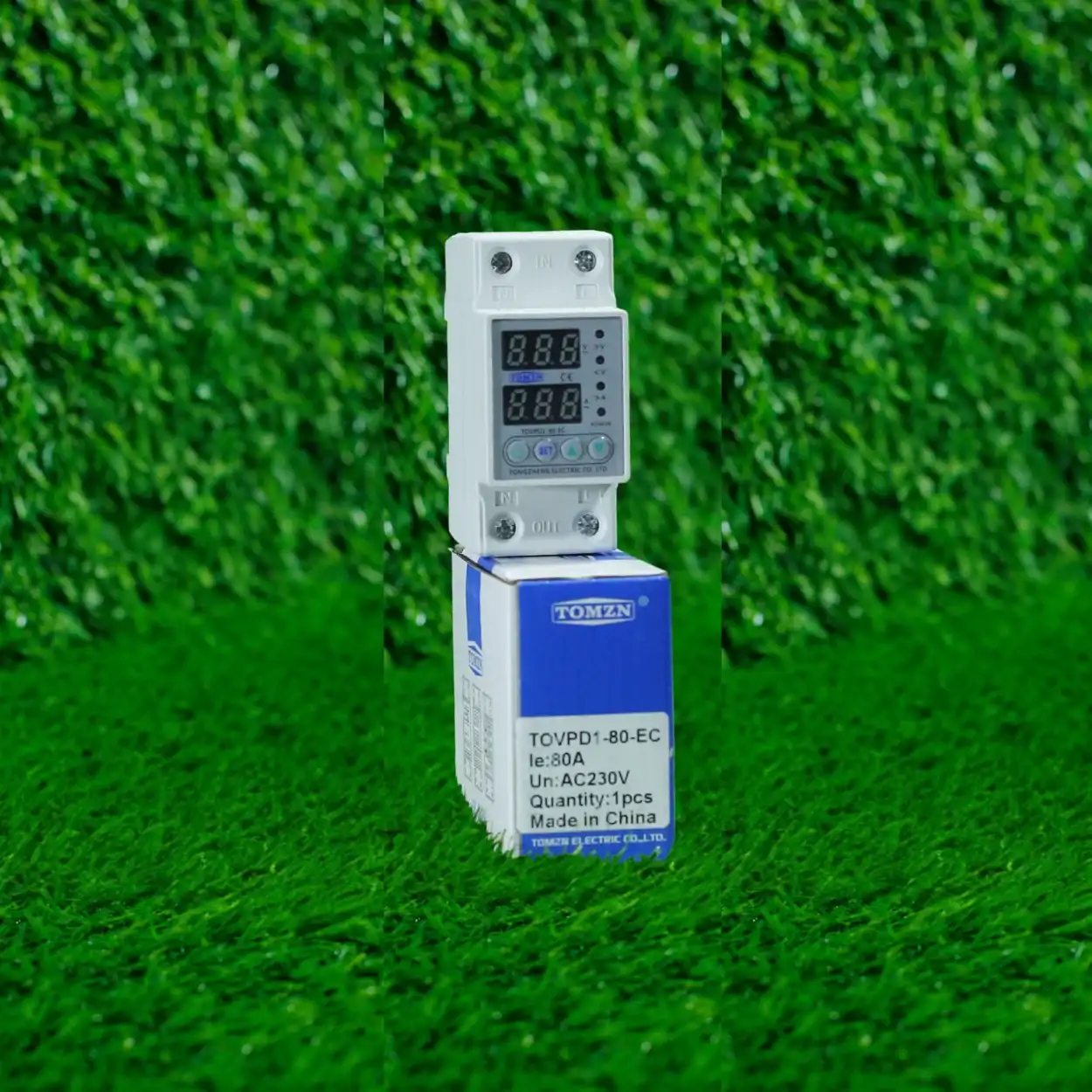
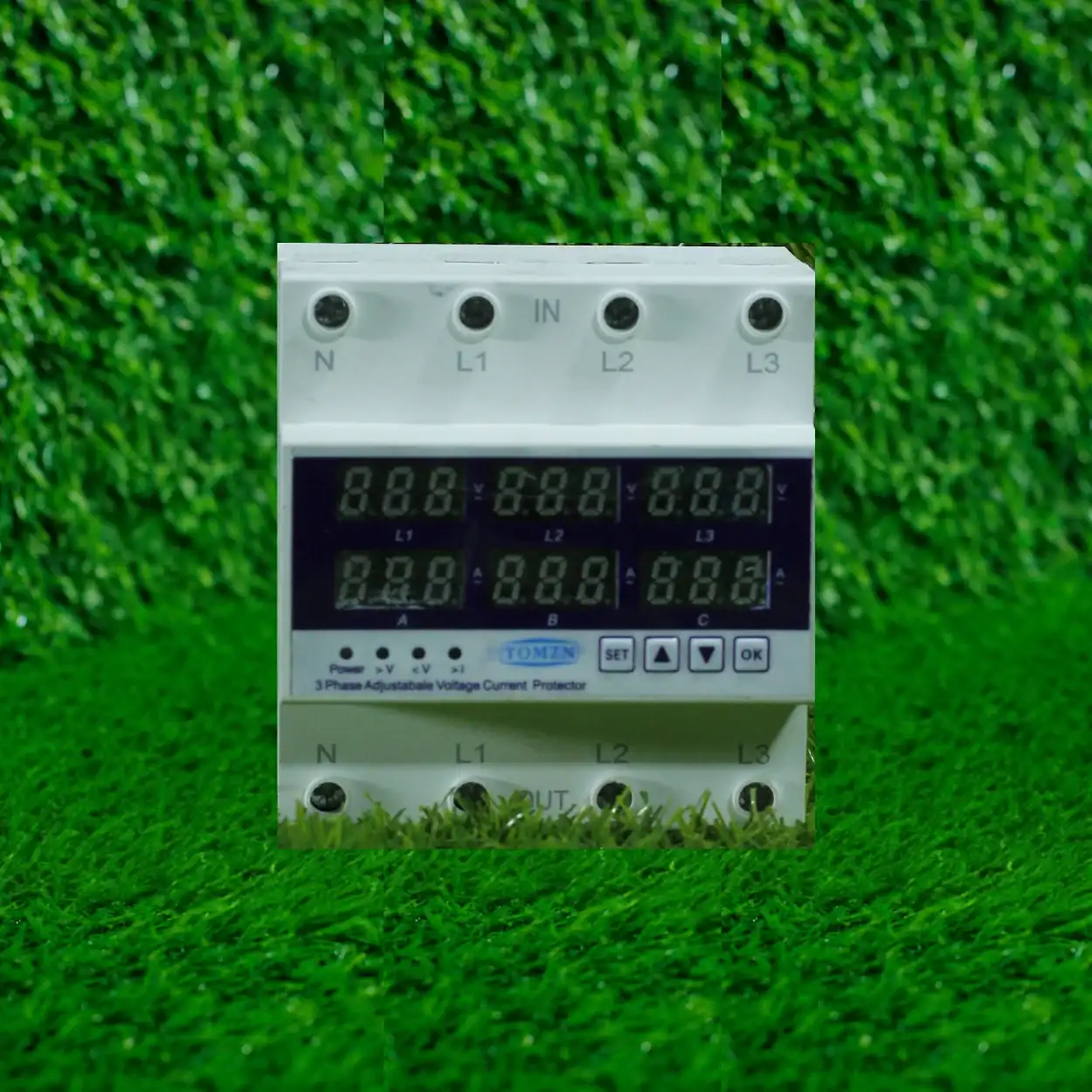
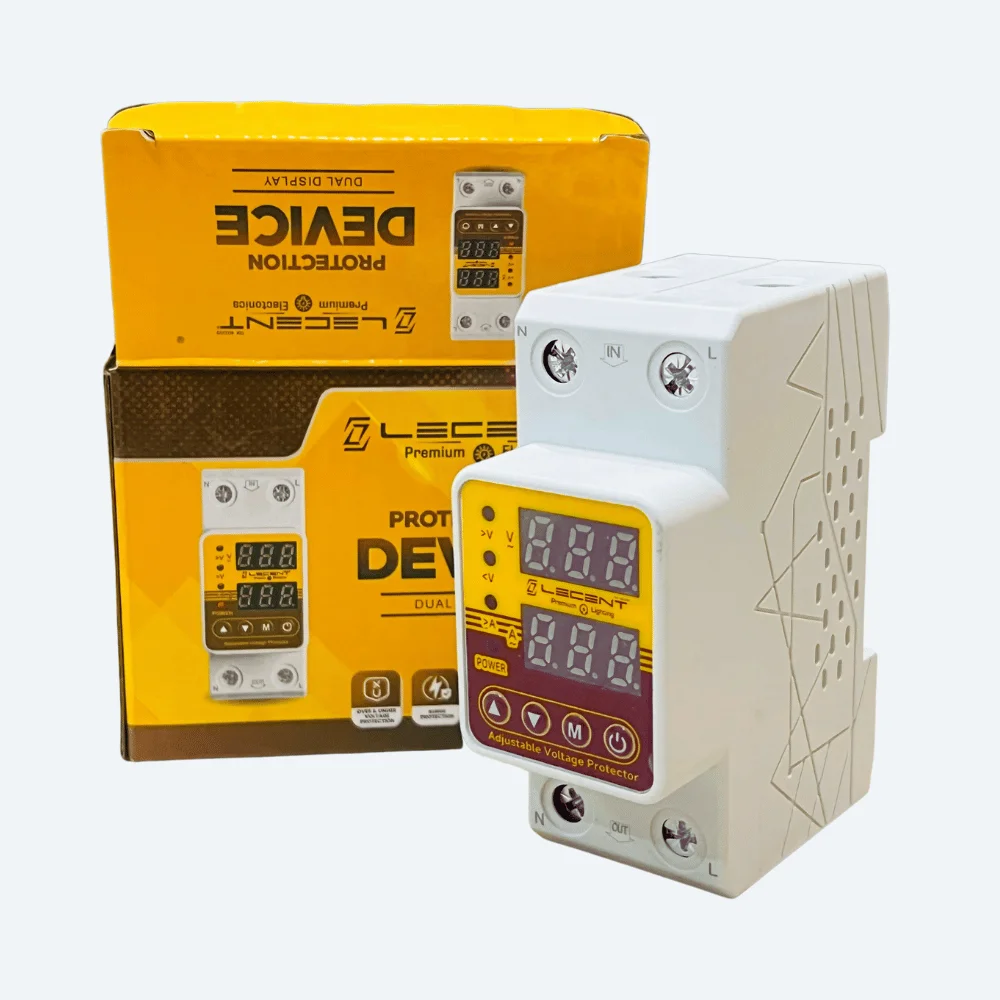
- Load side: after the ATS, a three-phase voltage/phase protector and an SPD, then the shed main DB feeding the exhaust fan control panel, cooling pad pumps, lights and feeders.
- Control supply: the ATS controller and climate controller need a reliable supply during transfer. Many farms add a small UPS or battery for the controller and alarm.
ATS Delay Settings: The Part Most Farms Get Wrong
Most ATS and AMF controllers let you adjust several timers. On Pakistani rural feeders, where the supply often flickers, drops a phase or comes back at very low voltage, these settings decide whether your system is calm or chaotic.

- Mains-fail confirmation delay: a few seconds so a short blip doesn’t start the generator every time.
- Generator warm-up/stabilisation delay: the ATS waits until generator voltage and frequency are stable before transfer.
- Staged load pick-up: the climate controller or fan panel restarts fans in groups instead of all at once. This is what lets a sensibly sized generator carry the shed.
- Mains-return delay: keep this longer, so the ATS only goes back to WAPDA after the supply has settled. Otherwise the shed bounces between sources when power returns unstable.
- Cool-down: the generator runs unloaded for a short time before stopping.
Exact values depend on your generator, controller and birds’ age, so follow the manufacturer’s manual and your installer’s commissioning sheet. The important rule is simple: never let every motor in the shed start in the same second on a generator.
Worked Example: 40 kVA Generator ATS for One Control Shed
A farmer near Sheikhupura has one EC broiler shed on a three-phase connection with a 63 A main MCCB. The fans, pads and lights are backed up by a 40 kVA diesel generator with an auto-start controller.
- Generator current: 40 x 1000 / (1.732 x 400) = about 58 A.
- With margin: 58 x 1.25 = about 72 A.
- Mains side: main breaker 63 A, which is lower than 72 A.
- ATS choice: the next standard frame above 72 A is 100 A, 4-pole, motorised.
- Start signal: generator controller’s remote-start terminals wired to the ATS controller’s generator start contact (or AMF mode on the genset).
- Delays: short fail delay, warm-up before transfer, fans brought back in groups by the fan panel, longer return delay, cool-down after re-transfer.
- Protection after ATS: three-phase voltage/phase protector and SPD, then the shed DB.
- Test: switch off the main MCCB with the fans running (not with the generator idling) and time how long the shed is without ventilation.
If this farmer later adds a second shed on the same generator, the ATS current and the generator starting capacity both need rechecking. Don’t just add load and hope.
Pakistan-Specific Points for Poultry Farm ATS Setups
- Single-phasing: rural feeders often lose one phase. The ATS or phase protector must detect a missing phase and low voltage, not only a total blackout; motors running on two phases overheat fast.
- Low voltage in summer evenings: set under-voltage limits so the shed transfers to generator when mains is too weak for the fan motors.
- Frequent load-shedding: many transfers a day mean the switch mechanism must be rated for repeated operation. A proper ATS is a better choice than worn contactors.
- Heat and dust: mount the ATS in a ventilated, dust-protected enclosure out of direct sun, and keep the generator room clean.
- Solar sheds: if the farm also has solar, the ATS design must respect the inverter’s own grid/generator inputs. Ask your solar installer before connecting a generator to a hybrid inverter.
- Alarm: add a power-fail/high-temperature alarm or SMS dialler that works on battery, so staff know if both sources fail.
Safety Notes
- ATS and generator wiring is three-phase work. Use a qualified electrician and switch off and lock out both sources before touching the ATS.
- Never bypass the interlock or wire a generator into the DB without a transfer switch; back-feeding the WAPDA line can kill a lineman.
- Earth the generator properly and test the earthing during commissioning.
- Run the generator’s automatic exercise cycle every week, as Mississippi State University Extension advises for poultry generators, check fuel, oil and battery at the same time, and regularly test a real transfer under load.
Generator ATS for Poultry Farm: Checklist
- ☐ Generator has auto-start (AMF or remote-start input) wired to the ATS
- ☐ ATS is 4-pole and rated above the larger of the main breaker or 1.25 x generator current
- ☐ Mechanical + electrical interlock, no back-feed possible
- ☐ ATS senses all three phases and under-voltage
- ☐ Fail delay, warm-up, return delay and cool-down set and written on the panel door
- ☐ Fans restart in stages from the fan control panel or climate controller
- ☐ Phase/voltage protector and SPD after the ATS
- ☐ Controller and alarm on battery/UPS backup
- ☐ Weekly generator run and regular transfer test under load logged; fuel always topped up
FAQ: Generator ATS for Poultry Farm
Will an ATS start my generator automatically?
Only if the generator can be started remotely. A switch-only ATS transfers once generator voltage appears. For a fully automatic system, use an ATS controller with a generator start output or an AMF controller on the generator.
What size ATS do I need for a 62.5 kVA generator?
At 400 V, a 62.5 kVA generator delivers about 90 A. With a 1.25 margin that is about 113 A, so a 125 A 4-pole ATS is the usual choice, unless your main breaker is bigger, in which case match the main breaker.
Is a 4-pole ATS necessary for a poultry farm?
For most generator installations a 4-pole ATS is recommended because it switches the neutral too, keeping the generator and mains systems separate and helping earth leakage protection work correctly. Your installer should confirm it against the earthing design.
Can I use a manual changeover instead of an ATS?
For open-sided sheds with staff present, a manual changeover can work. For environment-controlled sheds, the delay of a manual changeover at night is a real risk, so an automatic system is strongly preferred.
Why does my generator trip when the ATS transfers the shed?
Usually because all fans and pumps start together. Add staged restart in the fan panel or climate controller, check the warm-up delay, and make sure the generator is sized for motor starting current.
Get Your Poultry Farm ATS Setup Checked
HN Electric supplies genuine 4-pole motorised ATS units, MCCBs, phase protectors, SPDs and contactors for poultry farms across Pakistan. Browse our automatic transfer switches, or send your generator kVA, main breaker size and number of fans on WhatsApp 0329 1654950. Hum aapko sahi ATS rating aur complete panel parts list bata denge.
Further reading: Emergency Power for Poultry Production (Auburn University, National Poultry Technology Center).
