












ATS Problems in Pakistan: Failure Modes and Real Fixes


What Actually Goes Wrong with ATS Units Here
An automatic transfer switch sits between your WAPDA supply and your backup (generator, UPS, or solar inverter), and it’s supposed to flip silently when the main supply drops. In theory, simple. In practice, I’ve pulled faulty ATS units off maybe a hundred installations across Lahore and beyond, and the failures follow patterns that have almost nothing to do with how they fail in temperate climates.
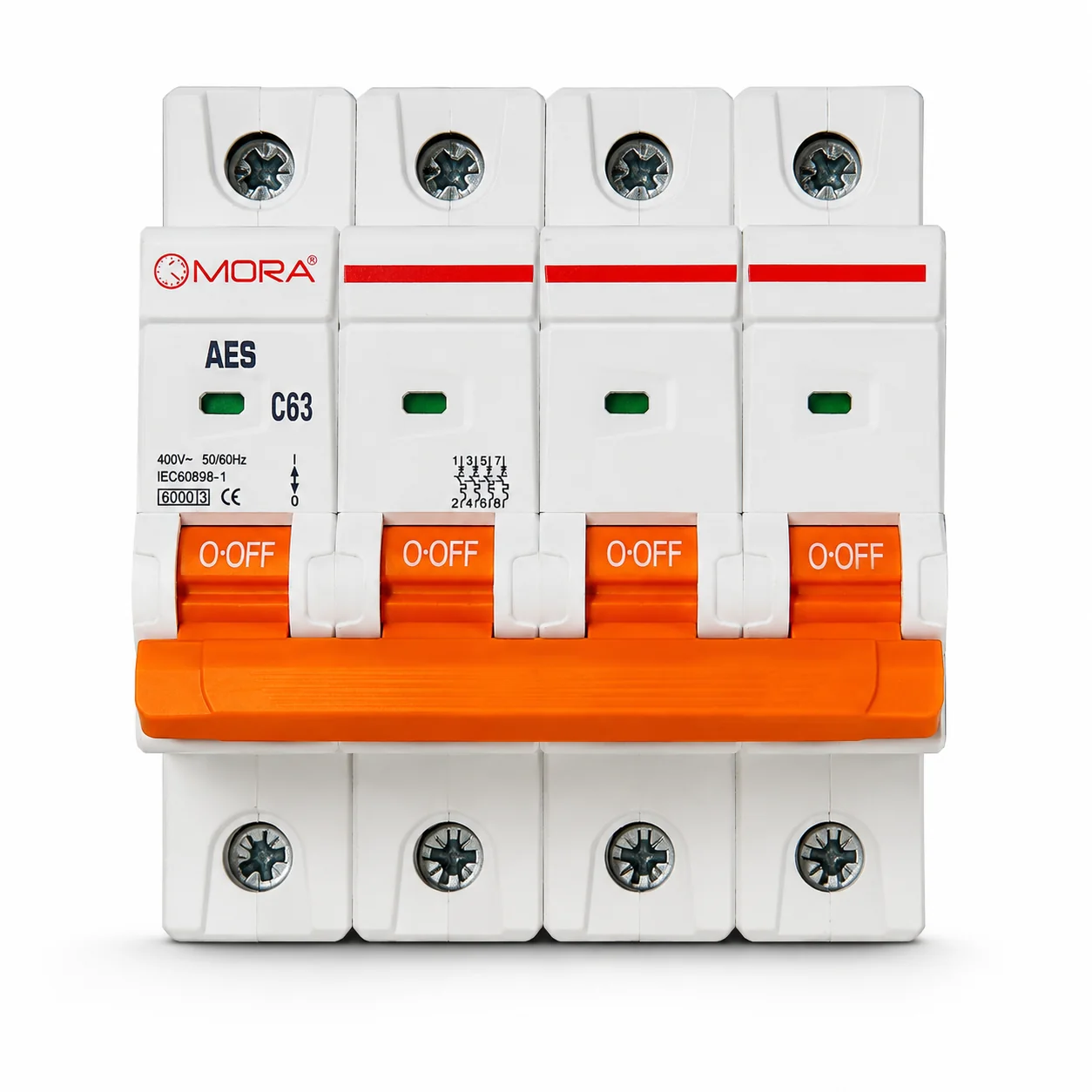
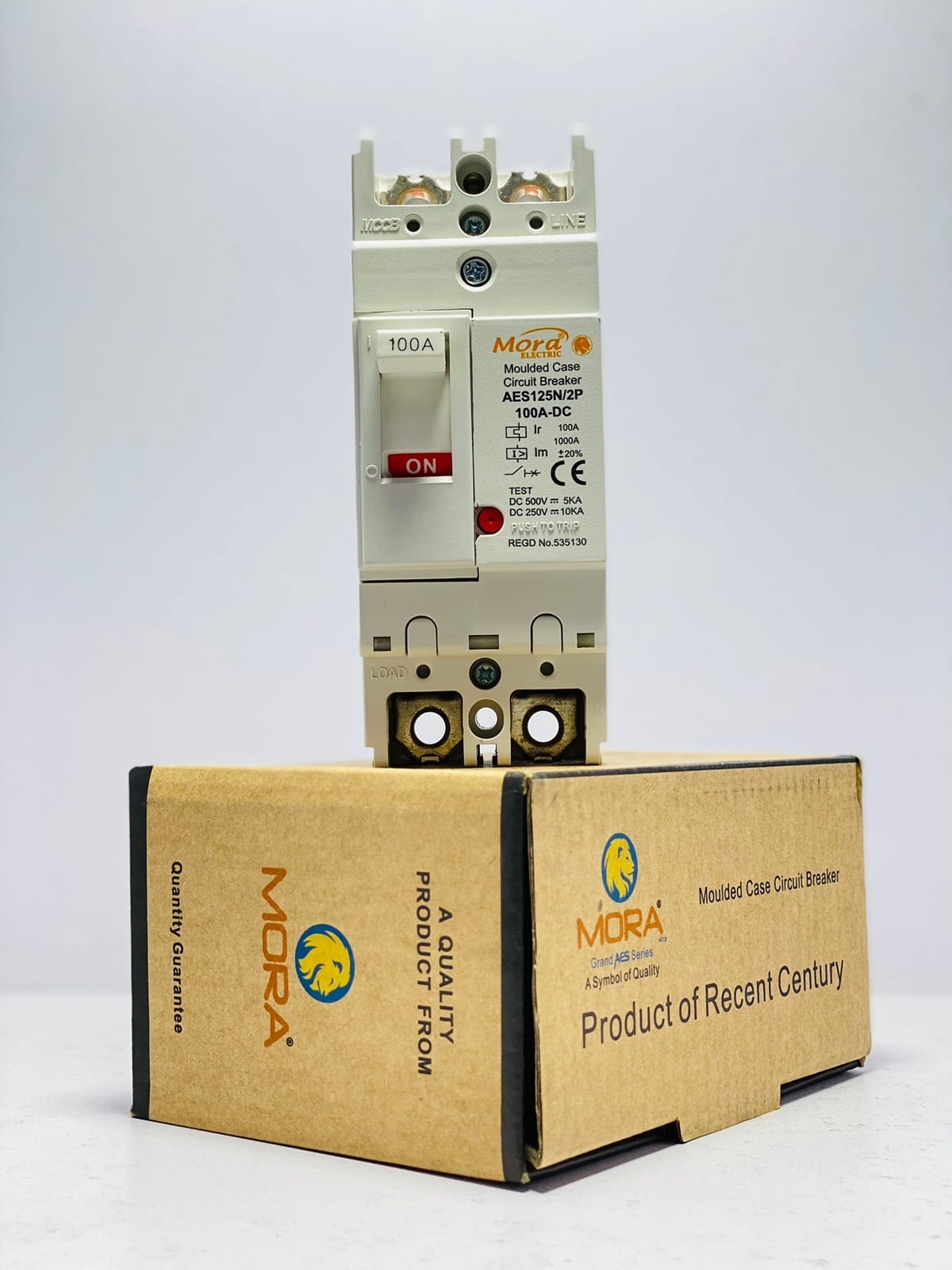
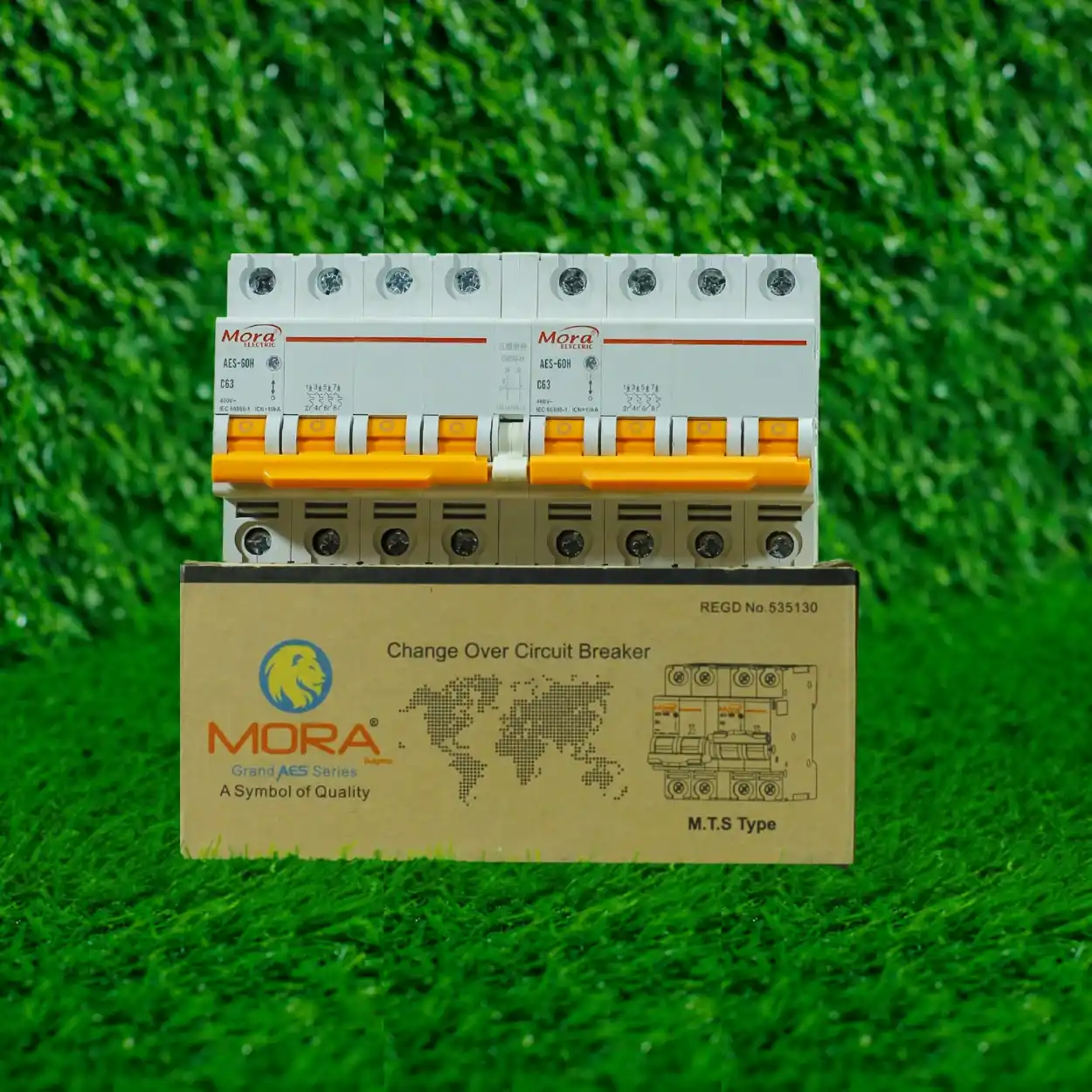
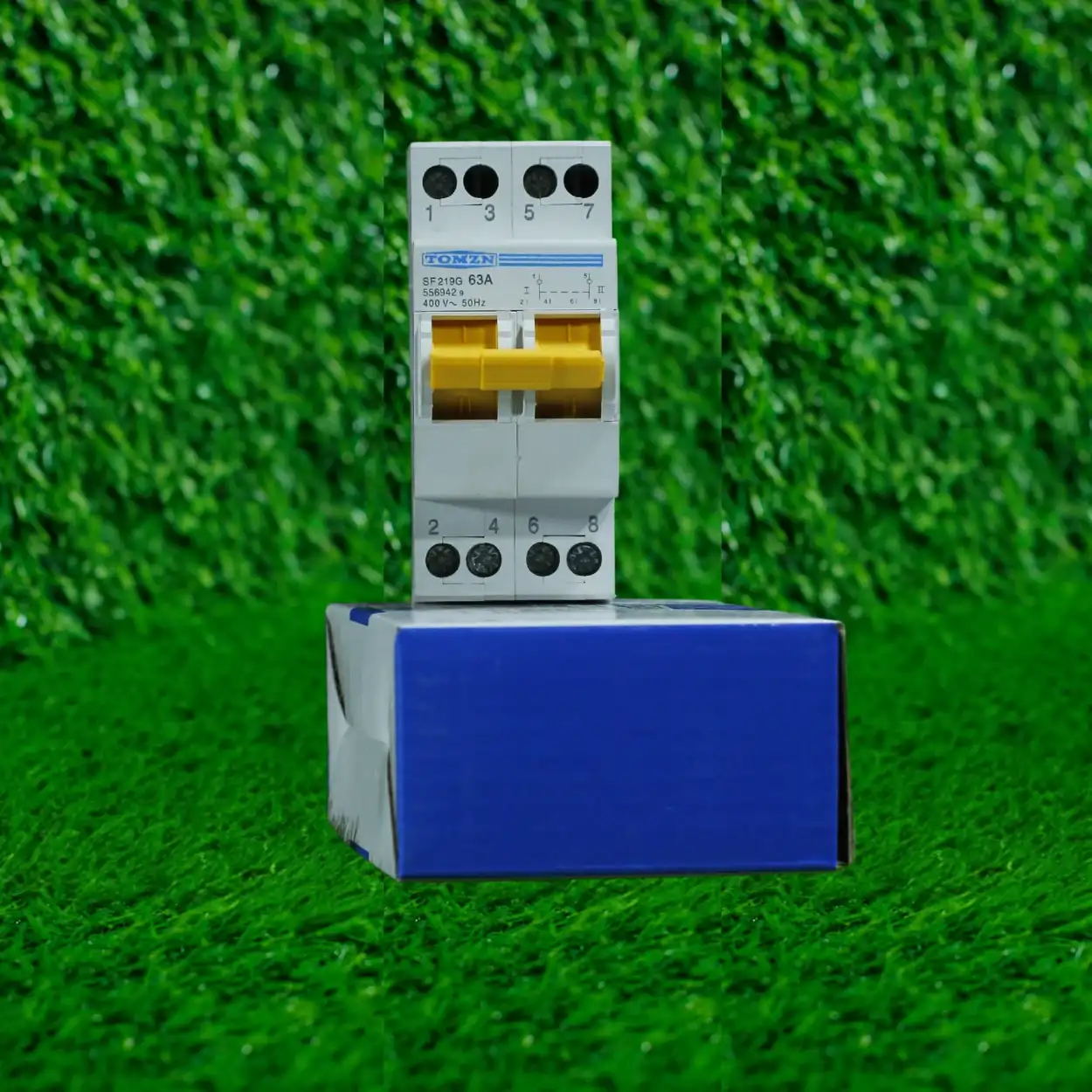
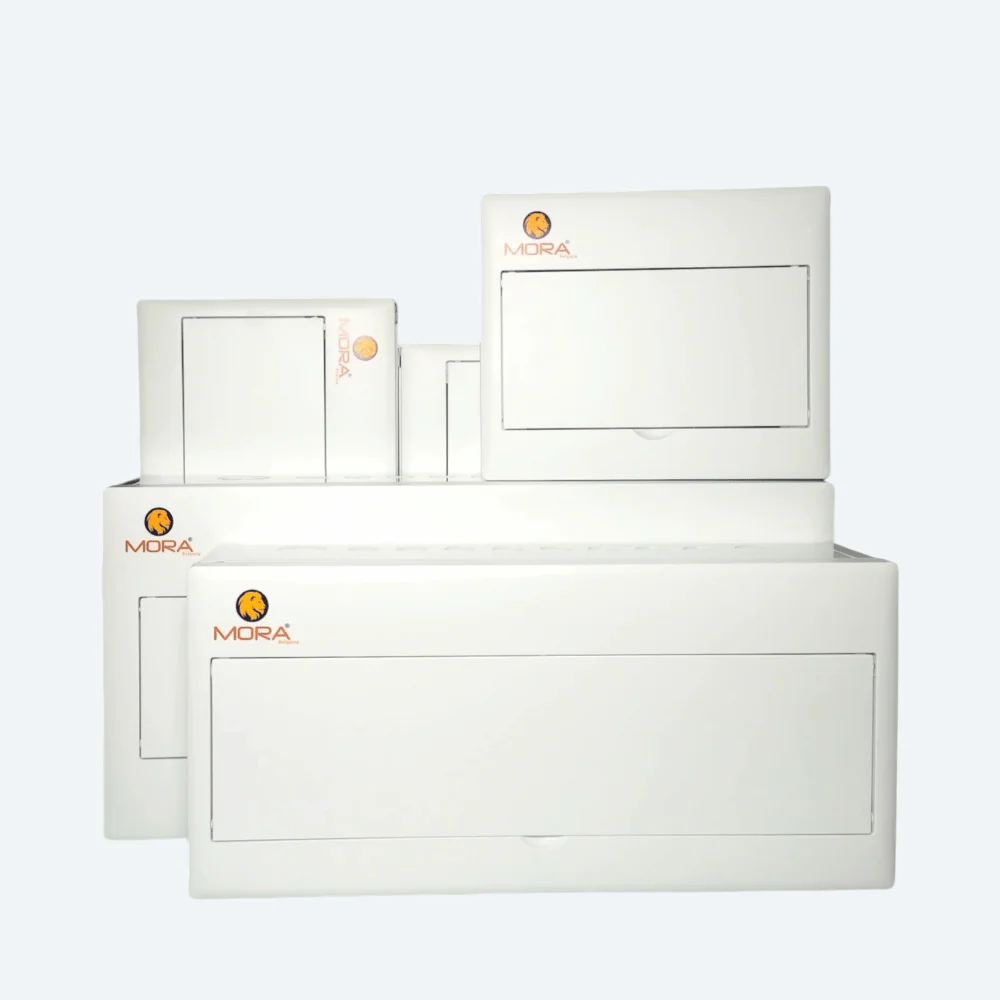
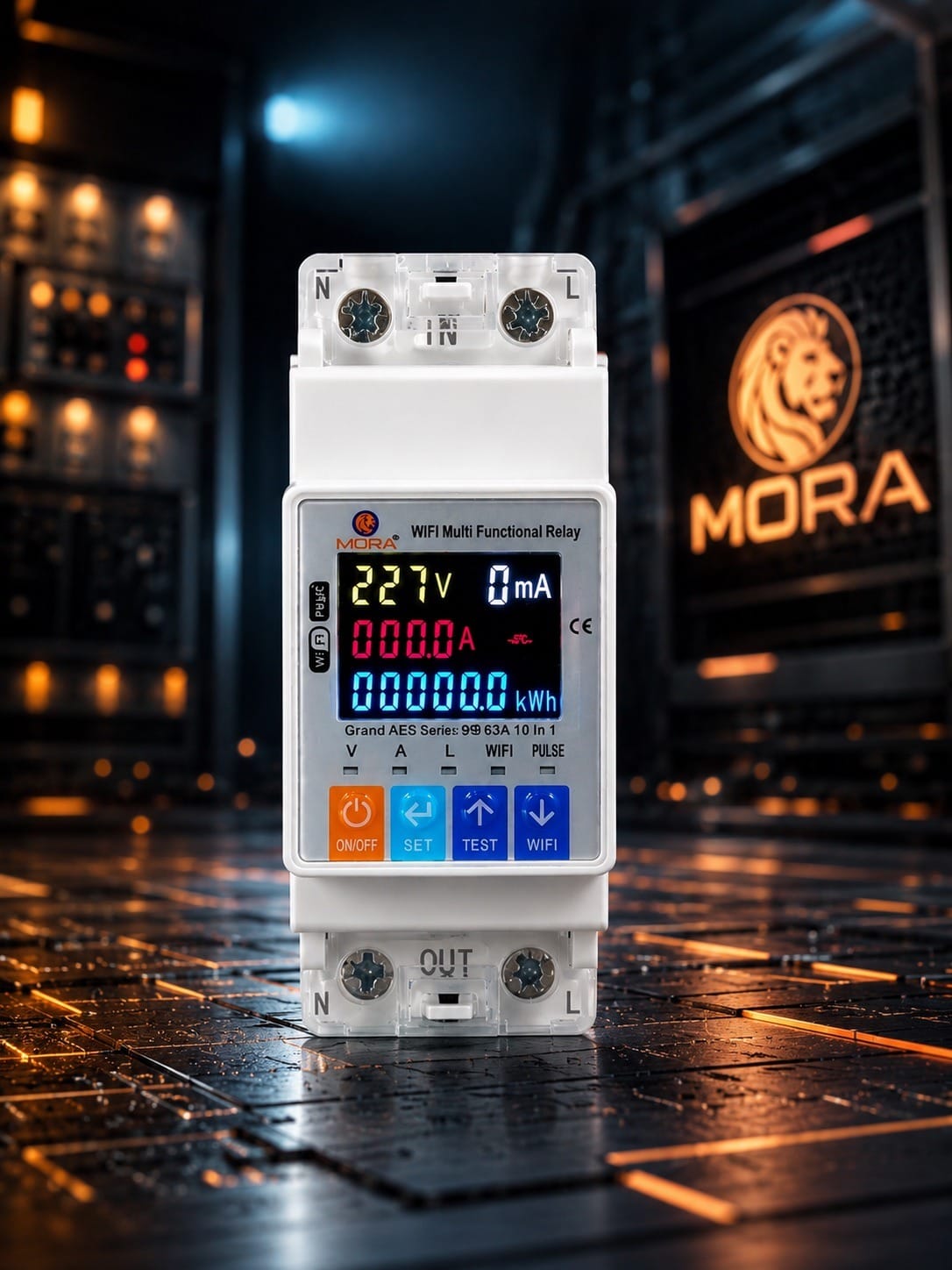
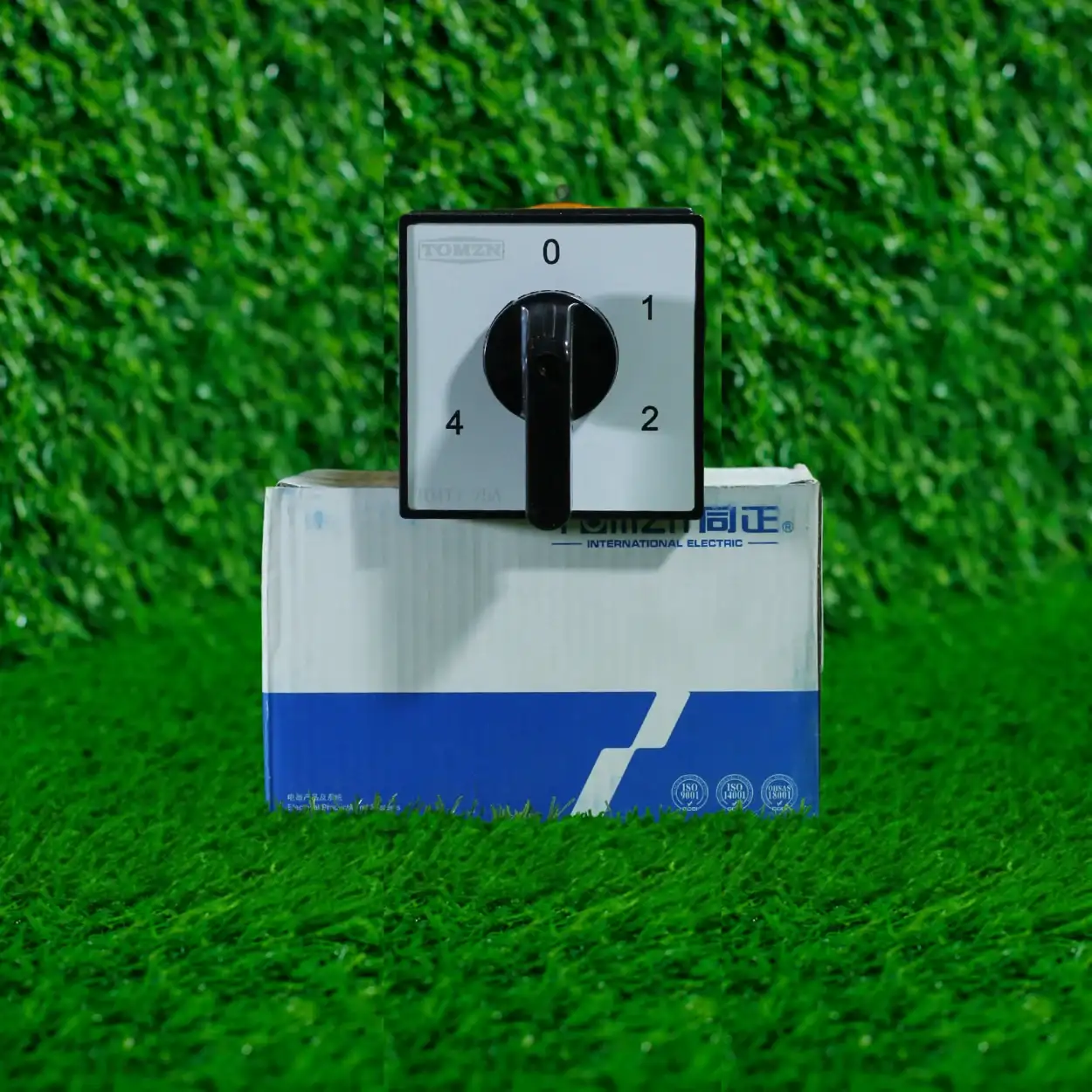
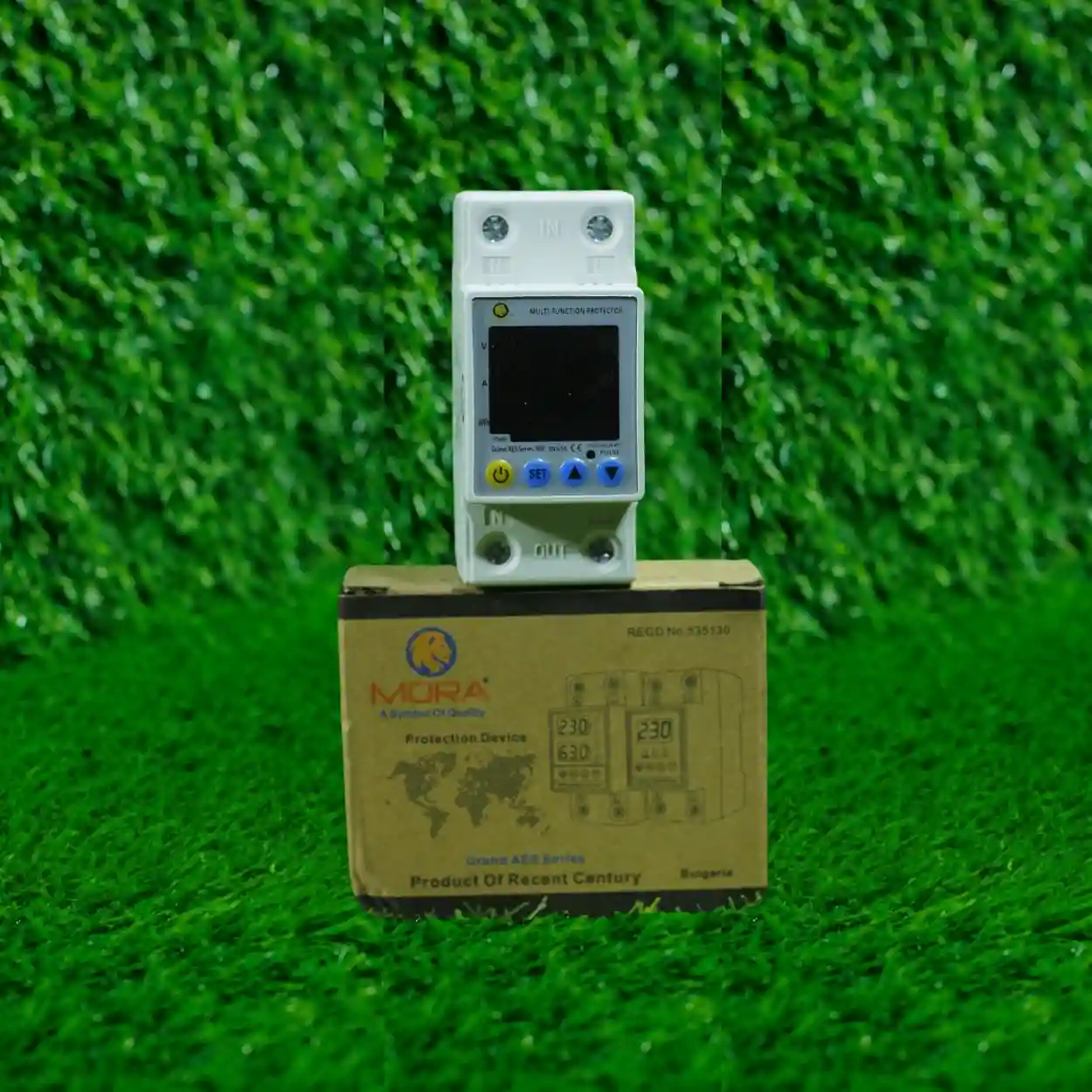
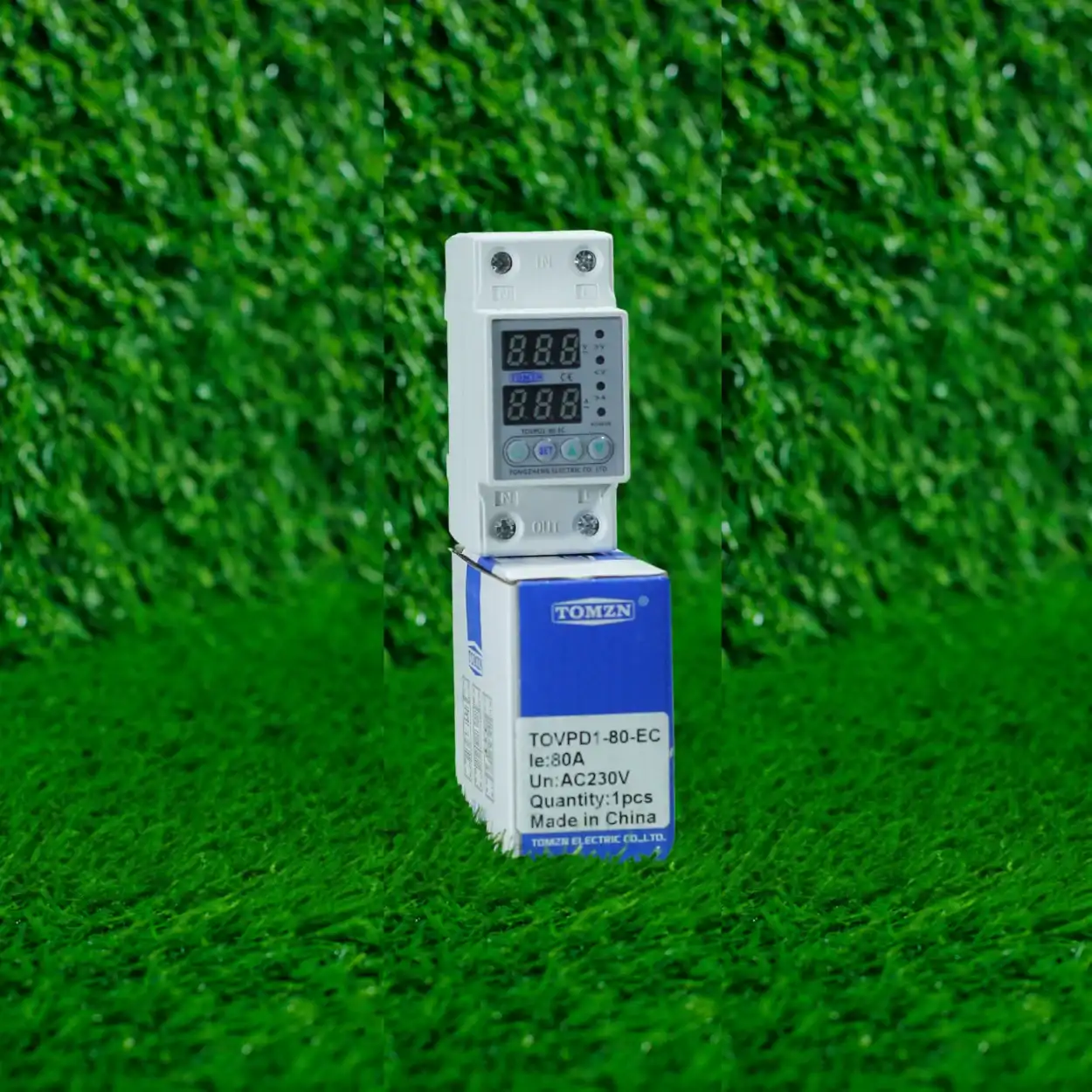
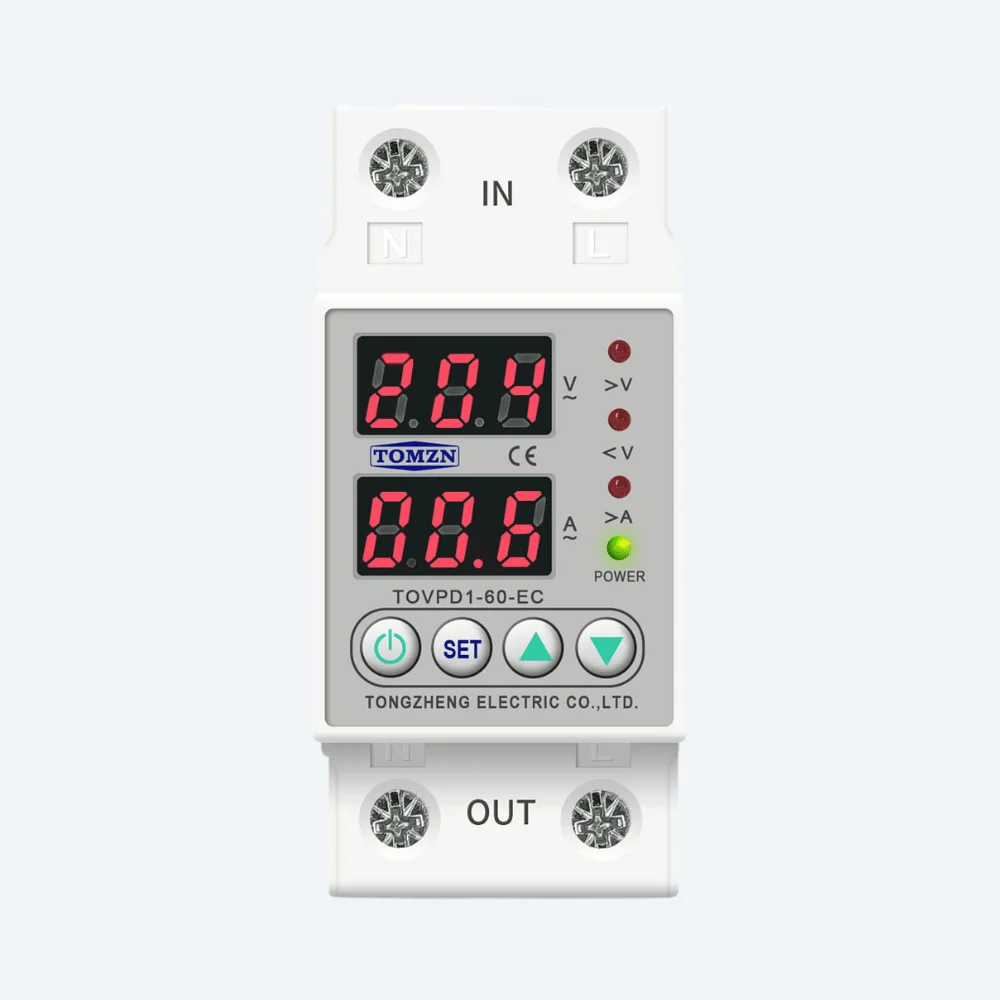
The core issue isn’t the ATS itself, usually. It’s what happens to it in Pakistani conditions: voltage fluctuation from 180V to 250V on the same day, the thermal stress of load-shedding cycling (switching 20, 30 times a day during peak season), dust choking the contacts, and cheap Chinese knockoffs that look identical to genuine MORA or TOMZN units but have brittle internal components. I’ve seen ATS units from unknown brands fail inside six months, while a proper MORA unit in the same building runs for five years without a hiccup.
Common Failure Modes and How to Spot Them
The ATS Won’t Switch Over (Stuck on Main Supply)
This is the one that makes customers panic most because when it happens, you’ve lost your backup during a power cut. The switch physically doesn’t move, or it moves but the contacts don’t make proper connection with the backup.
Start here: cut the main supply manually at the DISCO meter or use a portable load isolation tool. If the ATS still doesn’t switch, the solenoid or the mechanical linkage is dead. If it does switch when you force it, the issue is the voltage-sensing relay inside the ATS. This relay is supposed to sense when WAPDA drops below roughly 180V (or whatever the threshold is set to), and trigger the solenoid to pull the switch mechanism. When it fails, the ATS never gets the signal to move.
The voltage-sensing relay can fail because of voltage spikes during DISCO switching, or because the relay coil burns out from constant micro-arcing when the supply is borderline (sitting at 190V, flickering up and down). I’ve seen this happen within weeks on sites where the DISCO supply is notoriously unstable. The fix is straightforward: replace the sensing relay if you can access it as a replaceable module, or replace the entire ATS if the relay is soldered in. Either way, it’s not a field repair.
Nuisance Tripping (Switching Back and Forth Repeatedly)
The generator kicks in, the ATS switches over, then 10 seconds later it switches back to WAPDA. Then back again. Your appliances are rebooting every few seconds and you’re worried the ATS will burn out.
This happens for two reasons. First, the voltage threshold is set too close to the actual supply voltage. If your WAPDA supply naturally sits around 200-210V and the ATS is set to trip at 205V, any slight fluctuation will flip it. The meter on the DISCO supply here in Lahore bounces like a yo-yo during load-shedding recovery. Second, the sensing relay hysteresis is broken, so the switch doesn’t stay committed to the backup before trying to switch back.
The fix depends on your ATS model. Some units have adjustment screws on the sensing relay that let you move the threshold (typically marked clearly, sometimes color-coded). You want to set it about 10-15V below your normal minimum WAPDA voltage on a bad day. If your supply regularly dips to 190V, set the threshold to about 175V. This gives a safety margin. If the ATS doesn’t have adjustable thresholds, or if adjustment doesn’t stop the nuisance tripping, the sensing relay is faulty and needs replacement. Don’t just live with it. Nuisance tripping puts stress on the generator starter and the inverter’s switching circuits, and it shortens component life dramatically.
The ATS Gets Hot or Smells Like Burning Plastic
This is a red flag. The internal contacts are not making clean contact, so current is arcing across a small gap instead of flowing smoothly. This generates heat and carbon deposits that make the problem worse. On a humid day or after a few weeks of this, the plastic body can actually soften.
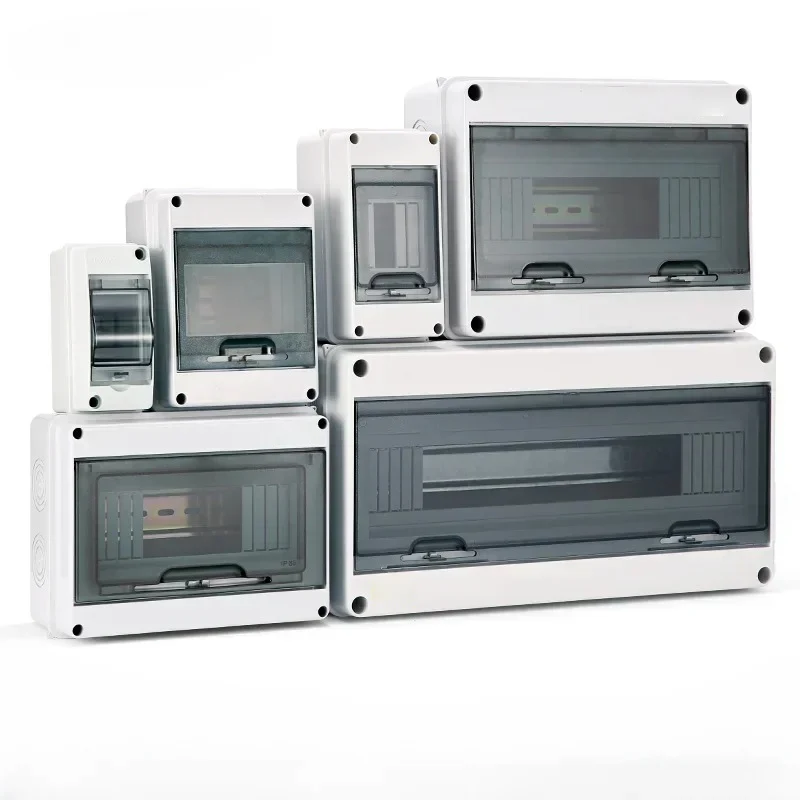
The root cause is usually contact oxidation or corrosion. In dusty areas (which is most of Punjab), dust settles inside the ATS enclosure, and moisture in the air makes it conductive. The contacts get coated with this film. Under load, they overheat instead of conducting cleanly. Another cause is undersizing. If your ATS is rated for 63A but you’re drawing 80A regularly (common in small commercial setups where the electrician guessed the load), the contacts will overheat under normal operation.
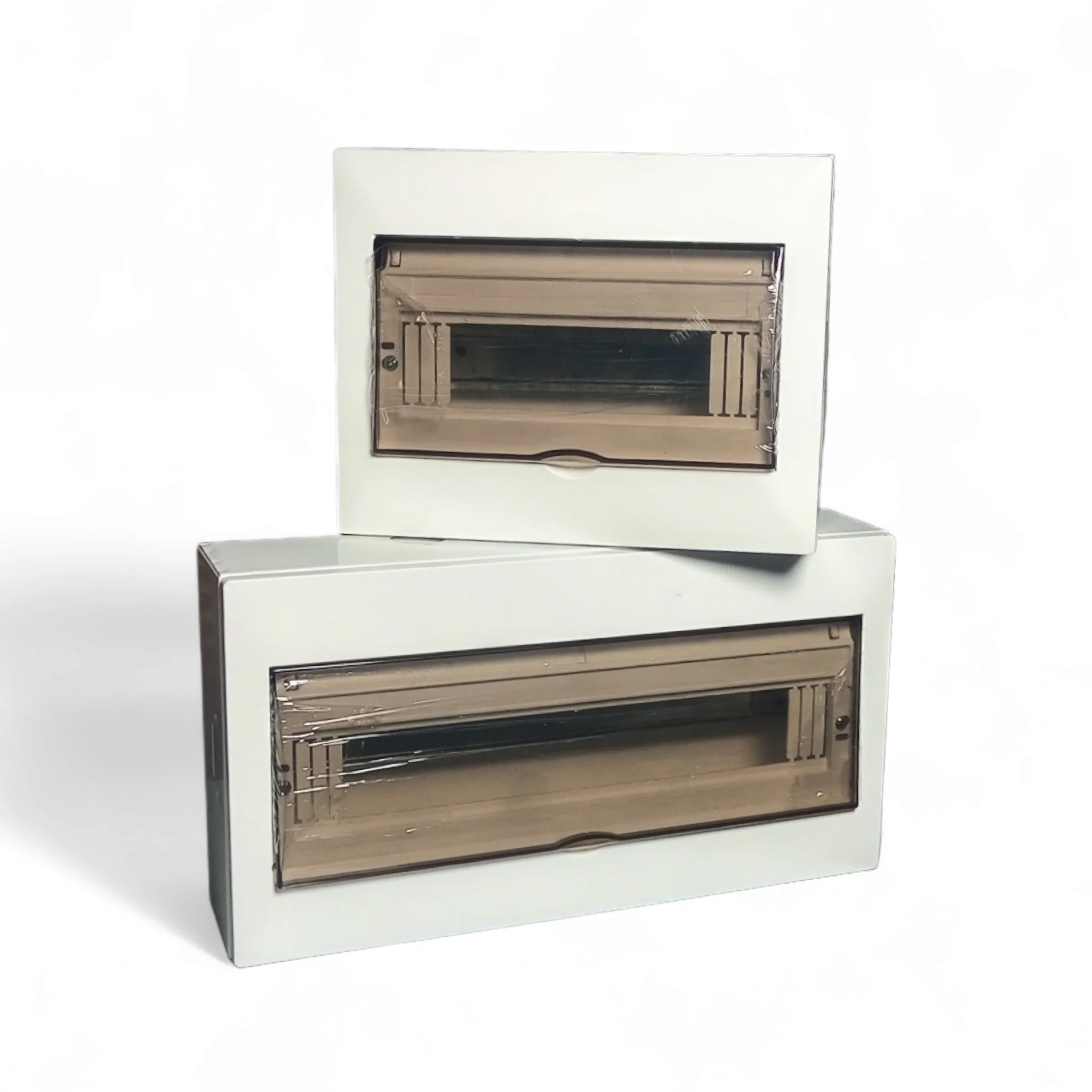
Check the ampere rating plate on your ATS against your actual load. If it’s correct but the unit is hot, open the enclosure (disconnect the main supply first, obviously) and look at the main contacts where the switch arms touch the contact points. If they’re black or dull gray instead of shiny copper or silver, they’re oxidized. You can carefully clean them with a fine electrical contact cleaner or even very fine sandpaper, but this is a temporary fix. The real solution is to replace the ATS with a genuine unit rated for your load, or if the contacts are deeply pitted, replace the contact cartridge if the model allows it. Some MORA and TOMZN units have replaceable contact kits. Check the manual or ask the supplier.
The ATS Switches, But Appliances Keep Resetting
The ATS moves from WAPDA to generator without any obvious problem, but your fridge, TV, or computer reboot even though the generator is running and stable. This feels like a power-quality issue, but it’s actually an ATS switching speed problem.
Quality ATS units switch in under 50 milliseconds (virtually imperceptible to most modern appliances). Cheap units can take 200-500 milliseconds. During that gap, the mains supply to your appliances is interrupted. Older appliances ignore this, but modern devices with smarter power supplies detect the interruption as a power loss and reset. If you’re running a UPS or an inverter as the backup, this is less noticeable because the UPS bridges the gap. But if you’re switching between WAPDA and a generator, a slow ATS + a slow generator startup means a long dark period for sensitive electronics.
There’s no field fix for switching speed. If your ATS is slow and your customer has sensitive equipment, you need to upgrade to a unit with faster switching (look at the spec sheet for switching time, typically under 100ms), or add a UPS in series to bridge the gap. This is why I usually recommend a UPS for any installation with computers or medical equipment, even if there’s a generator backup.
Why Cheap Knockoffs Fail Differently (and Why I Can Tell Them Apart)
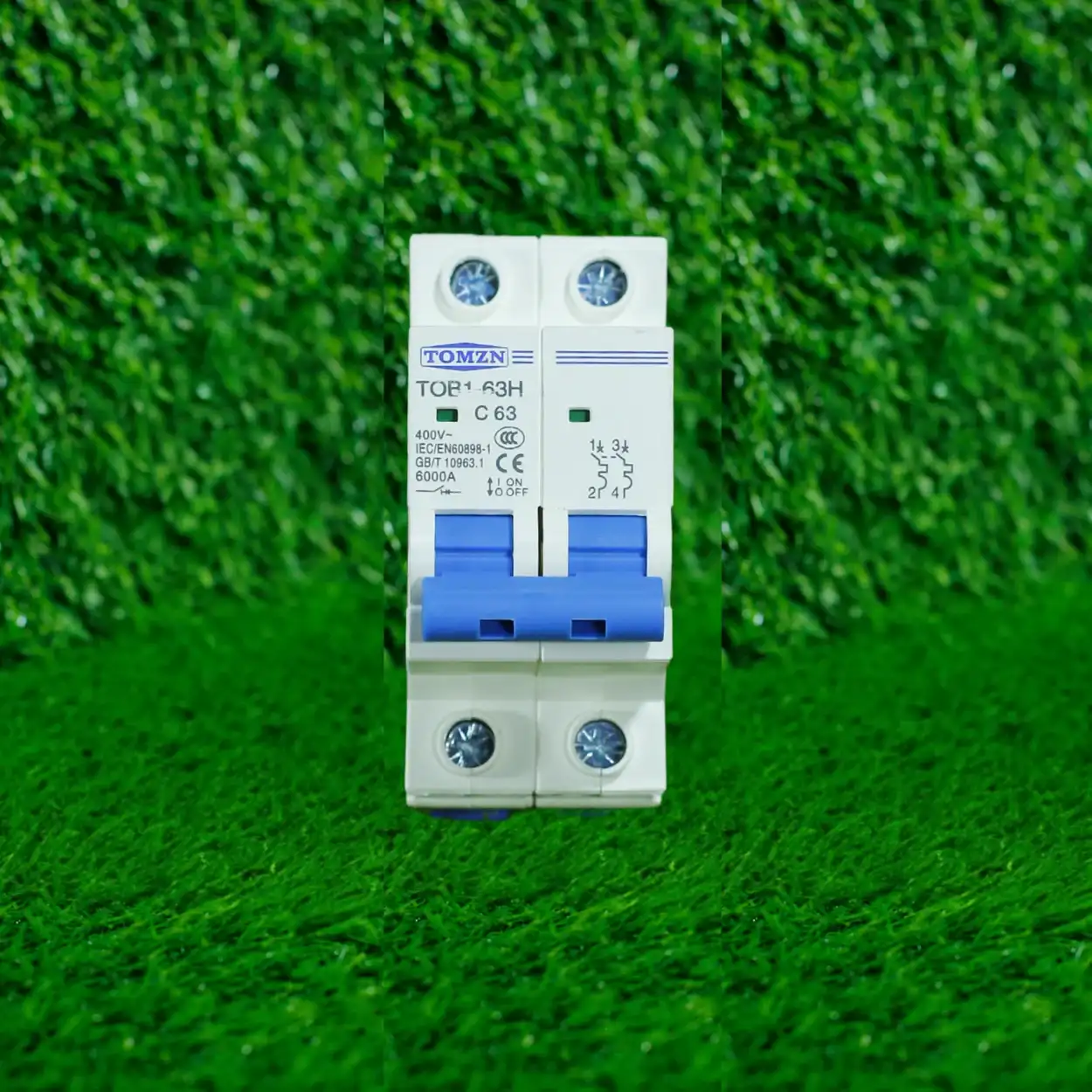
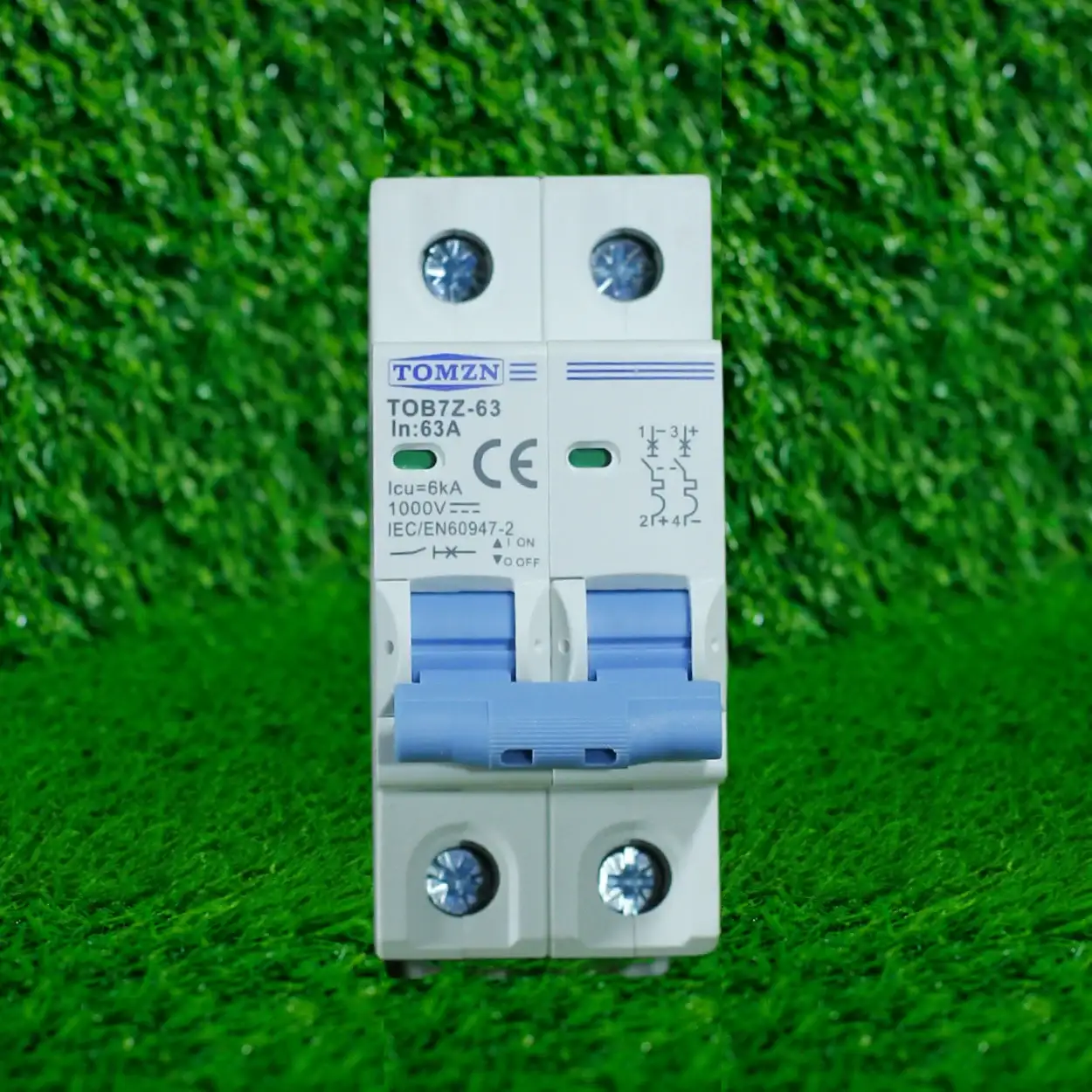
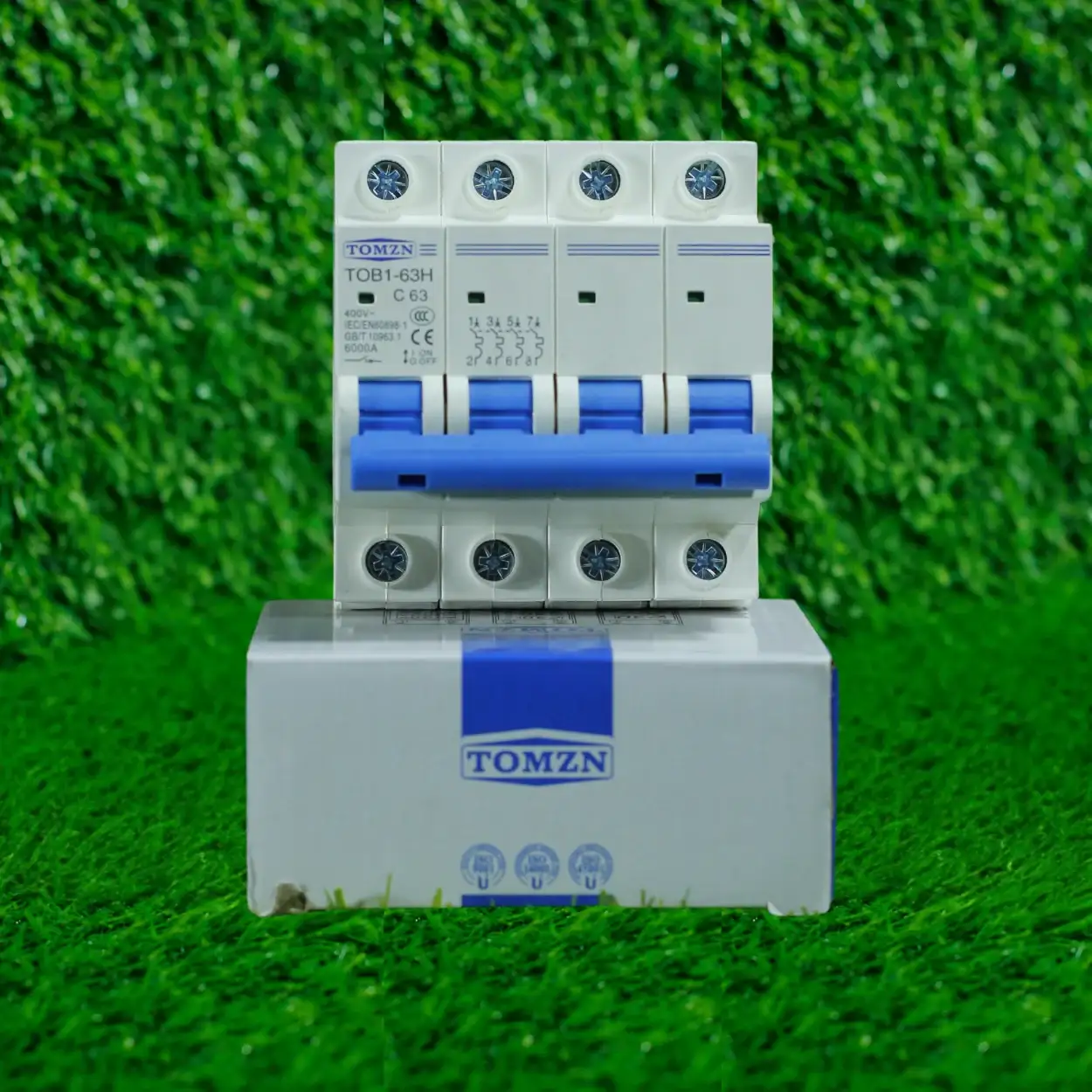
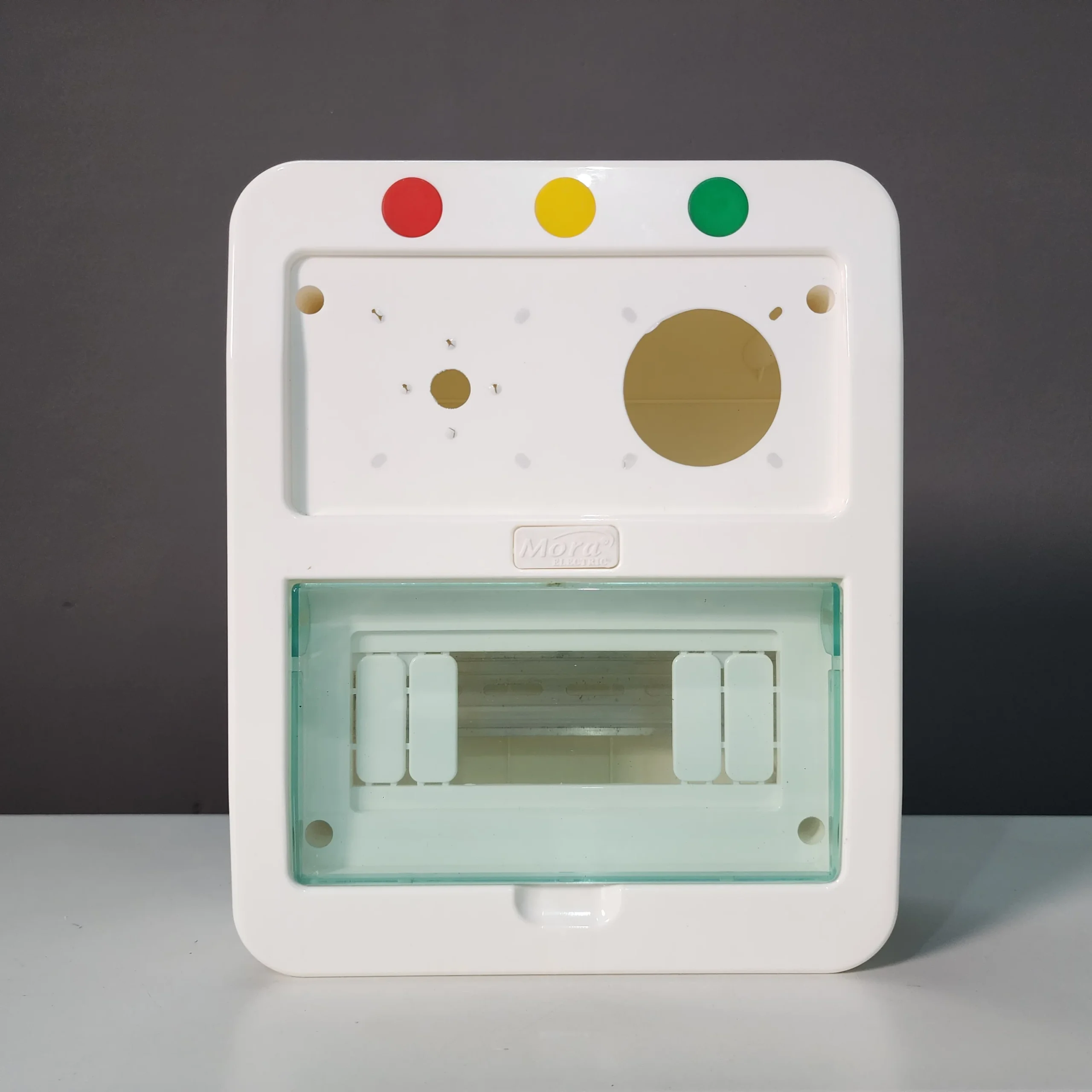
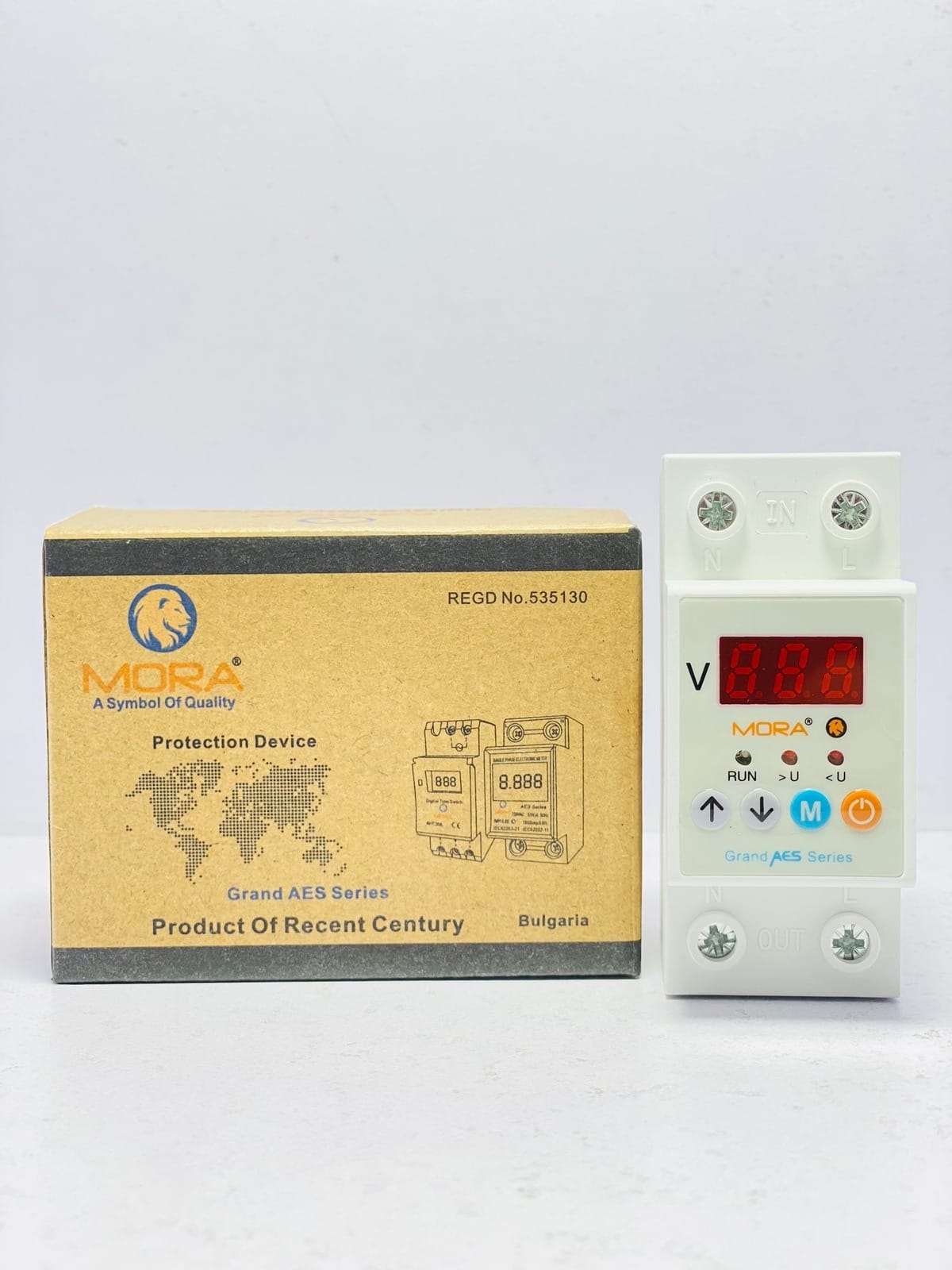
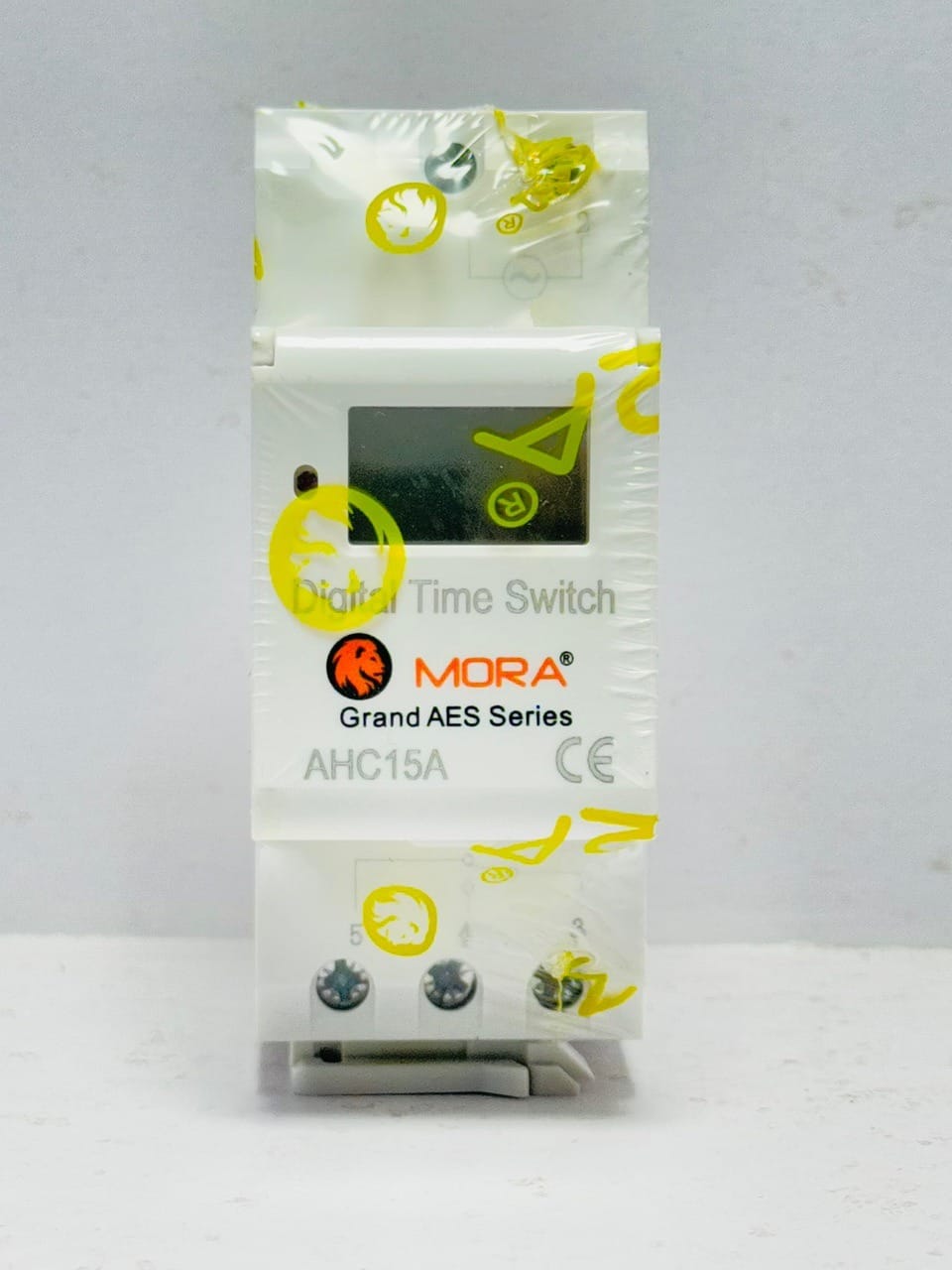
I can spot a counterfeit MORA or TOMZN unit from across the room now. The weight is always wrong. A genuine MORA ATS feels solid, heavy, like it’s made to last. A knockoff feels plasticky, lighter, as if the internal frame is aluminium instead of proper steel. The contact springs inside are usually weaker (you can sometimes hear the difference if you gently shake it). The solder joints inside, if you open it, are rough and dull instead of smooth and shiny.
Counterfeit units fail faster for a specific reason: the relay coils are wound with thinner wire, so they overheat; the contacts are plated with a thinner layer of silver or none at all, so they oxidize quickly; the mechanical tolerances are looser, so the switch arm doesn’t sit flush against the contact points. The first failure is usually the voltage-sensing relay burning out within weeks of heavy cycling. I’ve had customers swear to me they bought from a legitimate shop only to open the unit and find absolutely no manufacturing mark inside, just a generic ‘Made in China’ sticker.
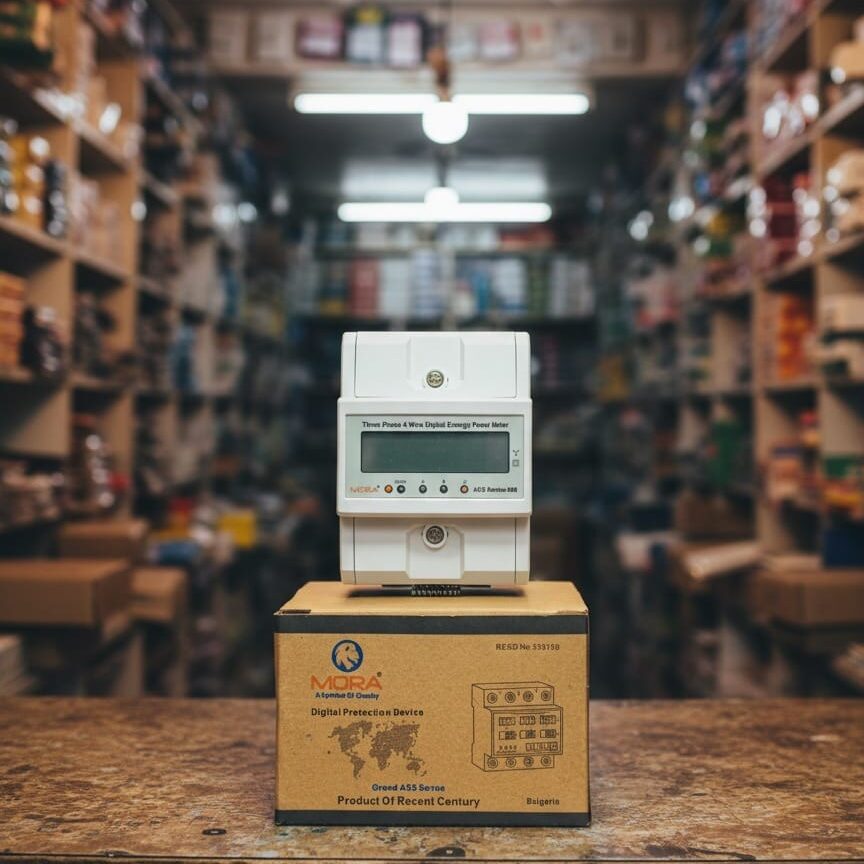
Buy from a retailer who stocks original parts and can show you the packaging and manufacturer details. HN Electric stocks genuine MORA and TOMZN units, and the difference in reliability versus street-market knockoffs is not subtle. In this case, buying cheap actually costs you more in the long run because you’ll replace it twice.
Preventive Checks You Can Do Now
If your ATS is working, you can slow down failures by doing a few simple checks every six months.
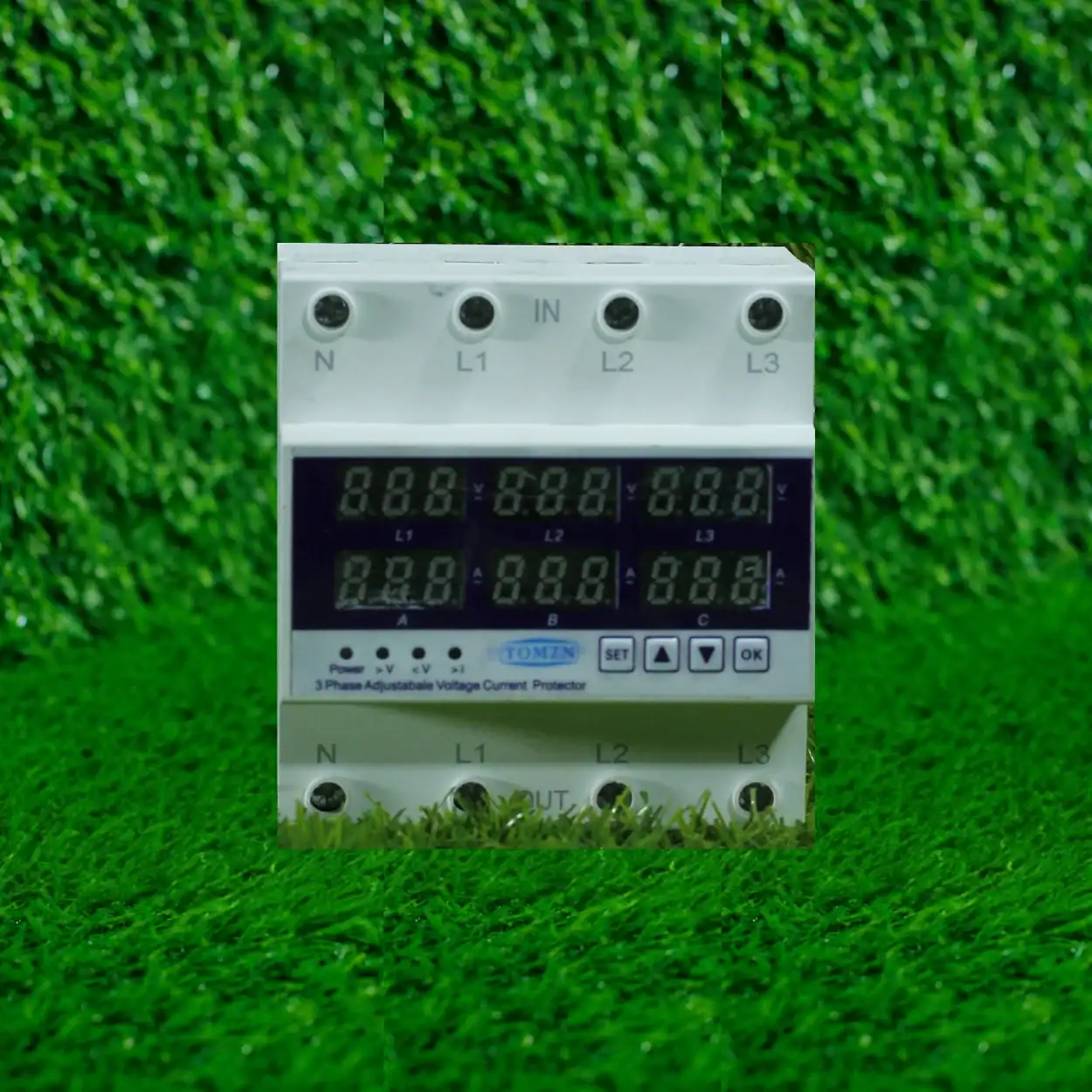
- Check the main supply voltage at the ATS input terminals with a multimeter or clamp meter. Record the minimum voltage during a power-cut cycle and the maximum voltage during normal supply. If the swing is more than 50V (say, 180V to 230V), your DISCO supply is aggressive and you should consider a voltage stabilizer or surge protector ahead of the ATS to reduce stress on the sensing relay. This is especially common in older areas of Lahore where the DISCO distribution lines are heavily loaded.
- Manually switch the ATS back and forth (with no load connected, or with load disconnected) a few times. It should move smoothly and click firmly into each position. If it feels sticky or makes a grinding noise, the mechanical linkage needs servicing or the unit is damaged and should be replaced.
- Check that the enclosure is clean and dry. If dust has accumulated, use a dry cloth to wipe the exterior and, if you’re comfortable opening it, a soft brush or compressed air to clean the interior (with the unit isolated from power).
- Listen for any buzzing or humming when the main supply is present and the ATS is in the normal position. A faint hum is normal (the sensing relay is powered). A loud or irregular buzzing means the relay is struggling and may be failing soon.
When to Replace vs. When to Repair
In my experience, an ATS that’s more than 5-7 years old and has been through heavy load-shedding cycling is usually at the end of its useful life. The contacts are worn, the relay is tired, and the cost of replacing internal components is often 60-70% of the cost of a new unit anyway. If your ATS is still under warranty (usually 1-2 years from the date of installation), try to get the relay replaced. If it’s out of warranty and the failure is the sensing relay or the contact cartridge, weigh the repair cost against a new genuine unit.
For ATS units that are working but showing signs of age (slow switching, occasional nuisance tripping, slight overheating), replacement is often the smarter investment because the next failure will happen at an inconvenient moment, and you’ll lose your backup exactly when you need it.
Setting Up Your ATS Right From the Start
Most ATS failures are actually installation errors. The unit is oversized or undersized for the load, it’s not properly earthed (critical), or the voltage thresholds were never adjusted for the local DISCO supply. When I install an ATS, I always do a load survey first. I measure the maximum current draw on a typical day and a peak day, and I size the ATS to handle 125% of the peak load (this is standard practice and gives you headroom for future expansion). I also measure the WAPDA supply voltage across a full day of load-shedding and set the sensing relay threshold at least 10V below the lowest point.
Earthing is non-negotiable. The ATS frame, the metal switch enclosure, and the earth conductor from both the main supply and the backup must all be bonded together and connected to a proper earth electrode (at least 3 meter rod driven into soil, tested for resistance below 5 ohms if possible). Poor earthing causes voltage sensing errors and increases the risk of nuisance tripping.
Finally, if you’re choosing between an AC ATS and one suitable for solar/inverter backup, make sure you’re getting the right type. An AC ATS designed for WAPDA + generator switching is not the same as a unit designed for grid + solar switching. The solar version needs to handle DC and reactive power differently. Solar protection devices and ATS units designed for renewable backup have different electrical characteristics and are not interchangeable. Ask the supplier explicitly whether the ATS you’re buying is rated for your specific backup source.
If you’re uncertain whether your current ATS is working properly, or you’ve had repeated failures, get it checked by someone who has a clamp meter and a multimeter and knows how to read the voltage-sensing relay output. That’s worth the diagnostic fee because it’ll tell you exactly what’s wrong rather than guessing and replacing parts. And if you do end up replacing it, buy genuine.