



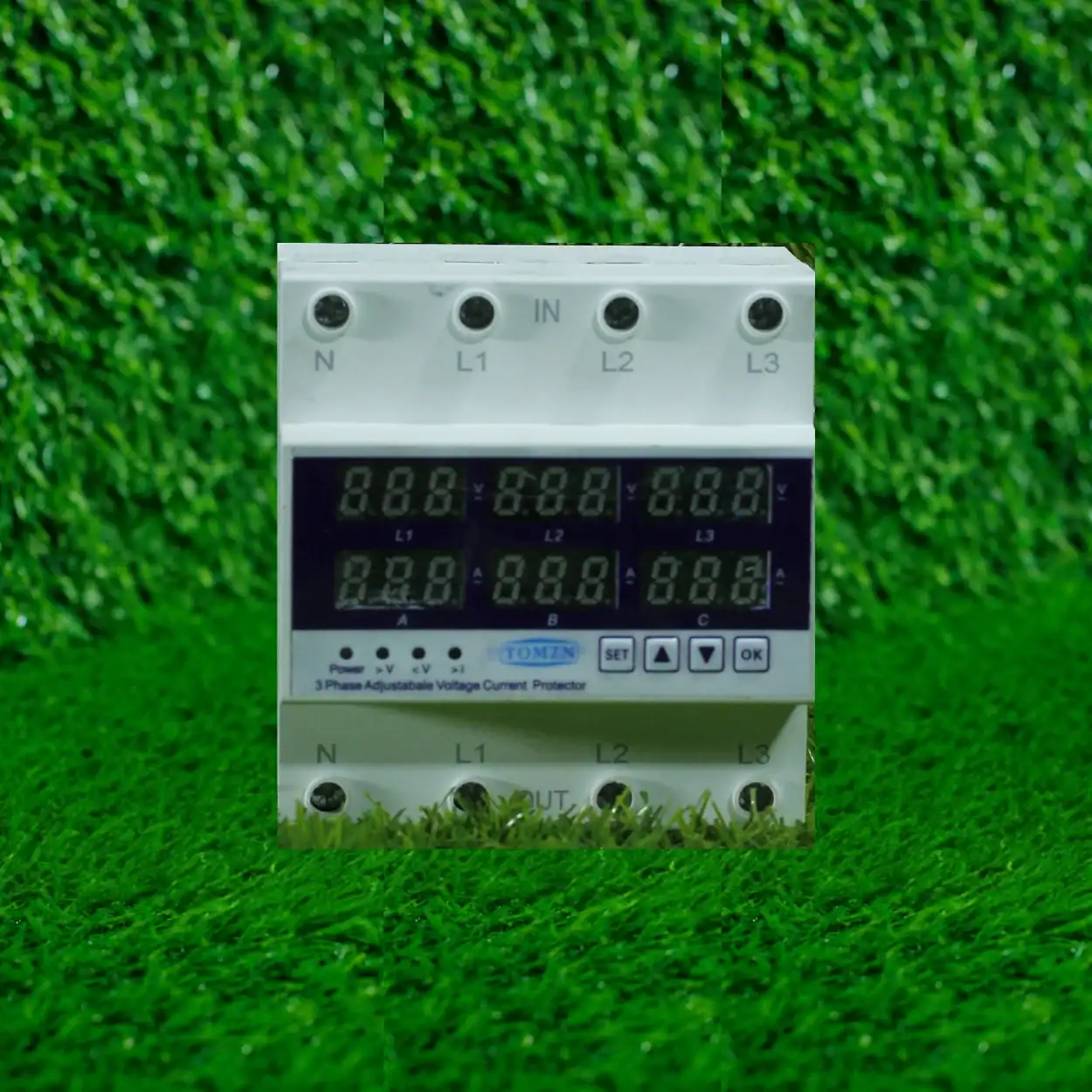




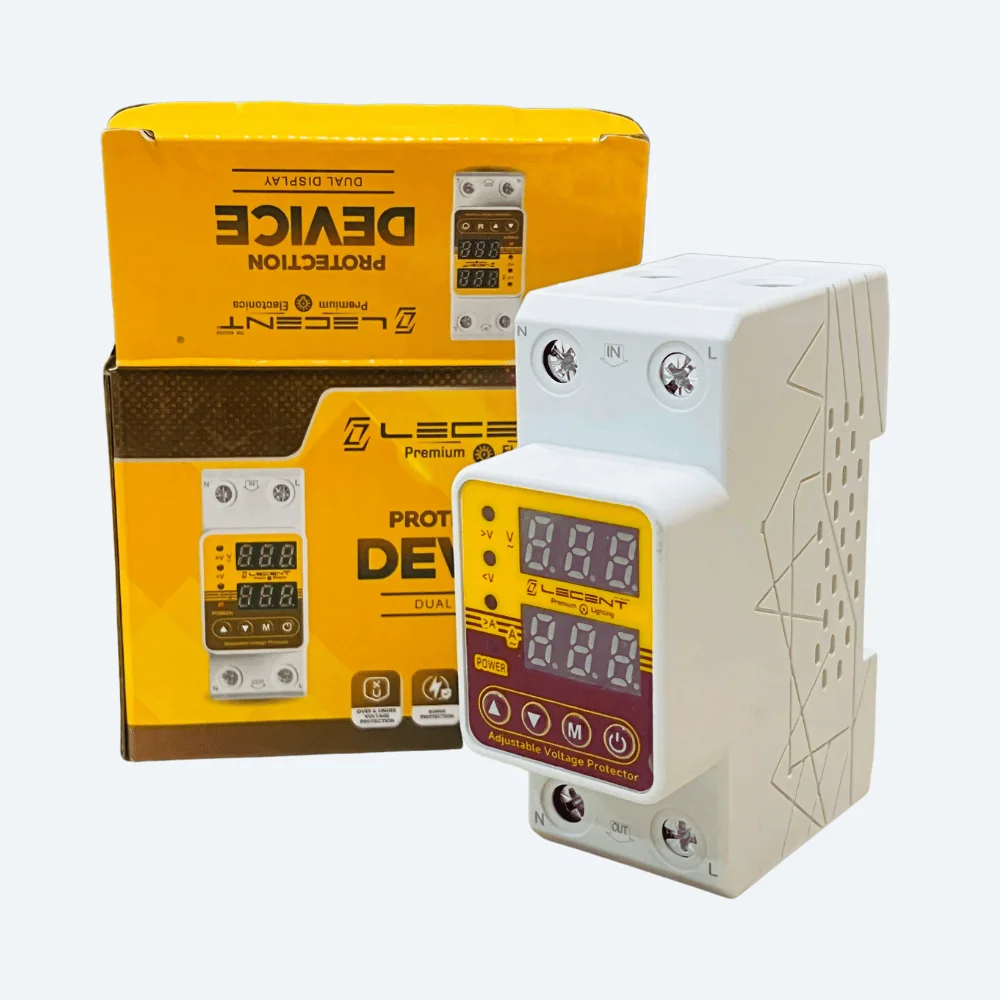
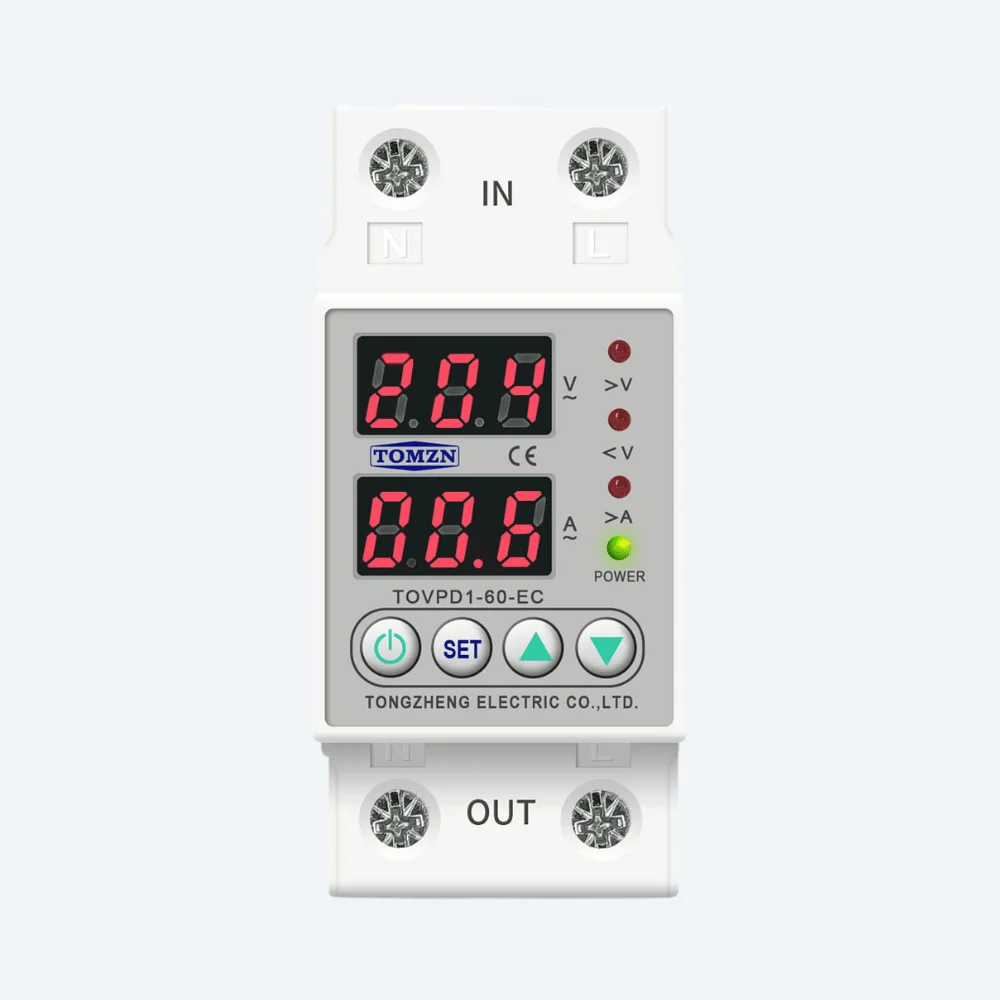
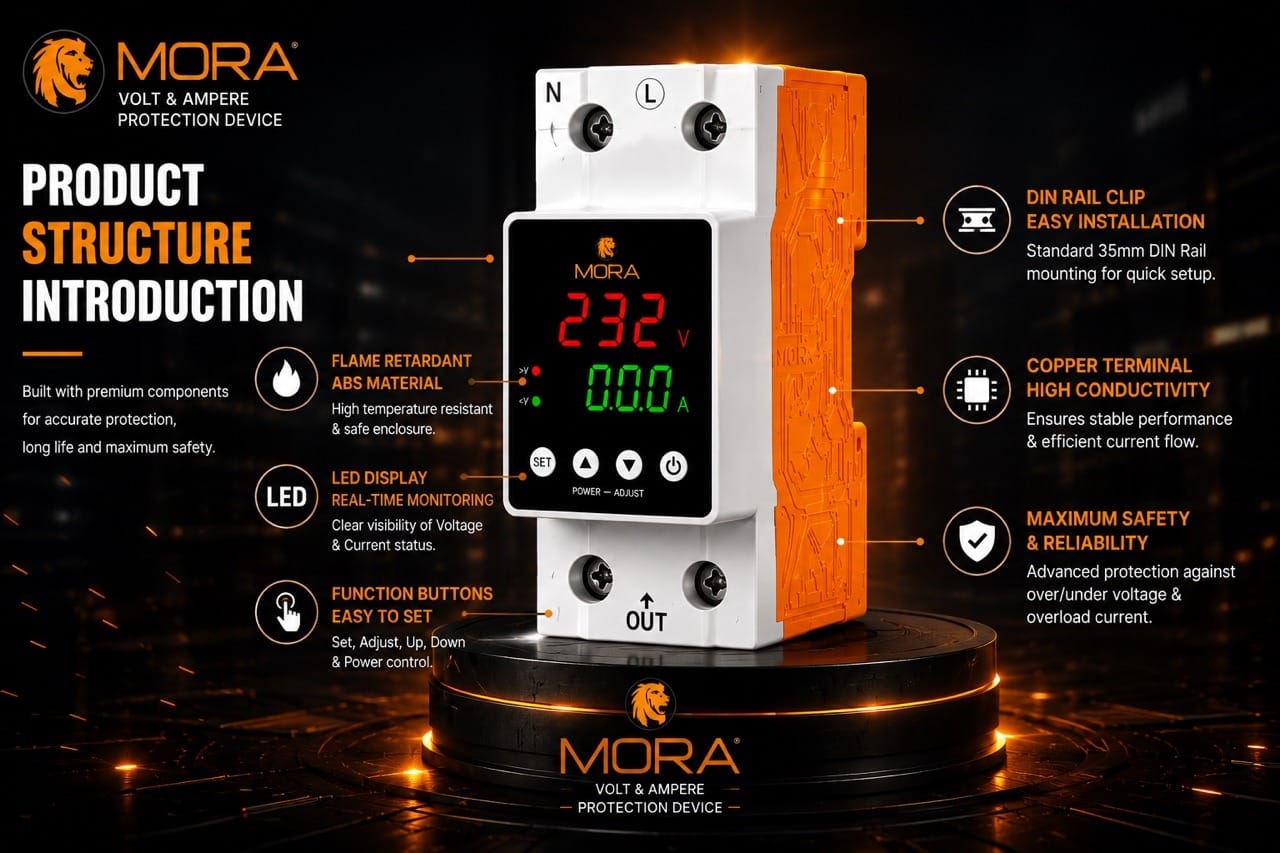

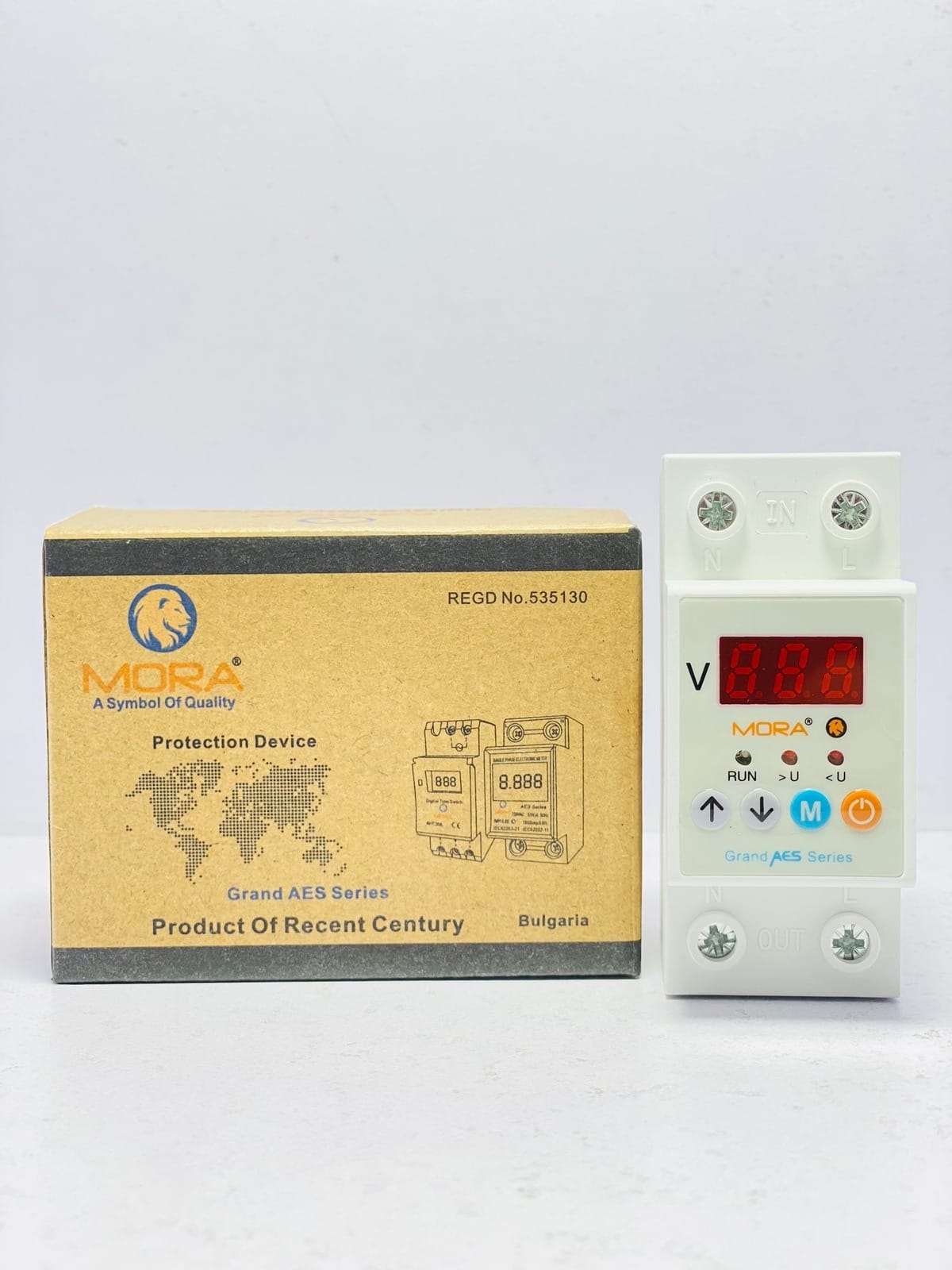

Protection Devices for Solar Systems

Understanding Solar System Protection Devices
Solar energy systems are significant investments that require proper protection to ensure longevity, safety, and optimal performance. Whether you’re installing a rooftop solar array or a ground-mounted system, integrating the right safeguarding equipment is non-negotiable. These devices protect your installation from electrical faults, surges, and environmental hazards while ensuring compliance with safety standards and regulations.
Without adequate protection mechanisms, your solar system is vulnerable to damage from lightning strikes, grid fluctuations, equipment failures, and electrical faults. This vulnerability doesn’t just threaten the panels and inverter—it can pose serious safety risks to your family and property. Understanding which protection devices you need and how they function is the first step toward a secure, reliable solar installation.
Essential Protection Devices Every Solar System Must Have
Residual Current Circuit Breakers (RCCBs)
An RCCB, also known as a residual current device (RCD) or earth leakage circuit breaker, is one of the most critical protection devices in any solar installation. This device detects imbalances in electrical current flowing through the circuit and immediately interrupts the supply if a fault is detected, typically within milliseconds.
RCCBs are essential for protecting against electric shock hazards caused by insulation faults or accidental contact with live conductors. In solar systems, they safeguard both the DC side (between panels and inverter) and the AC side (between inverter and grid/load). A quality Mora 2P RCCB 63A offers reliable earth leakage protection suitable for residential solar installations. The sensitivity rating (typically 30mA or 300mA) determines how quickly the device responds to fault currents.
Miniature Circuit Breakers (MCBs)
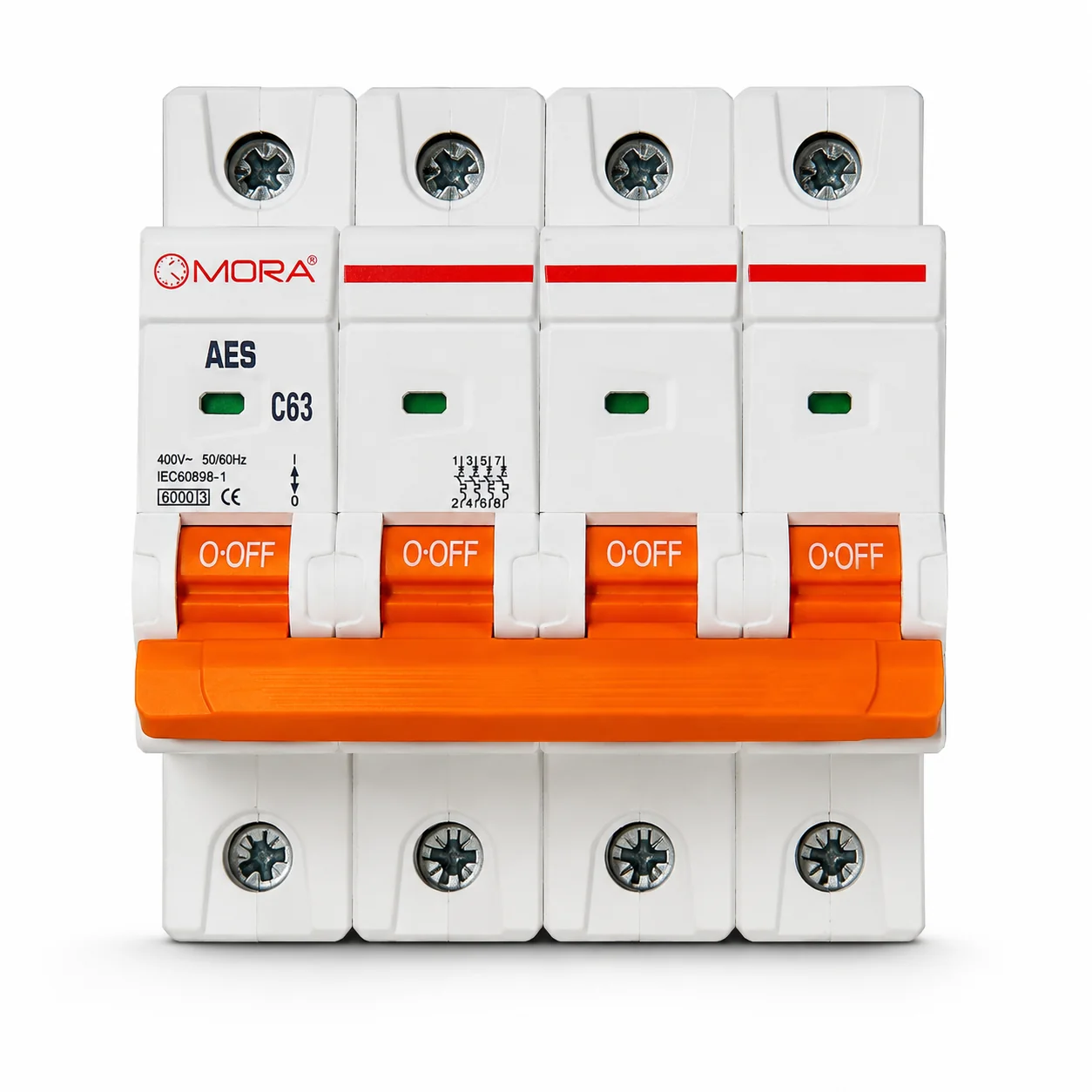
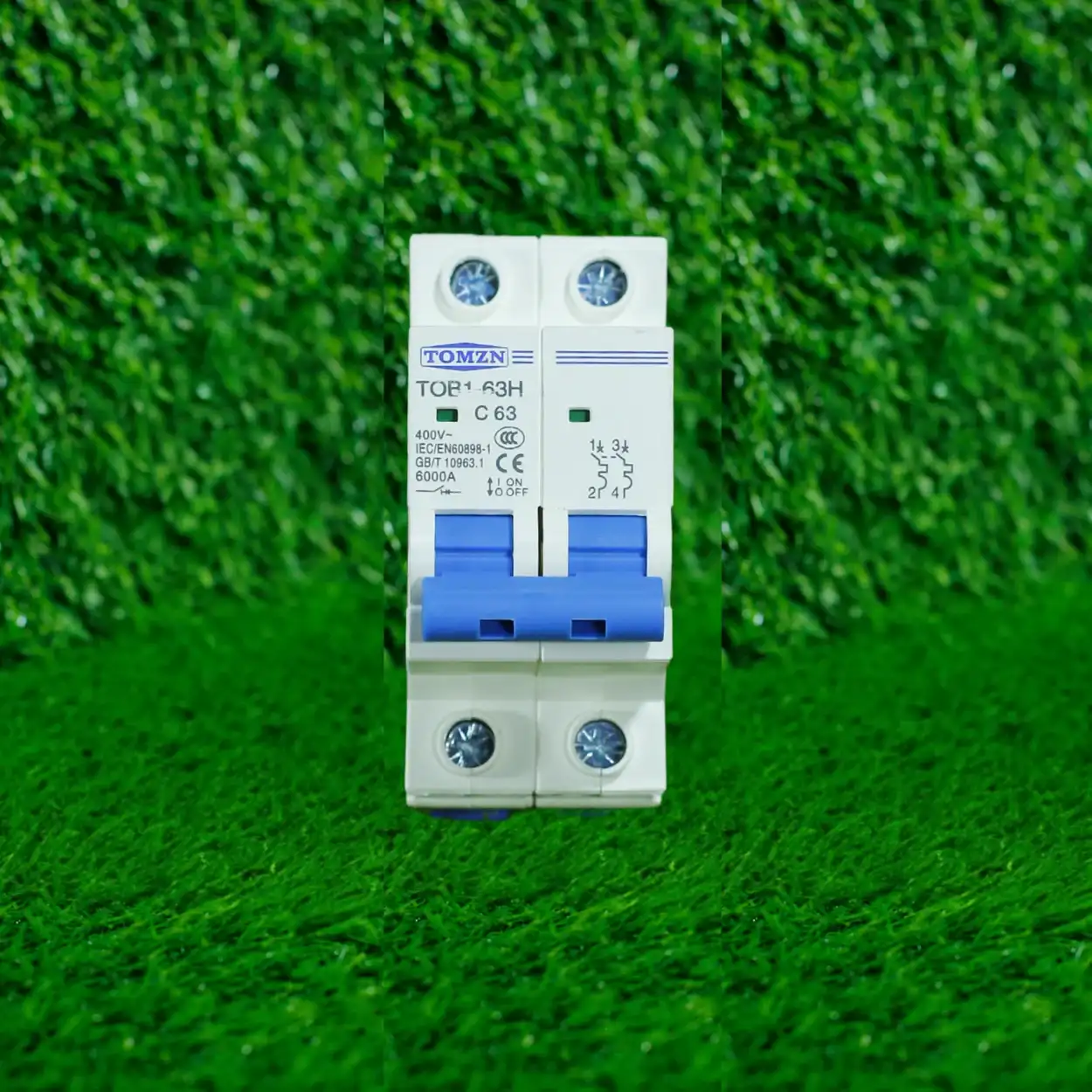
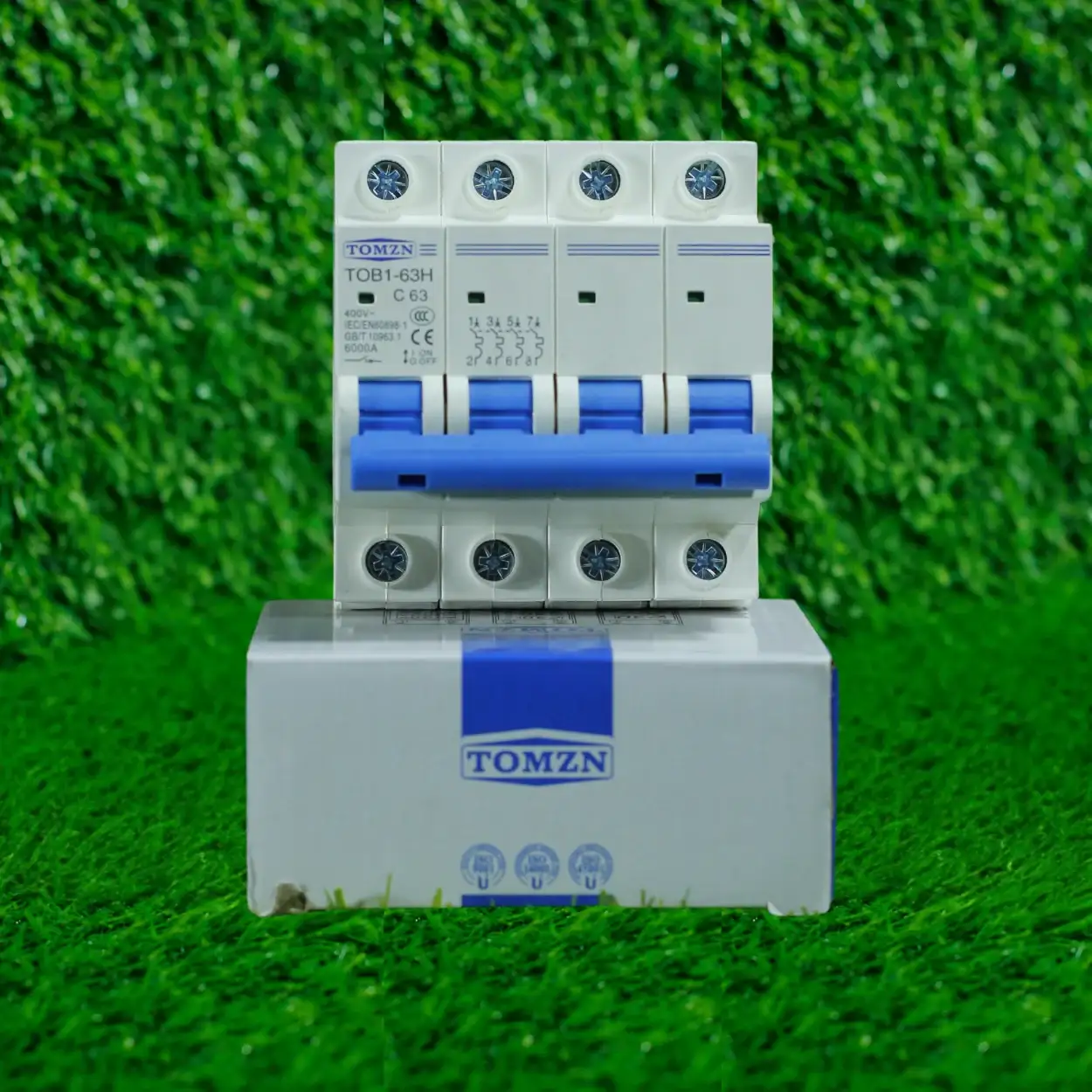
MCBs function as automatic switches that protect circuits from overcurrent conditions caused by overloads or short circuits. Unlike traditional fuses, MCBs can be reset after tripping, making them more practical and cost-effective for long-term use.
In solar systems, MCBs should be installed on both the DC and AC sides. On the DC side, they protect the wiring between the solar panels and the inverter. On the AC side, they protect the output circuits connected to your home loads or grid connection. Each string of solar panels should ideally have its own DC MCB to isolate the string in case of a fault. The rating of the MCB depends on the maximum expected current of your system—typically ranging from 10A to 63A for residential installations.
Explore Circuit Breakers to find MCBs specifically rated for solar applications.
DC Surge Protectors (SPDs)
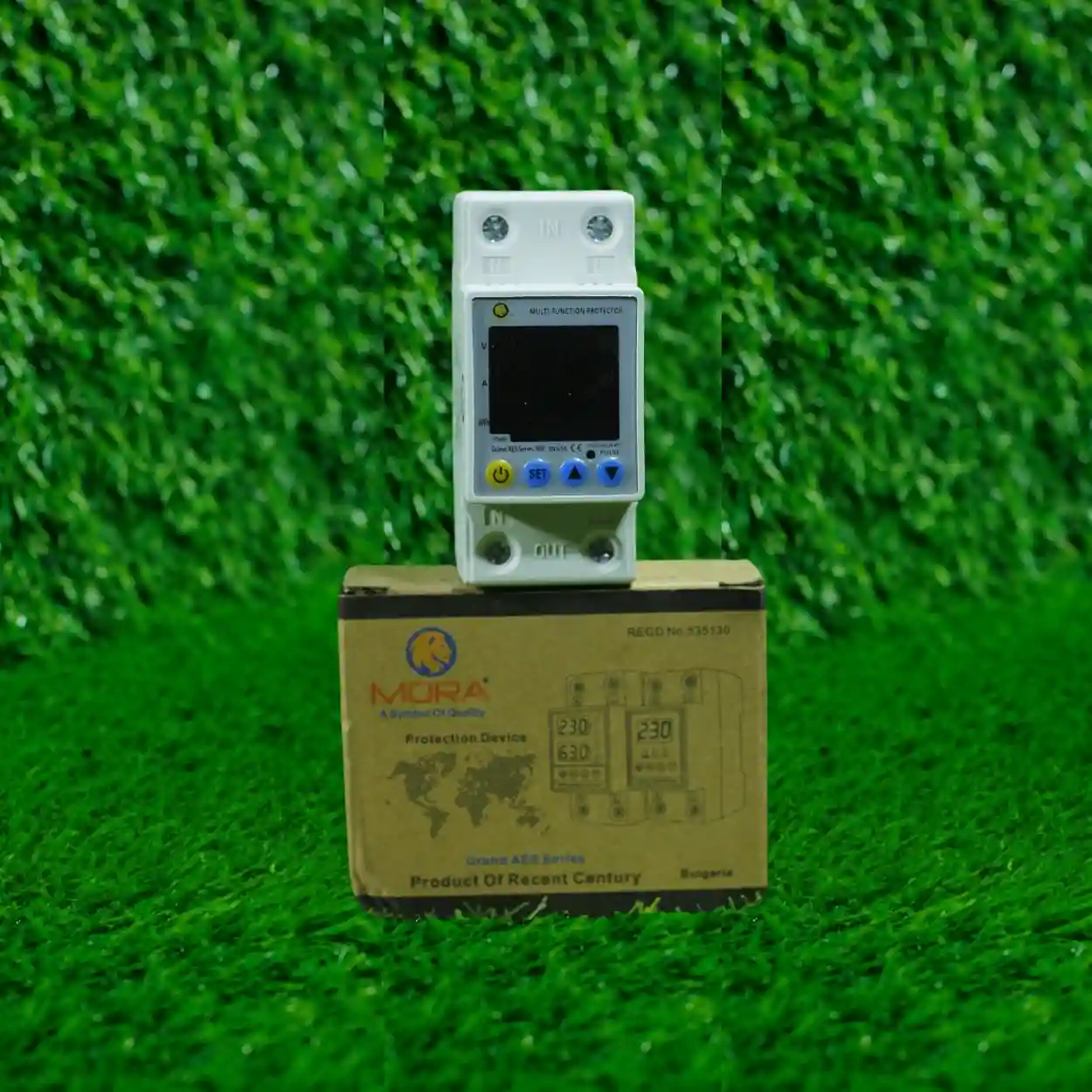
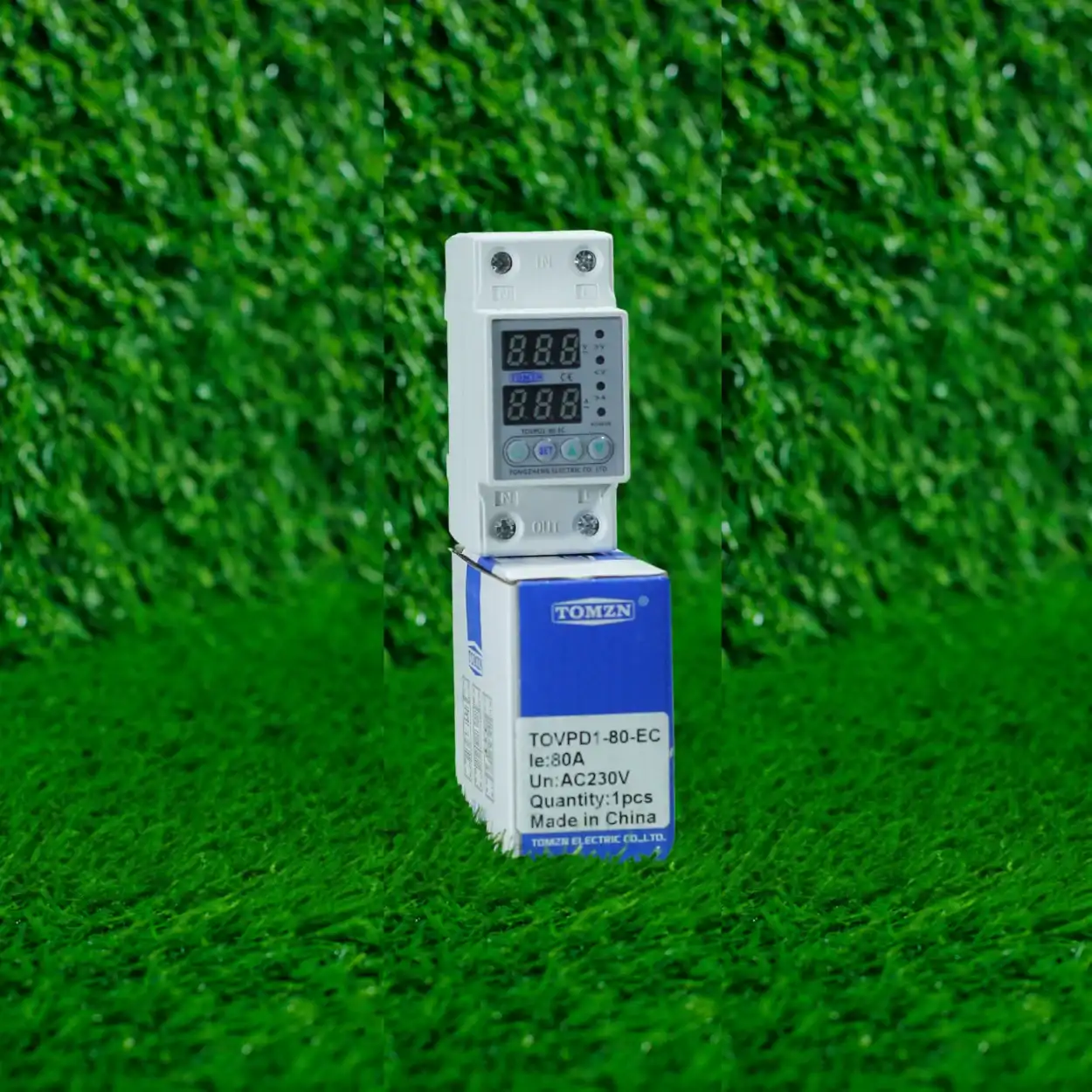
Solar panels are exposed to the elements, making your system particularly vulnerable to lightning strikes and voltage surges. DC surge protectors—also called Type 2 surge protection devices—are designed to divert transient overvoltages to ground, protecting your expensive inverter and other sensitive equipment.
These devices should be installed on the DC input side of your inverter, ideally at the combiner box where multiple strings of panels converge. Quality DC SPDs respond extremely quickly (within nanoseconds) to suppress voltage spikes before they can damage components. When selecting a DC SPD, ensure it matches your system voltage (commonly 48V, 96V, 192V, or 384V for off-grid systems) and has an appropriate maximum continuous operating voltage rating.
AC Surge Protectors
On the AC output side of your inverter, surge protectors safeguard against grid-induced surges and voltage fluctuations. These are particularly important in areas prone to lightning storms or where the electrical grid experiences frequent disturbances.
AC surge protectors should be installed at the inverter output and ideally at the main distribution box where AC circuits branch off to different loads. They work in coordination with MCBs to provide comprehensive protection. For grid-tied systems, AC SPDs also protect against transients originating from the utility grid.
Isolating Switches (DC Disconnects)
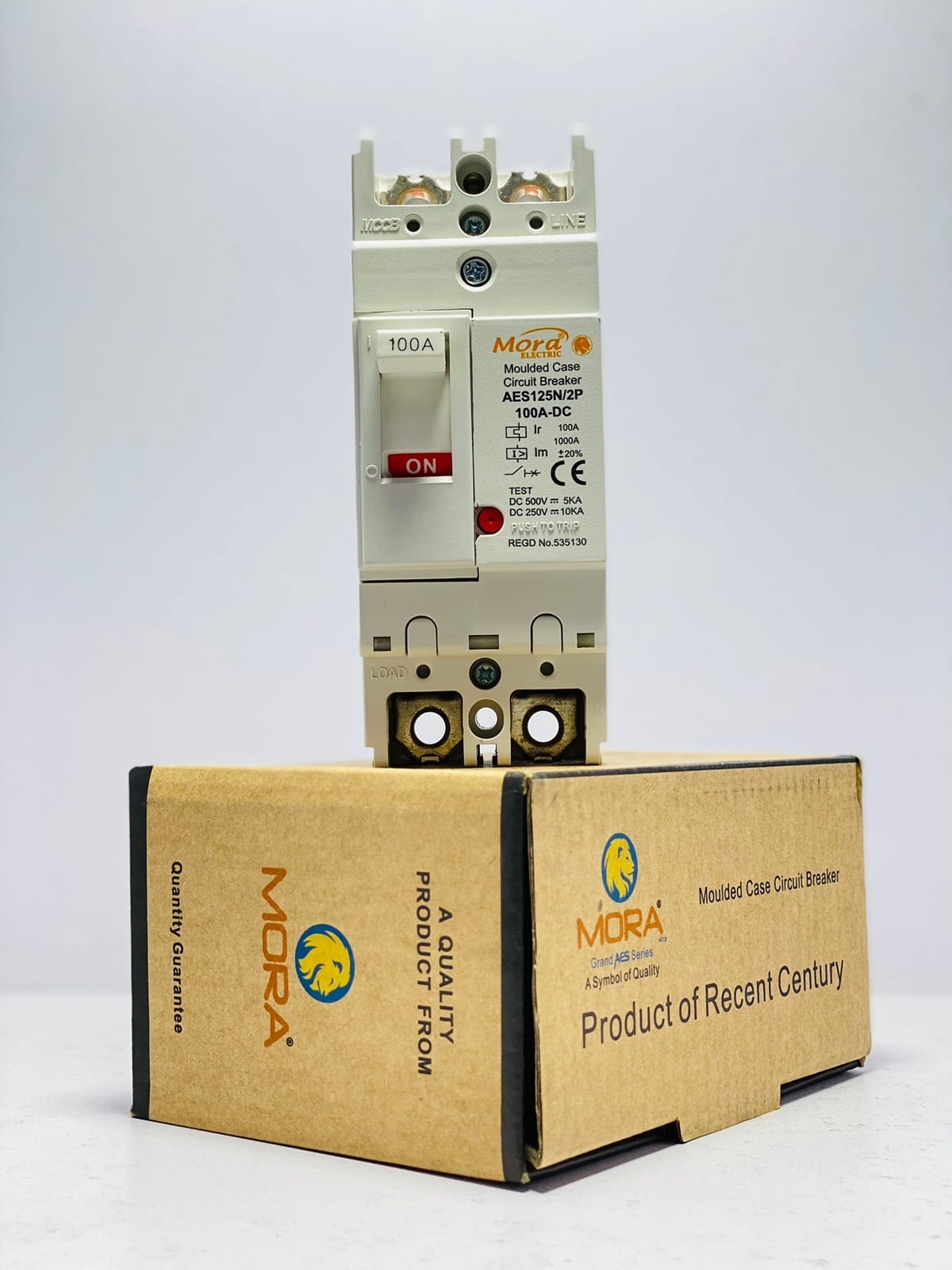
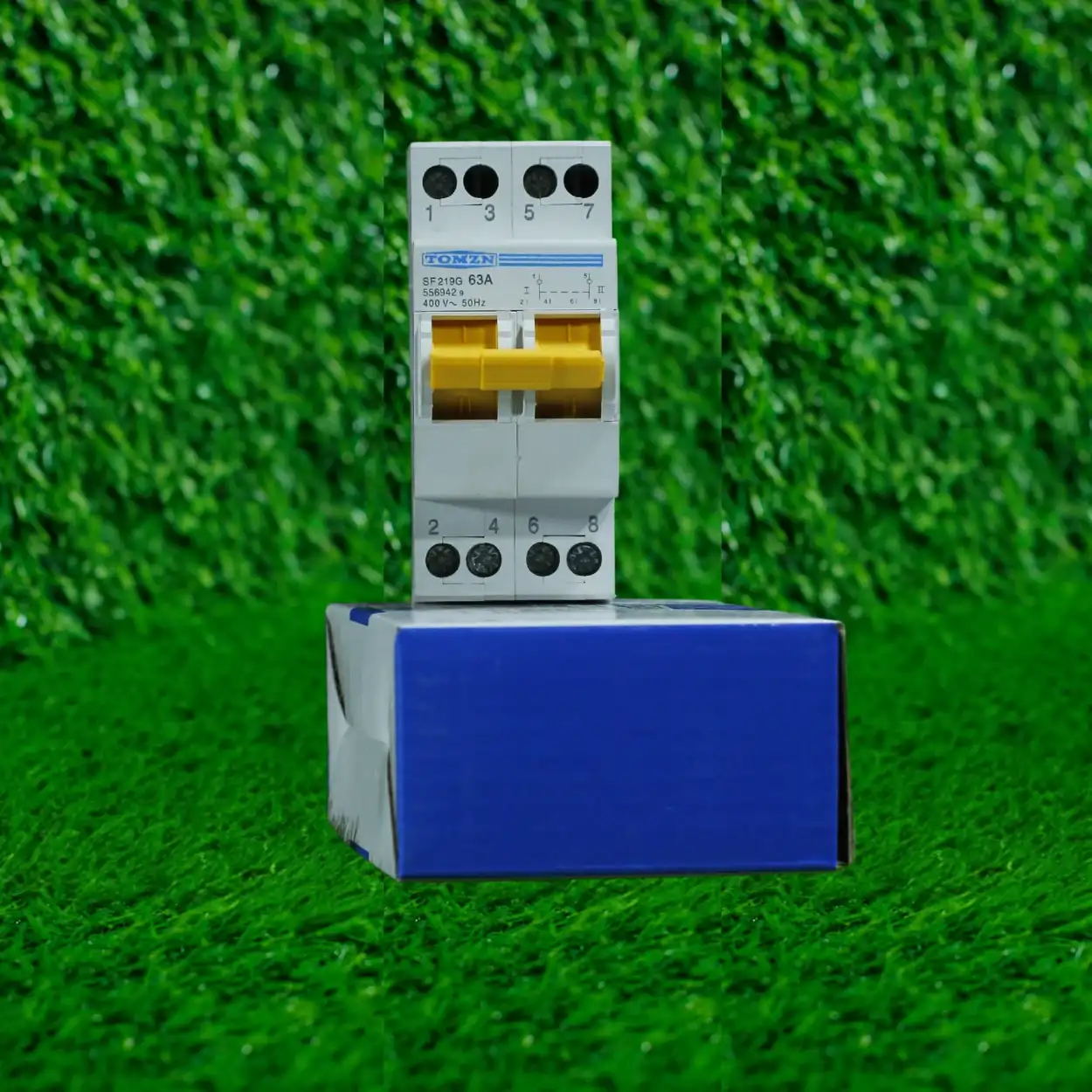
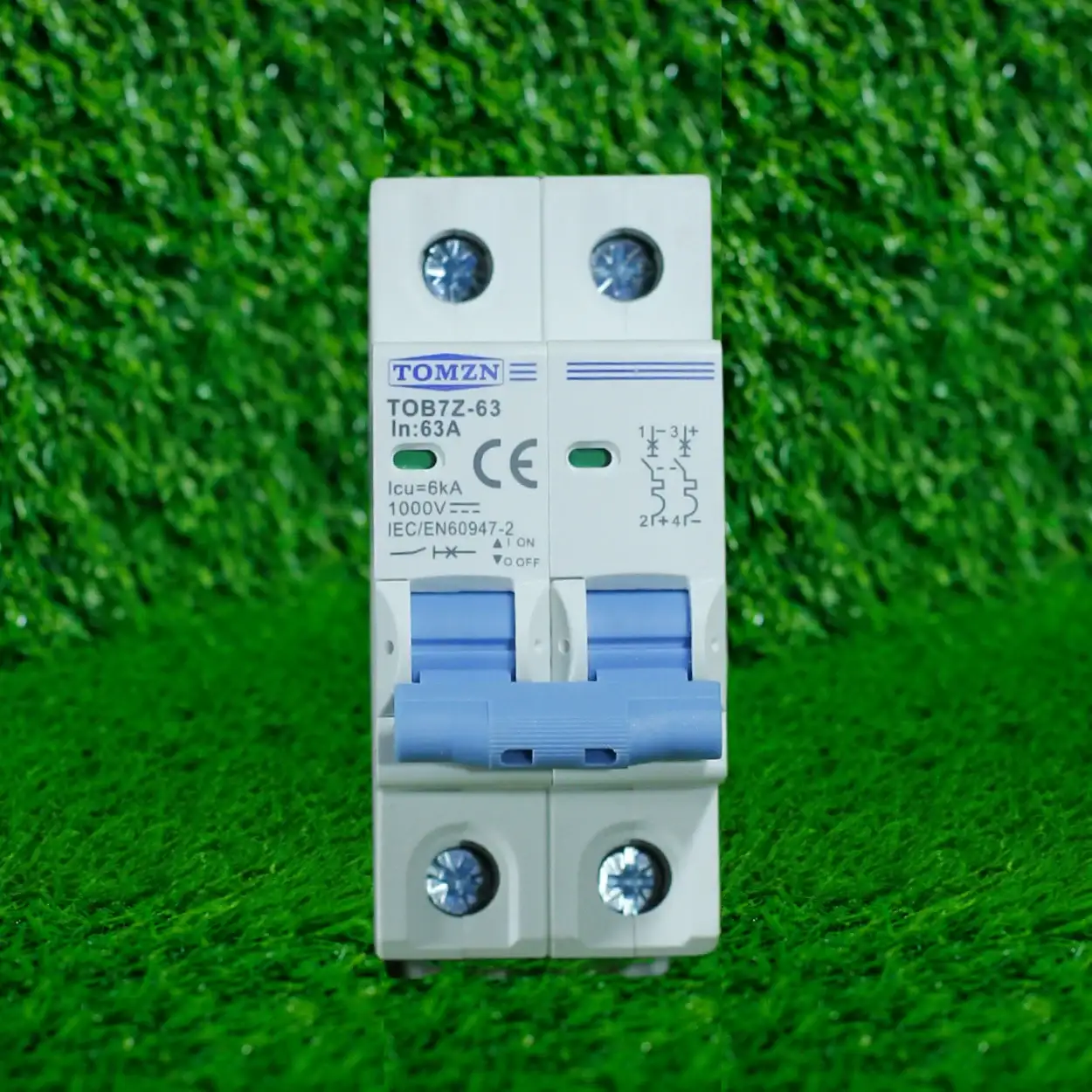
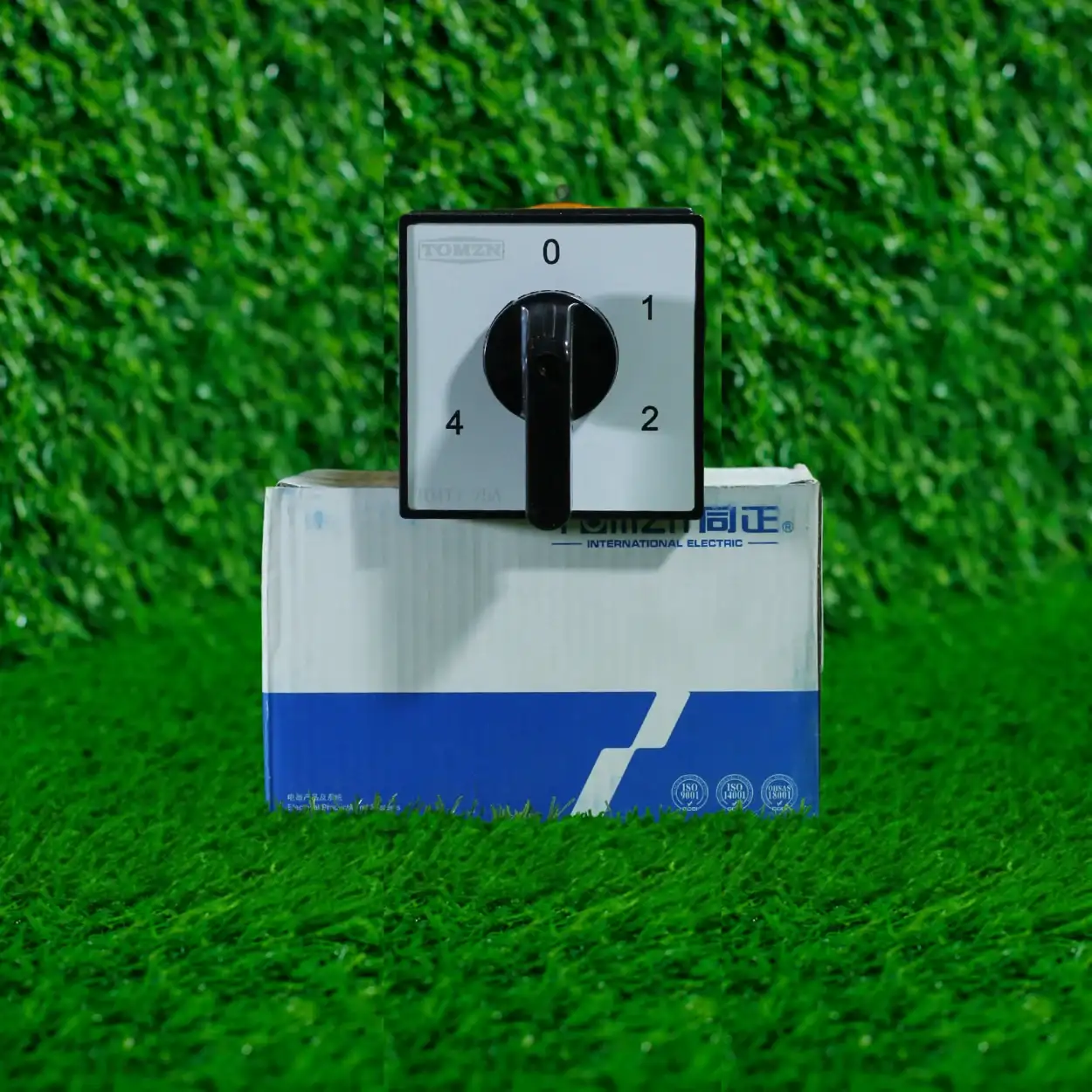
Isolating switches serve a dual purpose: they provide a safe way to shut down your system during maintenance and protect against electrical hazards. A DC disconnect switch should be installed between the solar array and the inverter on the DC side, allowing you to safely disconnect the panels before servicing the inverter or wiring.
These switches are rated for DC current and must handle the maximum short-circuit current your system can produce. Manual disconnect switches are most common in residential installations, though some larger systems use load-break disconnects that can safely interrupt current flow. Always ensure the disconnect switch is clearly labeled and easily accessible.
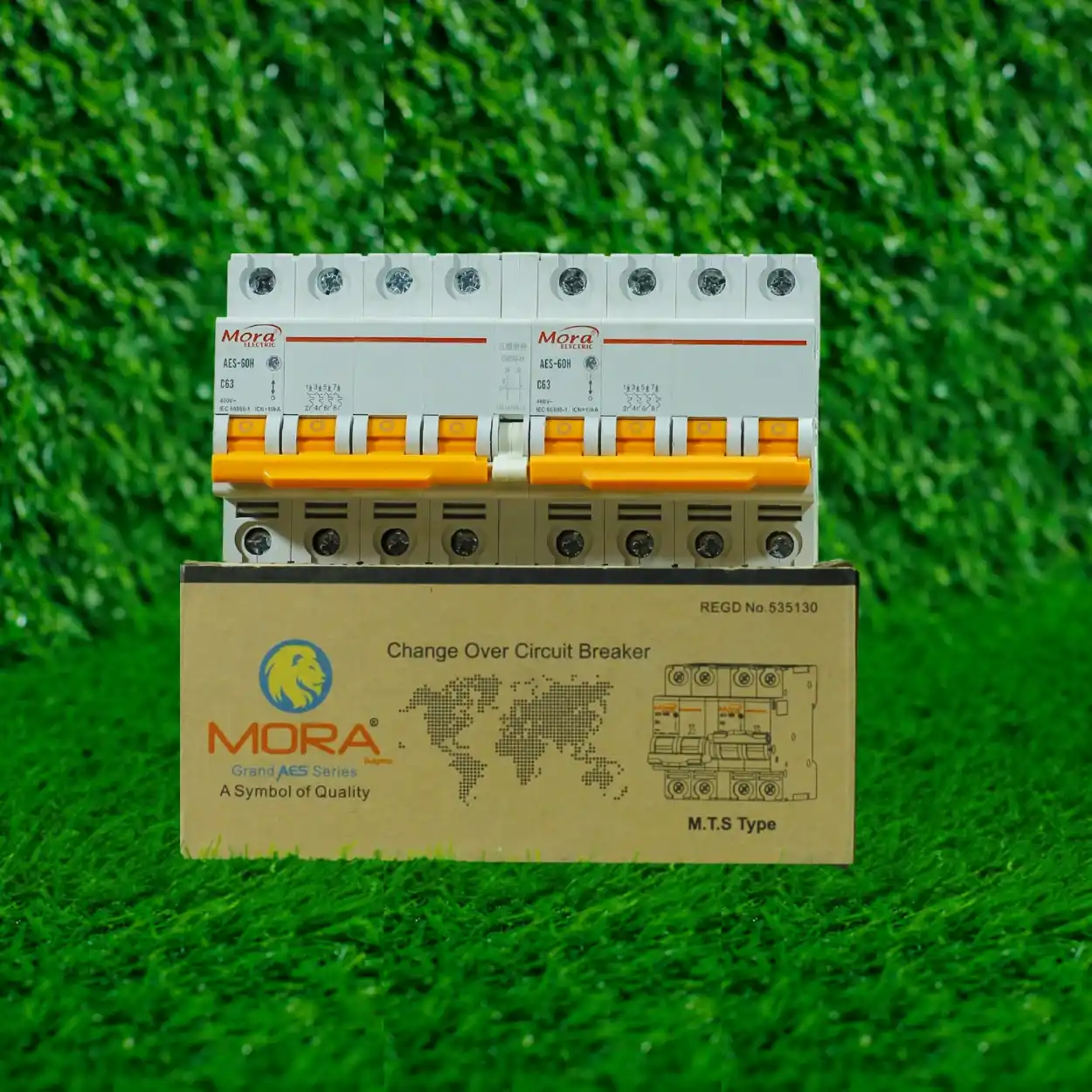
AC Isolating Switch
Similarly, an AC isolating switch should be installed between the inverter and your loads or grid connection. This switch allows you to safely disconnect the inverter from the AC circuit during maintenance or in case of an emergency. For grid-tied systems, this switch should be capable of handling the maximum AC output current of your inverter and should be clearly labeled with warning signs.
Monitoring and Fault Detection Systems
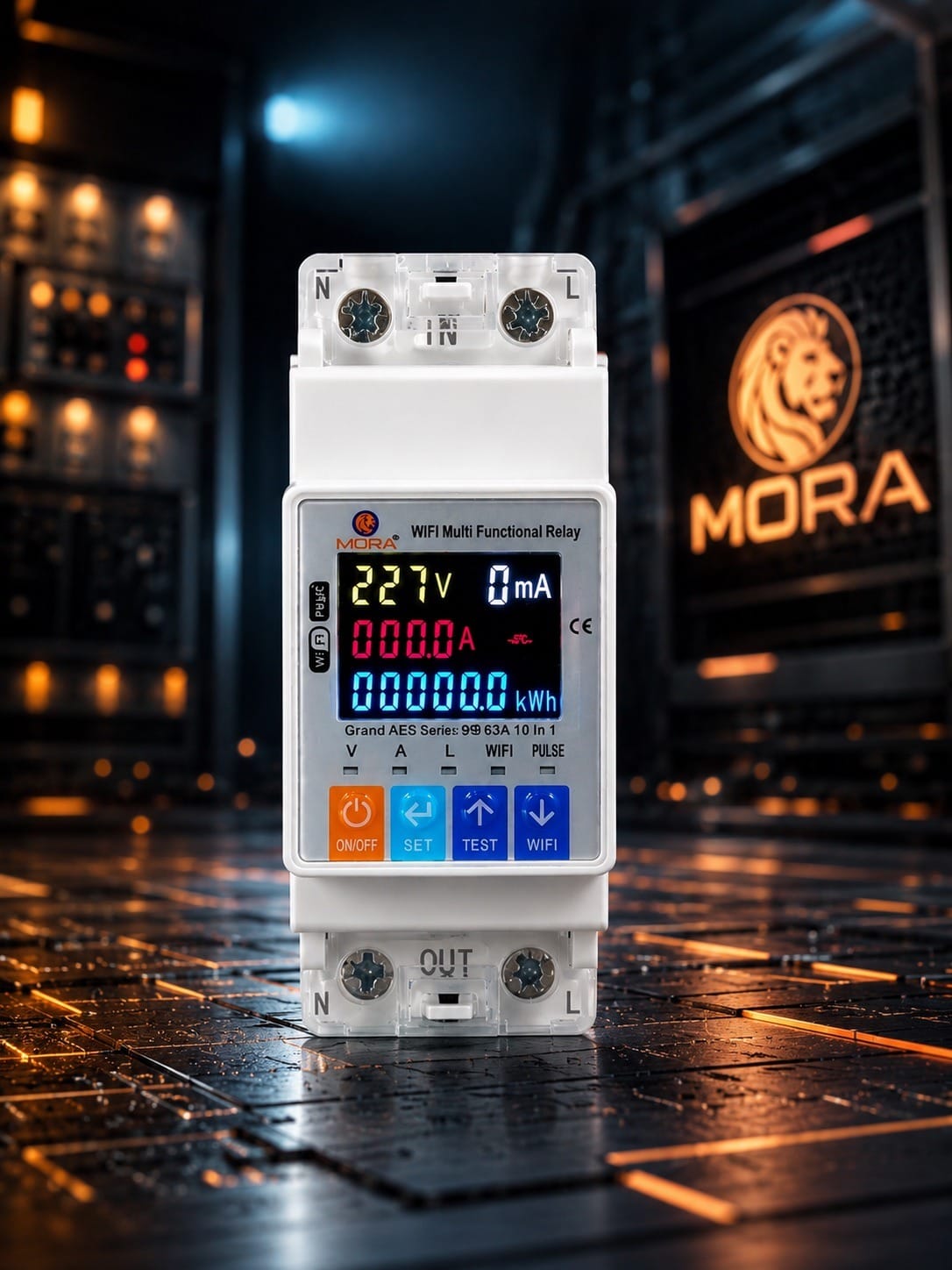
Modern solar installations increasingly incorporate monitoring systems that detect abnormal conditions before they cause damage. These systems continuously track parameters such as voltage, current, temperature, and insulation resistance. When fault conditions are detected—such as ground faults, string imbalances, or inverter malfunctions—alerts are generated, allowing for timely intervention.
While not strictly a “protection device” in the traditional sense, monitoring systems provide early warning of potential issues and often trigger automatic shutdowns to prevent catastrophic failures. Many advanced inverters include built-in monitoring capabilities, though standalone monitoring solutions are also available.
Arc Fault Circuit Interrupters (AFCIs)
AFCIs detect dangerous arc faults that can occur in damaged or aging wiring and immediately interrupt the circuit to prevent fires. While primarily used in residential AC wiring, DC AFCIs are increasingly recommended for solar installations due to the specific fire hazards associated with DC arc faults.
DC AFCIs are particularly important in systems with older wiring, extensive wiring runs, or installations in harsh environments. They provide protection that MCBs alone cannot offer, as MCBs only respond to sustained overcurrent, not to arc faults which may draw relatively modest currents.
Implementing Protection Devices in Your Solar Setup
Design and Planning
The specific combination of protection devices you need depends on your system configuration, size, location, and local electrical codes. A grid-tied system requires different protection than an off-grid system, and the requirements also vary based on whether you’re in an area with frequent lightning or grid instability.
Before installing any protection devices, consult with a qualified solar electrician or engineer who understands local regulations. In Pakistan, installations should comply with NEPRA standards and local electrical codes. Proper design ensures that protection devices work in coordination, triggering in the correct sequence to isolate faults without unnecessary downtime.
Installation Best Practices
Protection devices must be installed in the correct sequence and location within your system. The typical arrangement on the DC side progresses from panels to: string disconnect switches, string MC Bs and SPDs, combiner box with main DC disconnect and SPD, then to the inverter. On the AC side, protection follows from the inverter through: AC disconnect switch, AC SPDs at the distribution box, MCBs for individual circuits, then to loads.
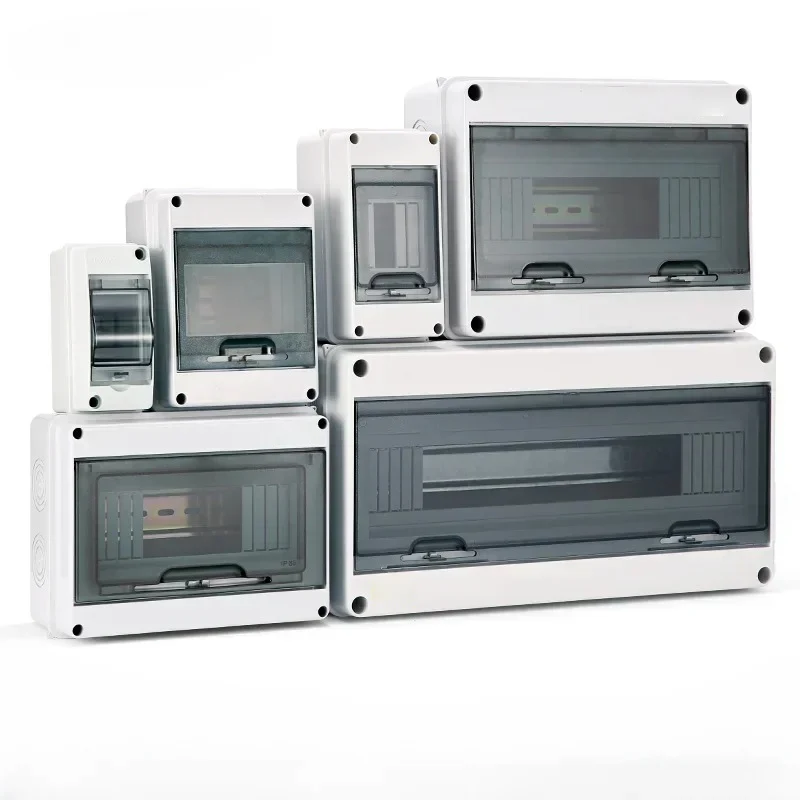
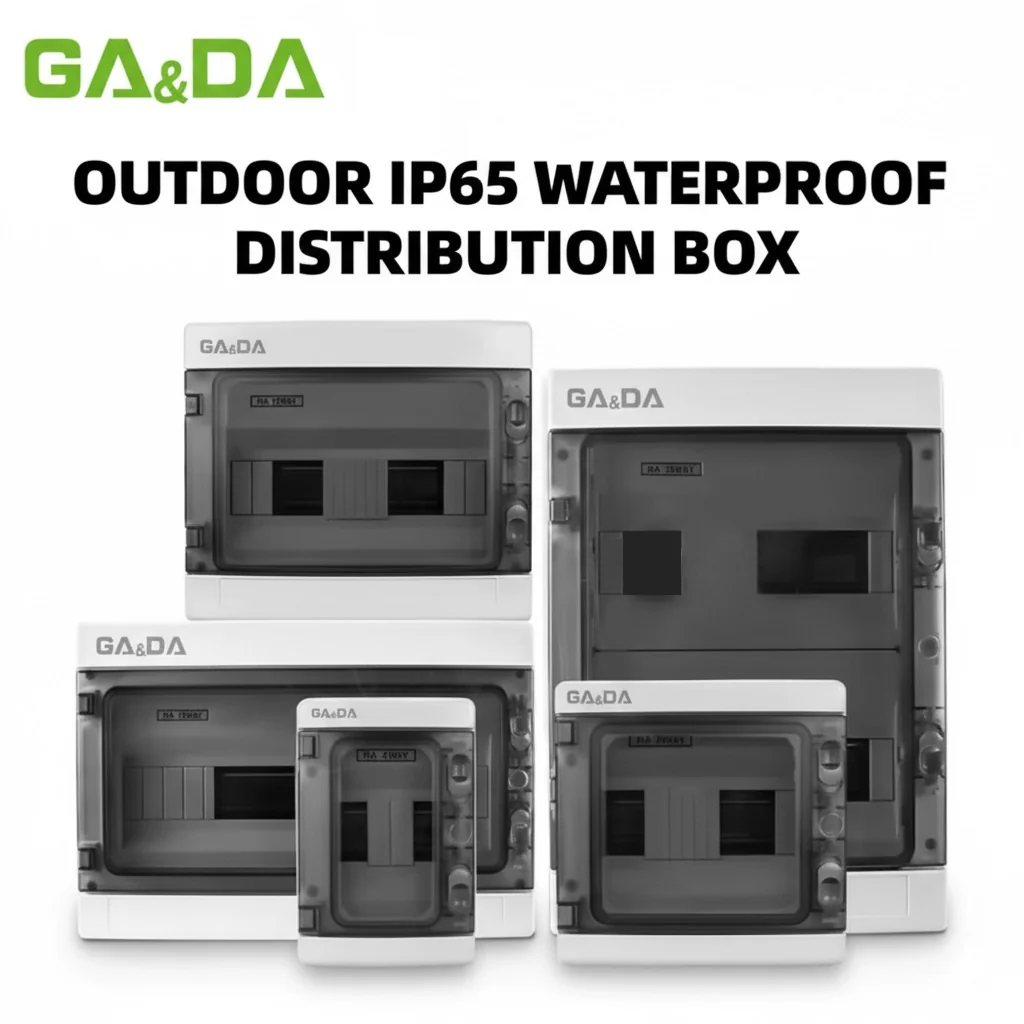
All devices should be mounted in an accessible, weatherproof enclosure. Wiring should be properly sized, color-coded, and clearly labeled. For grid-tied systems, an additional AC disconnect and bidirectional metering arrangement must be included to safely interface with the utility grid.
Maintenance and Testing
Once installed, protection devices require periodic testing to ensure they function correctly. RCCBs should be tested monthly by pressing the test button—failure to trip indicates a problem requiring immediate professional attention. MCBs should trip smoothly and reset without difficulty. SPDs should be visually inspected for damage or deterioration, and their condition indicator should show green (if equipped).
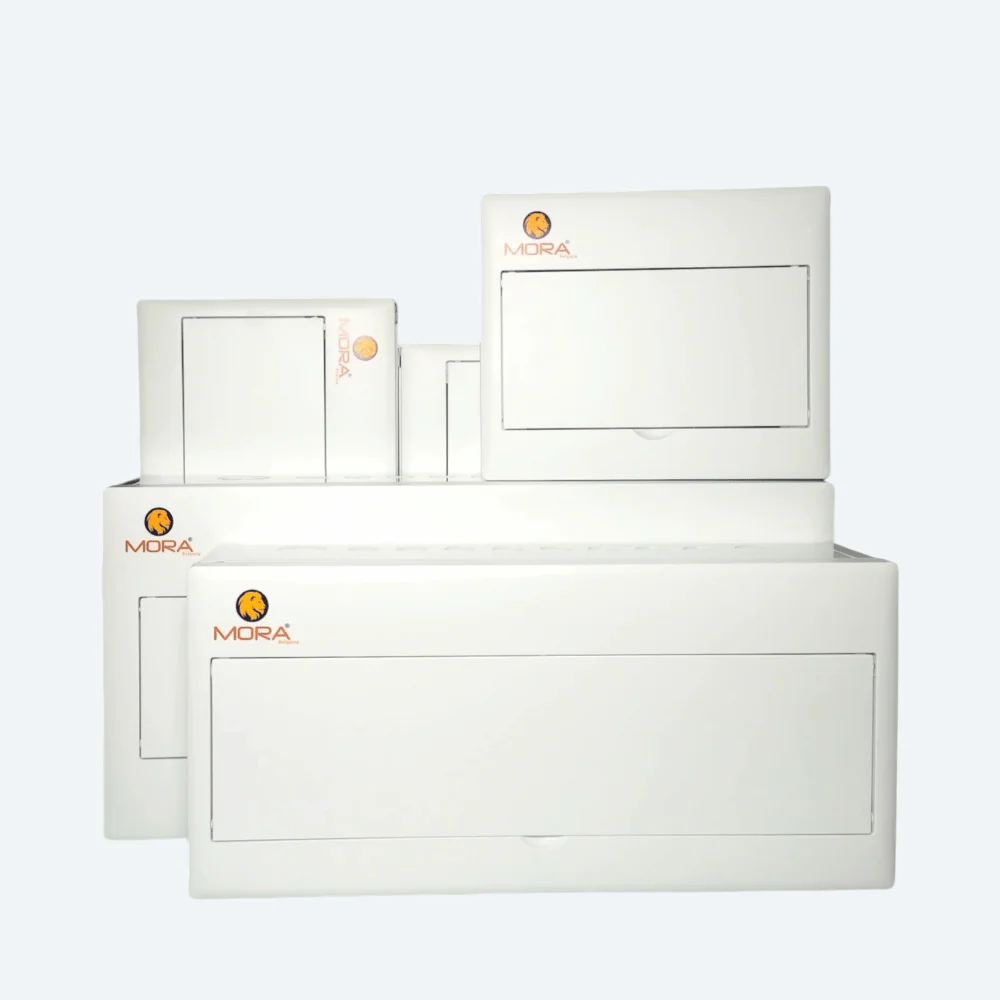
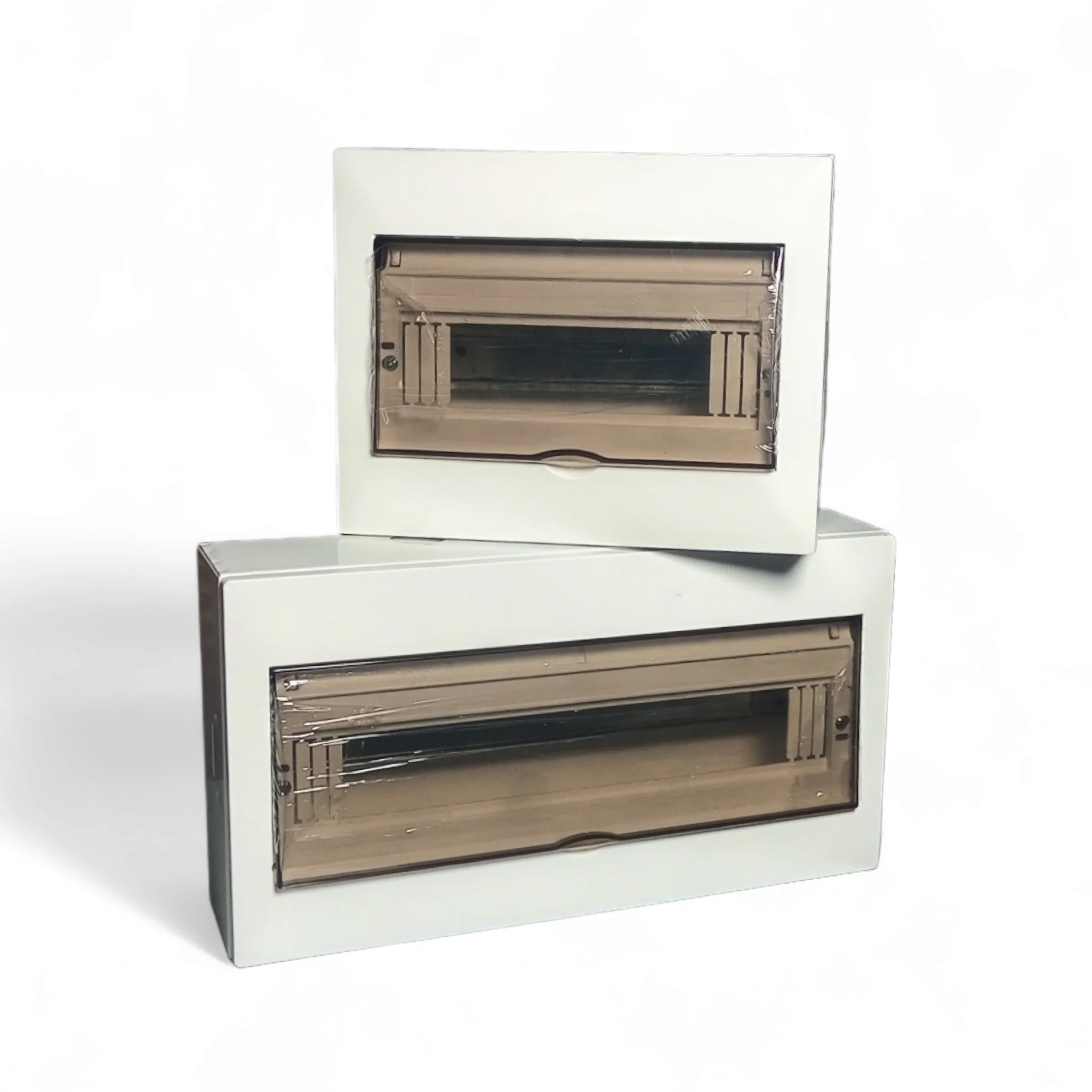
If you have a distribution box setup, ensure all protection devices are properly maintained as part of your overall system upkeep. For detailed guidance on installation and setup, refer to How to Set Up a Home DB Box in Pakistan.
Choosing Quality Brands and Products
Investing in reputable brands ensures your protection devices meet international standards and provide reliable performance. Brands like MORA offer certified RCCBs, MCBs, and related protection equipment designed for solar and general electrical applications. Quality products may cost slightly more upfront but provide superior protection and longer operational life, representing excellent value for protecting your solar investment.
Common Mistakes to Avoid
One frequent error is underestimating the required protection based on initial system size. If you plan to expand your solar installation later, design your protection infrastructure for the eventual system size, not just the current capacity. Installing protection devices rated too low for your system’s actual performance will result in nuisance tripping and potential equipment damage.
Another common mistake is neglecting AC-side protection. Many installers focus exclusively on DC-side protection, overlooking that grid-induced surges and inverter output faults also require safeguarding. Comprehensive protection requires attention to both sides of your system.
Finally, some installations lack proper documentation of protection device locations, ratings, and test dates. Maintain detailed records of your system, including the specification sheets for all protection devices, their installation dates, and maintenance test results. This documentation is valuable for troubleshooting, future maintenance, warranty claims, and property insurance purposes.
Conclusion
Protecting your solar system is not an optional extra—it’s a fundamental requirement for safe, reliable, long-term operation. By installing appropriate RCCBs, MCBs, surge protectors, disconnect switches, and monitoring systems, you safeguard your investment against electrical faults, environmental hazards, and safety risks. While the cost of protection devices typically represents 5-10% of your total solar installation cost, the protection they provide against equipment damage, personal injury, and property loss is invaluable.
Work with qualified professionals to design and install protection devices according to local codes and international best practices. Regular maintenance and testing ensure these devices remain effective throughout your system’s operational life. Your solar installation represents a significant investment in clean, sustainable energy—protecting it properly is the responsible choice for your family and your future.