











How to Set Up a Home DB Box in Pakistan The Complete Wiring & Safety Guide

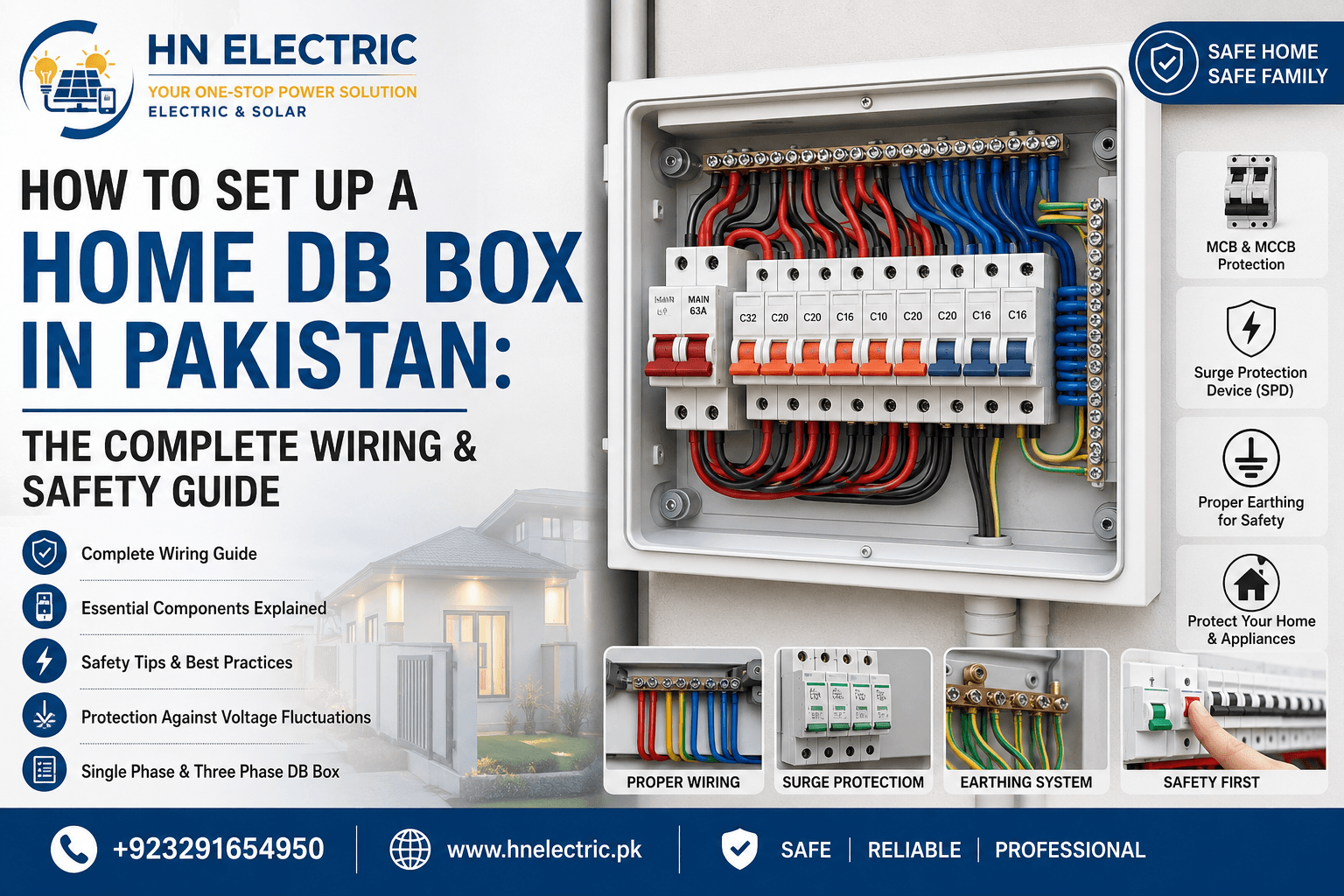
A properly wired DB box is not just a box of switches. It is the nerve center of your entire home’s electrical safety system. Done right, it protects every appliance, every circuit, and every person living under that roof. Done wrong — with the wrong breakers, wrong sizing, skipped earthing, or a cheap enclosure — it becomes the single most dangerous piece of equipment in the house.
This guide covers everything you need to know about home DB box setup in Pakistan: what goes inside, how it should be wired, which breakers are mandatory, and how to make sure your panel is genuinely safe — not just superficially correct.
What Is a DB Box and Why Does Every Pakistani Home Need One
A DB box — short for distribution box or distribution board — is the enclosure that receives incoming electricity from WAPDA’s (or K-Electric’s) supply and distributes it safely across all the circuits in your home. In older Pakistani homes, you might still find ceramic fuse holders or older style knife switches. These are outdated, genuinely dangerous, and should be replaced.
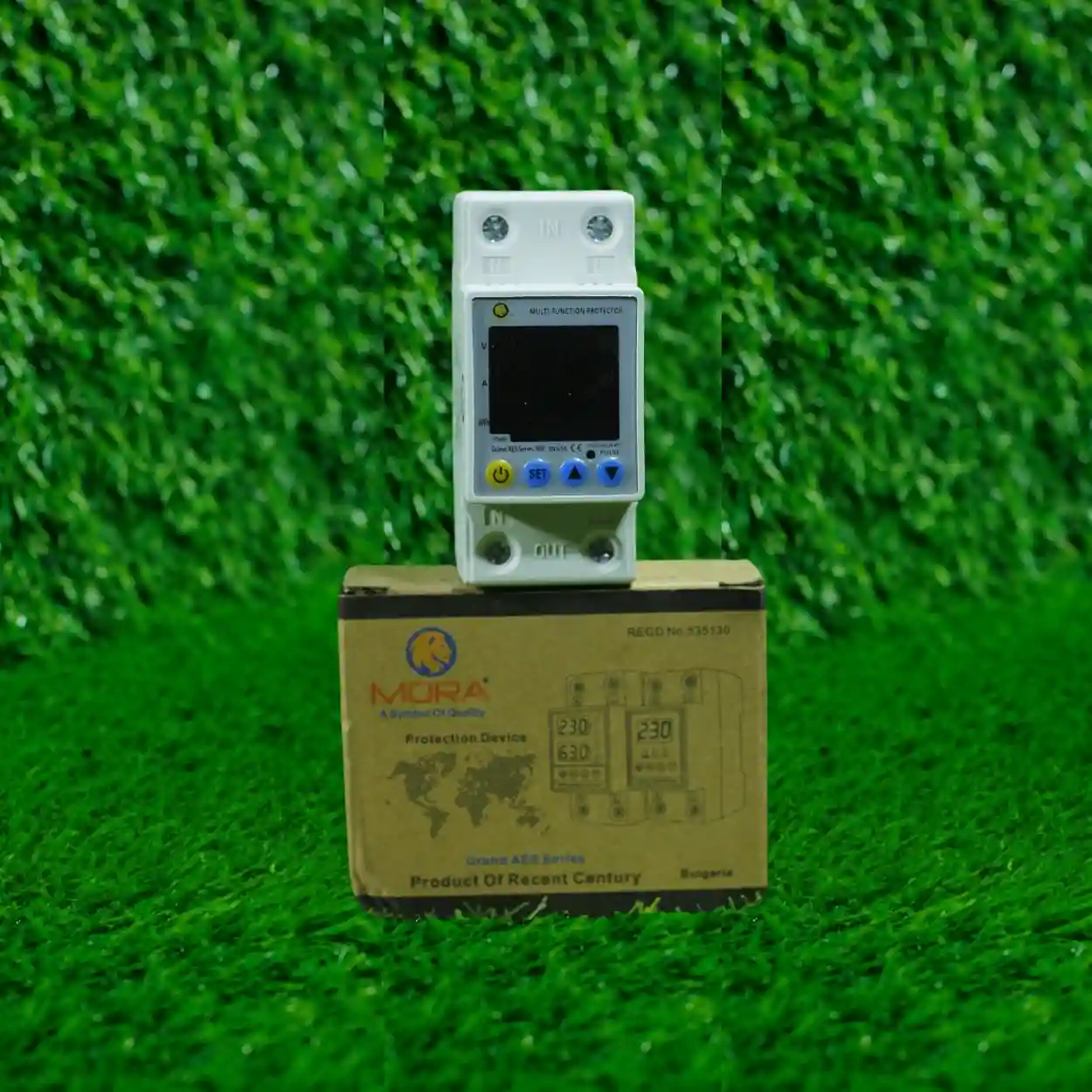
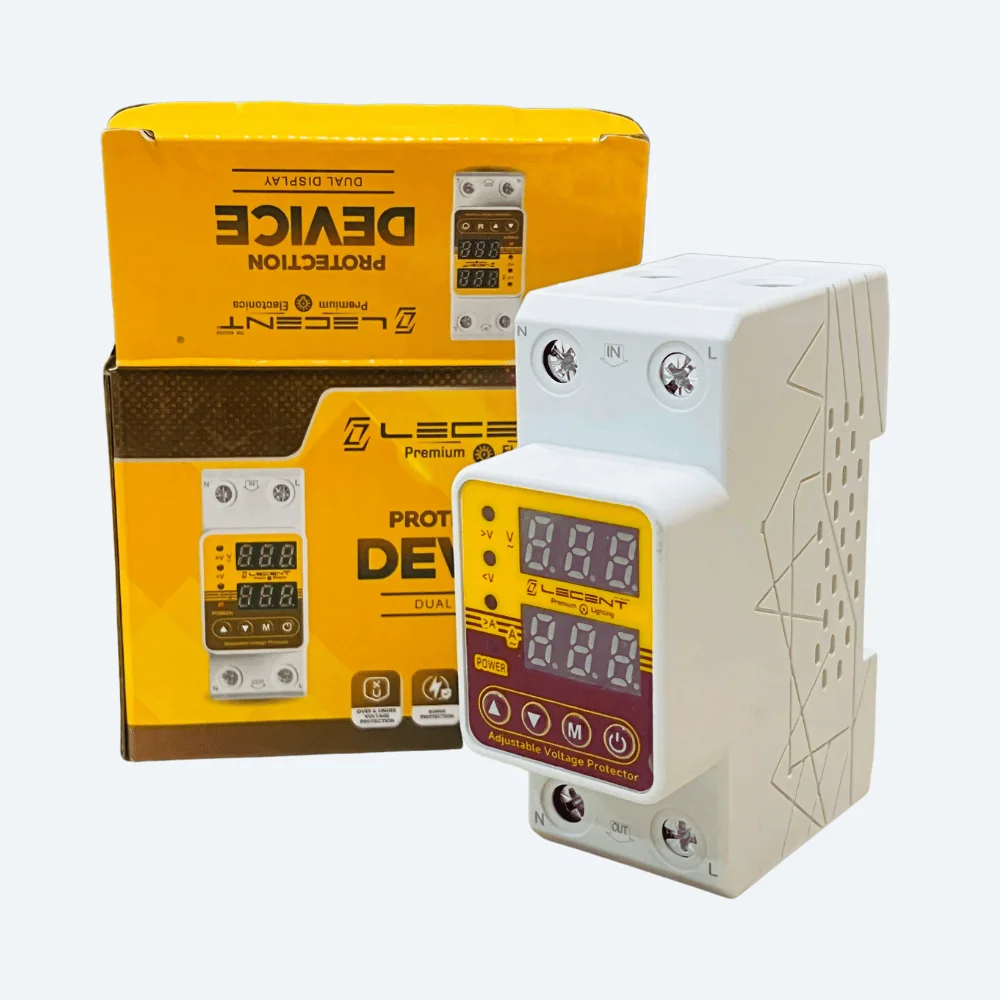
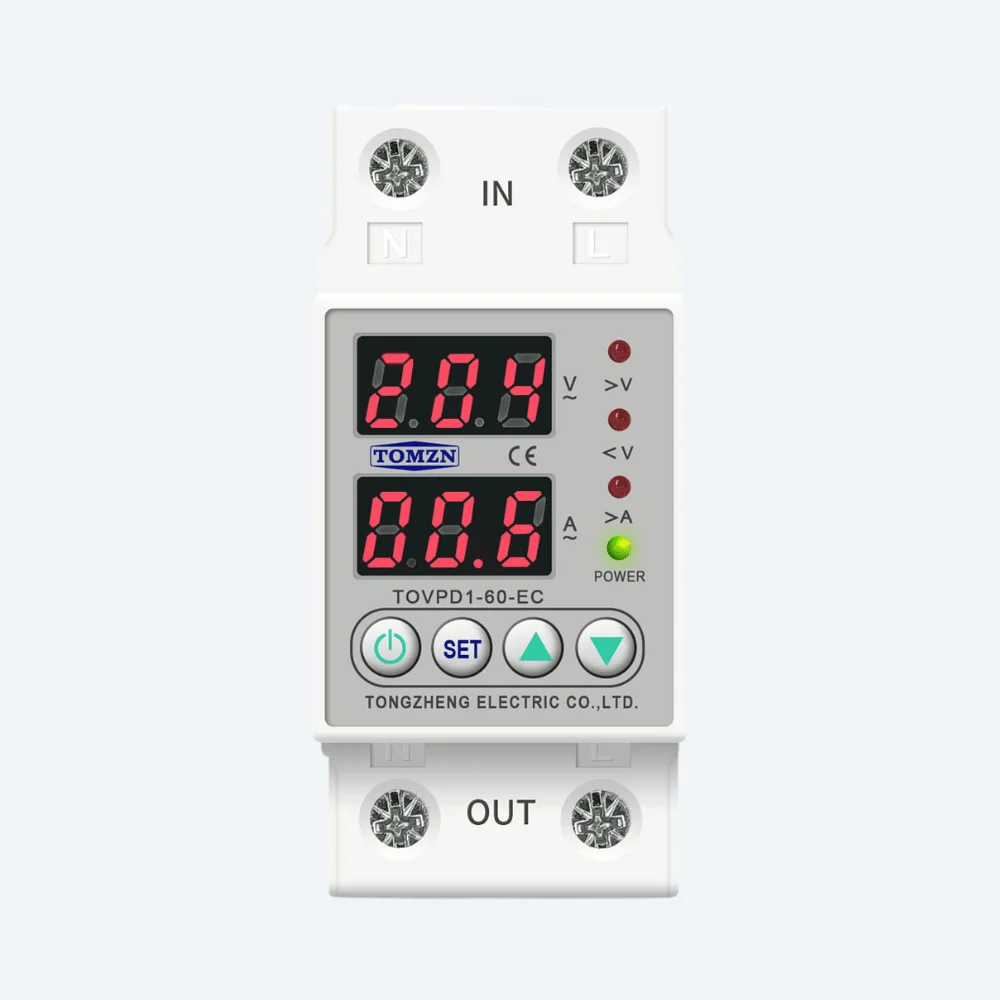
A modern DB box contains miniature circuit breakers (MCBs), a main incoming breaker, and ideally a residual current device (RCCB or RCBO) along with surge protection. Every circuit in your home — lights, fans, air conditioners, sockets, water pump, geyser — should have its own dedicated breaker inside the DB box.
Why the DB Box Matters More in Pakistan Than in Most Countries
Pakistan’s grid voltage is rated at 220V (single-phase) and 380-400V (three-phase), but anyone who has lived here knows the actual voltage delivered to homes can fluctuate wildly. During peak summer months, brownouts in cities like Lahore, Faisalabad, and Okara can drag supply voltage down to 160V or even lower. When load shedding ends and power is restored, voltage spikes can momentarily jump well above 250V.
This environment is brutal on electrical components. A distribution box that would last 25 years in Europe might develop faults far sooner here, especially if it was assembled with undersized breakers or substandard wiring. Add in the growing number of homes running solar inverters, UPS systems, and generators alongside WAPDA supply, and the demands on a properly designed DB box become even more significant.
The distribution box must also handle frequent circuit switching — the kind that happens dozens of times a week as power cycles on and off. Breakers that are regularly tripped and reset wear differently than those that operate in stable grid conditions.
The Difference Between a Single-Phase and Three-Phase DB Box
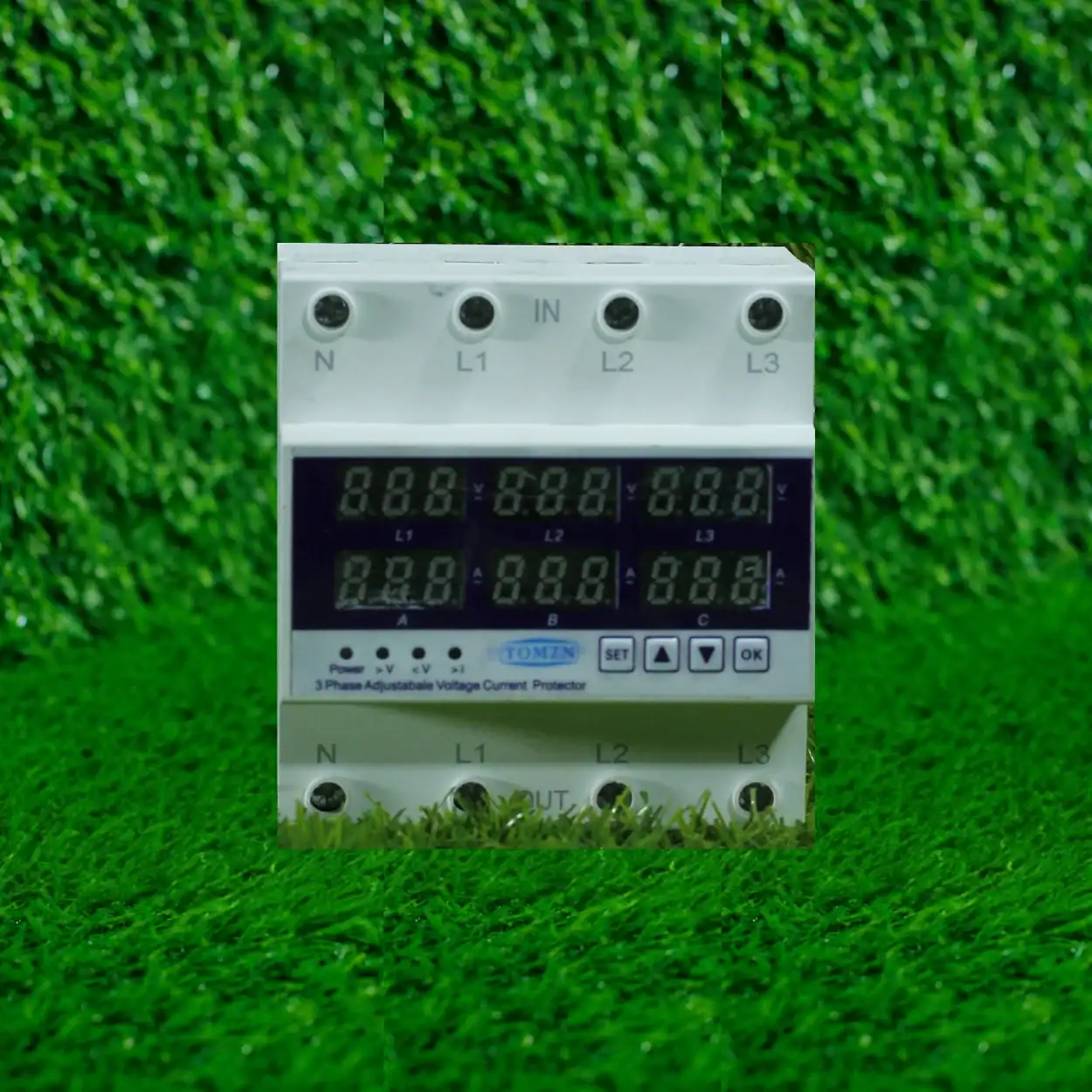
Most residential homes in Pakistan are connected on a single-phase supply — a single 220V line. Three-phase supply (380-400V, three lines) is more common in larger homes, factories, workshops, and commercial premises.
For single-phase homes, your DB box will typically have a single main incoming breaker and then individual MCBs for each circuit. For three-phase setups, the incoming supply requires a 3-pole or 4-pole main breaker, and the individual circuit breakers may be single-pole (for 220V branch circuits) or multi-pole (for three-phase loads like large motors or industrial equipment).
If you are unsure which supply you have, check your WAPDA meter. A single-phase meter typically has two wires coming in (live and neutral). A three-phase meter has four wires (three live phases plus neutral). This distinction matters enormously when sizing your DB box and selecting components.
What Goes Inside a Home DB Box: The Essential Components
Before you start thinking about wiring, you need to understand every component that belongs inside a properly specified home distribution board in Pakistan. Each one plays a specific role.
The Main Incoming Breaker (MCCB or High-Rated MCB)
This is the master switch for your entire home. It sits at the top of the DB box and connects directly to the incoming supply from WAPDA. In most single-phase Pakistani homes, the main breaker is rated between 40A and 100A, depending on the sanctioned load on your electricity bill.
The main breaker should be rated higher than your total connected load, but not excessively so. If your sanctioned load is 5kW (roughly 23A at 220V), a 40A main breaker is appropriate. If you are running solar, an AC, and a water pump simultaneously, a 63A or 100A main breaker may be needed.
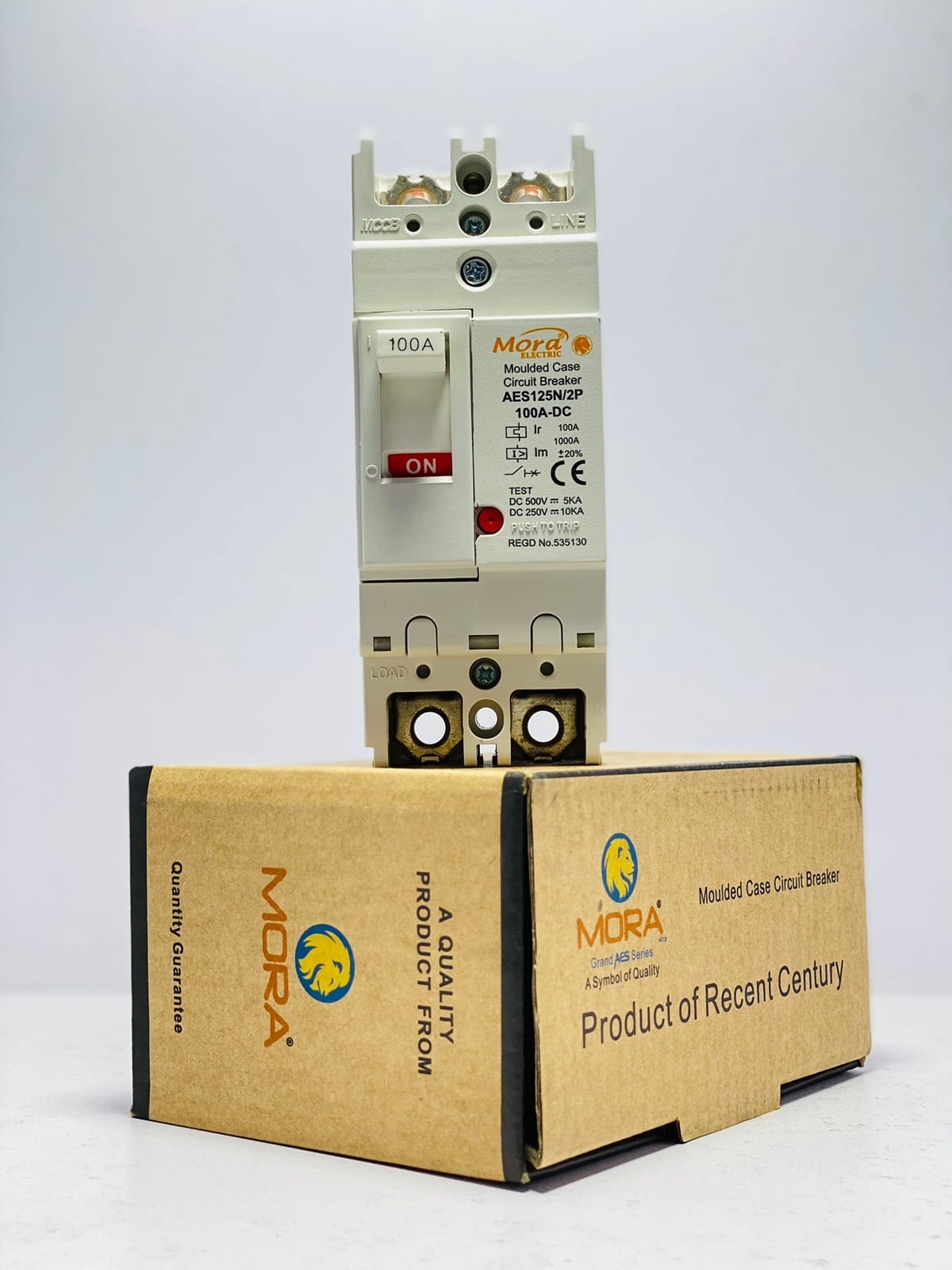
Choosing a Molded Case Circuit Breaker (MCCB) for the main incoming position is advisable for homes with heavier loads or solar systems, as MCCBs have a higher breaking capacity and can handle the switching demands of combined solar and grid supply more reliably.
Individual MCBs (Miniature Circuit Breakers) for Each Circuit
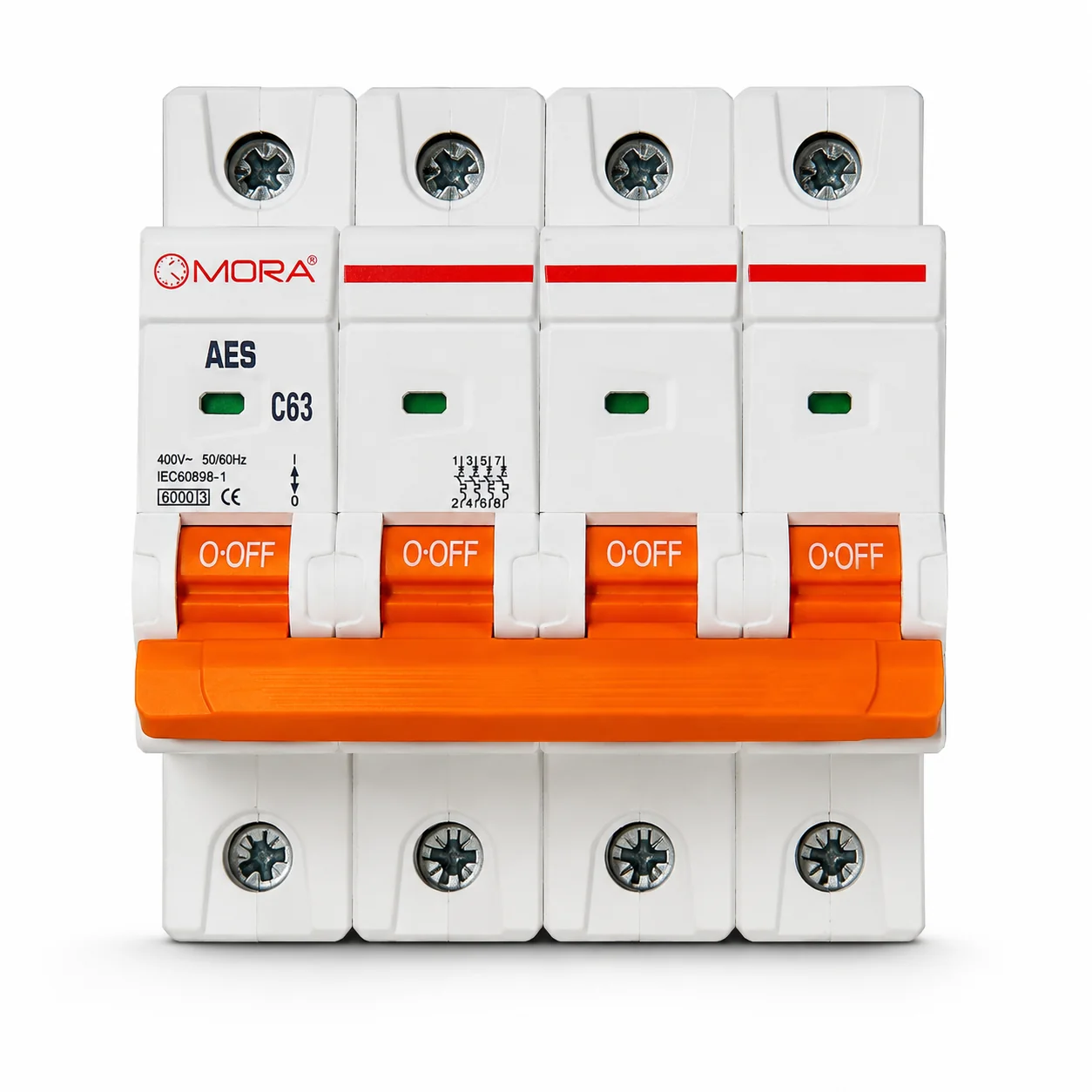
After the main breaker, every circuit in your home should have its own MCB. This is the component most homeowners are familiar with — the small switches inside the DB box that trip when a circuit is overloaded.
In Pakistan, the most common MCB ratings used in homes are:
- 6A — Lighting circuits (lights, fans, LED strips)
- 16A — General socket outlets
- 20A to 32A — Air conditioners (1 ton to 2 ton)
- 20A — Electric geysers
- 16A to 20A — Washing machines and dishwashers
- 16A — Water pumps (submersible or surface)
The critical point is that each of these circuits must have its own dedicated MCB. Running your AC, geyser, and washing machine all from one 32A breaker is a very common mistake in Pakistani homes — and a very dangerous one. When multiple heavy loads share a breaker, the total current can exceed what the wiring behind that breaker is rated to carry, even if the breaker itself doesn’t trip.
MCBs also come in different trip curve types. Type B MCBs trip at 3-5 times rated current and are suitable for resistive loads like lighting and heating. Type C MCBs trip at 5-10 times rated current and are better suited for inductive loads like motors, compressors, and air conditioners that draw a high inrush current at startup. For most Pakistani homes, a mix of Type B (for lighting circuits) and Type C (for AC and motor circuits) is the right specification.
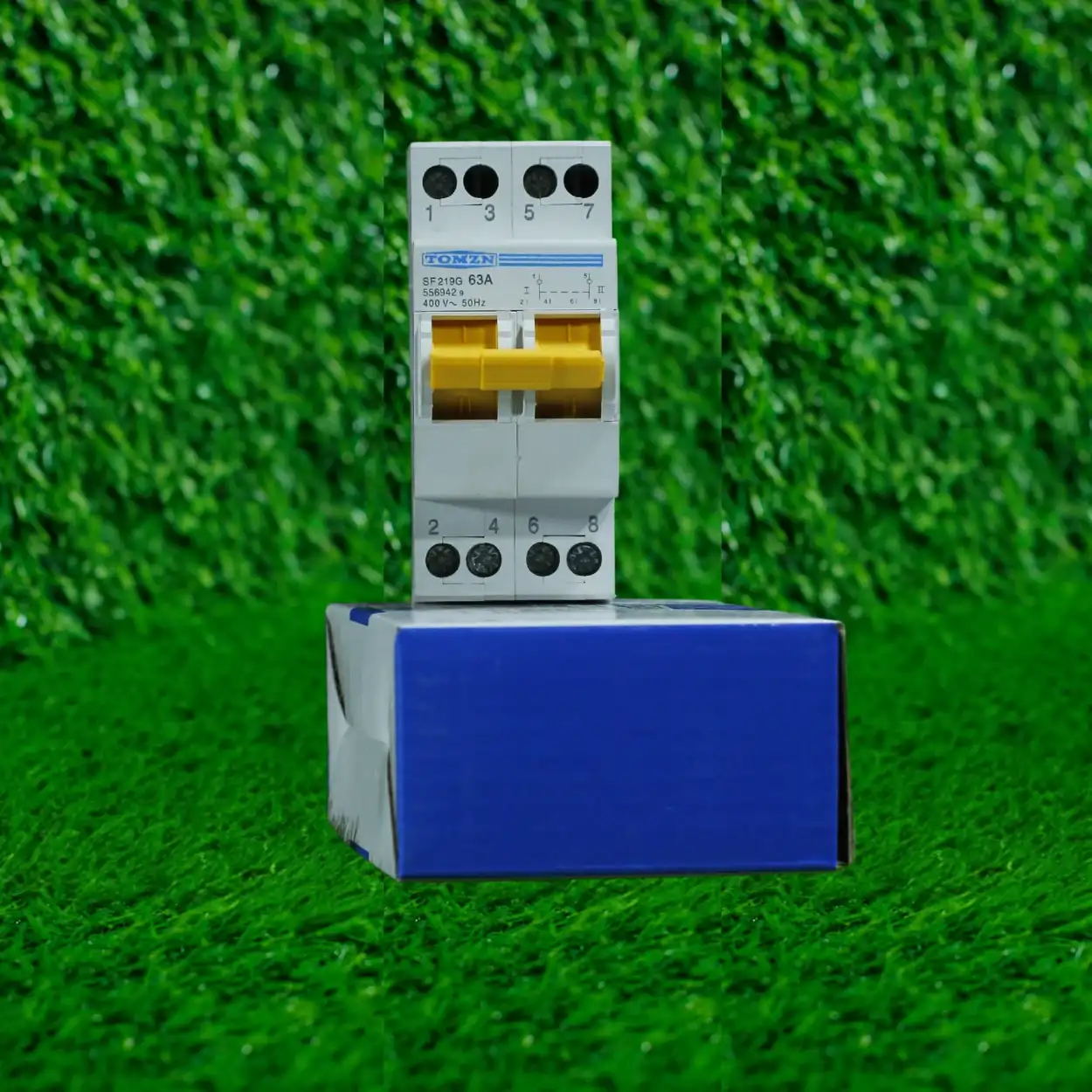
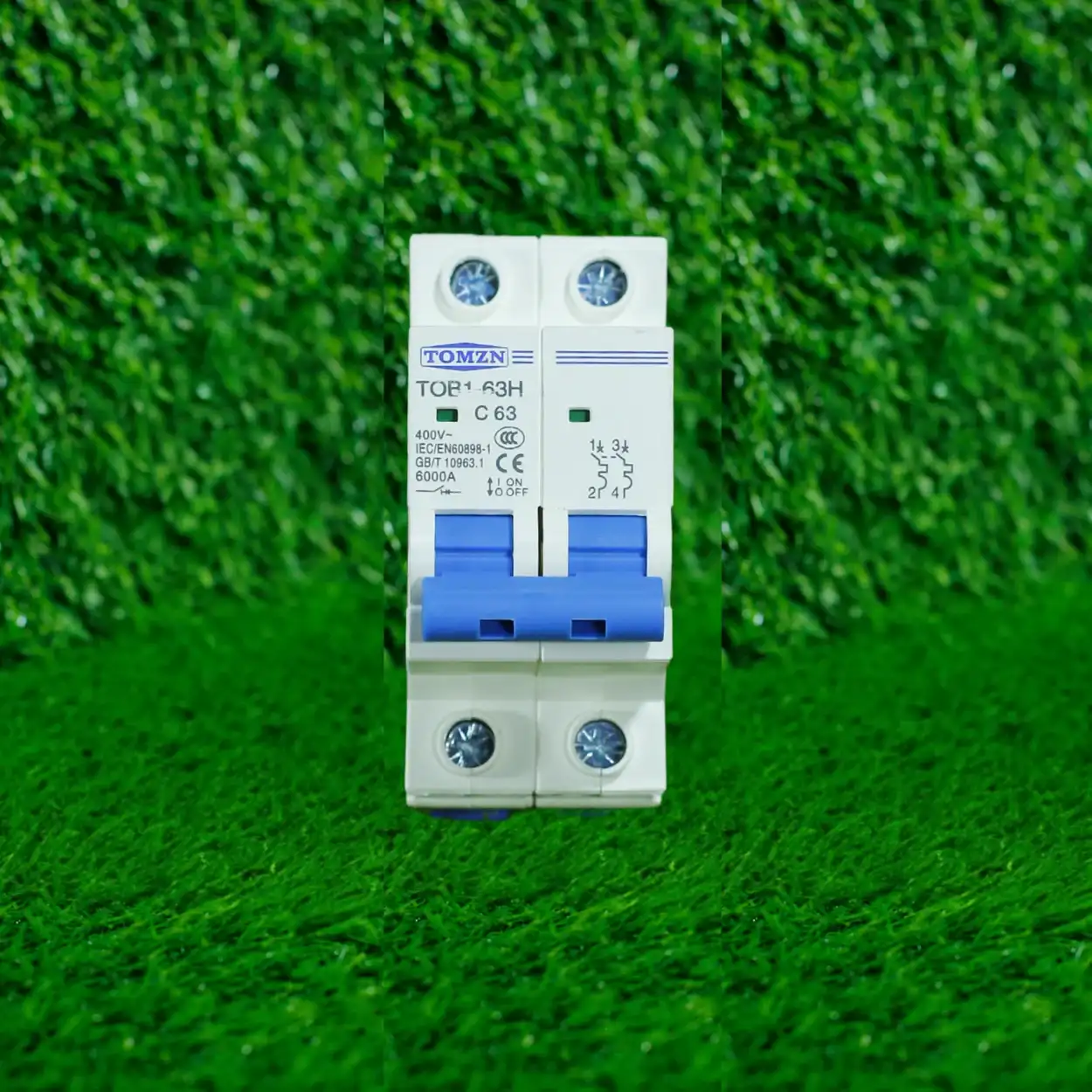
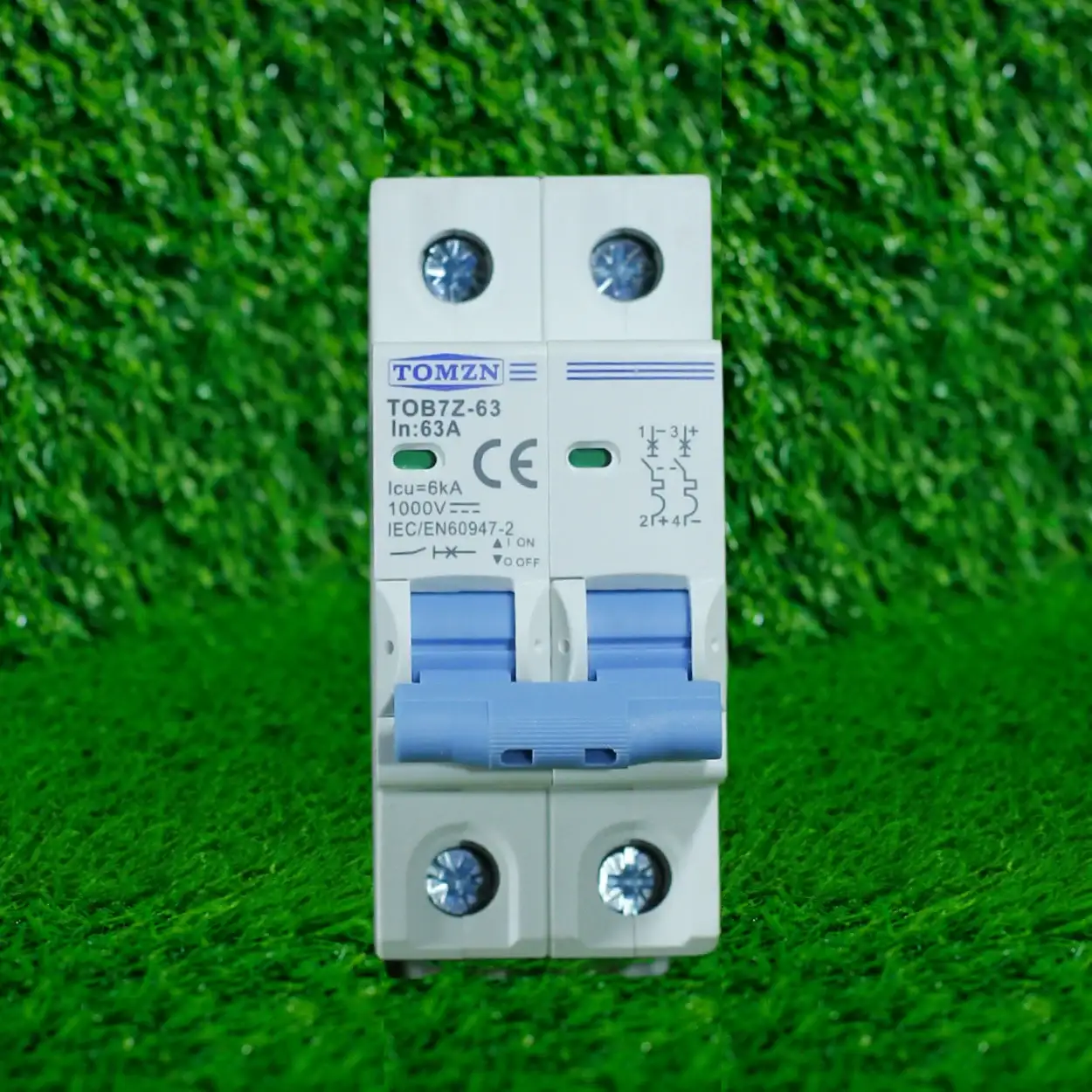
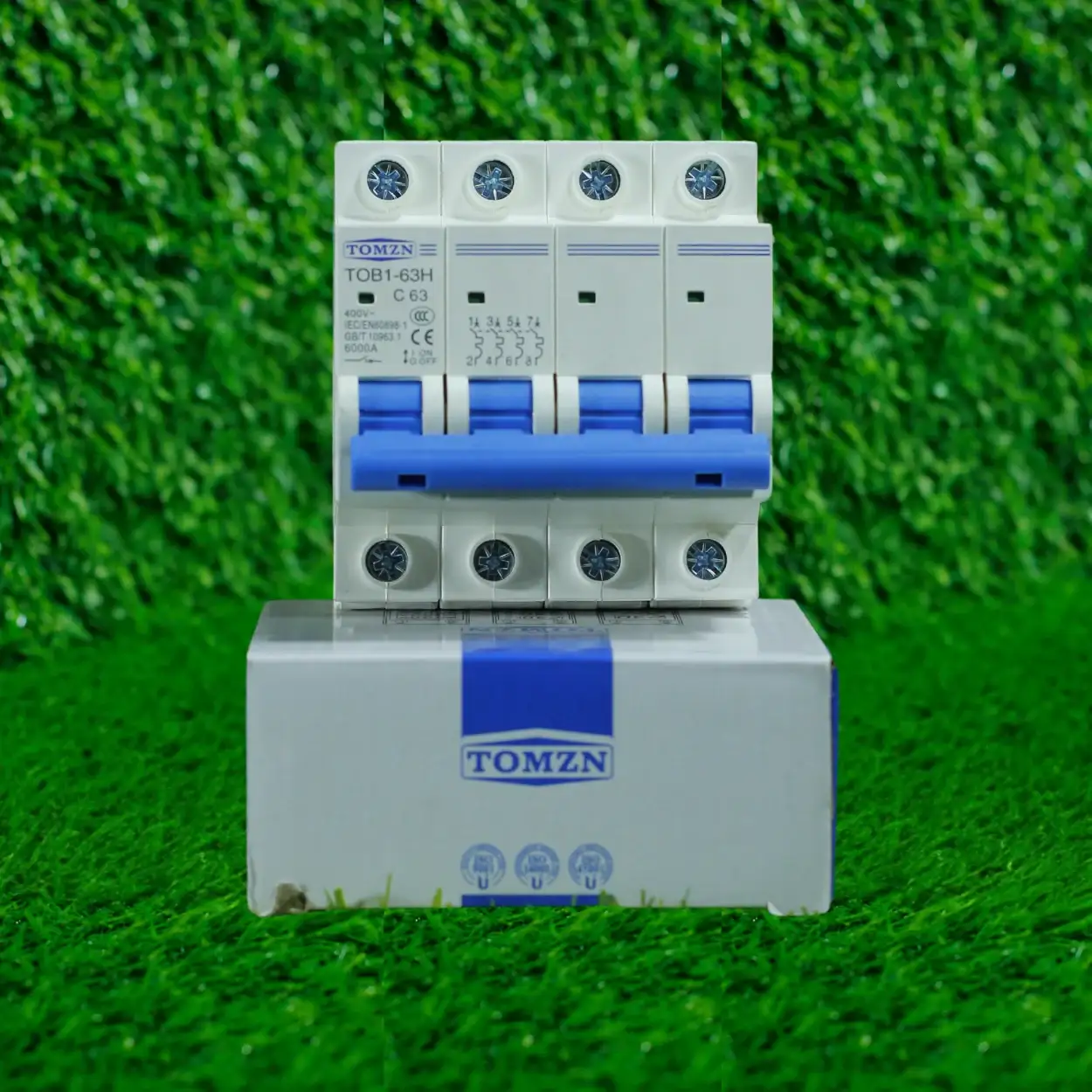
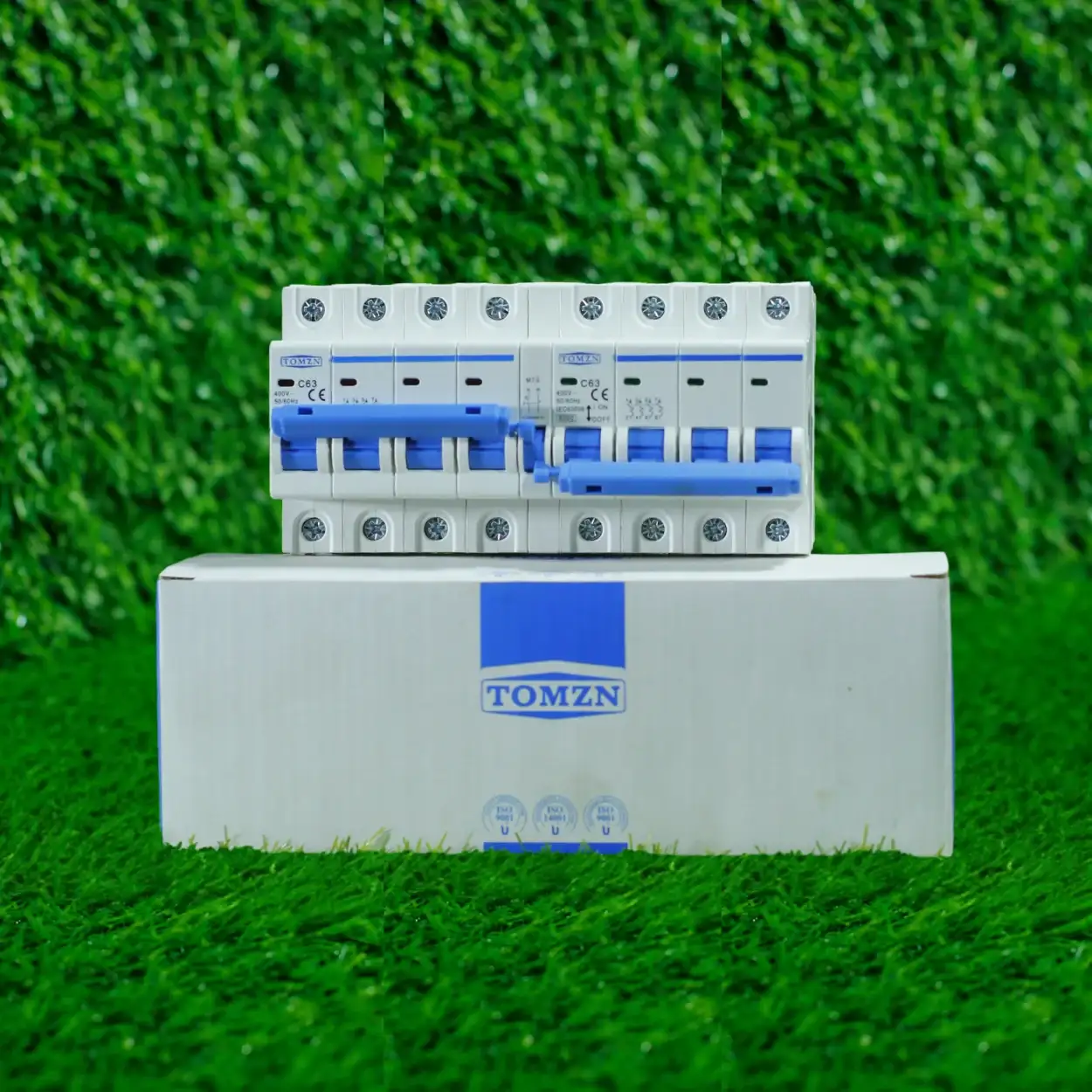
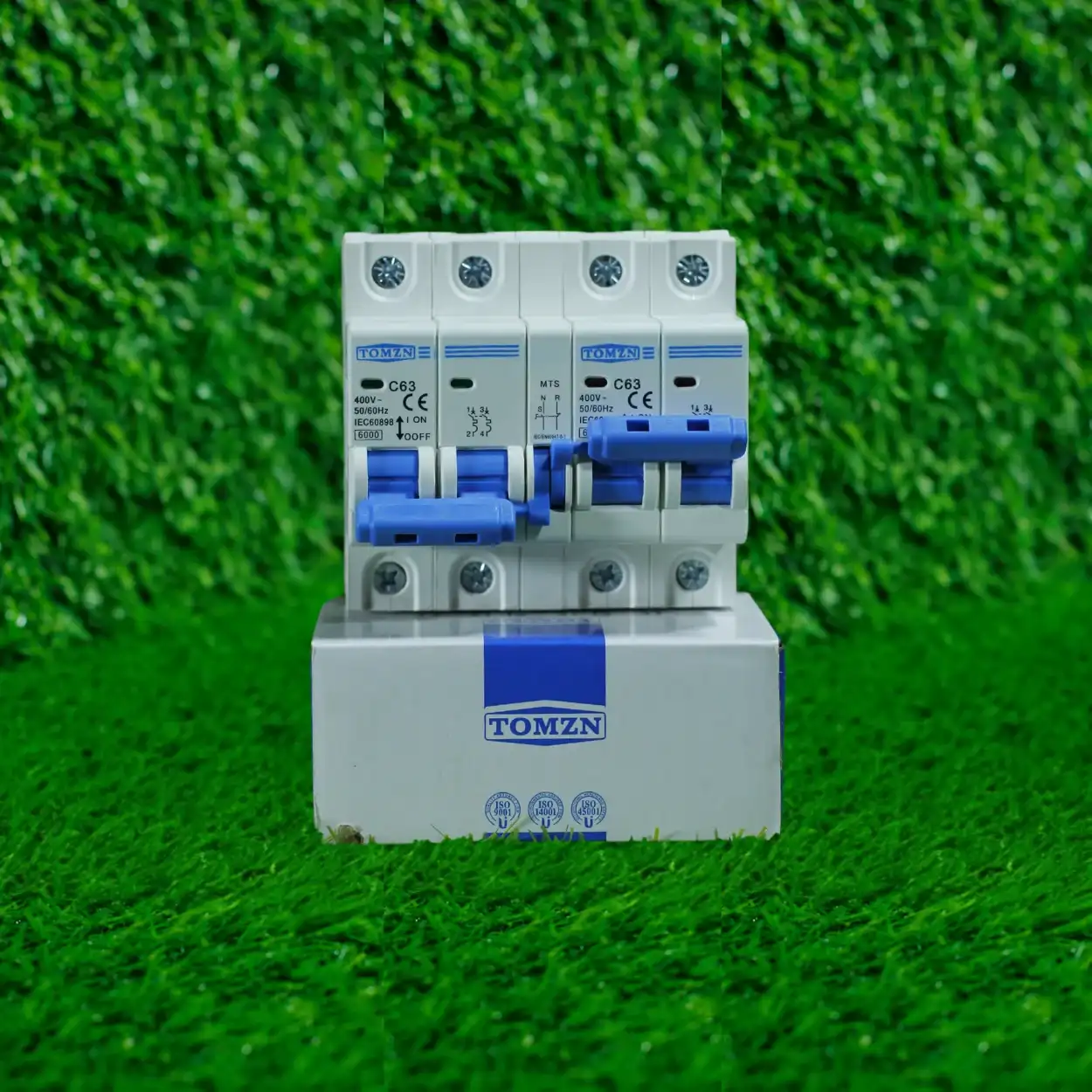
You can explore a full range of quality circuit breakers rated for the Pakistani environment, including options from brands like CHINT and TOMZN that are well-suited to our local voltage conditions.
RCCB or RCBO — The Life-Saving Component Most Pakistani Homes Are Missing
This is where Pakistani home wiring often falls dangerously short. An RCCB (Residual Current Circuit Breaker) — sometimes called an ELCB or earth leakage circuit breaker in older Pakistani terminology — detects current leakage from a circuit and trips the breaker before that leakage can cause a fatal electric shock.
Here is why this matters. A standard MCB only trips on overcurrent. It will not trip if 30 milliamps of current is flowing through a person’s body — which is more than enough to cause cardiac arrest. An RCCB trips in milliseconds at leakage levels of 30mA or lower, well before the current can cause serious harm.
In Pakistan’s wet bathrooms, around geysers, and in kitchens where water and electricity are in close proximity, an RCCB is not a luxury. It is a life-safety device.
Option 1: Main RCCB + Individual MCBs. A single 40A or 63A RCCB is installed as the incoming device (or just after the main MCB), and it covers all circuits downstream. This is cost-effective but has a limitation: if any one circuit trips the RCCB, the entire home loses power.
Option 2: Individual RCBOs per circuit. An RCBO (Residual Current Breaker with Overcurrent protection) combines an MCB and RCCB in a single unit. Each circuit gets its own RCBO. If one circuit leaks, only that circuit trips. This is the gold standard for home wiring and is increasingly affordable in Pakistan.
For most Pakistani homes being newly wired or upgraded, at minimum the bathroom circuits, geyser, kitchen sockets, and any outdoor or garage circuits should be protected by an RCCB or RCBO. If budget allows, fitting RCBOs throughout the board is the right long-term decision.
SPD — Surge Protection Device
Pakistan’s grid is vulnerable to transient voltage surges — sharp spikes of energy that travel down the supply lines and can damage or destroy electronics. These surges can originate from lightning strikes, switching operations at the local transformer, or the sudden restoration of power after load shedding.
A Surge Protection Device (SPD) installed inside your DB box clamps these transient spikes before they reach your appliances. A good SPD is rated in kiloamperes (kA) — the higher the kA rating, the more surge energy it can handle. For residential homes in Pakistan, an SPD rated at 40kA is a reasonable minimum.
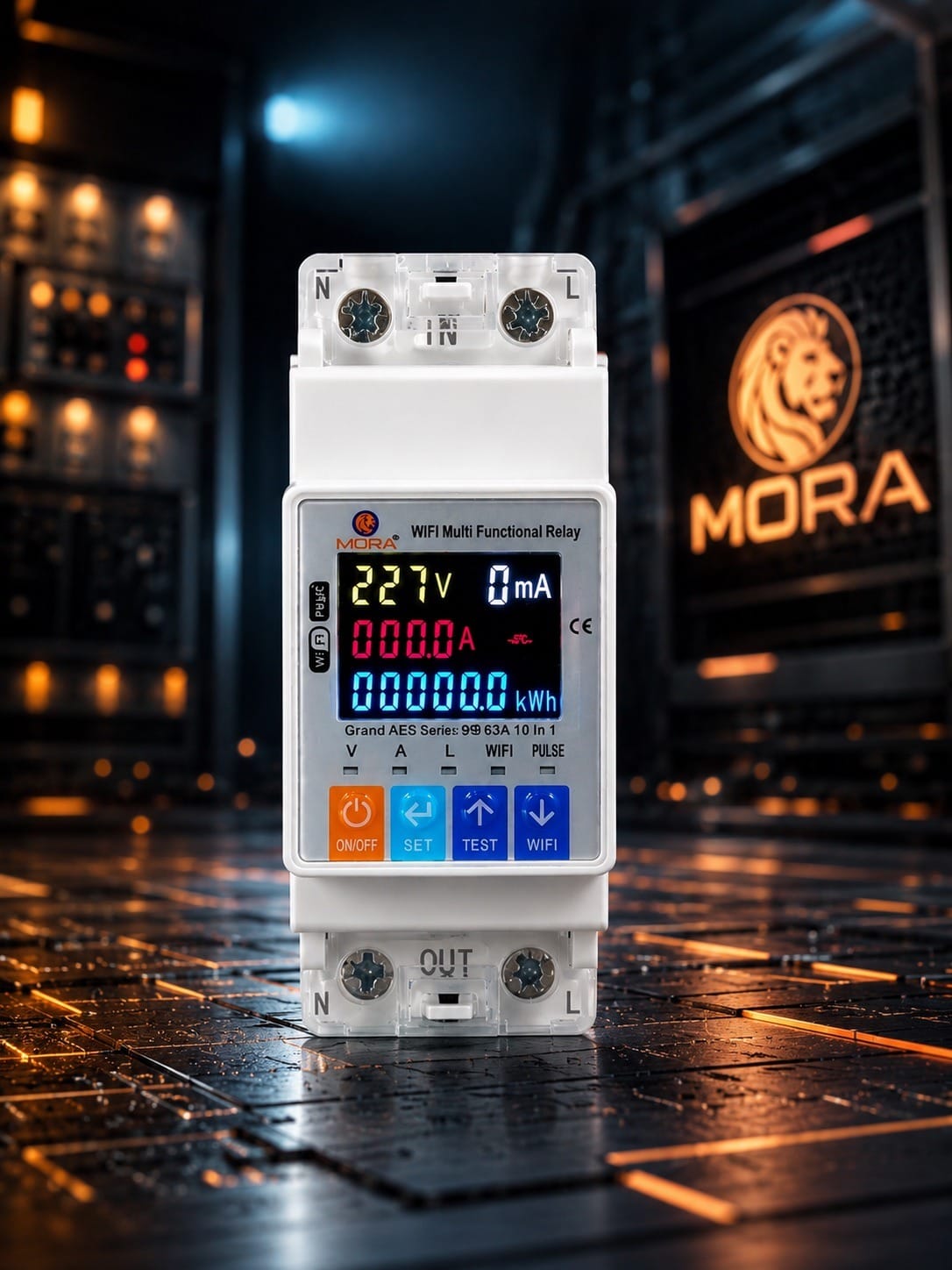
One important note: if your home has a solar system, SPD selection becomes even more critical. Solar inverters are sensitive to voltage transients, and a good SPD on both the DC (solar panel) side and the AC (grid/home) side is essential for protecting your inverter. The SPD products available cover both AC and DC applications, including options well-suited to solar-connected homes.
The Enclosure Itself
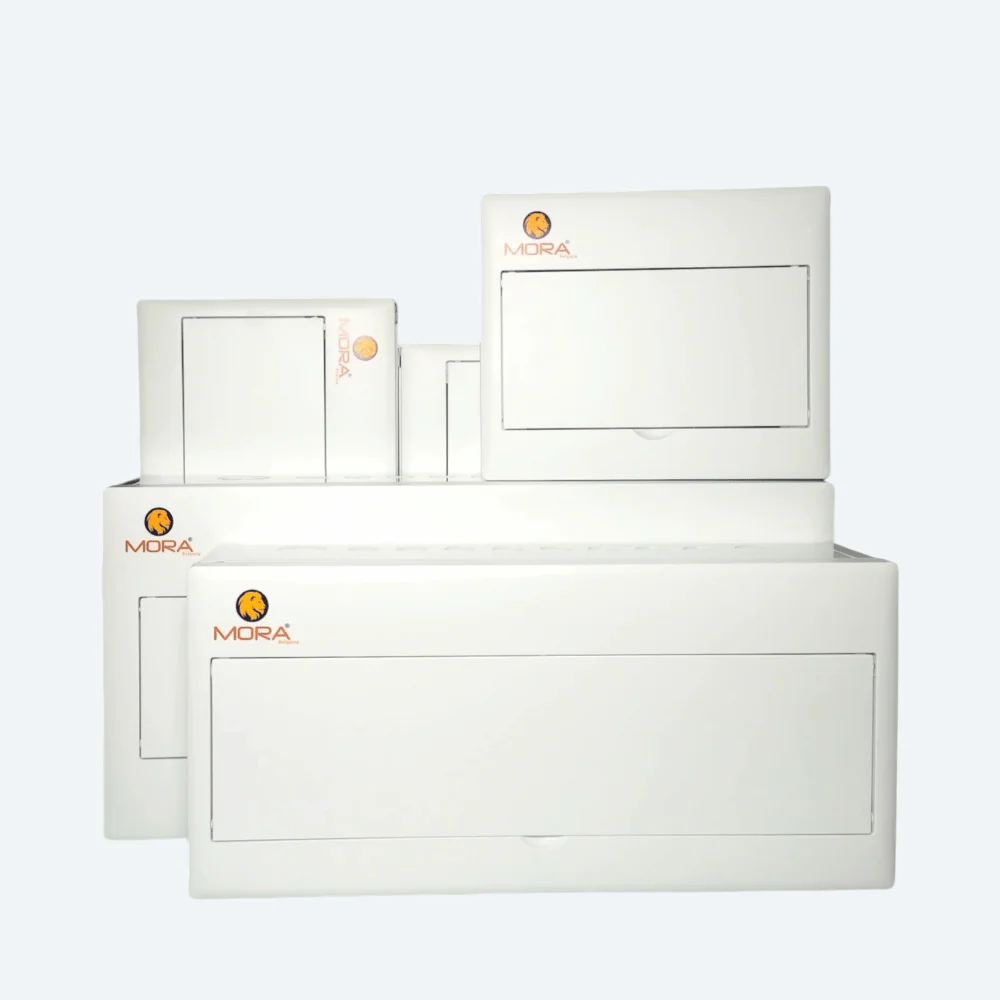
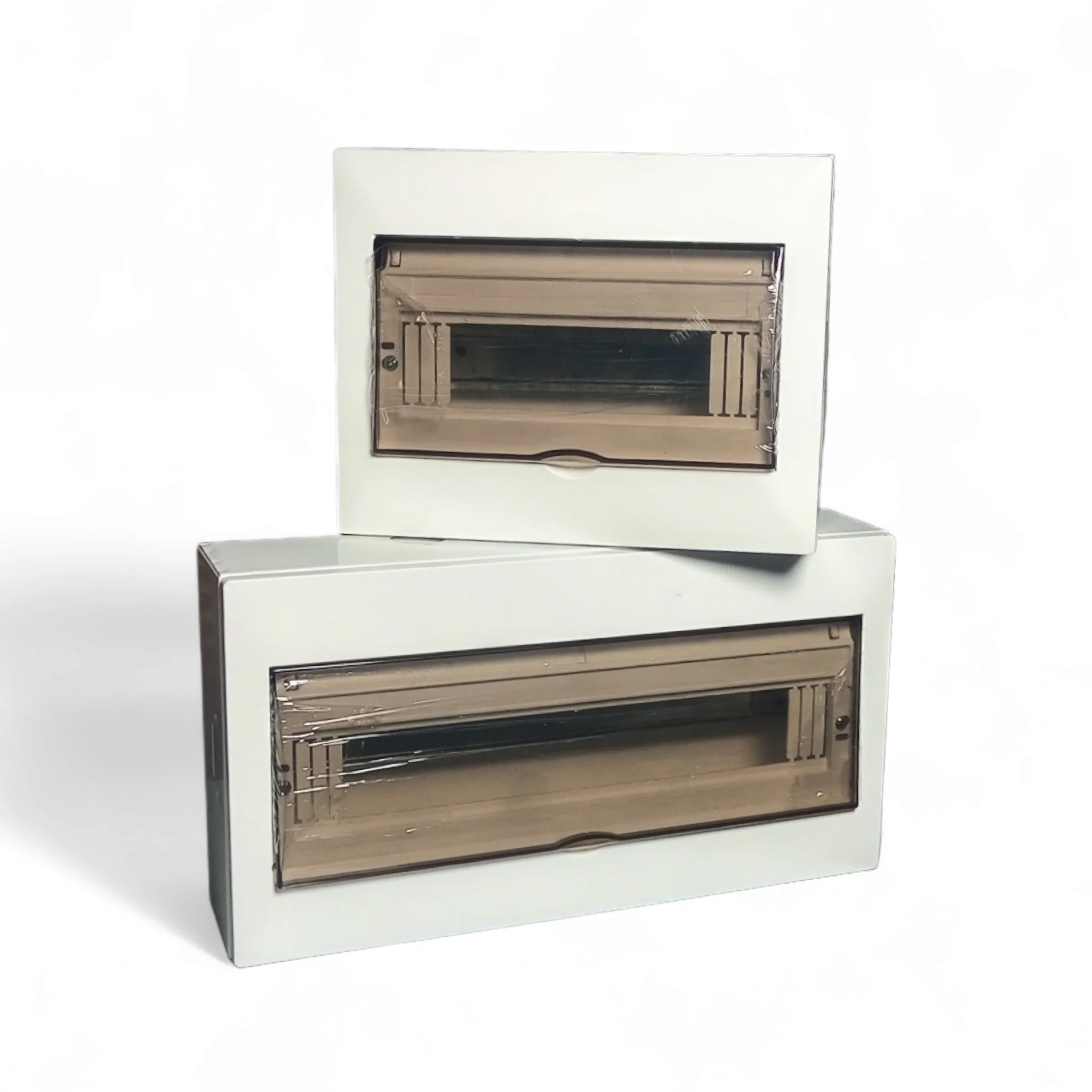
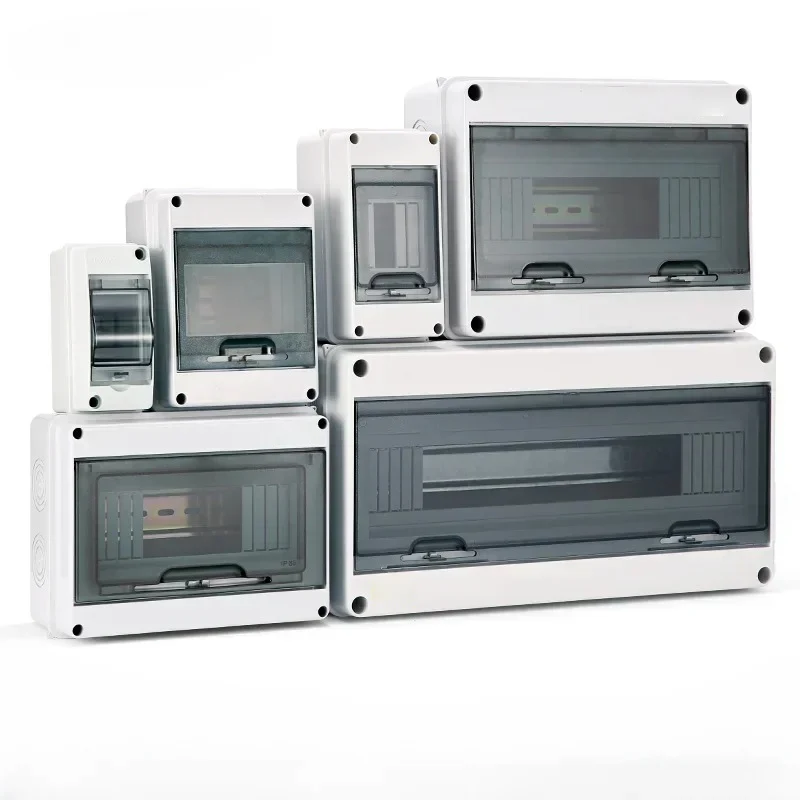
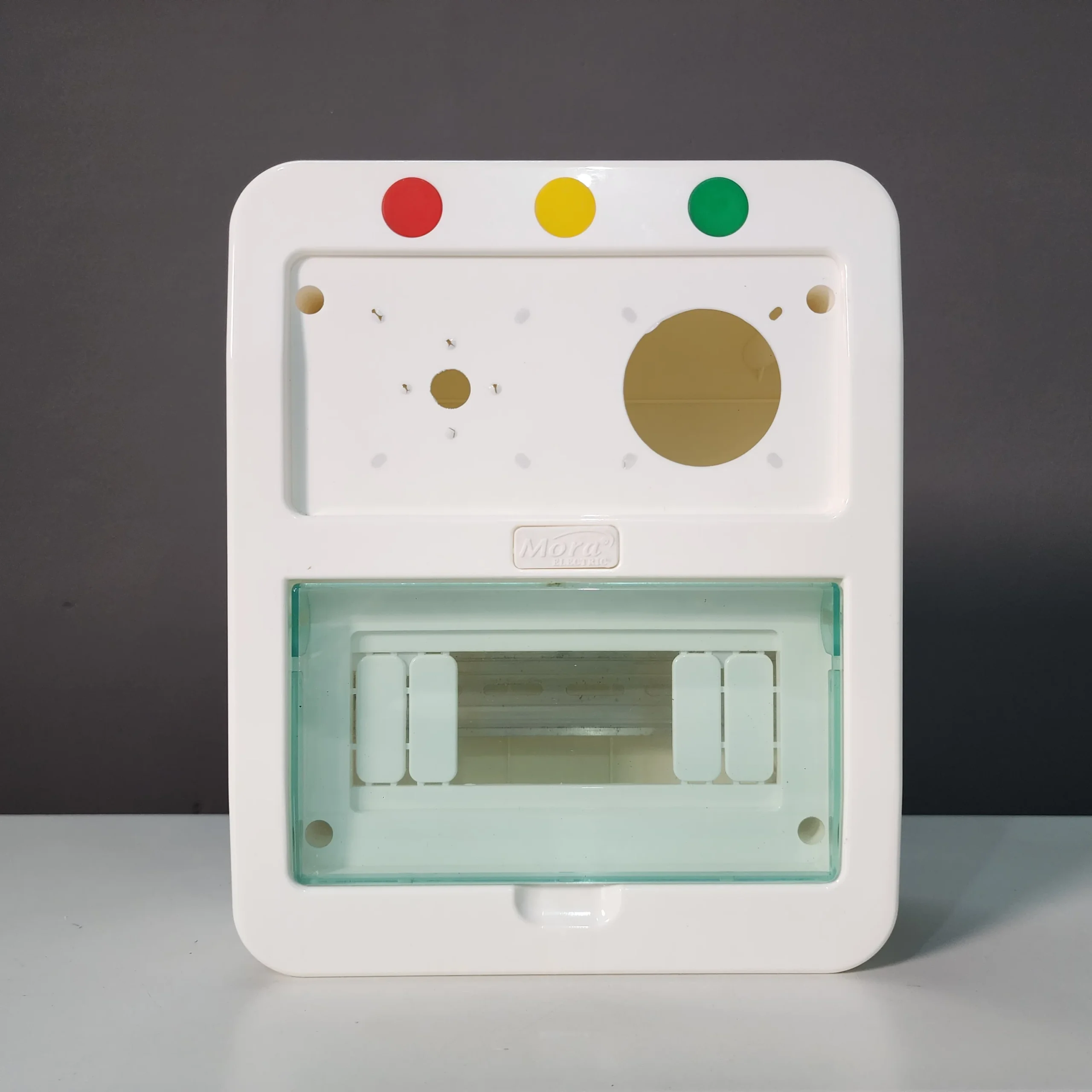
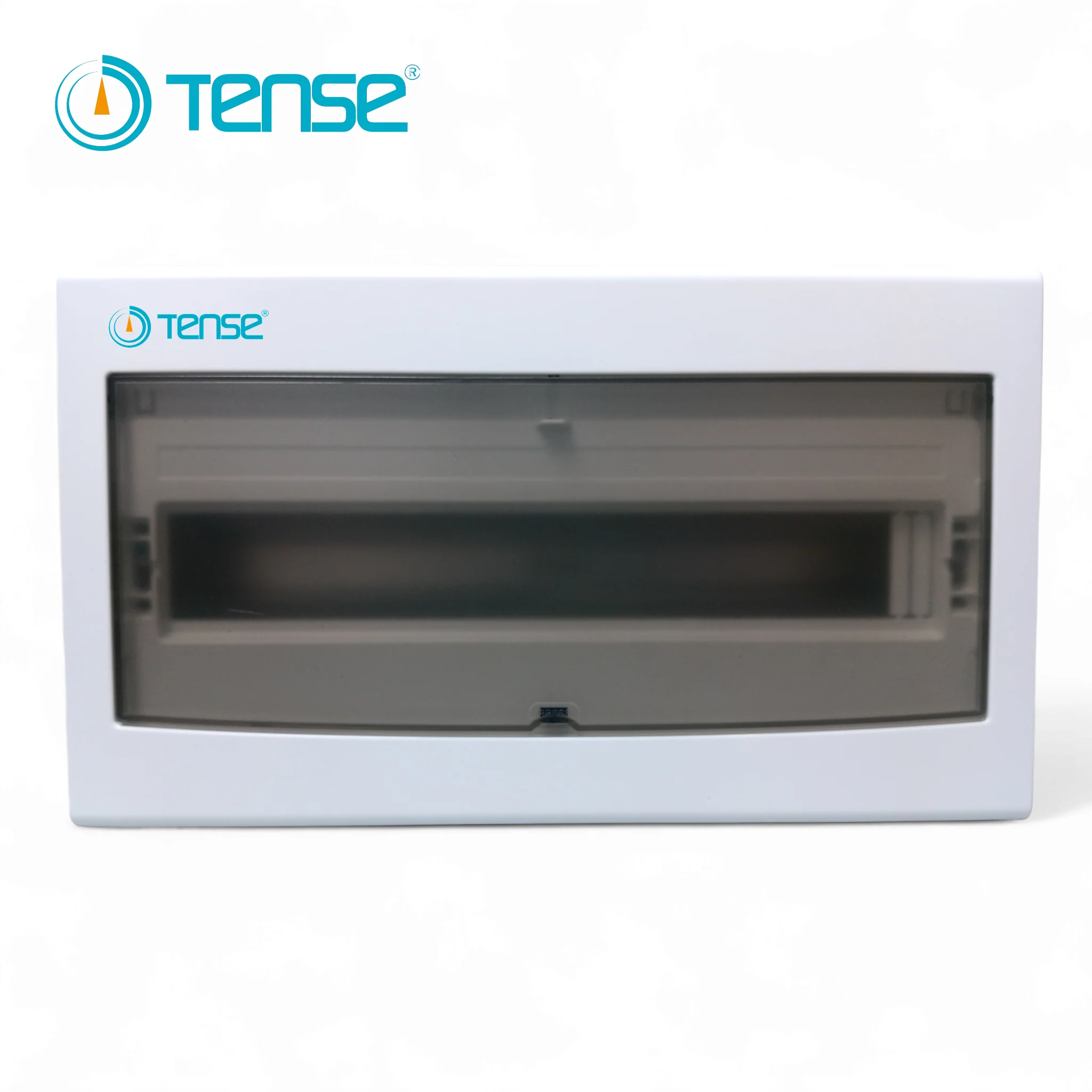
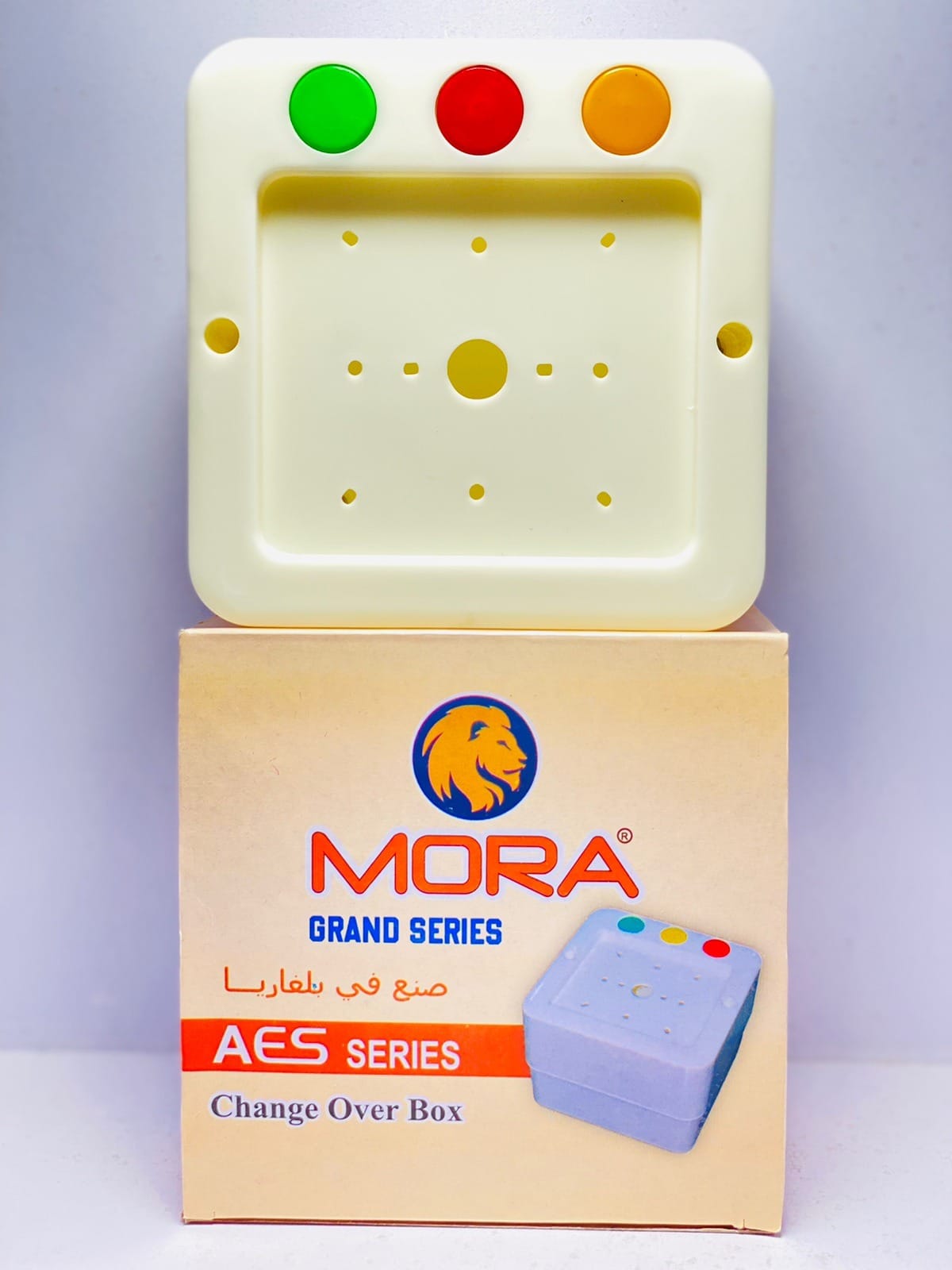
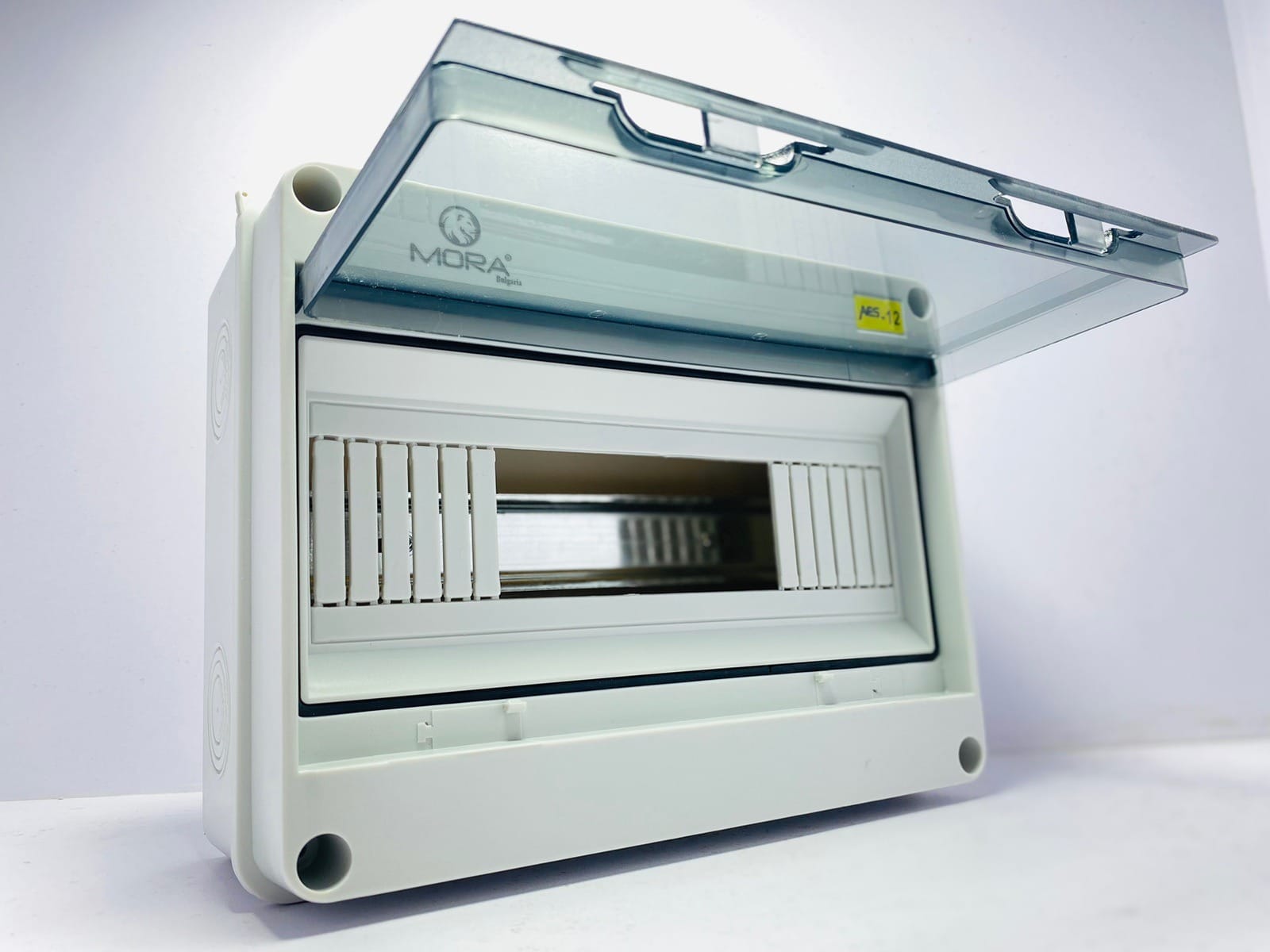
The DB box enclosure — the physical box that houses all these components — must be appropriately sized and rated for your environment. In Pakistan, plastic enclosures (flame-retardant thermoplastic) are the most common for indoor residential use. Metal enclosures are used in industrial settings or wherever impact resistance is needed.
For outdoor DB boxes — common in homes where the main meter is outside, or where a sub-panel is installed near a water pump or garden area — you need an IP65-rated weatherproof enclosure that can withstand rain, dust, and sun exposure. IP65 means the enclosure is fully dust-tight and protected against water jets from any direction.
The number of ways (poles) in the enclosure must be sufficient to accommodate all your breakers plus room for future expansion. A 4-way DB box is barely enough for a small flat. Most houses need a 12-way or 18-way board, especially if you are adding solar protection devices, SPDs, and timers.
How to Wire a Home DB Box in Pakistan: Step-by-Step
Understanding the wiring sequence for a home DB box in Pakistan helps both homeowners who want to supervise the work and electricians who want to follow best practice. Always have a licensed electrician carry out the actual installation — but knowing how it should be done means you can verify the work is correct.
Step 1 — Assess Your Total Load
Before touching a single wire, calculate the total connected load for your home. Add up the wattage of every appliance that might run simultaneously: AC units, fans, lights, geyser, washing machine, water pump, refrigerator, television sets, and any other devices.
This calculation determines the size of your main incoming breaker, the size of the incoming supply cable, and how many circuits your DB box needs. In a typical Pakistani home with two AC units (1.5 ton each), a geyser, a water pump, lighting, and general sockets, you are likely looking at a total connected load of 8-12 kVA.
Always size your main breaker based on your sanctioned load (as shown on your WAPDA bill), and confirm with a licensed electrician that your incoming supply cable is rated to match.
Step 2 — Select and Install the Enclosure
Mount the DB box enclosure in a dry, accessible location — ideally at eye level in a utility area, corridor, or dedicated electrical cupboard. The box must not be installed near water pipes, gas meters, or in direct sunlight.
Fix the enclosure securely to the wall using appropriate wall plugs and screws. The DIN rail inside the enclosure is where all the breakers will snap into place.
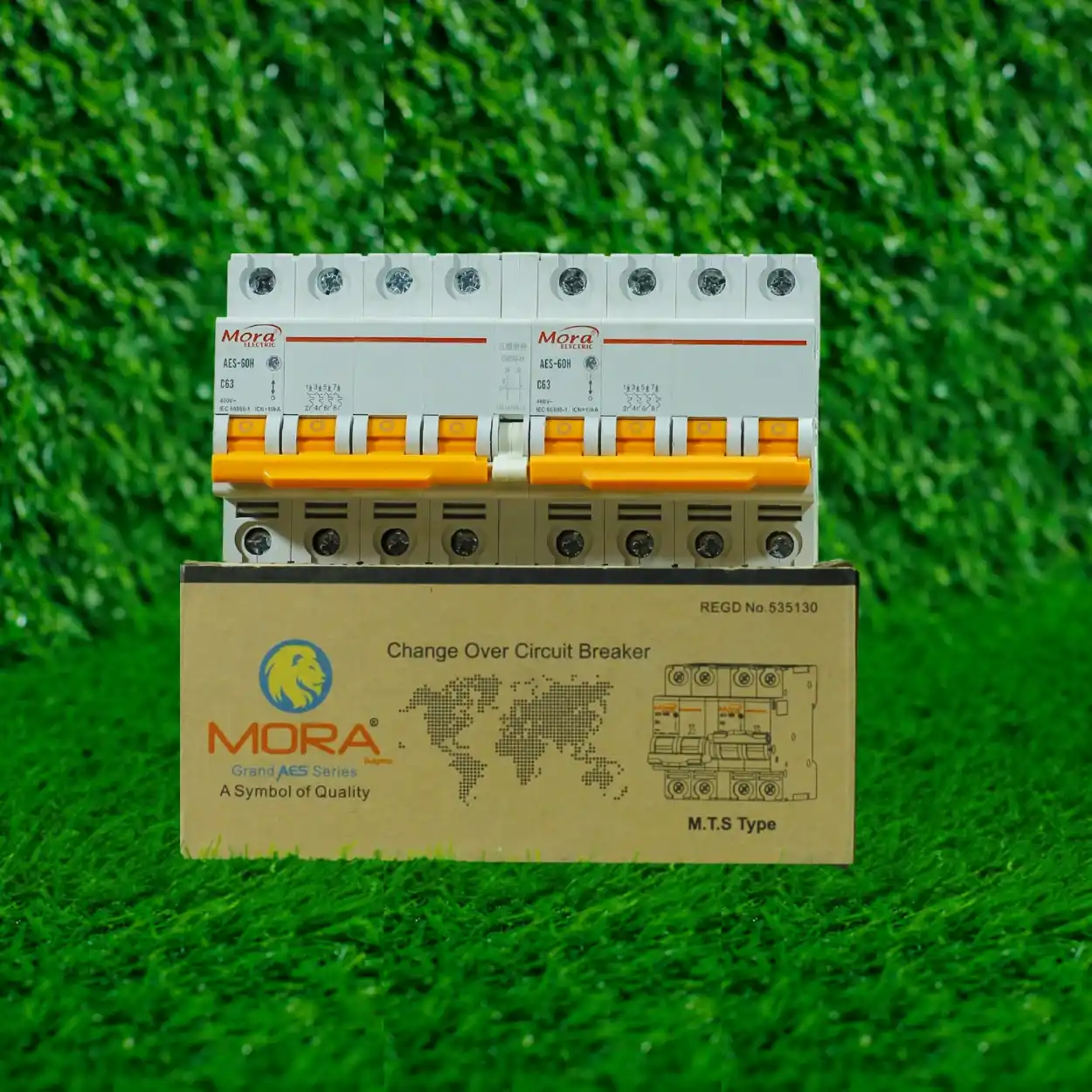
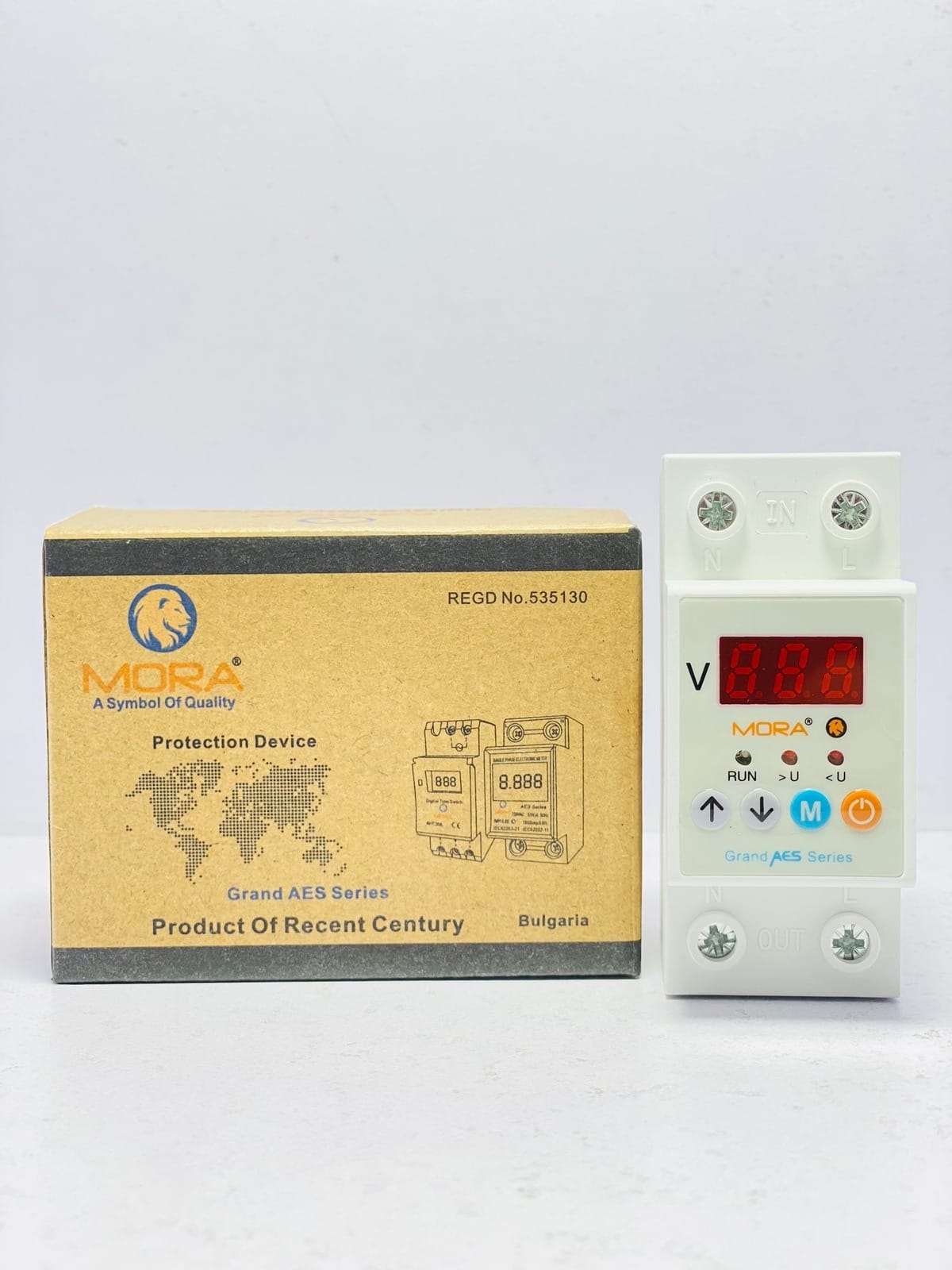
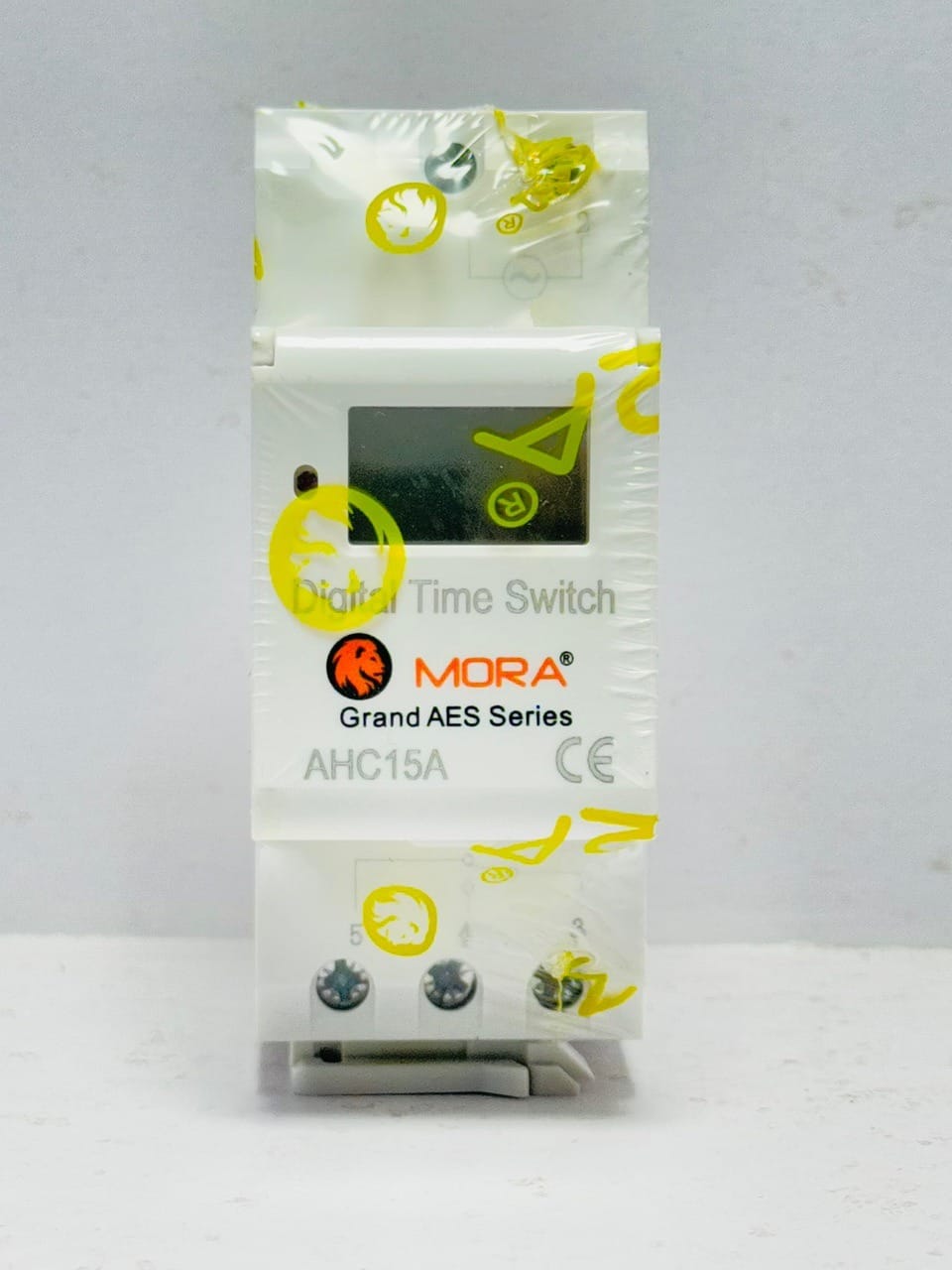
For homes with solar systems, consider specifying a larger enclosure from the start. Solar protection requires additional components — DC circuit breakers, solar SPDs, and possibly an automatic transfer switch — that take up DIN rail space. Trying to add these components to an undersized DB box after the fact is expensive and messy.
Step 3 — Install the Main Incoming Breaker
The main breaker mounts at the top left of the DIN rail (standard practice in Pakistan and most IEC-standard countries). The incoming live wire from WAPDA connects to the top terminal of the main breaker. The outgoing live from the bottom of the main breaker feeds the busbar inside the DB box.
The neutral from the incoming supply goes directly to the neutral busbar (the bar running along the bottom of the enclosure that collects all neutral wires). Similarly, the earth from the incoming supply goes to the earthing bar.
If you are installing an RCCB as the main incoming device, it goes immediately after the main MCB and before the individual circuit breakers. The RCCB must be connected so that it monitors both live and neutral current on all downstream circuits.
Step 4 — Install Individual Circuit Breakers
Snap each MCB or RCBO onto the DIN rail in order. Electricians in Pakistan typically organize circuits from left to right in a logical sequence: main incomer, then lighting circuits, then socket circuits, then AC circuits, then dedicated heavy appliances (geyser, water pump), and finally any special circuits (solar, generator changeover, outdoor).
Label each breaker clearly — either with adhesive labels or a label maker. In Pakistan, it is common to see DB boxes with no labeling at all, which creates serious hazards during maintenance or emergencies. Labels should identify what each breaker controls (e.g., “Bedroom 1 Lights,” “Ground Floor Sockets,” “1.5 Ton AC — Drawing Room”).
Feed the outgoing live wire from each breaker’s bottom terminal to the corresponding circuit wiring in the house. Each circuit’s neutral wire returns to the neutral busbar, and each circuit’s earth wire goes to the earthing bar.
Step 5 — Install the SPD
The surge protection device mounts on the DIN rail after the main breaker (and after the main RCCB if one is installed). The SPD connects between live, neutral, and earth. It does not interrupt the normal circuit — it simply provides a low-impedance path to earth for any transient voltage spike above its clamping threshold.
Some Pakistani electricians skip the SPD to save cost. This is a false economy, especially in areas prone to lightning (much of Punjab and Sindh during monsoon season) or in homes with sensitive electronics and solar inverters. The cost of a good SPD is a fraction of the cost of replacing a damaged inverter, television, or refrigerator.
Step 6 — Earthing
This step is the most commonly neglected in Pakistani home wiring, and also the most critical. A proper earth connection is the foundation of electrical safety. Without it, your RCCB cannot detect earth faults reliably, metal appliance bodies can become live during insulation failures, and lightning surge protection cannot function.
A proper earth installation in Pakistan involves driving one or more earth rods (copper-clad steel, minimum 1.2m to 2.4m long) into the ground outside the building, connecting them with an appropriately sized copper earth conductor (minimum 16mm² for a main earthing conductor in most residential installations), and running this conductor to the earthing bar in your DB box.
The earth resistance at the earthing electrode should ideally be below 1 ohm. In dry soil conditions common across Punjab in summer, achieving low earth resistance may require multiple rods in parallel or enhanced earthing techniques.
Step 7 — Testing Before Energizing
Before the incoming supply is connected and the main breaker switched on, a licensed electrician should carry out the following checks:
- Visual inspection of all connections (no exposed conductors, correct polarity, secure terminals)
- Insulation resistance test using a megohmmeter (checks that all cable insulation is intact)
- Continuity test of the earthing conductor
- Loop impedance test (checks that the earth fault path has low enough impedance for MCBs to operate correctly in a fault)
- Functional test of RCCB/RCBO (press the test button with power on — it should trip instantly)
Common Mistakes in Pakistani Home DB Box Wiring
Seeing the same errors repeated across Pakistani homes — whether in Lahore, Sahiwal, or Faisalabad — is what makes understanding these mistakes so valuable. Knowing what to look for when inspecting an existing board or supervising new work can prevent serious problems.
Sharing Neutrals Between Circuits
In Pakistan, it is surprisingly common to find multiple circuit MCBs sharing a single neutral wire back to the neutral busbar. This practice — called a “shared neutral” or “common neutral” — is dangerous and non-compliant with IEC wiring standards. If one MCB trips while another stays on, the shared neutral remains live and can create a shock hazard during maintenance. Every circuit should have its own dedicated neutral wire returning to the neutral busbar. No exceptions.
Undersized Incoming Supply Cable
The cable from the WAPDA meter to your DB box must be rated for the full sanctioned load current plus a safety margin. Using a 4mm² cable on a 63A main breaker is a dangerous mismatch that can cause the cable to overheat under full load, even if the breaker doesn’t trip. Always match the cable cross-section to the breaker rating using a proper cable ampacity table based on IEC 60364 or similar standards.
No Earth on Individual Circuits
Another extremely common issue: circuits that have live and neutral wires reaching every socket and appliance, but no earth wire. In this situation, even if you have an earthing rod outside, the earth path is broken between the DB box and the sockets. A metal-bodied appliance that develops an insulation fault will remain live at the socket — a potentially fatal situation. Every circuit wired from the DB box should include a properly terminated earth wire run to every socket, appliance point, and metal enclosure along the way.
Using Fuses Instead of MCBs in the DB Box
In many older homes in Pakistan, you will still find the original ceramic fuse units in the distribution board. These need to be replaced with MCBs. Fuses cannot be reset — they must be replaced each time they operate. More critically, it is common in Pakistan for fuses to be replaced with a higher-rated fuse wire (or even a nail or piece of copper wire) when the correct rating is not immediately available. This entirely eliminates the overcurrent protection and creates a serious fire risk.
Ignoring Load Balance on Three-Phase Installations
For homes or businesses on a three-phase supply, load balancing matters. If all heavy loads (three AC units, water pump, geyser) are connected to one phase while the other two phases carry minimal load, the unbalanced current creates a neutral current that can overload the neutral conductor and damage equipment. Distributing loads roughly equally across all three phases is a standard requirement for three-phase installations.
DB Box Maintenance: What Pakistani Homeowners Should Do Regularly
A DB box is not a fit-and-forget installation. Regular attention keeps it safe and extends the service life of all components.
Monthly Visual Inspection
Once a month, open the DB box cover and visually inspect the interior. Look for any signs of burning or scorching (brown marks around terminals), any evidence of moisture ingress (rust, water stains), and any wires that appear to have come loose from their terminals. If you see any of these signs, call a licensed electrician immediately.
Quarterly RCCB Test
Every three months, press the test button on your RCCB or RCBOs. The breaker should trip instantly and cleanly. If it does not trip, or if it feels stiff, the device has likely failed and needs to be replaced. An RCCB that does not trip on test provides zero protection — it just creates a false sense of security.
Annual Thermographic Inspection
For homes with solar systems, three-phase supplies, or a high number of circuits, an annual thermal imaging inspection is worth considering. A thermal camera can identify hot spots in the DB box — connections that are running hotter than they should, indicating a loose terminal, undersized cable, or failing component — before they develop into a fault or fire.
After Any Electrical Work
Whenever an electrician adds a circuit, modifies the wiring, or makes any change to the DB box, request a visual inspection of all work and an RCCB test before the board is put back into service. New connections are a common source of problems if the terminal screws are not tightened correctly.
Upgrading an Old DB Box in Pakistan: When It’s Time
Pakistan has a huge stock of older homes with outdated electrical installations. If your home has any of the following, a DB box upgrade should be treated as a priority, not a long-term plan.
- Ceramic fuse holders instead of MCBs
- A DB box with no RCCB or any form of earth leakage protection
- No earth conductor on circuits (just live and neutral)
- A DB box that is rusted, cracked, or has had a fire or burning incident
- MCBs that trip frequently and cannot be reset
- A home that is adding solar and has not yet upgraded the DB box to accommodate solar protection components
Upgrading a DB box in a typical Pakistani home — new enclosure, main breaker, individual MCBs, RCCB, SPD, and proper earthing — is an investment that pays for itself many times over in appliance protection, personal safety, and peace of mind.
If you are adding a solar system, your installer should discuss the DB box with you as part of the installation. Browse the distribution box range to see options suited to both residential and light commercial applications in Pakistan.
Standards and Compliance for Home DB Boxes in Pakistan
Pakistan’s electrical installation standards are largely based on the IEC (International Electrotechnical Commission) framework, particularly IEC 60364 (Low-Voltage Electrical Installations). WAPDA and the various DISCOs also have their own consumer connection requirements.
When selecting breakers and protection devices for your DB box, look for products that carry relevant international certifications: IEC 60898 for MCBs, IEC 61009 for RCBOs, IEC 60947-2 for MCCBs, and IEC 61643 for SPDs. These standards ensure that the device has been tested to perform correctly under fault conditions — not just under normal operating conditions.
The Pakistan Standards and Quality Control Authority (PSQCA) also has standards applicable to electrical equipment, though enforcement and certification vary widely by product category. Imported products from established brands with IEC certifications are generally the safer choice for critical components like breakers and RCCBs.
The Wikipedia article on electrical wiring provides a useful overview of international wiring standards and practices if you want to understand the broader framework. The IEC’s published standards — available through the IEC webstore — are the definitive technical references for anyone specifying a DB box installation.
Choosing the Right Electrician for Your DB Box Installation in Pakistan
The quality of a DB box installation depends almost entirely on the skill and conscientiousness of the electrician doing the work. In Pakistan, the term “electrician” covers a huge range of experience levels, from fully trained wiremen with years of industrial experience to casual workers who learned by watching others.
For a DB box installation or upgrade, always ask to see the electrician’s previous work if possible. Specific things to evaluate:
- Does the electrician use proper cable lug crimping tools and DIN rail components, or rely on improvised connections?
- Does the electrician run dedicated neutrals for each circuit, or use shared neutrals?
- Does the electrician include earthing and test the earth connection?
- Does the electrician know the difference between an RCCB and an MCB, and when each is appropriate?
- Does the electrician provide any kind of circuit schedule (a written record of which breaker controls which circuit)?
A good DB box installation from a skilled electrician is worth paying more for. The components inside the box cost relatively little compared to what they protect — and compared to the cost of a fire or a medical emergency caused by a substandard installation.
A Properly Wired DB Box Is the Foundation of Every Safe Pakistani Home
Pakistan’s energy landscape is changing rapidly. More homes than ever are connected to solar systems, running hybrid inverters, and managing complex interactions between WAPDA supply, battery storage, and solar generation. All of this makes a correctly specified and properly wired distribution box more important than it has ever been.
For homeowners across Lahore, Okara, Sahiwal, and Faisalabad who are either wiring a new home or upgrading an old installation, the investment in getting the DB box right from the start is always the right decision.