












TOMZN vs MORA Manual Transfer Switch: Which Fits Your Site

The misconception that sinks most buyers
Most people think a manual transfer switch is just a switch, and any two models rated the same amperage will perform identically. That’s wrong, and I’ve watched it fail on job sites across Lahore and the broader Punjab. The difference between a TOMZN and MORA isn’t academic — it shows up in how many times your ATS trips nuisance-fault when WAPDA voltage swings from 180V to 250V, how the contacts hold after three years of load-shedding cycling, and whether you’re calling me back for a replacement at 2 a.m. because the breaker won’t switch.
Both brands are genuine Pakistani market players, not knockoffs. Both meet basic IEC 60947-6-1 standards. But the devil lives in execution, component tolerance, and how they’re built to survive what actually happens to your supply and your load.
TOMZN manual transfer switches: the working specification
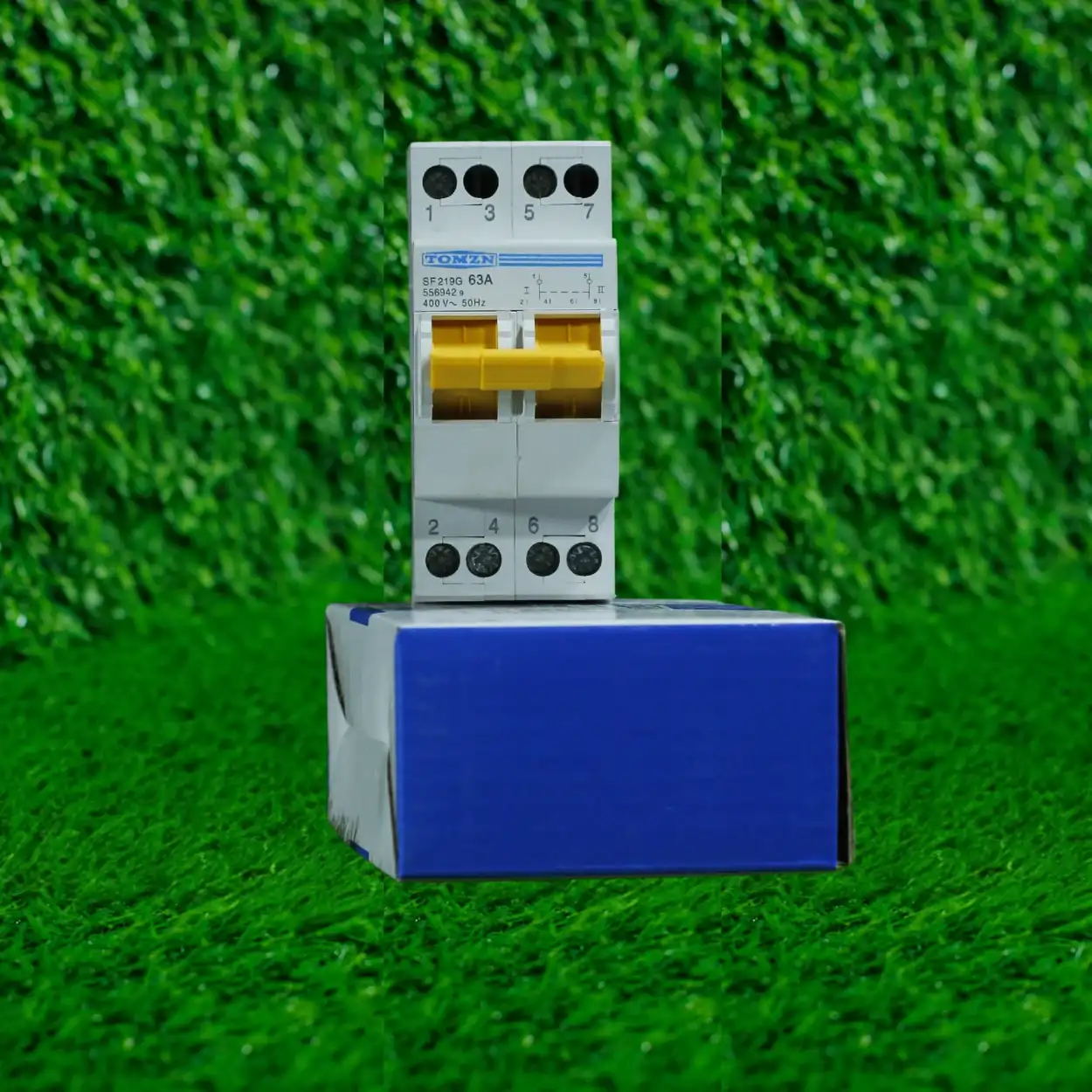
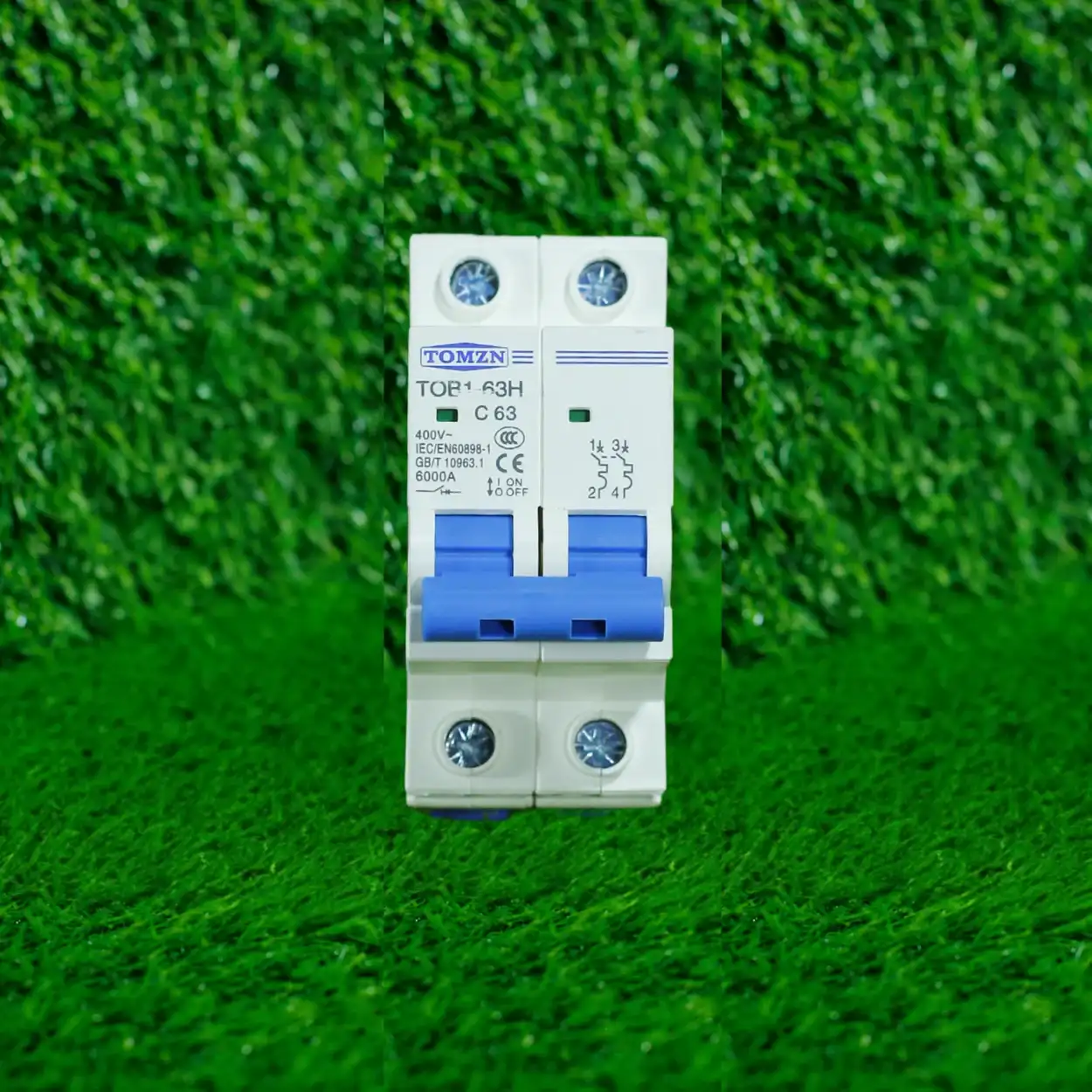
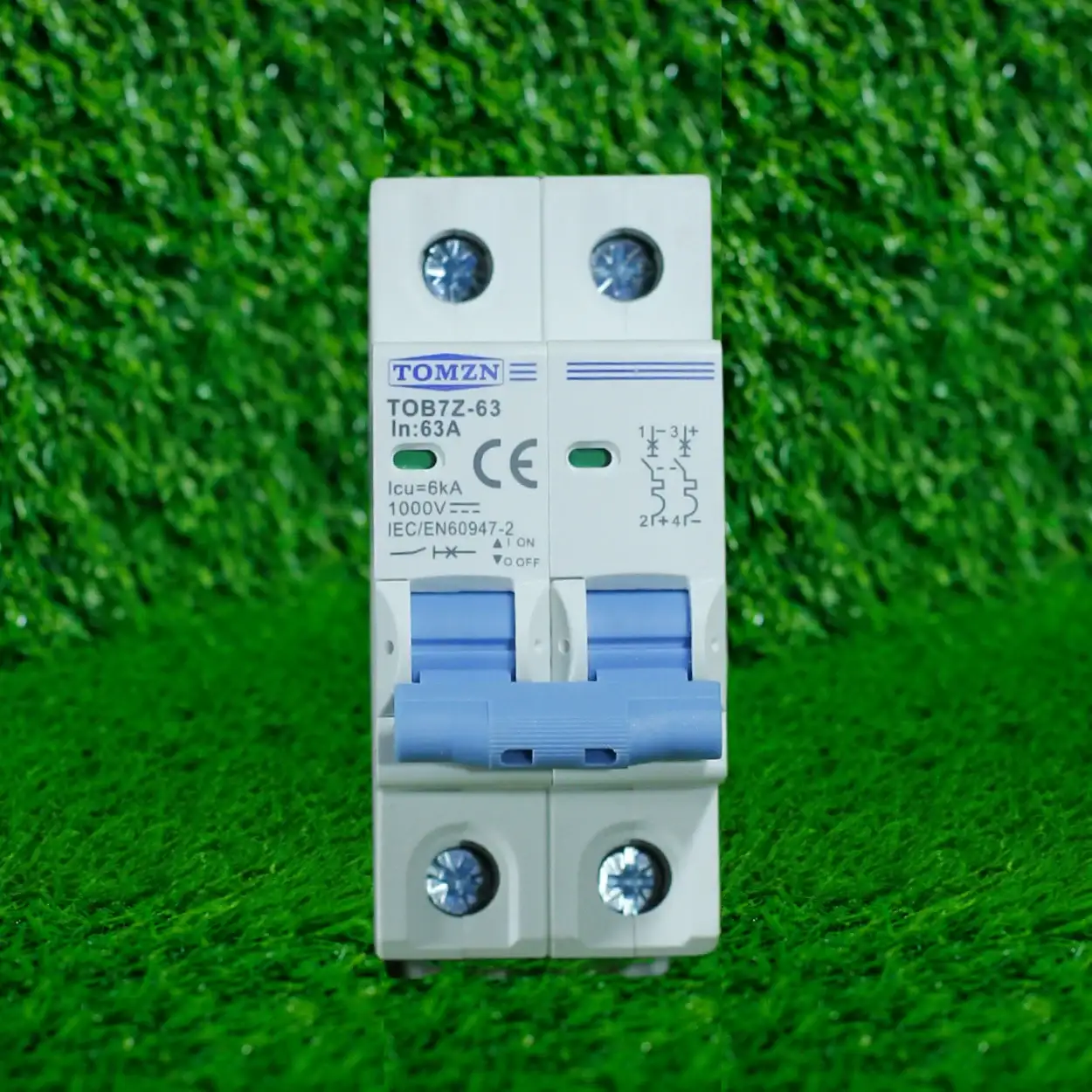
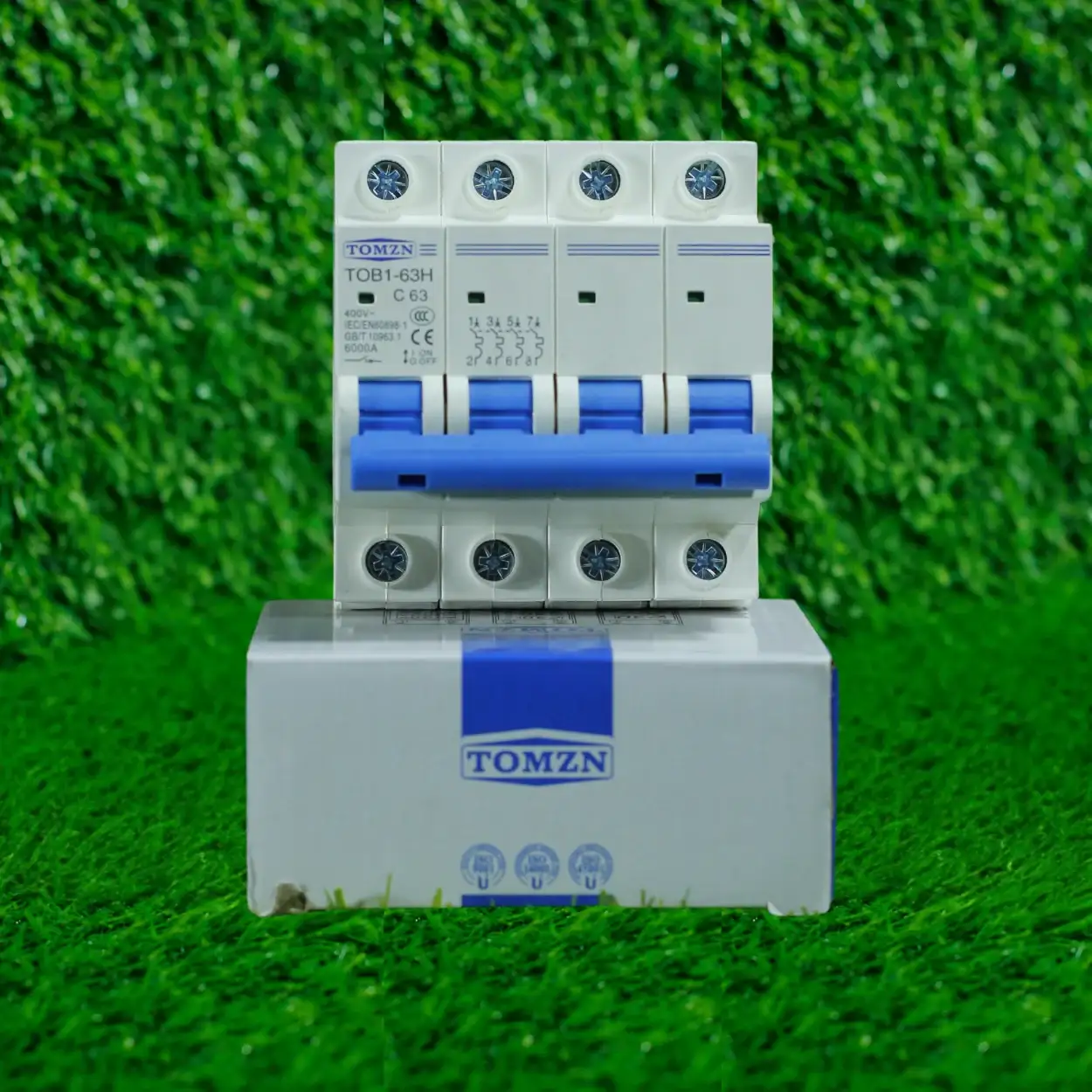
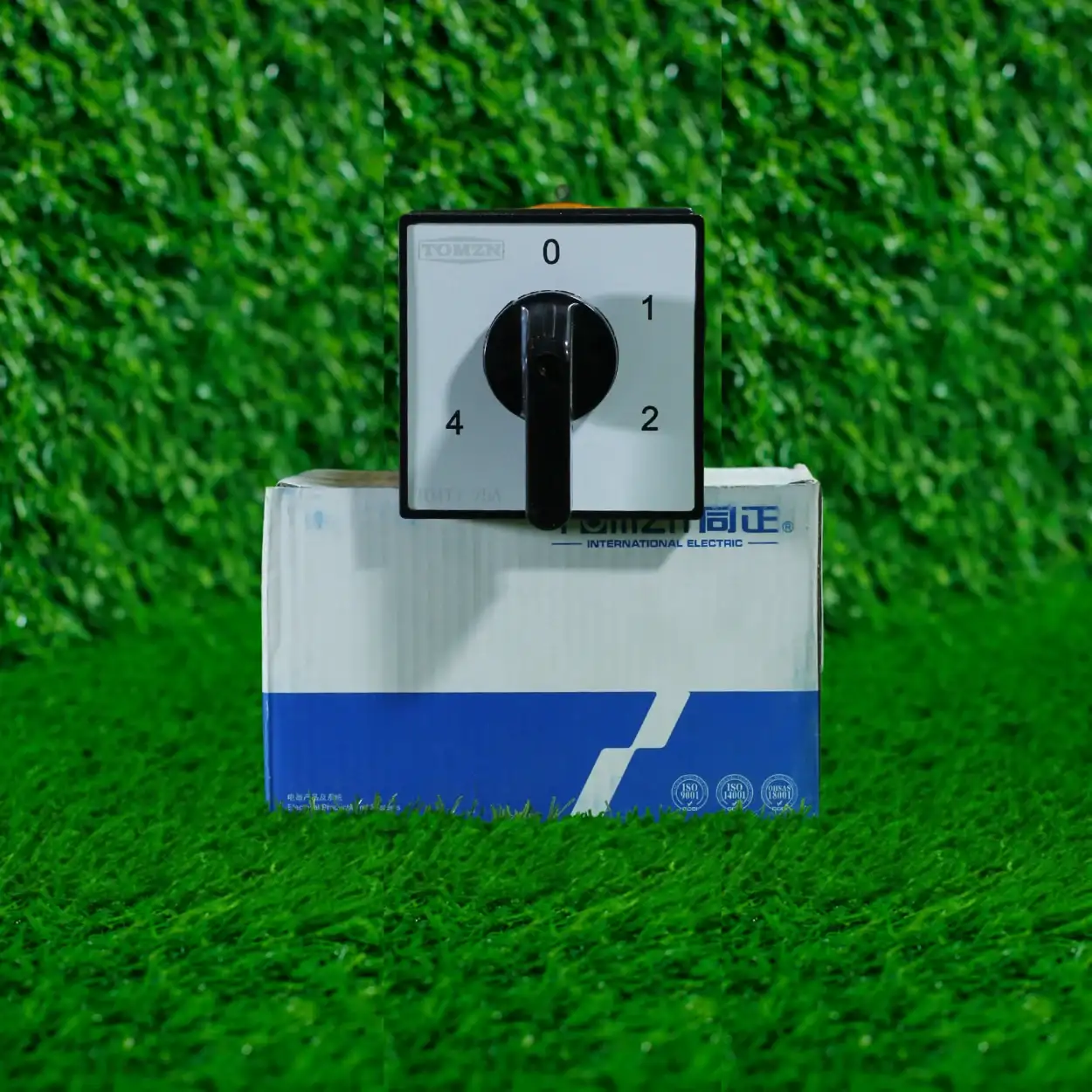
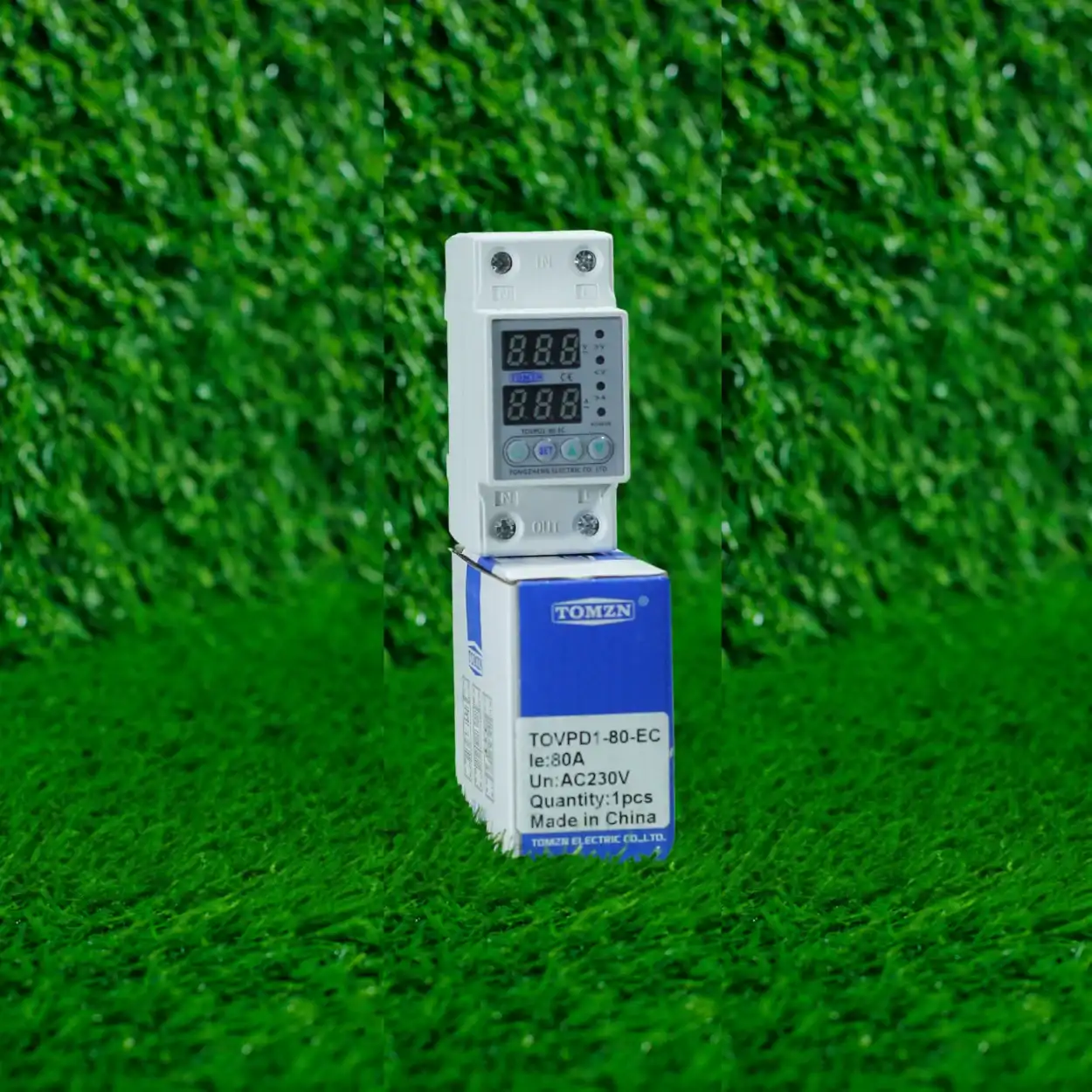
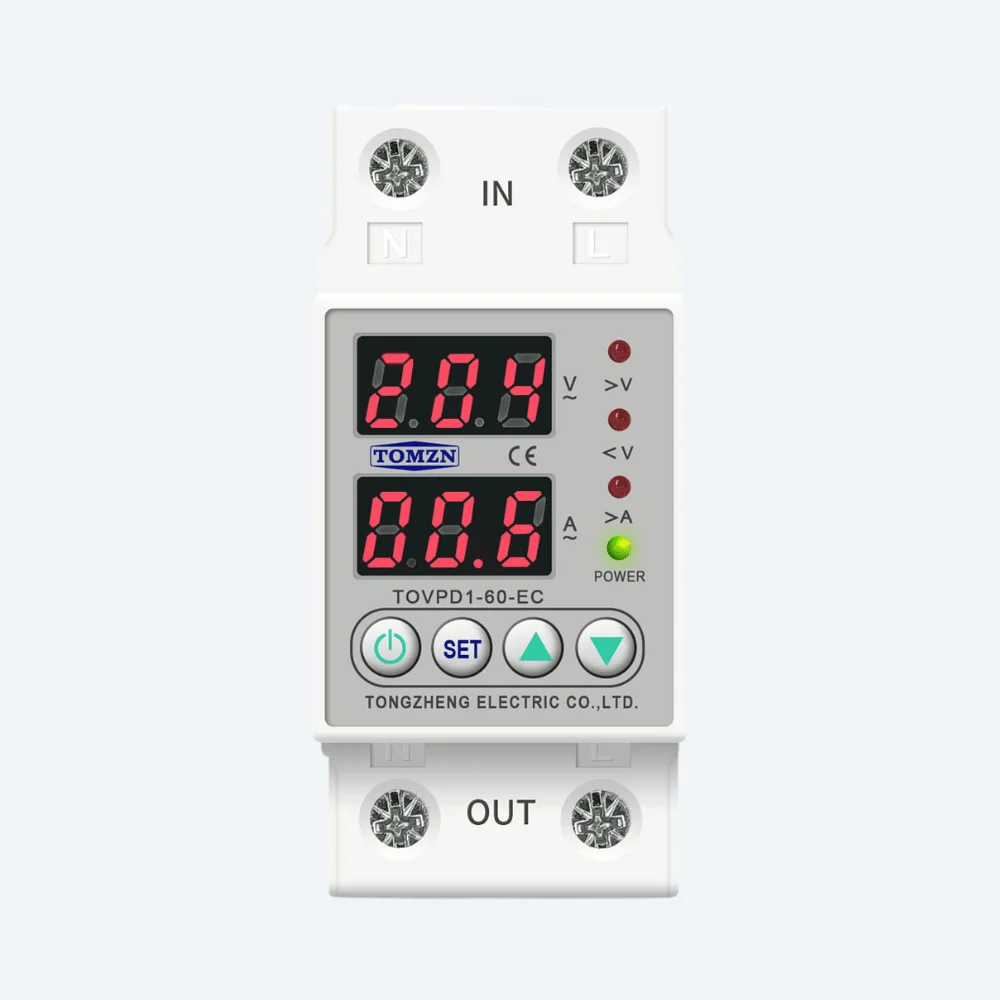
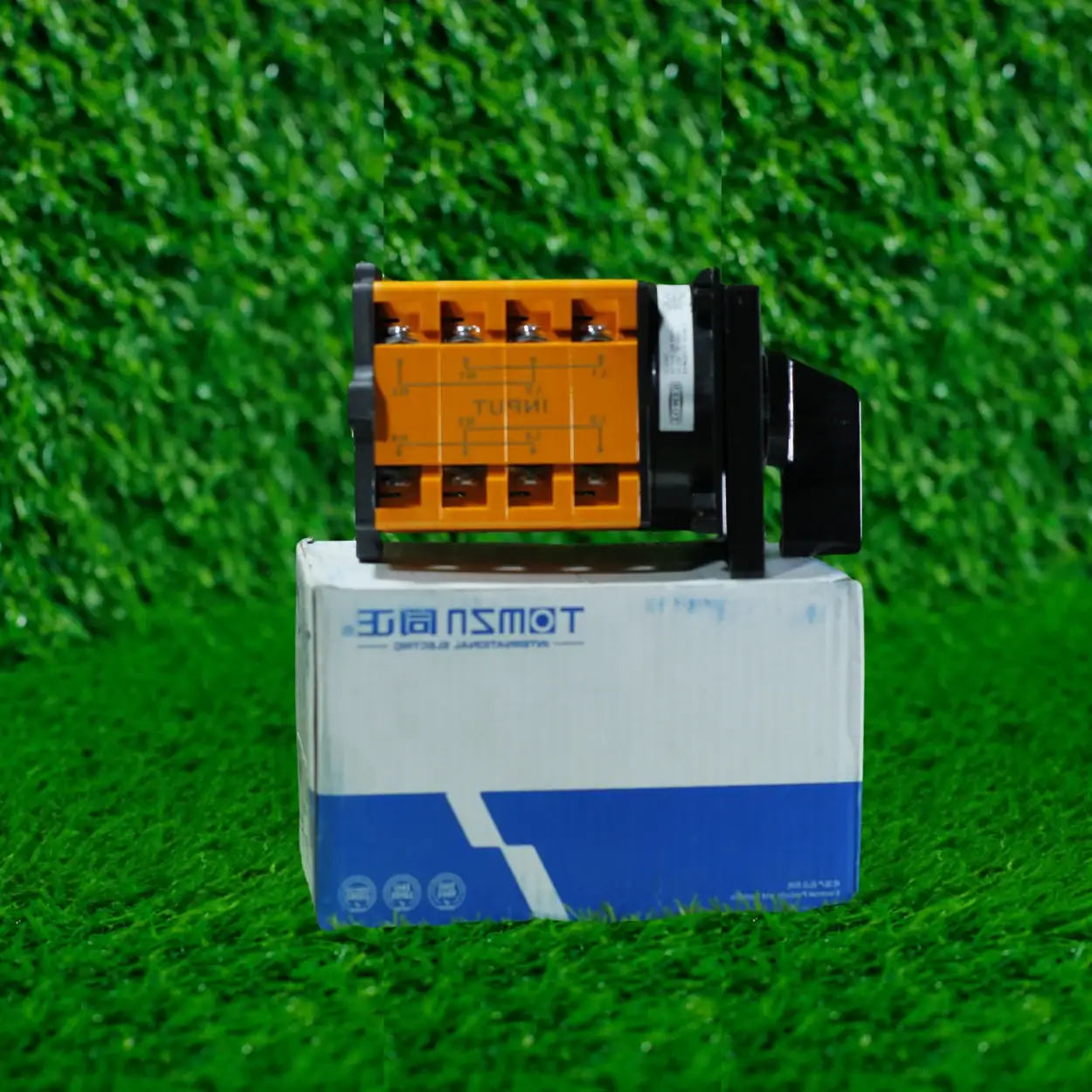
TOMZN makes ATS units that are built for volume and price. You’ll find them on smaller residential jobs, small shops, and in some poultry farms where the owner is cost-conscious. They’re typically available in 63A, 100A, and 125A ratings, in both 2-pole (single-phase) and 4-pole (three-phase) configurations.
What I like about TOMZN on site: they’re responsive to switching. The mechanical action feels clean, contacts engage decisively, and they don’t hesitate when you flip the lever from WAPDA to generator or solar inverter. On a 5kW single-phase solar setup running into a 100A TOMZN, I’ve never had contact hesitation or slow changeover speed. The lever position indicator is clear, usually a red handle, and you can see at a glance whether you’re on supply or backup.
What I’ve learned to watch for: TOMZN units in high-dust environments (godowns, workshops, farms where there’s grain or construction dust) can accumulate debris in the contact compartment. After two to three years of load-shedding cycling, if the unit sits in direct sunlight on an outdoor wall, the plastic shrouding can warp slightly, and water ingress becomes a risk during monsoon. On a poultry farm near Kasur, I replaced a TOMZN unit after 18 months because the contacts had begun to pit from repeated arcing during WAPDA voltage dips. It wasn’t a failure — the unit still switched — but the contact resistance had crept up, and the farm owner was seeing temperature rise in the connected cabling, which made me uncomfortable. The cost of replacement and labour was about 8,000-10,000 PKR at that time.
TOMZN’s build uses a simpler contact cartridge than some premium brands, which is why they’re cheaper. That simplicity is fine for stable supply or occasional switching. But in Pakistan’s load-shedding culture, when you’re cycling an ATS manually three to five times a day, that contact design starts to matter.
MORA manual transfer switches: the engineering difference
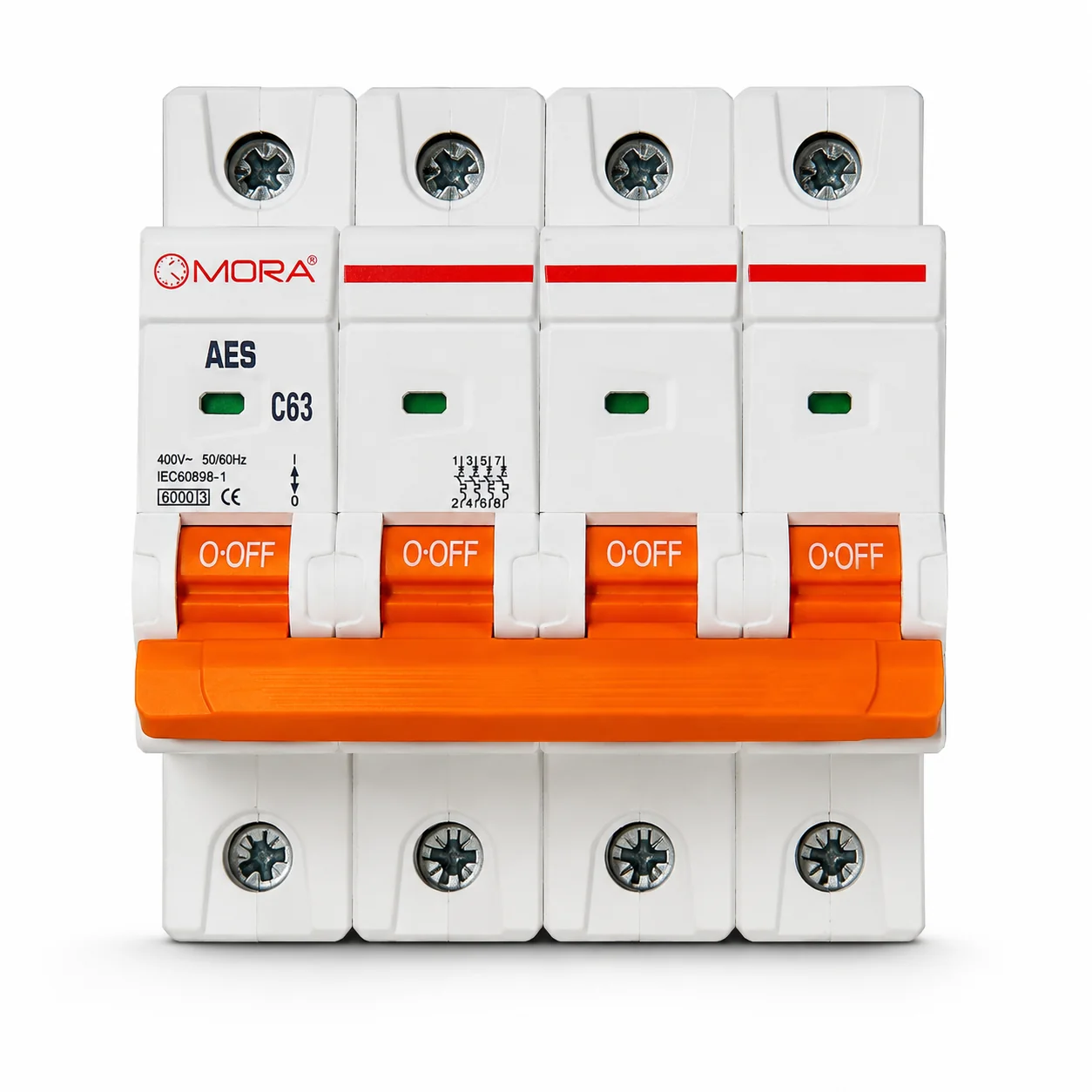
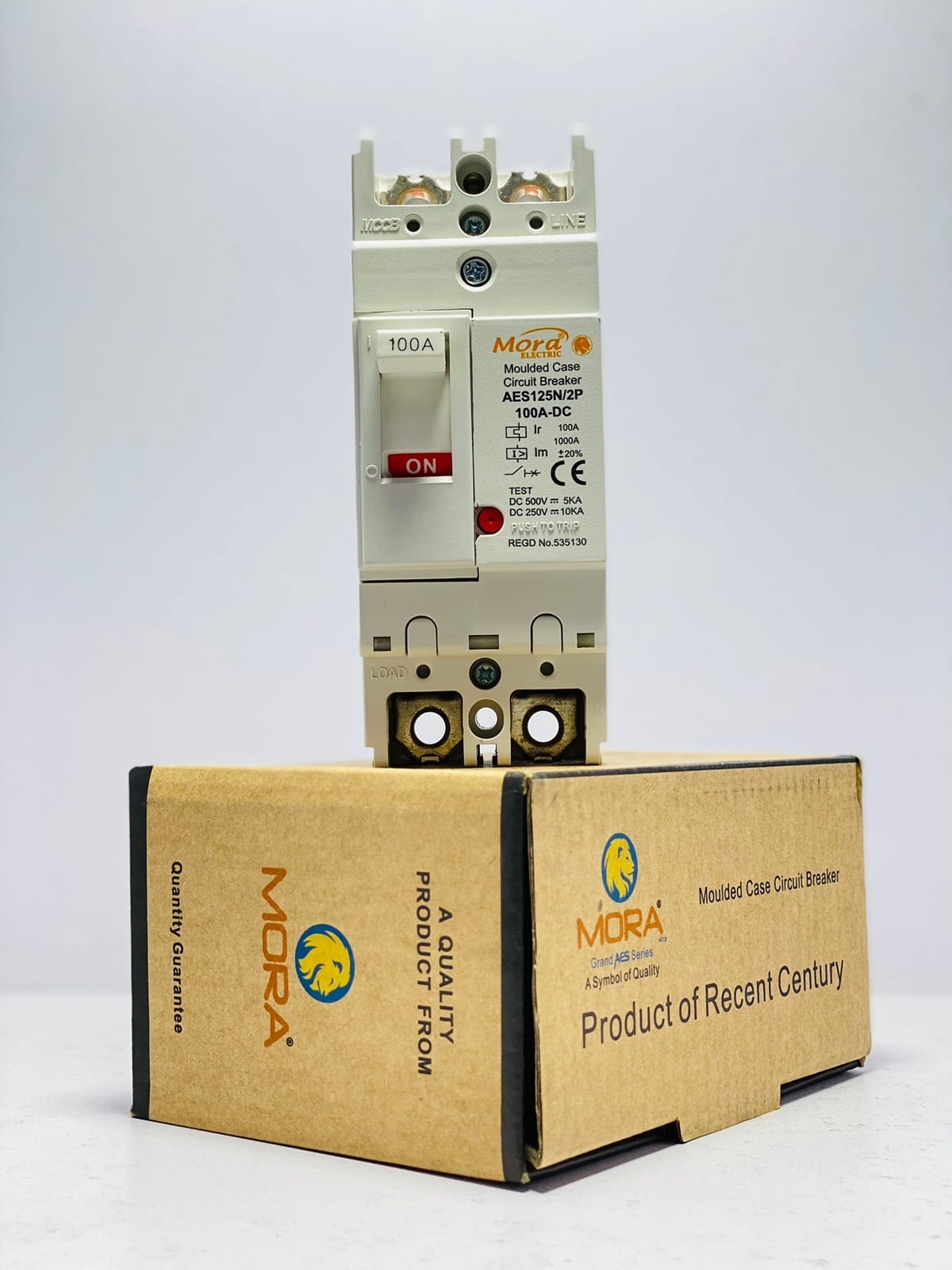
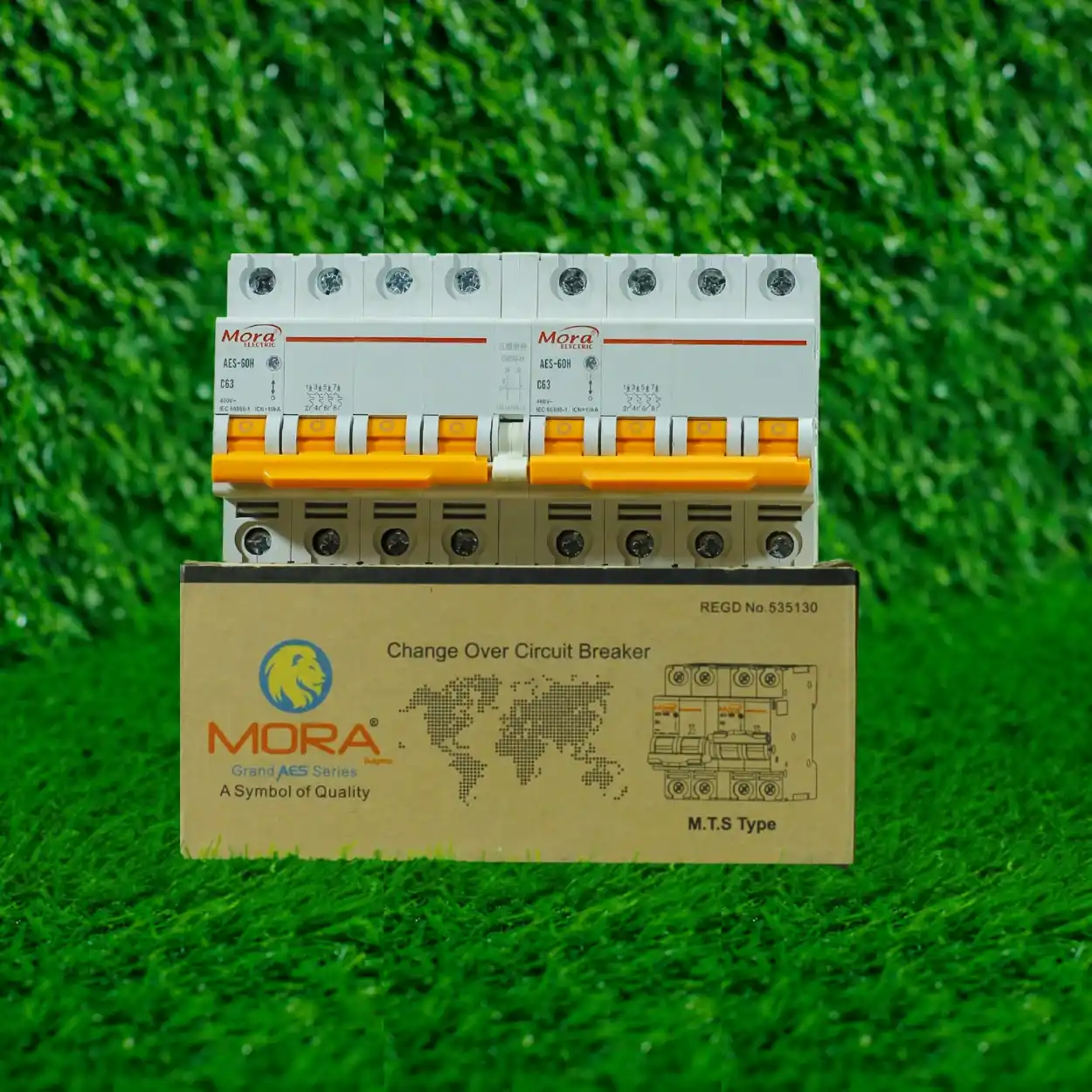
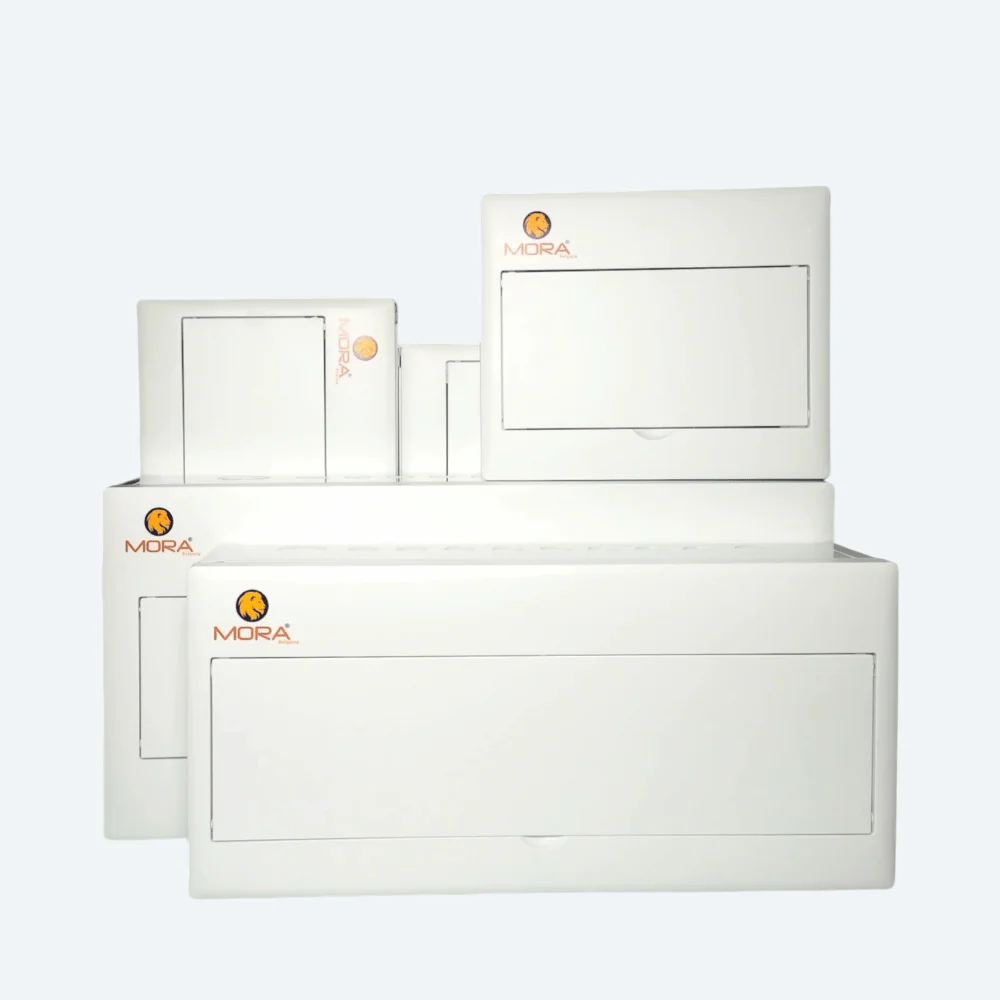
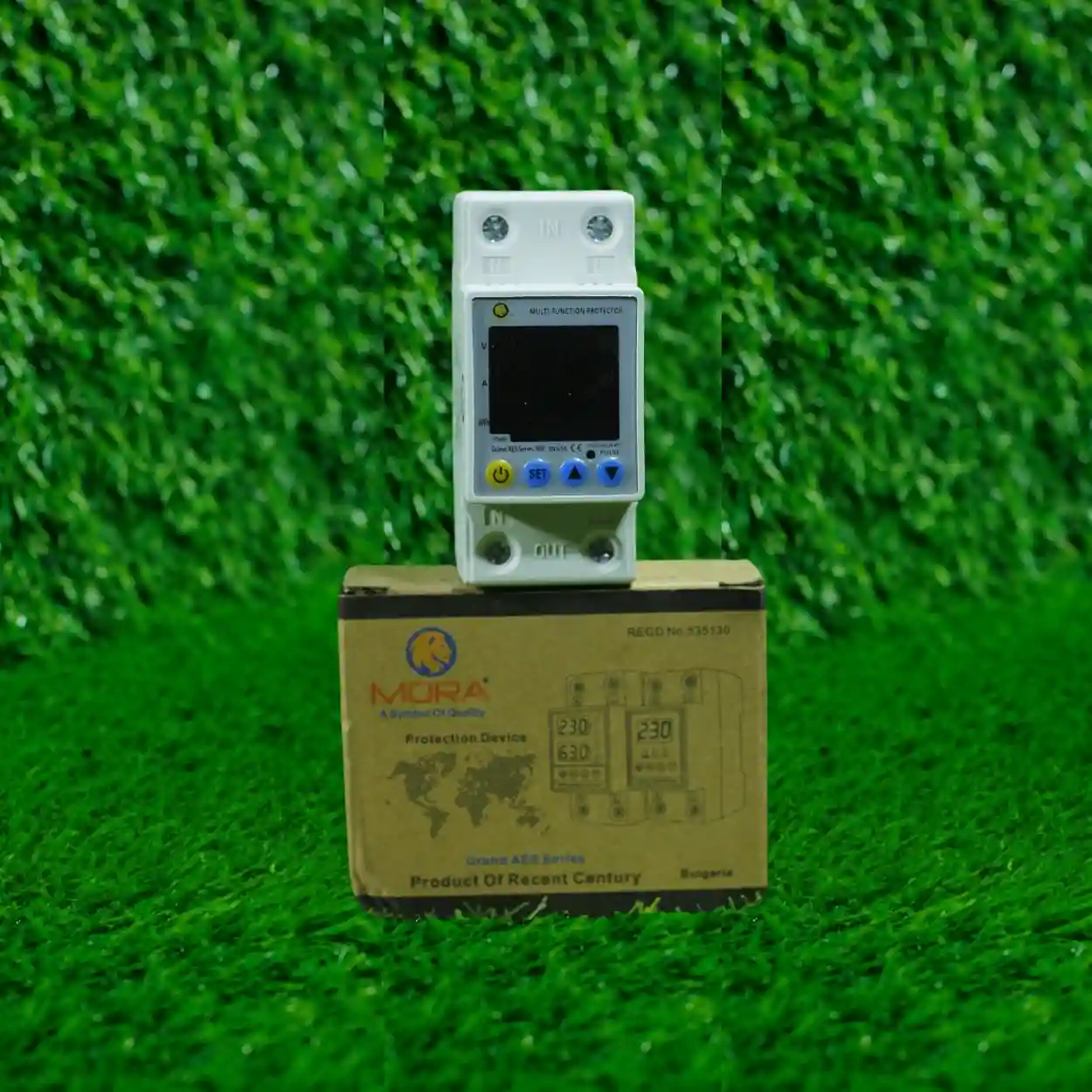
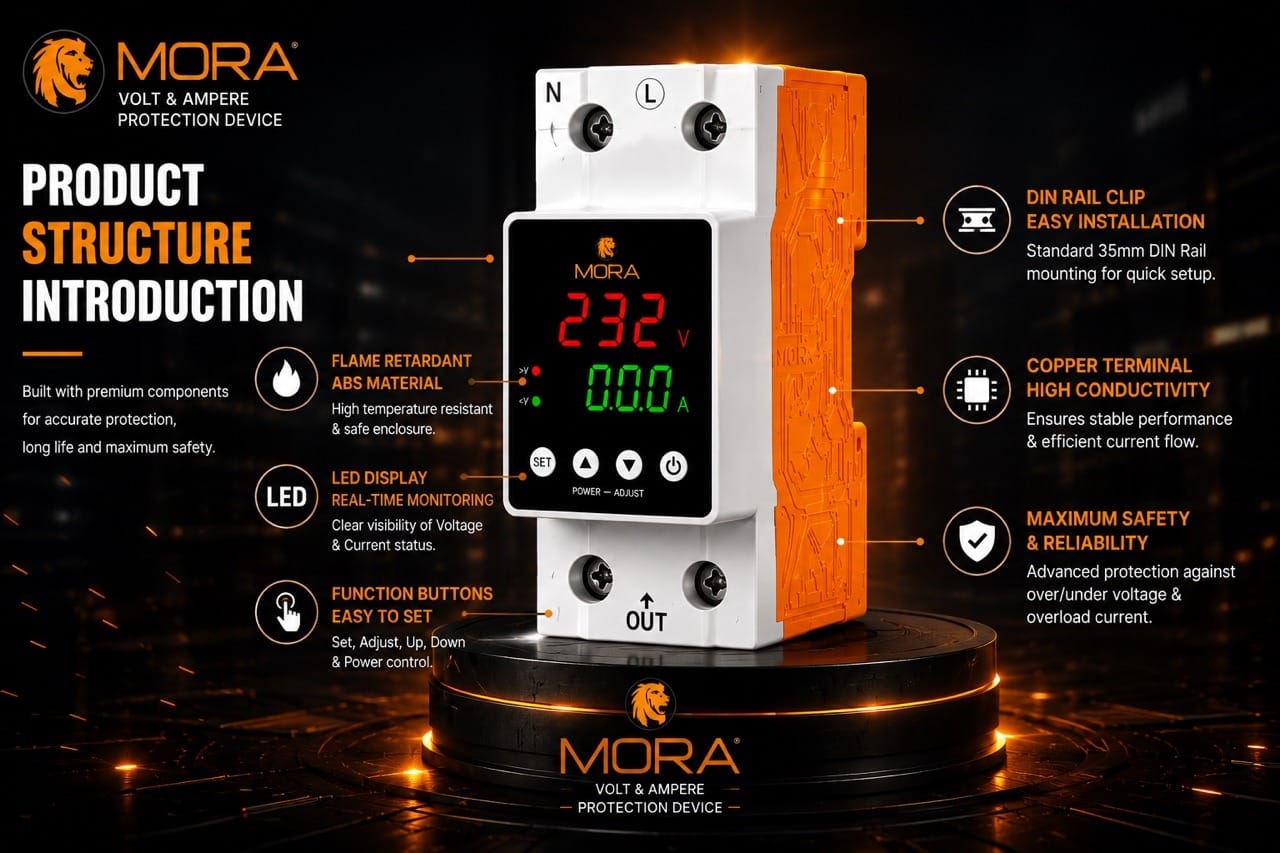
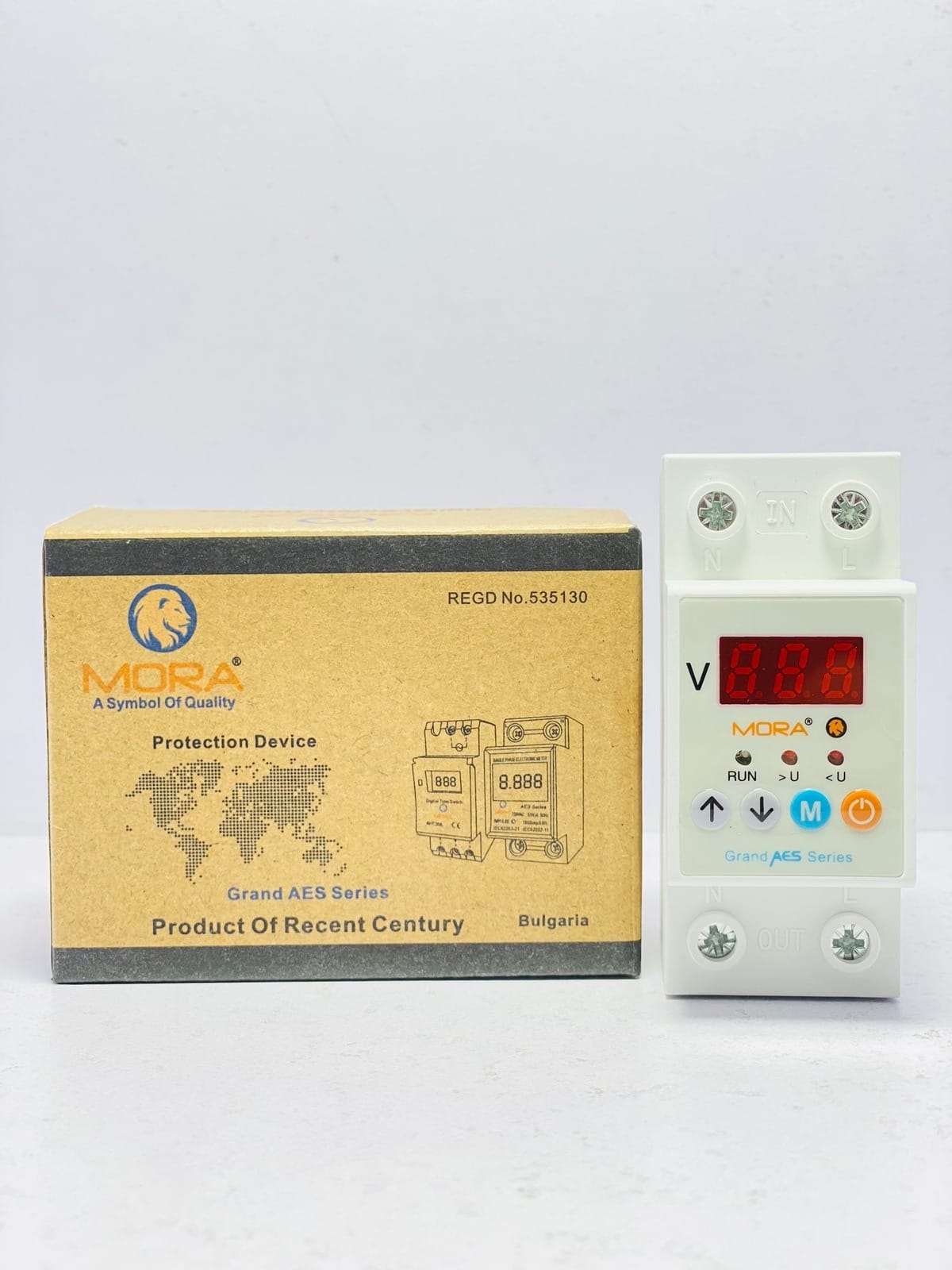
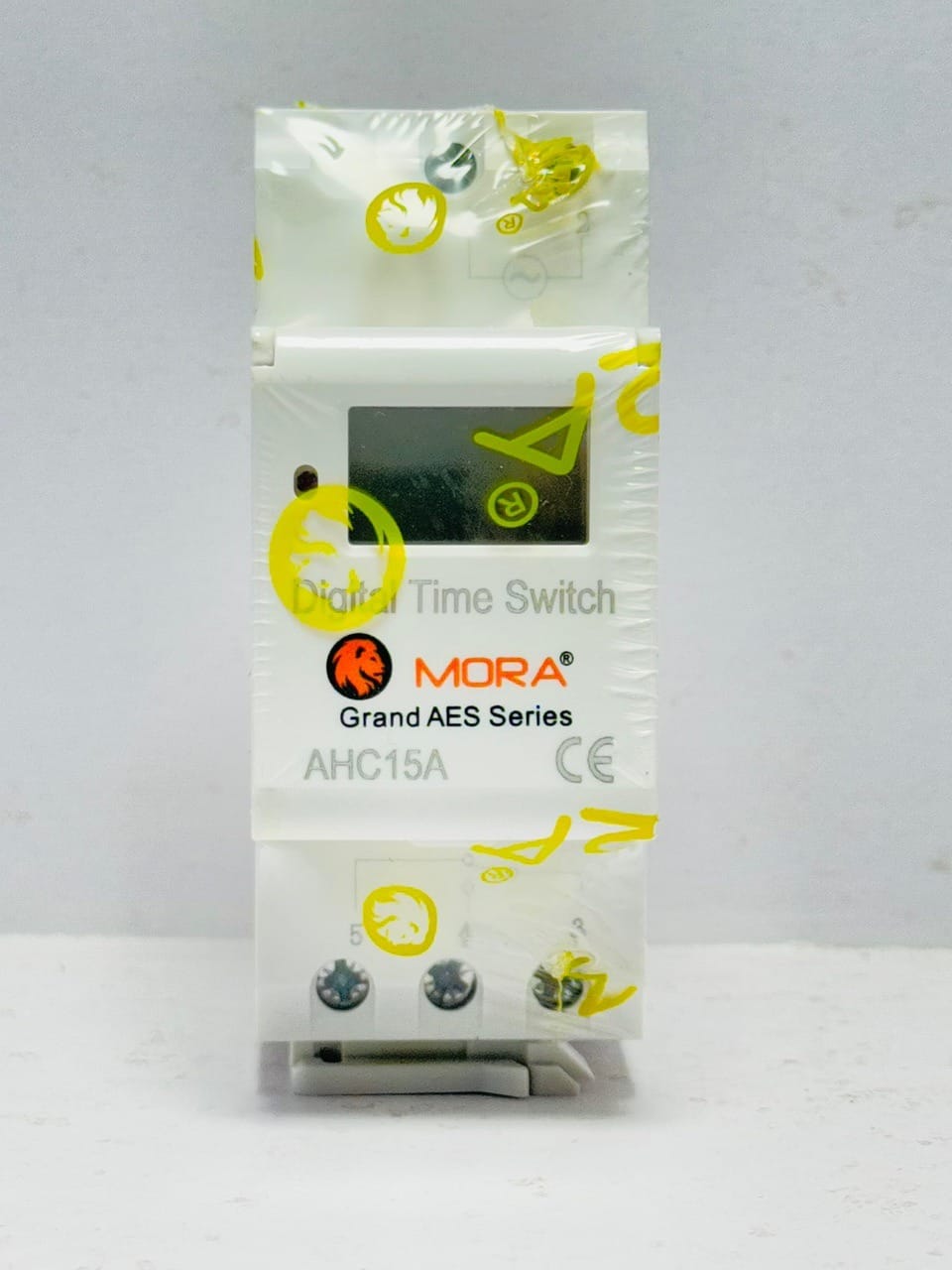
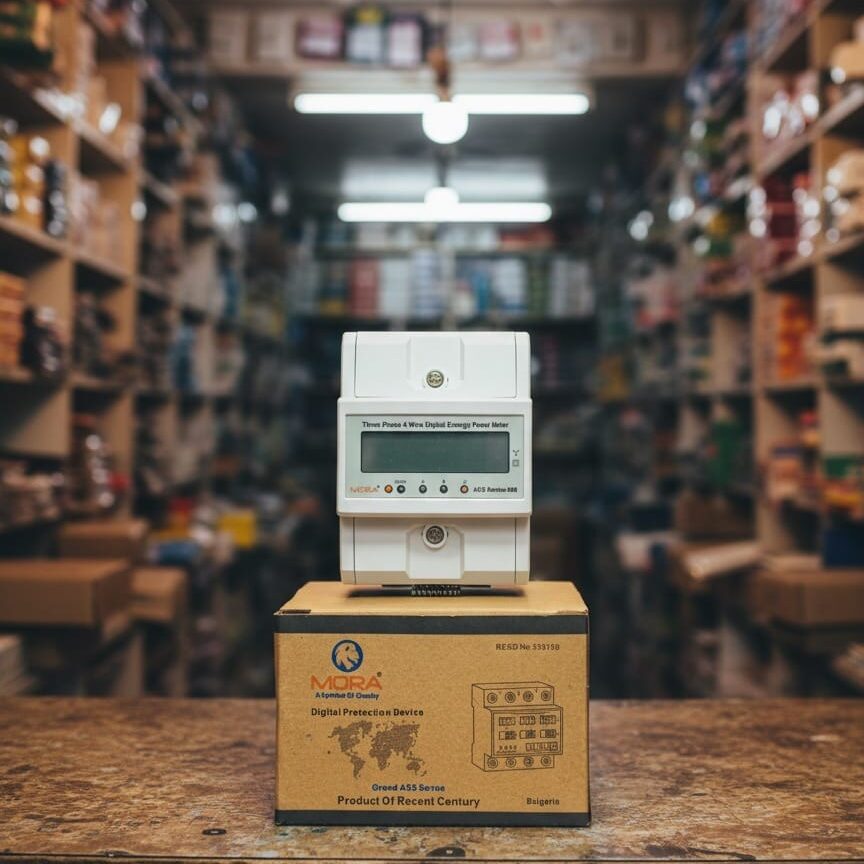
MORA is the premium alternative in the Pakistani market, and the price difference is real: expect 20-40% more than an equivalent TOMZN. MORA units come in the same amperage range (63A to 125A and beyond for commercial), but the internal engineering is noticeably different.
MORA uses a heavier contact material and a more robust contact spring assembly. The contact cartridge is designed to handle more arcing cycles before contact resistance becomes an issue. I’ve worked on installations where a MORA 100A ATS has been switching daily for four to five years, and when I’ve inspected it, the contacts still look fresh. That’s not luck; it’s engineered longevity. MORA also tends to use better-quality plastic for the housing and a sturdier DIN-rail mount, which matters if your installation is in a metal box on a farm wall where vibration and thermal cycling are constant.
The lever mechanism on MORA feels more solid. It has a slightly higher resistance when you flip it, which some people mistake for stiffness, but it’s actually intentional — it’s the result of tighter mechanical tolerances. That resistance means the contacts engage and disengage with more precision, reducing the risk of arcing at partial contact during the transition. On a 22kW three-phase solar inverter install in Gujranwala, the site had an existing MORA 4-pole 100A ATS that we integrated with the new system, and when we logged the switching events over a month, we saw cleaner current transitions and zero contact bounce compared to a similar TOMZN installation I’d done the year before on a different farm.
MORA’s reliability advantage shows up most in high-cycle environments. If you’re doing multiple generator-to-WAPDA switchovers daily, or running a solar inverter that’s constantly backing up the grid supply, MORA will outlast TOMZN by at least 2-3 years in my experience.
Comparing them head to head for Pakistani conditions
Neither brand is inherently bad, but they solve different problems.
- Voltage fluctuation tolerance. Both handle 180-250V without tripping, which is the Pakistani baseline. No advantage either way on raw tolerance. But MORA’s contact geometry means it handles the repeated arcing from voltage dips more gracefully. If your WAPDA supply is particularly unstable (LESCO in the industrial areas of Lahore, for instance, can see swings up to 30V in an hour during peak load), MORA will spend less energy dissipating that as heat in the contacts.
- Load-shedding cycling. This is where the comparison gets real. During load-shedding season, you might switch your ATS six to ten times a day. TOMZN will handle this fine for 18-24 months. MORA will go 4-5 years without degradation. If you’re a poultry farm running on a schedule (grid at night, generator during the day, back to grid in evening), MORA’s contact endurance becomes the difference between a 2000-3000 PKR maintenance inspection and a 15,000 PKR replacement.
- Ambient conditions. TOMZN is adequate for a clean indoor panel. MORA is the better choice if your distribution box is on an outdoor wall, in a workshop, or a farm where dust and humidity are constant. The plastic housing and seal quality matter more than you’d think in these environments.
- Price and justification. TOMZN is the right choice if you’re wiring a small residential setup with occasional backup, or a new shop that doesn’t exist yet to know whether switching will be frequent. MORA is the right choice if you’re already running a generator or solar inverter and know you’ll be switching regularly, or if you’re building a system you want to last without headaches.
Common decisions I help customers make
When someone comes to HN Electric asking whether they should buy TOMZN or MORA, I ask three questions:
First: Are you switching manually more than once a week? If yes, MORA. If no, TOMZN is fine. Most home users and small businesses are in the ‘no’ category — they have the ATS set and forget it. But poultry farms, dairy operations, welding shops, and anyone running a solar inverter are almost always in the ‘yes’ category.
Second: How stable is your WAPDA supply, and how long do you expect the installation to stand? If you’re in an area served by LESCO or K-Electric where voltage sags are frequent, and you’re building infrastructure you expect to last 5+ years without replacement, MORA’s contact endurance justifies the cost. If you’re in a newer residential colony with cleaner supply, TOMZN will be fine.
Third: Is this panel going to sit outdoors or in a harsh environment? Outdoor, farm, workshop, or monsoon-prone location means MORA’s better housing seals and material choices pay for themselves through fewer maintenance issues and no unexpected failures during the season when you need backup power most.
Specification and compatibility notes
Both TOMZN and MORA manual ATS switches are available in the same standard configurations:
- 2-pole (single-phase, 220-230V): 63A, 100A, 125A
- 4-pole (three-phase, 380-400V): 63A, 100A, 125A
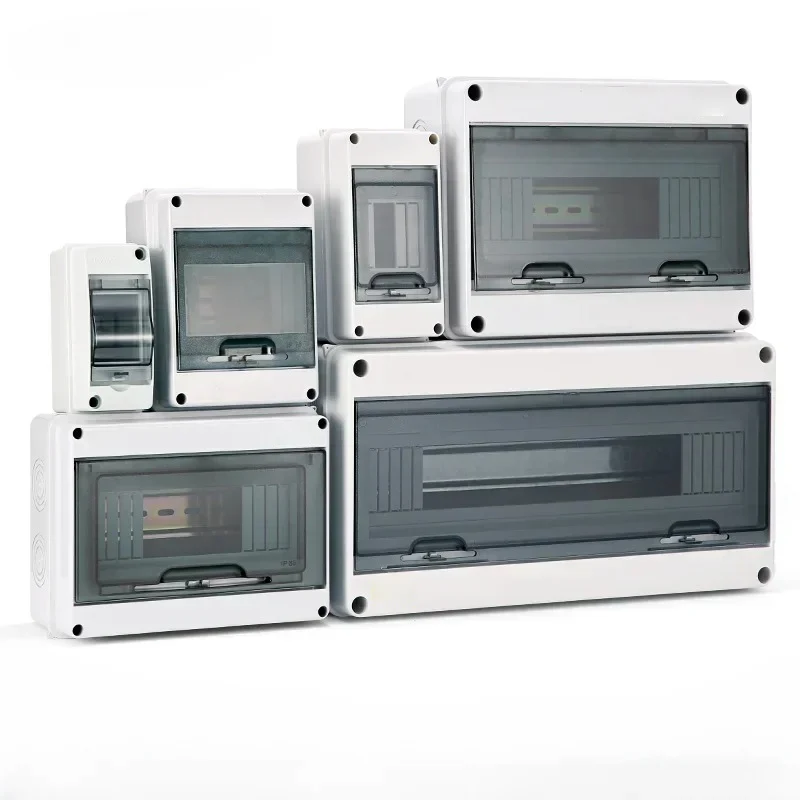
Both mount on standard DIN rail in a distribution box. Both are rated for manual operation — there’s no motor-driven option in the manual range, so switching is always by hand lever. Breaking capacity (the fault current they can safely interrupt) is typically 6kA at rated voltage for both, which is adequate for residential and small commercial use. If you’re working with higher fault levels (industrial sites, close to utility transformer), you’ll need a more robust unit anyway, and you’d be looking at larger MORA or other premium brands.
For compatibility with solar and generator setups, refer to the specific changeover wiring diagram provided with each model. TOMZN and MORA diagrams are essentially the same (IEC 60947 standard), so an installer can usually swap one for the other without rewiring, provided the rating matches.
If you’re choosing for a manual transfer switch installation, check that your incoming supply cables and outgoing load cables are sized for the ATS amperage rating. A 100A ATS with undersized 10 AWG cabling is a setup failure waiting to happen, not the ATS’s fault.
Which one should you actually buy
If budget is tight and you’re wiring a small home or shop with occasional backup, TOMZN is a sensible choice. It will work reliably for 2-3 years with light switching duty. If you’re already committed to a solar inverter, running a generator regularly, or building a system for a commercial or agricultural operation, MORA pays for itself through longer contact life and fewer nuisance issues during monsoon and load-shedding season.
I’ve also seen customers choose based on what their local supplier stocks. If you’re working with an electrician who has a relationship with a distributor, sometimes MORA availability in your area (or TOMZN availability) makes the decision for you. That’s fine, but understand the tradeoff you’re making. Both brands can be sourced nationwide from HN Electric, so you have the full choice.
One more thing: whichever you choose, don’t cheap out on the wiring or the breaker you connect upstream. I’ve seen a good MORA ATS fail prematurely because it was backed by a 125A MCB on 10 AWG cable, which meant every fault dip caused the MCB to trip instead of the ATS switching cleanly. The ATS itself was fine, but the system wasn’t built right. For a complete understanding of selecting the right breaker for your ATS configuration, see our guide on 2-pole or 4-pole transfer switch selection.