










2-Pole or 4-Pole Transfer Switch: Picking the Right One

2-Pole vs 4-Pole Transfer Switch: The Short Answer
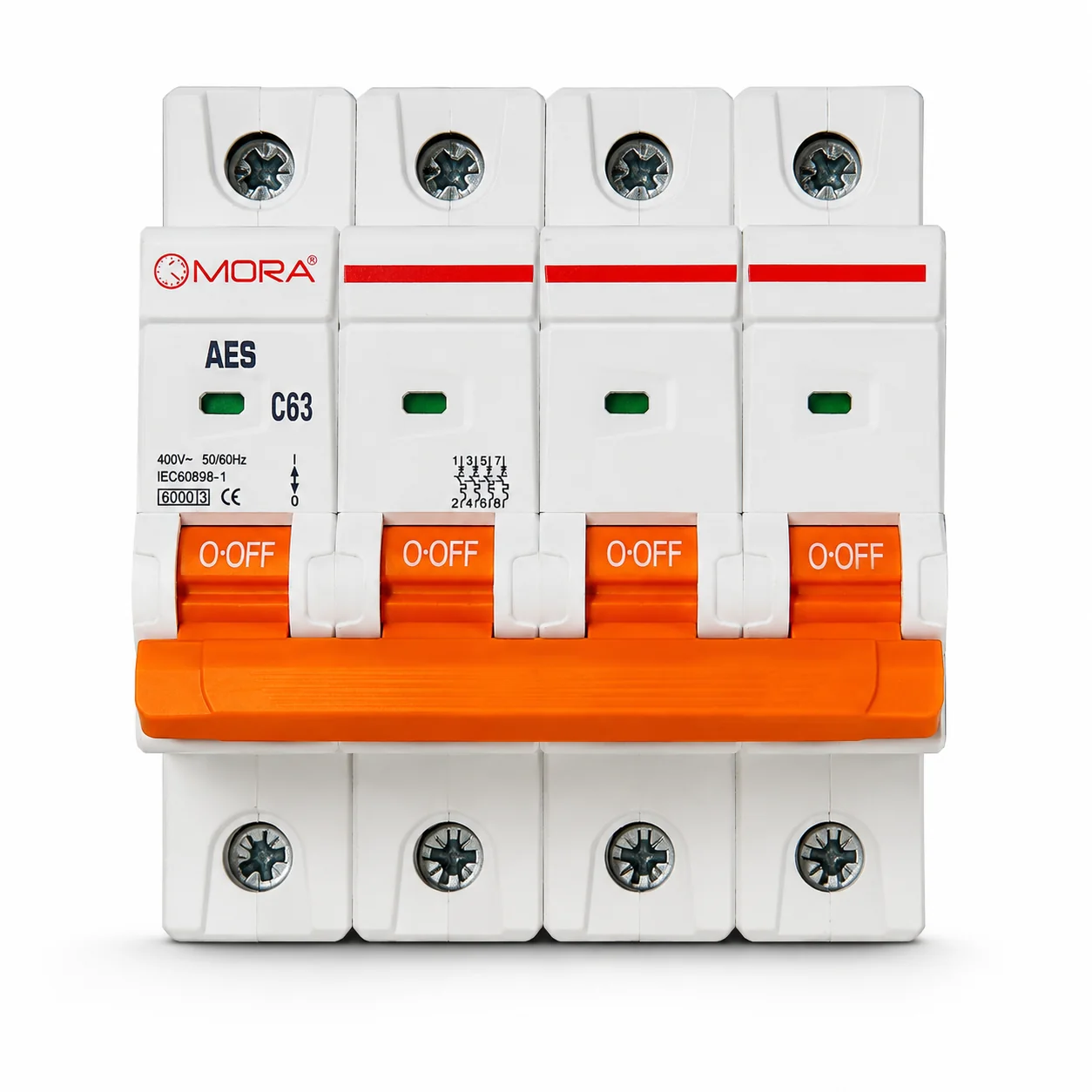
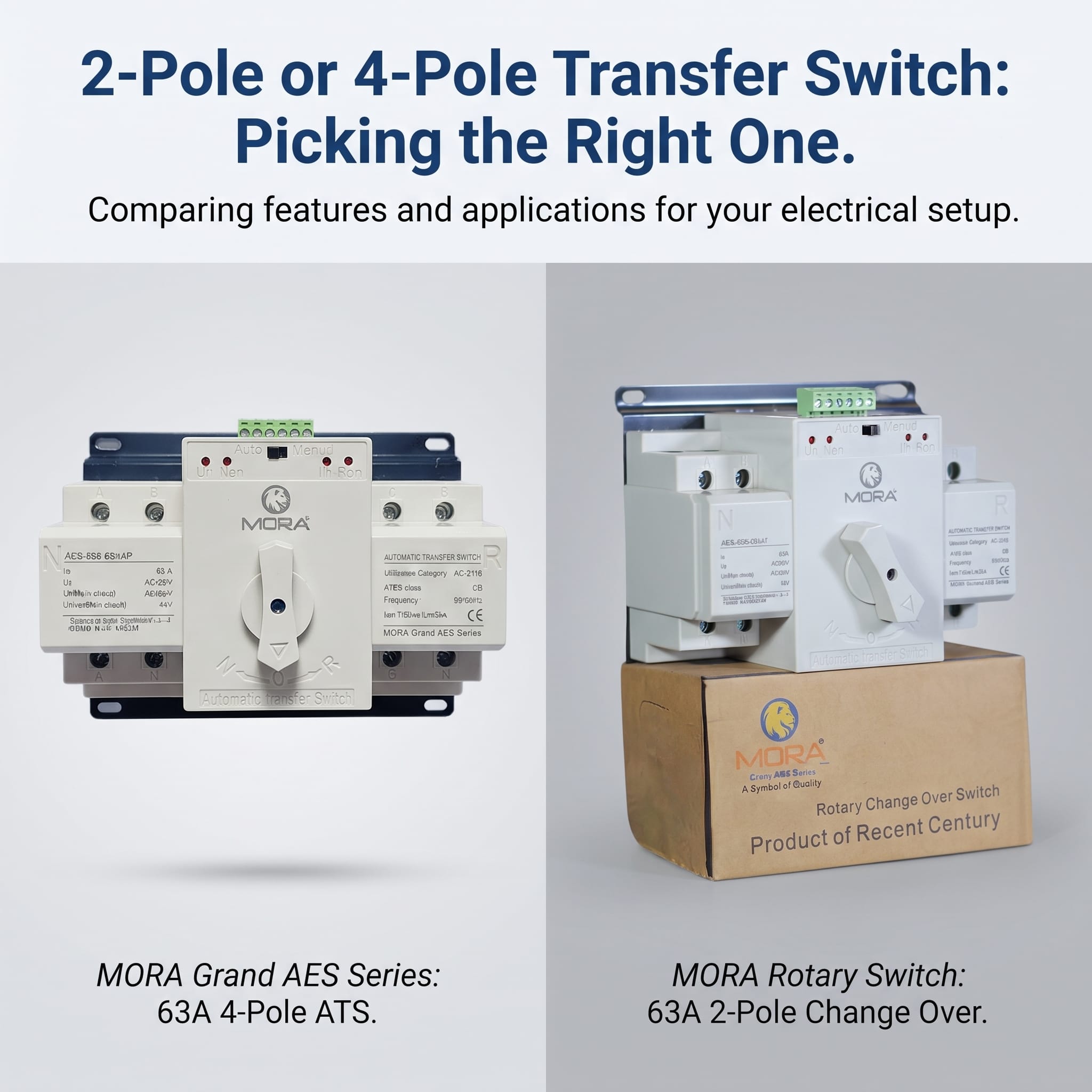
A 2-pole transfer switch switches Line and Neutral together, and it’s built for single-phase 220V supply, which is what most homes, shops, and small offices in Lahore run on. A 4-pole transfer switch switches all three phases plus the neutral, and that’s what you need for a three-phase 380/400V connection, which covers most commercial buildings, industrial panels, and poultry farm setups where you’re running three-phase motors and feed pumps. The number of poles isn’t just a spec on a datasheet, it tells you whether the switch physically breaks the neutral conductor when your ATS flips between WAPDA and your generator or solar backup source, and that neutral switching decision matters a lot more than most customers assume when they walk into a shop asking for “changeover switch, 63 amp.”
If your meter connection is single-phase, you want a 2-pole ATS, full stop. If it’s three-phase, you want 4-pole in almost every practical residential and commercial scenario I’ve wired in Punjab. A 3-pole version exists too, and I’ll get to where that actually fits later, but for 90% of the ATS panels I install on WAPDA-to-generator or WAPDA-to-solar setups, it’s either 2-pole or 4-pole, nothing in between.
Why Switching the Neutral Isn’t Optional
Here’s the part that trips people up, including some electricians who’ve only ever done straightforward domestic wiring. Most WAPDA supply in Pakistan runs on a TN-C-S style earthing arrangement, where the neutral is bonded to earth back at the transformer or distribution point. Your generator has its own neutral-earth bond too, usually at the genset frame or its own earthing pit. If your transfer switch only breaks the phases and leaves both neutrals connected to the same bus bar permanently, you’ve now got two earthed neutral points tied together whenever the ATS is in generator mode, and current can circulate between the two earth references through whatever conductive path exists, sometimes through your building’s earth wire, sometimes through metal conduit or trunking.
I’ve been called out to a poultry farm near Sheikhupura where the RCCB on the feed motor circuit kept nuisance tripping every single time the generator kicked in during a loadshedding cycle, but stayed perfectly fine on grid power. The ATS installed there was a 3-pole unit on a three-phase supply, someone had cut corners assuming the neutral didn’t need switching since “it’s the same neutral anyway.” It wasn’t the same reference once the generator’s own earth bond came into play. Swapped it for a proper 4-pole unit that breaks the neutral along with the three phases, and the nuisance tripping stopped completely. That’s the kind of fault you won’t find explained on a spec sheet, you find it standing in a shed at 11pm with a farm owner asking why his feed augers keep cutting out.
What This Means for Earth Fault Protection
When the neutral is switched along with the phases, each source (grid or generator) only ever sees its own neutral-earth bond active at one time, never both simultaneously. This keeps your RCCB, ELCB, or earth leakage relay reading a clean, single reference, which is exactly what these protection devices are designed around. Leave the neutral solidly bonded across both sources and you’re inviting circulating currents that read as earth leakage even though nothing is actually faulty on the load side.
Matching Pole Count to Your Actual Supply
This part is simple once you know your connection type, but I still get customers who buy the wrong pole count because a shopkeeper sold them whatever was in stock. Quick breakdown of what fits where:
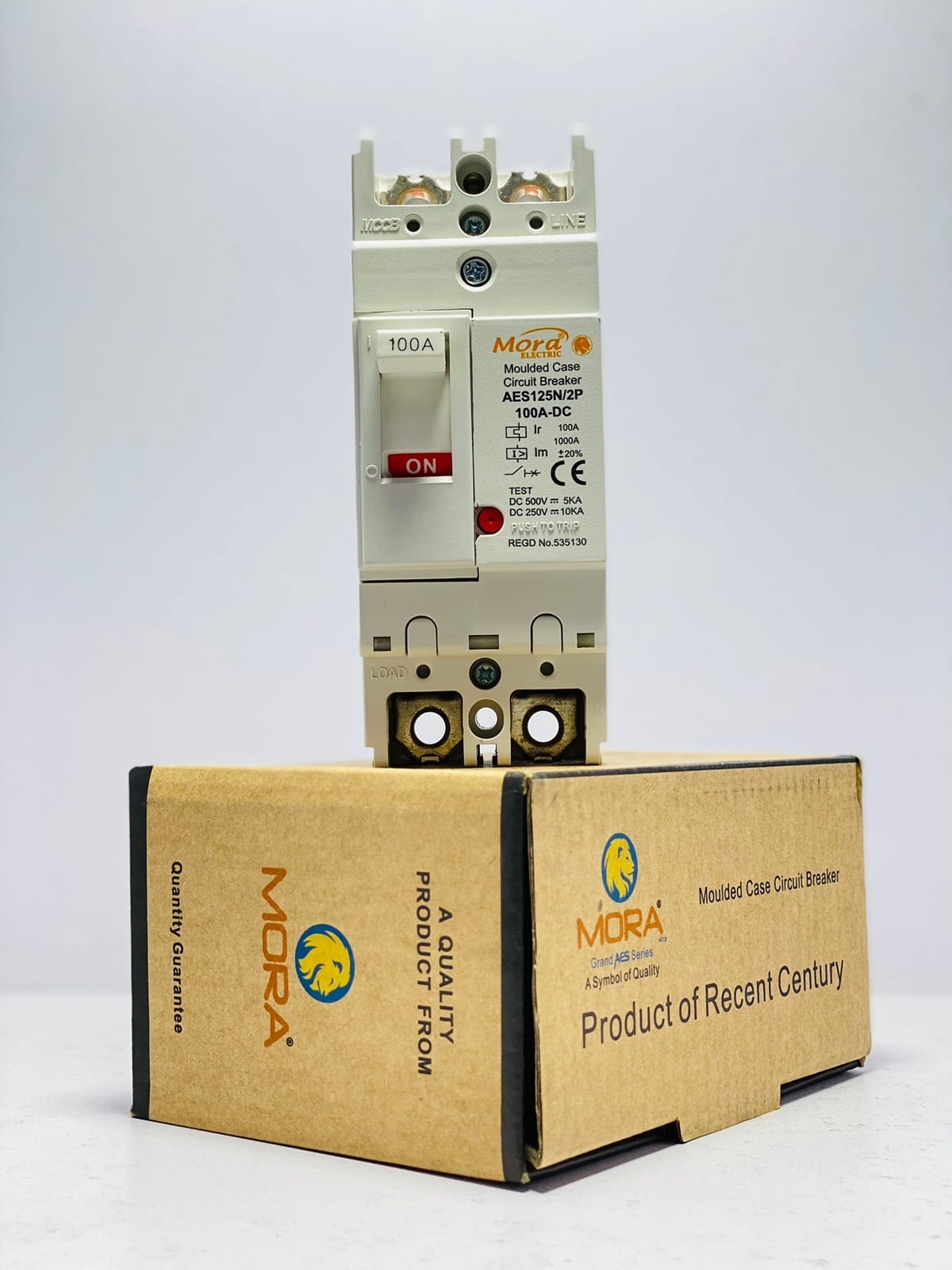
- 2-pole ATS: single-phase 220V homes, small shops, single-phase solar inverter backup setups, small offices on a single-phase WAPDA meter.
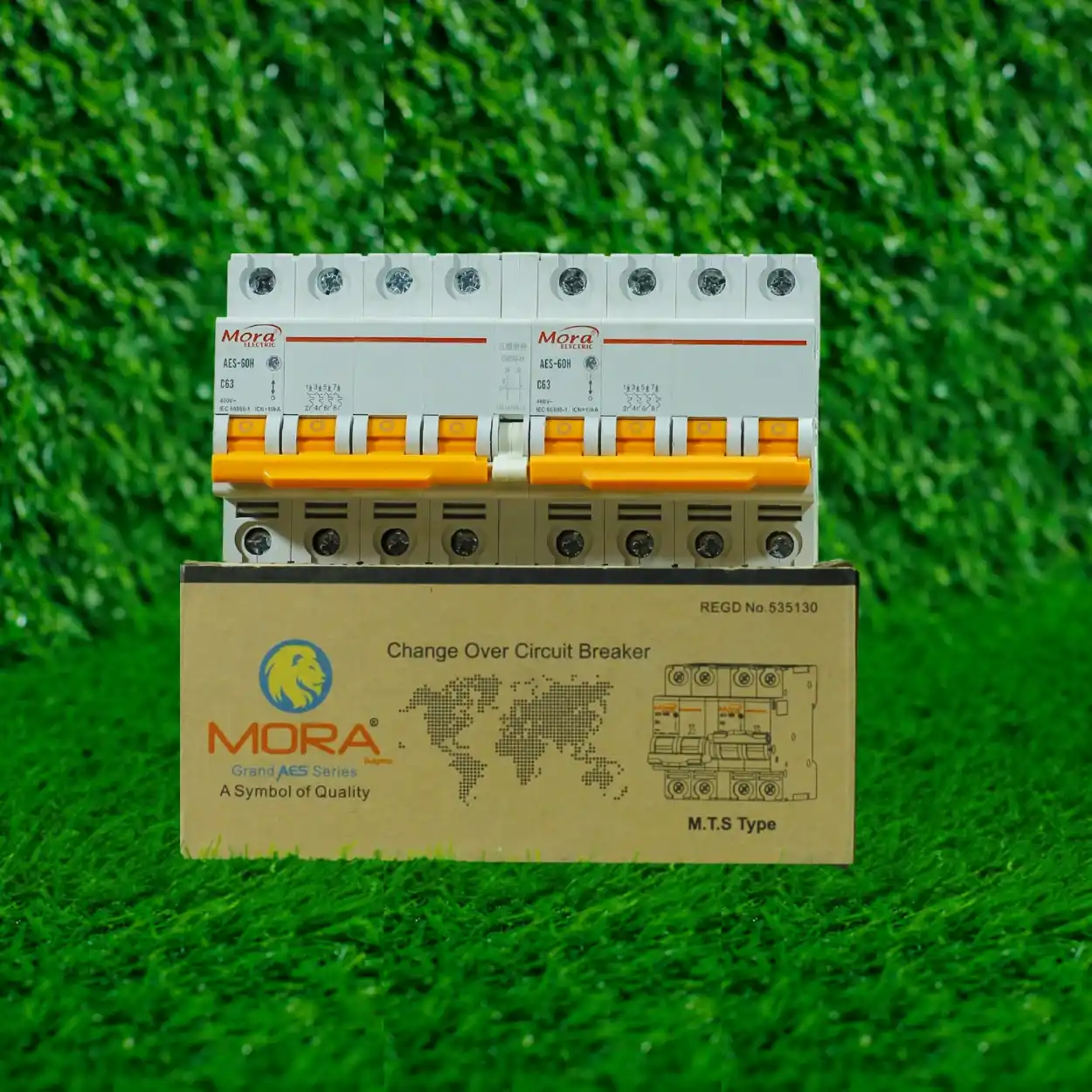
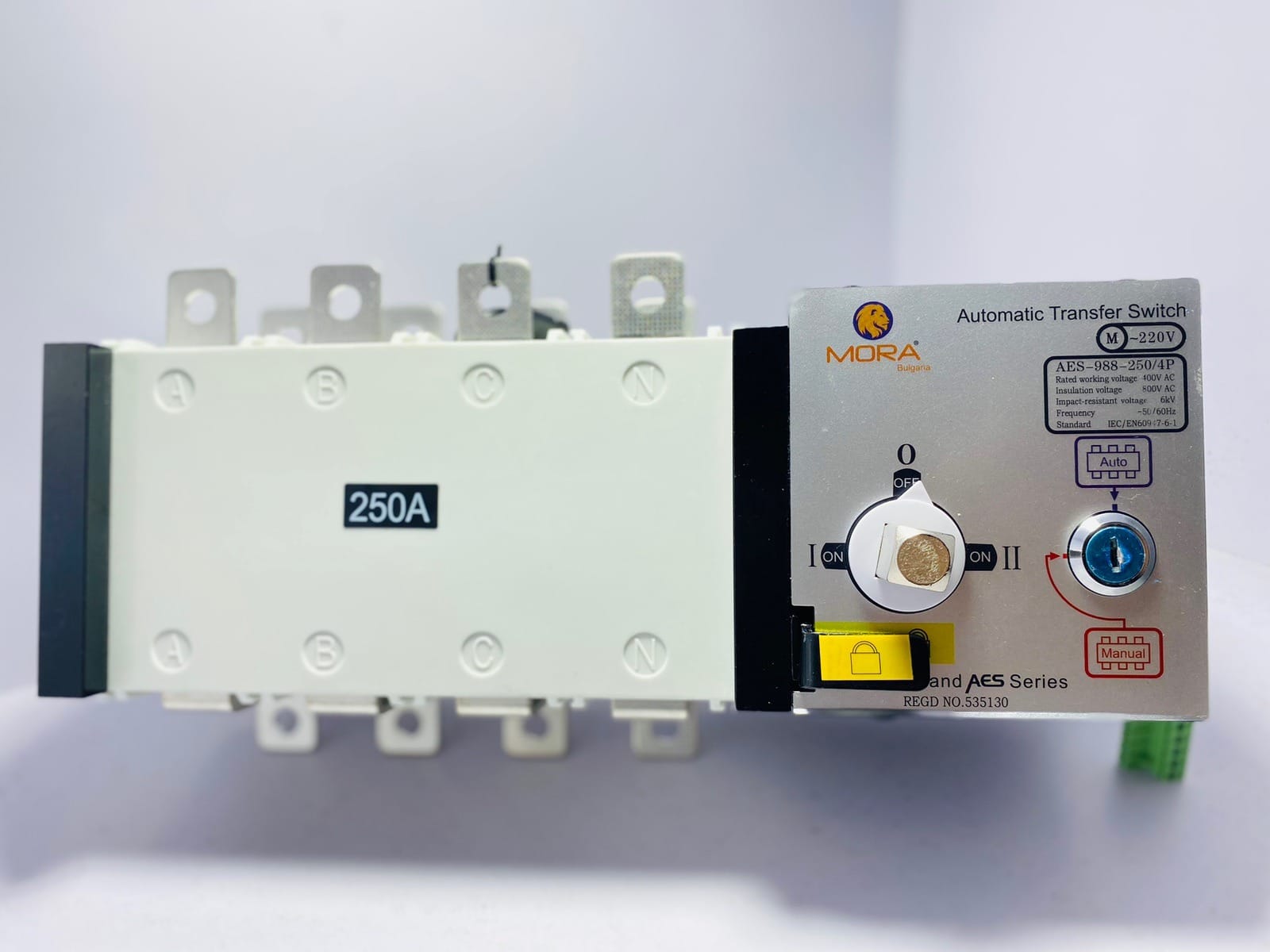
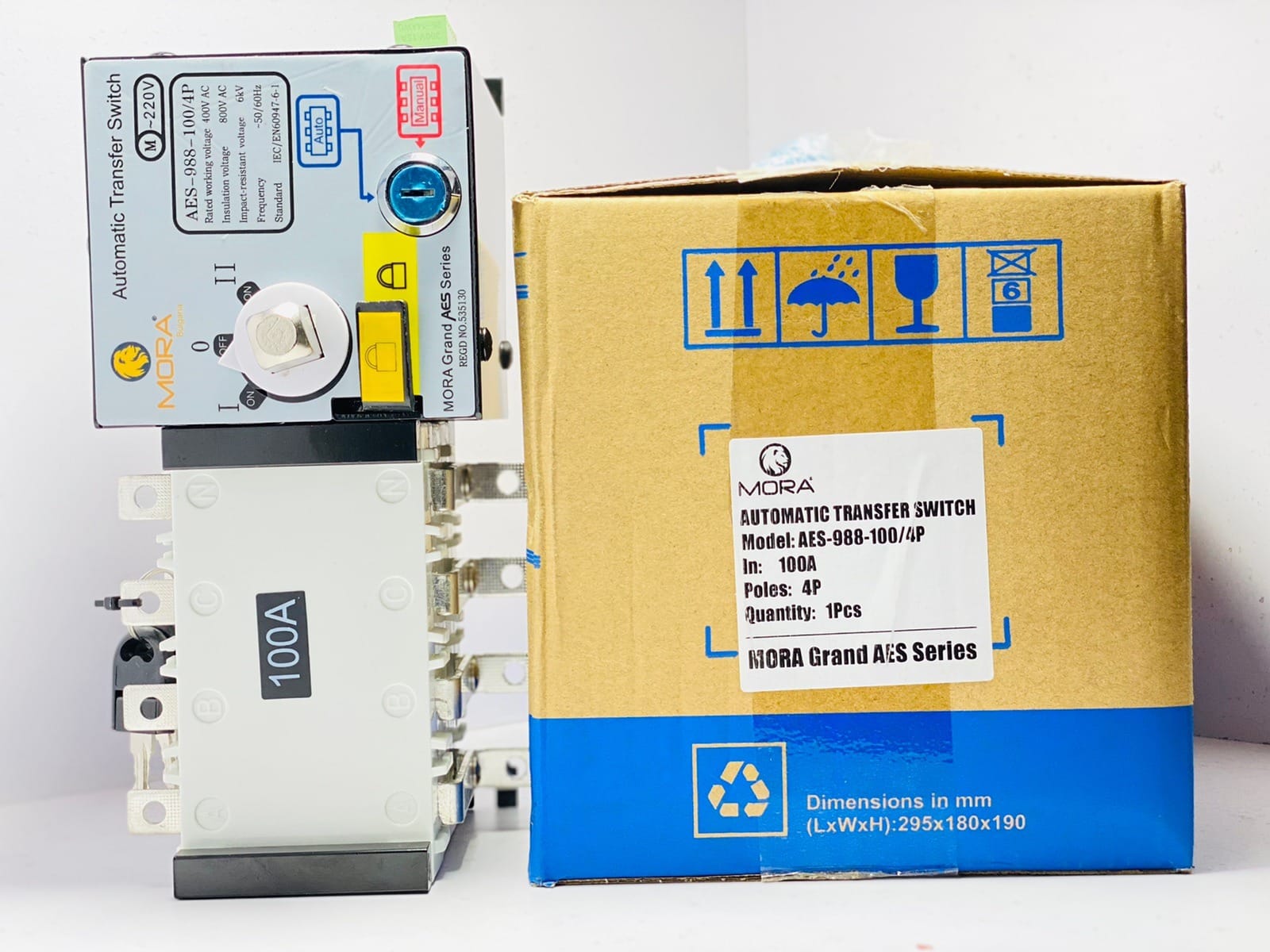
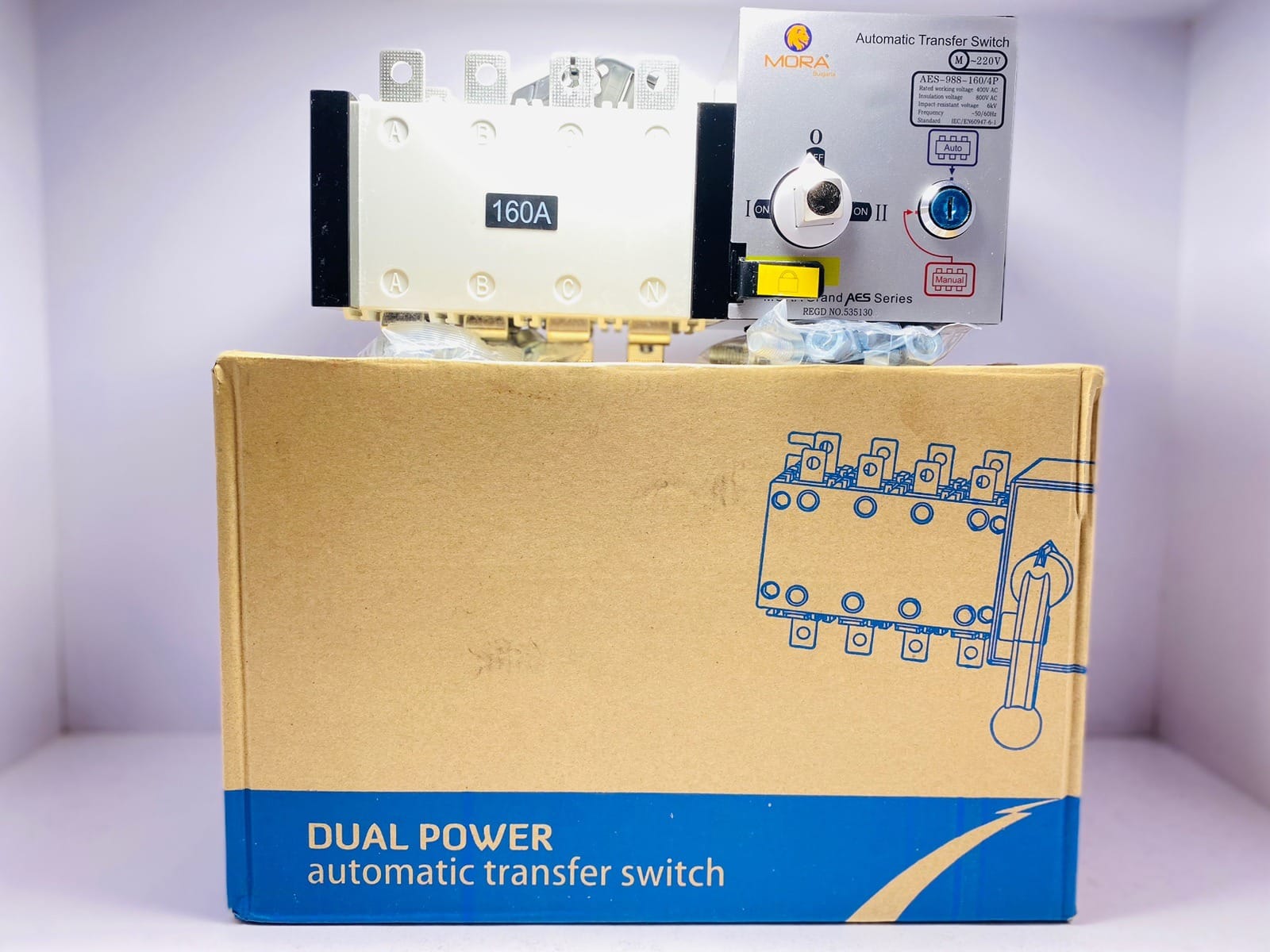
- 4-pole ATS: three-phase 380/400V commercial connections, poultry and dairy farms with three-phase motor loads, factories, three-phase solar inverter installs, any panel where the incoming WAPDA meter is three-phase.
- 3-pole ATS: rare in backup power switching, mostly seen in industrial bus-tie applications where both source neutrals share a single, already-unified earthing reference by design, something an electrical consultant would specify, not something you’d default to for a genset changeover.
One more thing worth flagging: don’t assume pole count based on your inverter’s output alone. I’ve seen solar setups where the inverter is single-phase but the building’s main supply is three-phase because of a bore motor or tube well on the same connection. In that case the ATS still needs to match the three-phase main supply, with the single-phase solar output tied into just one phase and neutral, not the whole panel.
Amp Rating and Breaking Capacity Matter Just as Much
Getting the pole configuration right solves half the problem. The other half is sizing the switch correctly for your actual load, which people underestimate constantly. ATS panels we move regularly come in 32A, 63A, 100A, 125A, and 200A ratings, and for anything running three-phase motor loads with a decent starting current (feed augers, submersible pumps, compressor loads), I always size up rather than tight to the calculated running amps, because inrush current on motor start can be three to six times the running figure for a second or two.
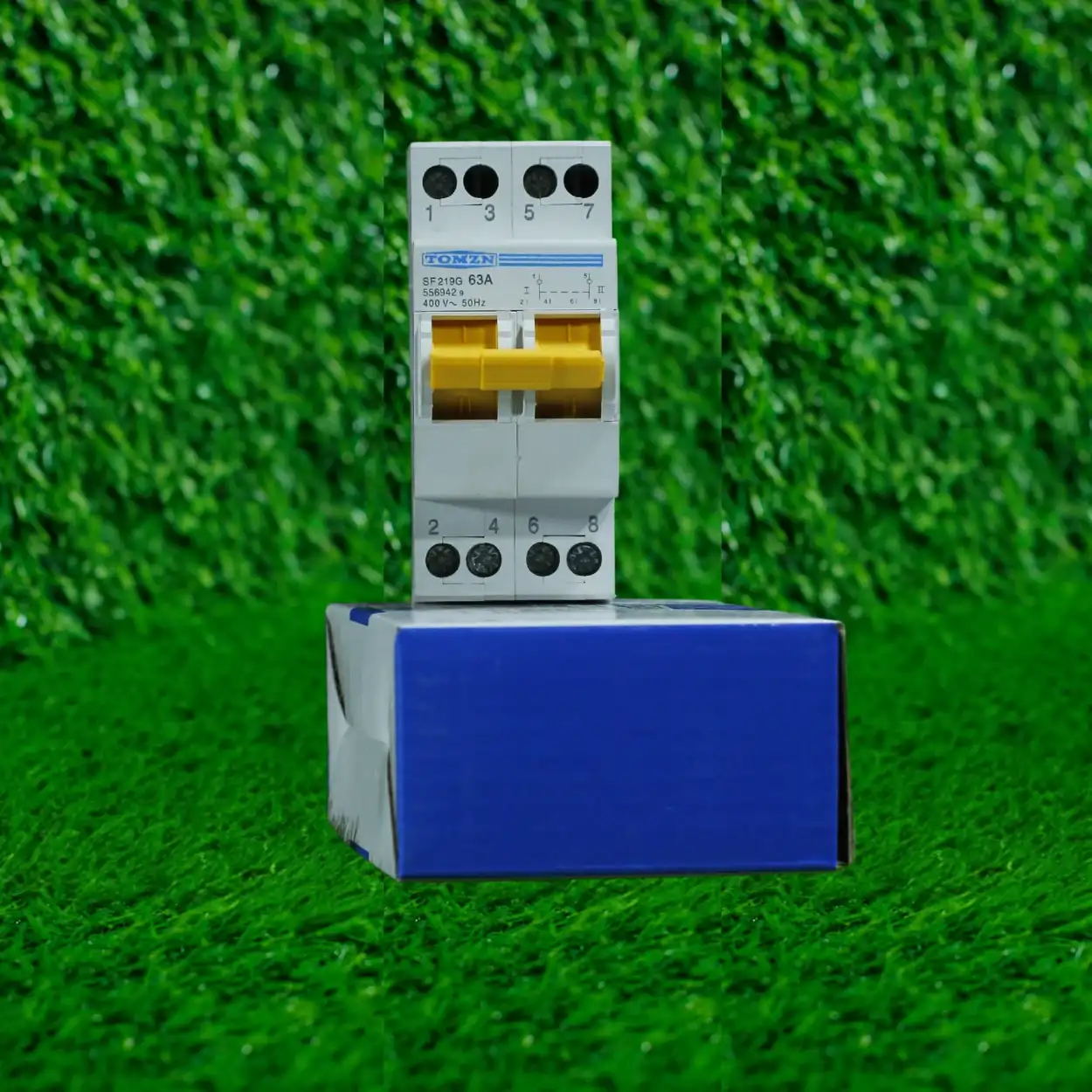
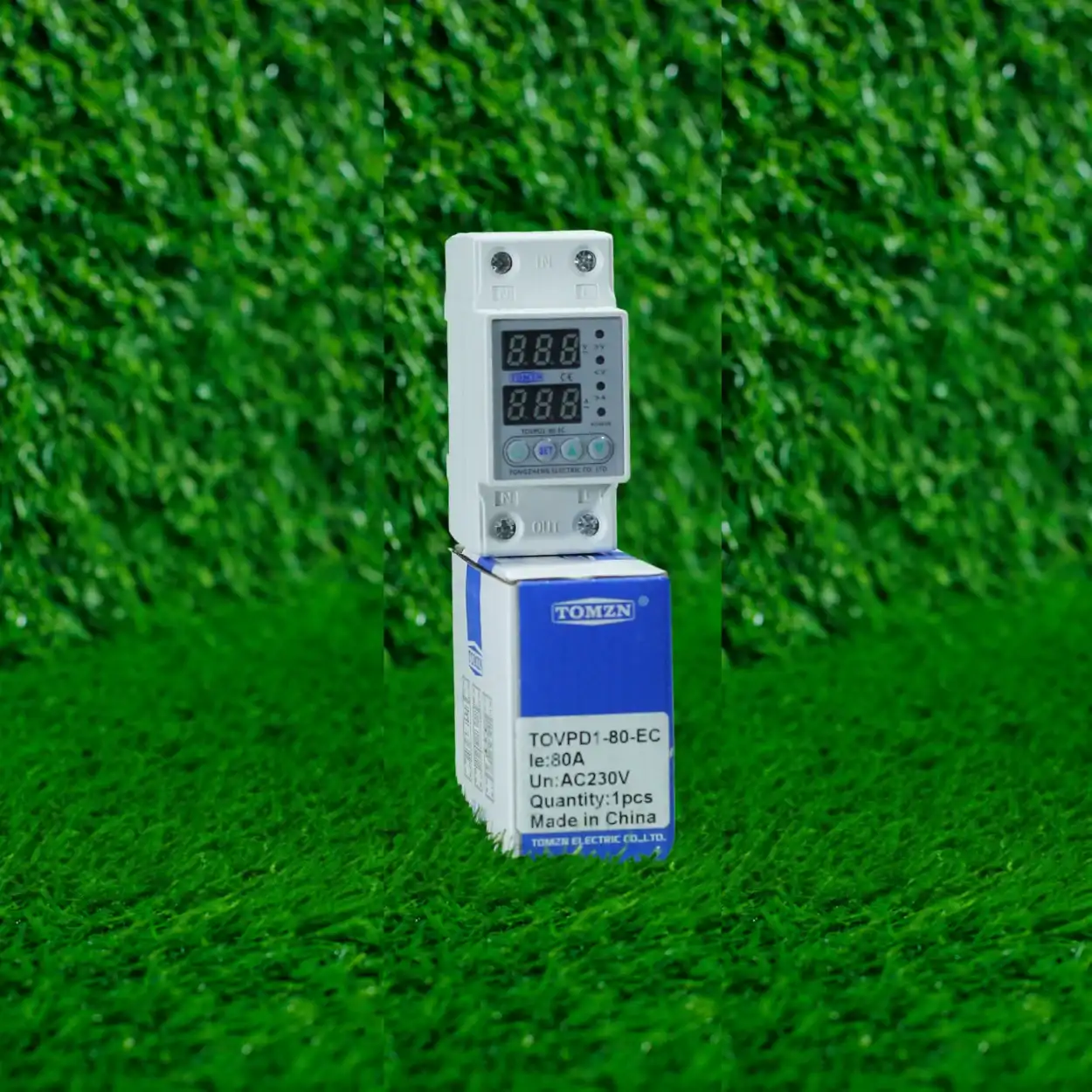
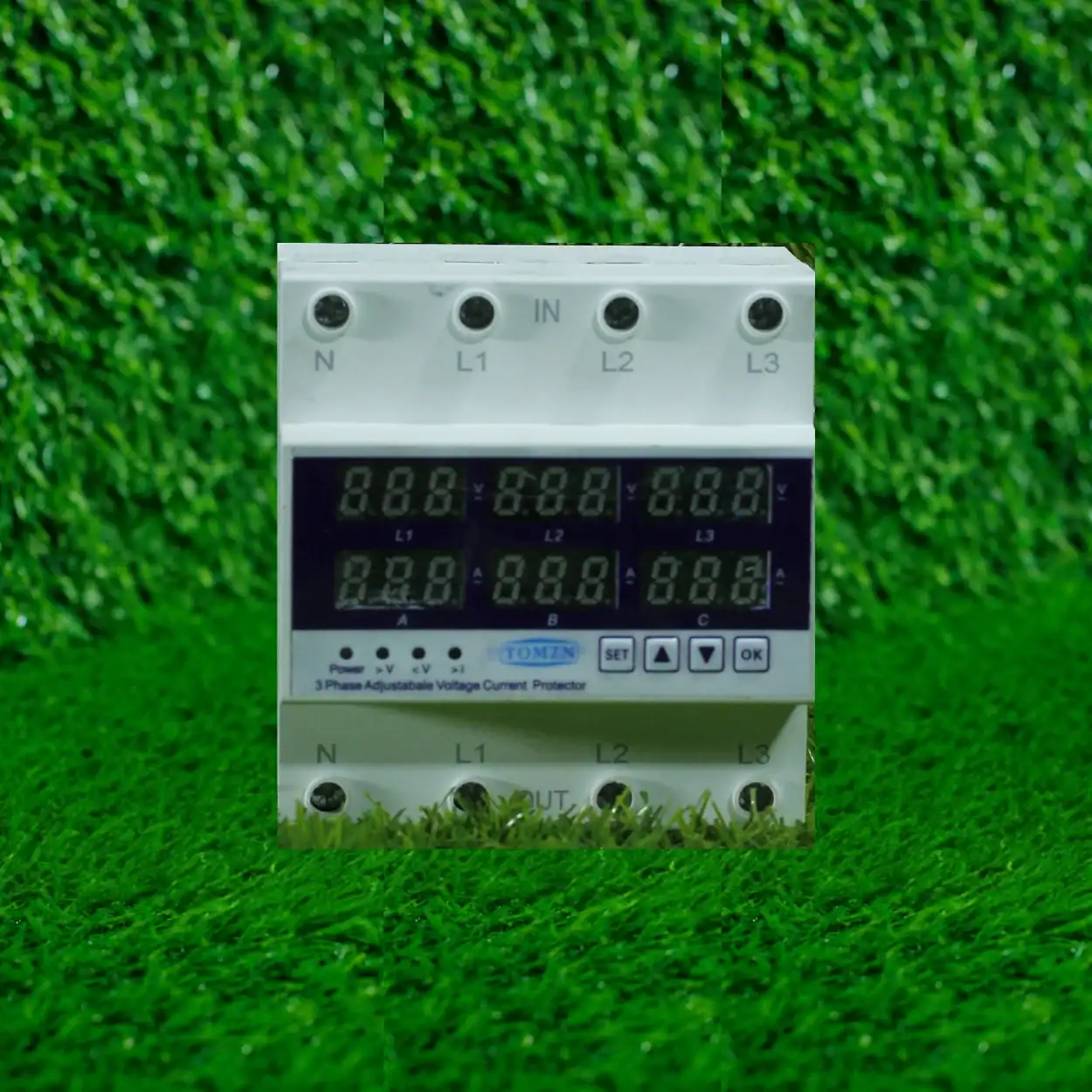
Breaking capacity is the number people skip reading entirely. A cheap unbranded changeover switch might handle rated current fine day to day but has no real short-circuit withstand rating behind it, and under Pakistani grid conditions, with the voltage swings WAPDA feeds out especially on older LESCO and IESCO lines, that’s exactly where a low-quality switch fails during a fault instead of just tripping clean. IEC 60947-6-1 is the reference standard covering automatic transfer switching equipment, and it’s worth asking your supplier whether the ATS panel you’re buying is actually built to that spec or just labeled to look like it. TOMZN and MORA ATS units we carry at HN Electric come with documented breaking capacity figures, which matters more than most buyers realize until something actually goes wrong on their panel.
What Size Breaker Goes Upstream of the ATS?
The ATS itself isn’t a protective device, it’s a switching device. You still need properly rated circuit breakers on both the incoming grid side and the generator side feeding into it, sized to your actual connected load with headroom for motor starting current, not just matched to the ATS’s maximum rating. I size these based on the full load current calculation for the panel, then round up to the next standard breaker size, same logic as any distribution board.
Where This Fits Into the Rest of Your Panel
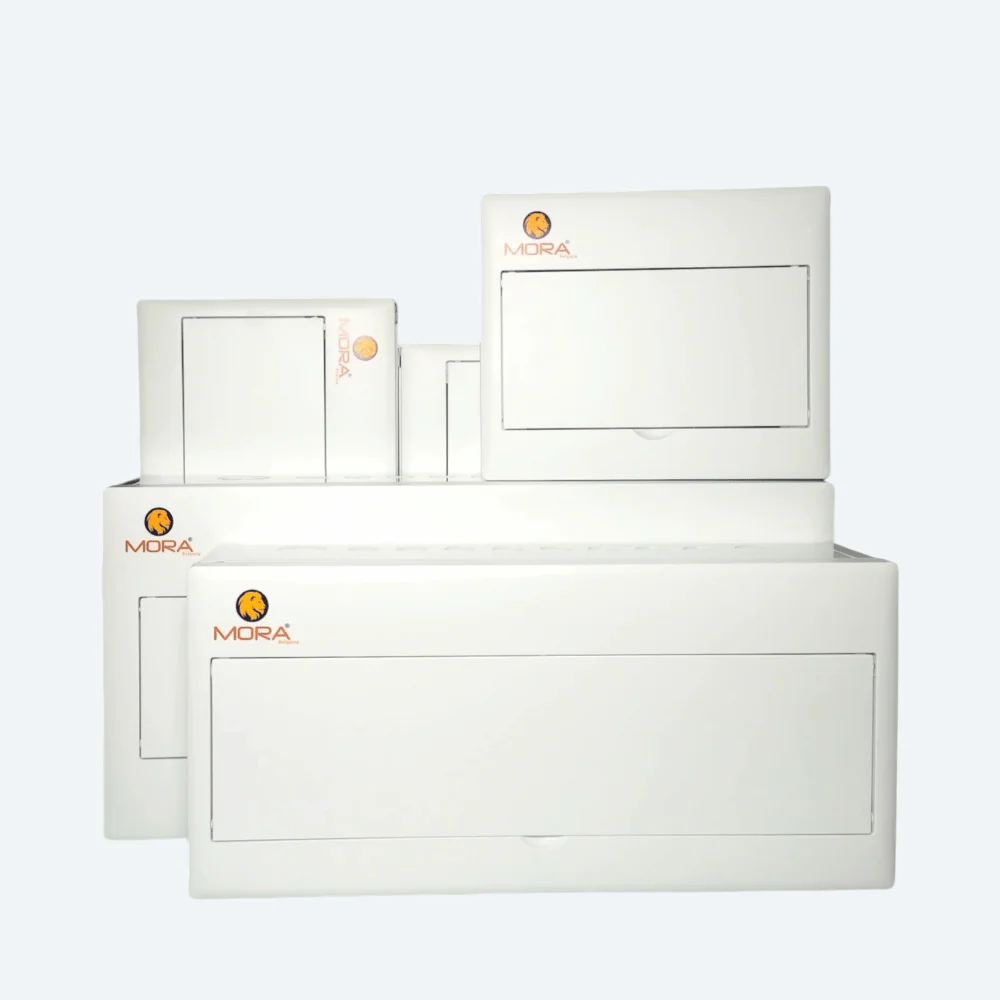
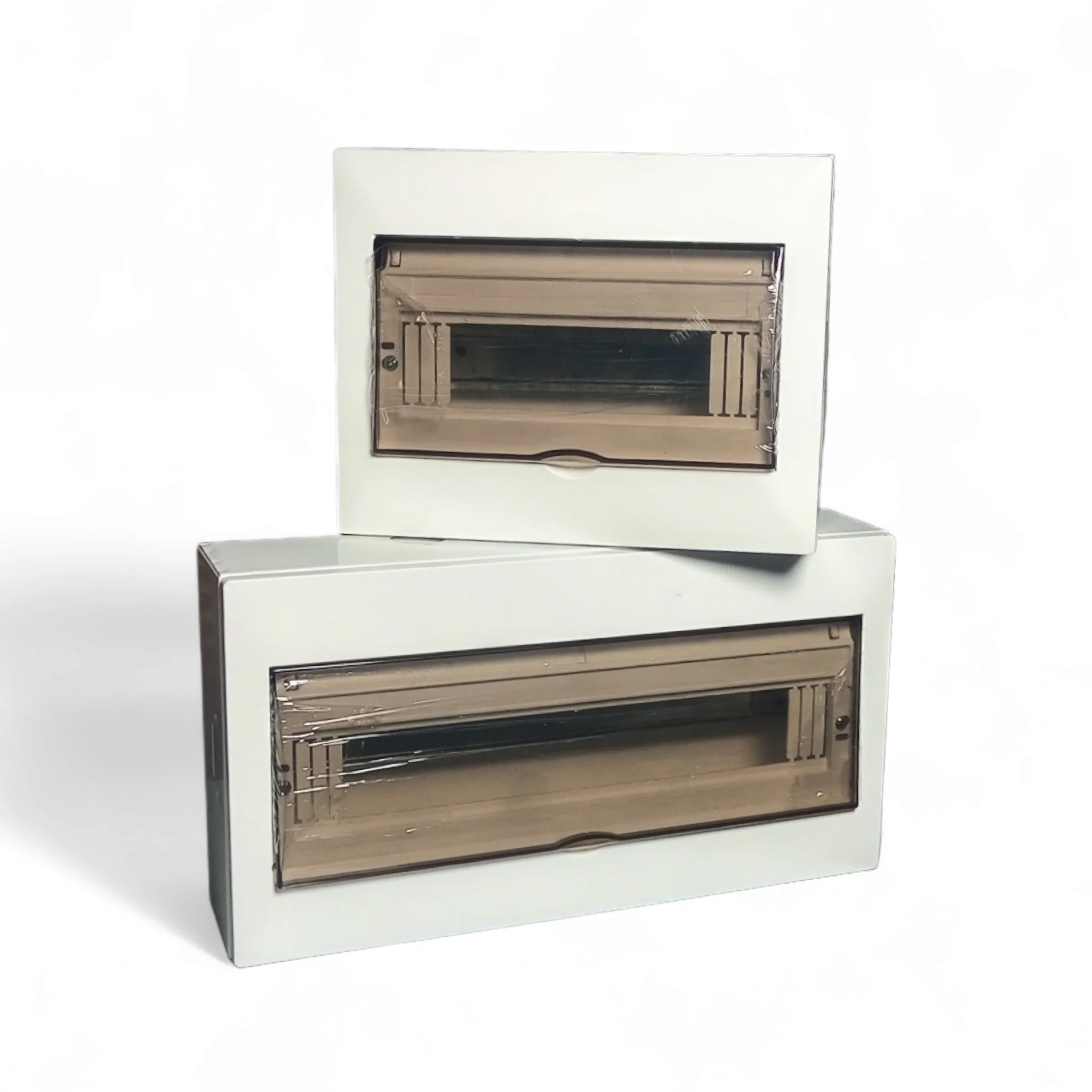
An ATS doesn’t sit on its own, it’s one component feeding into your main distribution setup. On most jobs I’m wiring the ATS output straight into a distribution box that then splits off to individual circuit breakers for lighting, motor loads, and any solar or inverter circuits. If you’re setting this up alongside a solar backup system, it’s worth reading through how metal vs plastic distribution boxes hold up in outdoor or high-heat installations, since a poorly chosen enclosure next to your ATS panel is a common failure point on rooftop and farm installs where dust and heat get into everything eventually.
Voltage fluctuation from WAPDA supply is another reason to not cheap out on the ATS itself. Repeated loadshedding cycling means some ATS panels switch back and forth 4 to 6 times a day in areas with rough scheduling, and that mechanical cycling wears out contacts on low-quality units within a couple of years. A properly rated ATS panel built for that duty cycle, with decent contact material and a proper time-delay setting on re-transfer, holds up far longer under this kind of daily abuse than the budget units that flood the market.
What to Confirm Before You Order
Before you buy, check these against your actual site:
- Is your WAPDA meter connection single-phase or three-phase? This decides 2-pole vs 4-pole, not your inverter or generator spec.
- What’s your actual running load in amps, including motor starting current if you’ve got pumps or compressors on the circuit?
- Does the ATS switch the neutral, or just the phases? Ask this directly, don’t assume.
- What’s the documented breaking capacity, and is it built to IEC 60947-6-1 or an equivalent recognized standard?
- Is the enclosure rated for where it’s actually going, outdoor rooftop, dusty farm shed, or indoor panel room?
Get these five answers sorted and you won’t end up with the mismatch I see most often on site visits, a 3-pole switch on a three-phase supply that should have been 4-pole, sized tight against running current with no allowance for motor start, sitting in a plastic enclosure that’s already cracked from six months of Lahore summer heat.
Related products at HN Electric
- Mora 2P 63A Manual Transfer Switch
- Mora 2P 63A Manual Transfer Switch – Copper Type Changeover Breaker
- Mora AC 4P4P 63A Manual Transfer Switch
- Tomzn 4P+4P 63A Manual Transfer Switch
- Mora 2P 63A Dual Power Automatic Transfer Switch – 230V ATS for Home & Industrial Use
Browse the full range: Change Over Switches