











How a Dual-Power Automatic Transfer Switch Works

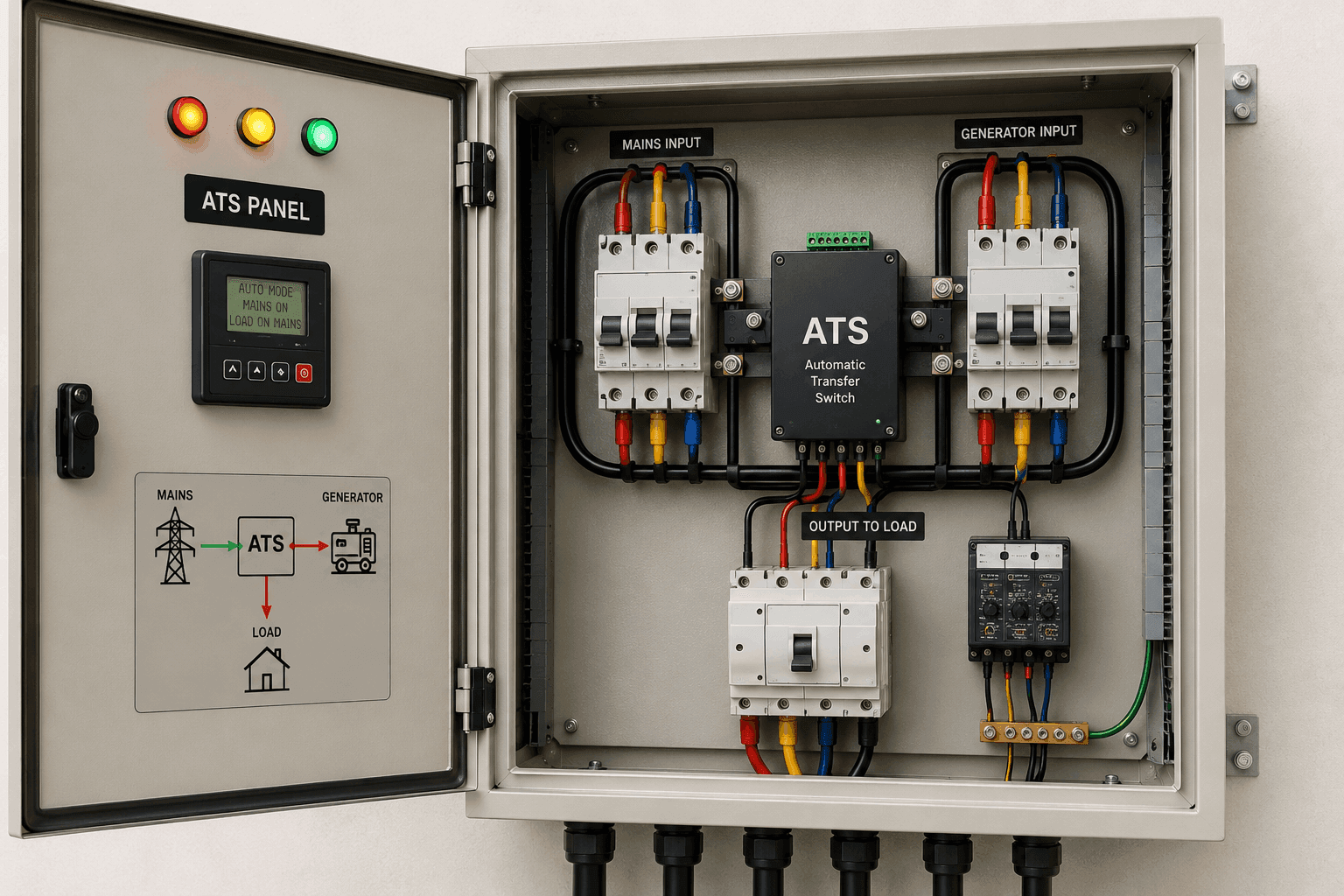
I get asked this almost every week at the counter: “Bhai, yeh ATS kaam kaise karta hai, kya yeh generator khud start kar dega?” Short answer, no, it doesn’t start your generator for you (that’s a separate auto-start controller on the genset). What a dual-power ATS does is watch two incoming power sources, decide which one is healthy, and physically swing the load over to whichever one qualifies, without anyone touching a switch. On a poultry farm with 3am load-shedding or a house running WAPDA plus a solar hybrid setup, that automatic swap is the whole point.
A dual-power automatic transfer switch (ATS) is essentially a smart double-throw switch with a brain attached. It constantly senses the voltage and frequency on Source 1 (usually WAPDA/grid) and Source 2 (generator, solar inverter output, or a second grid feed). When Source 1 drops out of its acceptable window, a control board inside the ATS waits a set delay, confirms Source 2 is stable, and then drives a motorized or solenoid-operated switching mechanism to connect the load to Source 2. When WAPDA comes back and stays stable for its own delay period, it swings back. No manual changeover switch, no running to the DB to flip a lever at 2am.
How a Dual-Power ATS Actually Switches Power Between Sources
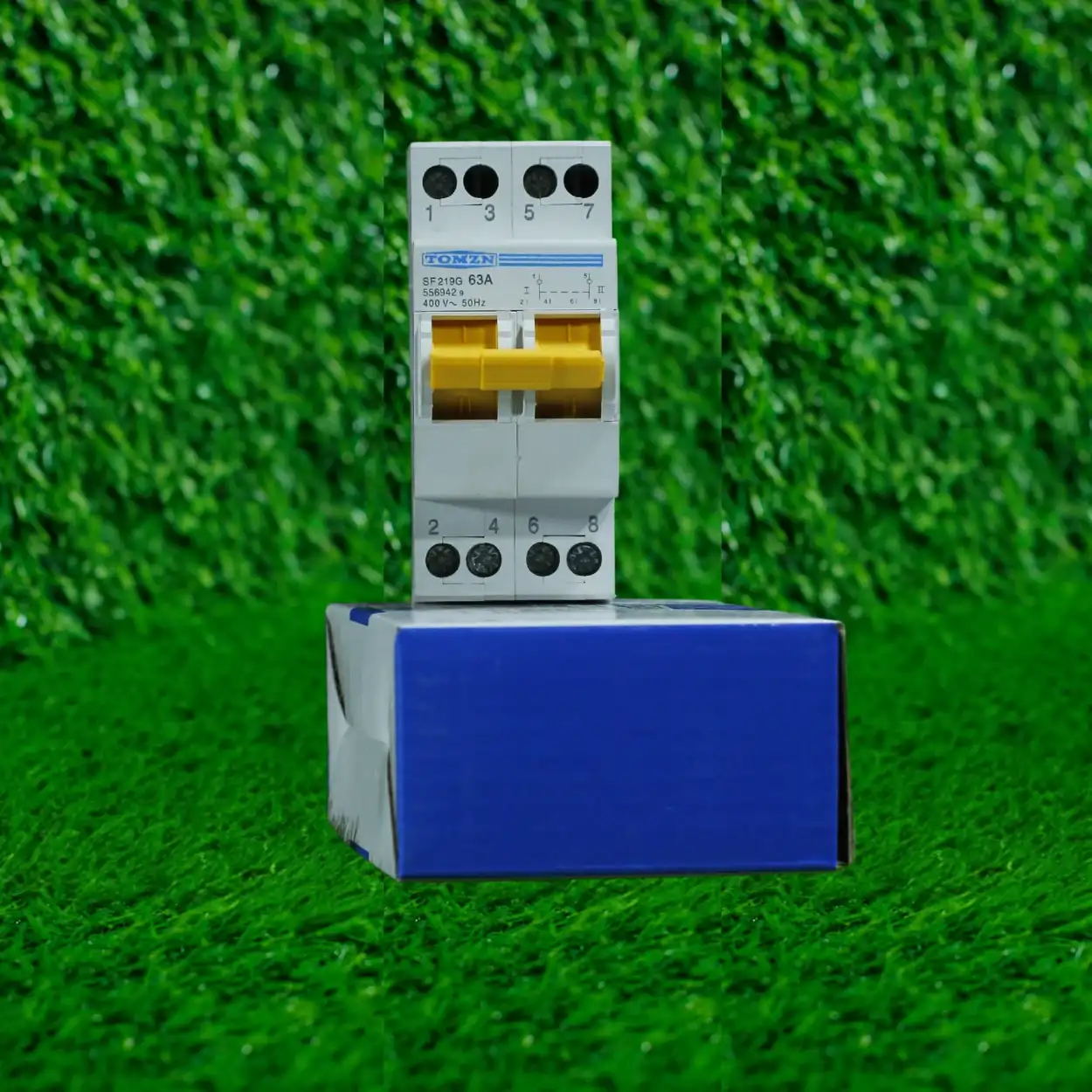
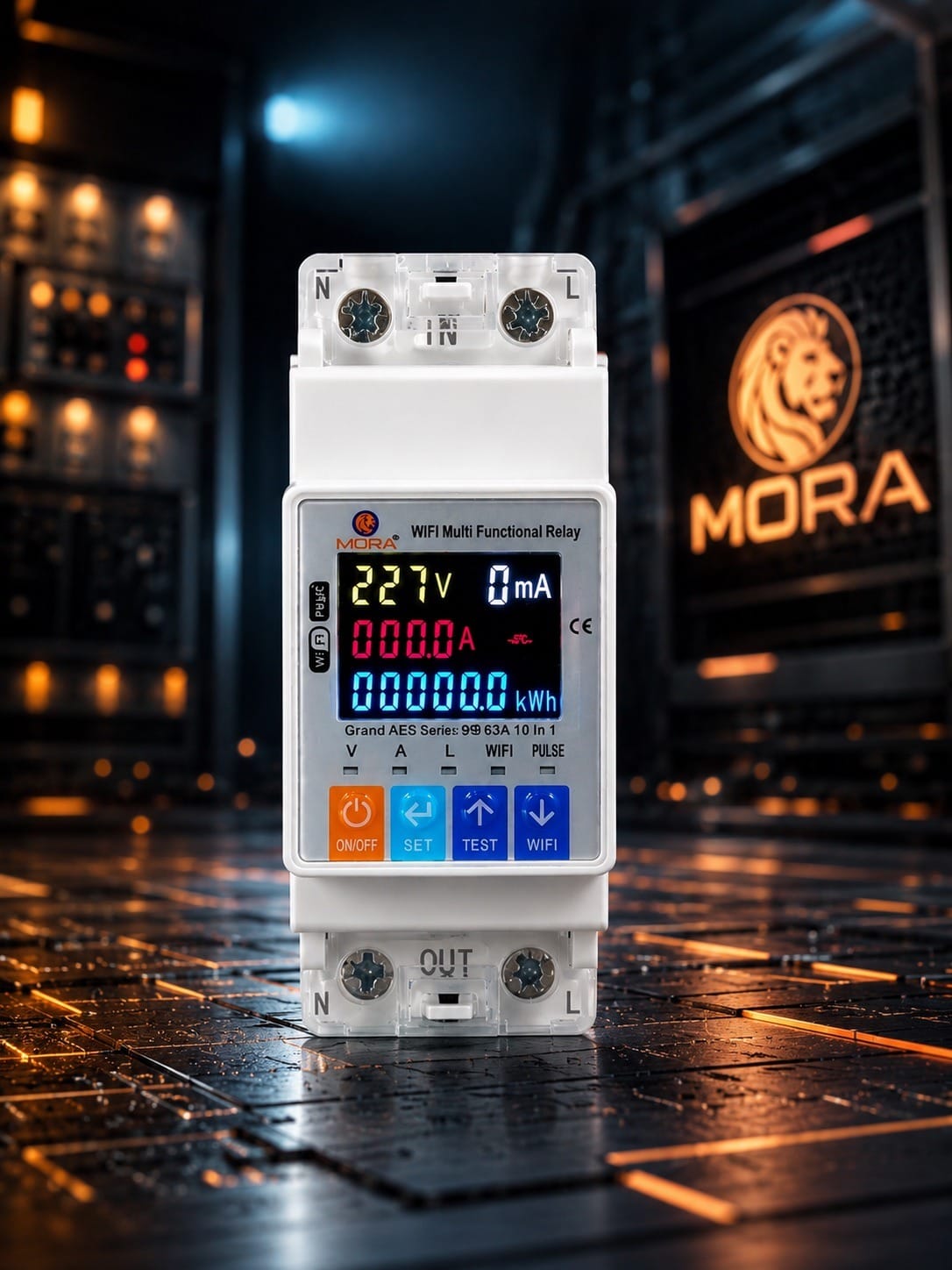
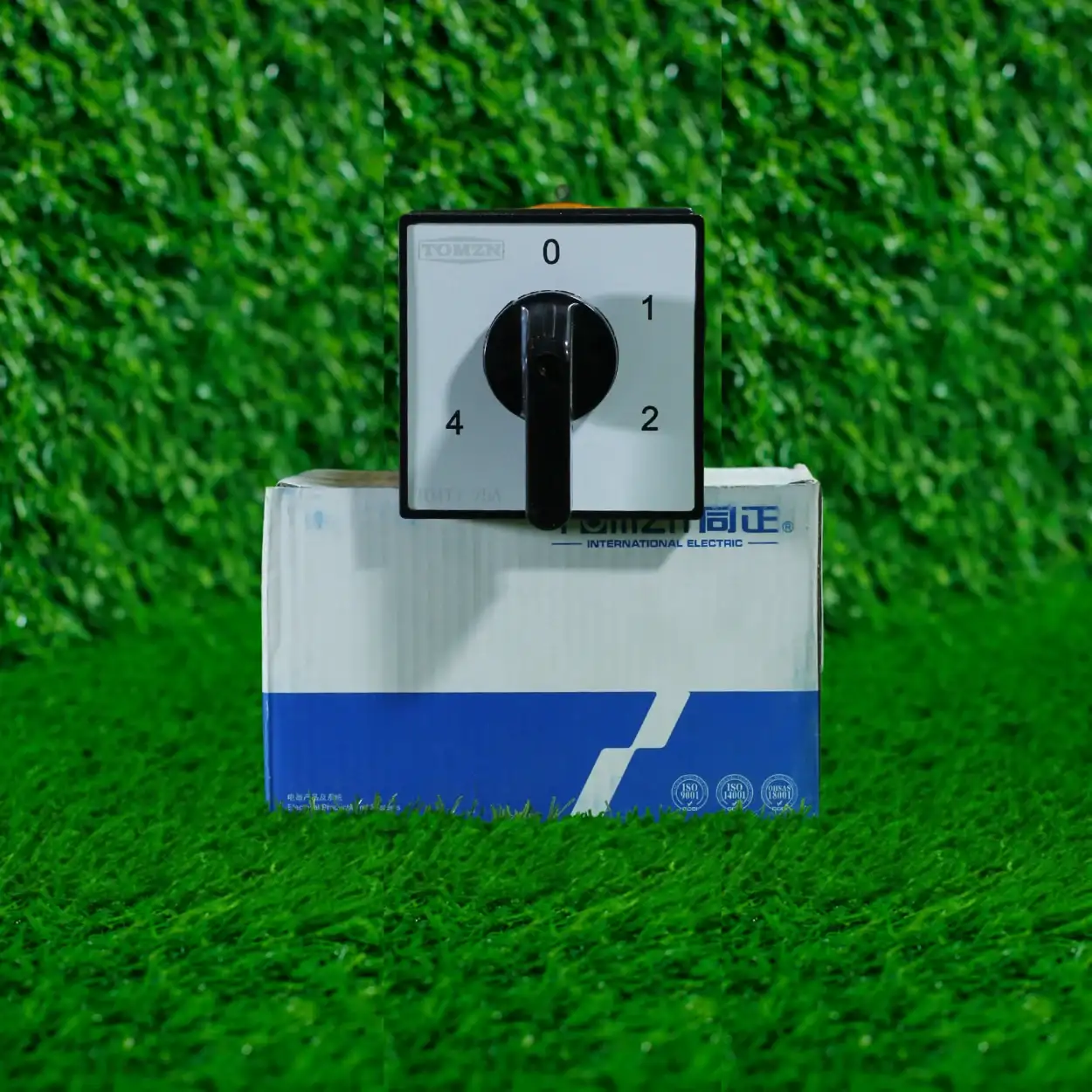
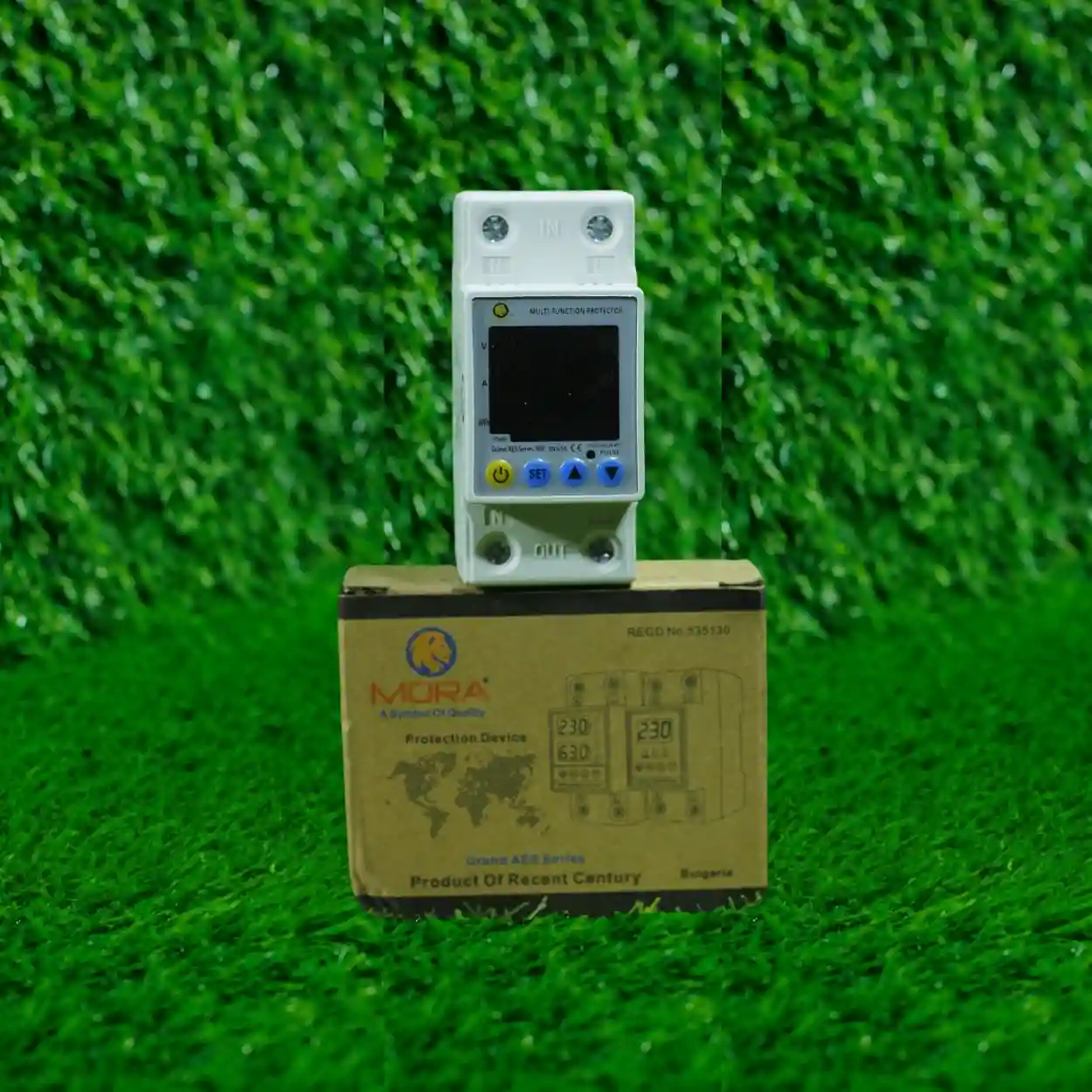
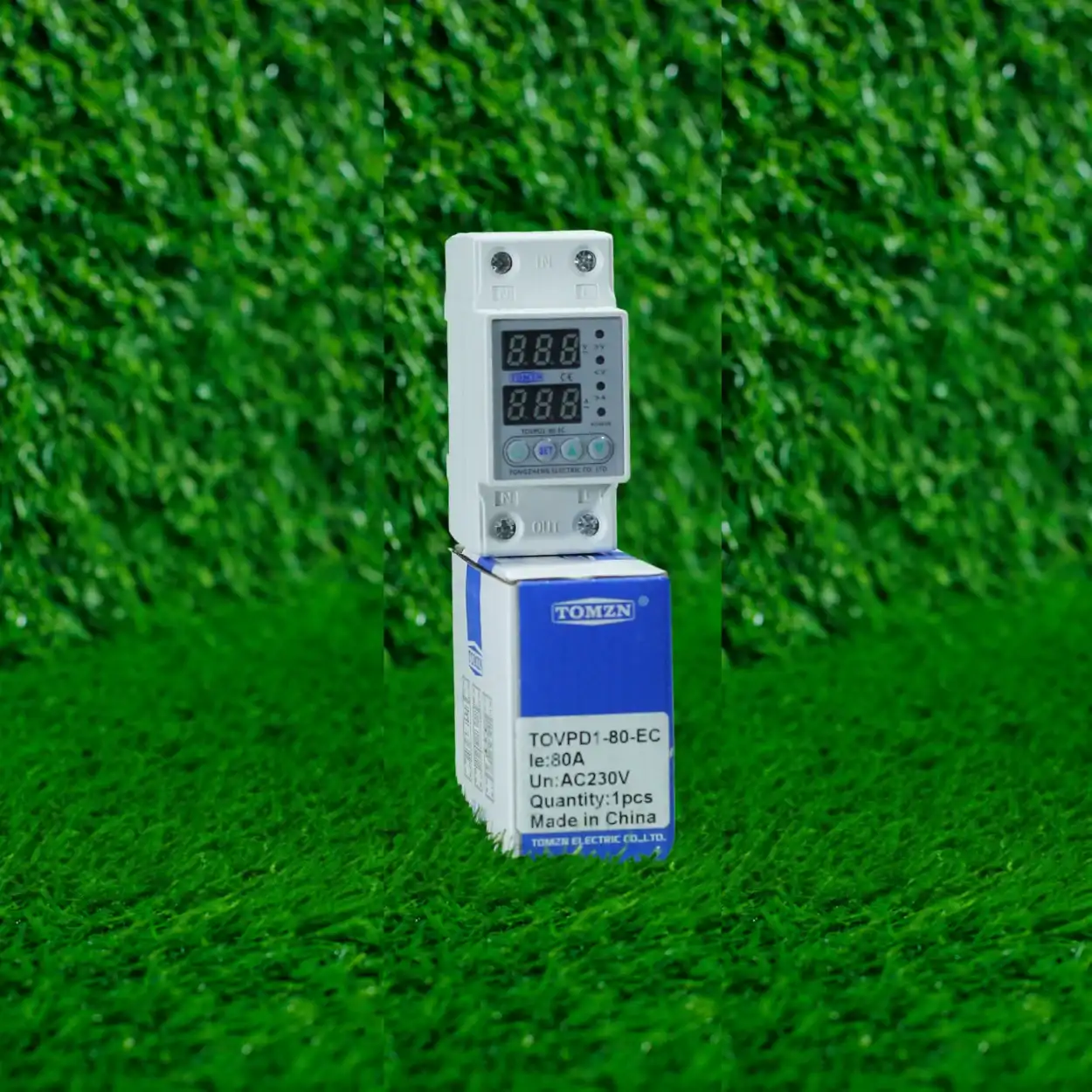
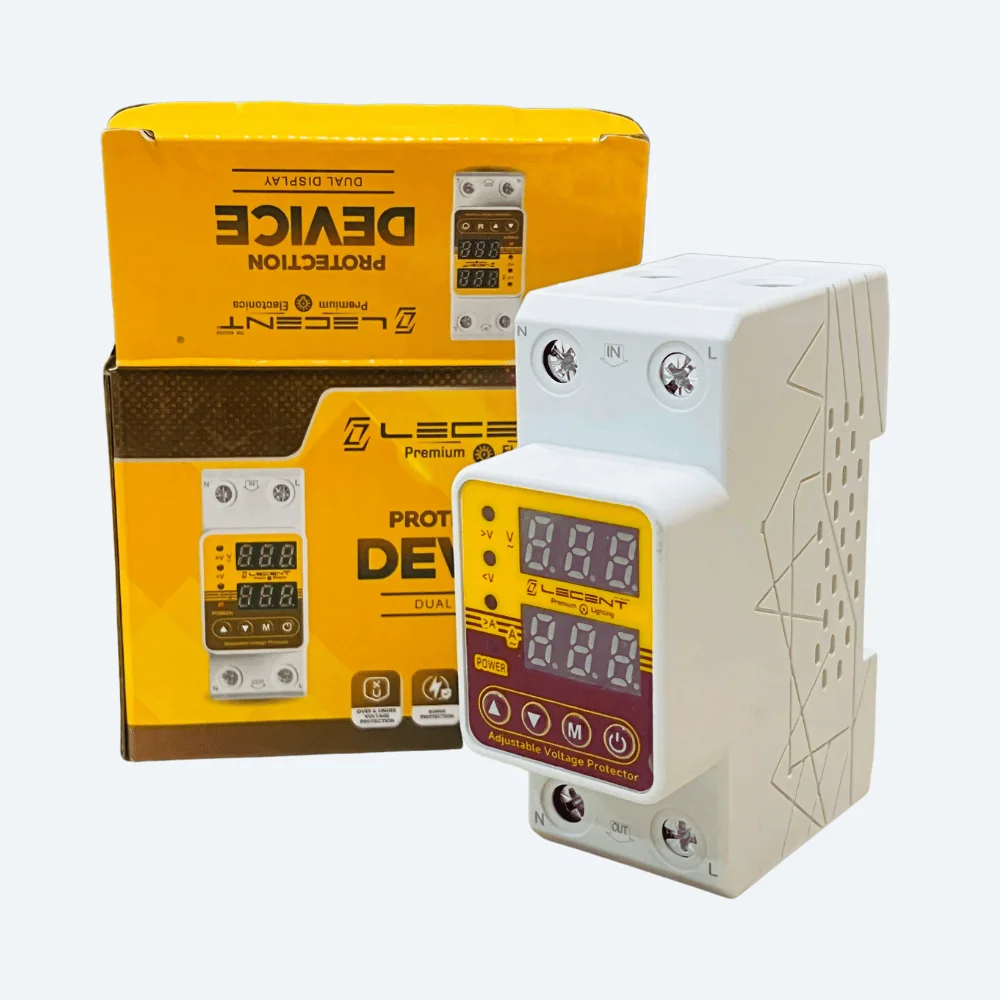
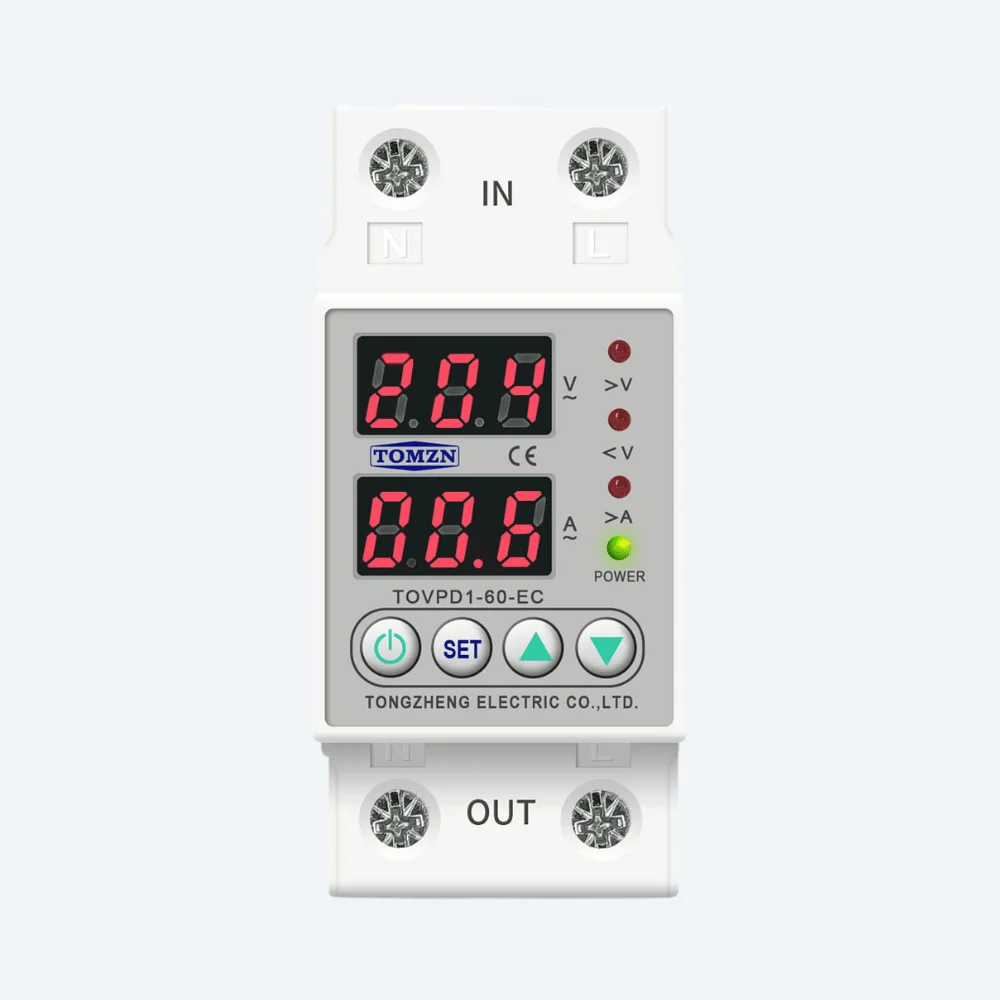
The core of any ATS, whether it’s a MORA AES-988, a TOMZN unit, or an industrial ABB/Schneider panel, is three things working together: a sensing circuit, a control logic board, and a switching mechanism. Understanding each one tells you why the thing behaves the way it does on real installations.
Sensing and Decision Logic
The control board monitors both incoming supplies for voltage (typically it wants to see something in the 180V to 260V band before calling a single-phase source “healthy,” tighter or wider depending on the model) and frequency, since 50Hz drift on a poorly governed generator is a real thing I’ve seen cause nuisance transfers on cheap gensets. If a source falls outside that window, the ATS doesn’t jump immediately. It runs a delay timer, usually adjustable from a few seconds up to a minute or more, specifically so a momentary WAPDA blink (which happens constantly on Pakistani feeders during storms or switching operations at the grid station) doesn’t trigger a full transfer cycle every single time.
Break-Before-Make Switching
This is the part people don’t think about until something goes wrong. A proper ATS never connects both sources to the load at the same time, even for a fraction of a second. It’s mechanically and electrically interlocked so Source 1 disconnects fully before Source 2 connects. This is called break-before-make, and it’s what prevents backfeeding your generator into a live WAPDA line, which is exactly how linemen get killed working on “dead” feeders that are secretly being fed by someone’s genset through a manual bypass switch. It’s also why a genuine ATS is not something you jury-rig with two contactors and a relay from the local market, it needs that interlock built in and rated for it.
The Actual Switching Element
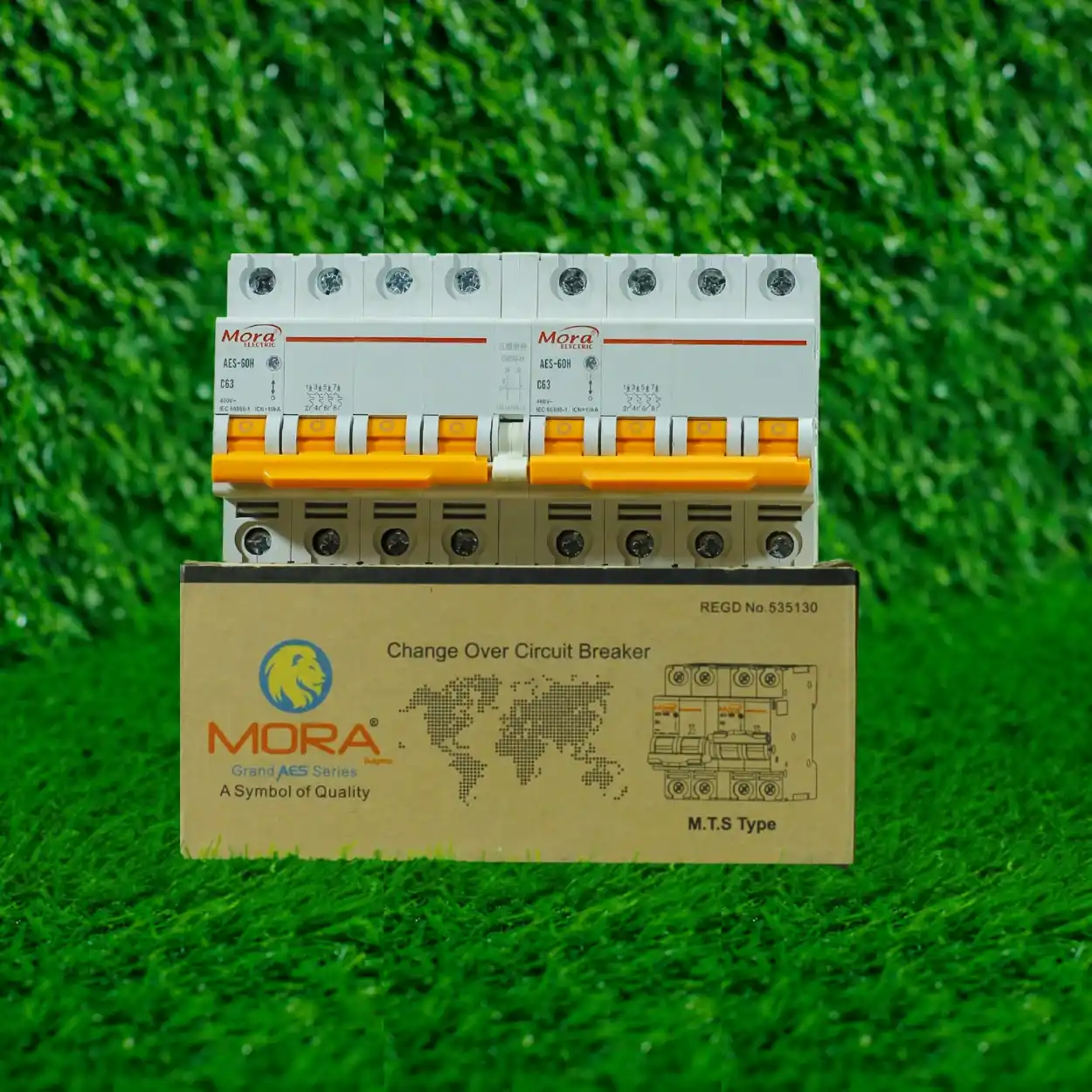
Inside the enclosure, the switching itself is done either by a motorized cam mechanism (common in the MORA and TOMZN changeover-style units) or by two interlocked contactors. Motorized units tend to be quieter and handle repeated cycling better in load-shedding-heavy areas because the contact pressure is mechanically maintained rather than relying on a coil holding continuously.
Reading the Spec Sheet: What the ATS Numbers Actually Mean
When a customer brings me a spec sheet or asks “which ATS do I need,” these are the four numbers I check first, in this order.
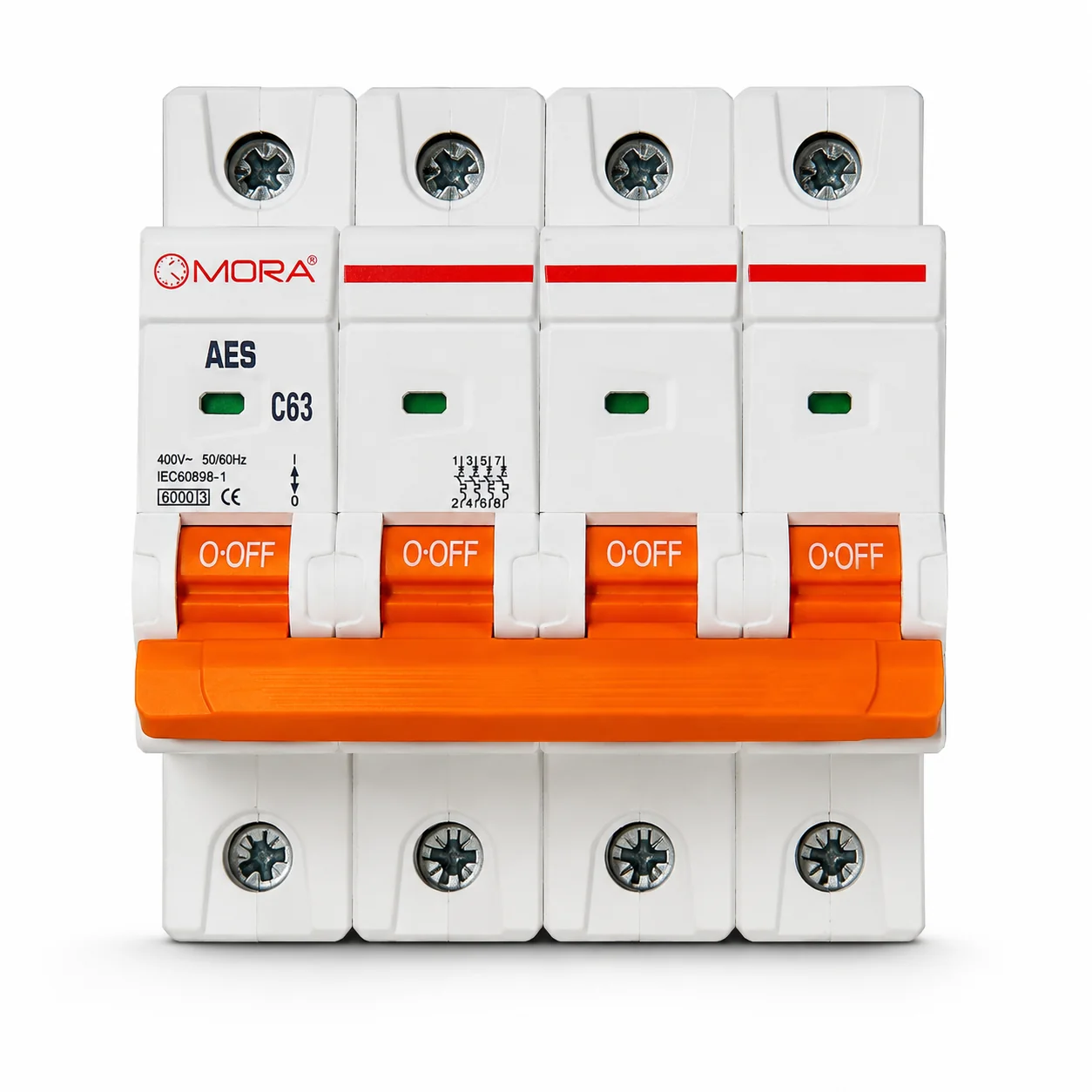
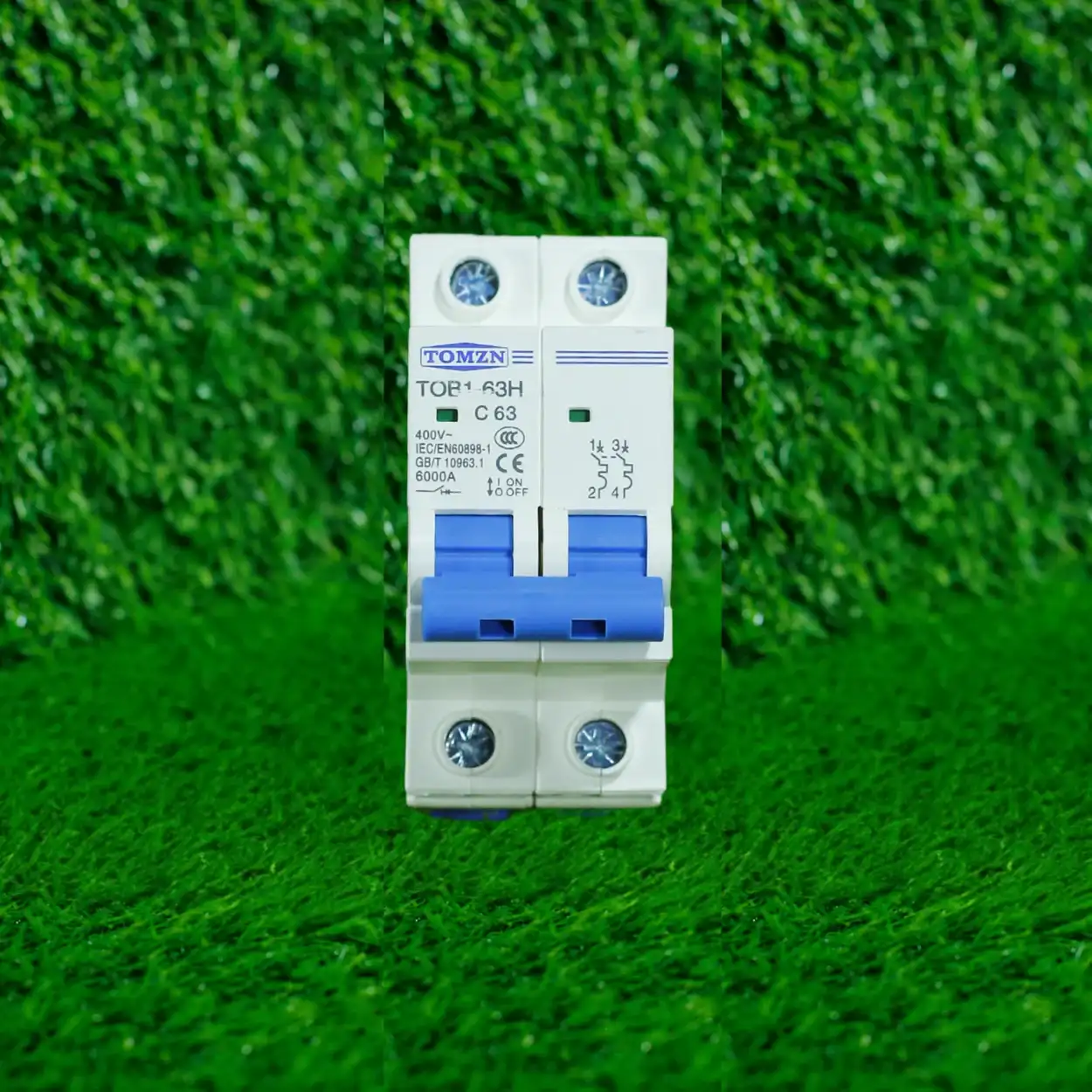
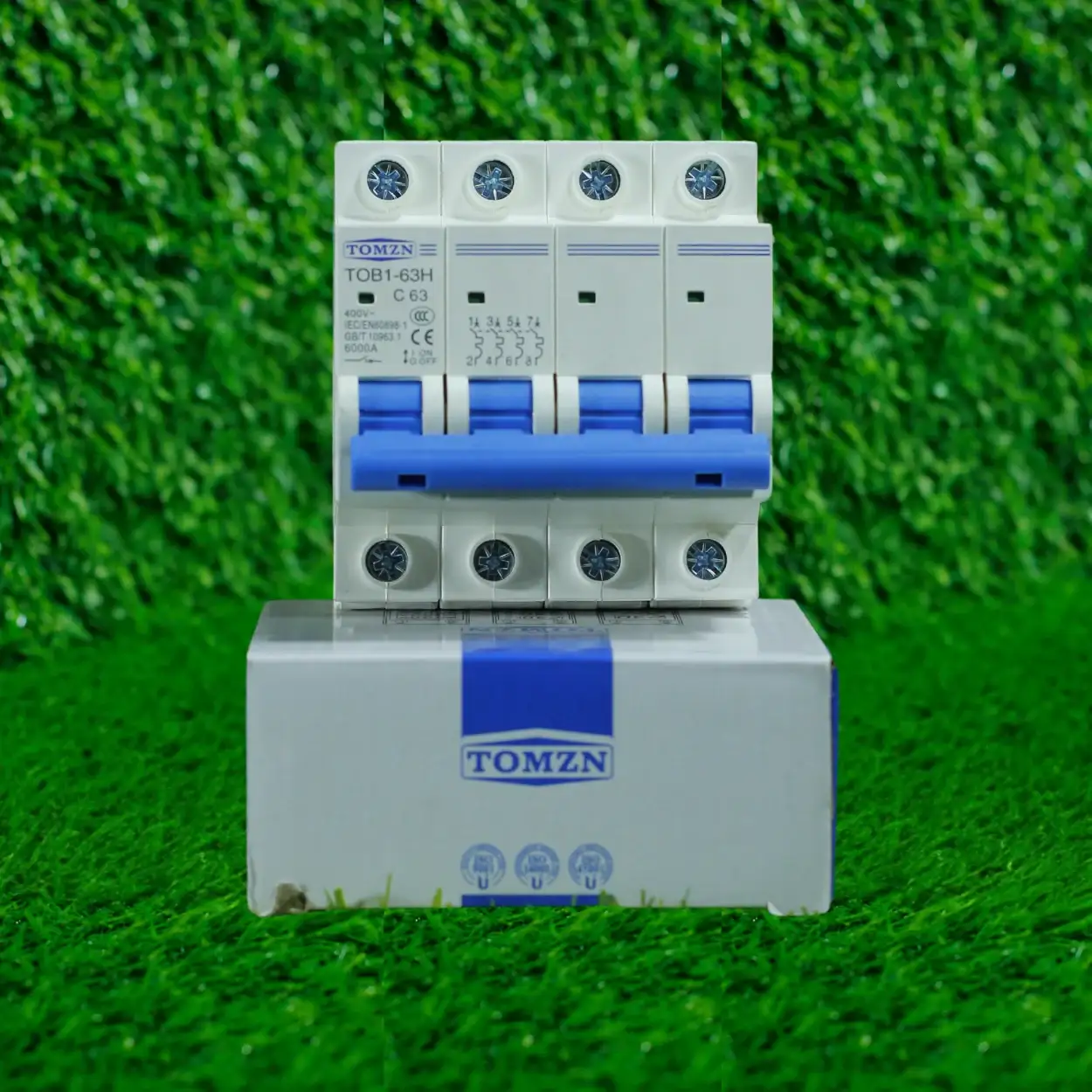
- Pole configuration (2P, 3P, or 4P): For single-phase residential and small commercial loads, you’re generally looking at 4-pole units that switch line and neutral from both sources independently, like the MORA 4P 63A Dual Power ATS (AES-988). Switching neutral matters more than people realize, if the neutral stays common between two sources with different earthing references, you can end up with a floating or double-bonded neutral, which is a real fault I’ve traced on more than one site with mismatched panels. Three-phase commercial and industrial installs need 4-pole (3 phases plus neutral) or sometimes 3-pole depending on whether the neutral is solidly bonded at a single point.
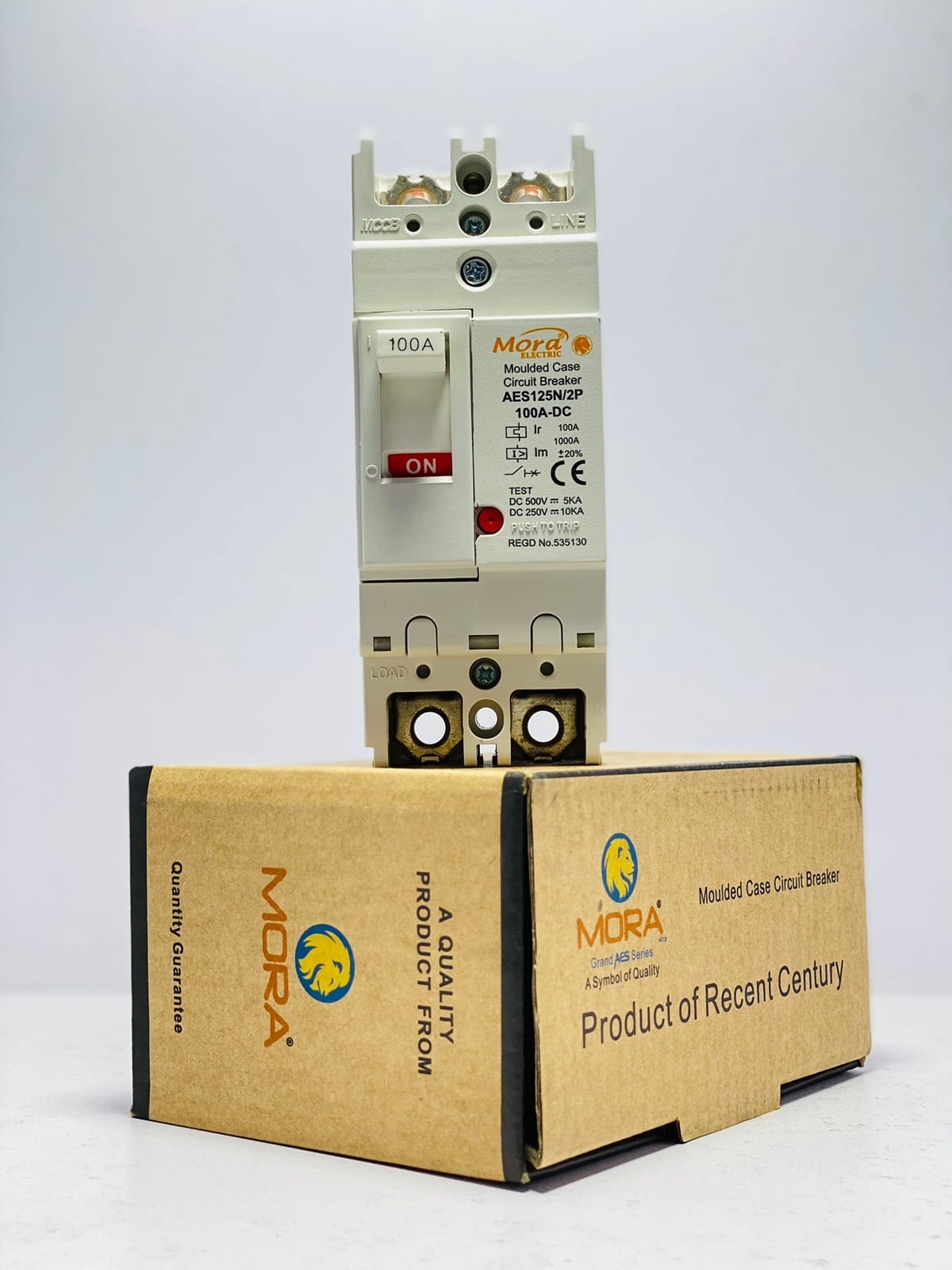
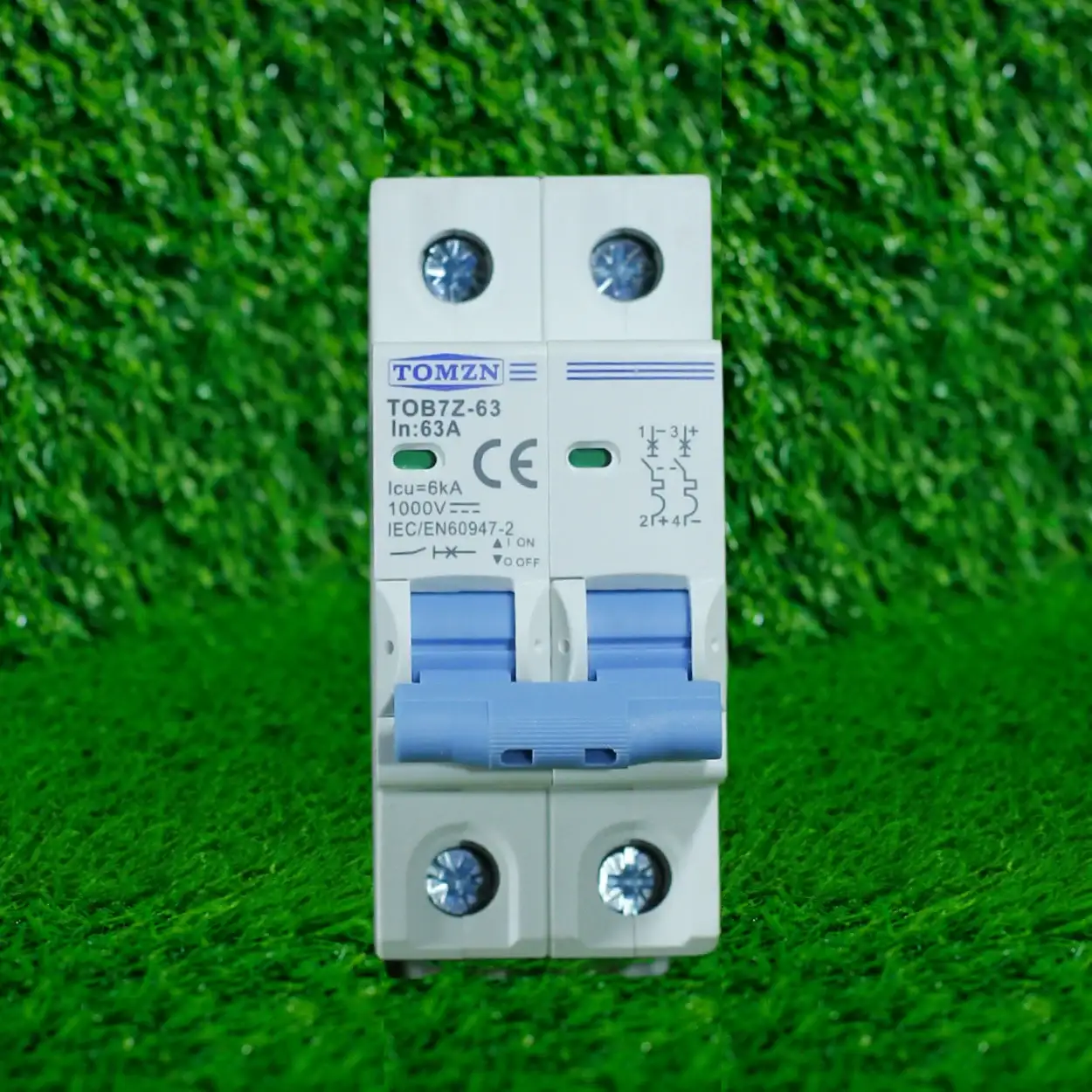
- Ampere rating and breaking capacity: The ampere rating (32A, 63A, 100A and up) has to match or exceed your total connected load with margin, not just today’s load but what you’ll add later. Breaking capacity (rated in kA, similar logic to an MCB’s Icu/Ics rating under IEC 60947 style testing) tells you what fault current the switch can safely interrupt without welding its own contacts shut. I’ve pulled apart failed ATS units where undersized contacts had literally fused together from repeated overload cycling, usually a knockoff unit sold cheap without a proper kA rating printed anywhere.
- Transfer time and delay settings: This is the adjustable window I mentioned earlier. For a house, a 3 to 10 second delay before switching to generator is normal, giving the genset time to stabilize its own voltage and frequency after auto-start. For a poultry farm with ventilation fans that can’t tolerate long outages in summer heat, you want the shortest safe delay the equipment allows, and you want it tested, not assumed.
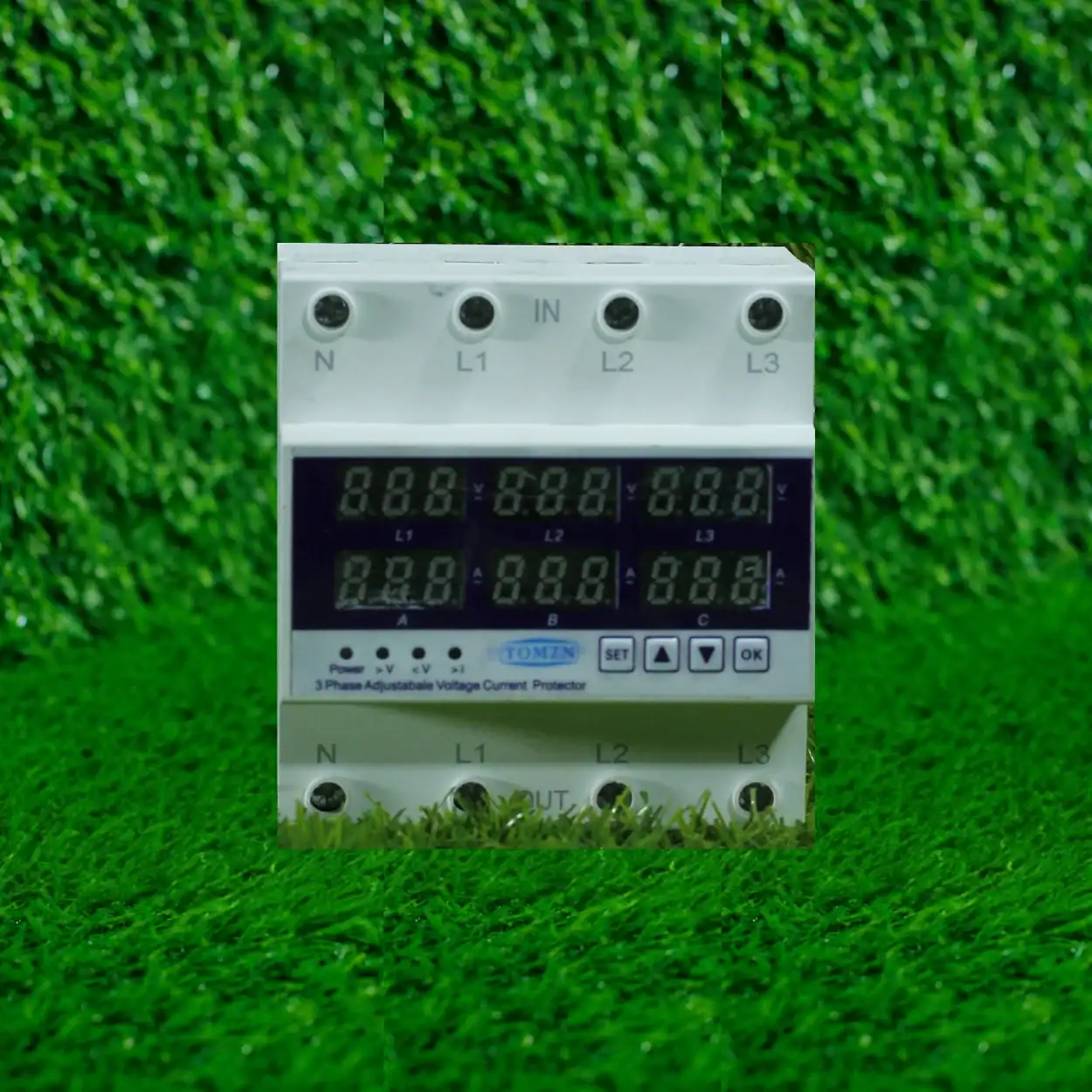
- Voltage sensing window: Ask what range the unit considers “acceptable” before transferring. A unit calibrated too tight will nuisance-trip constantly on normal WAPDA sag in areas with weak transformers. A unit calibrated too loose will let your equipment run on genuinely bad voltage for too long before switching. This single setting is behind more customer complaints than almost anything else in the unit.
Where This Actually Plays Out: WAPDA, Generator, and Solar Together
Most of the ATS units I install aren’t just switching between WAPDA and a generator anymore. With how common solar has become across Punjab, a lot of setups now have three power sources fighting for priority: grid, generator, and a solar hybrid inverter’s backup output. This is where people ask me the real question out loud: “can ek hi ATS teeno handle kar sakta hai?”
The honest answer is that a standard dual-power ATS only manages two sources at a time. In a WAPDA plus solar plus generator setup, the priority logic usually gets split across two stages: the hybrid inverter itself decides internally whether to draw from solar, battery, or pass-through grid, and then a separate ATS sits between that inverter’s output (or the grid, depending on wiring) and the generator as the true backup. Get this sequencing wrong and you’ll see the classic symptom, an inverter that keeps hunting between sources every few seconds because two devices are both trying to make the switching decision at the same time. I’ve fixed this exact complaint on several sites just by moving the ATS’s sensing point to the correct side of the inverter.
Voltage fluctuation from WAPDA is the other big one. Older transformers on overloaded feeders in parts of Lahore sag well below 200V during peak summer load, and if your ATS is calibrated with too narrow a lower threshold, it’ll transfer to generator constantly even though the actual grid supply, while low, isn’t dangerous to your equipment. That’s not a faulty ATS, that’s a calibration mismatch with local supply conditions, and it’s worth telling your electrician exactly what your feeder behaves like before he sets the thresholds.
Earthing and Enclosure Matter More Than People Think
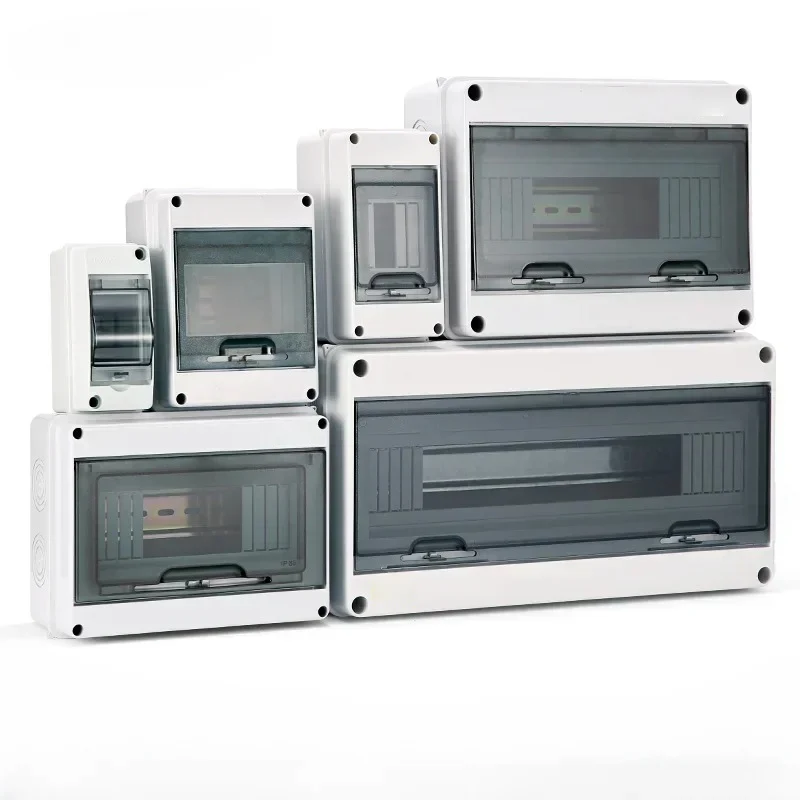
An ATS handling generator backfeed protection is only as good as the earthing it’s tied into. On older buildings where the earth pit was never properly redone, I’ve seen ATS units switch correctly but still let fault current find a path through unintended metalwork because the neutral-earth bond wasn’t sorted at the source. Pair any ATS installation with a proper earthing check and, where the budget allows, surge protection ahead of sensitive inverters and control boards, especially relevant if you’re running a solar system through the same panel (our guide on solar protection devices covers what to add alongside the ATS in a hybrid setup).
What to Actually Check Before You Buy One
When someone’s picking an ATS for a house, shop, or small commercial site, I tell them to work backward from their panel, not forward from a spec sheet.
- Total connected load in amps, with 20-25% headroom for future additions.
- Single-phase or three-phase supply, confirmed from the WAPDA meter, not assumed.
- Whether neutral switching is required (almost always yes for mixed generator/solar backup setups).
- Breaking capacity suited to your fault level, don’t accept a unit with no kA rating listed anywhere on the body or datasheet.
- Delay timer range, and whether it’s field-adjustable or fixed from factory.
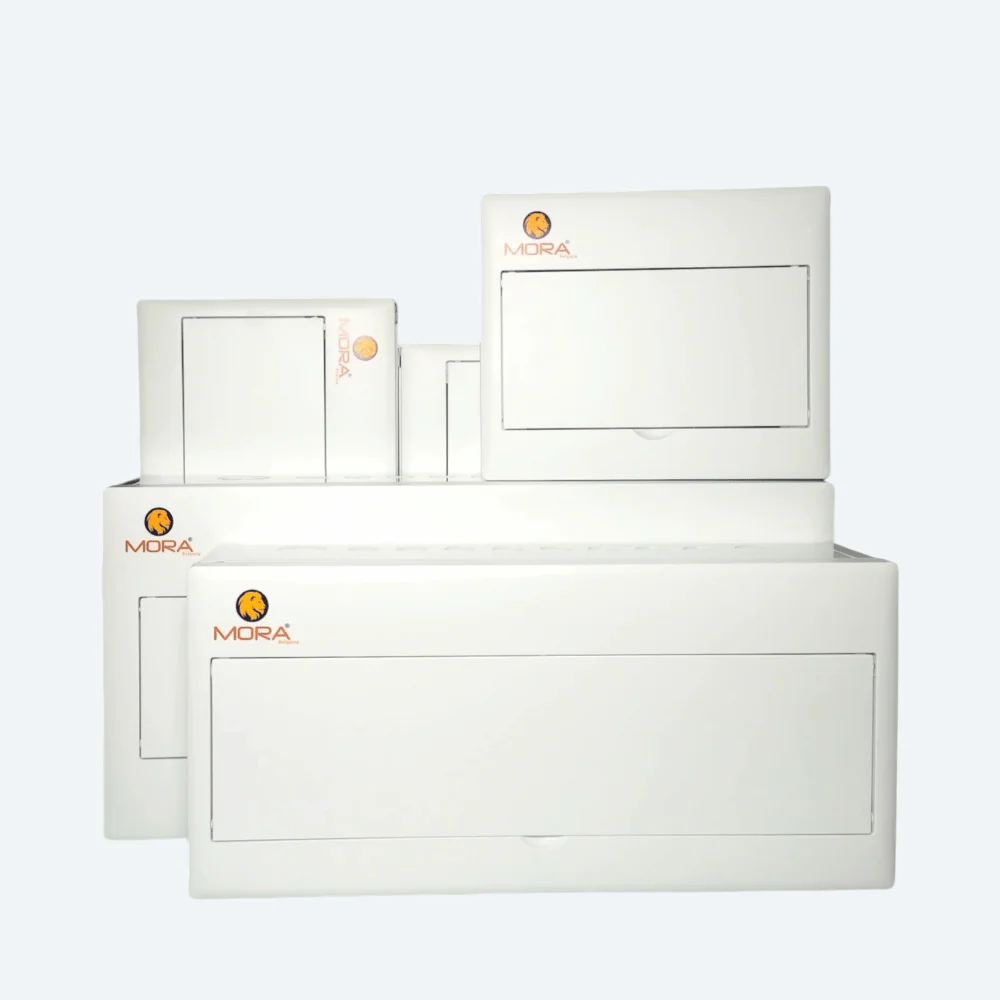
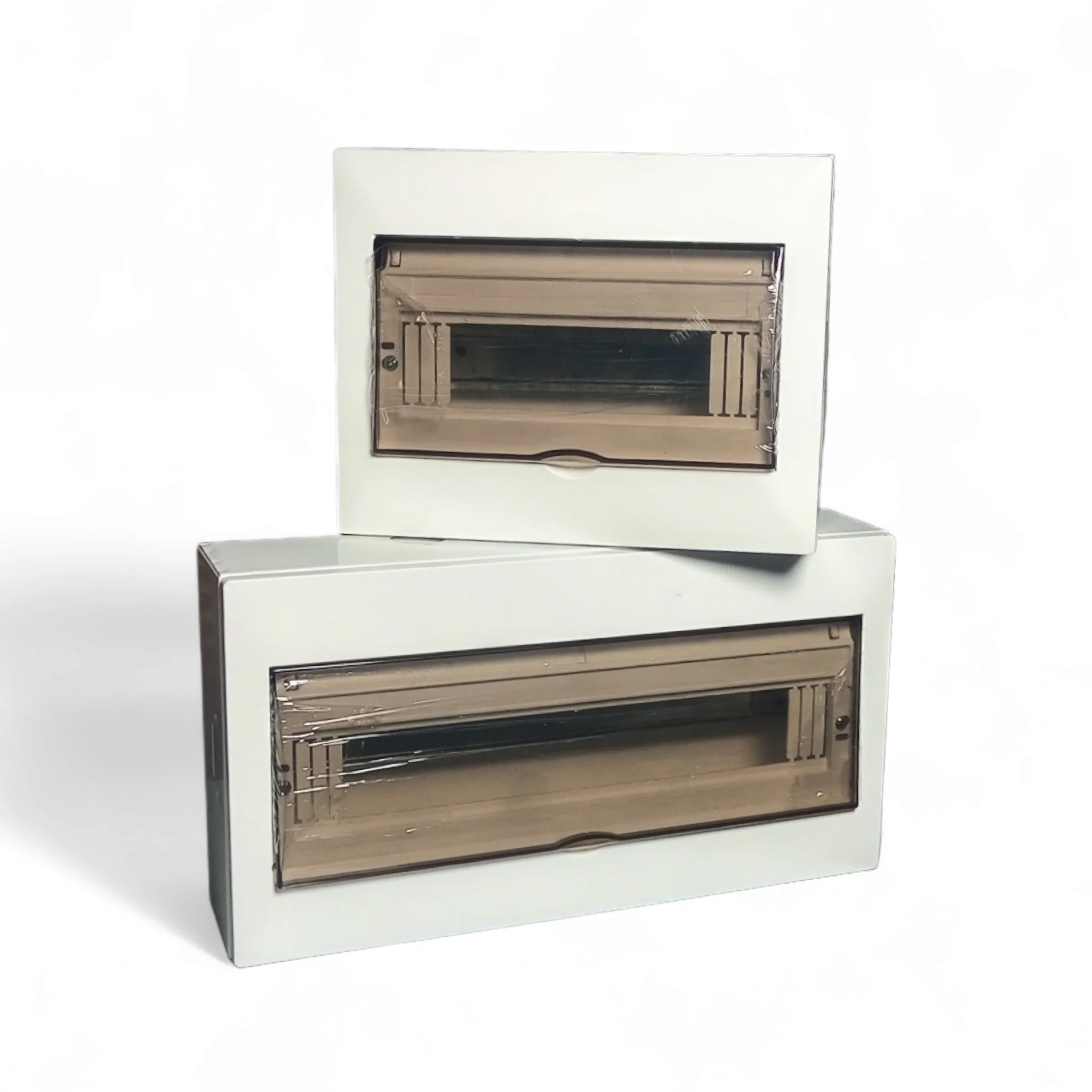
On brand quality, I’ll say this plainly because I’ve opened up enough failed units to have an opinion: the market is full of ATS enclosures that look identical from outside but use thin gauge contacts and unrated plastic housings inside. A genuine MORA or TOMZN unit costs more than the no-name version sitting next to it for a reason, the contact material and the switching mechanism are actually built for repeated daily cycling, which matters a lot in a country where load-shedding means some ATS units switch twice a day, every day, for years. If you’re building out a full backup system with solar in the mix, it’s worth browsing a proper solar products range alongside the ATS rather than treating it as a standalone purchase, since the inverter, breakers, and transfer switch all need to agree on voltage windows and timing to work together without nuisance switching.
For reference on how switching equipment like this is tested and rated internationally, the IEC 60947-6-1 standard for automatic transfer switching equipment is the baseline most quality manufacturers design against, even if the unit sold locally doesn’t carry full third-party certification.