











Automatic vs Manual Transfer Switch: Which Is Better for Your Home?

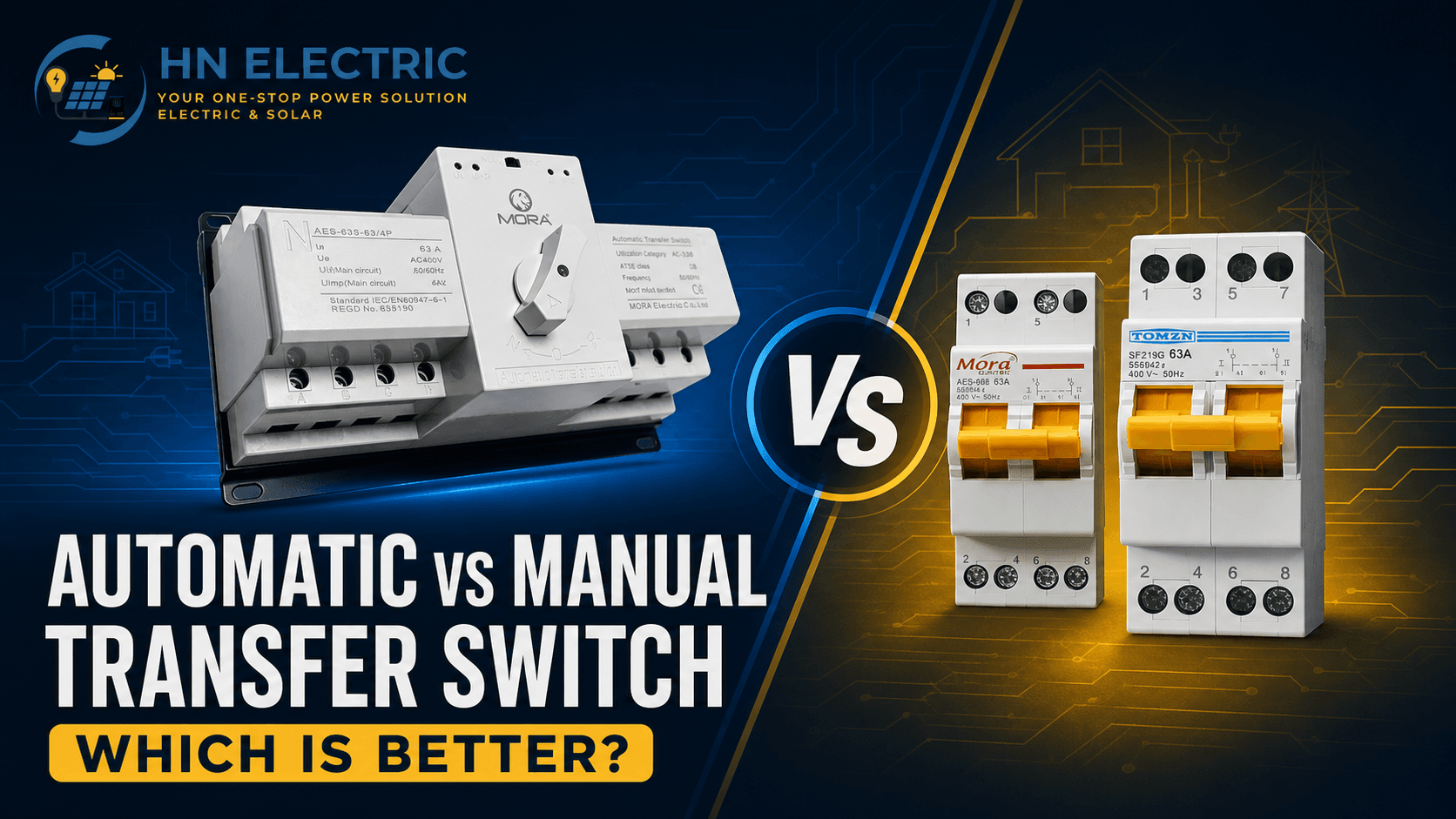
Choosing between an Automatic vs Manual Transfer Switch comes down to three practical questions: how quickly you need backup power, how much control you want, and how much you are prepared to spend.
An automatic transfer switch, or ATS, changes the power source without waiting for someone to operate it. A manual transfer switch requires a person to move the supply from WAPDA to a generator, inverter, or another backup source.
For most homes, neither option is universally better.
An ATS offers greater convenience. A manual changeover is simpler, usually more affordable, and gives the homeowner direct control over when the backup source carries the load.
This guide explains the real differences, costs, safety considerations, pole configurations, and buying checks for Pakistani homes.
Safety Warning: A transfer switch works with live mains and backup supplies. Selection, wiring, testing, and installation should be completed by a qualified electrician.
Table of Contents
- What does a transfer switch do?
- How does an automatic transfer switch work?
- How does a manual transfer switch work?
- What are the main differences?
- Which switch is better for a Pakistani home?
- How do automatic and manual switches compare on cost?
- What do 2P, 2P+2P, and 4P+4P mean?
- How do you calculate the correct current rating?
- Which switch suits WAPDA, generator, inverter, or solar?
- What safety features should you check?
- Which installation mistakes should you avoid?
- Frequently asked questions
What Does a Transfer Switch Do?
A transfer switch moves an electrical load between two power sources.
In a typical Pakistani home, those sources may be:
- WAPDA and a generator
- WAPDA and a solar inverter
- WAPDA and a UPS
- Solar inverter and generator
- Grid supply and another backup feeder
The switch helps ensure that the selected load receives power from one intended source at a time.
A correctly designed transfer arrangement also prevents two sources from being connected together unintentionally.
This separation is particularly important when a generator or inverter could feed electricity back toward the utility supply.
Best Practice: A transfer switch should provide a mechanically or electrically controlled switching arrangement. Two ordinary breakers mounted side by side are not a safe substitute unless they form an approved interlocked system.
How Does an Automatic Transfer Switch Work?
An automatic transfer switch monitors the preferred power source.
When that source fails or falls outside the device’s operating conditions, the ATS disconnects it and connects the backup supply.
When normal power returns, the switch may transfer the load back automatically after a built-in or programmed delay.
The sequence is generally:
- The ATS monitors the main supply.
- WAPDA power fails or becomes unacceptable.
- The main source is disconnected.
- The backup source is checked.
- The load is connected to the backup source.
- The ATS continues monitoring the main supply.
- When stable power returns, the load transfers back.
The exact behaviour depends on the ATS model. A compact dual-power switch does not necessarily start a generator unless it has a compatible generator-start control.
What are the advantages of an automatic transfer switch?
An ATS provides several practical benefits:
- No manual switching during an outage
- Faster restoration of available backup power
- Useful when nobody is at home
- Helpful for elderly or mobility-limited users
- Suitable for essential appliances
- Reduces dependence on user response
- Can transfer back when WAPDA stabilises
- Useful for shops, offices, clinics, and security systems
An ATS is particularly valuable where power continuity matters more than keeping the initial cost low.
What are the disadvantages of an automatic transfer switch?
Automatic operation also introduces trade-offs:
- Higher purchase cost
- More complex internal mechanism
- Requires correct source sensing
- May need configuration or control wiring
- Can switch unnecessarily if voltage sensing is poorly set
- More difficult to troubleshoot than a basic manual switch
- Must be compatible with the inverter or generator
- Still requires suitable upstream protection
Common Mistake: Assuming an ATS is also a voltage protector, circuit breaker, generator controller, and surge protector. These functions are different unless the manufacturer explicitly includes them.
How Does a Manual Transfer Switch Work?
A manual transfer switch requires a person to move the load from one source to another.
When WAPDA fails, the user starts or activates the backup supply, checks that it is stable, and operates the changeover switch.
When grid power returns, the user transfers the load back manually.
The basic sequence is:
- Confirm that the preferred source has failed.
- Start or enable the backup source.
- Allow the backup source to stabilise.
- Move the switch to the backup position.
- When WAPDA returns, remove or reduce heavy loads if necessary.
- Transfer back to the main supply.
- Shut down the generator or backup source correctly.
What are the advantages of a manual transfer switch?
A manual changeover switch offers:
- Lower initial cost
- Simple operation
- Direct user control
- Fewer electronic components
- Straightforward troubleshooting
- No unwanted automatic switching
- Good value for occasional outages
- Suitable for generators that require manual starting
Manual switches are often practical for homes where someone is usually available and a brief interruption is acceptable.
What are the disadvantages of a manual transfer switch?
The main limitations are:
- Someone must be present to operate it
- Power stays off until the switch is moved
- Users can forget to transfer back
- Incorrect operation can overload the backup source
- Elderly or untrained users may find it inconvenient
- It is unsuitable where continuity is critical
- The switch must remain safely accessible
Pro Tip: Place a simple operating instruction beside the distribution board. Every responsible adult in the home should know which loads must remain off when using a smaller generator or inverter.
What Is the Main Automatic vs Manual Transfer Switch Difference?
The fundamental difference is who initiates the transfer.
An ATS acts automatically after detecting source conditions. A manual transfer switch waits for a person to operate it.
| Feature | Automatic transfer switch | Manual transfer switch |
|---|---|---|
| Source transfer | Automatic | User-operated |
| Outage response | Usually faster | Depends on user availability |
| Convenience | High | Moderate |
| Initial cost | Higher | Lower |
| Control complexity | Higher | Lower |
| Maintenance | More involved | Generally simpler |
| User involvement | Minimal | Required |
| Best for unattended property | Yes | No |
| Best for occasional generator use | Useful but may be unnecessary | Often suitable |
| Risk of unnecessary transfer | Possible if sensing is unsuitable | Low |
| Suitability for essential loads | Strong | Depends on acceptable interruption |
| Troubleshooting | Requires more expertise | Usually easier |
Which Is Better for Your Home: Automatic vs Manual Transfer Switch?
An automatic switch is usually better when uninterrupted access to available backup power matters.
A manual switch is usually better when budget, simplicity, and direct control are more important.
When should you choose an automatic transfer switch?
Consider an ATS if:
- Outages occur frequently
- Backup power is already available automatically
- Nobody may be home during an outage
- Security cameras or networking equipment must remain powered
- Refrigeration is important
- Medical or mobility needs make manual operation difficult
- You operate a home office
- Tenants or staff should not operate the main DB
- The property uses a compatible auto-start generator
- Convenience justifies the additional cost
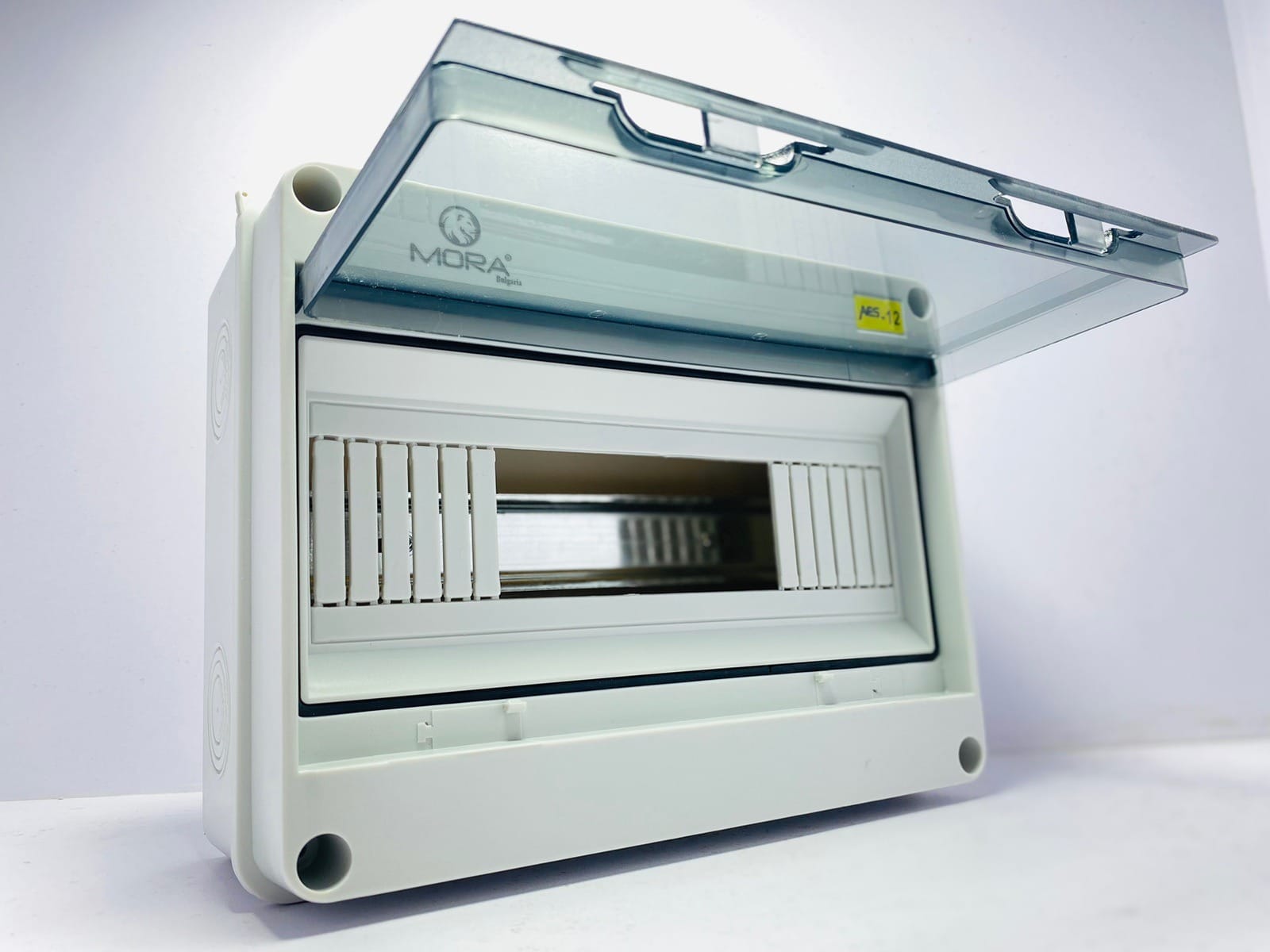
For a single-phase application, HN Electric’s Mora 2P 63A Automatic Transfer Switch is designed for dual 230V power sources and DIN-rail installation.
It may suit homes, shops, offices, and light commercial applications when its current, voltage, switching logic, and pole arrangement match the system.
When should you choose a manual transfer switch?
A manual switch may be the better choice if:
- Outages are occasional
- Someone is normally available
- A short interruption is acceptable
- The generator must be started manually
- You want full control over source selection
- The backup source cannot carry the whole house
- You prefer a simpler mechanism
- Initial cost is an important consideration
For a compact single-phase setup, the Mora 2P 63A Manual Transfer Switch provides a manual dual-power changeover arrangement.
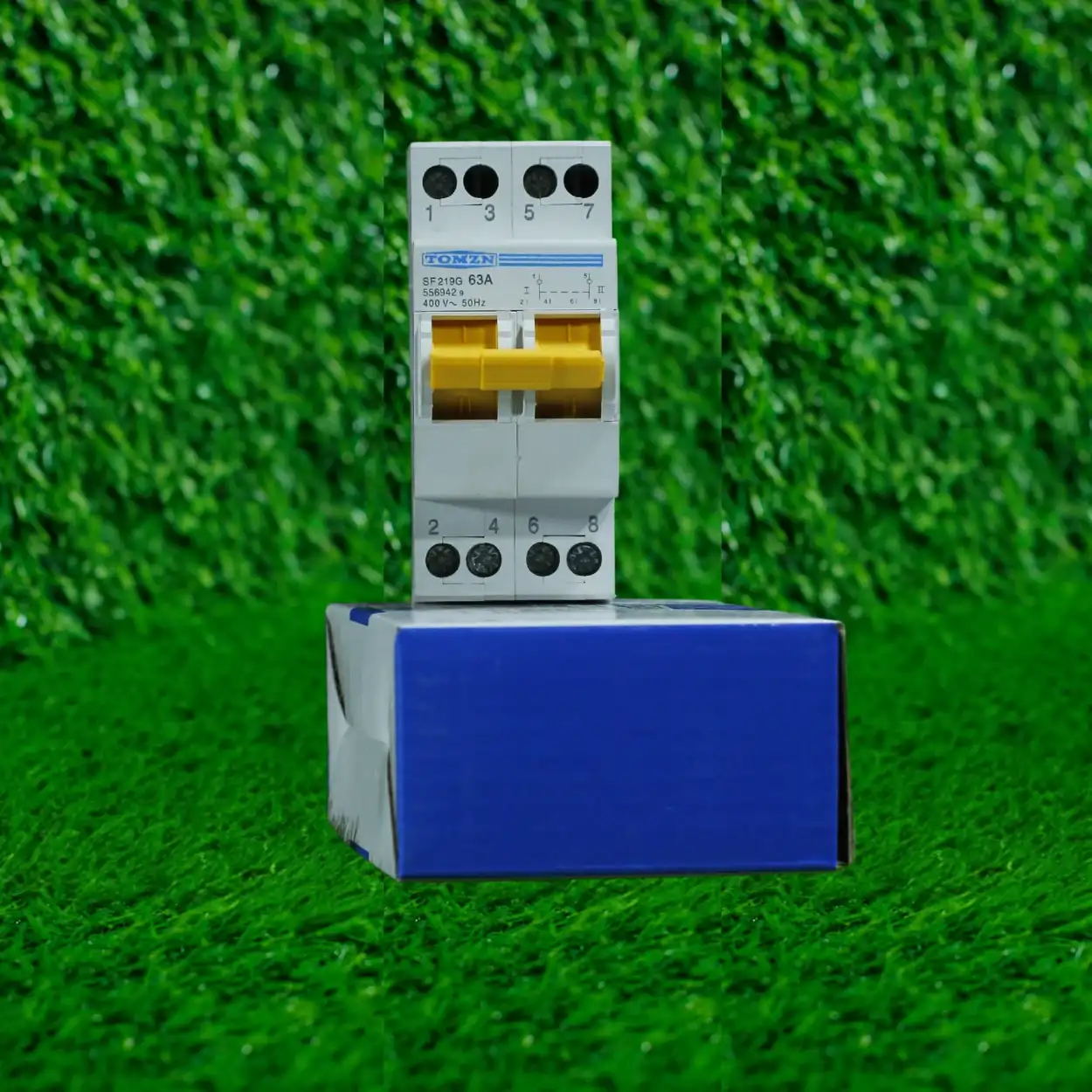
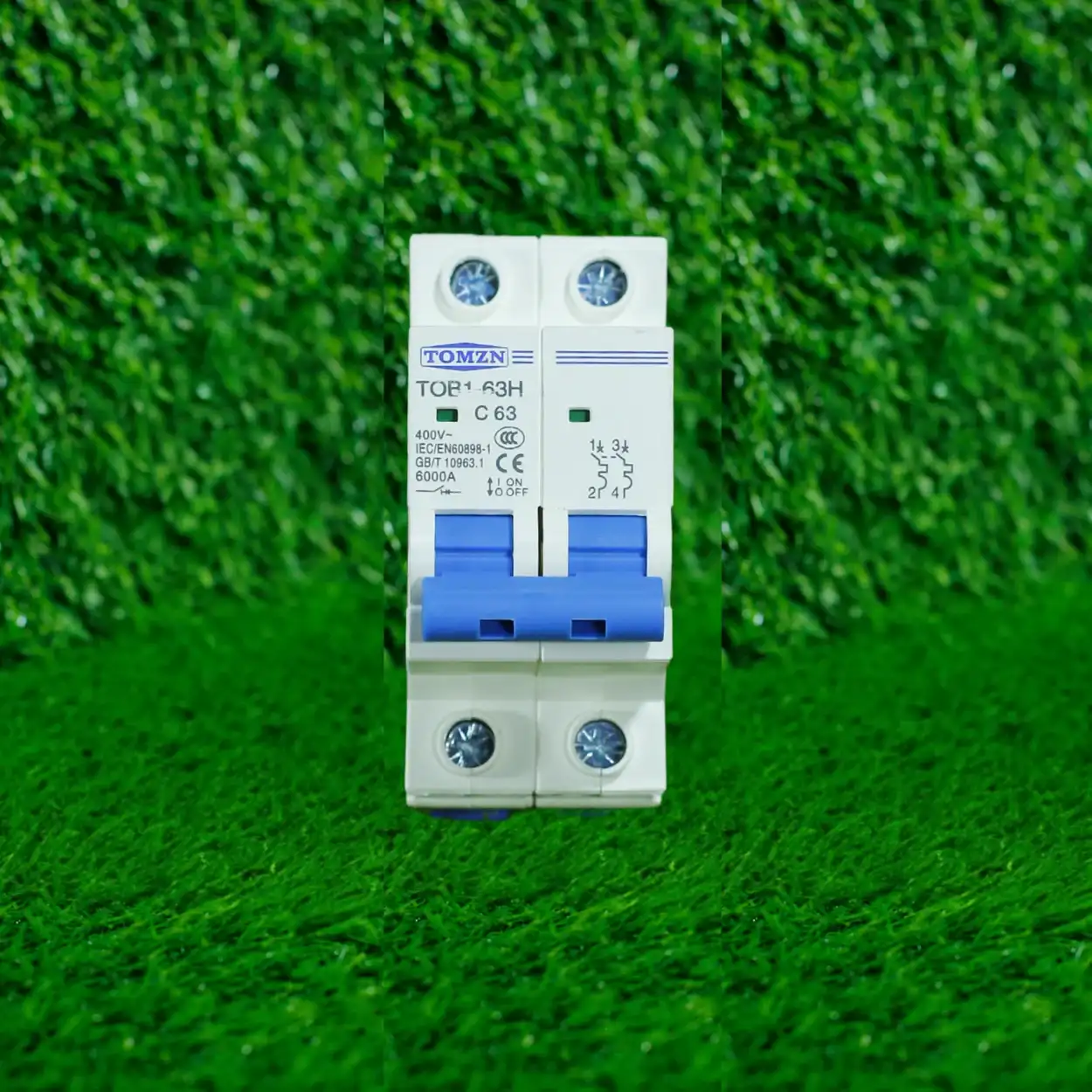
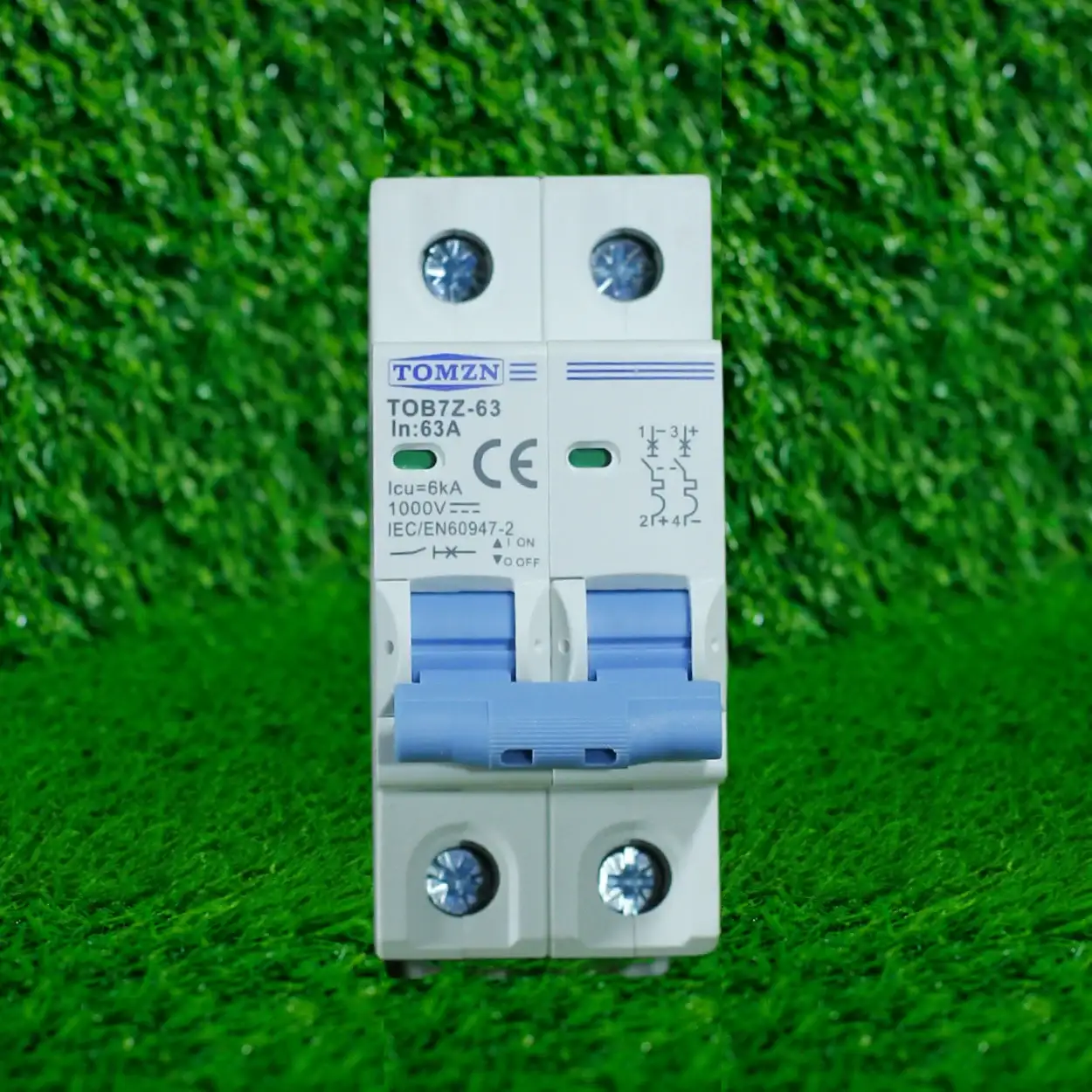
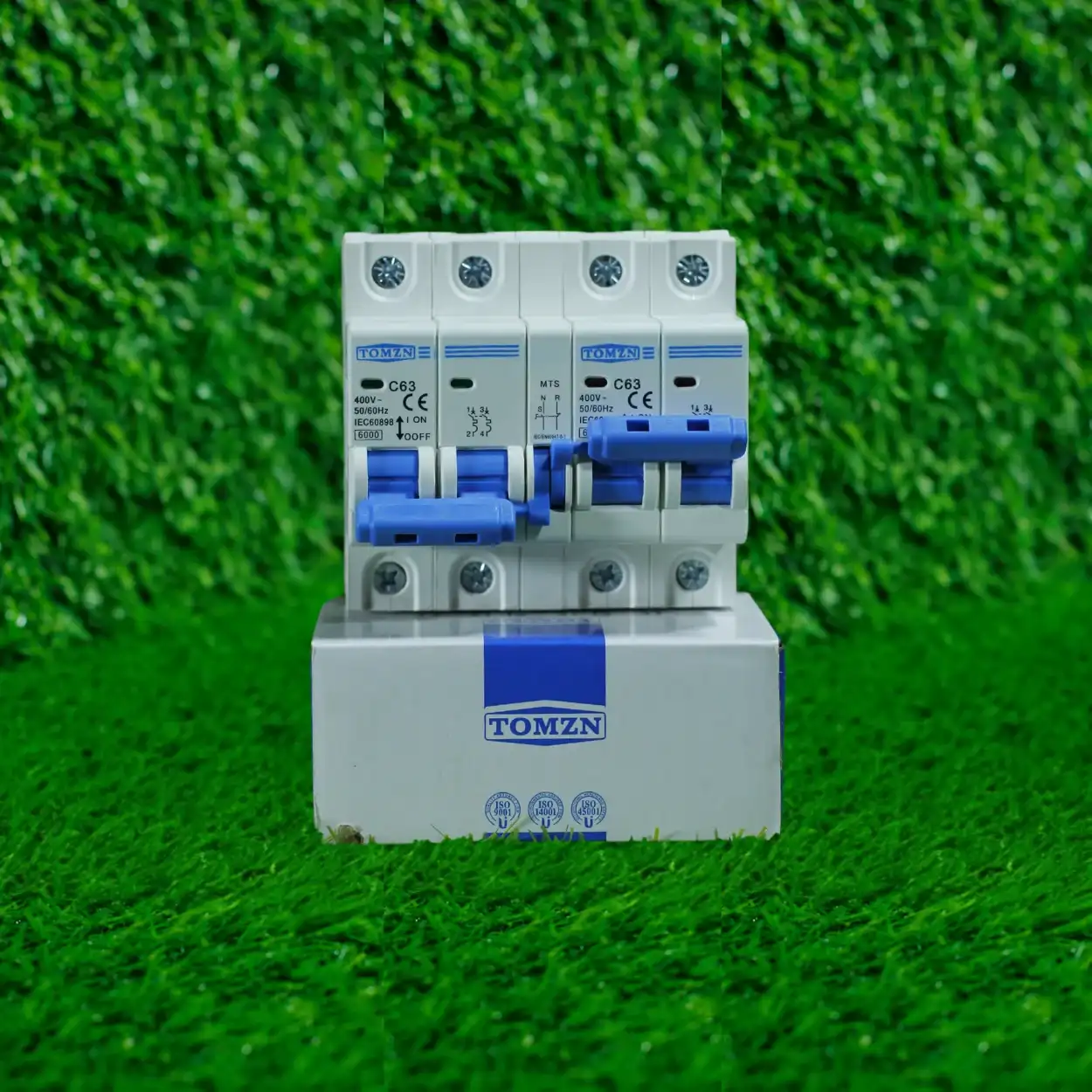
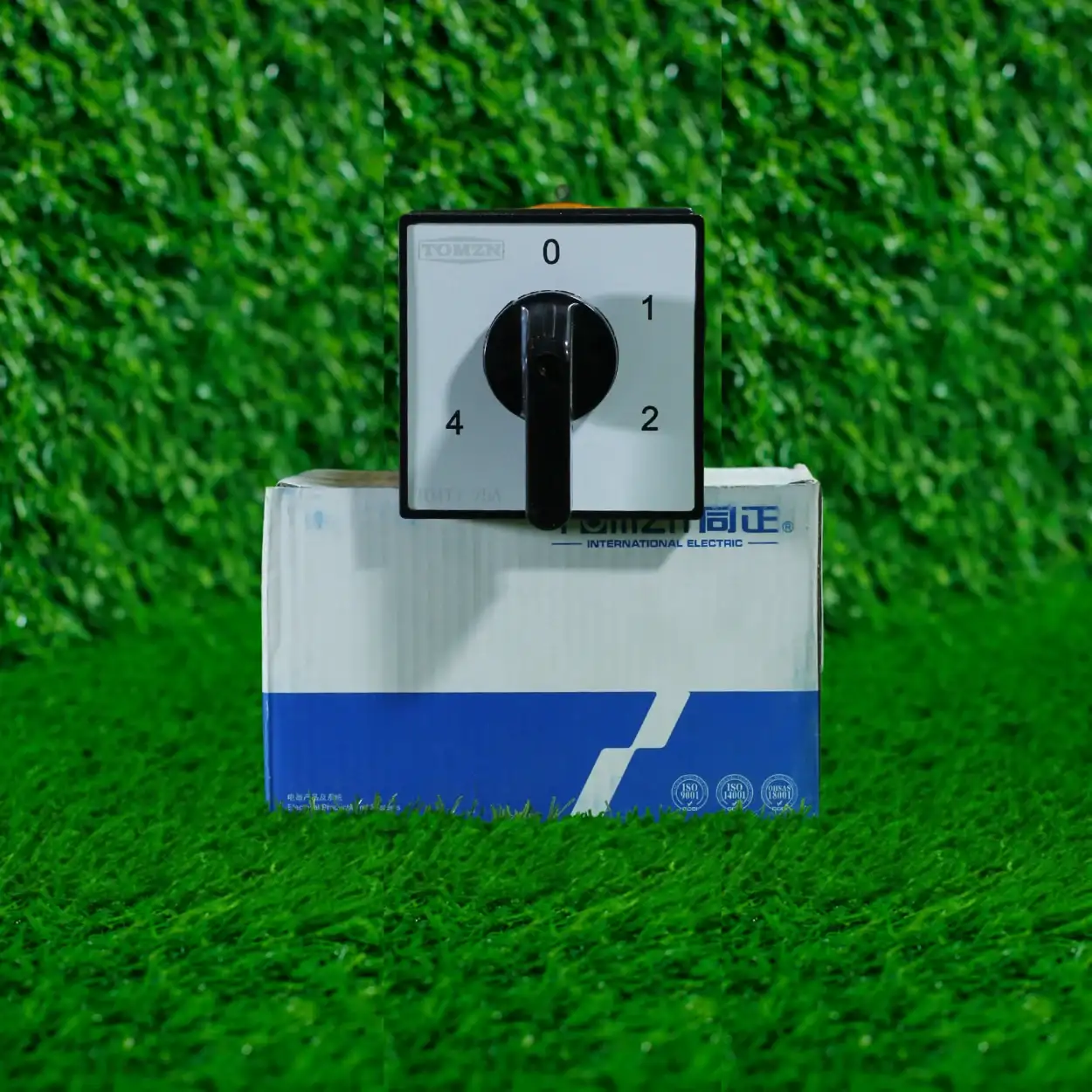
The Tomzn 2P 63A Manual Transfer Switch is another option for manually selecting between two suitable AC sources.
What is the simplest recommendation for most homes?
Use this quick decision table.
| Household situation | More suitable option |
|---|---|
| Frequent outages and automatic inverter backup | Automatic |
| Occasional generator use | Manual |
| Empty home during working hours | Automatic |
| Budget-focused installation | Manual |
| Elderly family members | Automatic |
| User wants complete switching control | Manual |
| Essential equipment must recover quickly | Automatic |
| Generator must be started by hand | Manual is often sufficient |
| Shop or office with untrained staff | Automatic |
| Backup source has limited capacity | Manual or load-managed automatic system |
Expert Advice: The transfer switch does not increase the capacity of your inverter or generator. If the backup source can supply 3kW, an ATS cannot safely make it run a 6kW household load.
How Do Automatic and Manual Transfer Switch Prices Compare?
Automatic switches generally cost more because they contain sensing, control, and motorised or electromechanical transfer components.
Manual switches use a simpler interlocked switching mechanism and are normally more affordable.
| Product type | Relative cost | What you are paying for |
|---|---|---|
| 2P manual switch | Lowest | Basic manual source selection |
| 2P+2P manual switch | Low to moderate | Interlocked switching between two inputs |
| 4P+4P manual switch | Moderate | Multi-pole manual transfer |
| 2P automatic switch | Higher | Automatic sensing and transfer |
| 4P automatic switch | Highest in this comparison | Automatic multi-pole switching |
Prices change with stock, brand, exchange rates, and promotions. Use the supplied product pages to check current prices rather than relying on an old article figure.
Which HN Electric transfer switches can you compare?
| Product | Operation | Configuration | Suitable starting point |
|---|---|---|---|
| Mora 2P 63A Automatic Transfer Switch | Automatic | 2P, 63A, 230V | Single-phase home or shop |
| Mora 2P 63A Manual Transfer Switch | Manual | 2P, 63A | Compact manual changeover |
| Mora 4P 63A Automatic Transfer Switch | Automatic | 4P, 63A | Multi-pole automatic transfer |
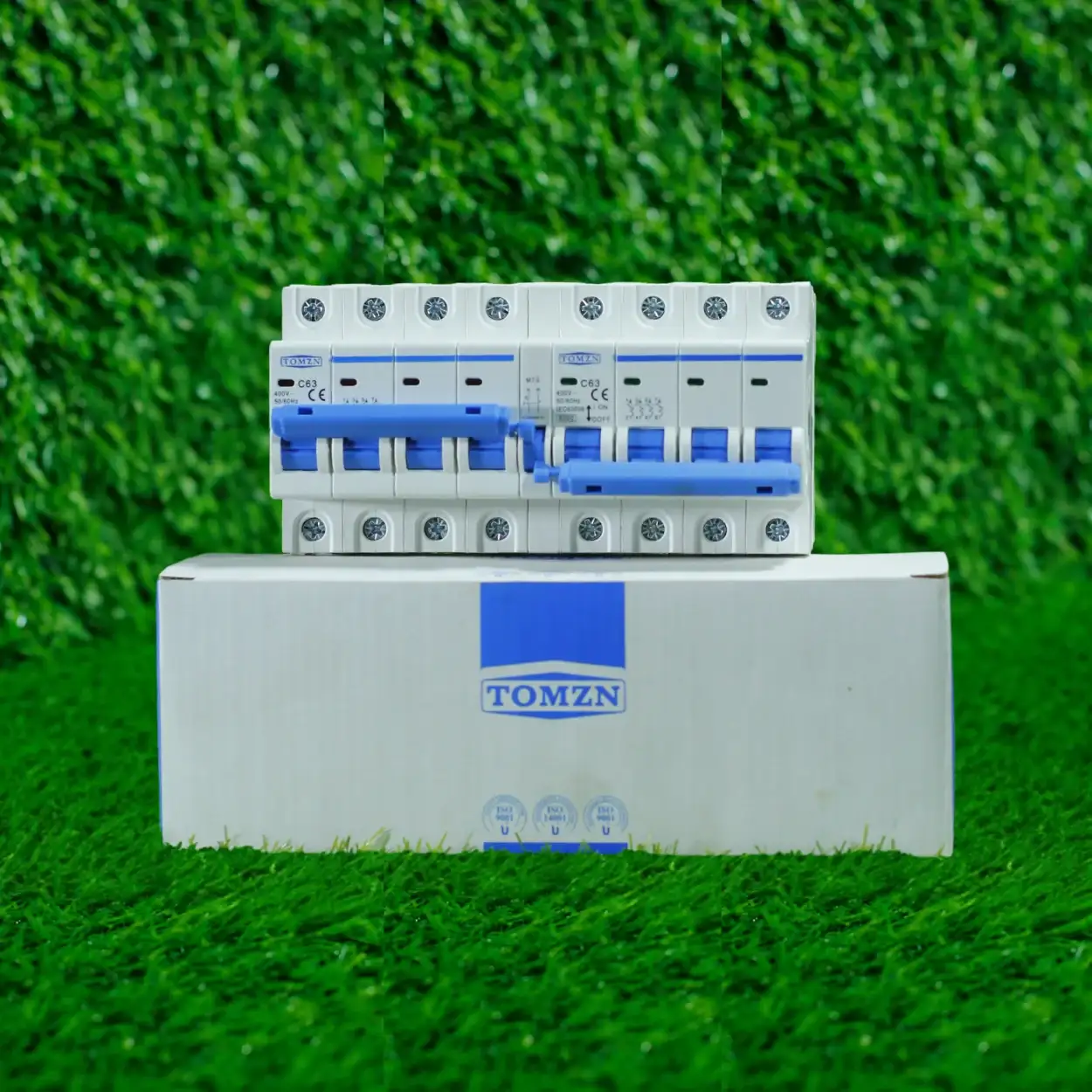
| Mora AC 4P+4P 63A Manual Transfer Switch | Manual | 4P+4P, 63A | Three-phase plus neutral changeover |
| Tomzn 2P 63A Manual Transfer Switch | Manual | 2P, 63A | Single-phase manual transfer |
| Tomzn 2P+2P 63A Manual Transfer Switch | Manual | 2P+2P, 63A | Interlocked single-phase sources |
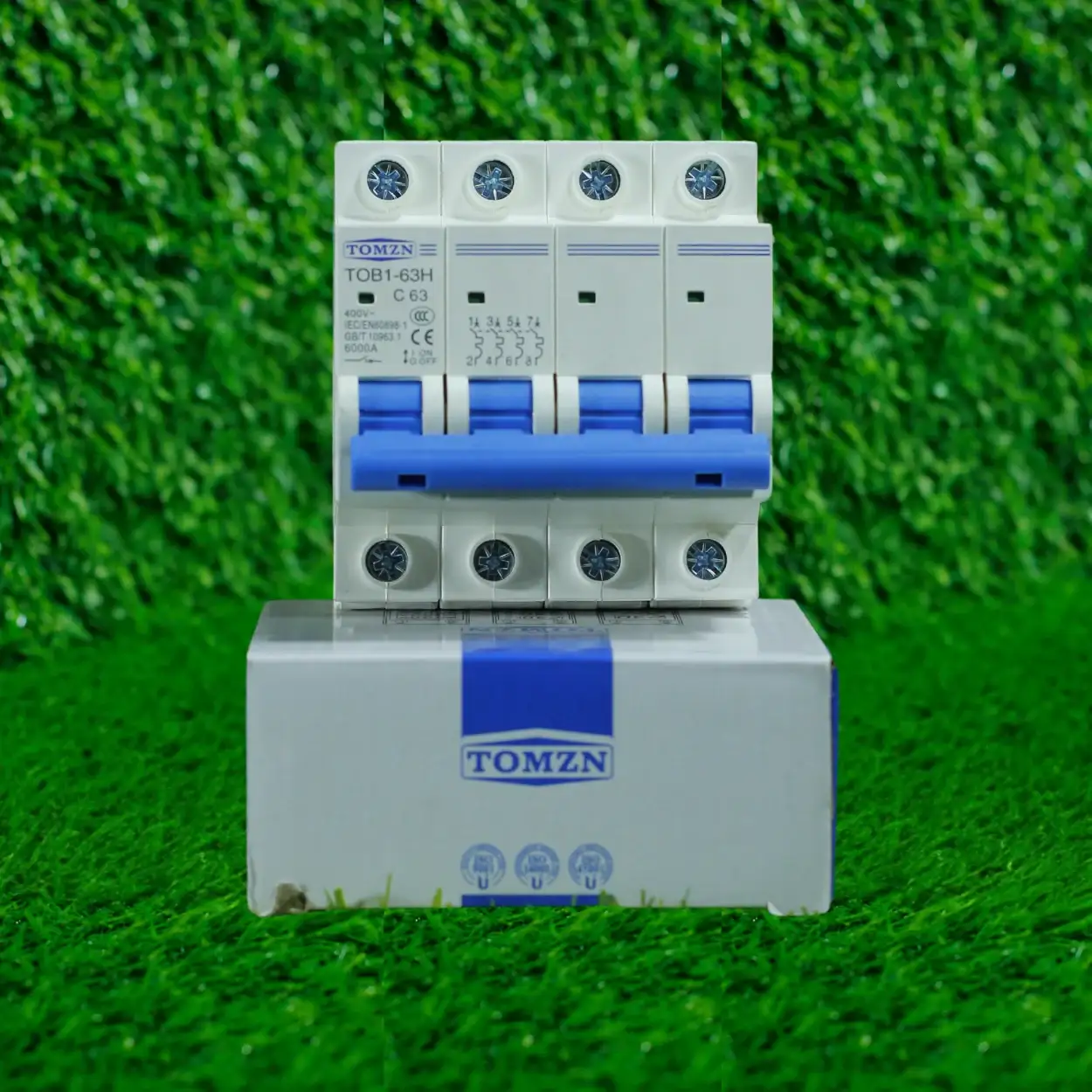
| Tomzn 4P+4P 63A Manual Transfer Switch | Manual | 4P+4P, 63A | Multi-pole manual transfer |
This table is a shopping shortlist—not an installation recommendation. Confirm the live product specifications and suitability with a qualified electrician.
What Do 2P, 2P+2P, 4P, and 4P+4P Mean?
The “P” represents poles: the number of conductors switched by the device.
The correct configuration depends on the supply, earthing arrangement, inverter design, generator, and whether the neutral must also be switched.
What is a 2P transfer switch?
A two-pole switch can switch two conductors together.
In many single-phase applications, this may mean switching:
- Live conductor
- Neutral conductor
The Mora 2P 63A Automatic Transfer Switch is specified for 230V dual-power applications.
A 2P label alone does not prove suitability. The electrician must confirm how both sources treat neutral and earth.
What is a 2P+2P manual transfer switch?
A 2P+2P device provides two paired source inputs with mechanical interlocking so that only one source is selected at a time.
The Tomzn 2P+2P 63A Manual Transfer Switch may be considered for single-phase dual-source applications where its ratings and switching arrangement match the design.
What is a 4P transfer switch?
A four-pole switch can switch four conductors together.
In a three-phase, four-wire system, these are commonly:
- Phase L1
- Phase L2
- Phase L3
- Neutral
However, a product listing that mentions 4P and 230V should be checked carefully against its wiring diagram and intended application.
Do not infer voltage or phase suitability solely from the number of poles.
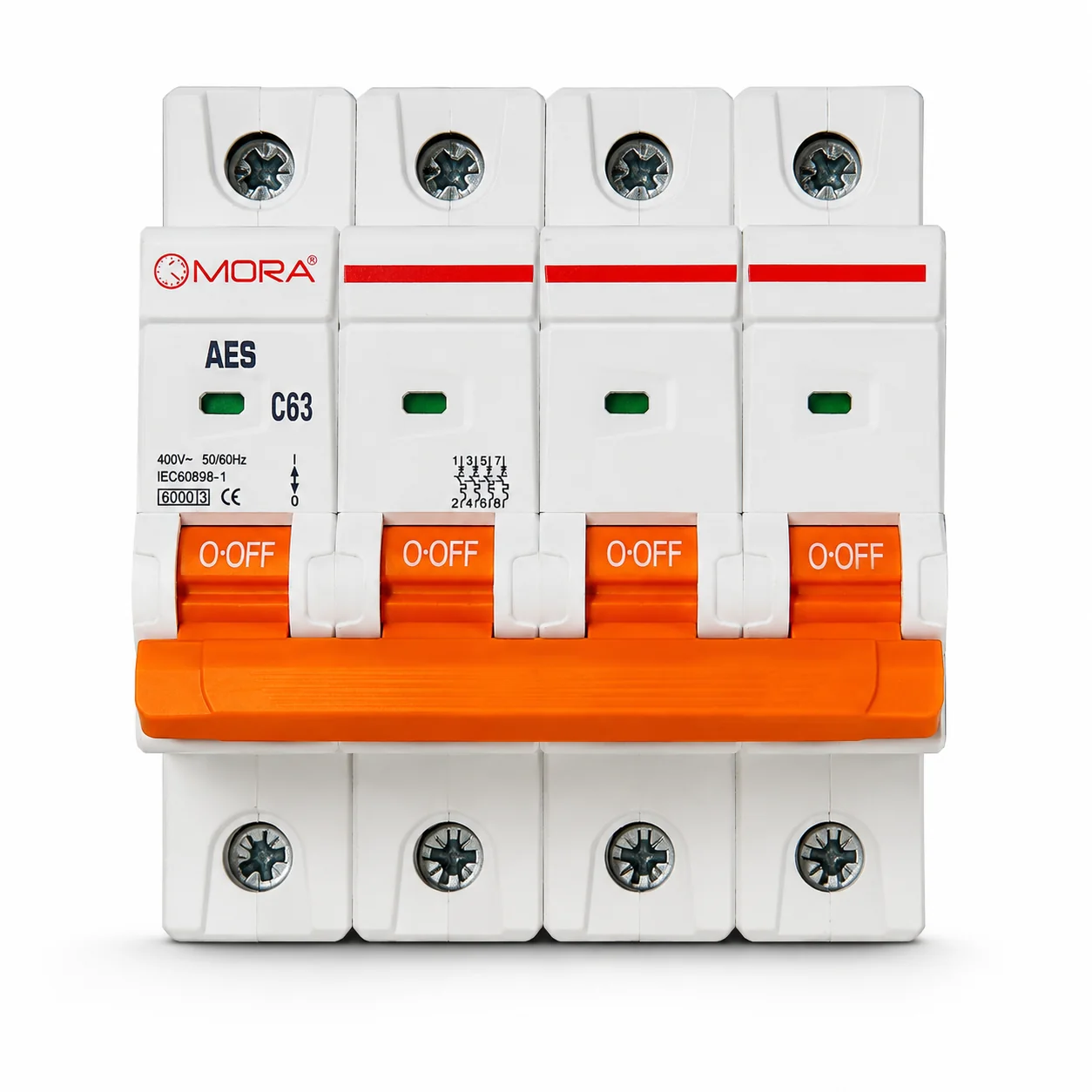
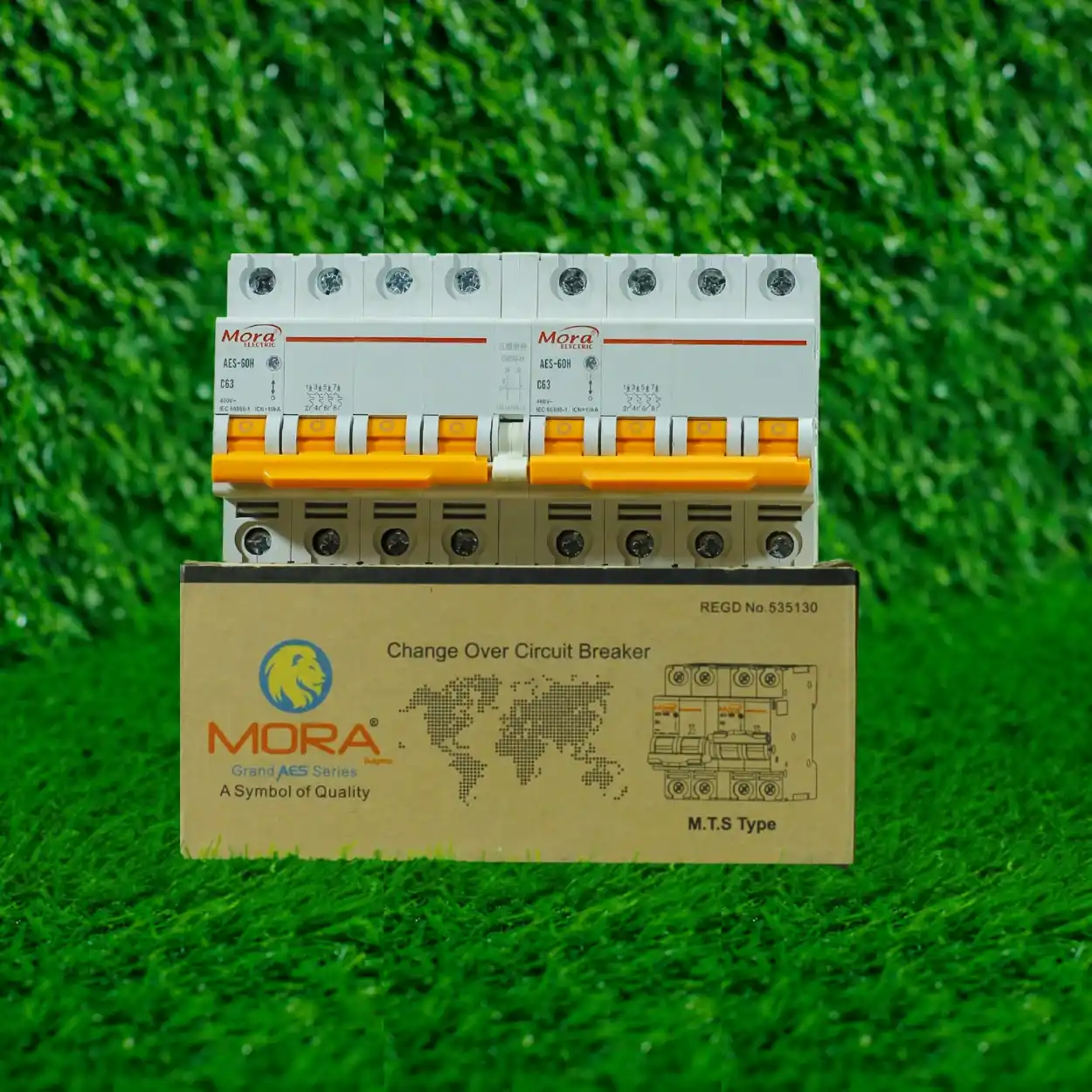
What is a 4P+4P manual transfer switch?
A 4P+4P unit provides two interlocked sets of four poles for manually choosing between multi-conductor sources.
Options include the:
These products may suit three-phase and neutral switching where the complete electrical design requires it.
Warning: Neutral switching is a design decision, not a DIY preference. Incorrect neutral-earth arrangements can cause shock risk, nuisance tripping, inverter faults, or ineffective protective devices.
How Do You Calculate the Correct Transfer Switch Current Rating?
Do not choose a 63A switch simply because 63A products are common.
Start with the maximum load current that will pass through the switch.
For a basic single-phase estimate:
Current = power ÷ voltage
A 5,000W load at 230V draws approximately:
5,000 ÷ 230 = 21.7A
This calculation is only a starting point.
The final selection should also account for:
- Continuous load
- Motor starting current
- Air-conditioner compressors
- Water pumps
- Power factor
- Inverter maximum output current
- Generator rated current
- Cable size
- Ambient temperature
- Enclosure temperature
- Manufacturer derating
- Future expansion
- Protective-device coordination
Does a 63A switch always carry 63A safely?
Not in every installation condition.
The marked rating must be interpreted with the manufacturer’s specified voltage, utilization category, frequency, enclosure, temperature, and load type.
A 63A switch should not be used to justify 63A wiring if the cable, terminals, breaker, source, or installation method supports less.
How much power does 63A represent?
At a nominal 230V single-phase supply:
230V × 63A = approximately 14.5kVA
That does not mean every 63A switch should operate a 14.5kW household load continuously.
Power factor, product specifications, heating, cable capacity, motor loads, enclosure conditions, and applicable safety margins still matter.
Common Mistake: Selecting the transfer switch from the inverter’s maximum advertised capacity while ignoring the actual output-current specification and cable size.
Which Transfer Switch Works with WAPDA and a Generator?
Both automatic and manual switches can be used between grid and generator sources when properly designed.
The better choice depends mainly on how the generator starts.
When is a manual switch better for a generator?
Choose manual transfer when:
- The generator has a manual start
- A person must add fuel or inspect it
- Loads need to be reduced before transfer
- Outages are infrequent
- Automatic restoration is unnecessary
- Budget matters more than speed
This arrangement lets the user start the generator, allow it to stabilise, and then transfer selected loads.
When is an ATS better for a generator?
An ATS makes more sense when the generator has:
- Electric starting
- Compatible auto-start terminals
- Adequate battery condition
- Correct control interface
- Suitable warm-up and cool-down timing
- Professional installation
A simple DIN-rail ATS may switch between two live sources, but it may not issue a start signal to a generator.
Confirm this function before purchasing.
Expert Advice: “Automatic transfer” and “automatic generator starting” are not the same feature. Ask whether the system both starts the generator and transfers the load.
Which Transfer Switch Works with a Solar Inverter?
The answer depends on the inverter.
Many hybrid inverters already contain internal transfer functions for grid, battery, PV, and backup outputs. An additional external ATS may be unnecessary or may conflict with the intended wiring design.
Check the inverter manual for:
- Grid input requirements
- Backup or EPS output
- Neutral-earth bonding
- External bypass arrangement
- Generator input
- Transfer-time specification
- Maximum bypass current
- Recommended external breakers
- Whether an external changeover is permitted
When is a manual bypass useful?
A manual transfer or bypass arrangement can allow selected loads to run from WAPDA while the inverter is isolated for maintenance.
It may also help when the inverter fails and the home needs a controlled temporary grid supply.
The bypass must be designed so that grid and inverter outputs cannot be connected together incorrectly.
When is an external ATS useful with solar?
An external ATS may be useful when:
- Two independent AC sources feed one load
- The inverter manufacturer permits the arrangement
- Automatic source priority is required
- The backup source remains continuously available
- The switch rating matches the maximum current
- Neutral treatment has been engineered correctly
Never place a transfer switch in the PV-panel DC circuit unless it is specifically designed and rated for that DC application.
Warning: The products discussed in this guide are AC transfer switches. Do not use them as substitutes for PV DC isolators or battery disconnects.
Does an Automatic Transfer Switch Provide Uninterrupted Power?
Usually not in the strict technical sense.
An ATS normally creates a brief interruption while one source disconnects and the other connects.
The interruption may be short enough for lights to recover quickly, but sensitive devices can still restart.
Equipment that must not lose power may require a UPS or inverter with a suitably fast internal transfer function.
| Equipment | Effect of a brief transfer interruption |
|---|---|
| LED light | May flicker |
| Fan | Usually slows briefly |
| Refrigerator | Compressor control may restart |
| Wi-Fi router | May reboot |
| Desktop computer | Can shut down without UPS support |
| CCTV recorder | May restart or lose recording time |
| Medical equipment | Requires specialist continuity planning |
Pro Tip: Use a UPS for routers, computers, security systems, and other sensitive electronics even when the property has an ATS.
Is a Manual Transfer Switch More Reliable?
A manual switch has fewer control components, so it is often easier to understand and troubleshoot.
That does not automatically make every manual product more reliable than every ATS.
Actual reliability depends on:
- Product quality
- Contact material
- Load rating
- Switching frequency
- Installation workmanship
- Terminal tightness
- Environmental conditions
- Mechanical interlock quality
- Maintenance
- Whether the switch is operated within its ratings
An ATS may provide years of reliable service when correctly specified and installed. A low-quality or overloaded manual switch can fail quickly.
Is an Automatic Transfer Switch Safer?
Automation alone does not determine safety.
An ATS can reduce the need for a user to operate electrical equipment during an outage. That is a meaningful advantage.
However, safety still depends on:
- Proper source interlocking
- Correct current and voltage rating
- Upstream short-circuit protection
- Suitable cable size
- Correct neutral arrangement
- Protective earthing
- Enclosure quality
- Terminal torque
- Clear labelling
- Installation testing
A professionally installed manual transfer switch is safer than a poorly selected or incorrectly wired ATS.
What Protection Should Be Installed with a Transfer Switch?
A transfer switch is primarily a source-selection device. It may not provide all the protection required by the circuit.
Depending on the design, additional equipment may include:
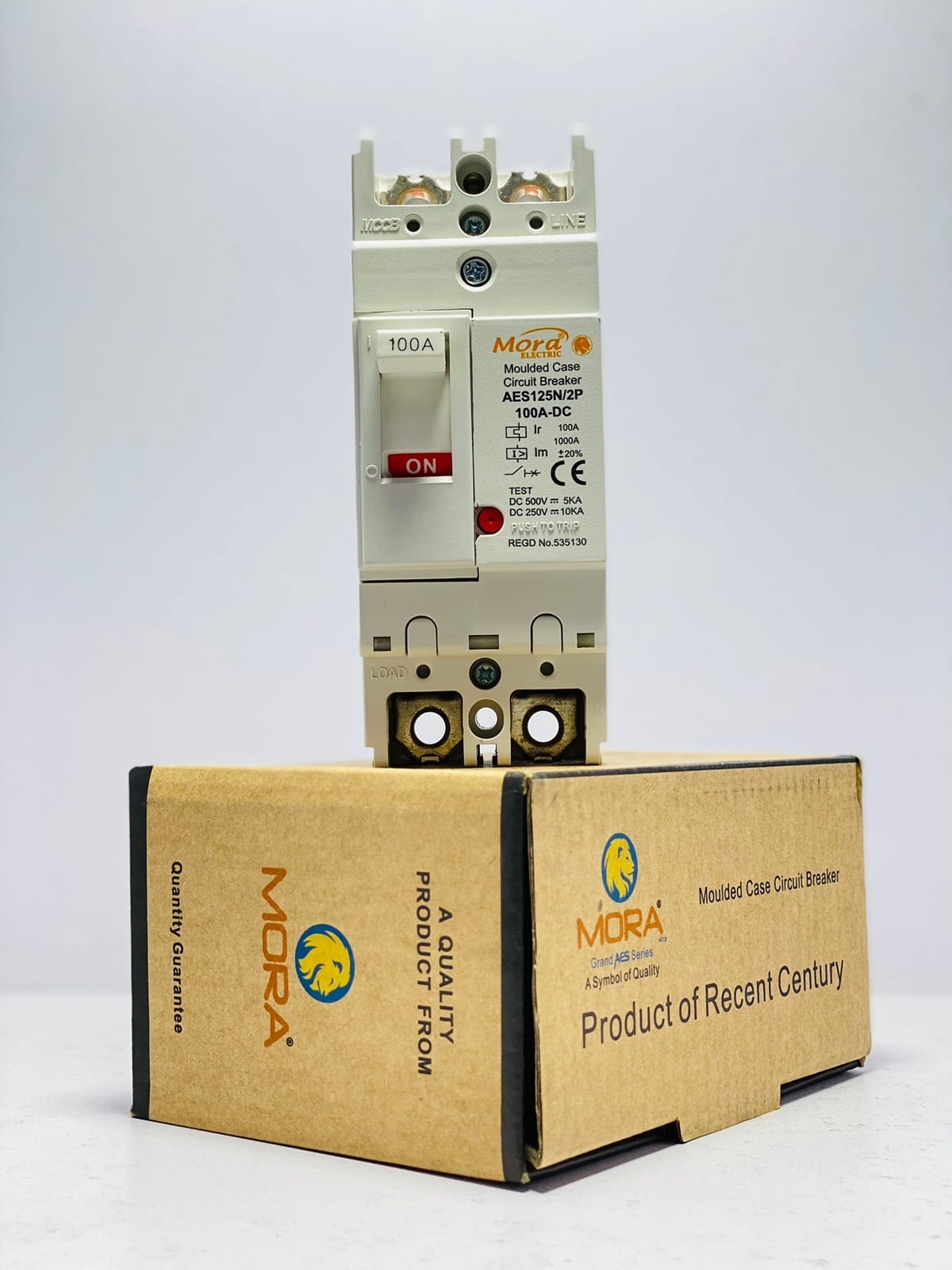
- MCB or MCCB
- Fuse protection
- RCCB or RCBO
- Over-voltage and under-voltage protection
- Surge protection device
- Generator breaker
- Inverter input and output breakers
- Correct neutral and earth bars
- Distribution enclosure
- Emergency isolation
- Source and warning labels
Is an MCB-type transfer switch also a circuit breaker?
Not necessarily.
Some transfer switches resemble miniature circuit breakers and may be described as MCB-type devices. Their appearance does not prove that they provide calibrated overload or short-circuit protection.
Check the manufacturer’s documentation.
Best Practice: Unless the product documentation clearly states otherwise, treat the transfer switch as a switching device and provide correctly coordinated circuit protection separately.
What Should You Check Before Buying a Transfer Switch?
Use this checklist before ordering.
Which source details should you confirm?
- WAPDA supply voltage
- Single-phase or three-phase system
- Generator voltage and rated current
- Inverter maximum AC output current
- Whether the generator supports auto-start
- Whether the inverter permits an external ATS
- Neutral and earthing arrangement
- Maximum connected load
- Motor and compressor loads
- Required transfer speed
- Indoor or outdoor installation
- Available distribution-board space
Which product details should you confirm?
- Automatic or manual operation
- Number of poles
- Rated voltage
- Rated current
- Frequency
- Short-circuit coordination
- Switching category
- Mechanical interlock
- DIN-rail or panel mounting
- Auto/manual override, if required
- Transfer and return behaviour
- Source-priority logic
- Generator-start capability, if required
- Manufacturer warranty
- Wiring diagram
Which Transfer Switch Installation Mistakes Should You Avoid?
Why is back-feeding dangerous?
Back-feeding occurs when a generator or inverter sends power into wiring that should be isolated.
It can:
- Energise utility lines
- Endanger electrical workers
- Damage equipment
- Connect incompatible sources
- Create fire and shock hazards
A correctly designed transfer switch prevents unsafe parallel connection.
Why should two independent breakers not be used as a changeover?
Without a certified mechanical interlock, both breakers may be switched on together.
That can connect WAPDA and backup supplies to each other.
Use a purpose-designed transfer switch or properly engineered interlocked arrangement.
Why is placing the switch after undersized wiring unsafe?
The cable must safely carry the expected load and coordinate with its protective device.
A 63A transfer switch does not upgrade an existing 20A or 32A cable.
Why is switching under heavy load a concern?
Manual switching under high load can increase contact wear and arcing.
Where practical and consistent with the operating procedure, reduce non-essential loads before transferring manually.
Never open the enclosure or touch internal wiring.
Why is an incorrectly shared neutral risky?
Incorrectly combining neutrals from different sources can affect:
- RCCB operation
- Inverter protection
- Generator bonding
- Shock protection
- Fault-current paths
Neutral switching should be determined by the complete earthing and supply arrangement.
Why must both sources be labelled?
A disconnected WAPDA supply does not prove the output is dead. The inverter or generator may still energise the circuit.
Labels should clearly identify:
- Source 1
- Source 2
- Load output
- Normal operating position
- Multiple-source warning
- Isolation procedure
How Should a Transfer Switch Be Maintained?
Arrange periodic inspection by a qualified electrician.
The inspection may include:
- Checking for heat discolouration
- Inspecting terminal tightness
- Examining cable insulation
- Testing automatic transfer operation
- Testing manual operation
- Confirming mechanical interlocking
- Verifying source priority
- Checking generator-start control
- Inspecting enclosure seals
- Performing thermal scanning under load
- Confirming labels remain readable
Automatic systems should be tested under controlled conditions. Discovering that the ATS does not operate during a real outage is too late.
Pro Tip: Keep a simple maintenance record showing the inspection date, test result, measured current, and any corrective work.
What Are the Pros and Cons of Automatic and Manual Transfer Switches?
What are the automatic transfer switch pros and cons?
| Pros | Cons |
|---|---|
| Transfers without user action | Higher initial cost |
| Suitable for unattended properties | More complex controls |
| Faster response to outages | Requires correct sensing |
| Useful for essential loads | May still cause a brief interruption |
| Can return to the preferred source | More specialised troubleshooting |
| Convenient for frequent outages | Generator start may require separate controls |
What are the manual transfer switch pros and cons?
| Pros | Cons |
|---|---|
| Lower purchase cost | Requires a person to operate it |
| Simple and understandable | Longer power interruption |
| Direct source control | Unsuitable for unattended properties |
| Fewer electronic components | User may forget to transfer back |
| Easy to troubleshoot | Incorrect operation can overload backup |
| Suitable for manual-start generators | Less convenient during frequent outages |
What Is the Final Verdict for Pakistani Homes?
Choose an automatic transfer switch if you value convenience, experience frequent outages, have a continuously available backup source, or need the property to change supply when nobody is present.
Choose a manual transfer switch if you want a simpler and more economical solution, use a manually started generator, or prefer to decide exactly when the backup source carries the load.
For many Pakistani homes:
- ATS is the convenience-focused choice
- Manual transfer is the value-focused choice
The correct pole count, voltage, current rating, neutral arrangement, and protective devices remain more important than whether the switch is automatic or manual.
Frequently Asked Questions About Automatic vs Manual Transfer Switches
What is the difference between an automatic and manual transfer switch?
An automatic switch changes sources after detecting supply conditions. A manual switch requires a person to select the source.
Is an automatic transfer switch worth it for a home?
It can be worthwhile if outages are frequent, backup power is always available, or nobody is present to operate a manual switch.
Can an ATS work with a solar inverter?
Yes, in some systems. The inverter manual must permit the arrangement, and the ATS must match its voltage, current, neutral configuration, and output design.
Can an ATS automatically start a generator?
Only if the ATS and generator support compatible start-control functions. A basic dual-power ATS may transfer sources without starting the generator.
Does an ATS prevent my appliances from switching off?
Not always. Most transfer switches create a short interruption. Sensitive electronics may still require a UPS.
Is a manual transfer switch safe?
Yes, when it is correctly rated, properly interlocked, enclosed, protected, and installed by a qualified electrician.
Is a 63A transfer switch suitable for a 5kW inverter?
It may have sufficient current capacity, but suitability also depends on voltage, pole configuration, cable size, switching category, fault protection, and manufacturer instructions.
Should I use a 2P or 4P transfer switch?
A 2P device is commonly considered for single-phase circuits. A 4P device may be used where four conductors require switching. The neutral and earthing design must be checked professionally.
Can a transfer switch replace a circuit breaker?
Not automatically. A transfer switch selects sources. Separate overload and short-circuit protection may still be required.
Can I install a transfer switch myself?
No. Incorrect wiring can connect two sources, energise supposedly isolated conductors, or create a serious shock and fire risk.
Which is cheaper: an automatic or manual transfer switch?
Manual transfer switches are generally cheaper because their operating mechanism is simpler. Automatic models include source sensing and transfer controls.
Where can I buy a transfer switch in Pakistan?
HN Electric supplies automatic and manual transfer-switch options from brands including Mora and Tomzn, with delivery availability across Pakistan.
Which Supporting Images Should Be Added?
| Purpose | AI prompt | Filename | Alt text | Placement | Caption |
|---|---|---|---|---|---|
| Show the core difference | Split-screen product comparison showing an ATS operating automatically and a hand safely moving an external manual switch handle, no exposed wiring | automatic-vs-manual-transfer-switch.jpg | Automatic vs Manual Transfer Switch comparison | After the introduction | An ATS changes sources automatically; a manual switch waits for the user. |
| Explain source flow | Clean technical diagram showing WAPDA and generator inputs, interlocked transfer switch, and home load output | transfer-switch-wiring-concept.jpg | WAPDA and generator transfer-switch diagram | After “What does a transfer switch do?” | A transfer switch allows one intended source to feed the load. |
| Explain ATS operation | Six-step infographic showing main supply, failure detection, disconnection, backup verification, transfer, and return | how-automatic-transfer-switch-works.jpg | How an automatic transfer switch works | After the ATS sequence | The typical operating sequence of an automatic transfer switch. |
| Explain pole count | Electrical infographic comparing 2P, 2P+2P, 4P, and 4P+4P transfer switches | transfer-switch-pole-comparison.jpg | 2P and 4P transfer switch comparison | In the pole section | Pole count must match the conductors that require switching. |
| Compare home scenarios | Pakistani home with WAPDA, rooftop solar inverter, and generator connected through a protected changeover arrangement | home-backup-transfer-switch-pakistan.jpg | Home backup transfer switch in Pakistan | Before the system recommendations | Transfer design depends on the available power sources. |
| Warn against back-feed | Safety diagram contrasting a properly interlocked switch with two unsafe non-interlocked breakers | transfer-switch-backfeed-warning.jpg | Transfer-switch back-feed safety warning | In the mistakes section | Proper interlocking prevents sources from being connected together. |
| Explain load calculation | Technical calculator graphic showing 5,000W divided by 230V equals 21.7A | transfer-switch-current-calculation.jpg | Transfer switch current calculation example | Beside the current formula | Calculate current before selecting the switch rating. |
| Show professional installation | Qualified electrician testing a labelled ATS inside a neat distribution board using a clamp meter | transfer-switch-testing-pakistan.jpg | Electrician testing an automatic transfer switch | Maintenance section | Professional testing confirms safe transfer operation. |
Which Schema Markup Should Be Added?
How should Article Schema be used?
Include:
- Headline
- Meta description
- Featured image
- Author
- Publisher
- Publication date
- Modified date
- Canonical URL
- Main entity
How should FAQ Schema be used?
Add FAQPage Schema for the visible questions and answers in this article.
The schema content must match what users can read on the page.
How should Breadcrumb Schema be used?
Recommended path:
Home → Solar Accessories → Automatic vs Manual Transfer Switch
How should Organization Schema be used?
Identify HN Electric with verified:
- Business name
- Website
- Logo
- Contact details
- Social profiles
When should LocalBusiness Schema be used?
Use it only with a genuine business address and accurate contact details.
Include the verified location, opening hours, telephone number, service area, and map information.
Where Should Internal Links Be Added?
| Recommended anchor text | Internal destination |
|---|---|
| Mora 2P 63A Automatic Transfer Switch | View product |
| Mora 2P 63A Manual Transfer Switch | View product |
| Mora 4P 63A Automatic Transfer Switch | View product |
| Mora AC 4P+4P Manual Transfer Switch | View product |
| Tomzn 2P 63A Manual Transfer Switch | View product |
| Tomzn 2P+2P 63A Manual Transfer Switch | View product |
| Tomzn 4P+4P 63A Manual Transfer Switch | View product |
Recommended service-page links:
- Solar Solutions
- Control Panel Solutions
- Electrical Services
- Industrial and Power Services
- Contact HN Electric
Recommended related blog links:
- How to Choose the Correct Transfer Switch Rating
- 2-Pole vs 4-Pole Changeover Switch
- How an Automatic Transfer Switch Works
- Generator Changeover Switch Safety Guide
- Solar Inverter Bypass Wiring Explained
- Common Distribution Board Wiring Mistakes
- MCB vs Isolator vs Transfer Switch
- Home Backup Power Guide for Pakistan
Which External Reference Should Be Used?
If an external technical reference is necessary, use only the official International Electrotechnical Commission standards catalogue.
Relevant standards may include IEC 60947-6-1 for transfer switching equipment and IEC 60364 for low-voltage electrical installations.
Keep detailed external references in a short technical-reference note rather than inserting multiple outbound links throughout the article.
Conclusion
The Automatic vs Manual Transfer Switch decision is ultimately a choice between convenience and simplicity.
An automatic transfer switch is better when fast, unattended source transfer matters. A manual transfer switch is better when you want an affordable, straightforward solution and someone is available to operate it.
Whichever option you choose, confirm the current, voltage, pole configuration, source compatibility, neutral treatment, interlocking, cable capacity, and required protective devices.
The best transfer switch is not simply the one with the highest ampere rating. It is the one that matches your electrical system and is installed correctly.
Find the Right Transfer Switch at HN Electric
HN Electric offers automatic and manual transfer switches for home, solar, generator, shop, office, and commercial applications across Pakistan.
Compare the Mora 2P 63A Automatic Transfer Switch with the affordable Mora 2P 63A Manual Transfer Switch.
For multi-pole applications, review the Mora 4P Automatic Transfer Switch and available 4P+4P manual changeover switch options.
Before ordering, share these details with the HN Electric team:
- Main and backup source
- Single-phase or three-phase supply
- Maximum connected load
- Inverter or generator model
- Required automatic or manual operation
- Existing cable and breaker ratings
Choose a transfer switch that matches your system—not merely one that fits inside the distribution board.
Author Bio
The HN Electric Technical Team provides practical guidance on electrical protection, solar accessories, transfer switches, distribution equipment, and safer product selection for customers across Pakistan.
Final product selection, wiring, and commissioning should be completed by a qualified electrical professional using the actual site and equipment specifications.