Earthing for Solar System Pakistan: AC/DC Pits, Under 5 Ohm Target & Net Metering Checklist


Short answer: earthing for a solar system in Pakistan means two separate earth electrodes — one for DC equipment (panel frames, rails, DCDB) and one for AC system (inverter PE, ACDB, SPD earth) — interconnected at the top, with a total earth resistance not exceeding 5 ohms. Without that tested path, SPDs cannot dump surge current, metal parts can stay live on a fault, and many LESCO / MEPCO / FESCO / IESCO / K-Electric net-metering inspections will fail.
This guide shows you the AC vs DC layout, compares rod / plate / chemical pits for Pakistani soil, walks a worked example for a typical 5–10 kW house, explains why SPDs are useless without earth, and gives a net-metering inspection checklist. No prices — just the method that keeps people and inverters safe.

Why Earthing for a Solar System Matters in Pakistan
A rooftop PV array sits on metal rails. The inverter chassis is metal. The DC and AC distribution boxes are metal. If a live conductor touches any of that metal and there is no low-resistance path to earth, the frame stays live. Someone touching a panel edge, a rail, or the inverter body can get a shock. On the surge side, a lightning-induced spike or a switching surge from WAPDA / DISCO feeders needs a path into the ground; that is what an SPD (surge protection device) is for — but only if its PE terminal is bonded to a real earth electrode.
Pakistan adds three practical pressures:
- Net metering / green meter inspection. NEPRA and AEDB-style guidance for distributed generation asks for a minimum of two separate dedicated and interconnected earth electrodes (DC equipment earth + AC system earth) with total resistance not exceeding 5 ohms, plus surge protection on both sides.
- Dry and sandy soil. Large parts of Punjab and Sindh dry out after winter. An earth pit that read 2 Ω in March can climb past 20 Ω by June if the backfill was poor or the pit was never kept moist.
- Load-shedding and voltage swings. When the grid comes back after a long outage, switching surges hit inverters and AC boards. A bonded SPD + earth combination is the cheap insurance; a dead earth is not.
If you are still planning the rest of the protection chain, read our guides on DC breaker size for a 10 kW solar system and DC isolator vs DC breaker — earthing sits beside those parts, not instead of them.
AC Earth vs DC Earth: The Layout That Passes Inspection

Competitor service pages often say “we do AC and DC earthing” and stop. Here is what that actually means on a house roof:
| Item | DC / equipment earth | AC / system earth |
|---|---|---|
| What it bonds | PV module frames, mounting rails, metal DCDB / combiner | Inverter PE / chassis, ACDB metal, AC SPD PE, often house main earth |
| Typical electrode | Dedicated pit near structure down-conductor | Dedicated pit near inverter / main DB |
| Spacing | Keep pits a few metres apart (about 3 m or more is common practice); interconnect them with a copper link at the inspection chambers | |
| Conductor | Bare copper or green-yellow insulated Cu of adequate cross-section; no aluminium “earth wire” hacks | |
| Lightning LPS | If you add a lightning air terminal, it usually needs its own earth path — do not share the thin equipment earth for that job | |
K-Electric and several other DISCOs expect the AC and DC sides to be separately earthed and then interconnected. Mixing everything onto one thin GI wire into a damp corner of the courtyard is the usual reason a surveyor fails the site on the first visit.
External reference worth keeping: the AEDB / NEPRA distributed-generation guidance and inspection checklists (for example the AEDB electrical/DG inspection form) explicitly tick AC grounded, DC grounded, and lightning arrestor with separating grounding.
Earth Pit Methods Compared for Pakistani Soil

| Method | Best for | Typical depth | Watch-outs |
|---|---|---|---|
| Driven rod / pipe | Small homes, soft moist soil | ≥ about 3 m | May need a second rod in dry seasons |
| Plate electrode | Sites with dig space and moist ground | ~1.5–3 m pit | Slower to dig; plate must stay in contact with soil |
| Chemical / bore earthing | Dry, sandy or rocky soil (common in Punjab summers) | Deep bore + conductive compound | Costs more up front; holds Ω more stably if maintained |
| GI rod | Tight budget | Same as Cu-bonded | Rusts; resistance drifts up over years |
| Copper-bonded rod | Long life | Same | Preferred where you can; keep the copper coating intact |
There is no magic “one pit fits all Pakistan” recipe. The only number that matters on your site is the tested earth resistance with a proper earth tester (fall-of-potential or clamp method as your electrician uses) — not a pocket multimeter between a pipe and a random nail.
Step-by-Step: How to Earth a Home Solar System

- Check soil and space. If the courtyard is dry sand or filled rubble, plan chemical compound or dual rods from day one. Leave room for two inspection chambers that stay accessible — never pave permanently over them.
- Dig two pits. One for DC equipment earth near the structure down-conductor, one for AC system earth near the inverter / main board. Keep them apart, then plan a copper link between the chambers.
- Install the electrodes. Drive or bury the rod / plate / chemical electrode, backfill correctly, and keep the pit moist during commissioning. Fit a chamber cover so you can re-test later.
- Bond everything that is metal. Use copper jumpers and proper lugs or approved clips on every panel frame and rail section — do not rely on painted bolt contact alone. Bond DCDB and ACDB metal, inverter PE, and any metal trunking.
- Fit SPDs and land their PE short and fat. Put a DC SPD in the solar DC distribution box next to the inverter input, and an AC SPD in the ACDB. The PE lead from each SPD to the earth bar must be short and of adequate copper size; a long thin wire turns the SPD into decoration.
- Test and record. Measure total earth resistance. Aim for ≤ 5 Ω for the interconnected system used in net-metering guidance. Write the reading, date and instrument on a slip and keep it with your single-line diagram.
Worked example: 5–10 kW house in Lahore / Faisalabad
Take a common on-grid or hybrid setup: about 10–18 panels on a flat roof, one string inverter on the wall below, a small DCDB and ACDB beside it, LESCO or FESCO three-phase or single-phase service, and a net-metering application in progress. (Use your own kW and DISCO; the method is the same.)
- Pits: two copper-bonded or chemical electrodes, roughly 3–5 m apart — one near the roof down-conductor, one near the inverter wall.
- Bonding: green-yellow or bare Cu from rails → DC pit; inverter PE + ACDB earth bar → AC pit; short Cu link between both chambers.
- Protection in the boxes: a DC SPD such as a MORA 2P DC 40kA 1000V SPD or a Schneider DC 1000V SPD in the DCDB, plus an AC SPD (for example a 4-pole 40kA AC SPD) in the AC board. Pair with a proper 1000V DC breaker and isolator so you can isolate before work.
- Test: if the first reading is 8–12 Ω on dry ground, add a second rod on the high side, improve compound / moisture, and re-test. Do not “pass” the job on a verbal “earth theek hai”.
- Paperwork: keep the earth test slip ready for the DISCO surveyor alongside the SLD, inverter datasheet and anti-islanding confirmation.

SPD Needs Earth — Or It Does Almost Nothing
An SPD diverts surge current to earth. If the earth path is 40 Ω of rusty GI wire, the surge voltage at the inverter terminals stays high and the MOV / GDT inside the SPD may sacrifice itself without saving the inverter. That is why earthing and SPD selection belong in the same conversation as our solar protection devices in Pakistan overview and the SPD buying notes.
Practical rules we follow on site:
- DC SPD as close as practical to the inverter DC terminals, inside or next to the DCDB.
- AC SPD in the ACDB feeding the inverter / house board.
- PE conductor from SPD to earth bar: short, copper, no coils of spare wire.
- Replace cartridges when the indicator window shows end-of-life after a big monsoon surge.
Net Metering Earthing Checklist (LESCO, MEPCO, FESCO, IESCO, K-Electric)
Use this before you call the surveyor. It mirrors what AEDB-style inspection forms and DISCO technical feasibility visits usually look for. Full process context is in our solar net metering in Pakistan guide.
- ☐ Two separate earth electrodes installed (DC equipment + AC system).
- ☐ Both interconnected with a visible copper link at the chambers.
- ☐ Total earth resistance tested ≤ 5 Ω and written on a dated slip.
- ☐ All PV frames and rails bonded; no floating metal sections.
- ☐ Inverter PE / chassis bonded to AC earth.
- ☐ DC SPD fitted and PE landed; AC SPD fitted and PE landed.
- ☐ Lightning arrangement (if required for height / exposure) on its own earth path.
- ☐ Lockable AC disconnect accessible; anti-islanding inverter confirmed.
- ☐ Single-line diagram matches what is on the wall.
- ☐ Earth pits left accessible (not buried under tiles with no cover).
Roman Urdu tip for the owner on site: Do alag earth pit rakho — ek DC, ek AC — dono ko copper se join karo, aur earth tester se reading likh ke rakho. Bina reading ke surveyor “theek hai” nahi maanta.
Safety Notes
- Never open a live DCDB or work on panel strings without isolating DC and AC and verifying zero energy. DC arcs do not self-extinguish like small AC arcs.
- Do not use random water-pipe “earthing” as your only electrode. Pipes get replaced with PVC; your safety path disappears.
- After monsoon and again before peak summer, re-test earth resistance. Dry-out is the silent failure mode in Pakistani courtyards.
- If someone reports a tingle on a rail or inverter body, treat it as a live fault until proven otherwise — shut down, isolate, call a qualified electrician.
FAQ: Earthing for Solar System Pakistan
Is earthing mandatory for solar net metering in Pakistan?
Yes in practice. Net-metering technical checks look for proper AC and DC grounding, surge protection and a safe interconnection. Systems without tested earthing are routinely told to rectify before approval.
What earth resistance value should I target?
Guidance used across Pakistani DG / net-metering material commonly targets a total earth resistance not exceeding 5 ohms for the dedicated solar electrodes. Sensitive sites sometimes aim lower, but 5 Ω is the figure most surveyors quote for homes.
Can AC and DC share one earth pit?
Best practice — and what many DISCO surveys expect — is two separate dedicated electrodes that are then interconnected. One shared thin wire into a single pit is a common fail point.
Does a chemical earth pit stay below 5 Ω forever?
No. Compound and moisture help, but resistance can drift as soil dries. Re-test after dry summers and after any civil work near the pit.
Will an SPD work without proper earthing?
Poorly. The SPD needs a low-impedance path to dump surge energy. Fix the earth first, then fit quality DC and AC SPDs in the distribution boxes.
What to Order Next (No Prices Here)
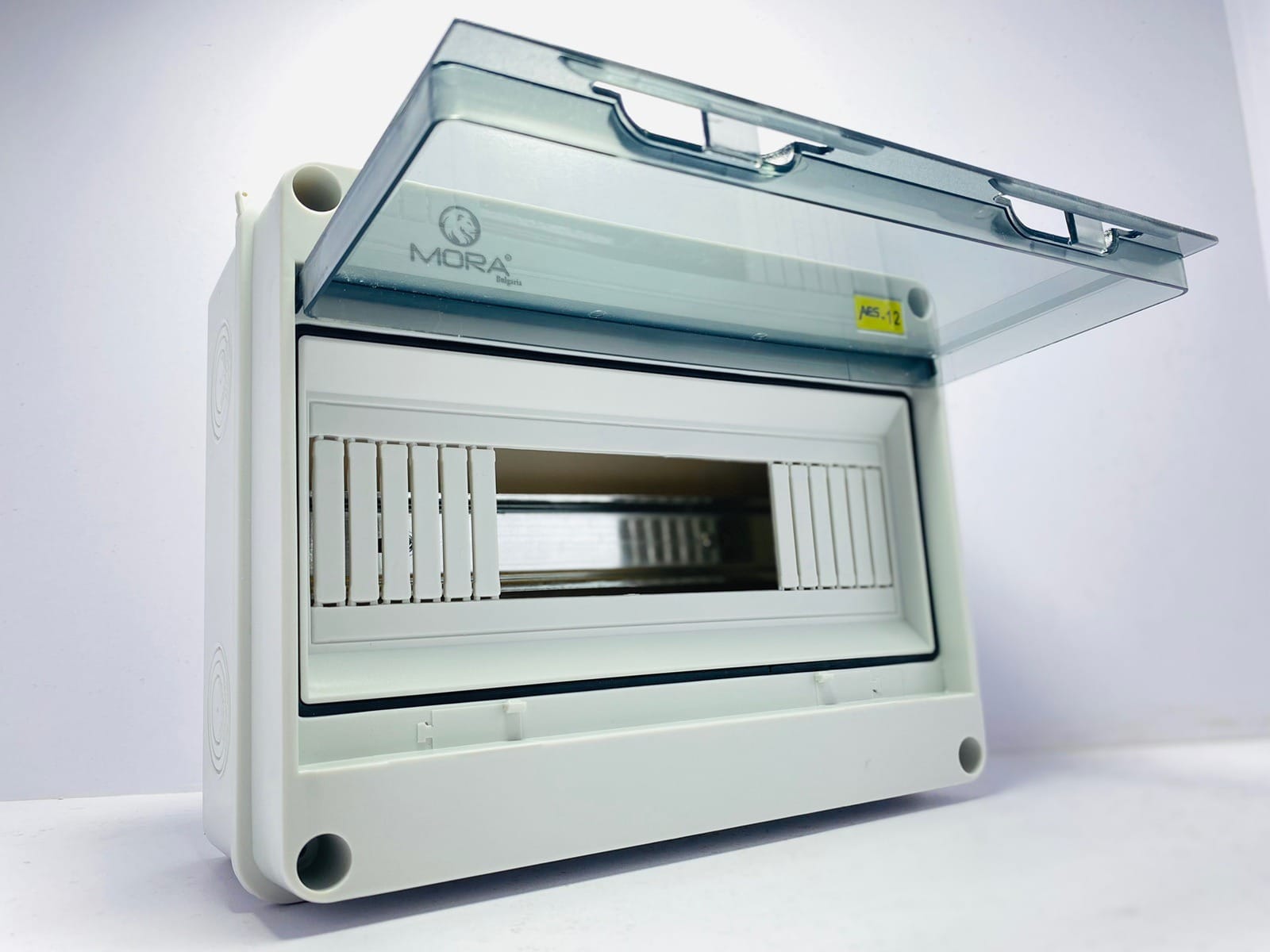
Browse our SPD category, distribution boxes and solar products for the parts that sit on a correctly earthed system. For a ready DCDB shell, see the MORA waterproof solar DB.
Need help matching breakers, isolators and SPDs to your kW size? WhatsApp HN Electric on 0329 1654950 with your inverter model, panel count and a photo of the existing DB. We will point you to the right protection set — earthing layout pehle, phir devices.
Earthing belongs with the rest of a safe PV and backup setup. Browse solar inverters and lithium batteries, and keep AC and DC earths within the limits in this guide.
