











Copper Changeover Breakers for Heavy Loads: Why They Matter

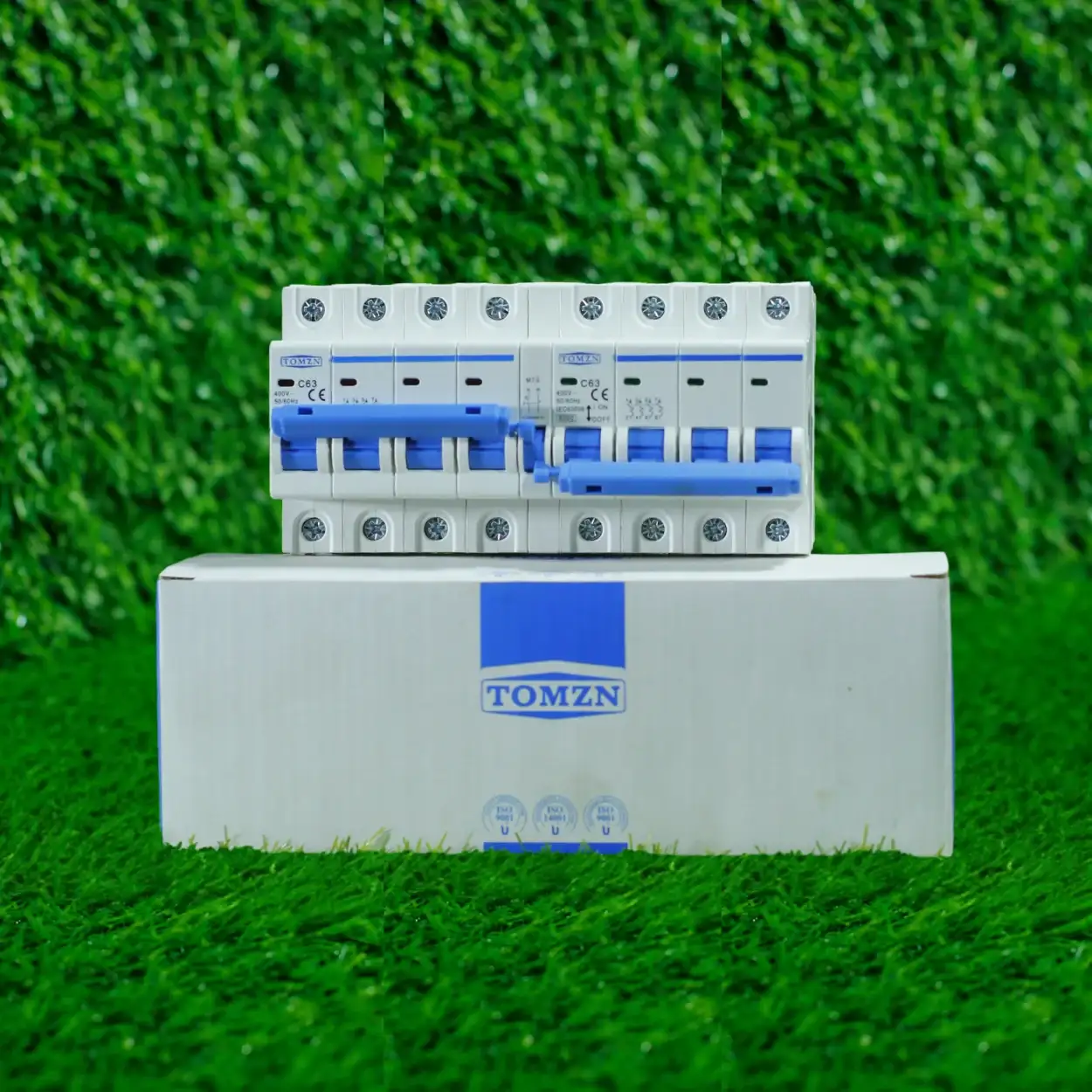
What Makes Copper-Type Changeover Breakers Different
When I say ‘copper-type’ changeover breaker, I’m talking about the contact material inside the switch mechanism, not the terminals. A copper alloy contact (usually copper with silver plating or pure copper) handles current transfer differently than a silver cadmium oxide contact, which is what you’ll find in cheaper models. The difference shows up immediately under high-load switching, especially in Pakistan’s supply conditions.
The copper contact is softer and more forgiving. When you’re running a 40-amp or 63-amp load through an ATS, and WAPDA voltage suddenly swings from 180V to 250V (which I’ve measured on jobs across Lahore), the contact material needs to absorb that electrical stress without arcing excessively or welding shut. Silver cadmium oxide is harder and more brittle. Copper gives.
On a 15-year career installing solar backup systems, industrial pumps, and workshop machinery, I’ve pulled apart dead ATS units that failed prematurely. The ones that lasted longest, even in dusty poultry-farm sheds where load-shedding cycles the switch multiple times daily, were the ones with proper copper or copper-alloy contacts from brands like MORA. The cheap ones show contact pitting after 2-3 years of heavy use.
Heavy Loads and Why Contact Material Matters in Pakistan
A heavy load in my line of work usually means one of these scenarios: a 5kW to 10kW solar inverter running a house load, a 3-phase agricultural pump (2.2kW to 5.5kW per phase), a workshop with welding equipment, or a small commercial kitchen with multiple appliances cycling on and off. In these setups, current draw is consistent and high, not just a couple of amps.
Here’s what happens at the contact point under high current:
- Heat generation is proportional to resistance. A poor contact or weak contact pressure generates heat faster. Copper conducts heat better and dissipates it into the breaker frame, so the contact junction stays cooler.
- Arcing during switching creates microscopic erosion and oxidation on the contact surface. Copper resists this erosion better over thousands of cycles.
- Load-shedding in Pakistan (4-6 hours daily in some areas) means your ATS trips and closes 2-4 times per day. Over a year, that’s 1000 switching cycles minimum, more in areas with frequent voltage fluctuations or unstable DISCO supply. Copper contacts survive this better.
- When a sudden spike occurs (inductive loads like pump motors starting, or a WAPDA fault clearing), the contact must carry the inrush current without welding. Copper’s malleability prevents the contacts from sticking together.
I’ve seen a copper-contact ATS rated 63A handle a 5kW solar inverter backup cycle for 6 years without maintenance. The equivalent cheaper ATS with cadmium oxide contacts needed replacement after 2.5 years. The difference in price was maybe 800-1000 PKR when purchased. The cost of a callout and replacement, including downtime, was 5000 PKR or more.
Technical Specs That Signal Quality
When you’re buying a changeover breaker for heavy loads, don’t just look at the ampere rating. Check these details:
- Contact material: Copper or silver-copper alloy is the baseline. If the datasheet says ‘cadmium oxide’ or doesn’t specify, assume it’s a cost-cut model.
- Breaking capacity (kA rating): For 220-230V single-phase supply in Pakistan, a minimum of 6kA is acceptable for residential loads, but 10kA is better for heavy industrial loads. A 63A breaker should have a 10kA breaking capacity.
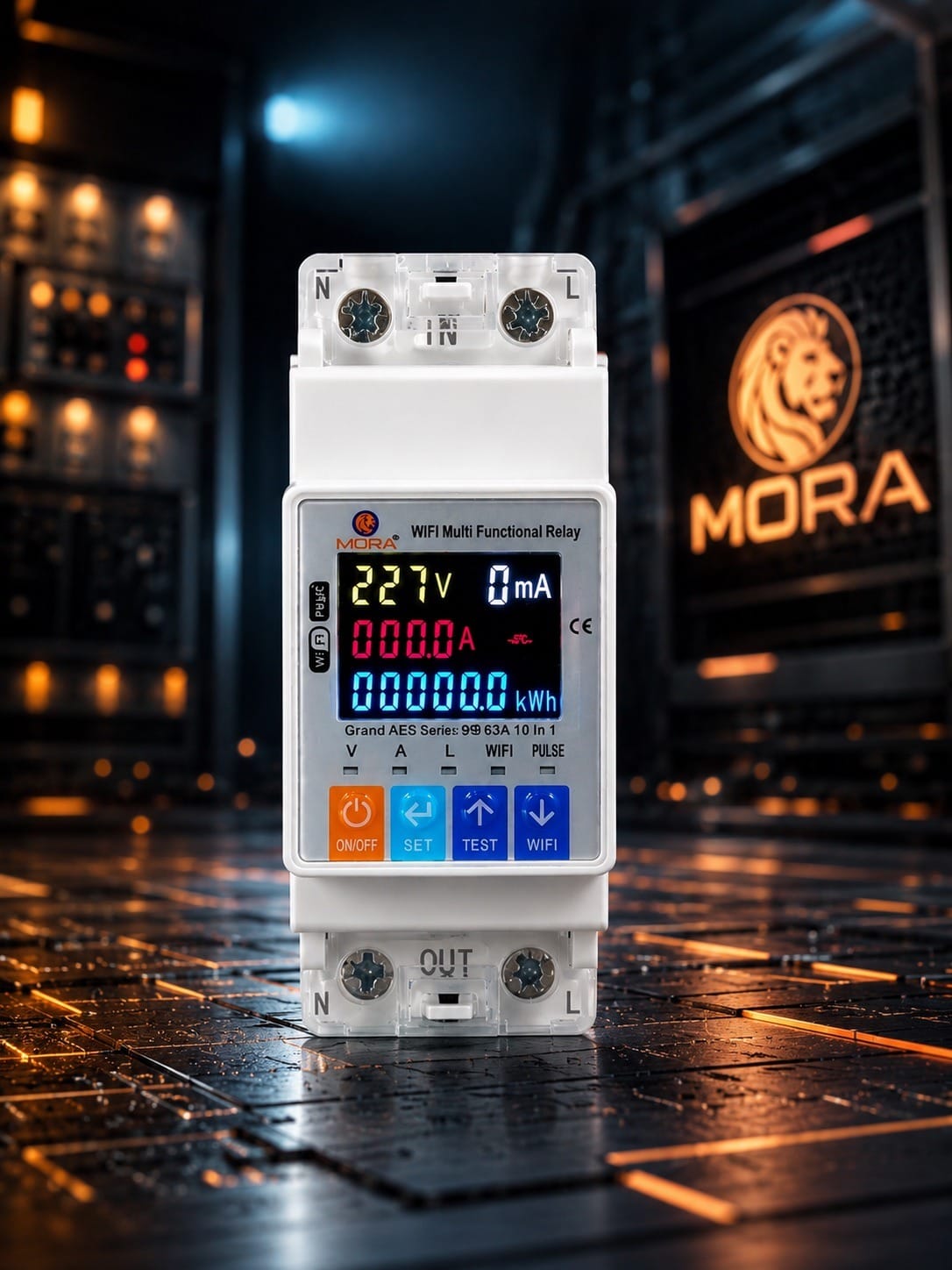
- Contact pressure and spring mechanism: This isn’t always listed, but premium brands engineer this tighter. MORA breakers, for example, use a robust spring system that maintains contact pressure even after 1000+ cycles.
- Thermal rating and ambient temperature tolerance: If your ATS sits in a sunny enclosure (as they often do on outdoor panels in Lahore or Karachi summers), a contact rated for 70 degrees C continuous is better than one rated for 50 degrees C.
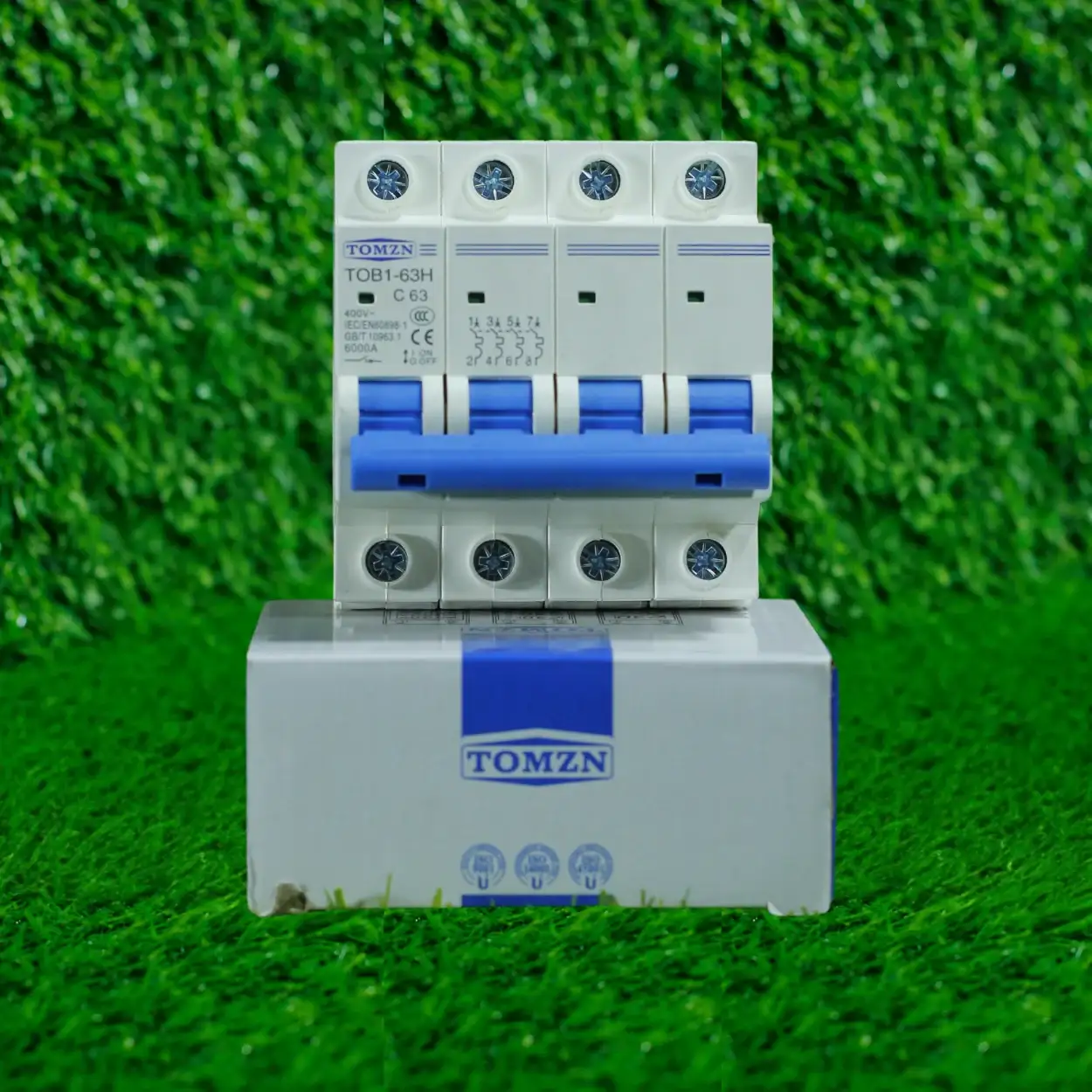
- Pole configuration: For heavy loads, you want a 2-pole (2P) breaker minimum for single-phase 230V, or a 3-pole (3P) for 3-phase 380-400V loads. This ensures even current distribution and safer disconnection.
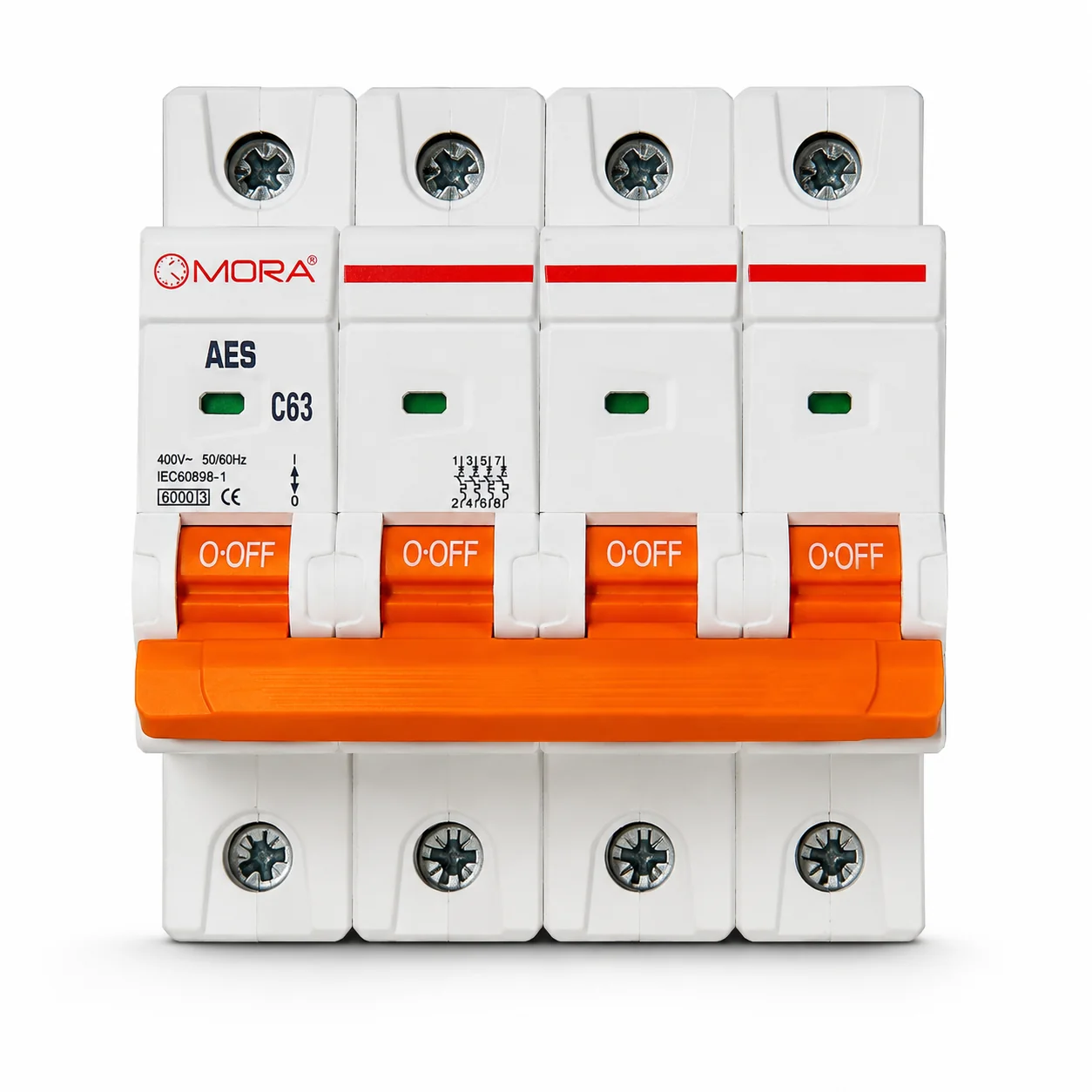
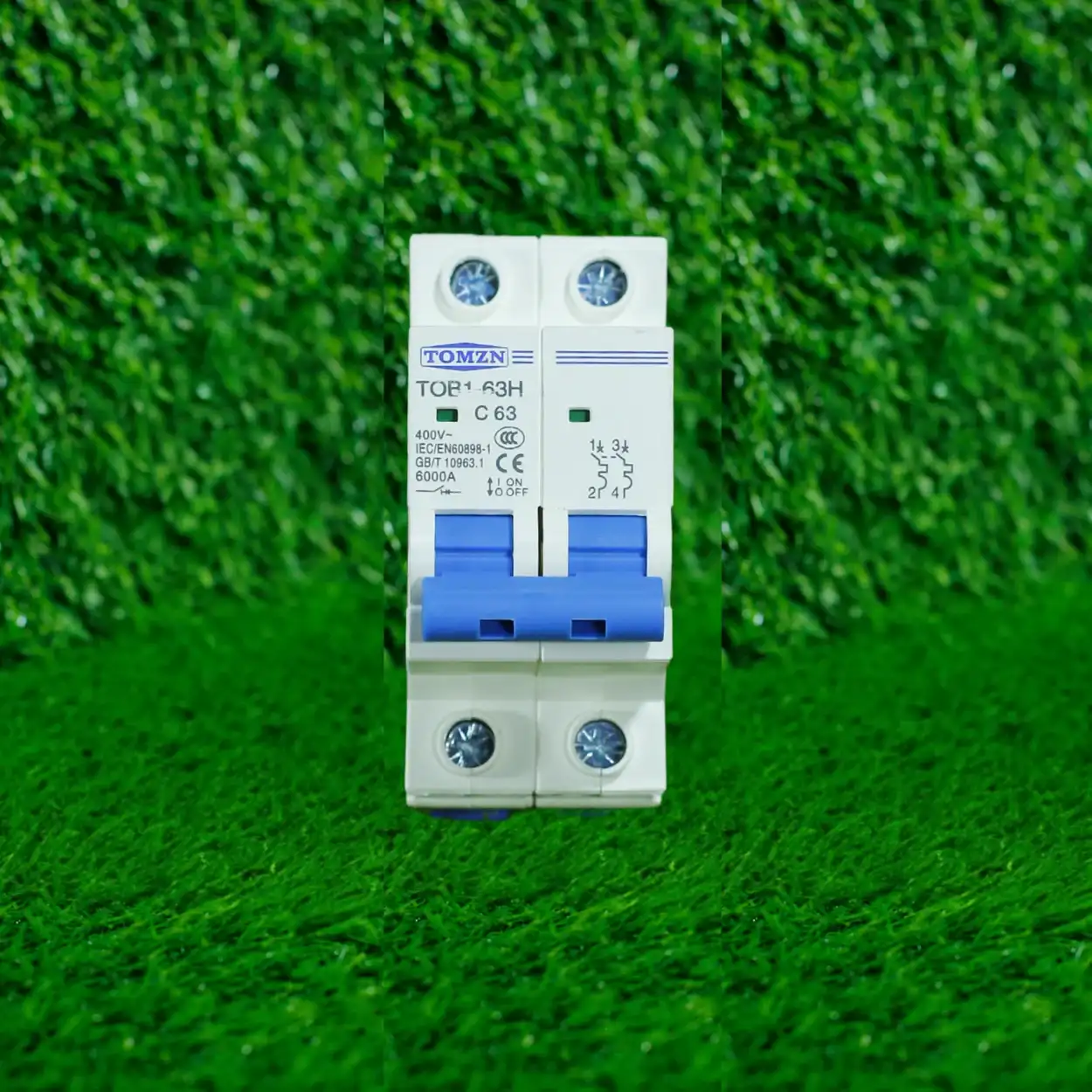
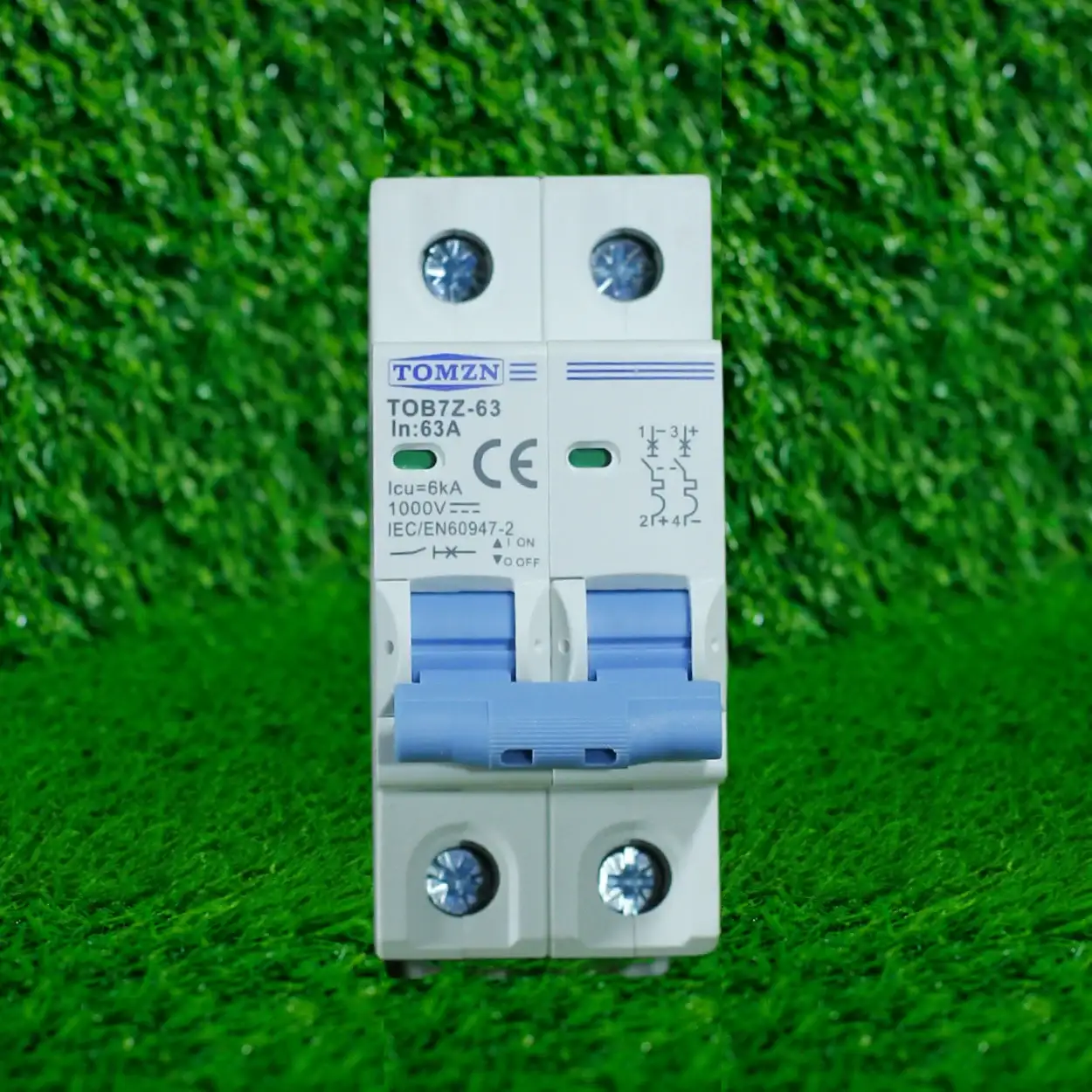
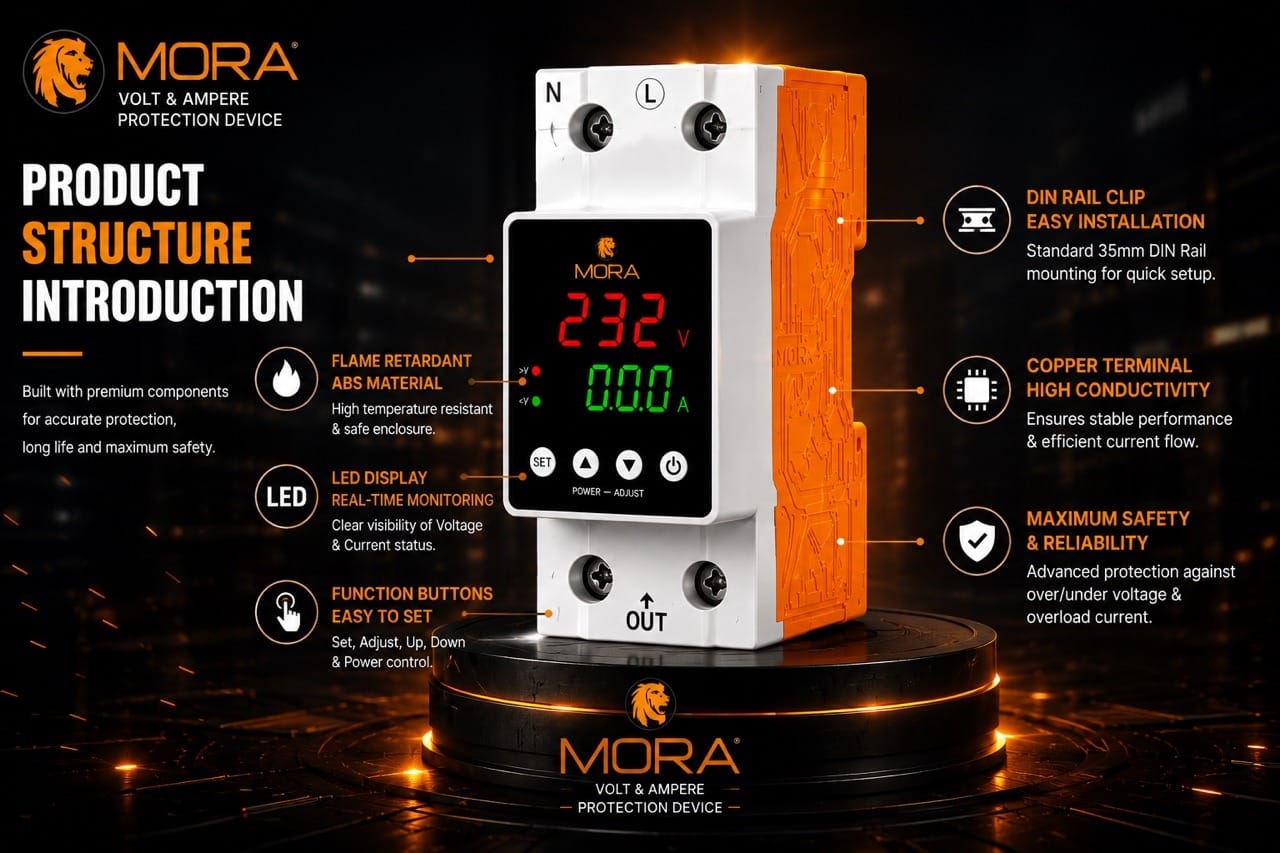
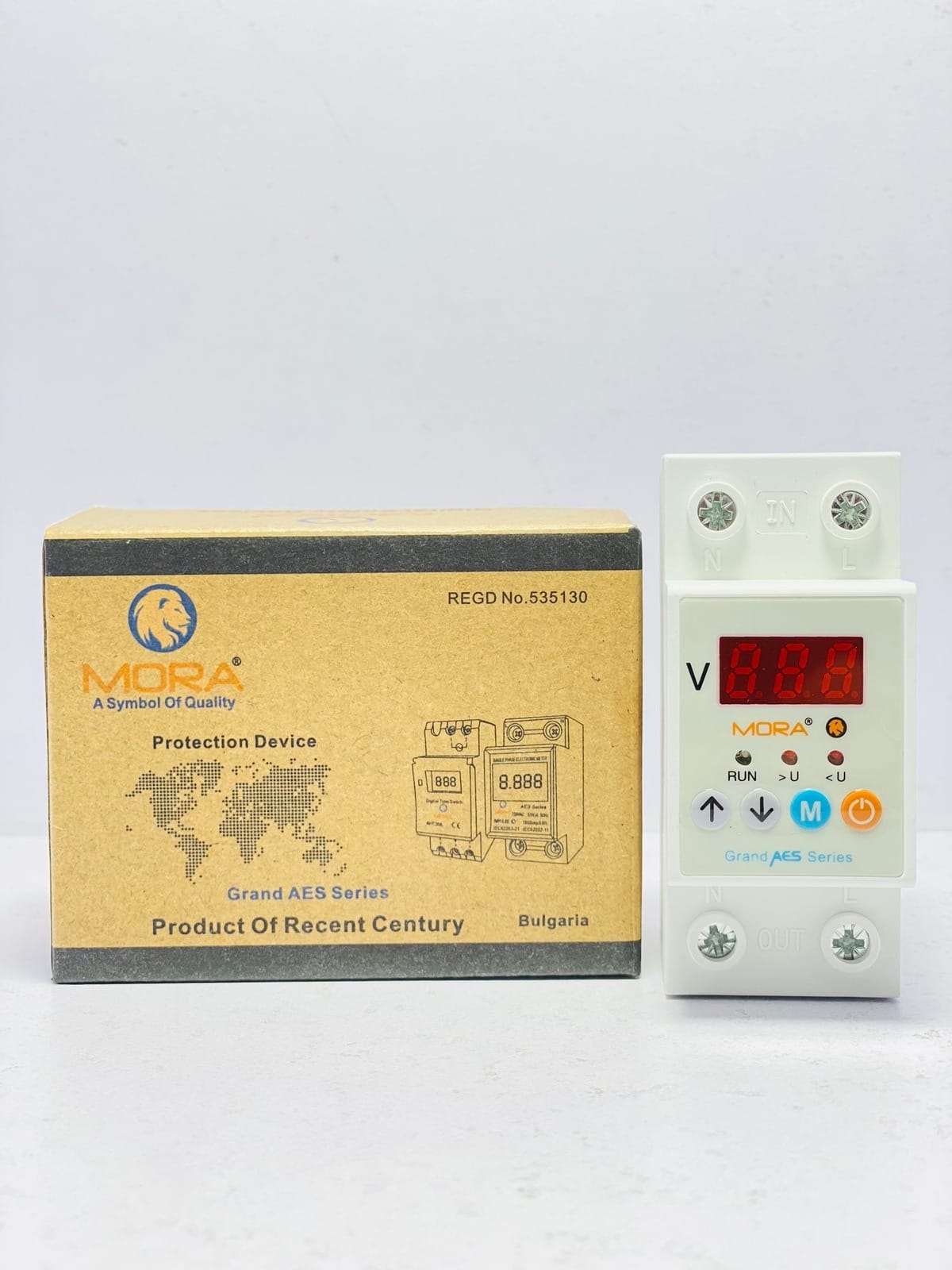
Look at the MORA 2P AC MCB Circuit Breaker C Type ratings as a reference. The datasheet will show contact material, breaking capacity, thermal tolerance, and pole options clearly. That’s the standard you should expect from any reputable brand.
Why Copper Contacts Are Worth the Extra Cost
A copper-contact ATS costs 15-25% more than a basic model. Let me break down why that’s not an argument for cheap alternatives.
First, reliability. Heavy loads mean high current, and high current over time destroys poor contacts. I had a client in Johar Town running a 3.5kW air conditioning unit on a basic ATS without proper copper contacts. The unit tripped nuisance faults every 2-3 weeks because the contact resistance was increasing due to arcing erosion. I replaced it with a copper-contact breaker from MORA. No trips in two years. The client saved the cost of the upgrade in engineer callouts alone.
Second, the ripple effects of a failed ATS in a heavy-load setup are expensive. If your solar inverter or industrial pump suddenly loses power due to a welded or stuck ATS contact, you don’t just lose a switch, you lose production time, data, or comfort. On poultry farms I’ve worked on, an hour of lost ventilation during a heat wave can kill thousands of birds. The ATS upgrade pays for itself immediately.
Third, voltage stability in Pakistan is inconsistent. WAPDA supply swings, generators are often poorly regulated, and solar inverters are becoming more common (which means reactive power issues). Each of these stresses the ATS contacts. Copper handles stress better and longer.
What to Avoid
Don’t buy an ATS based solely on ampere rating or price. I’ve seen electricians grab a 63A changeover breaker from a wholesale bin because it was the right size, only to have it fail in a client’s solar backup setup within months. The missing information: contact material, breaking capacity, and brand reputation.
Also avoid mixing contact types. If your main ATS is copper-contact and your sub-breakers are cadmium oxide, you’ve created an imbalance in the load path. The weaker sub-breaker becomes the bottleneck and fails first, often at an inconvenient time (load-shedding night, during peak summer heat).
One more thing: if a supplier tells you the contact material ‘doesn’t matter much’ for a heavy-load installation, they’re either uninformed or trying to shift you to a cheaper option. In my experience, it’s almost always the latter. Trust the spec sheet, not the sales pitch.
Choosing the Right Copper-Contact ATS for Your Load
Match the breaker to the actual maximum current draw, not just the appliance nameplate. A 5kW solar inverter doesn’t always draw 22 amps (5000W / 230V). It draws that during peak discharge. At partial load, it’s lower. But during start-up or fault conditions, inrush can be 1.5 to 2 times the rated current. A 40A breaker is usually sufficient; a 63A is safer and more future-proof if you plan to expand.
For 3-phase loads (3-phase pumps, industrial machinery), use a 3-pole breaker with copper contacts rated for the highest expected phase current, then round up to the next standard size (20A, 32A, 40A, 63A, etc.). A 3-phase 2.2kW pump typically draws around 11-12 amps per phase at 380V, so a 3-pole 16A or 20A is appropriate, but a 32A gives headroom and is worth the extra cost for reliability.
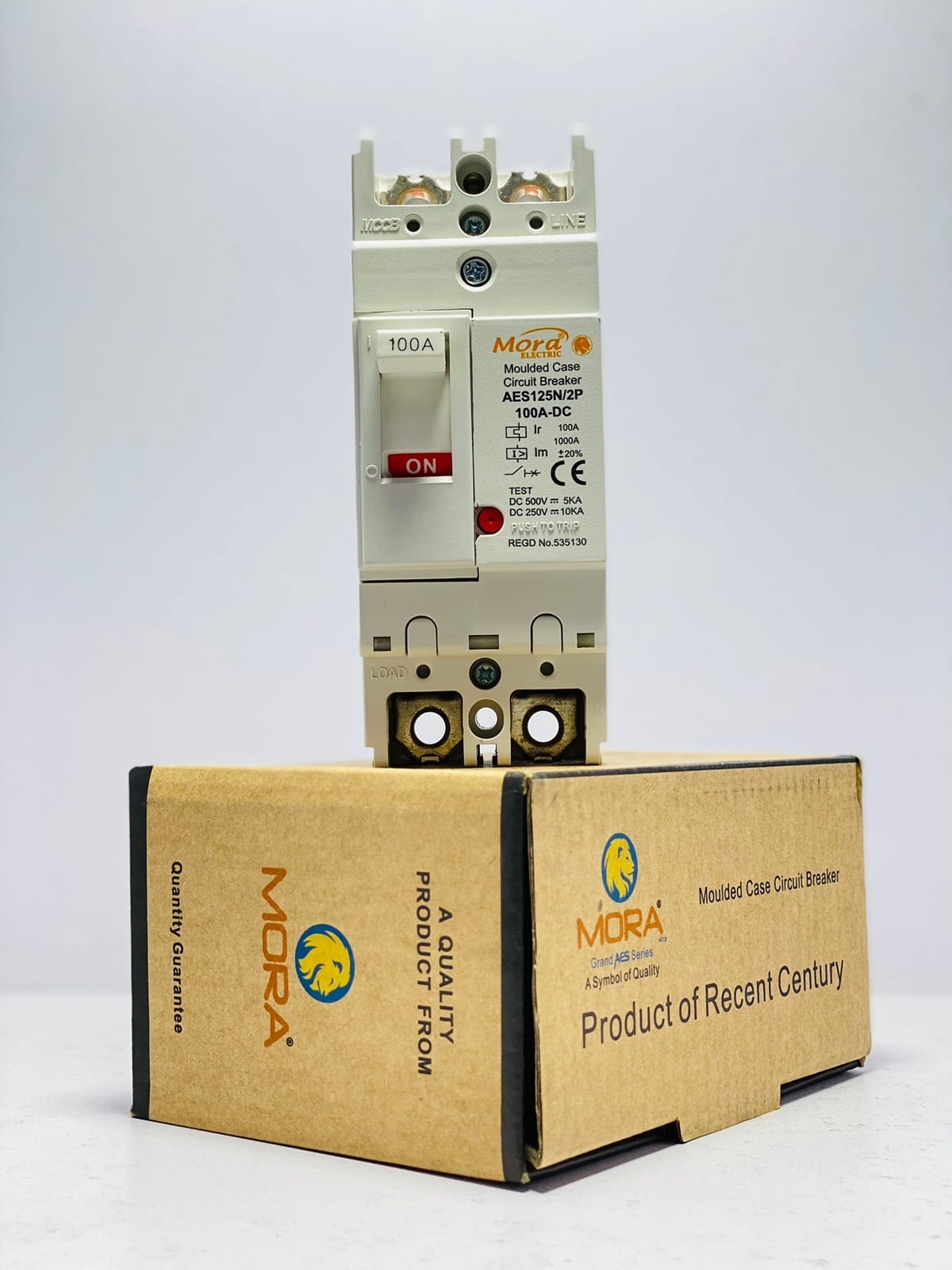
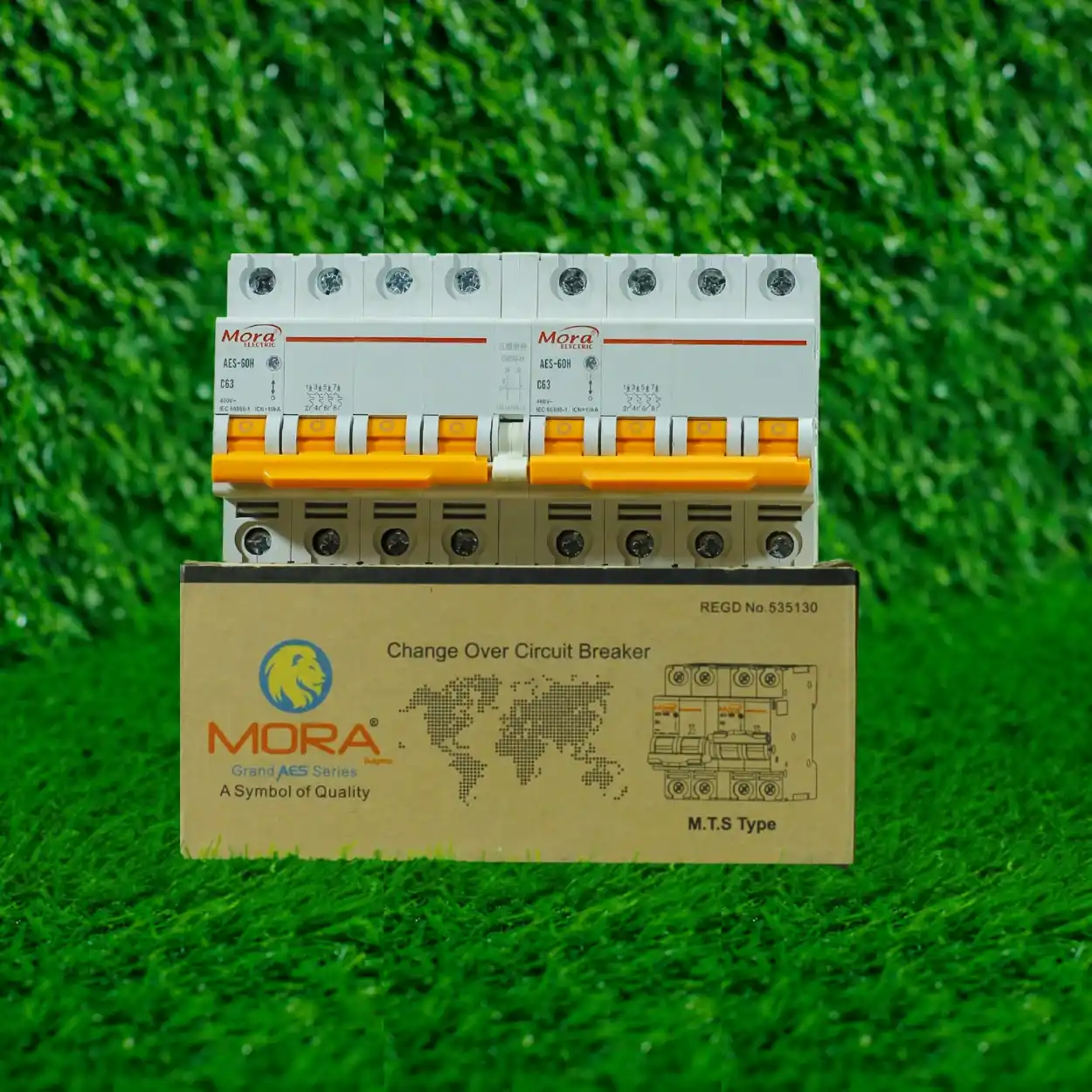
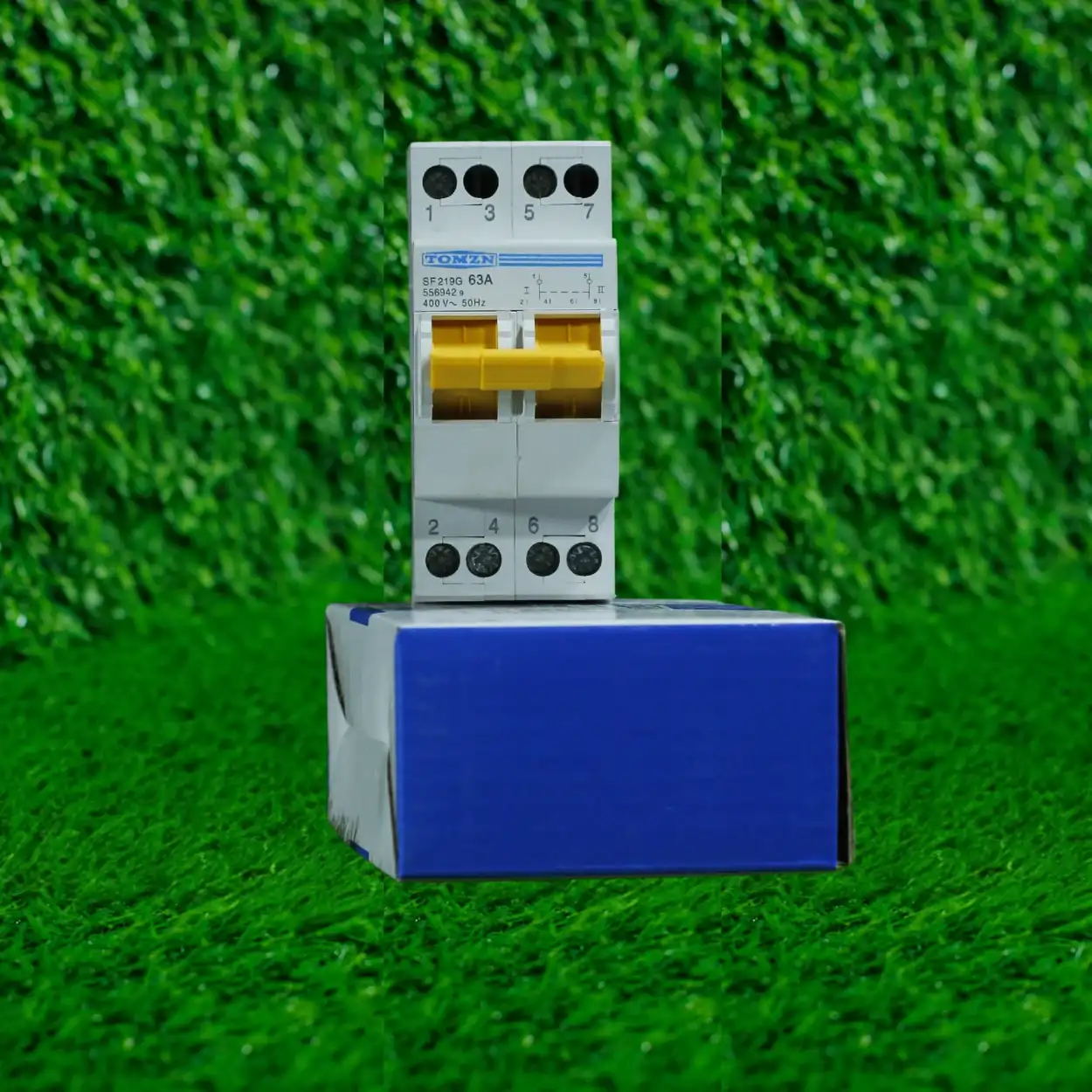
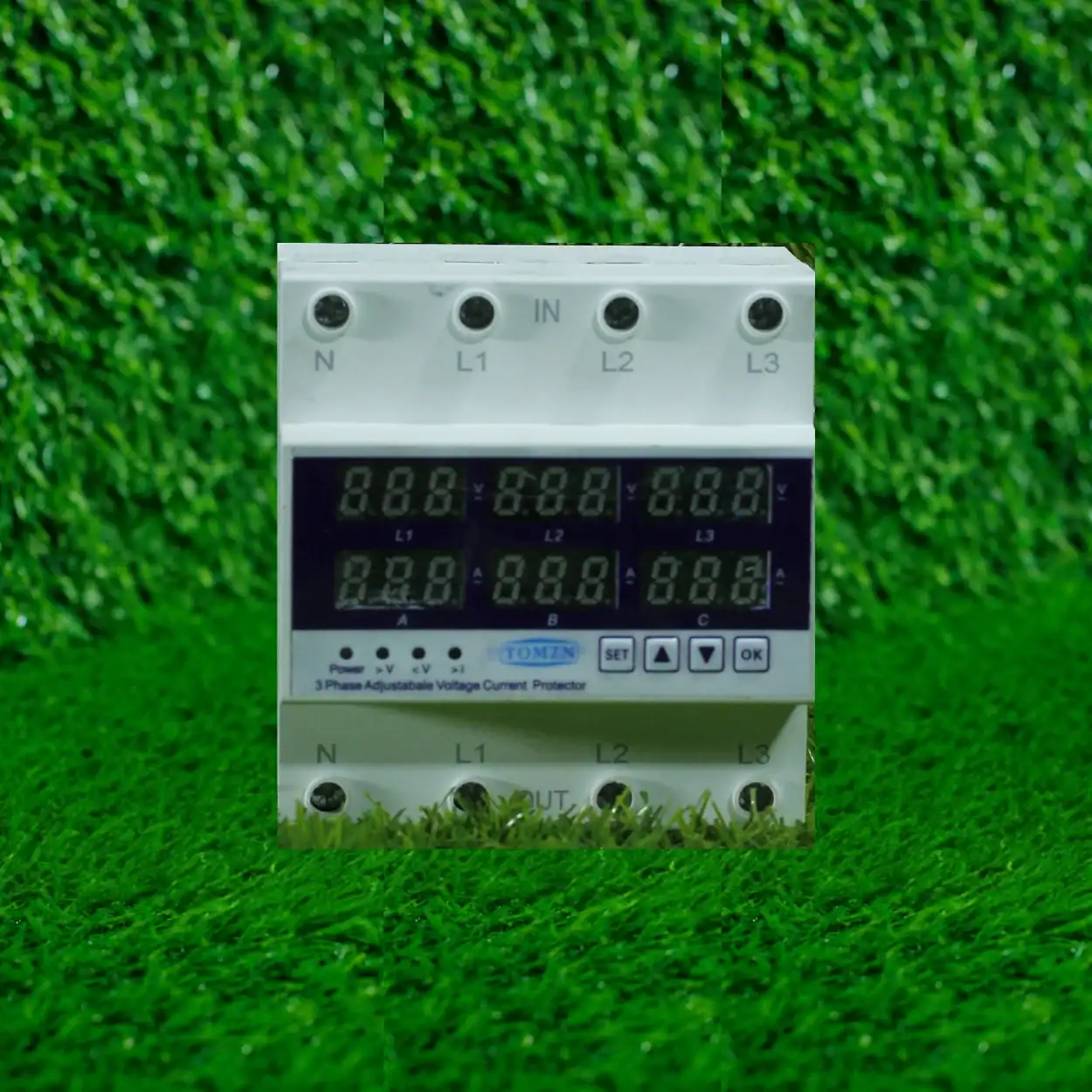
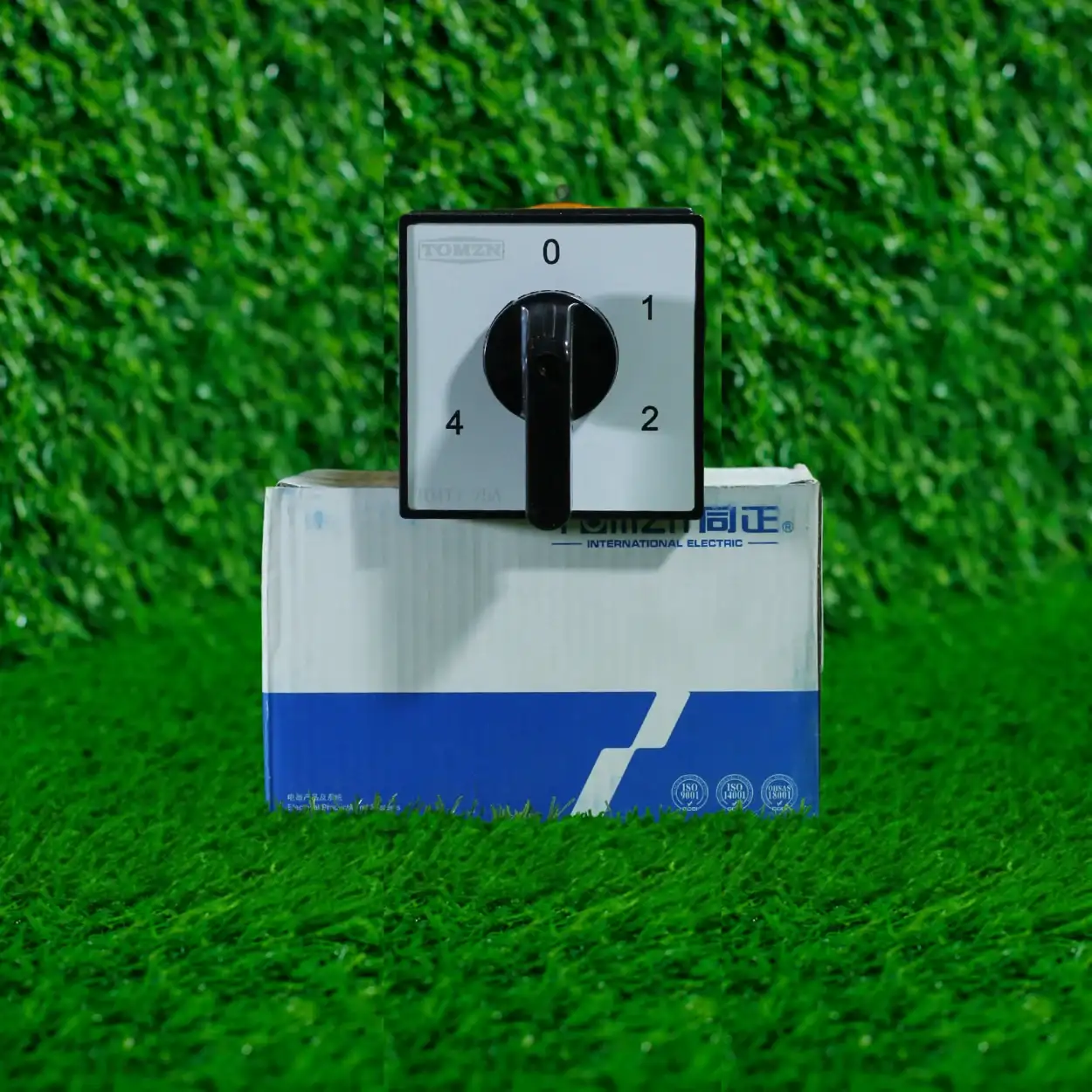
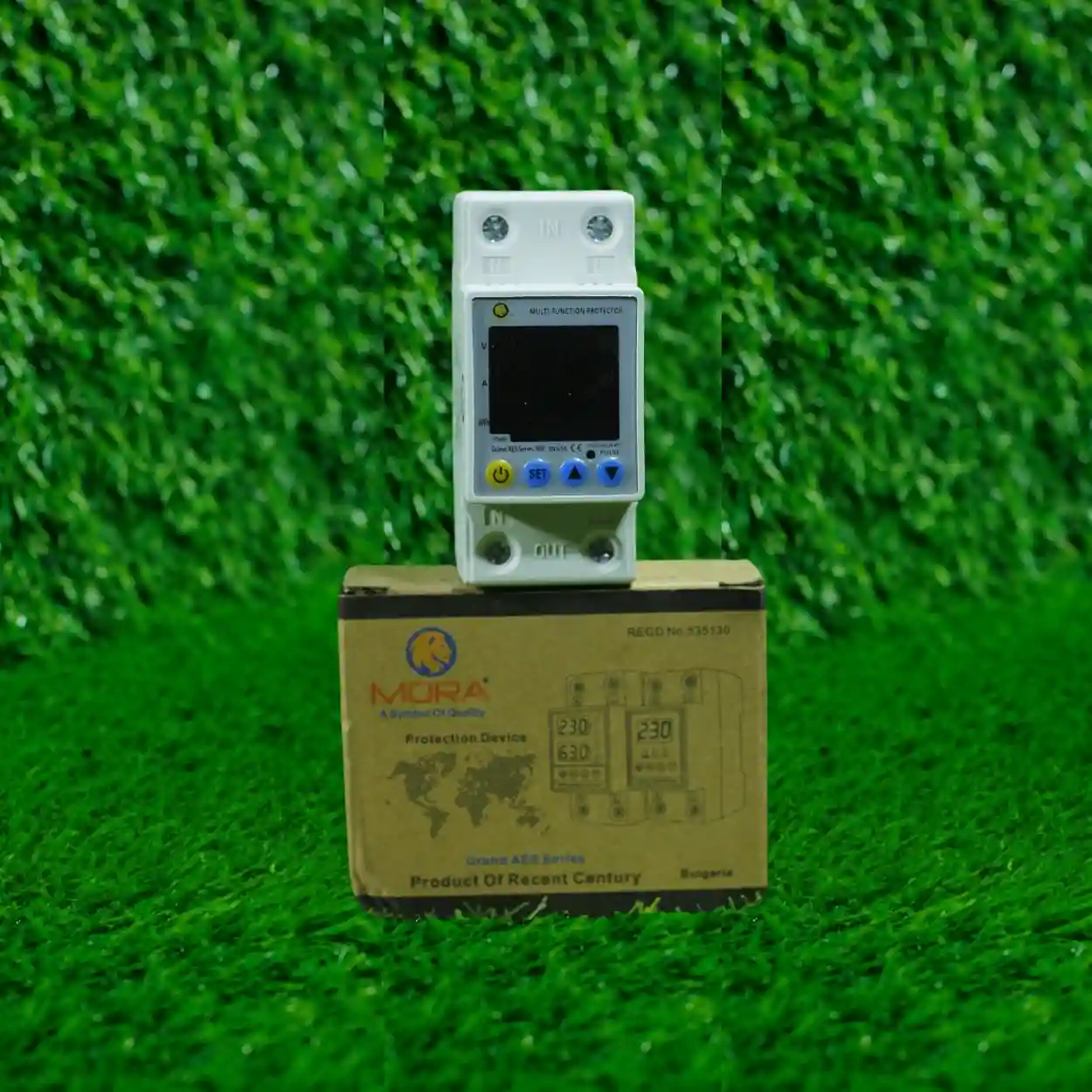
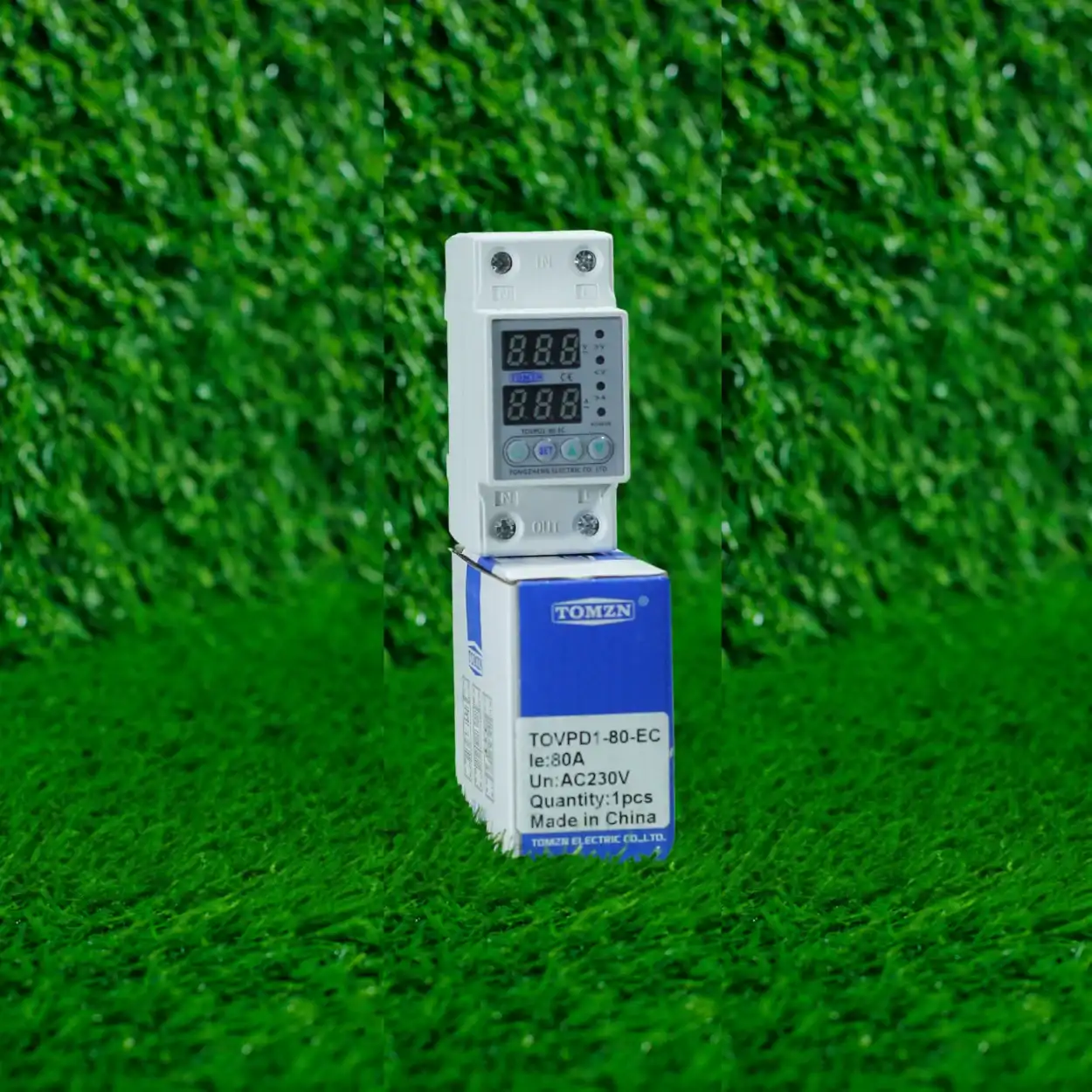
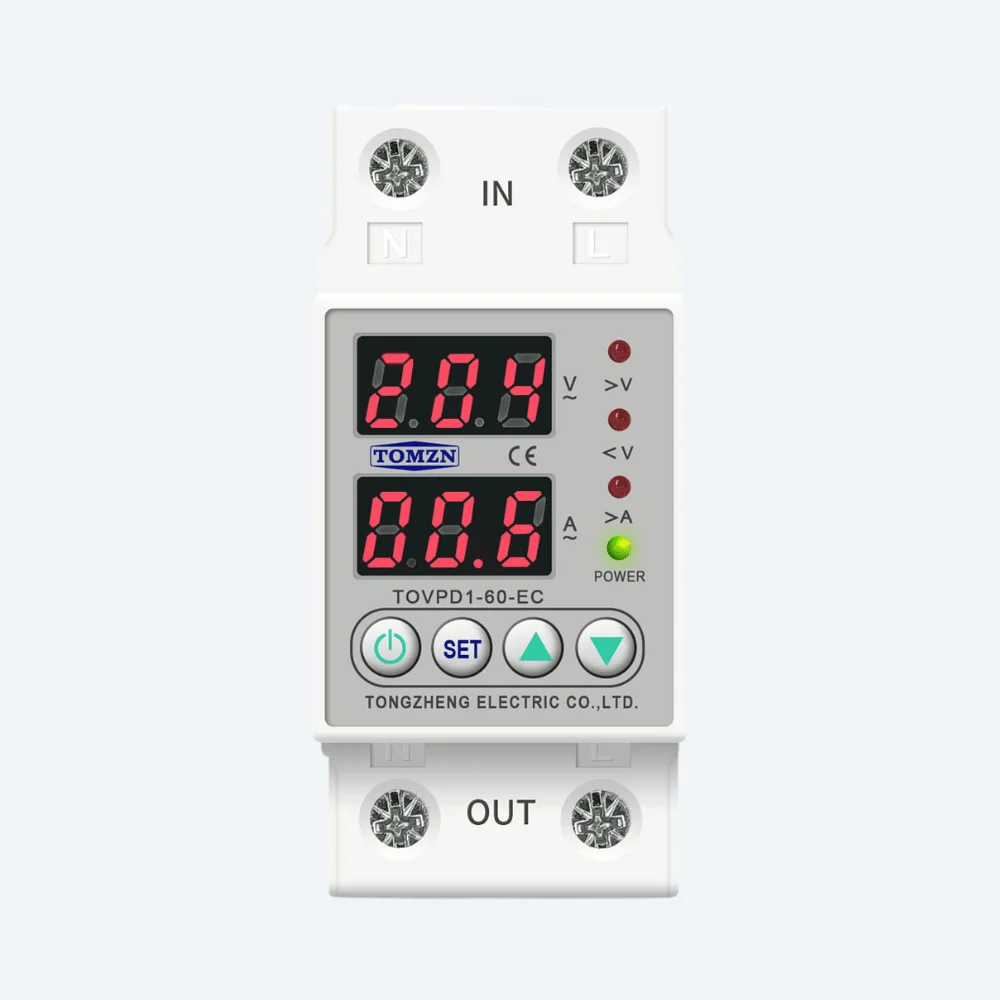
Check your local circuit breaker options from suppliers you trust. MORA and TOMZN are both solid options in the Pakistani market with genuine copper contacts and proper breaking capacity ratings. If you’re unsure, ask the supplier for the product datasheet and look for the contact material specification yourself. Don’t rely on the store staff alone, especially for heavy-load applications.
Install your ATS in a dry, ventilated enclosure if possible. Heat and humidity accelerate contact oxidation even in copper contacts. If the ATS sits in direct sun on a roof-mounted panel, ensure the enclosure has proper ventilation or shading. I’ve seen a good ATS degrade faster than expected just because it was baking in 50-degree ambient temperatures with no airflow.
For heavy-load setups where reliability is non-negotiable, copper-contact changeover breakers are simply the right tool. The upfront cost is smaller than the cost of downtime, and the peace of mind is worth more than the price difference.