











Volt-Ampere Protectors: What Actually Matters When Buying

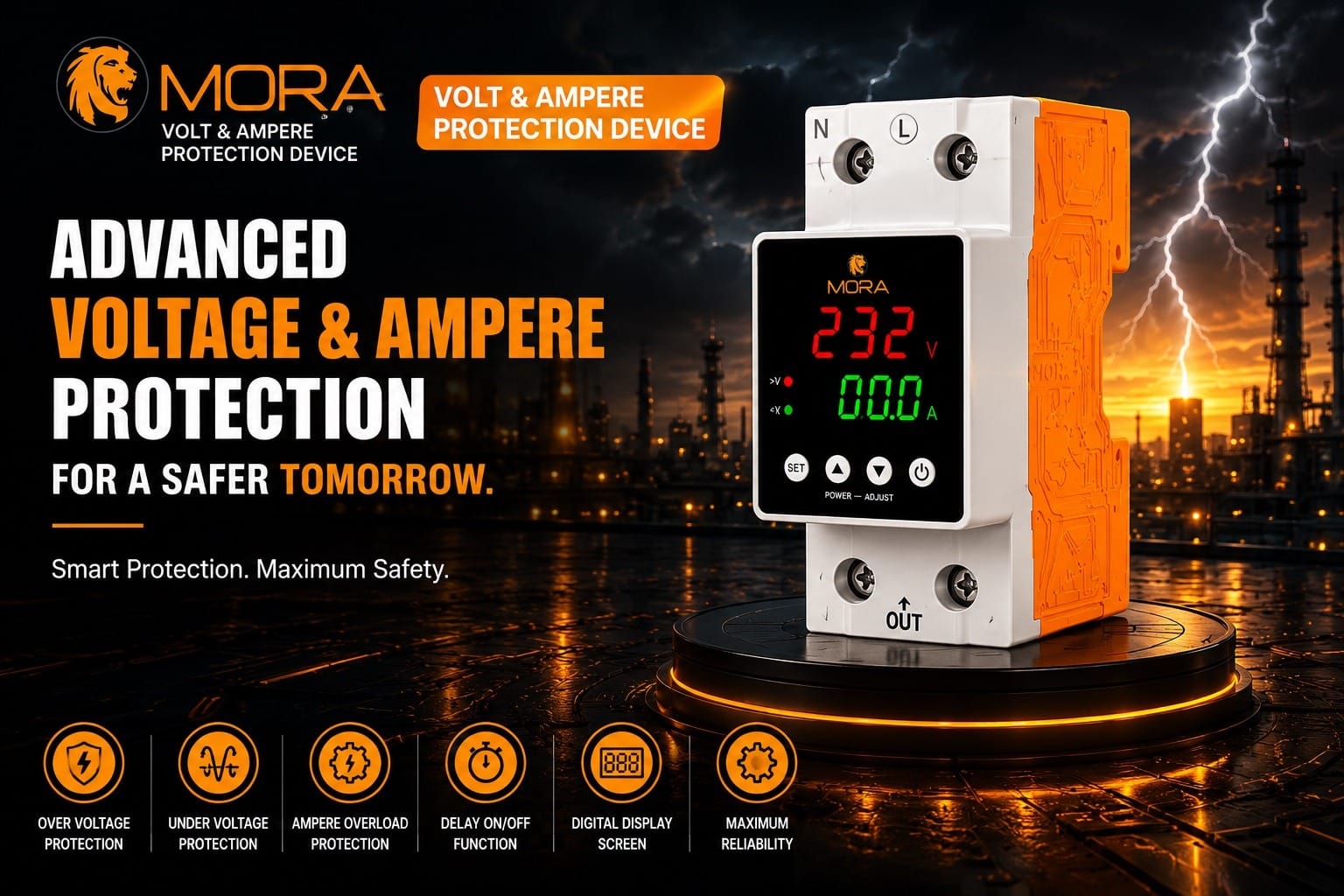
What a Volt-Ampere Protector Actually Does
A volt-ampere protector (or VAP, sometimes called an over-under voltage protector) sits between your supply and your appliances, cutting off power when voltage swings too far outside the safe range. On a 220V supply in Lahore or Islamabad, that typically means it disconnects below 180V or above 250V, depending on the model you choose. The job sounds simple, but in practice it’s your first line of defense against the voltage fluctuations that WAPDA and other DISCOs throw at us regularly, especially during peak hours and load-shedding cycles.
I’ve been installing these since the early 2000s, and I can tell you the difference between a cheap knockoff and a proper unit shows up within six months. The cheap ones either never trip when they should (you’ll toast an air conditioner compressor and wonder why), or they trip constantly on harmless voltage sags (your fridge cuts out three times a day and food spoils). A proper volt-ampere protector sits quietly until the grid actually misbehaves, then intervenes decisively.
Key Specifications That Determine Performance
Voltage Window and Trip Thresholds
This is the first thing I check on any unit. The voltage window is the range between the lower and upper trip points. On a standard 220V single-phase supply, a good protector should have an upper trip threshold around 240-245V and a lower threshold around 180-190V. Some units allow you to adjust these thresholds slightly, which is genuinely useful if you’re in an area where WAPDA runs consistently hot or cold.
Why does this matter? Because a 5V difference between two models can mean the difference between tripping nuisance faults and missing a genuine overvoltage event. I had a job at a small manufacturing unit in Taxila where the supply would spike to 250V regularly during afternoon hours. Their old protector was set with an upper threshold of 250V, so it never tripped. We swapped it for one with a 245V threshold, and suddenly it was cutting out every few days. The owner complained, but once we checked the actual supply voltage with a proper meter, he understood the old unit was allowing 250V spikes to reach his machinery. That’s how specs translate to real protection.
Response Time
Response time is how fast the protector trips after voltage leaves the safe zone. This is measured in milliseconds. Most decent units trip within 10 to 50 milliseconds. Why it matters: if overvoltage sits on your supply for 200ms before the protector trips, sensitive electronics like inverter control boards or air conditioner compressor terminals can already be damaged. Faster is always better, but you’re not going to see this spec written clearly on every cheap unit sold at the market.
Ampere Rating
The ampere rating tells you the maximum current the protector can handle continuously. For most households in Pakistan, you’ll be looking at 20A, 32A, 40A, or 63A models. Choose based on your sanctioned load from the DISCO, not what you optimistically think you might use. A 20A protector on a 63A meter is false economy, because you’ll burn out the device’s internal relay within two or three years if you’re regularly drawing loads above 25A. Conversely, a 63A protector on a 5kW single-phase supply in a small home is unnecessary cost and larger physical footprint.
I specify the ampere rating by looking at the customer’s actual meter reading and typical load profile. On jobs where I see a 63A meter serving a residential property with a TV, lights, a small air conditioner, and a water pump, a 32A VAP is plenty because even with everything on, the actual draw rarely hits 30A. But if the house has an electric water heater or a workshop section, we go to 63A rated.
Trip Indication and Manual Reset
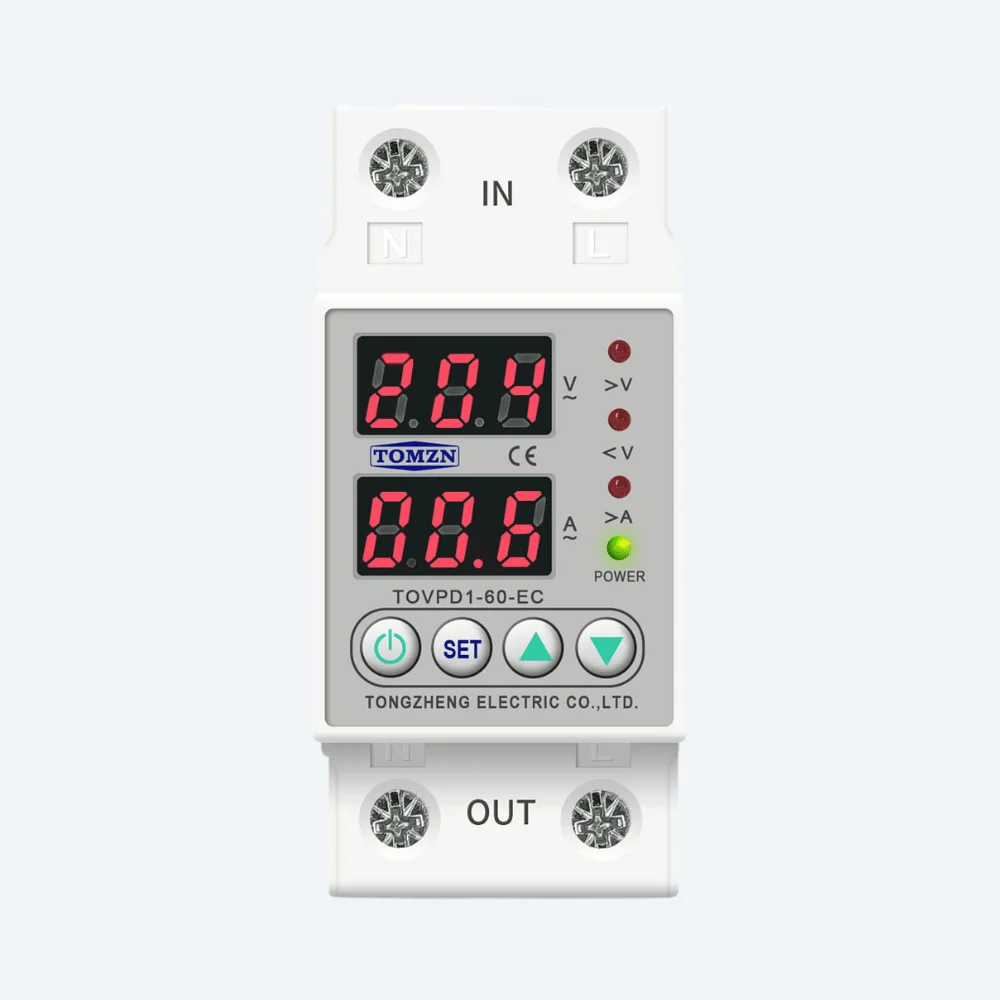
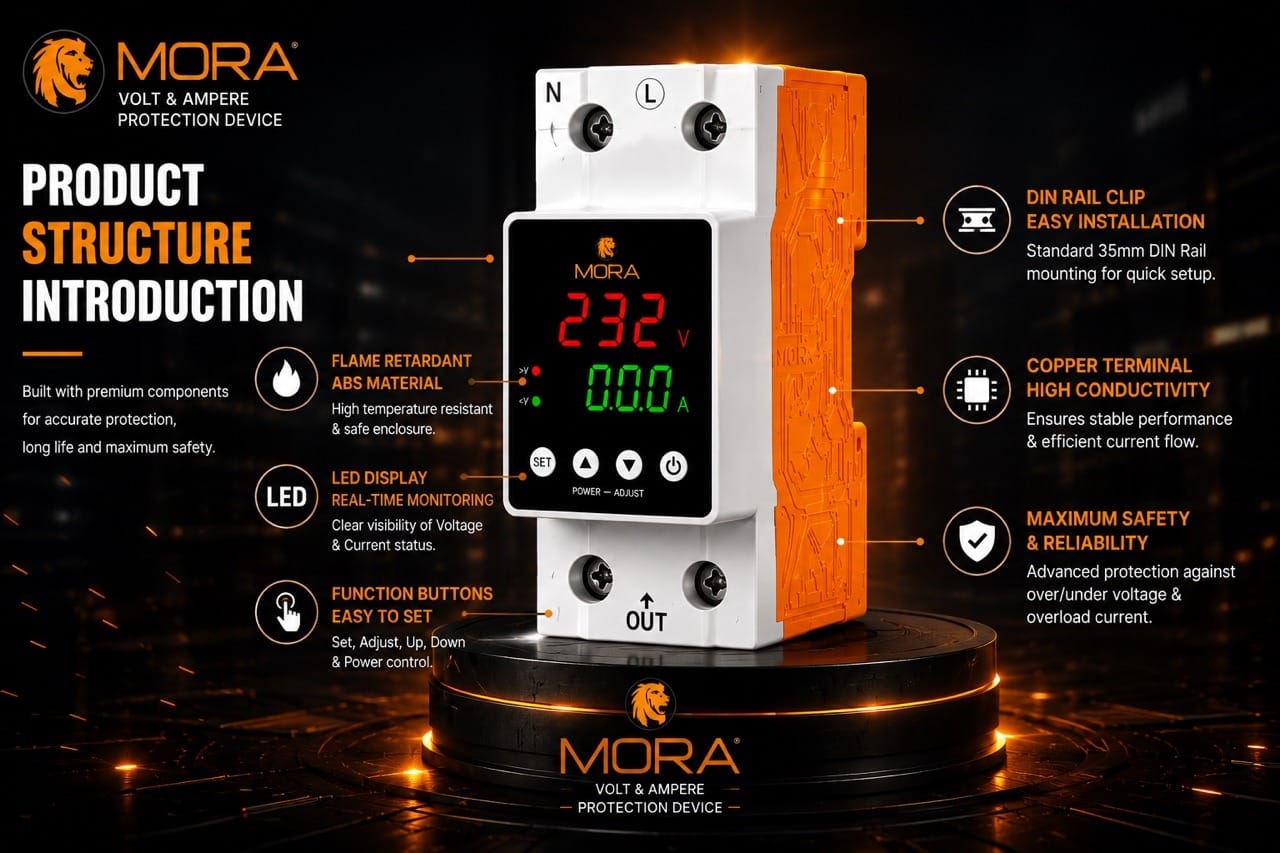
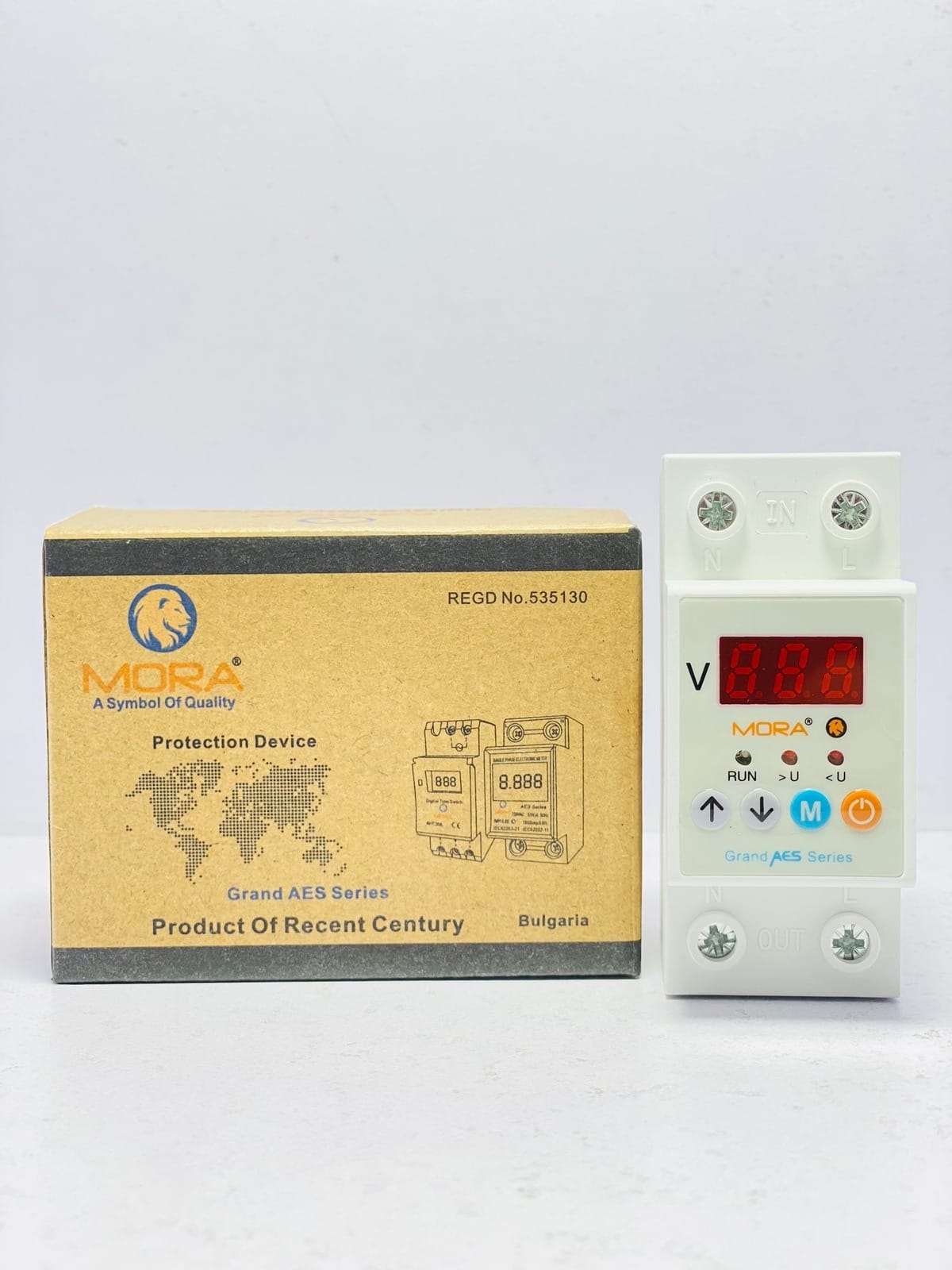
Every volt-ampere protector should have a clear visual indicator when it’s tripped, usually a red LED or a mechanical flag. This sounds basic, but you’d be surprised how many cheap units have such a dim indicator that you can’t tell if it’s protecting your appliances or if it’s already dead and still sitting in the panel. The best ones have a mechanical trip switch you can see physically move, which gives you confidence.
Manual reset is also important. After a trip, the protector should require you to physically press a reset button or flip a switch to restore supply. This is a safety feature, because it forces you to investigate why it tripped in the first place. Units that auto-reset repeatedly (called nuisance-trip behavior) are worse than useless, because they hide problems and can damage appliances through repeated on-off cycles.
Build Quality: Materials That Last in Pakistan’s Climate
This is where cheap units fall apart, literally. In my experience, the most common failure mode I see in Chinese knockoff volt-ampere protectors is relay corrosion and contact pitting. The internal relay contacts are supposed to be made from silver alloy or at minimum a decent copper-silver compound. On cheap units, they’re often bare copper or worse, and after two or three years in a dusty installation (your outdoor meter box, or a panel in an unclean workshop), corrosion builds up and the relay stops responding properly.
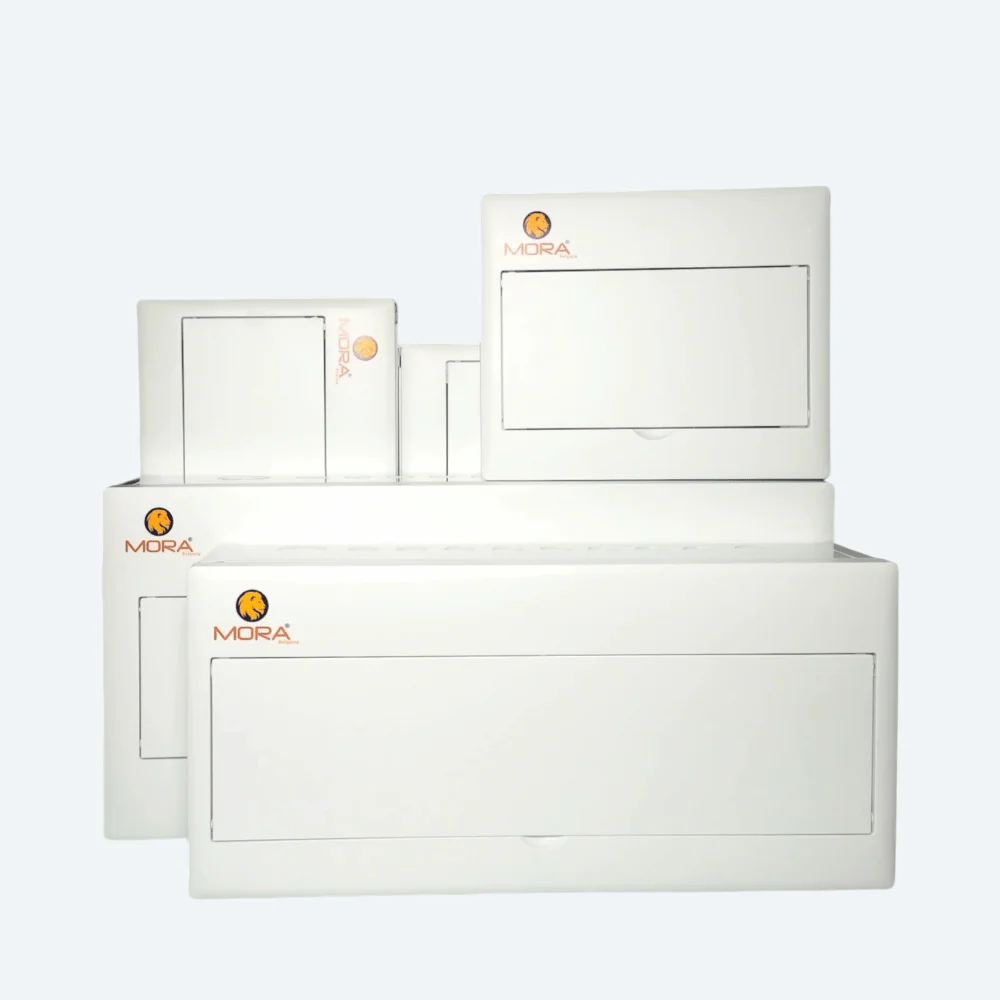
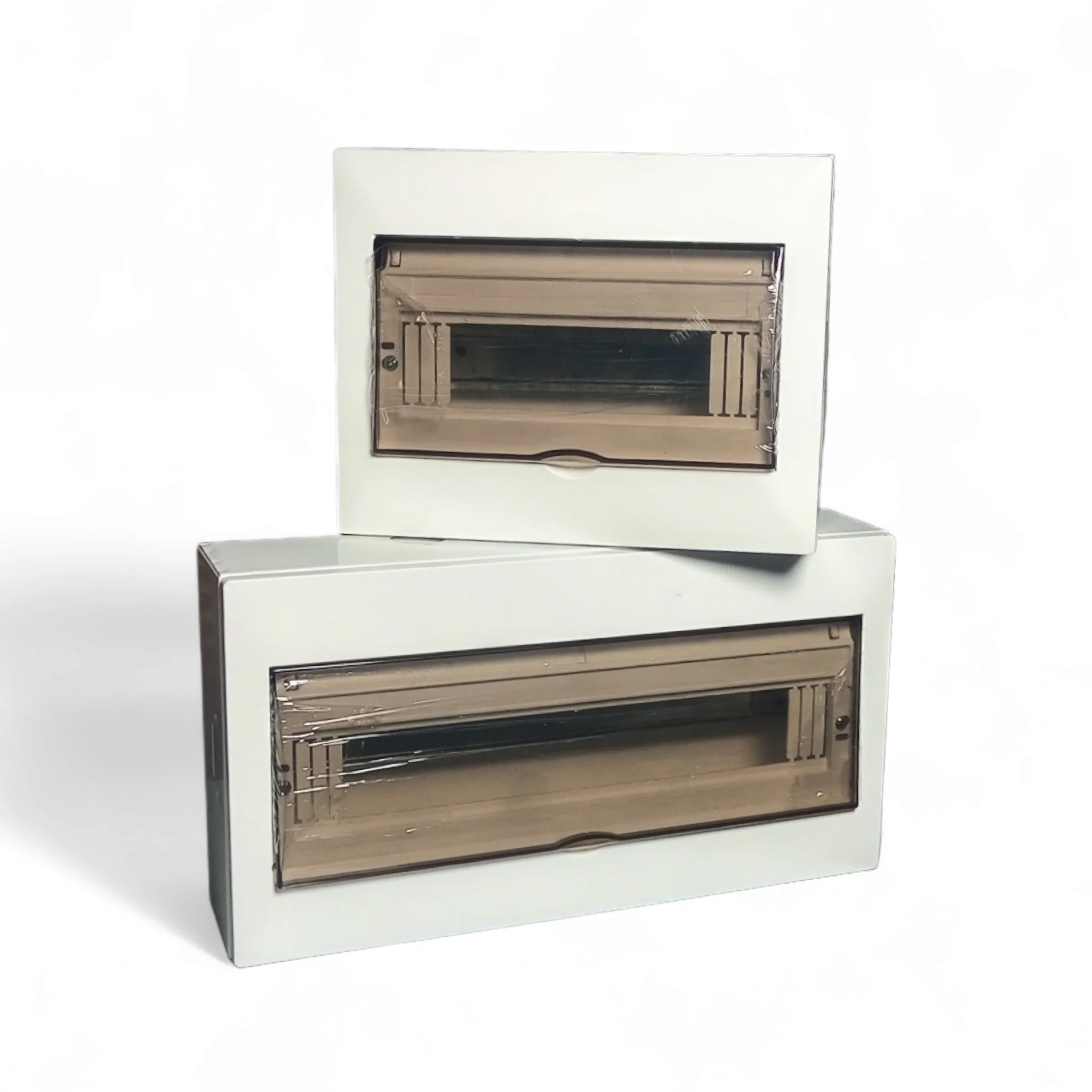
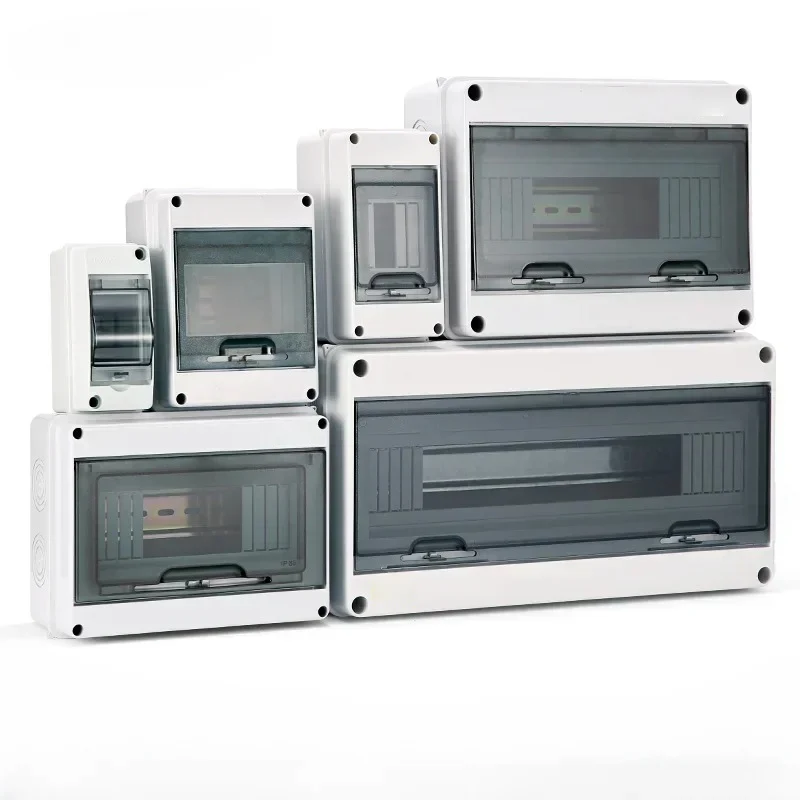
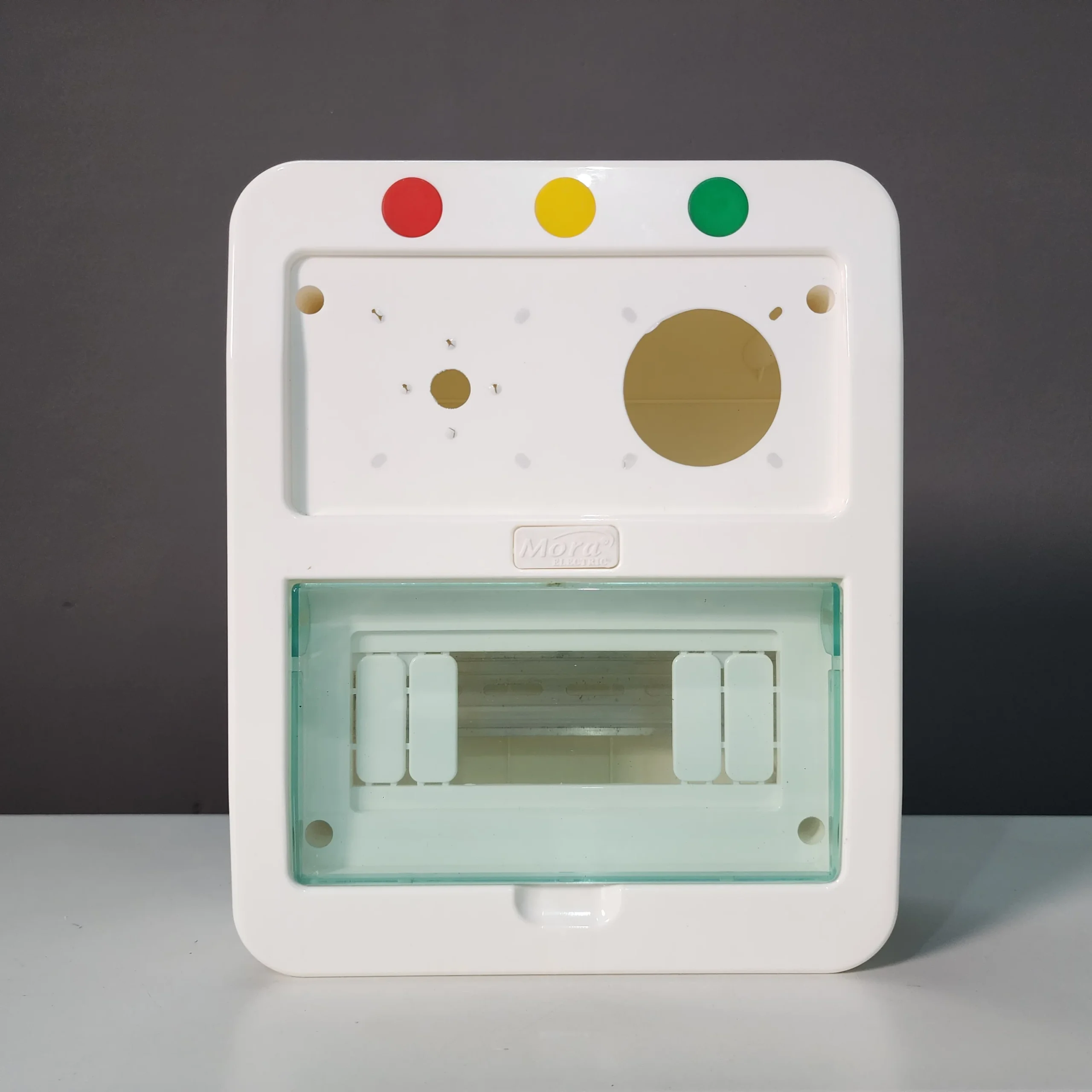
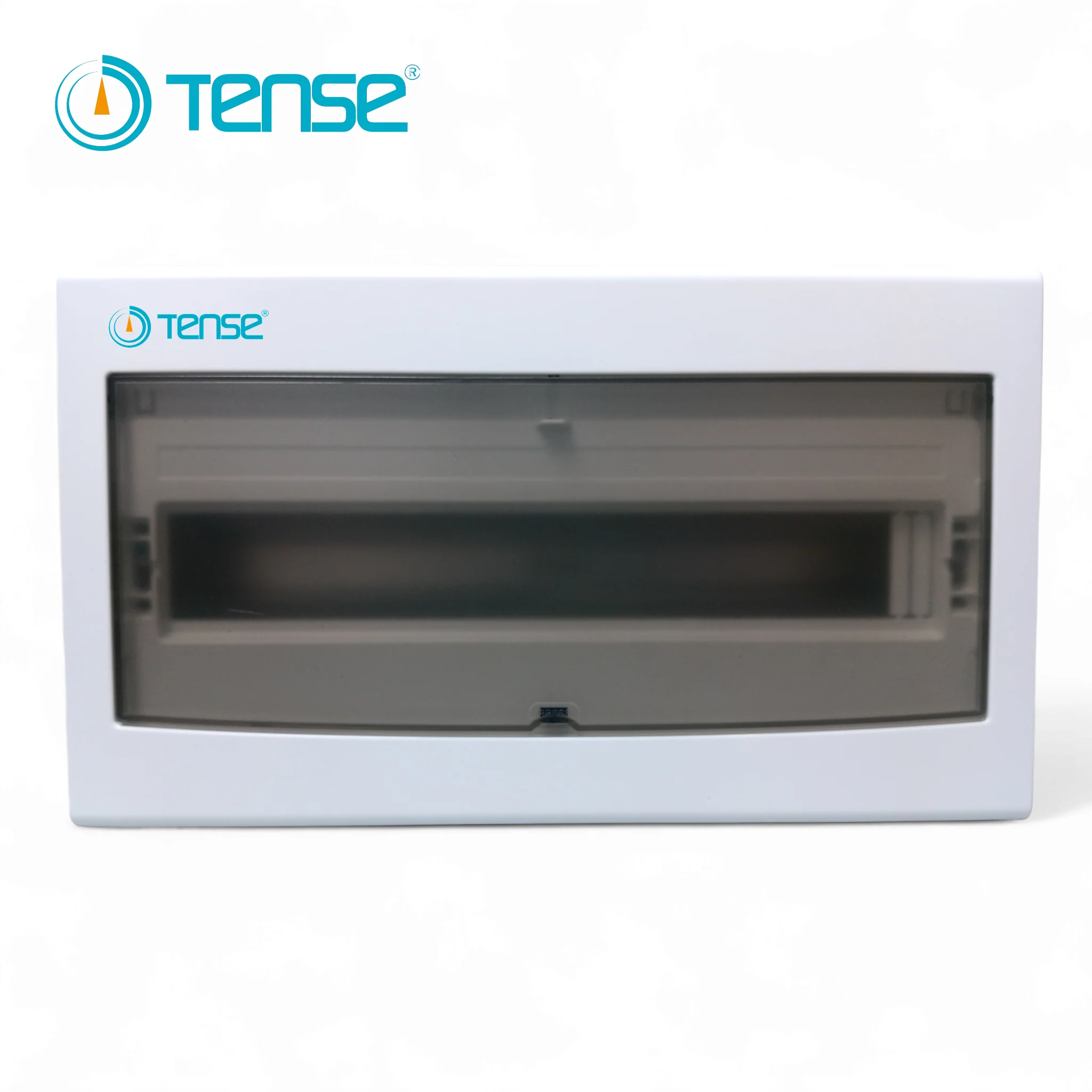
The external housing should be IP30 rated minimum (protection against finger-sized objects, resistant to dust and light water splash) if it’s going in an outdoor meter box, or IP20 if it’s wall-mounted indoors in a protected location. Look at the material too. Thermoplastic housings are fine, but they’ll warp if installed in direct sun exposure (I’ve seen them literally melt at the top of outdoor panels in summer). Metal (powder-coated steel) is better for outdoor or high-heat locations, even though it costs more upfront.
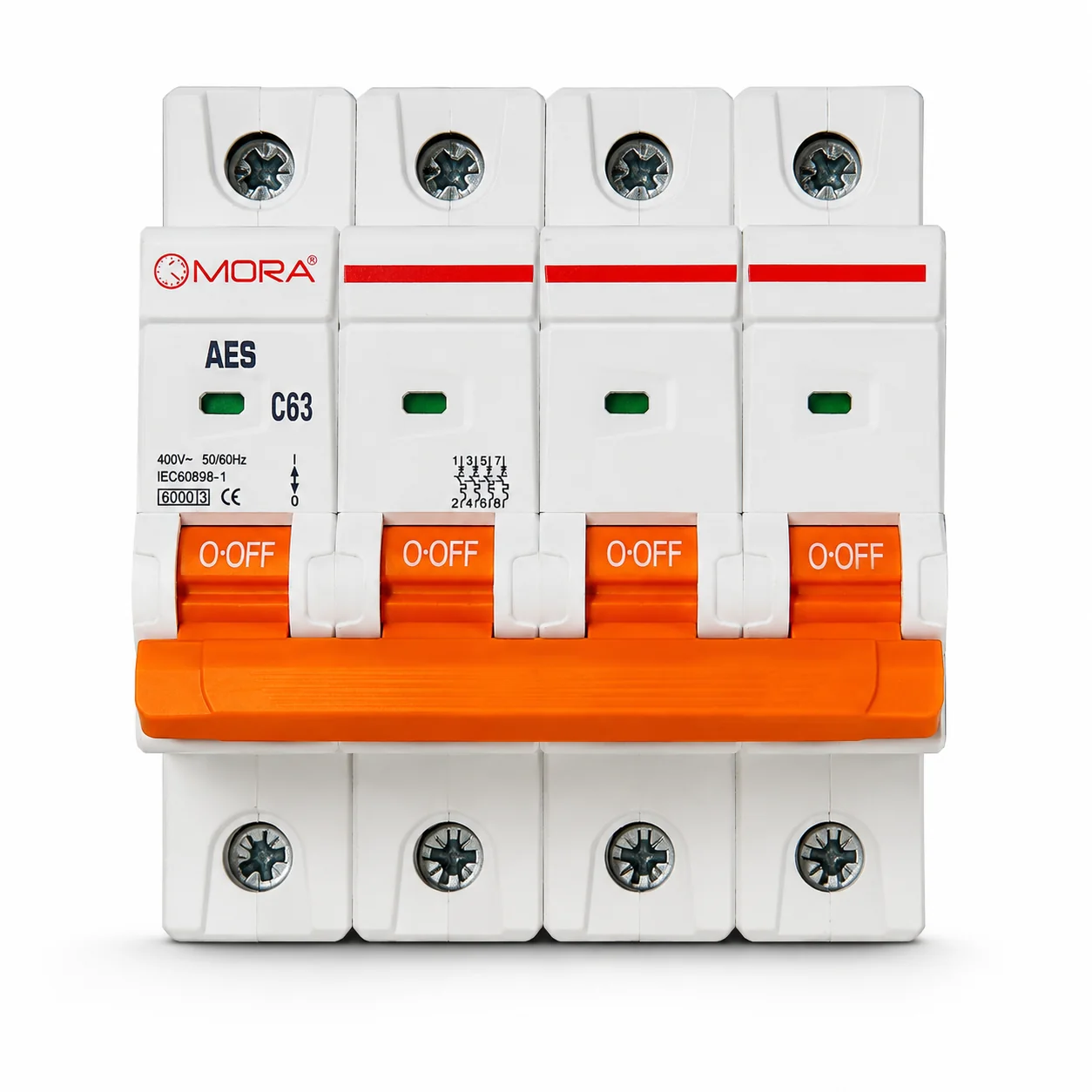
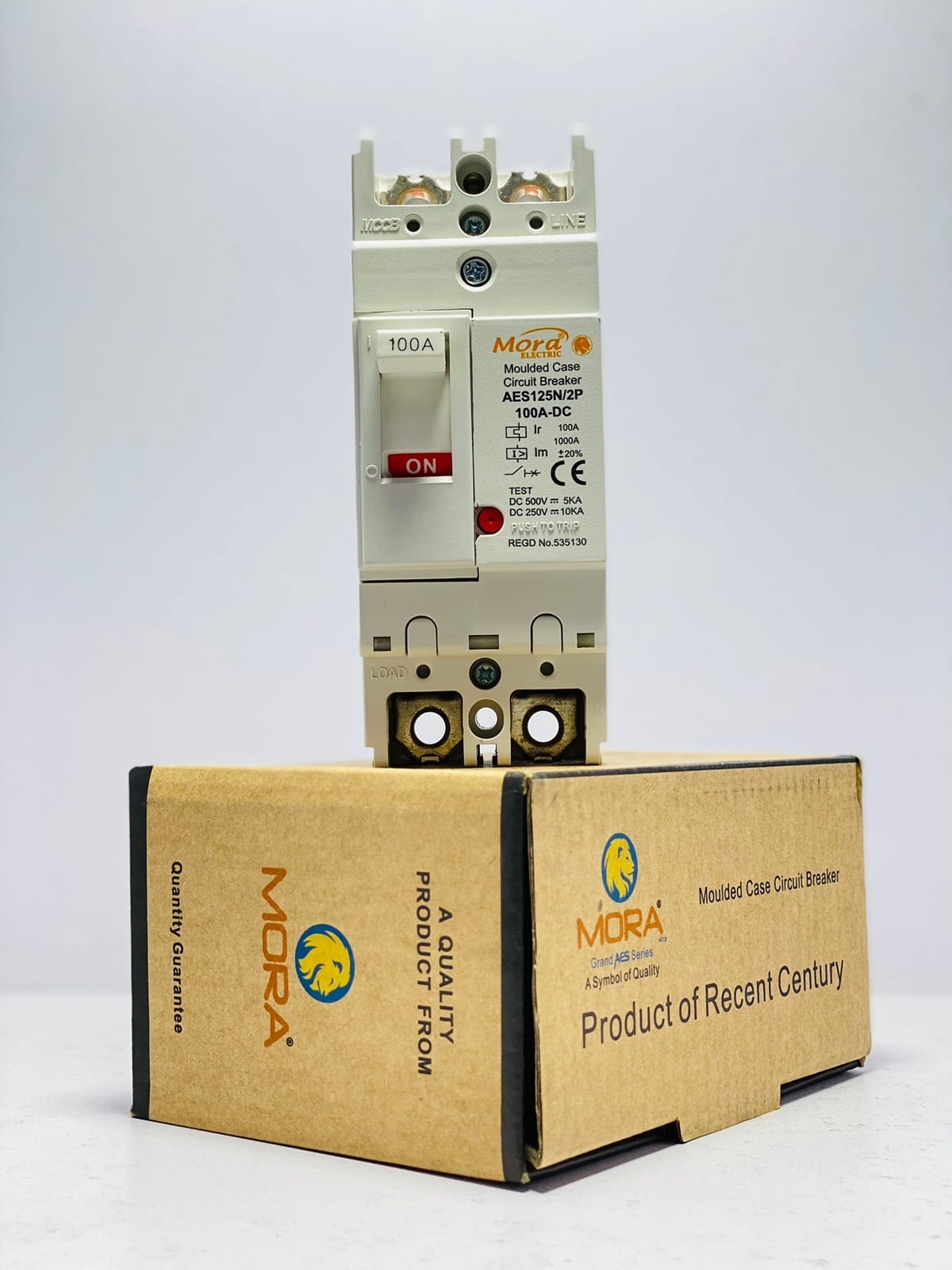
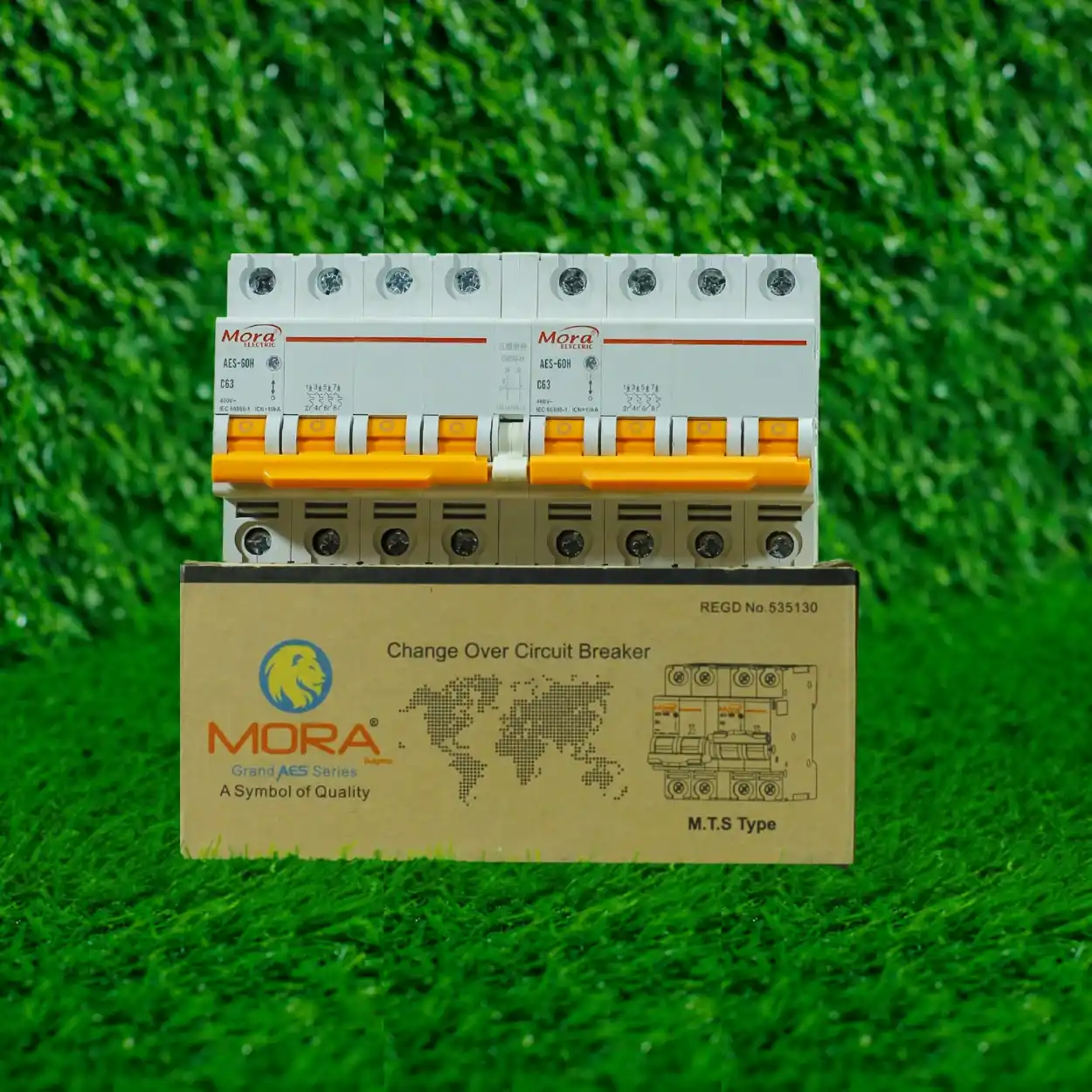
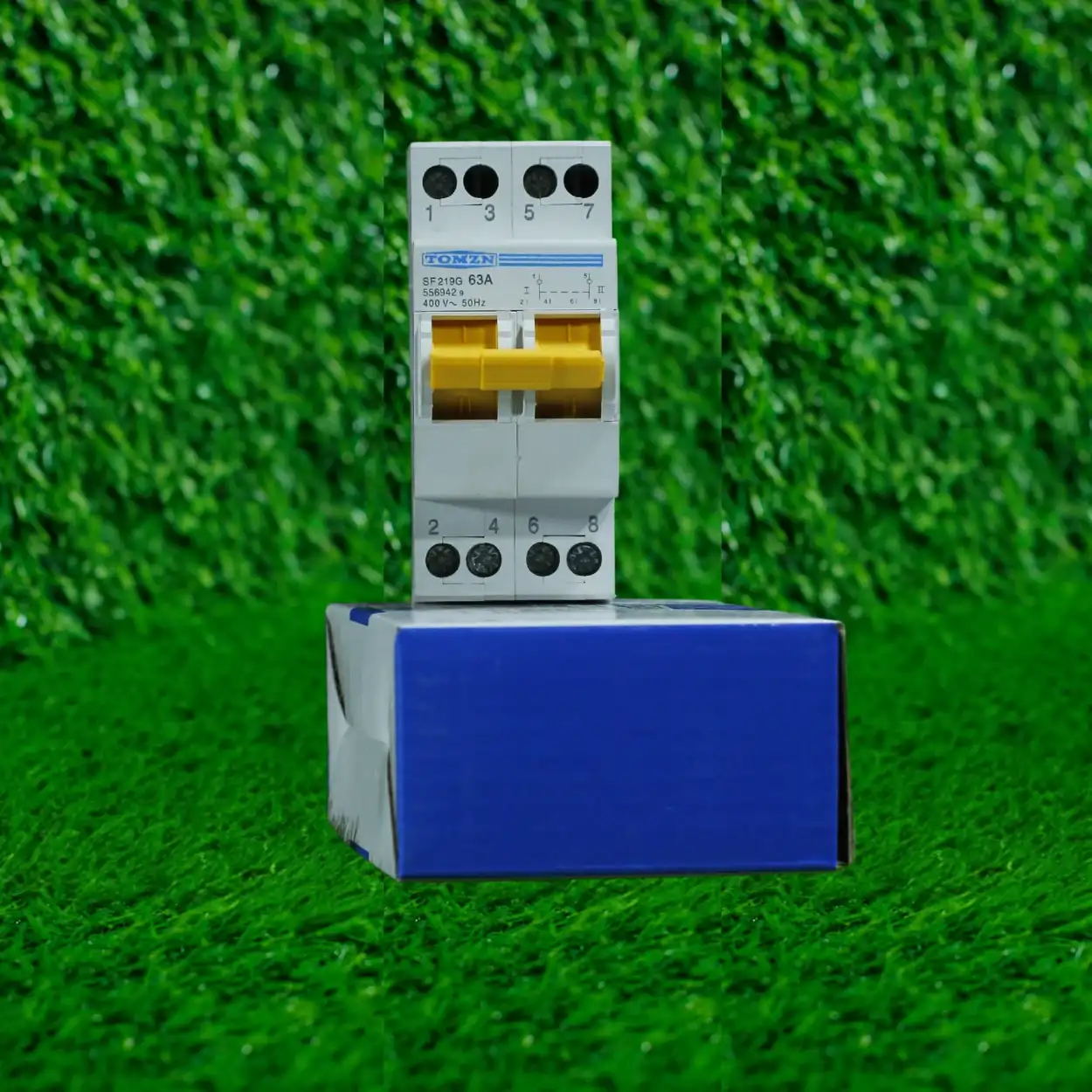
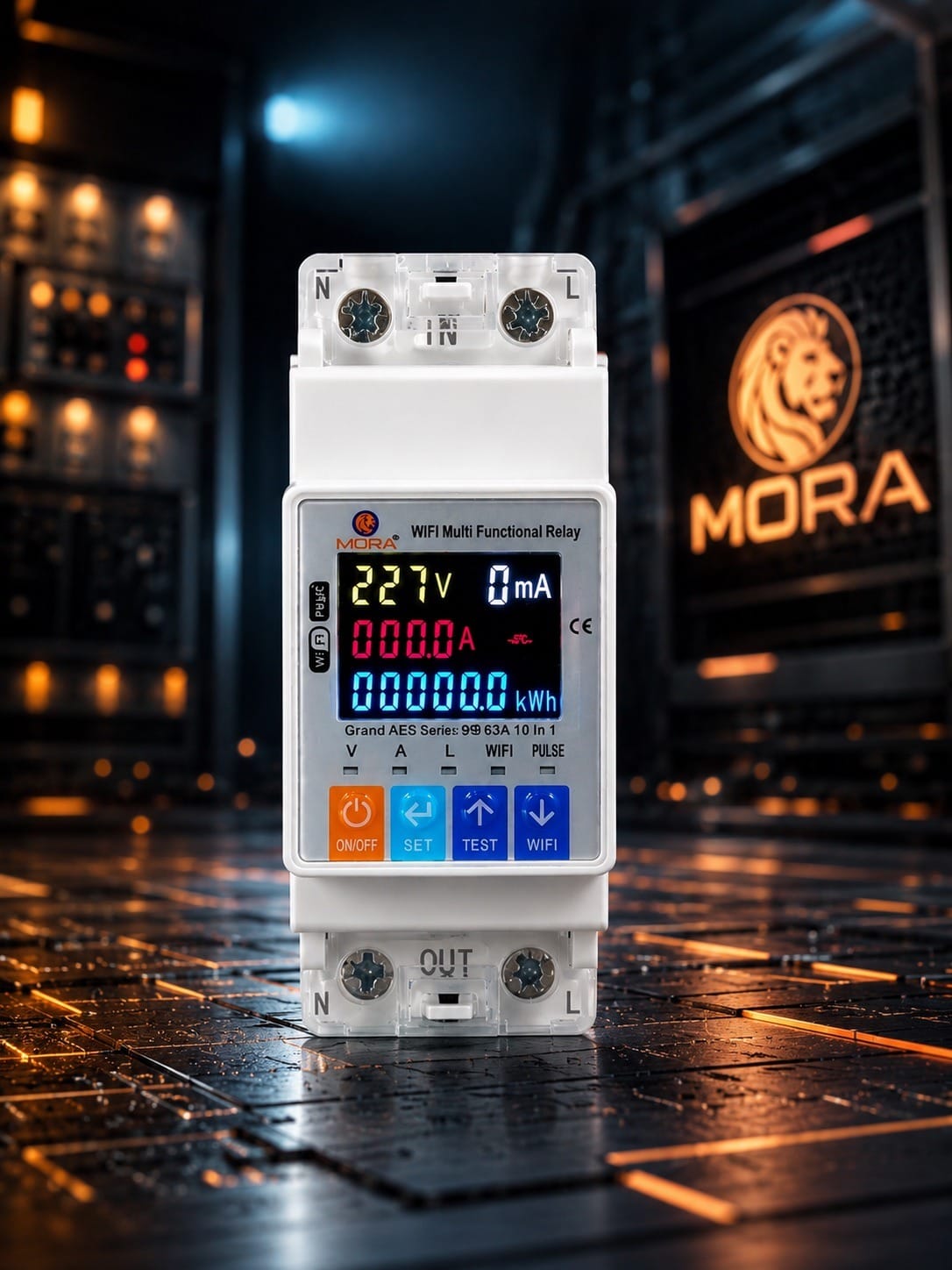
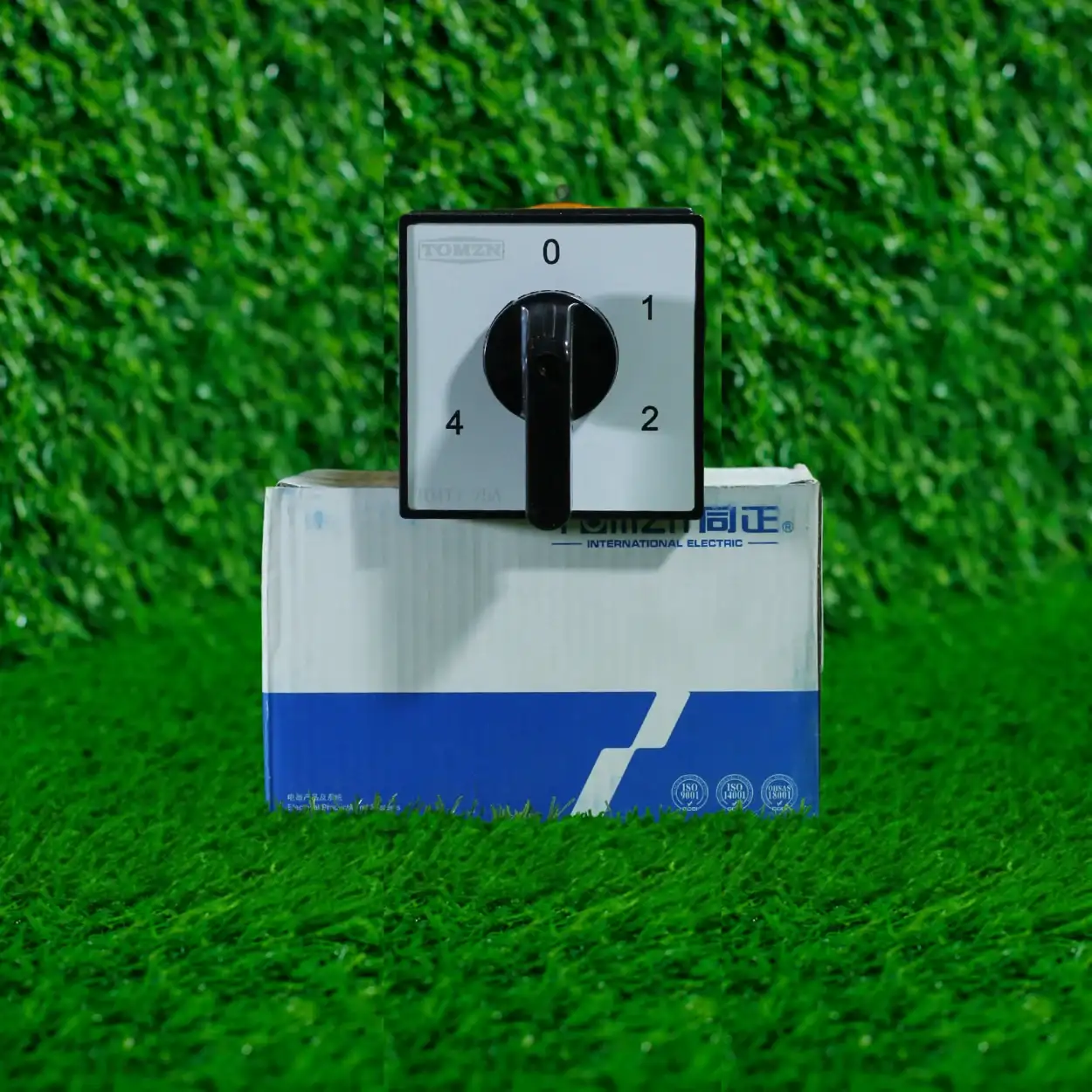
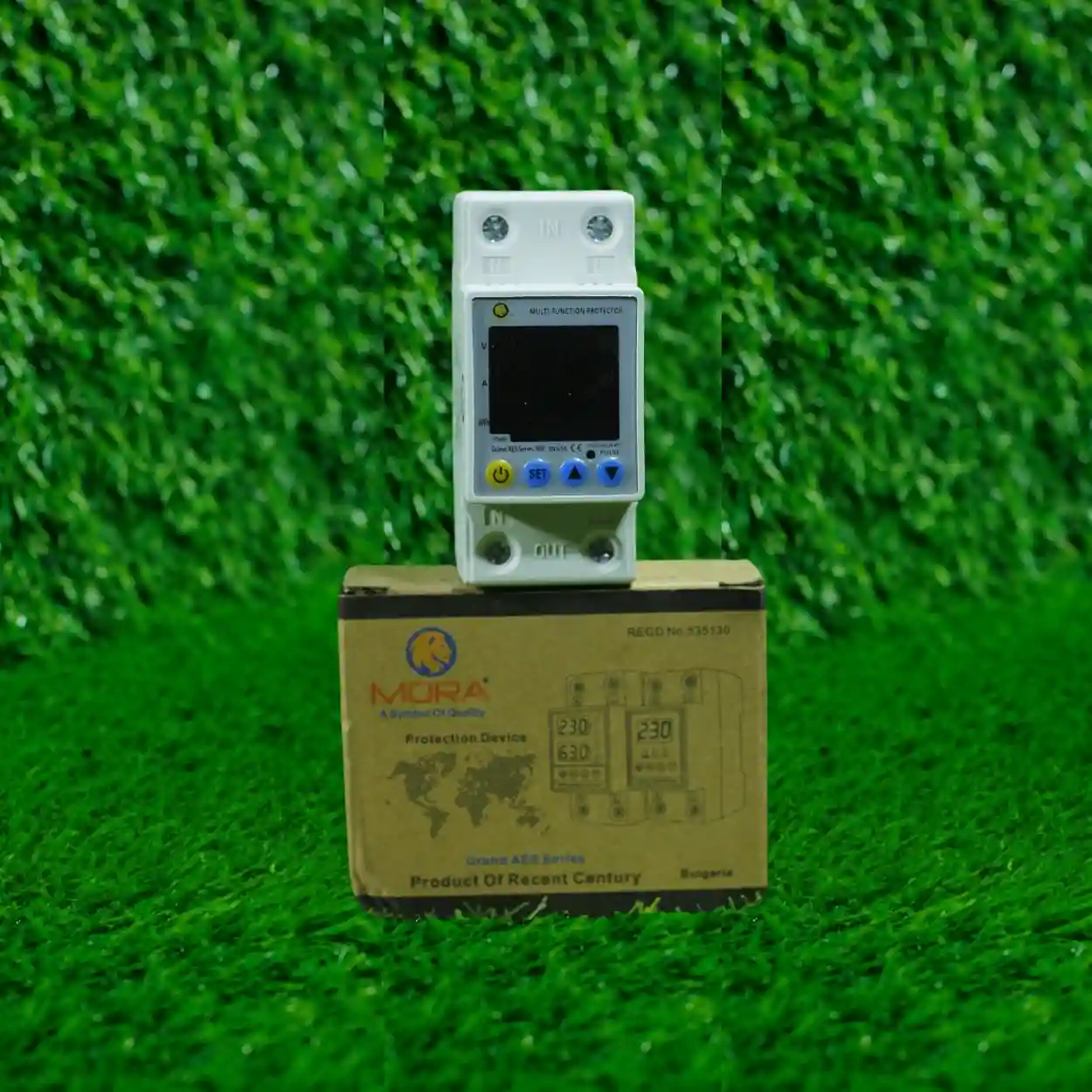
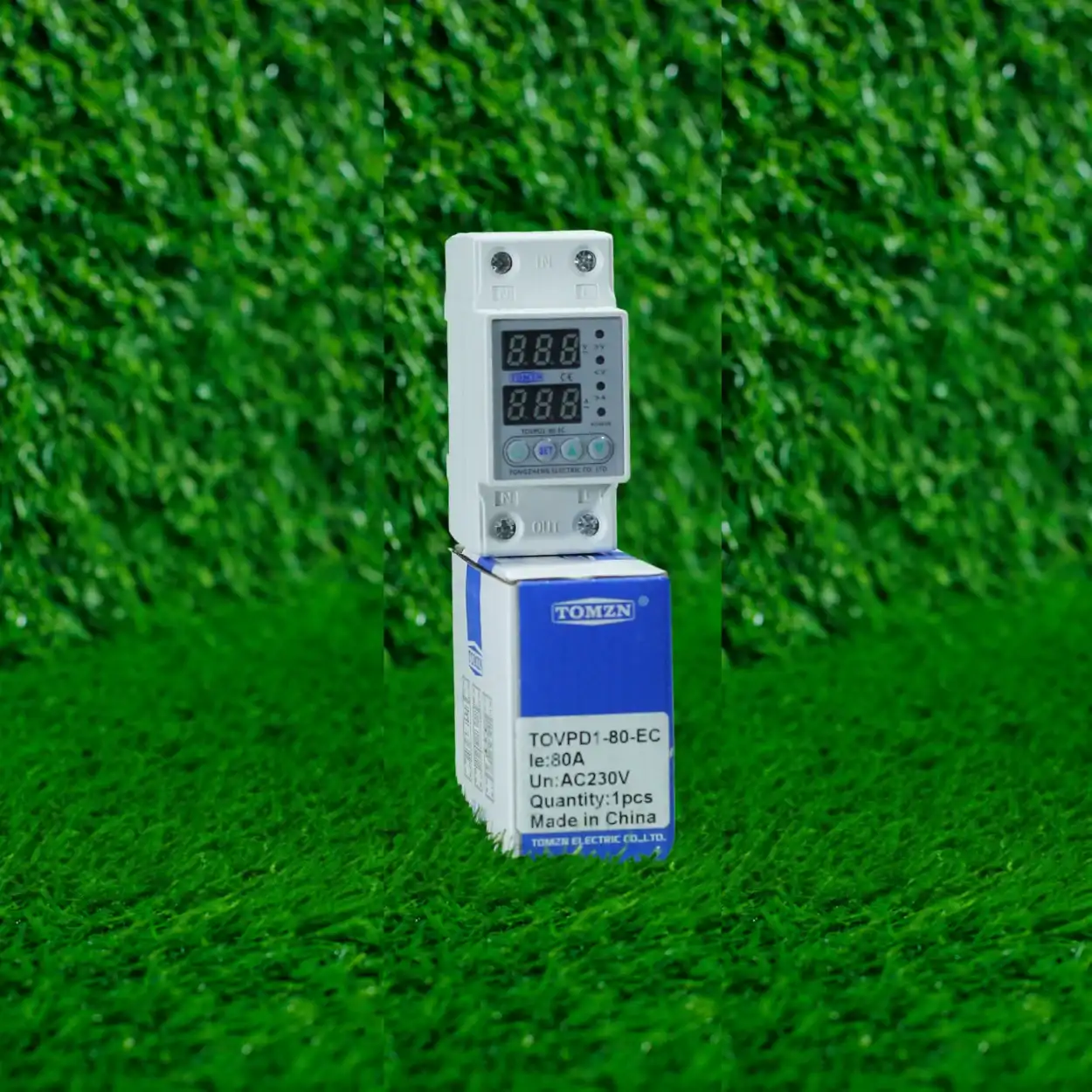
The internal PCB (printed circuit board) is where most of the real quality shows up. A good unit will have a thick, FR-4 grade board with clear trace layout and a design that’s easy to service if needed. Cheap units often have thin PCBs with poor component placement, and if a capacitor or transistor fails, the whole unit is garbage. MORA and TOMZN units I’ve installed tend to have solid PCBs and proper component sourcing, which is why I’m willing to stand behind them to customers.
Single-Phase vs. Three-Phase Protectors
Most households and small commercial setups need a single-phase protector for 220-230V supply. Three-phase protectors exist for 380-400V industrial supplies and three-phase motors, but they’re overkill for the typical home or shopfront. Three-phase units are also more expensive and bulkier.
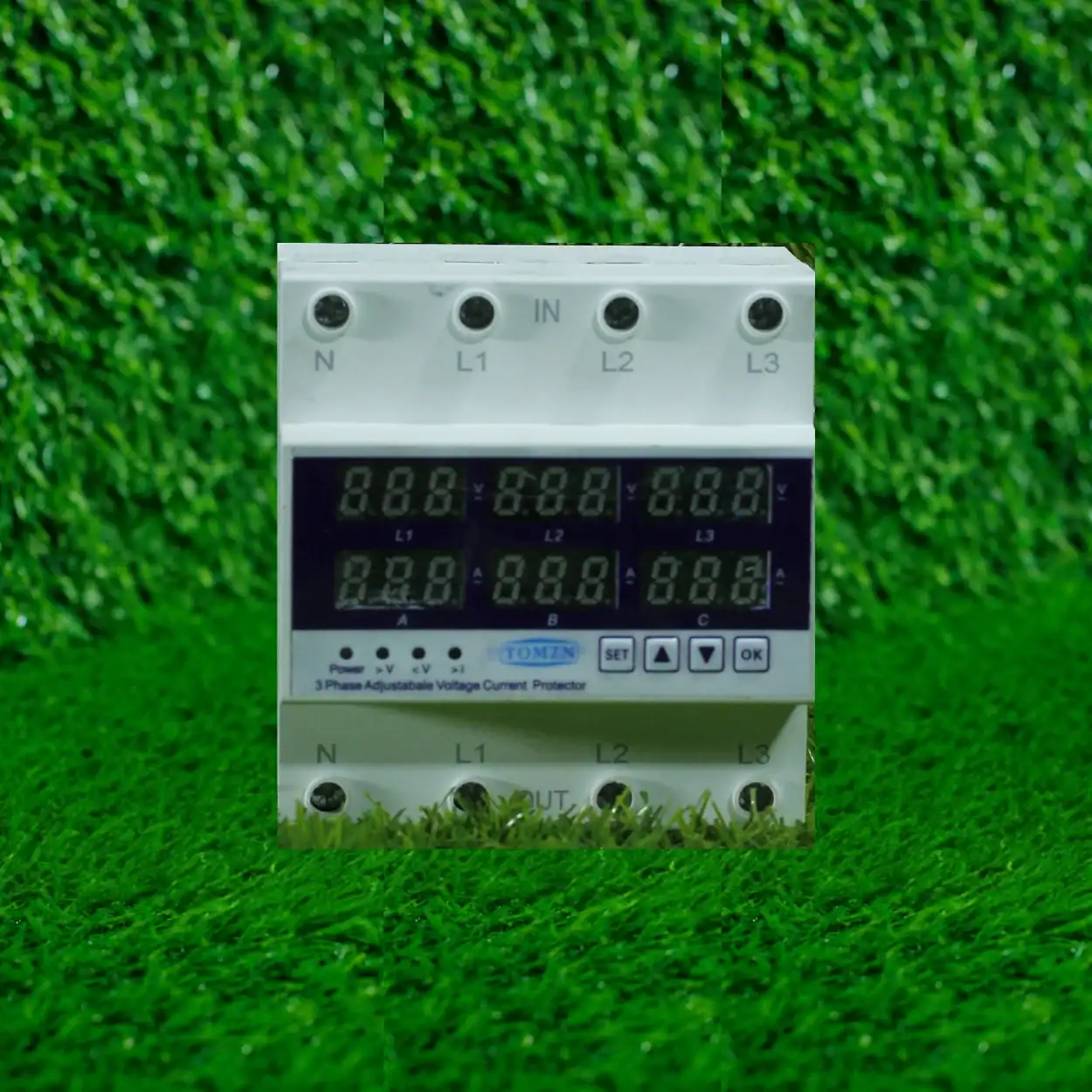
That said, if you have a mixed setup (some single-phase loads and some three-phase loads sharing the same panel), you might need both. I had a poultry farm job near Okara where they ran single-phase lights and fans off one breaker, and three-phase to a cold-storage unit off another. We installed a single-phase VAP on the lighting circuit and a three-phase unit downstream from the main three-phase breaker, so both were protected independently.
Integration with ATS and Backup Systems
On jobs where the customer has a generator or solar inverter backing up their main WAPDA supply, the volt-ampere protector placement becomes important. The VAP should be installed between the main supply and the ATS (automatic transfer switch or changeover), not the other way around. This way, grid voltage issues are caught before they ever reach the switch or the backup source.
If you install the VAP after the ATS, you risk the protector cutting out while a generator is already running, which causes the ATS to jump back and forth between supply and backup, stressing both. I’ve seen solar installations where the customer or an inexperienced electrician installed the protector on the load side (after the inverter), meaning the protector would trip on inverter output disturbances rather than grid issues. That’s a misunderstanding of the device’s role.
Choosing the Right Unit for Your Situation
Start by knowing your supply voltage specification from your DISCO and your meter rating. If you’re on a standard 220-230V single-phase meter at a house, apartment, or small business, you need a single-phase VAP. The ampere rating should match or slightly exceed your meter’s rating (20A meter gets a 20A protector, 32A meter gets a 32A or 40A, 63A meter gets a 63A).
For voltage thresholds, stick with the manufacturer’s defaults unless you have a specific reason not to. WAPDA in different regions runs differently, but 180-190V lower threshold and 240-245V upper threshold covers most of Pakistan’s grid behavior. If you’re in an industrial area or near a large transformer with a lot of load switching, check with neighbors or an electrician familiar with your local supply before adjusting upward.
Response time matters most if your load is sensitive electronics (computers, inverters, air conditioner control boards). For basic loads like lights and fans, a 50ms response time is fine. But for solar systems or UPS equipment, go for something in the 10-30ms range if you can get it, because the faster the protection, the less energy stress the backup system has to absorb.
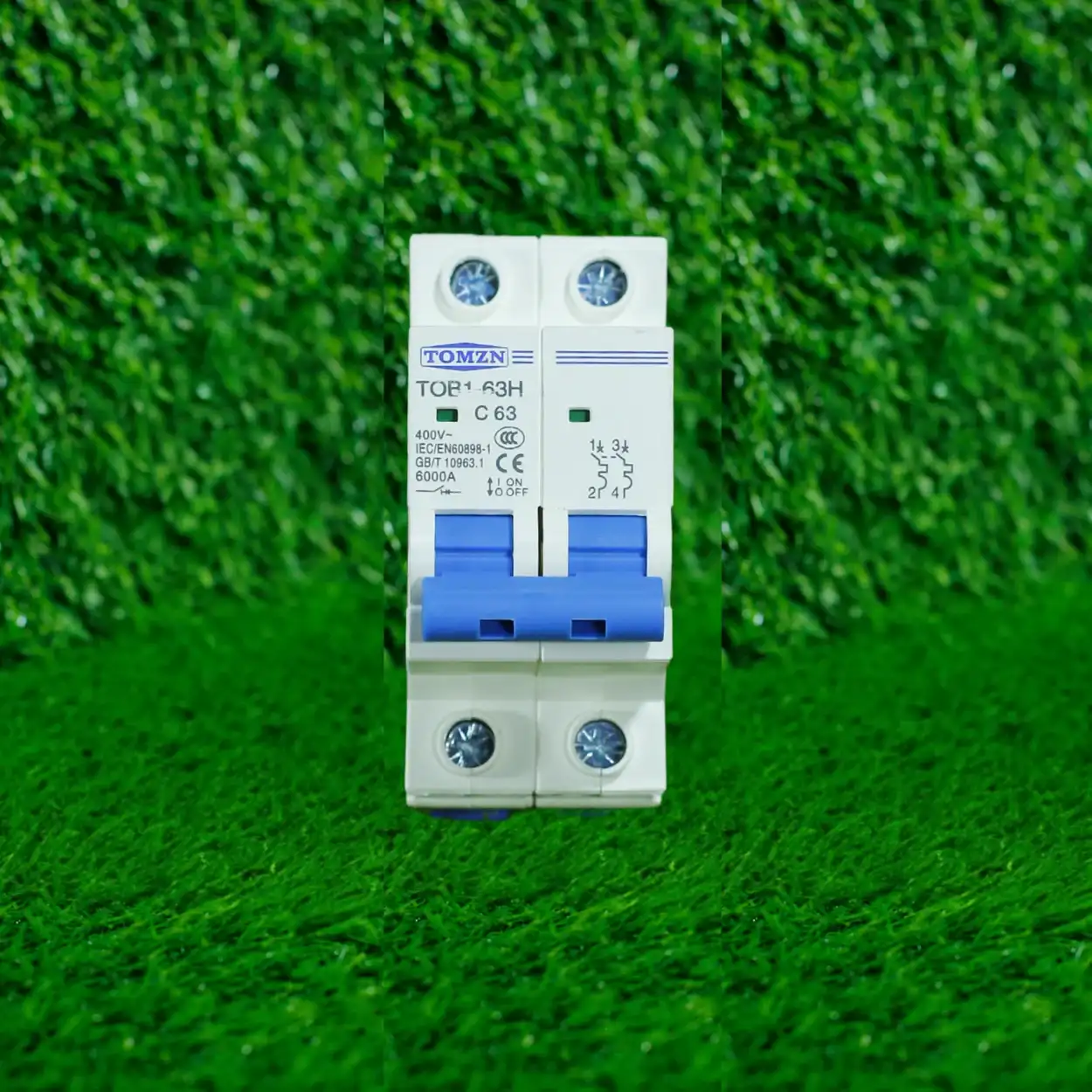
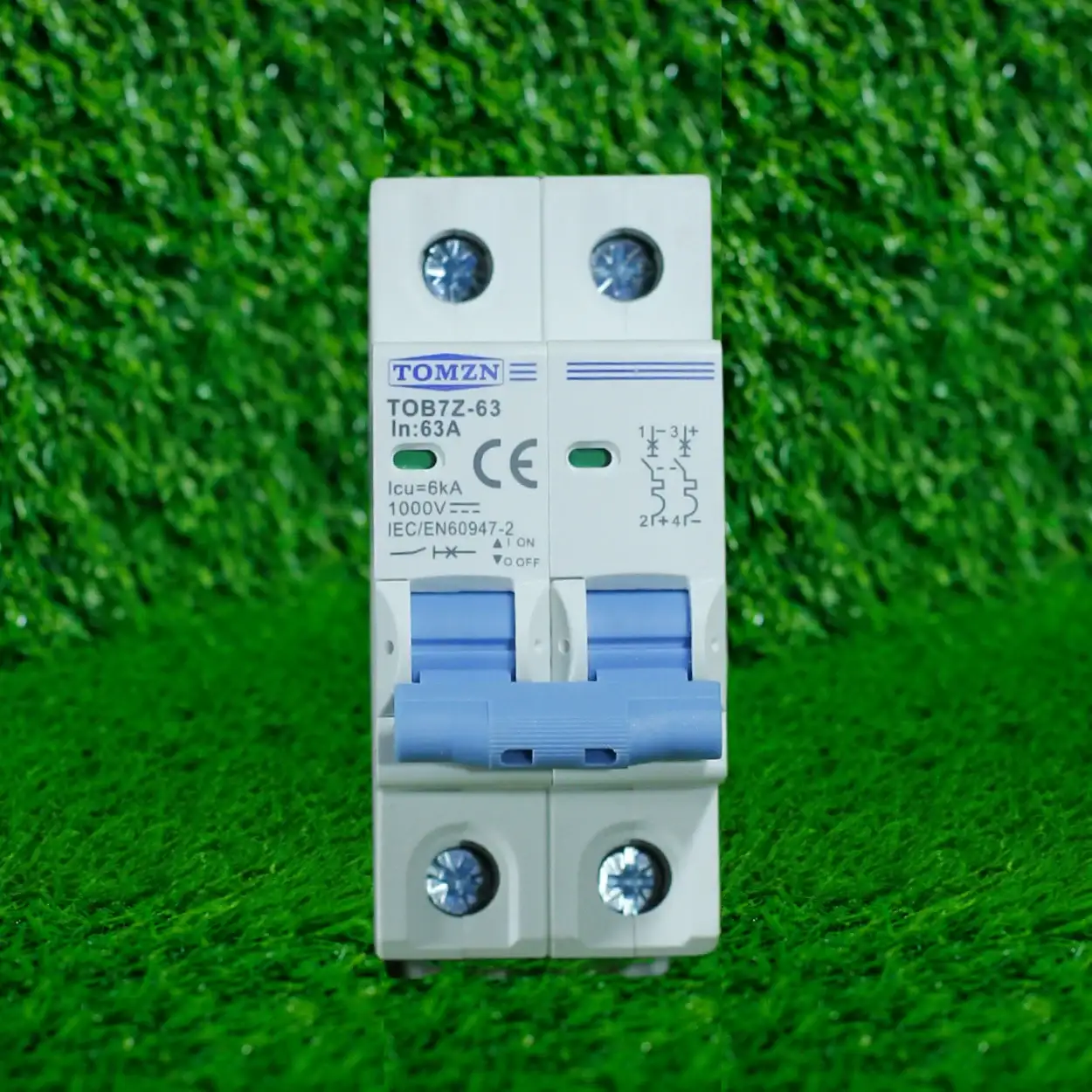
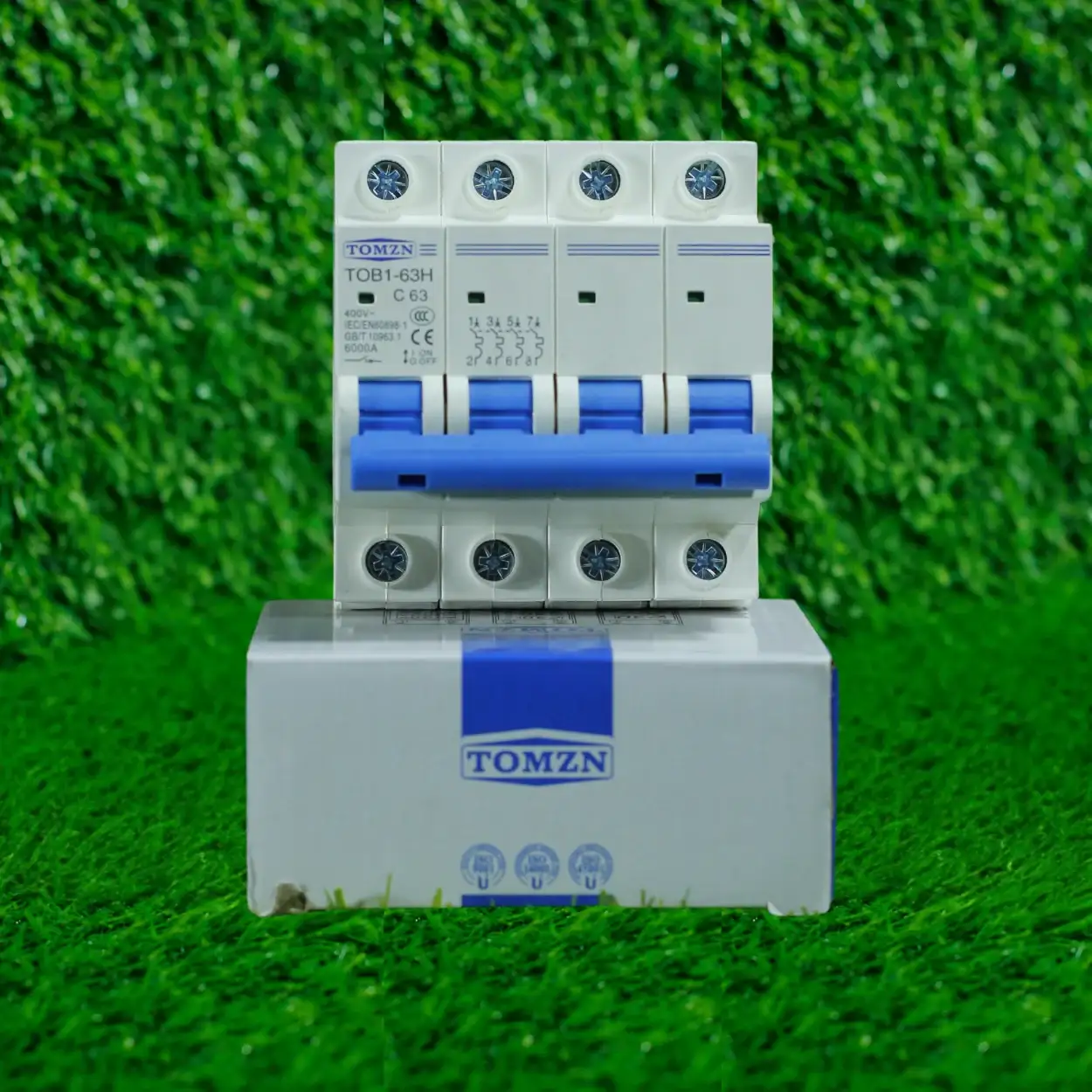
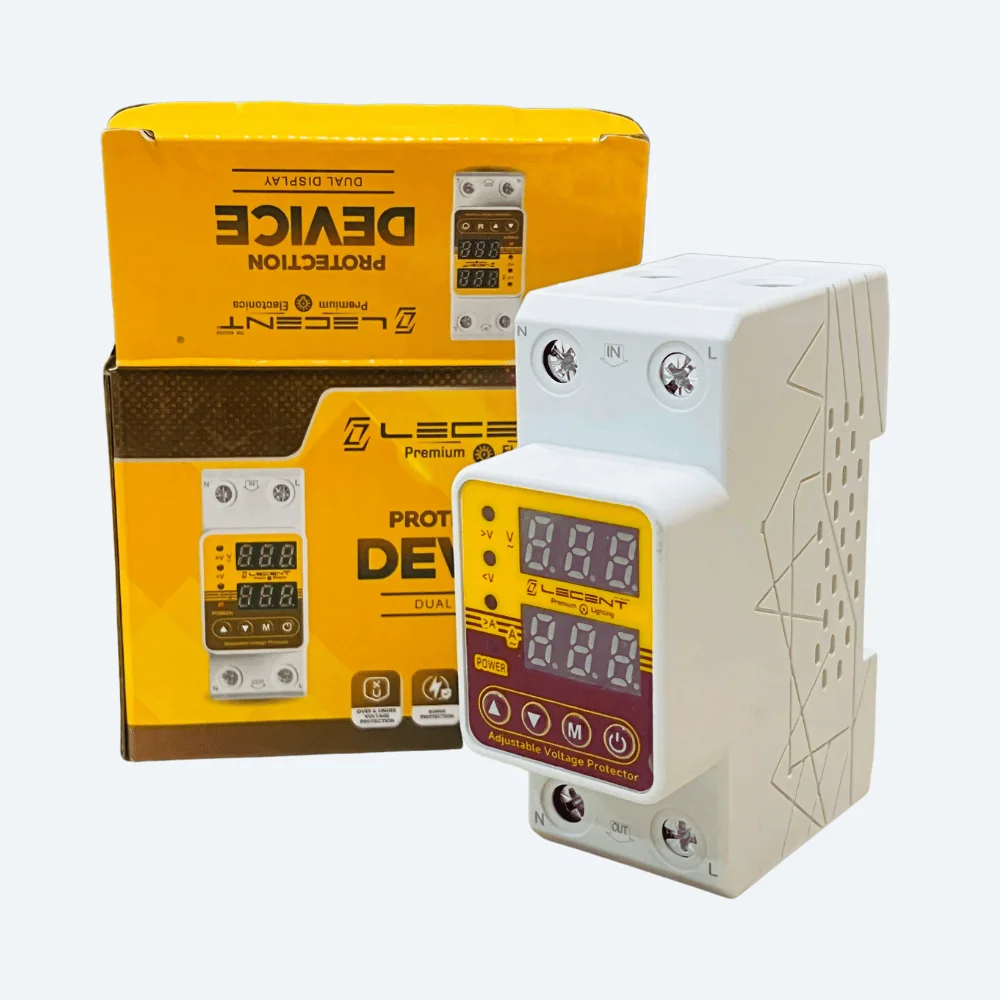
Brands like TOMZN and MORA have solid reputations on the Pakistani market, and I’ve spec’d both on real jobs without regretting it. The TOMZN 4th Gen 2-in-1 Over Under Voltage Protector in particular has adjustable thresholds and a clear trip indicator, which gives you flexibility if your supply conditions change or if you’re troubleshooting voltage behavior on an installation. It’s worth the extra cost if you’re dealing with an unreliable supply area.
If budget is tight and you’re protecting a basic household setup on a stable supply area, a simpler fixed-threshold unit from a trusted local distributor will work fine. But if your area has frequent load-shedding, frequent voltage spikes, or you’re protecting expensive appliances or backup systems, invest in a better unit. The difference between a 1500-2000 PKR cheap protector and a 3500-5000 PKR quality one is the difference between replacing it every couple of years and forgetting about it for five years.
What to Check Before Installation
Once you’ve bought the protector, unpack it and verify the voltage and ampere ratings are clearly marked on the front. Poor labeling is often a sign of a counterfeit or very cheap unit. Check that the trip indicator button works mechanically (it should move smoothly when pressed). Look inside at the PCB if the housing is open or transparent, and make sure components are soldered cleanly and there’s no visible corrosion or damage.
Install it as close as possible to the main meter/supply point, on the load side (between the meter and your distribution box or appliances). Use proper DIN rail mounting if the panel is metal, or wall-mount with appropriate brackets. Wire it with the same gauge as your meter’s outgoing cable, not thinner. Too-small wiring defeats the purpose, because the protector can trip correctly but the connecting wires overheat before the trip happens.
Test it after installation by deliberately causing a voltage issue if possible. If you have access to a variable transformer, you can gradually lower the voltage and watch for the trip. If not, just confirm visually that the trip indicator lights up when you manually press the reset button, and that power cuts and restores cleanly when you flip the switch.
A proper volt-ampere protector is one of the simplest and cheapest insurance policies you can buy for your electrical system. The cost to replace a burnt compressor on an air conditioner or a fried control board on a solar inverter is five to ten times the cost of a good protector. On Pakistan’s grid, it’s not a luxury option, it’s a necessity if you want your expensive appliances to last longer than a couple of years.