









Solar Panel Price in Pakistan 2026 Per Watt Calculator Guide


The solar panel price in Pakistan 2026 is currently one of the most important considerations for homeowners and businesses planning to switch to solar energy. Increasing electricity bills, frequent tariff changes and the need for reliable power have encouraged more Pakistani consumers to generate their own electricity.
As of July 2026, the retail price of an A-grade solar panel in Pakistan generally ranges between approximately Rs.38 and Rs.46 per watt. The actual rate depends on the brand, wattage, solar-cell technology, warranty, panel grade and city. Prices can change daily because of currency exchange rates, import costs, taxes, stock availability and international market conditions.
This guide explains the latest solar panel rates, per-watt calculation method, estimated panel cost for different system sizes and the factors you should consider before buying solar panels.
If you require professional planning and installation, explore HN Electric’s solar solutions for residential, commercial and industrial projects.
Latest Solar Panel Price in Pakistan 2026
The following table provides an estimated overview of the solar panel price in Pakistan 2026. These are indicative market rates rather than fixed quotations.
| Solar panel category | Estimated price per watt | Approximate panel price |
|---|---|---|
| Standard A-grade panel | Rs.38–Rs.42 | Depends on wattage |
| N-type bifacial panel | Rs.40–Rs.46 | Depends on wattage |
| Premium anti-dust panel | Rs.42–Rs.46 | Depends on wattage |
| 585W solar panel | Rs.38–Rs.45 | Rs.22,230–Rs.26,325 |
| 610W solar panel | Rs.40–Rs.46 | Rs.24,400–Rs.28,060 |
| 650W solar panel | Rs.41–Rs.46 | Rs.26,650–Rs.29,900 |
These price estimates are based on publicly available July 2026 market listings. Rates can be different in Lahore, Karachi, Islamabad, Multan, Faisalabad and other cities because of transportation and dealer costs.
For an exact quotation based on your load and property, contact HN Electric.
Solar Panel Prices by Popular Brand
LONGi, Jinko, JA Solar, Canadian Solar, Trina Solar and AIKO are among the commonly considered brands in Pakistan. Availability and prices may differ between cities and suppliers.
| Brand | Common technology | Approximate price per watt |
|---|---|---|
| LONGi Solar | N-type, HPBC, bifacial | Rs.42–Rs.45 |
| Jinko Solar | N-type, bifacial | Rs.42–Rs.45 |
| JA Solar | N-type, bifacial | Rs.41–Rs.45 |
| Canadian Solar | N-type, double glass | Rs.43–Rs.46 |
| Trina Solar | N-type, bifacial | Rs.40–Rs.44 |
| AIKO Solar | N-type, ABC/HPBC | Rs.42–Rs.45 |
| Other A-grade brands | Monofacial or bifacial | Rs.38–Rs.42 |
The cheapest panel is not automatically the best option. Always check whether the panel is documented, genuinely A-grade and covered by an authentic manufacturer warranty.
Solar Panel Price Per Watt in Pakistan
Solar panels in Pakistan are normally priced according to their power capacity. A supplier may quote a rate such as Rs.42 per watt instead of giving only the total panel price.
Use this simple formula:
Solar panel price = Panel wattage × Price per watt
For example, if a 585-watt panel costs Rs.42 per watt:
585 × Rs.42 = Rs.24,570
Therefore, the estimated price of that 585W panel would be Rs.24,570.
Solar Panel Per-Watt Calculator
Use the following table as a quick solar panel calculator.
| Panel wattage | At Rs.38/watt | At Rs.42/watt | At Rs.46/watt |
|---|---|---|---|
| 550W | Rs.20,900 | Rs.23,100 | Rs.25,300 |
| 575W | Rs.21,850 | Rs.24,150 | Rs.26,450 |
| 585W | Rs.22,230 | Rs.24,570 | Rs.26,910 |
| 600W | Rs.22,800 | Rs.25,200 | Rs.27,600 |
| 610W | Rs.23,180 | Rs.25,620 | Rs.28,060 |
| 650W | Rs.24,700 | Rs.27,300 | Rs.29,900 |
Example: Calculating the Price of Ten Solar Panels
Suppose you want to purchase ten 585W panels and the current rate is Rs.42 per watt.
- Price of one panel: 585 × 42 = Rs.24,570
- Price of ten panels: 24,570 × 10 = Rs.245,700
- Total panel capacity: 585 × 10 = 5,850 watts or 5.85kW
This calculation covers only the panels. It does not include the inverter, structure, cables, breakers, distribution boxes, earthing, installation or batteries.
Estimated Solar Panel Cost by System Size
A complete solar system normally requires slightly more or less panel capacity than its advertised size. The final design depends on the inverter specifications, available roof space and selected panel wattage.
The following estimates use 585W panels at Rs.42 per watt:
| Target capacity | Approximate panels | Actual panel capacity | Estimated panel cost |
|---|---|---|---|
| 3kW | 6 panels | 3.51kW | Rs.147,420 |
| 5kW | 9 panels | 5.27kW | Rs.221,130 |
| 6kW | 11 panels | 6.44kW | Rs.270,270 |
| 10kW | 18 panels | 10.53kW | Rs.442,260 |
| 15kW | 26 panels | 15.21kW | Rs.638,820 |
These figures represent the estimated cost of solar panels only.
What Is Included in a Complete Solar System?
A complete system generally contains:
- Solar panels
- Solar inverter
- Mounting structure
- AC and DC cables
- MC4 connectors
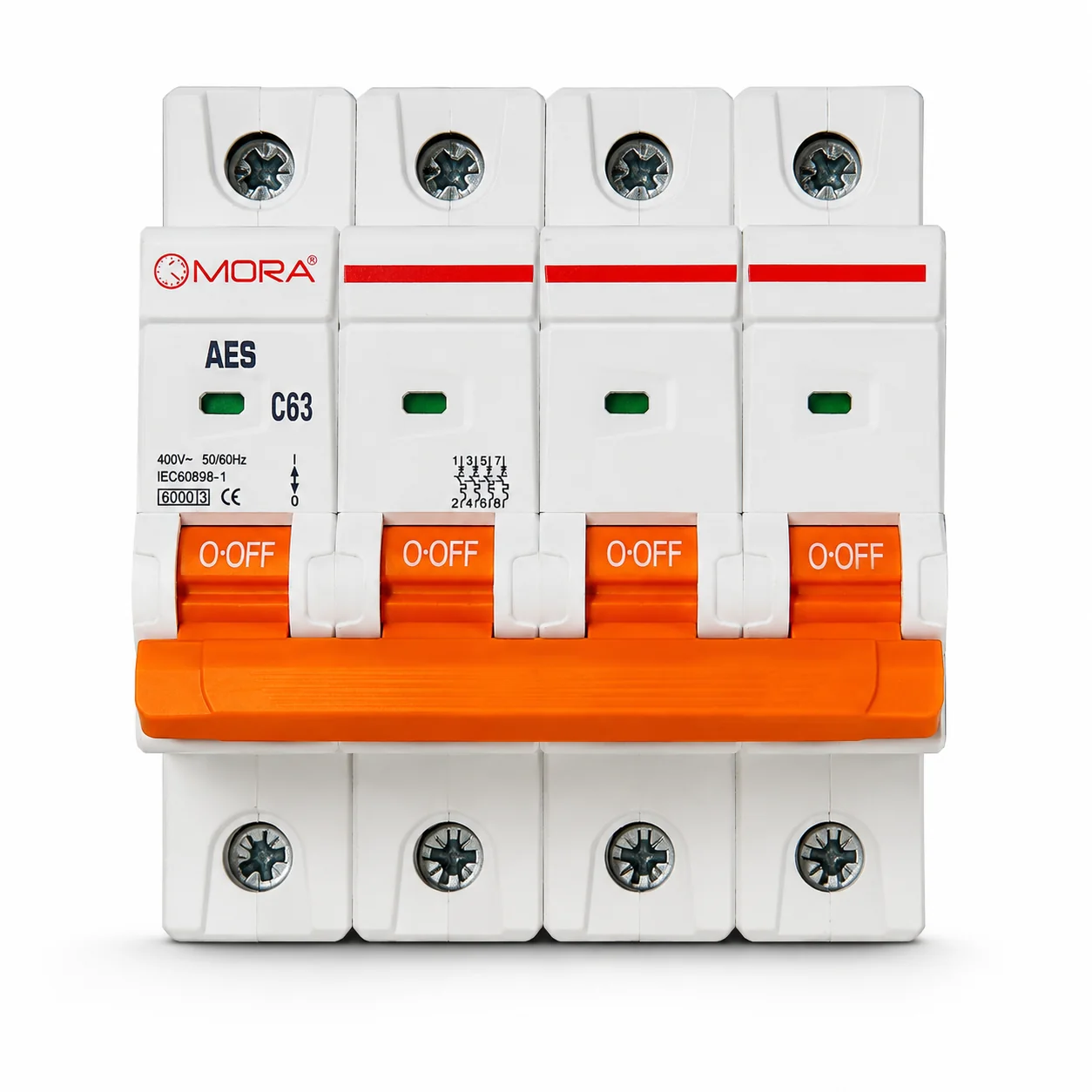
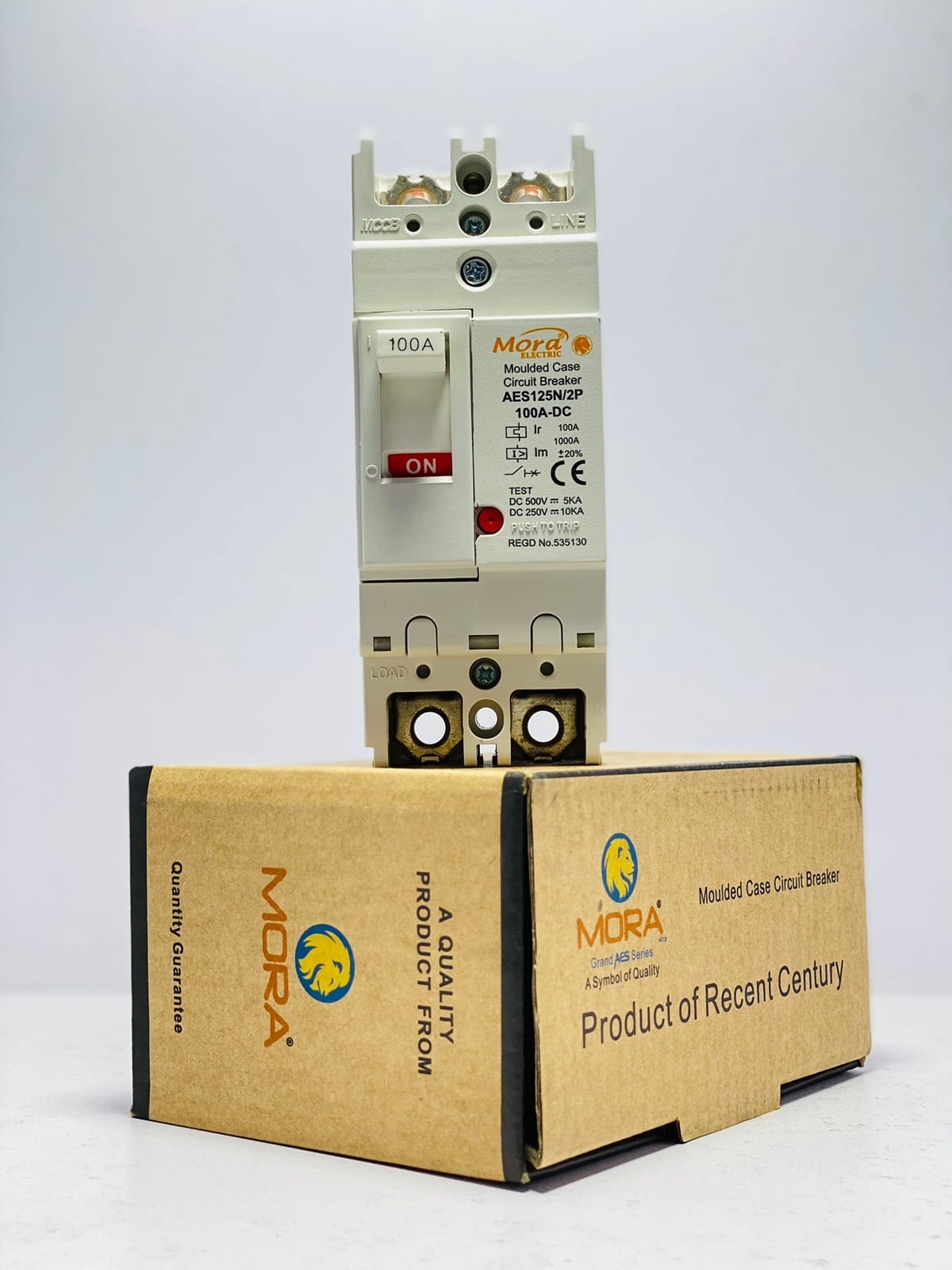
- DC and AC circuit breakers
- Surge protection devices
- Distribution boxes
- Earthing equipment
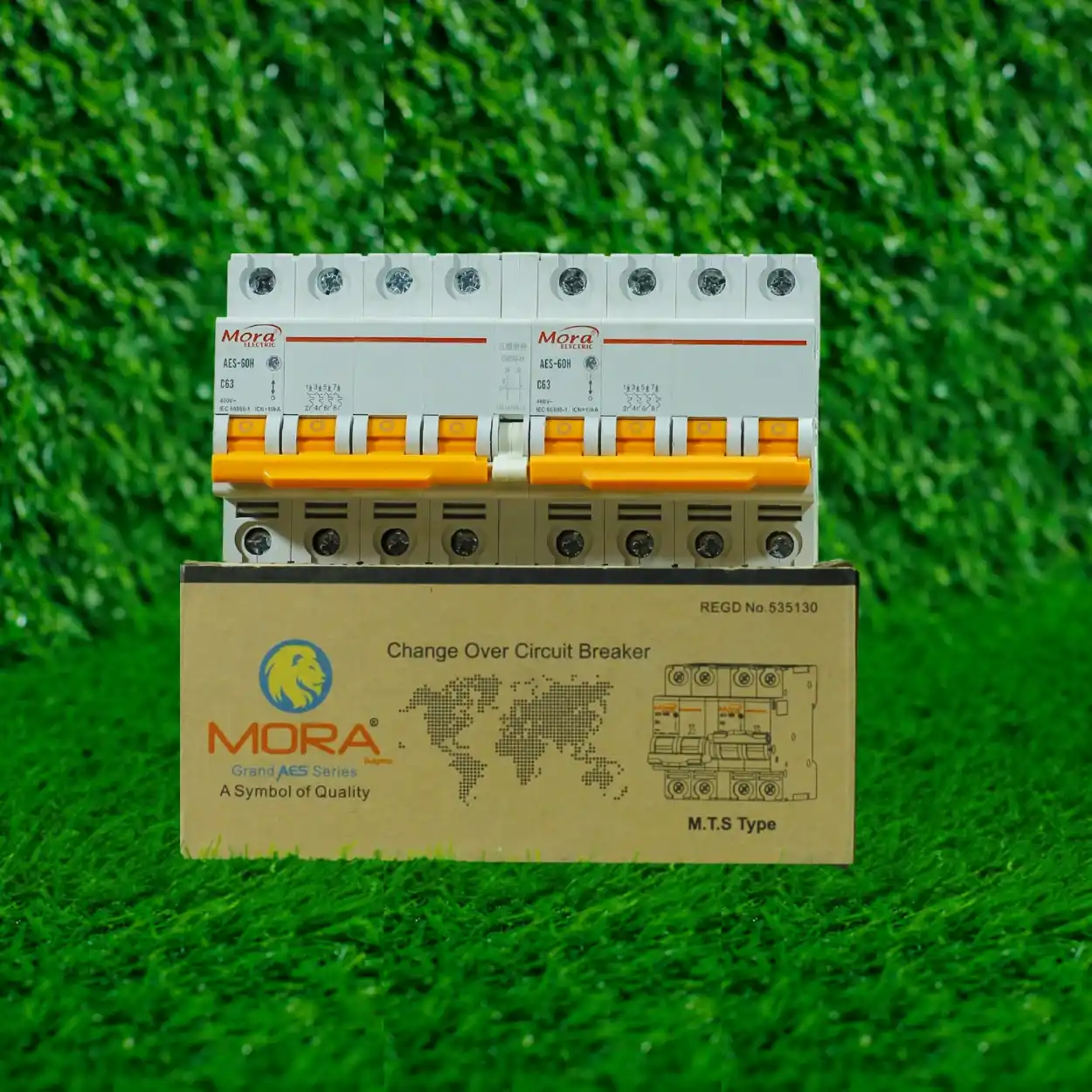
- Changeover switch, where required
- Batteries for hybrid or off-grid systems
- Installation and testing
You can browse suitable solar accessories and other protection products available from HN Electric.
Types of Solar Panels Available in Pakistan
Understanding panel technology is necessary before comparing prices. Two panels with the same wattage may offer different performance, construction and warranties.
Monofacial Solar Panels
A monofacial panel produces electricity from sunlight received on its front side. These panels are commonly used on rooftops where the surface beneath them does not reflect much sunlight.
Their advantages include:
- Generally lower initial price
- Simple rooftop installation
- Widely available
- Suitable for many residential projects
Bifacial Solar Panels
A bifacial panel can receive light from both its front and rear sides. Its rear-side generation depends on mounting height, spacing and the reflectivity of the surface below it.
Bifacial panels can be useful for:
- Light-coloured or reflective roofs
- Elevated mounting structures
- Commercial installations
- Open areas with fewer shadows
A bifacial panel will not automatically provide significantly higher output on every roof. Proper installation conditions are essential.
N-Type Solar Panels
N-type solar panels are increasingly popular because they generally offer better efficiency, lower degradation and improved performance at high temperatures compared with many older P-type modules.
They may cost slightly more, but their long-term performance can make them a better choice for customers planning to use the system for many years.
Single-Glass vs Double-Glass Panels
Single-glass panels generally have glass on the front and a protective backsheet. Double-glass panels have glass on both sides and are usually more resistant to moisture and environmental stress.
Double-glass construction is common in bifacial panels. However, these panels can be heavier, so the mounting structure must be designed correctly.
Which Technology Should You Choose?
For most modern residential and commercial installations, an authentic A-grade N-type panel from a reputable brand can be a practical choice. The final selection should consider:
- Available budget
- Roof space
- Roof strength
- Panel efficiency
- Inverter specifications
- Local climate
- Product warranty
- Installer experience
HN Electric Expert Tip
Do not select a panel only because it has the highest wattage. Compare its efficiency, dimensions, temperature coefficient, warranty and compatibility with the inverter. A properly designed system often performs better than a system assembled from randomly selected high-wattage products.
Factors Affecting Solar Panel Price in Pakistan 2026
The solar panel price per watt in Pakistan does not remain fixed throughout the year. Several local and international factors influence the final market rate.
Currency Exchange Rate
Most solar modules and components are imported. When the Pakistani rupee changes against international currencies, import costs and local prices can also change.
Import Duties and Taxes
Changes in customs duties, sales tax and government policy can affect the landed cost of solar panels. Buyers should therefore verify whether the quoted price includes applicable taxes.
International Solar Market
Changes in global production, raw-material costs, shipping rates and manufacturer supply can influence prices in Pakistan. The cost of silver and other manufacturing inputs can also affect international module prices.
Brand and Panel Technology
Premium N-type, HPBC, ABC and bifacial panels may cost more than standard models. The price difference can reflect efficiency, construction, degradation rate and warranty coverage.
Panel Grade and Documentation
An A-grade documented panel normally costs more than an undocumented, B-grade or repaired panel. A suspiciously low price may indicate compromised quality or limited warranty protection.
City and Transportation Costs
Solar panel prices can vary between Lahore, Karachi, Islamabad and other cities. Transportation is especially important because solar panels are large and fragile.
How to Check a Solar Panel Before Buying
Before paying for any solar panel, inspect the product and verify its details.
Check the following:
- Manufacturer name and model number
- Serial number and barcode
- Panel wattage and electrical specifications
- Manufacturing warranty
- Performance warranty
- Physical glass condition
- Frame condition
- Junction box and cables
- Documentation and invoice
- Supplier reputation
Look for cracks, scratches, damaged frames, loose junction boxes and signs of repair. Where possible, ask the installer or supplier to test the panel before installation.
A-Grade vs B-Grade Solar Panels
A-grade panels meet the manufacturer’s normal quality and performance standards. B-grade panels may have cosmetic defects, manufacturing irregularities or reduced performance.
A cheaper B-grade panel may appear attractive initially, but it can create problems such as:
- Lower electricity generation
- Faster degradation
- Hotspots
- Warranty difficulties
- Inconsistent output
- Greater risk of premature failure
For a long-term home or commercial system, documented A-grade panels are generally the safer choice.
Solar Panel Cost vs Complete System Cost
Many customers assume that multiplying the panel wattage by the per-watt rate gives the complete solar system price. It only gives the cost of the panels.
A complete system price also depends on:
- Inverter type and capacity
- Battery capacity
- Mounting structure
- Cable length and quality
- Electrical protection
- Earthing system
- Roof condition
- Installation complexity
- Net-metering requirements
- After-sales support
For example, two 5kW systems can have very different prices if one uses an on-grid inverter while the other uses a hybrid inverter with lithium batteries.
Read HN Electric’s solar installation service guide to understand the complete installation process.
How Many Solar Panels Does a Home Need?
The required number of panels depends on electricity consumption rather than house size alone. Check your monthly units, daytime load, peak appliance load and required backup duration.
A simple initial formula is:
Required system size in kW = Daily electricity consumption ÷ Average effective sunlight hours
For example, if a home consumes 25 units per day and receives approximately five effective solar hours:
25 ÷ 5 = 5kW
Real system design must also account for losses caused by temperature, inverter conversion, wiring, dust, shade and panel orientation. Therefore, professional load assessment is recommended before purchasing equipment.
Solar Panel Installation and Safety
Good panels cannot deliver their best performance if they are installed incorrectly. Panel direction, tilt, spacing and shade directly affect output.
A safe installation should include:
- Strong mounting structure
- Correct cable sizing
- Suitable DC and AC breakers
- Proper surge protection
- Reliable earthing
- Weatherproof connectors
- Correct inverter configuration
- System testing after installation
HN Electric supplies circuit breakers, distribution boxes and solar protection equipment for safer installations.
Are Solar Panels Worth Buying in Pakistan in 2026?
Solar panels can be a worthwhile investment for homes and businesses with high daytime electricity use. Their financial benefit depends on system cost, electricity consumption, energy tariff, maintenance and system performance.
Solar may help you:
- Reduce grid electricity consumption
- Control long-term energy expenses
- Generate power during daylight
- Support selected backup loads when paired with batteries
- Reduce dependence on unstable electricity prices
- Use a renewable energy source
According to the U.S. Department of Energy, photovoltaic technology converts solar radiation into useful electricity. Pakistan’s PPIB solar and net-metering guide also explains how residential, commercial, industrial and agricultural consumers can use solar PV to reduce their grid consumption.
Savings are not identical for every customer. A site survey and analysis of recent electricity bills provide a more reliable estimate.
Frequently Asked Questions
What is the solar panel price in Pakistan 2026?
As of July 2026, many A-grade solar panels are available at approximately Rs.38 to Rs.46 per watt. Rates vary according to brand, technology, wattage, city and stock availability.
What is the price of a 585-watt solar panel in Pakistan?
At a market rate of Rs.38 to Rs.45 per watt, a 585W panel may cost approximately Rs.22,230 to Rs.26,325. Confirm the latest price before ordering.
How do I calculate solar panel price per watt?
Multiply the panel’s wattage by the current per-watt rate. For example, a 585W panel at Rs.42 per watt costs approximately Rs.24,570.
Which solar panel brand is best in Pakistan?
LONGi, Jinko, JA Solar, Canadian Solar, Trina Solar and AIKO are widely considered. The best choice depends on the exact model, efficiency, warranty, authenticity, available roof space and budget.
Are bifacial solar panels better?
Bifacial panels can generate additional electricity from reflected light reaching the rear side. Their benefit depends on mounting height, surface reflectivity and installation design.
How many solar panels are required for a 5kW system?
Using 585W panels, approximately nine panels provide 5.265kW of panel capacity. The final number must match the inverter’s voltage and current requirements.
Does the per-watt rate include an inverter and installation?
No. The quoted per-watt panel rate normally covers the solar panel only. Inverters, structures, batteries, cables, protection equipment and installation are additional costs.
How frequently do solar panel prices change?
Prices may change daily or weekly because of exchange rates, stock availability, import costs, taxes and international market conditions.
Get the Right Solar System from HN Electric
The solar panel price in Pakistan 2026 is important, but price should not be the only factor in your decision. Panel authenticity, inverter compatibility, electrical protection, installation quality and after-sales support can have a greater effect on long-term system performance.
HN Electric provides professional solar solutions, electrical protection products and installation support for homes, offices, shops and industrial projects. Our team can assess your load, recommend an appropriate system size and help you choose reliable components.
Call or WhatsApp: 0329-1654950
Email: info@hnelectric.pk
Location: Engineers Town, Lahore, Pakistan
Contact HN Electric for a solar quotation or explore our solar products and accessories.