











Protection Devices for ACs, Motors & Fridges

Why Standard Breakers Aren’t Enough for Heavy Appliances
I’ve spent 15 years installing protection systems across residential, commercial, and industrial sites in Punjab, and the mistake I see most often is this: someone slaps a standard MCB on an air conditioner circuit, a motor load, or a refrigerator and assumes they’re protected. Then the unit trips during normal operation, or worse, doesn’t trip when it should.
The reason is simple. Heavy appliances like ACs, three-phase motors, and compressor-driven fridges don’t draw steady current. When they start, they pull inrush current that can be 5 to 10 times their running amperage for a few milliseconds. A standard MCB (Miniature Circuit Breaker) sees that spike and nuisance-trips. Or the protection curve is too slow and misses a real fault. And in Pakistan’s supply conditions, where WAPDA voltage routinely fluctuates between 180V and 240V, plus load-shedding cycles that hammer your ATS/changeover switch, the wrong protection device can fail silently.
You need protection that understands the load, not just the amperage.
The Right Protection Device for Each Appliance Type
Air Conditioners: Use a Voltage and Current Protector
Window ACs and split units in Pakistan typically run on 220-230V single-phase and draw between 8 and 20 amps depending on the cooling capacity. The problem isn’t just overcurrent; it’s voltage instability. When WAPDA voltage sags to 180V, the compressor motor draws extra current to maintain cooling. When it spikes to 240V, the motor windings overheat. A standard MCB won’t catch either scenario.
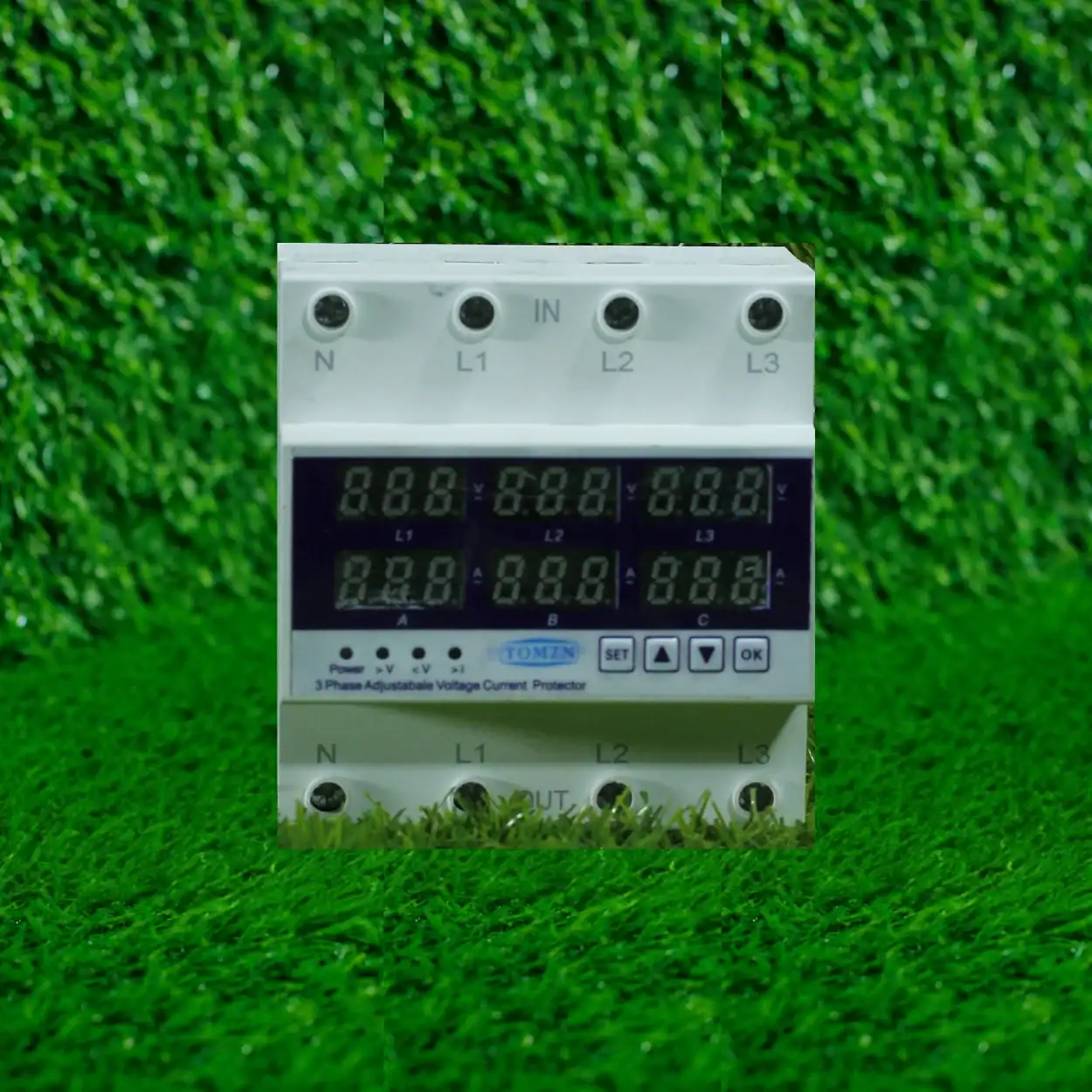
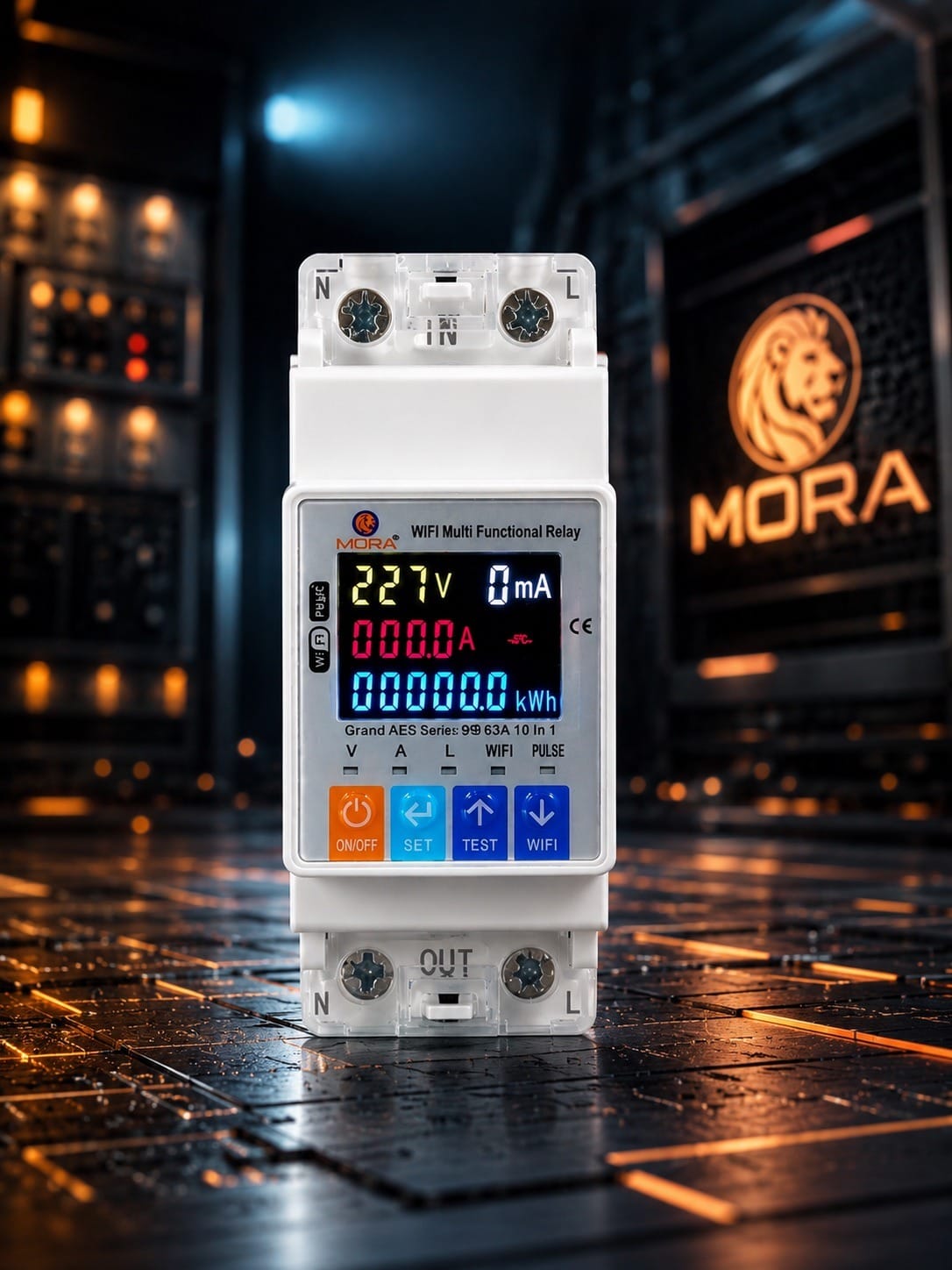
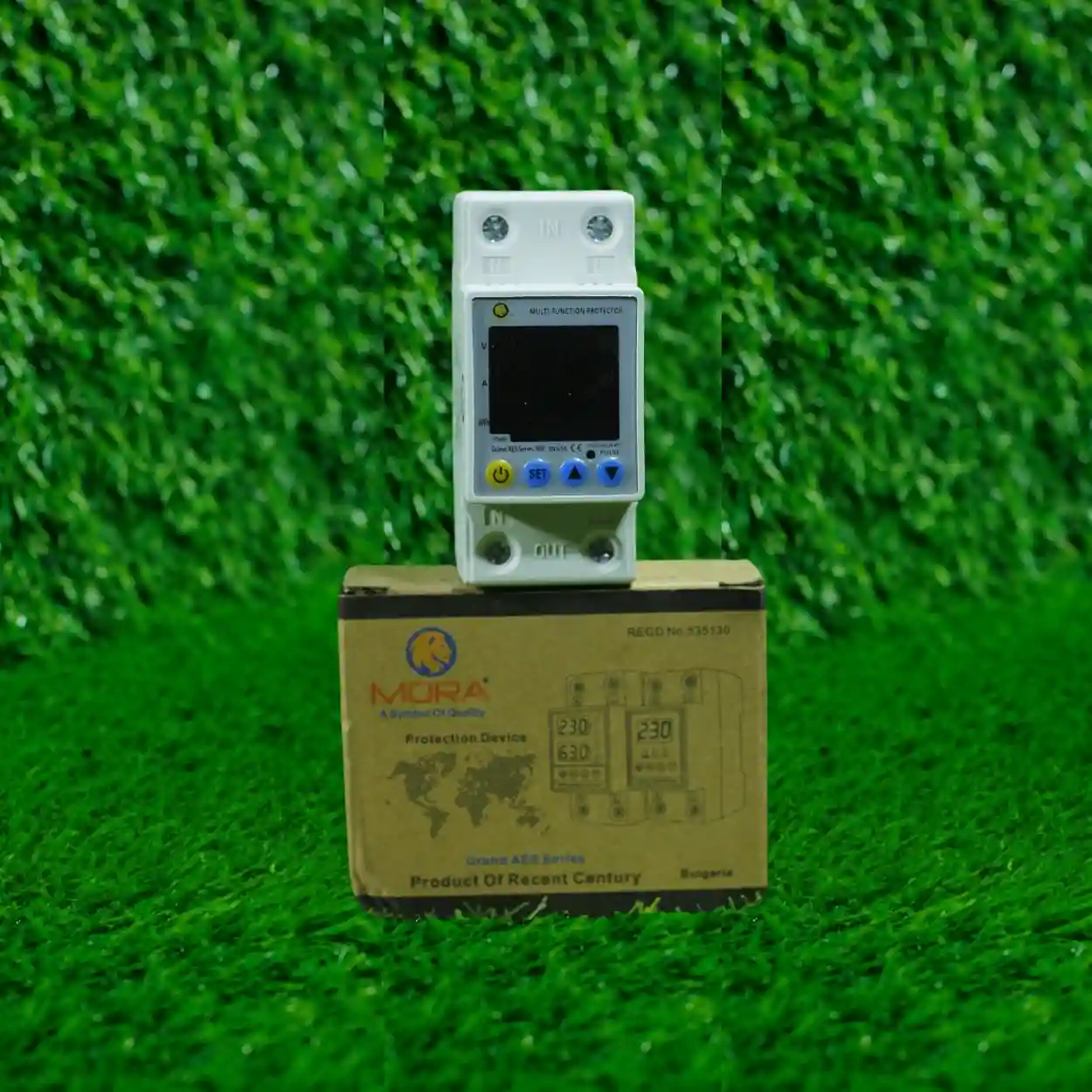
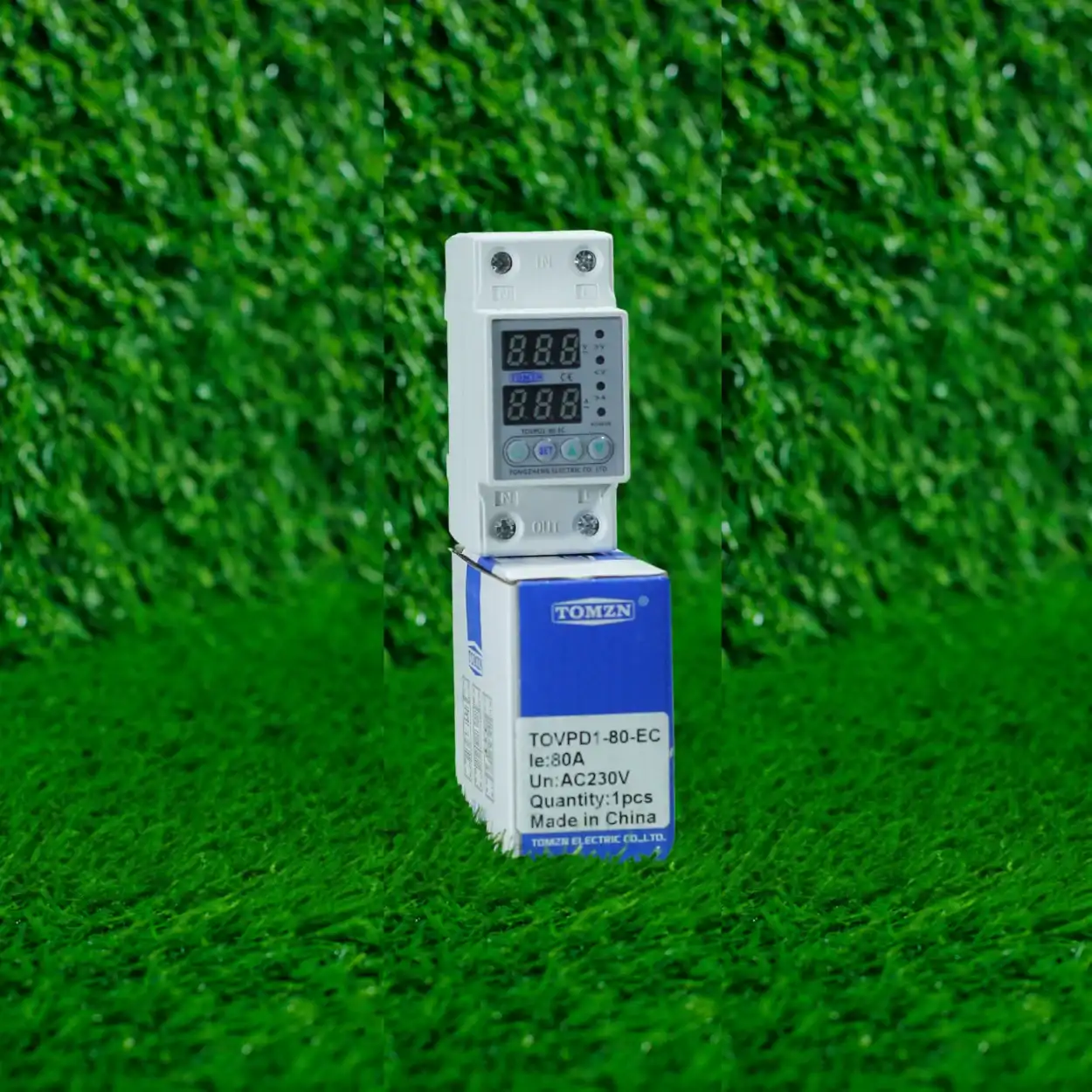
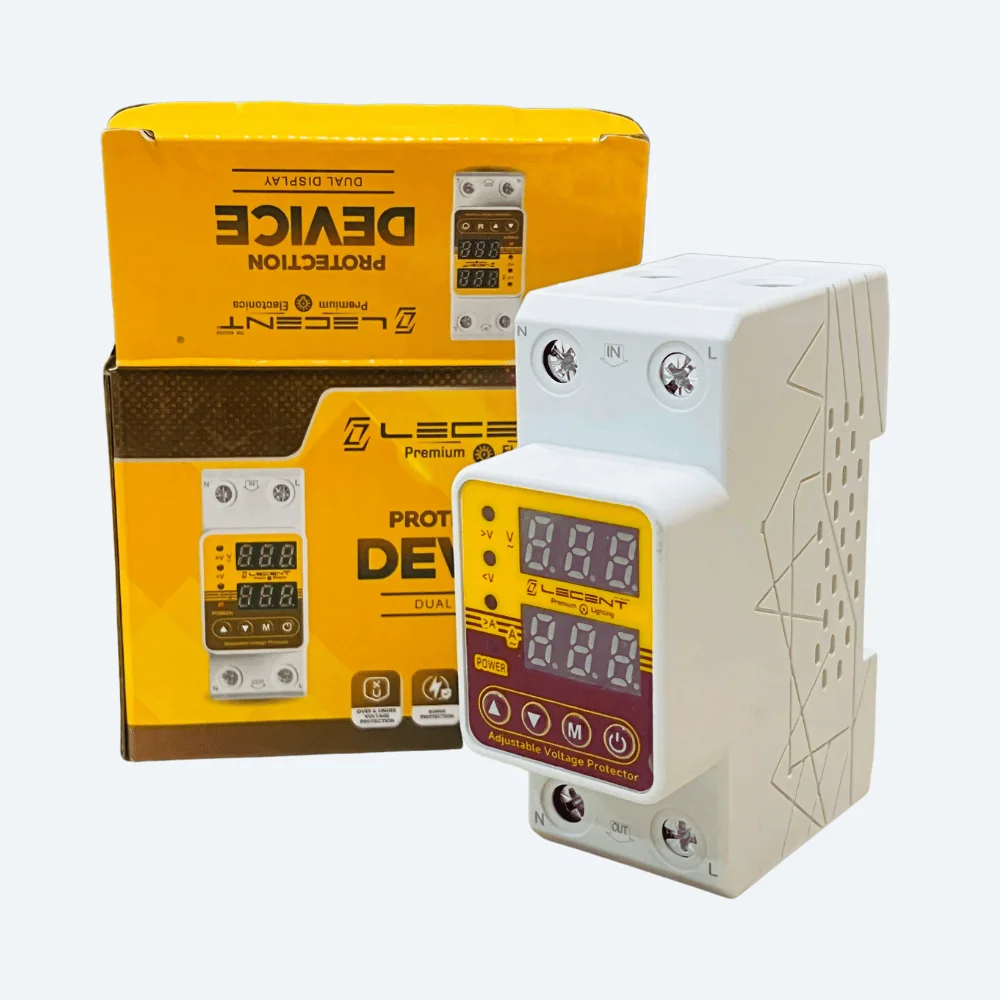
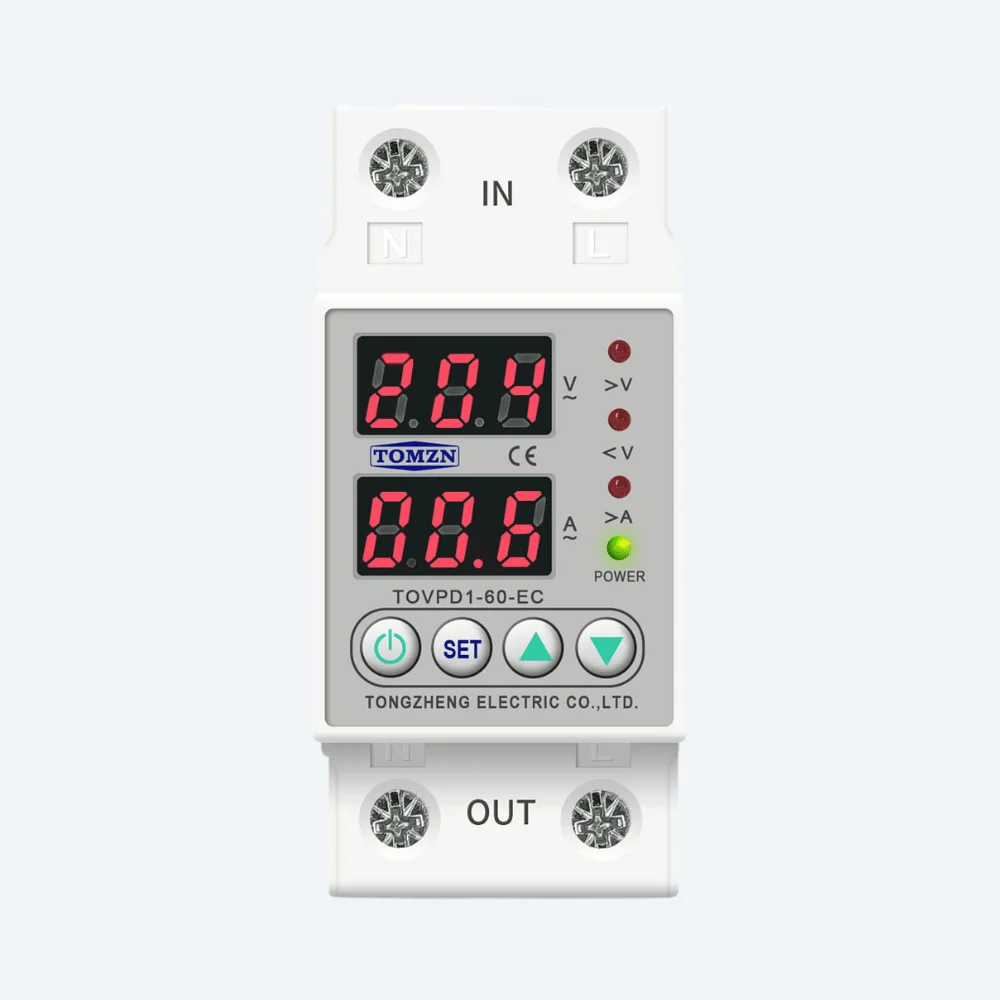
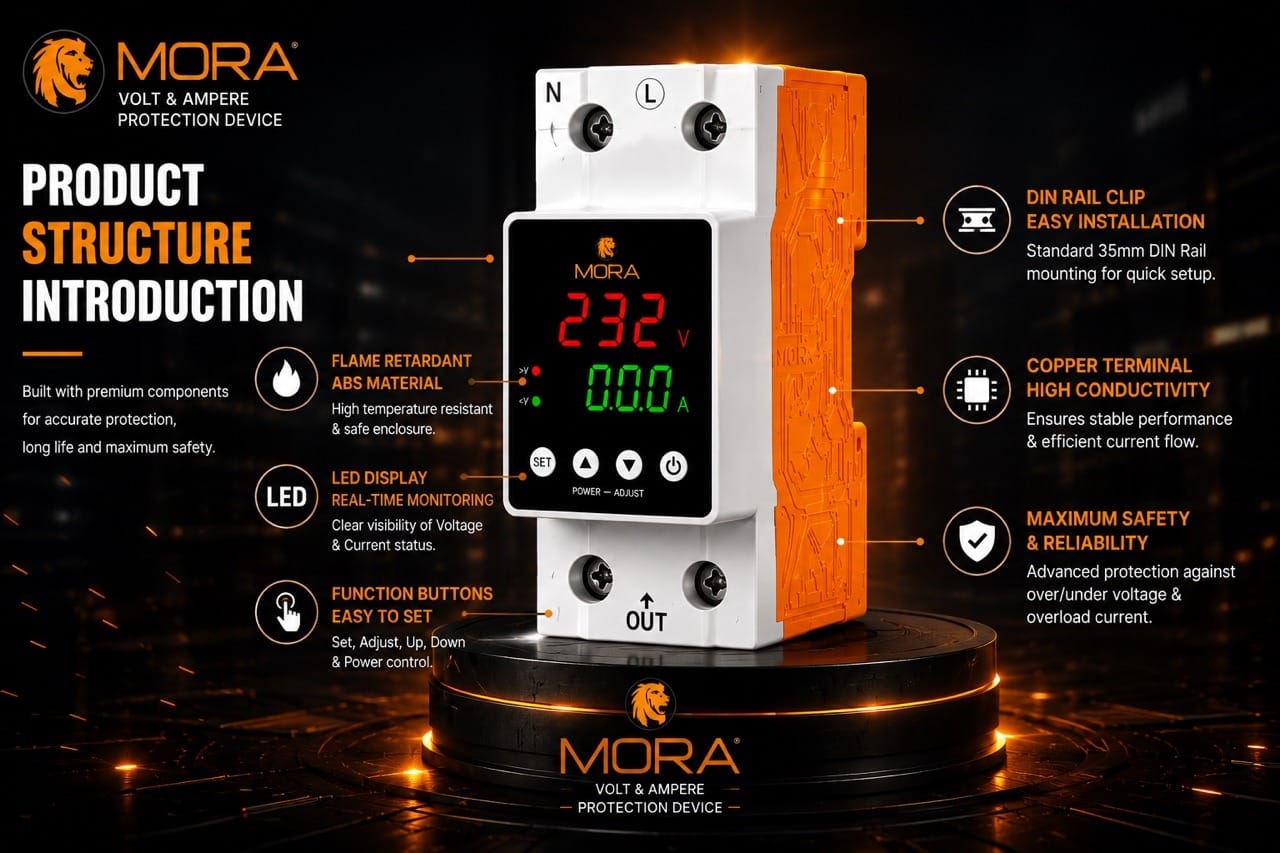
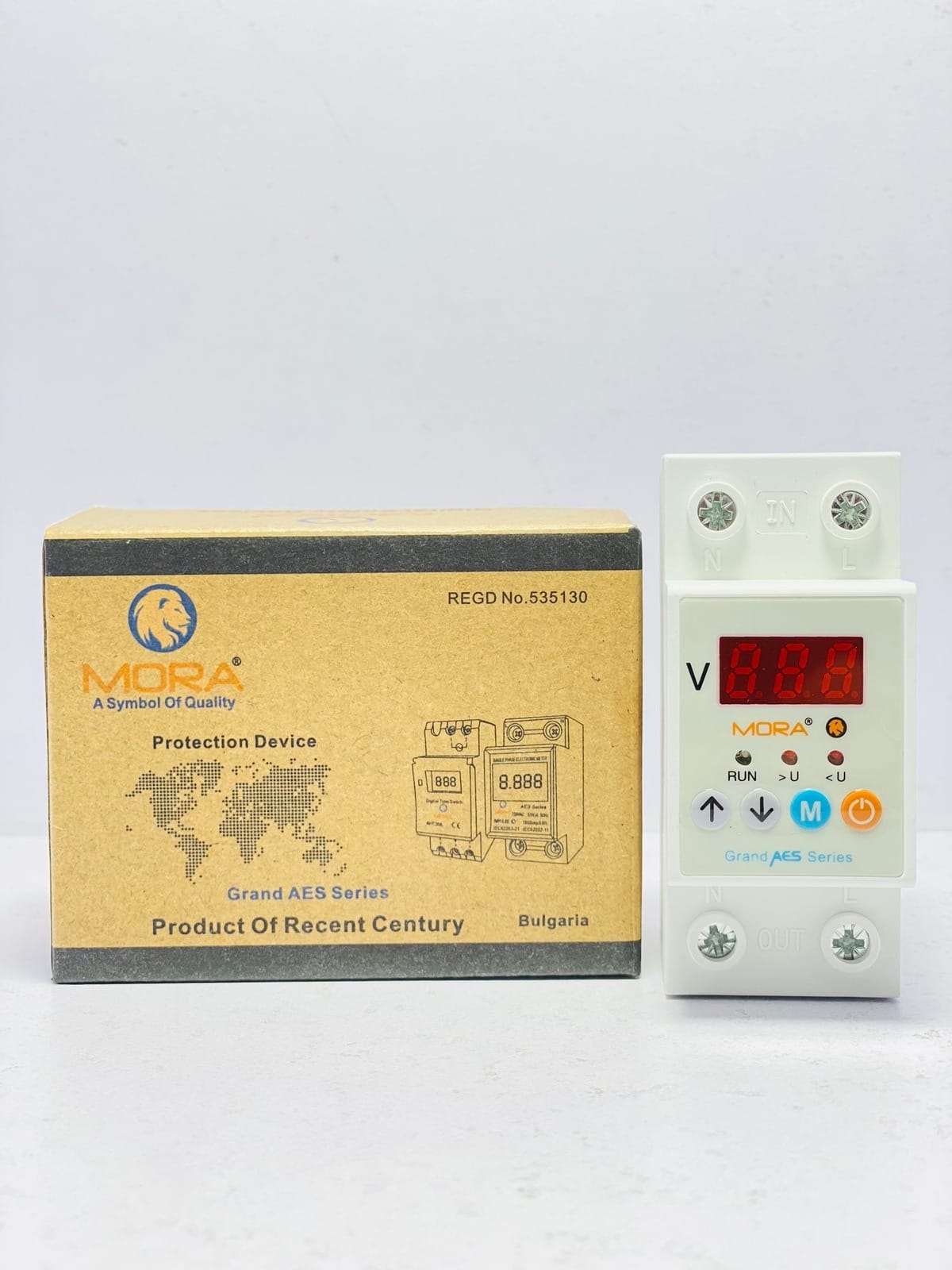
You need a dual-protection device: a voltage and current protector, sometimes called a voltage guard or surge protector with current limiting. The MORA 63A 2-Pole Voltage and Current Protector with Display is a solid example. It monitors both voltage (typically set to disconnect if supply drops below 180V or rises above 240V) and current (set to your AC’s rated amperage plus a small margin). It has an adjustable trip threshold and displays the live voltage and current, which is genuinely useful for diagnosing WAPDA supply issues.
Install this device in the AC’s dedicated circuit, right after the main changeover switch. It’ll protect the compressor from brownouts and overvoltage conditions that would otherwise degrade the winding insulation or cause locked-rotor current during restarts.
Three-Phase Motors: Use a Motor Starter or MCCB with Appropriate Trip Curve
Three-phase motors (used in water pumps, air compressors, and industrial equipment) are a different beast. They pull massive inrush current, sometimes 6 to 8 times the full-load current, for a few hundred milliseconds during startup. A standard MCB will trip every time you start the motor. A regular MCCB (Molded Case Circuit Breaker) without motor-rated settings will do the same.
You have two choices. First, use a dedicated motor starter (soft starter or VFD if budget allows) that ramps up the motor voltage gradually and handles inrush internally. Second, use an MCCB with an appropriate trip curve designed for motor loads. In Pakistan, this means an MCCB with a Class 10 or Class 13 thermal overload curve (IEC 60947-2 standard), which allows the higher inrush current but still protects against sustained overcurrent or phase imbalance.
Always size the MCCB at the motor’s full-load current rating, not above. A 5.5kW (7.5HP) three-phase motor typically draws about 13 amps per phase at 400V. An MCCB rated at 20A with a motor trip curve will handle the startup surge but still trip if the motor is overloaded or if one phase fails.
Refrigerators and Freezers: Use a Standard MCB Plus a Surge Protector
Fridges are tricky because the compressor cycles on and off frequently, but the inrush is shorter and less severe than a motor startup. A standard MCB (usually 15-20A for a domestic fridge) works most of the time, but voltage spikes from load-shedding events or WAPDA surges can damage the compressor’s starting capacitor. I’ve seen this on dozens of sites in Lahore where the compressor fails after a few power cuts.
The solution: pair a standard MCB with a dedicated surge and voltage protection device. This can be a small inline surge protector rated for single-phase AC 230V, typically with a 20-30kA breaking capacity and response time under 1 microsecond. Mount it in the fridge’s dedicated circuit, upstream of the MCB.
For standalone units, you can also use a multi-outlet surge protector box (like those sold at electronics shops) rated for 230V and at least 16A. It’s not as professional-looking as a panel-mounted device, but it provides real protection against transient overvoltages and only costs 1000-2000 PKR.
Comparing Protection Device Types
To make the right choice, you need to understand what each device actually does:
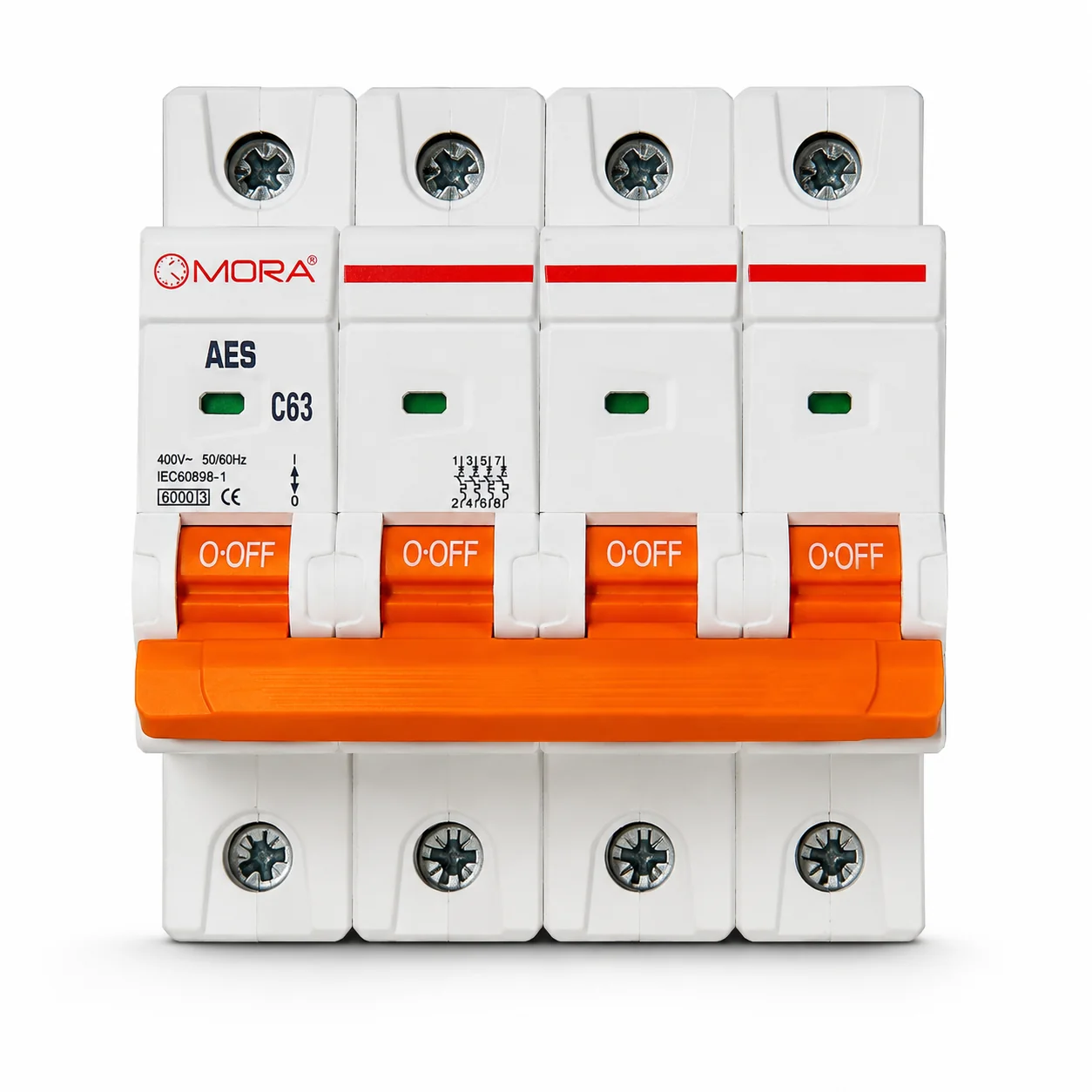
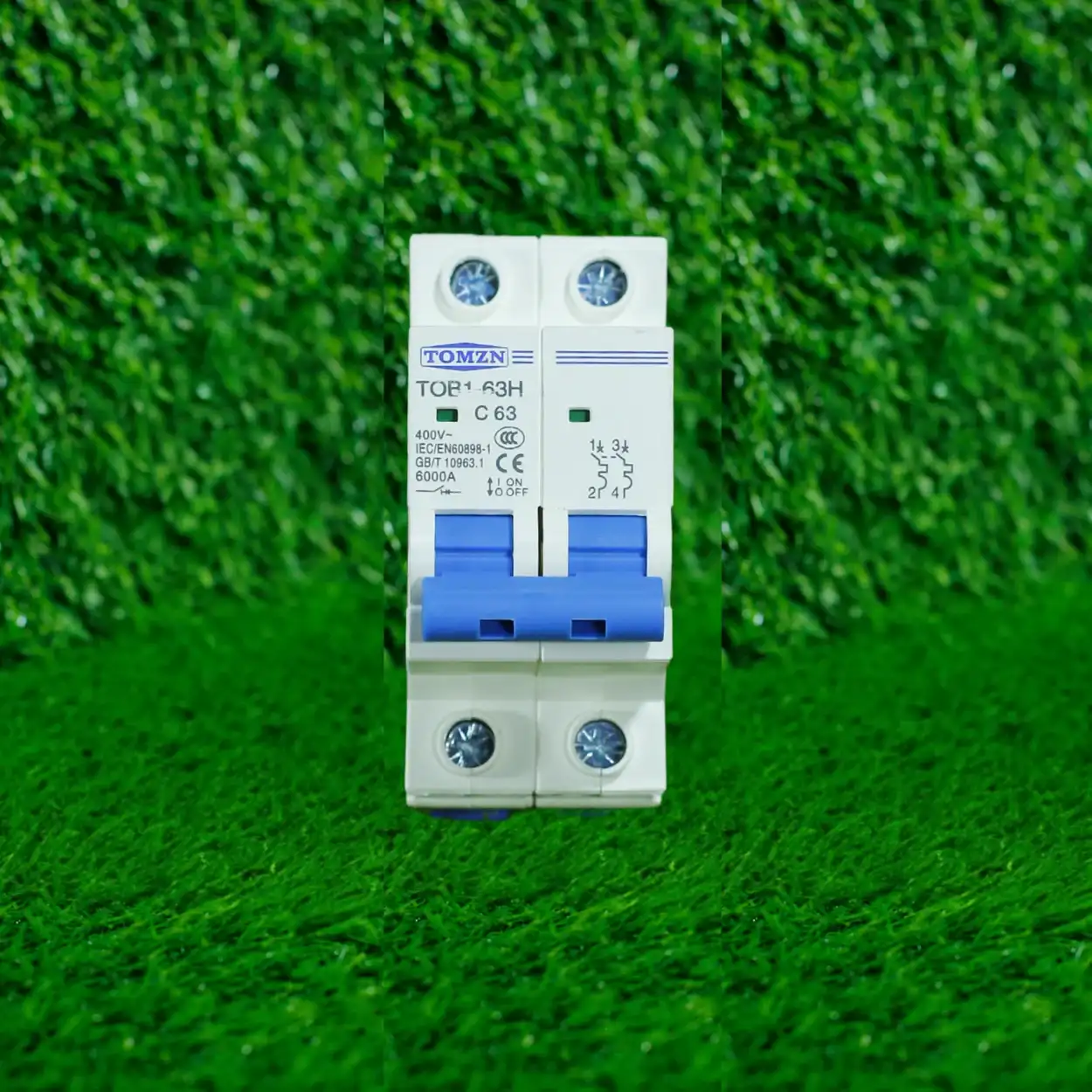
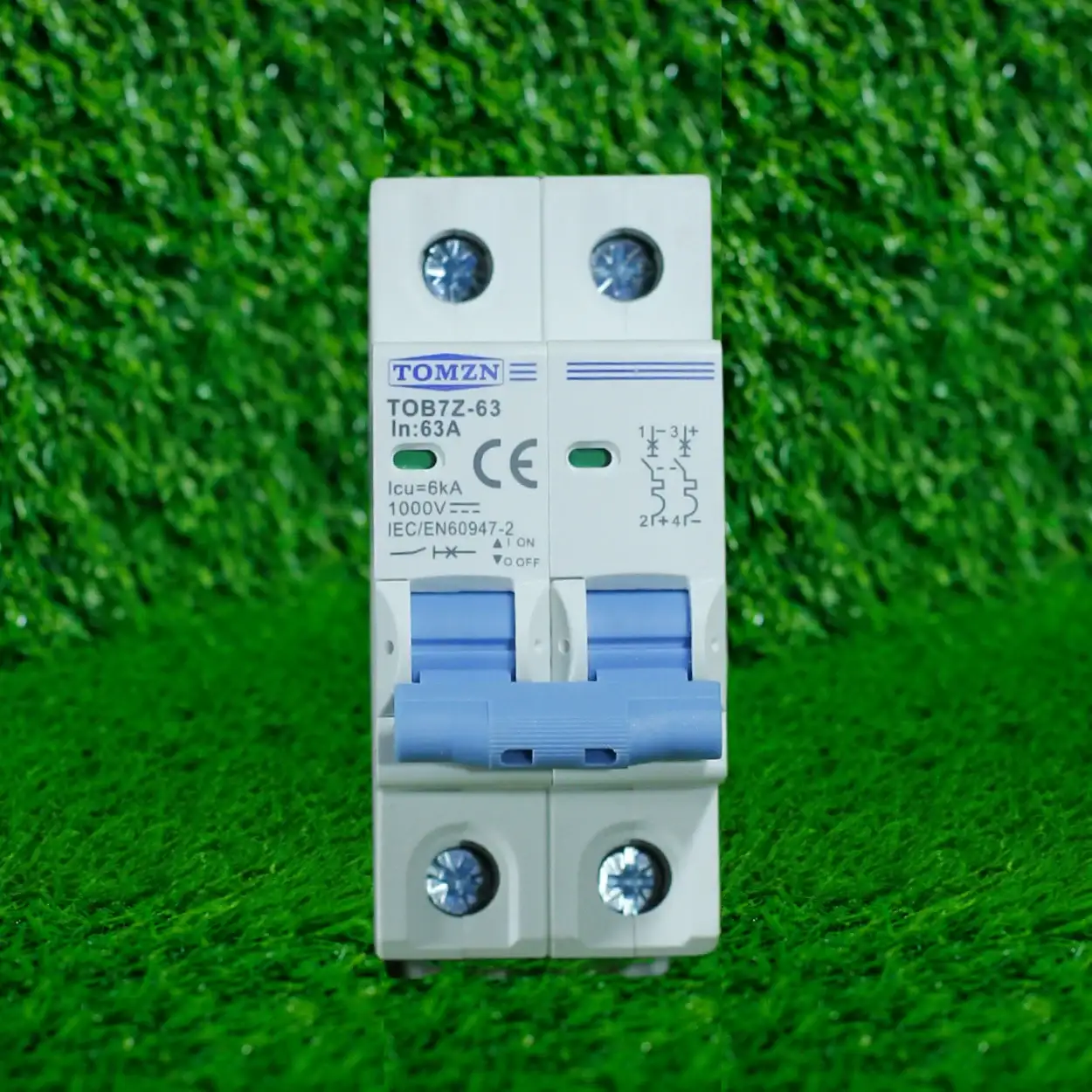
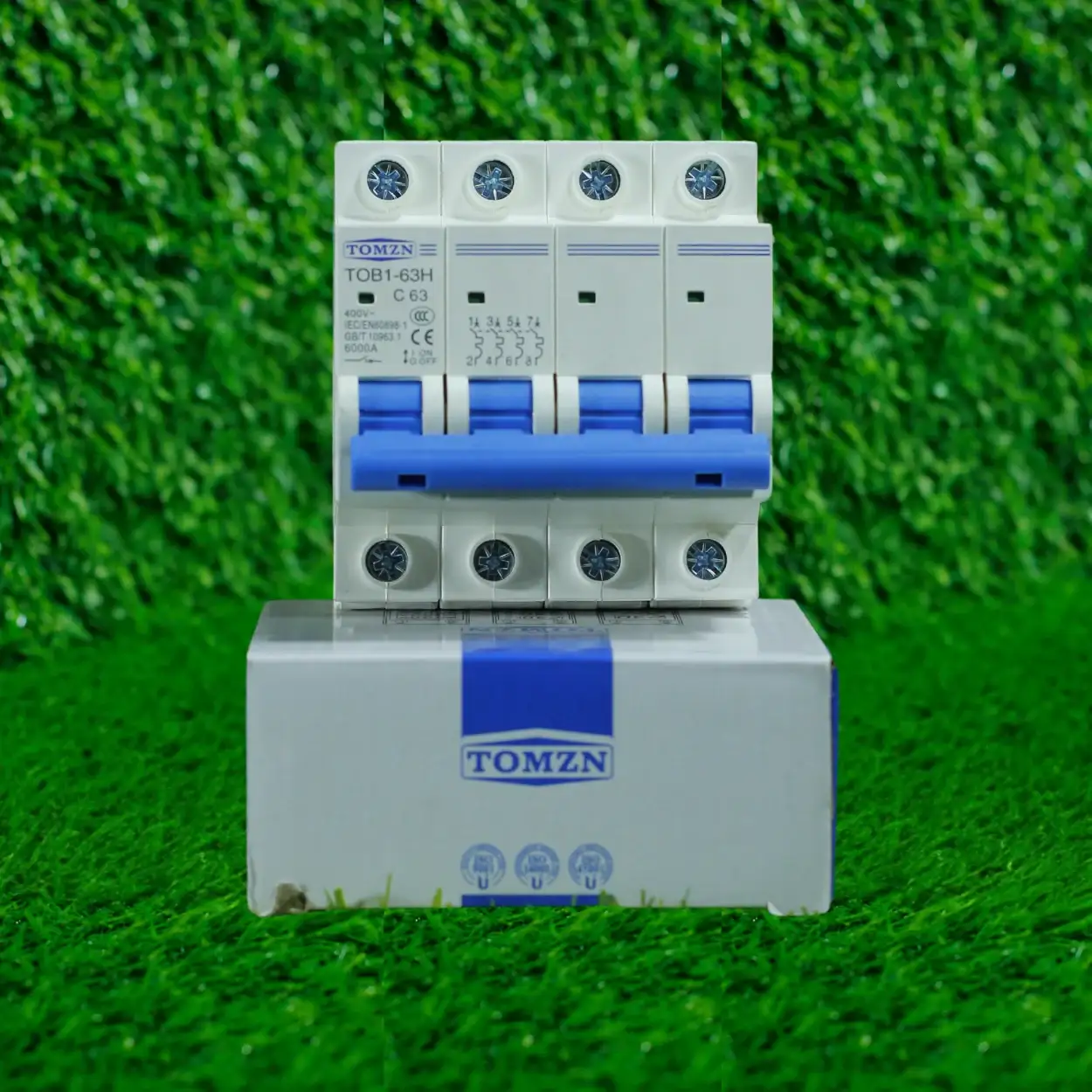
- MCB (Miniature Circuit Breaker): Protects against sustained overcurrent and short circuits. Fast-acting (Class C trip curve is standard in Pakistan). Good for resistive loads (lights, heaters) and general-purpose circuits. Not suitable for motors or voltage-sensitive appliances.
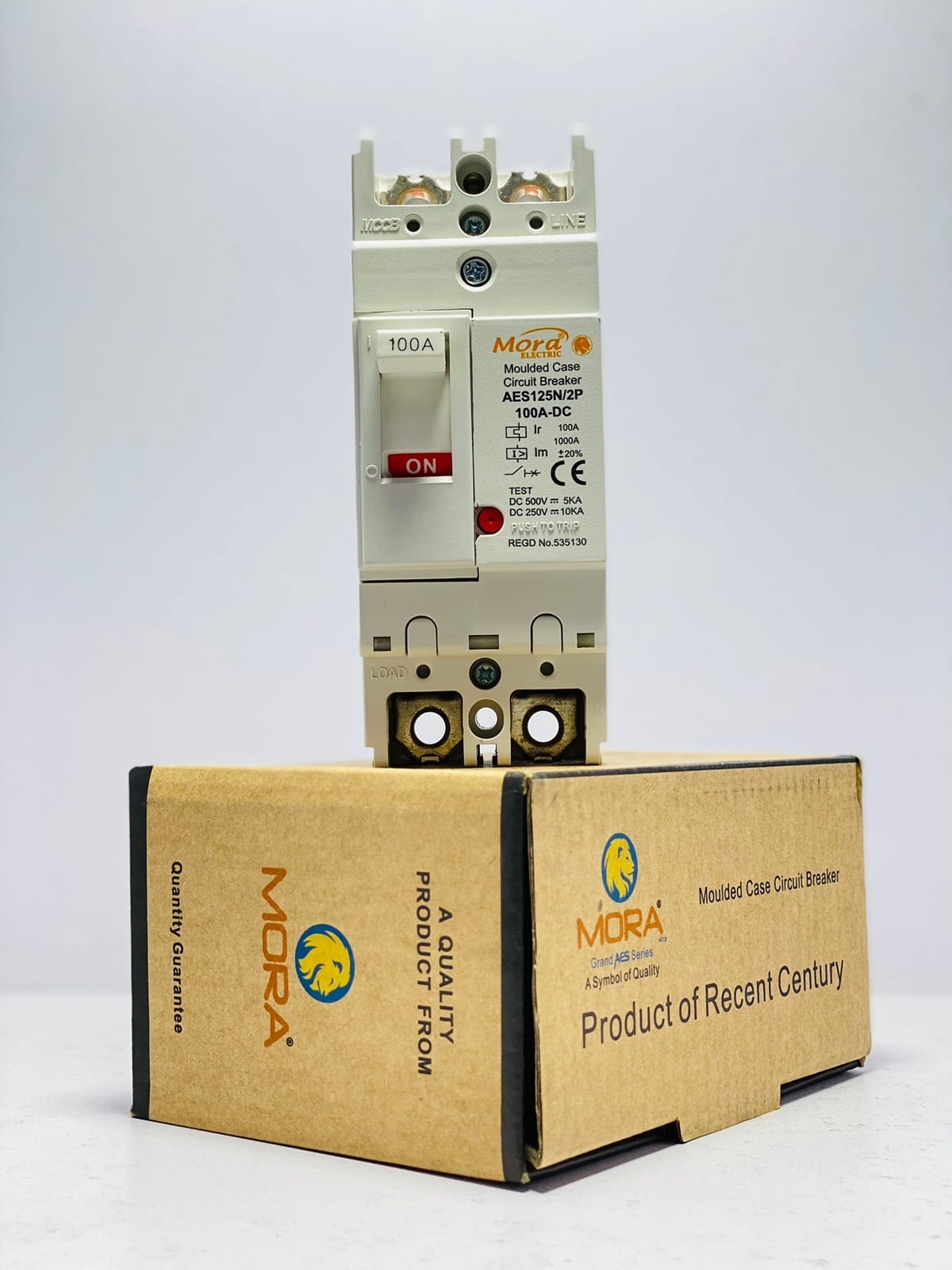
- MCCB (Molded Case Circuit Breaker): Larger version of MCB, rated up to 630A. Can handle higher breaking capacity and has adjustable thermal and magnetic trip settings. Motor-rated versions (Class 10 or 13 curve) allow inrush without nuisance tripping. Used in industrial panels and three-phase circuits.
- Voltage and Current Protector: Disconnects the load if voltage falls below a set threshold (usually 180-200V) or rises above it (usually 230-240V). Also monitors running current and trips if it exceeds the setting. Essential for compressor-based loads in Pakistan’s unstable supply.
- Surge Protector or SPD (Surge Protection Device): Clamps transient overvoltage spikes (from lightning, switching, or WAPDA surges) to a safe level. Does not protect against sustained overvoltage or normal overload. Response time is typically less than 1 microsecond. Install upstream of the load.
- Motor Soft Starter: Electronic device that gradually ramps up the supply voltage to the motor during startup, reducing inrush current and mechanical stress. More expensive (15,000-50,000 PKR depending on kW rating) but extends motor life and eliminates nuisance trips. Can also provide overload and phase-monitoring protection.
Sizing and Installation Checklist
Before you buy any protection device, walk through this checklist on site:
- Identify the load. Is it a single-phase AC, a three-phase motor, or a compressor fridge? Write down the voltage rating, current/amperage rating, and power factor (usually listed on the nameplate).
- Measure the actual supply voltage with a multimeter. On a typical WAPDA circuit in Lahore, you should see 220-230V. If it’s regularly dropping to 190V or spiking to 245V, that tells you voltage protection is non-negotiable. Log the readings over 24 hours if possible.
- Check the existing wiring and breaker. Is the circuit already nuisance-tripping? Is the wire the correct gauge for the breaker rating? A 2.5mm2 wire shouldn’t be protected by a 25A breaker; the wire can overheat before the breaker trips. Common mistake in older buildings.
- Choose the protection device based on the appliance, not just the amperage. An AC needs voltage protection. A motor needs a motor-rated MCCB or soft starter. A fridge benefits from surge protection upstream of a standard MCB.
- Install the device in a dedicated circuit. Never combine an AC and a general socket circuit on the same breaker. Never run a fridge through a multi-outlet extension cord. Each heavy appliance gets its own protection device and wire run.
- Test the settings if the device has adjustable thresholds. A voltage protector should be set to disconnect at 180V and 240V (or as the manufacturer recommends). A current protector should be set at the appliance’s rated current plus 10 percent (to allow for slight load variation), not higher.
Real Installation Examples from the Field
A split AC install in Defense, Lahore: The customer complained the unit kept tripping during peak summer afternoons. I measured the WAPDA supply and found it was sagging to 195V during 2-4pm load-shedding peaks. A standard 20A MCB was the only protection. I replaced it with a voltage and current protector set to 180V minimum and 240V maximum, 18A current rating. Problem solved. The AC now runs smoothly, and the protector has disconnected the unit twice in two years (both during severe WAPDA surges), protecting the compressor.
A 5.5kW water pump install on a farm near Okara: The pump motor would trip an MCB every time it started. The customer hired an electrician who installed a larger MCB (32A) to avoid the trips, but this meant a real fault (phase imbalance, which killed the motor six months later) went undetected. I replaced it with a 20A MCCB set to a Class 13 motor curve and added a soft starter for gradual voltage ramp-up during startup. The motor now starts smoothly and is protected against real faults.
A fridge in a house with a faulty earthing system: The customer’s fridge compressor failed after a thunderstorm, even though the unit was connected via a standard changeover switch and MCB. The surge from the strike traveled through the neutral and spiked the voltage. A surge protector placed at the fridge’s input would have clamped that spike. Lesson learned: in areas with poor earthing or frequent lightning, surge protection is mandatory for sensitive appliances.
What to Check Before You Buy
When shopping for protection devices, don’t just look at the amperage rating. Check these specs:
- Breaking capacity (kA): How much fault current can the device safely interrupt? In residential circuits, 6kA is standard. In commercial or areas with large transformers nearby, 10kA or higher is safer. Look for this marked on the device (e.g., ‘Breaking Capacity 6kA’).
- Voltage rating: Must match your supply. Single-phase protection devices are rated 230V AC 50Hz. Three-phase devices are rated 400V AC 50Hz. Don’t mix them up.
- Response time (for surge protectors): Measured in nanoseconds. Anything under 1 microsecond is good. Check the data sheet.
- Adjustability: Voltage and current protectors with adjustable thresholds are more flexible than fixed-setting devices. Worth the extra 500-1000 PKR on a voltage protector if you’re installing on a site with known supply issues.
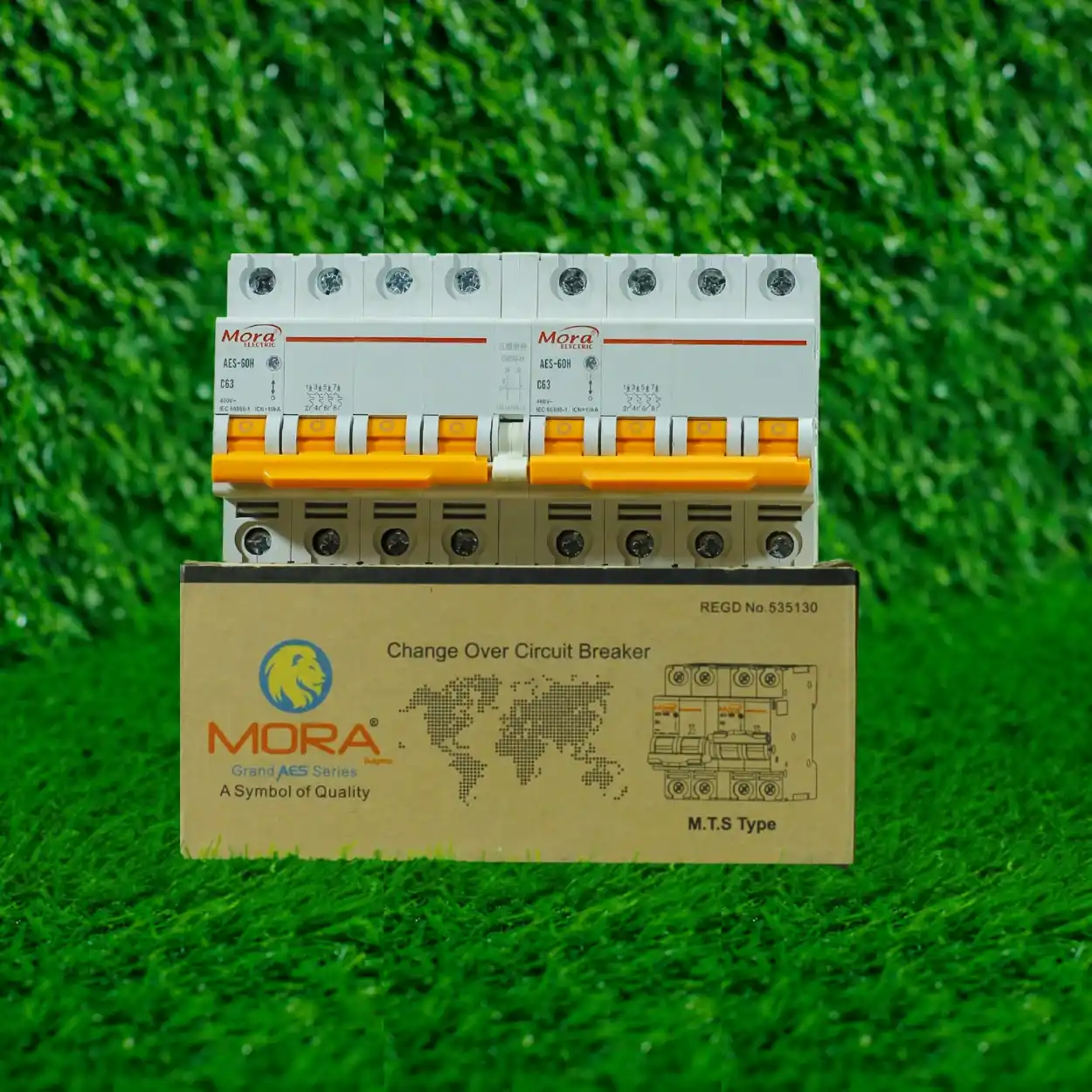
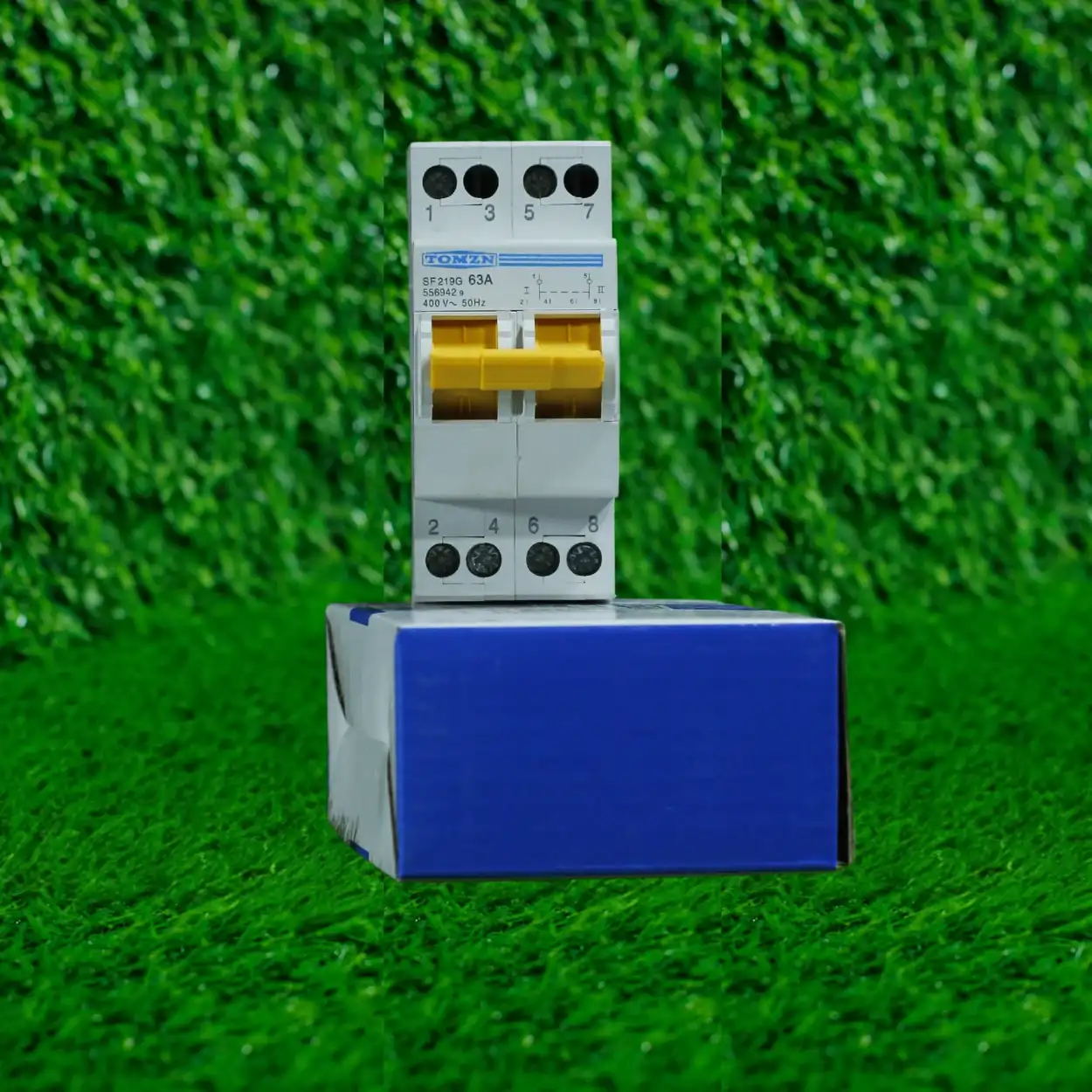
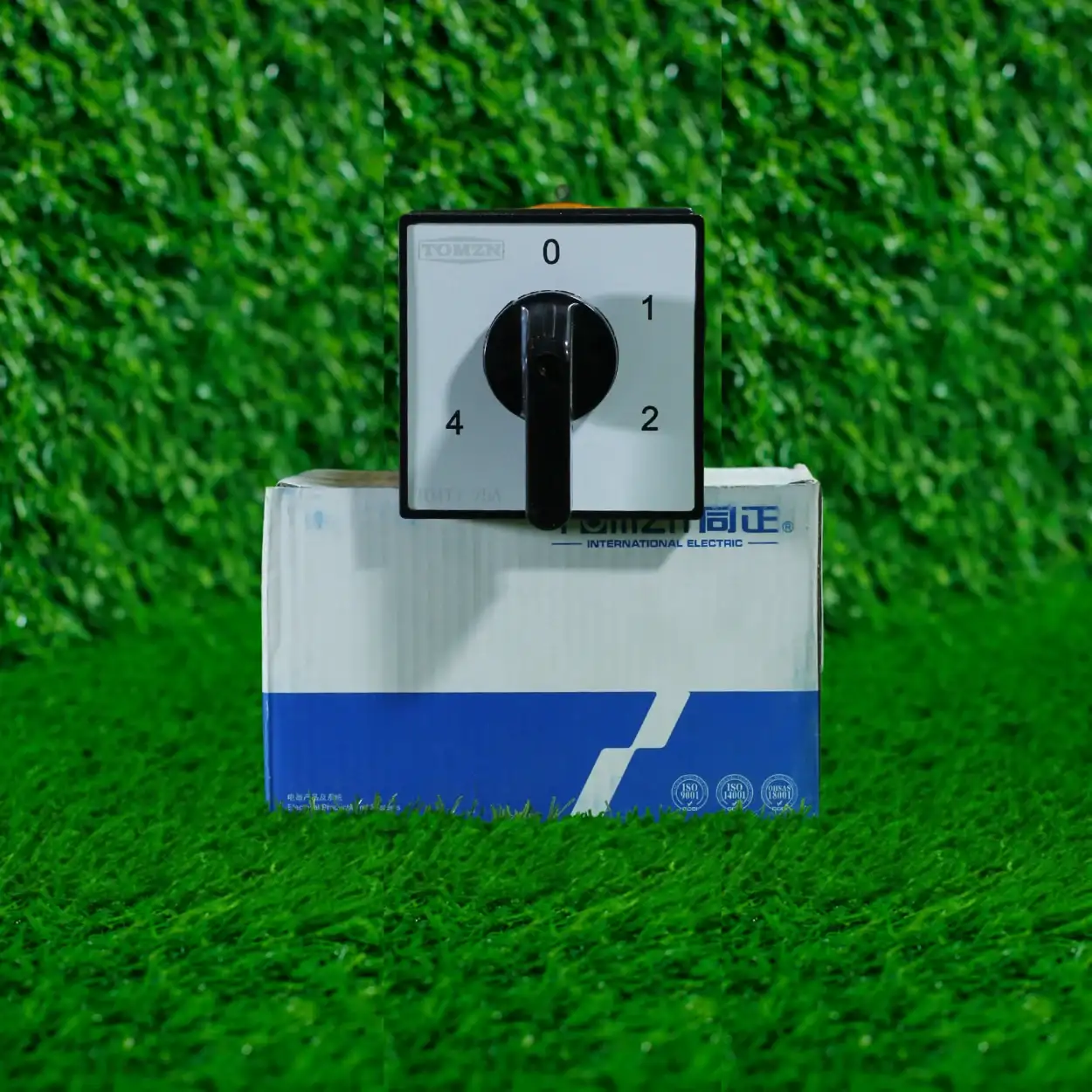
- Brand and quality: Genuine MORA, TOMZN, or other certified brands (look for PEC or IEC certification marks) hold up much better than cheap Chinese knockoffs. I’ve seen counterfeit MCBs fail open under load, which is terrifying. Spend the extra 200-300 PKR per unit and buy from a trusted supplier.
Heavy appliances in Pakistan need smarter protection than just an amp rating and a trip curve. Know your load, understand what can go wrong (compressor inrush, voltage sag, transient spikes), and choose the device that handles that specific failure mode. A 20A MCB costs 300 PKR. A 20A voltage and current protector costs 2500-3500 PKR. The difference in price is nothing compared to replacing a dead compressor or rewinding a burned-out motor.