










Over-and-Under Voltage Protectors: What They Do


What an Over-and-Under Voltage Protector Actually Does
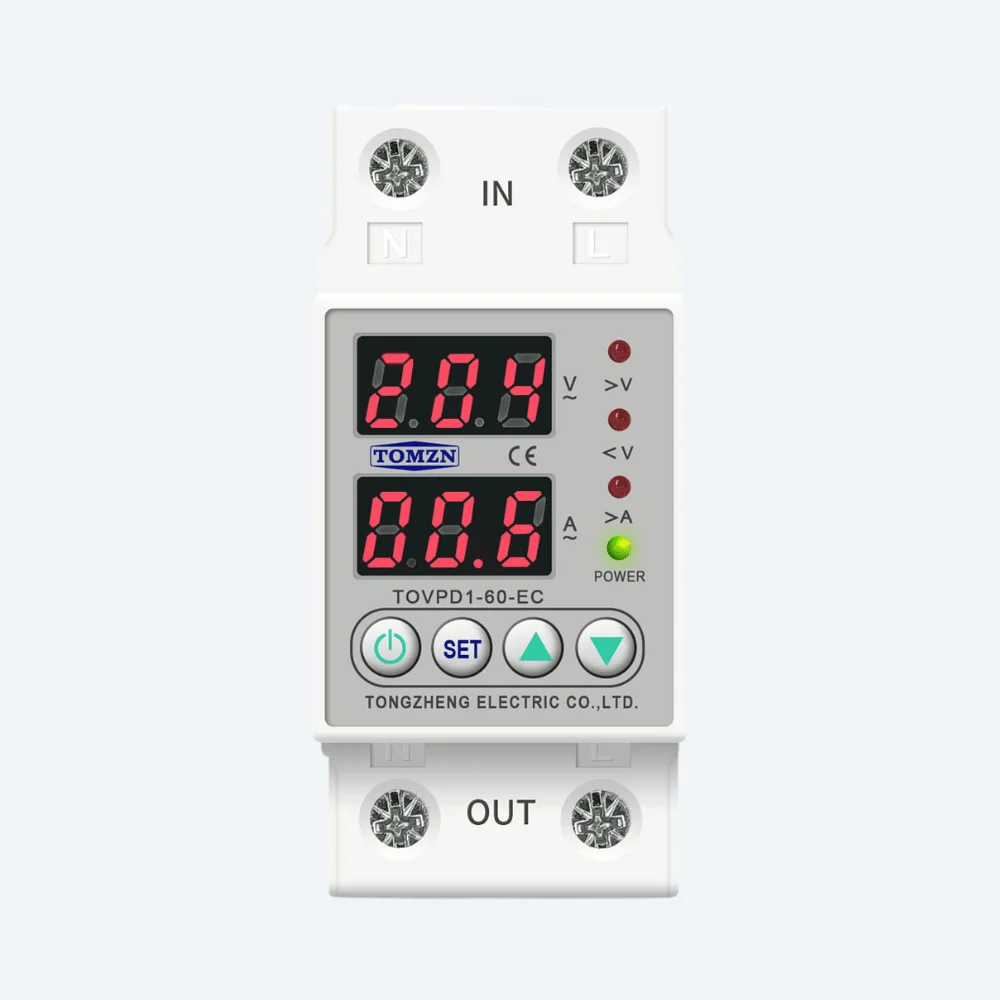
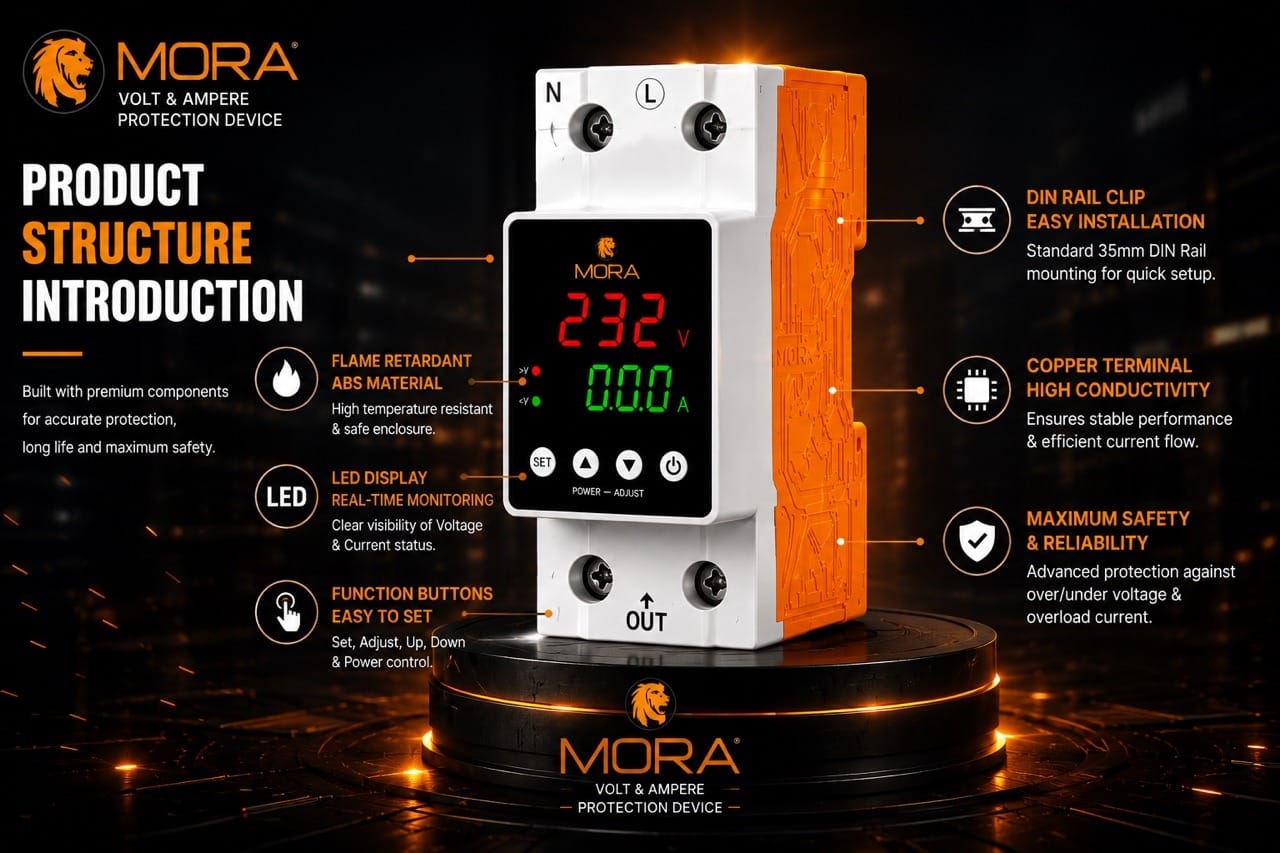
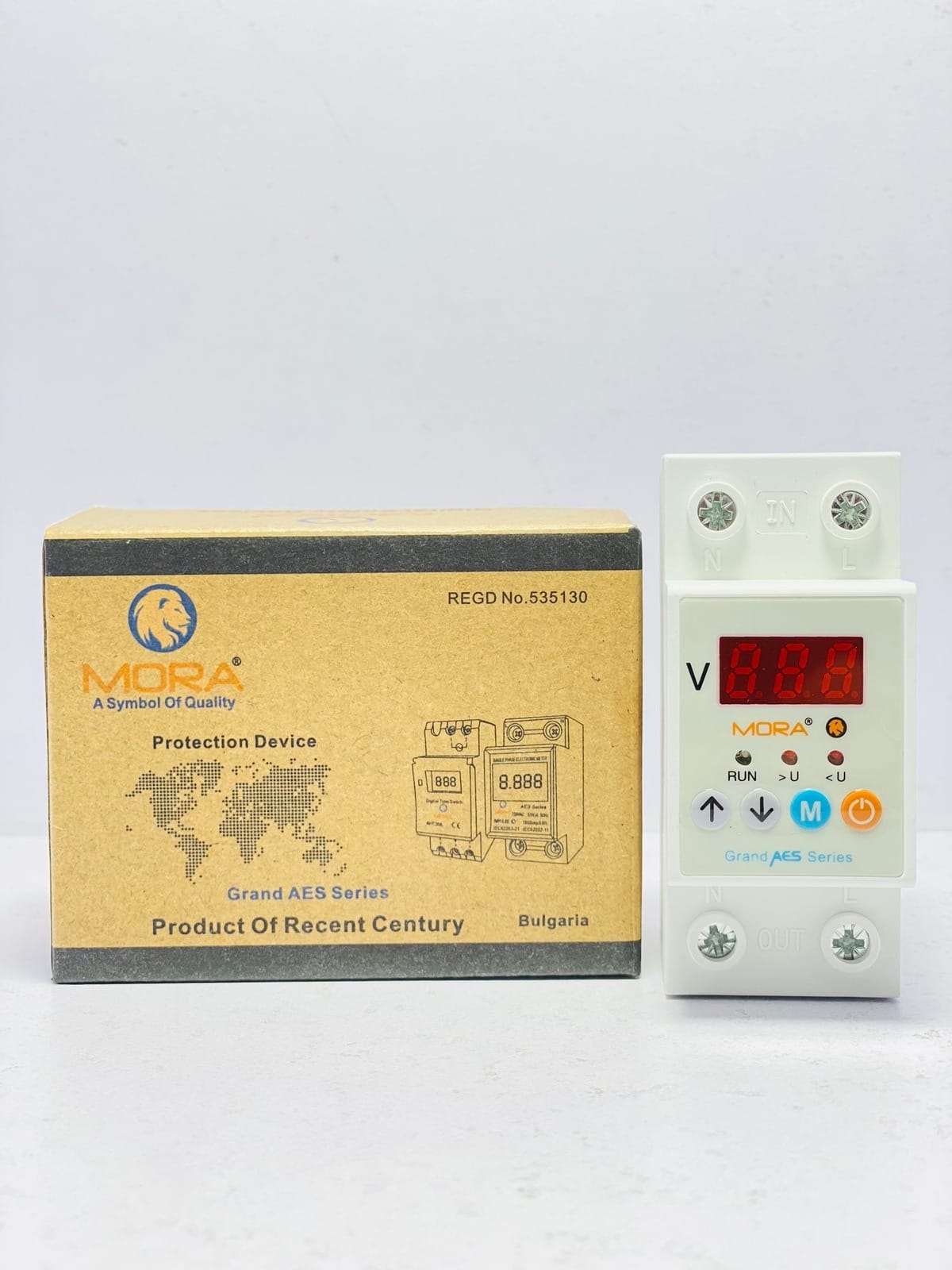
An over-and-under voltage protector, sometimes called a voltage stabilizer or automatic voltage protector (AVP), sits between your main supply and your load and monitors the incoming voltage in real time. When the voltage rises above a safe upper threshold or drops below a safe lower threshold, the device trips an internal contactor and cuts power to everything downstream. It reconnects automatically once the supply voltage returns to the normal operating range.
In Pakistan’s context, this is not a nice-to-have. WAPDA’s 220-230V single-phase supply and 380-400V three-phase supply routinely swing between 180V and 260V depending on the time of day, load demand on the grid, and whether load-shedding is happening. Air conditioners, water pumps, and heavy industrial loads upstream all pull the voltage down. When they trip off suddenly, the voltage spikes. Your fridge, TV, and air conditioner aren’t designed to handle that kind of abuse day after day. A voltage protector disconnects the circuit before the spike reaches your equipment.
How the Protection Actually Works
The device contains a voltage-sensing relay that continuously compares the incoming supply voltage to two setpoints: an upper limit (typically 240-250V on 220V supply) and a lower limit (typically 170-190V on 220V supply). The exact setpoints depend on the model and how you configure it.
When the voltage exceeds the upper setpoint, a relay energizes and opens a contactor, breaking the circuit. When the voltage falls below the lower setpoint, the same or a separate relay trips the contactor open. The circuit remains dead until the voltage comes back into the safe band and stays there for a deliberate time delay (usually 5-10 seconds). That delay prevents nuisance tripping from momentary voltage flickers.
Most modern units use an electronic sensing circuit rather than a mechanical relay. The electronics are more sensitive, more accurate, and faster to respond. However, they’re also more sensitive to voltage noise and switching transients, which is why a good voltage protector should always be paired with a surge protector or SPD downstream to catch the really sharp spikes that happen when generators switch on or load-shedding transitions occur.
Response Time and Setpoint Adjustment
A decent voltage protector responds within 100-500 milliseconds. That’s fast enough to protect most appliances from sustained overvoltage or undervoltage damage, but it won’t protect against nanosecond-scale transients like lightning or switching surges. That’s why you need both a voltage protector (slow, long-term response) and a surge protector or SPD (fast, transient response) in the same installation.
On the setpoint side, some devices come factory-set (usually too conservative on the upper limit, which means false trips during normal grid swings). Better units let you adjust the upper and lower voltage thresholds using a dial or digital menu. If you’re installing one, set the upper limit to about 245V for a 220V supply and the lower limit to about 185V. These values work well with genuine WAPDA/DISCO supply, and they reduce nuisance tripping while still protecting appliances.
Single-Phase vs. Three-Phase Protection
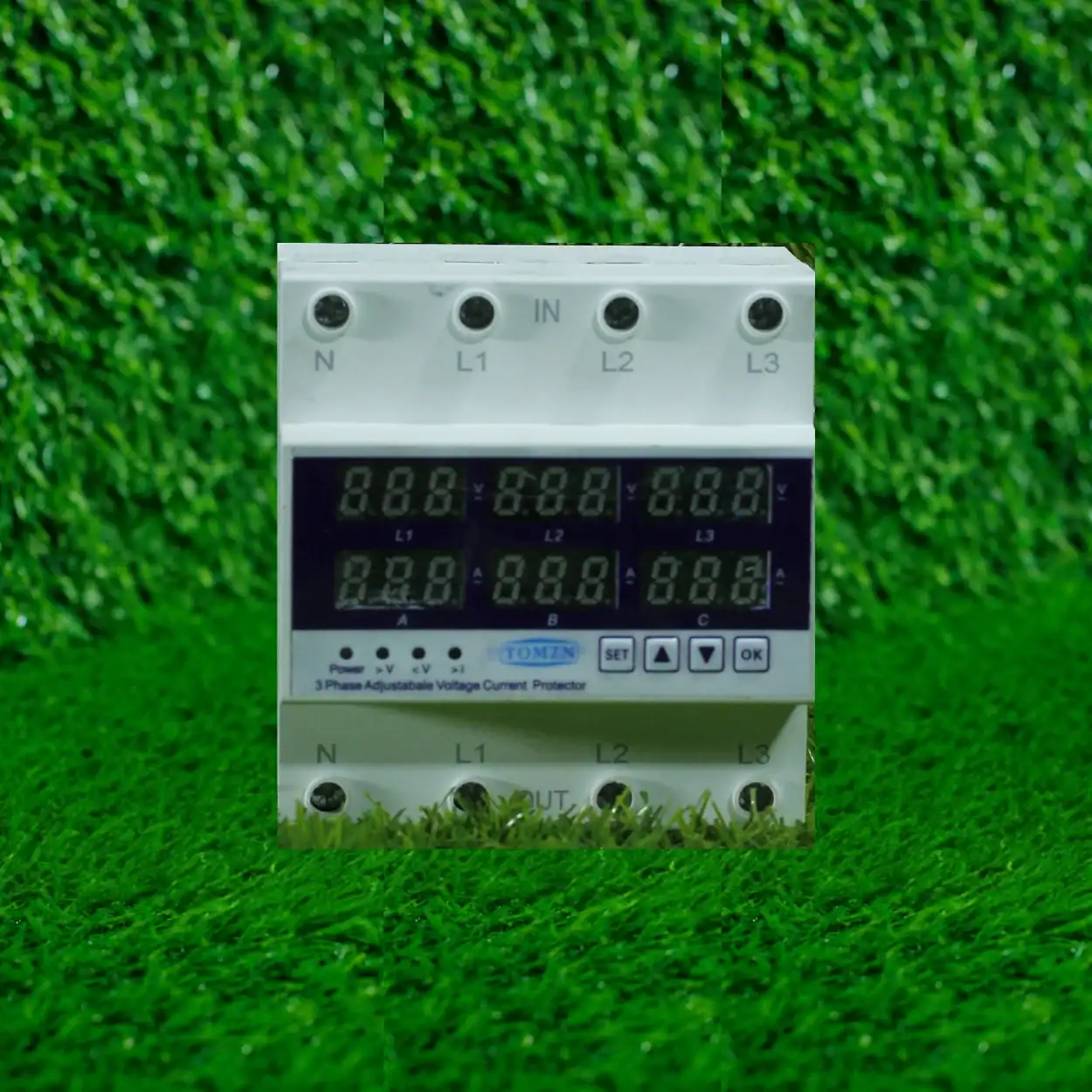
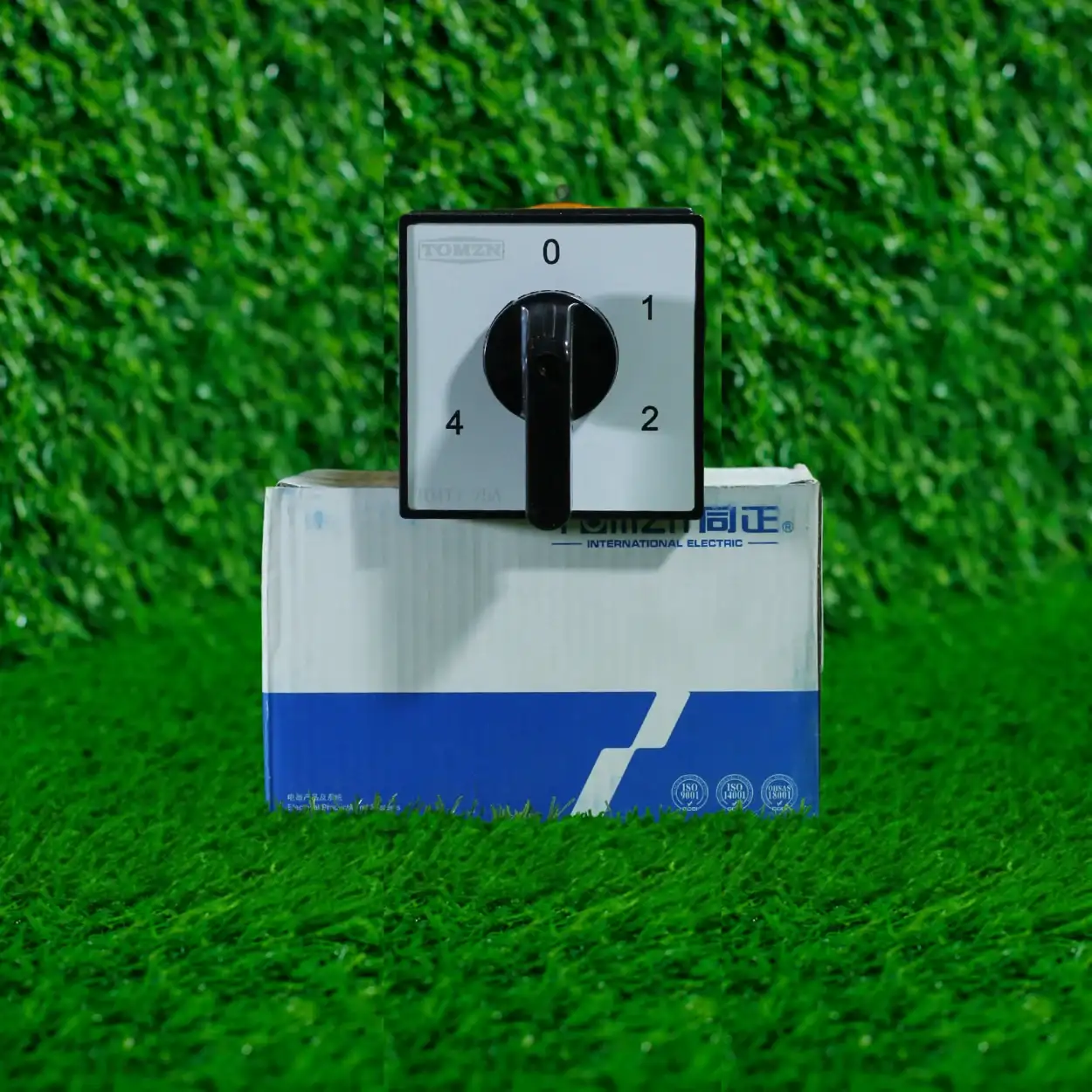
Single-phase protectors monitor one voltage line and trip if that line goes out of range. Three-phase protectors monitor all three phases simultaneously and will trip if any one phase falls outside the setpoints, or if the phase imbalance becomes too great. If you have a 380-400V three-phase supply (common on larger homes and commercial sites in Lahore and Islamabad), you need a three-phase unit. The Tomzn TOVPD3-VA 3-Phase Voltage & Current Protector 100A is a solid choice if you’re looking for a rated protector that also includes overload protection on top of voltage sensing.
Three-phase models are more expensive and more sensitive to wiring errors. Make sure all three phases are connected to the correct terminals, and confirm that your neutral and earth are properly bonded at the main board. I’ve seen installations where the earth was floating, and the three-phase protector tripped constantly because it was sensing a phantom voltage difference.
Protection vs. Stabilization: Don’t Confuse Them
A voltage protector disconnects the load entirely when voltage goes out of range. A voltage stabilizer (sometimes called a regulator or a servo-controlled automatic voltage regulator, AVR) physically adjusts the output voltage to match the supply fluctuations in real time, keeping the load voltage constant. Both are useful, but they’re different tools.
Protectors are cheaper, faster, and simpler. Stabilizers are more expensive, slower, and require maintenance (brushes, windings, moving taps). For a domestic installation in most of Pakistan, a voltage protector is the right choice because the grid is reasonably stable minute-to-minute even when it swings day-to-day. If you have truly unstable supply or you’re running sensitive equipment (precise motor speeds, laboratory instruments, server equipment), a stabilizer may be necessary instead.
That said, many installations benefit from both: a protector at the main board (to catch really bad swings and prevent appliances from damage) and a small stabilizer or UPS on critical loads like a desktop computer or a medical device.
Common Installation Mistakes
The most frequent error I see on site is installing the protector downstream of a generator changeover switch but not upstream of it. When the generator is active and supply suddenly comes back, the voltage jumps and the protector trips, disconnecting the generator input. Then when the supply goes away again, the generator tries to restart into a tripped contactor and can’t energize the load. Use a protector on the incoming supply side of your ATS, not on the load side.
Another mistake is setting the upper voltage threshold too high (260V or more), thinking it’ll reduce nuisance tripping. It won’t. Instead, you’re allowing overvoltage stress on your appliances all day long, and the protector stops being useful. It becomes a worst-case-only failsafe instead of an actual protective device.
Third mistake: not grounding the device properly. A voltage protector has a coil and internal electronics. If your main DB box has poor earth, the protector can’t sense voltage accurately, and it may trip erratically or not trip at all when it should. Always confirm that earth impedance at the main board is less than 1 ohm. On older Lahore properties with concrete-slab foundations, you may need to drive a copper earth rod 2-3 meters deep and bond it separately.
When Should You Install One?
If you’re in an area with load-shedding, unstable WAPDA supply, or frequent generator use, a voltage protector is standard practice. Homes in Defence, Bahria Town, and DHA typically have decent supply stability, but outlying areas and older colonies get regular swings. If your DISCO is LESCO, IESCO, or K-Electric and you’re in a densely loaded area, expect voltage variation and plan for protection.
For solar installations, a voltage protector is especially important on the AC side if you’re using a hybrid inverter that switches between grid and solar. The switching transient can spike voltage, and having a protector on the main AC input prevents that spike from reaching your appliances.
Appliances with compressors (fridges, ACs) are the most voltage-sensitive. A sustained overvoltage will reduce the motor life dramatically. Overvoltage on a fridge compressor in a Lahore summer, where grid voltage can hit 250V+ by afternoon, can shorten the motor life from 10 years to 3 years.
Choosing the Right Ampere Rating
A voltage protector’s ampere rating is the maximum load current it can switch safely. A typical domestic single-phase installation draws 10-20A continuously. A 25A or 32A protector is sufficient. If you have heavy loads (large air conditioners, multiple water pumps), go to 40A or 63A. Three-phase installations typically start at 63A and go up to 100A or more.
The protector must be rated for at least the sum of your expected simultaneous load, plus 20% margin. Undersizing forces nuisance tripping during peak demand. Oversizing means the device won’t protect appliances fast enough if they’re already stressed.
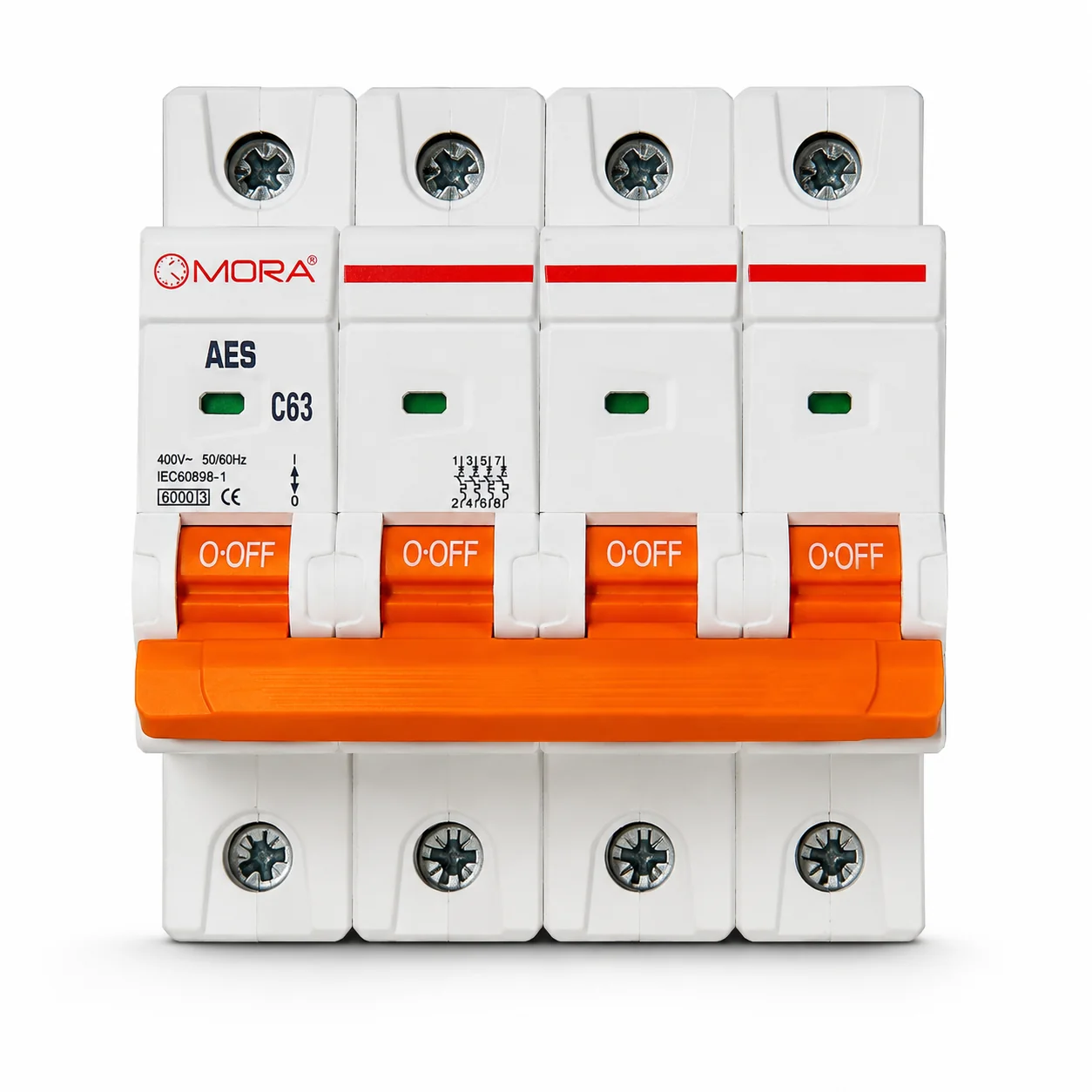
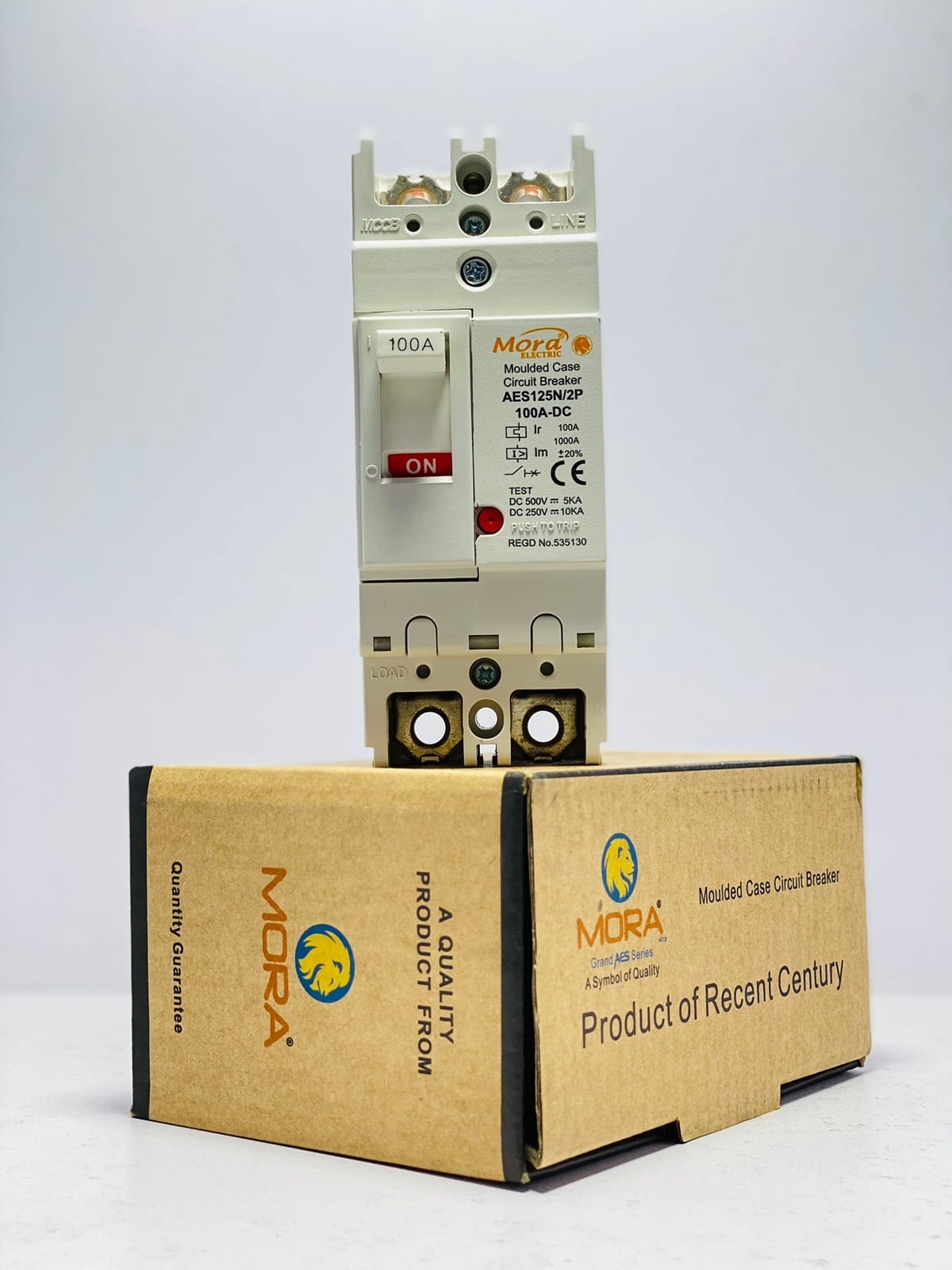
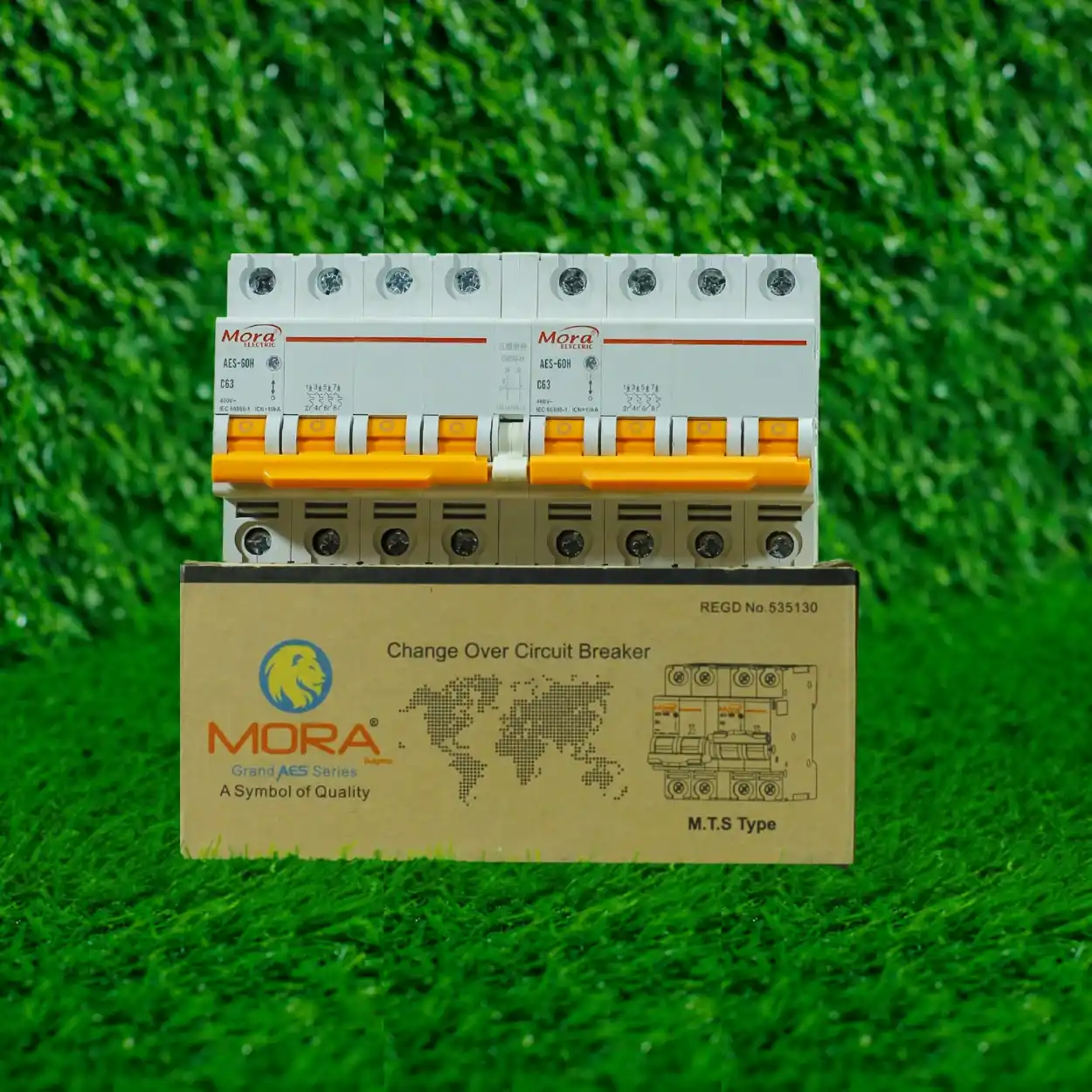
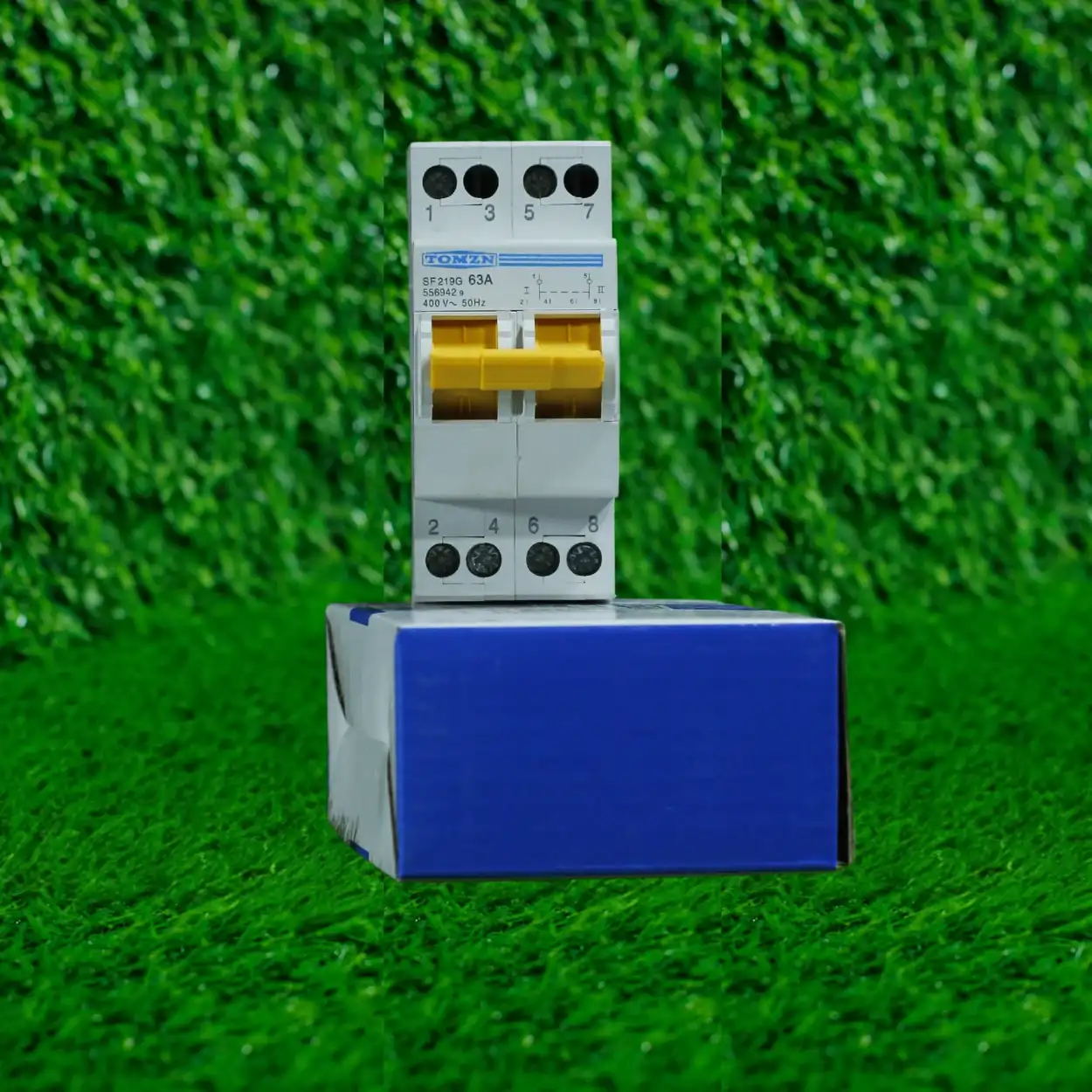
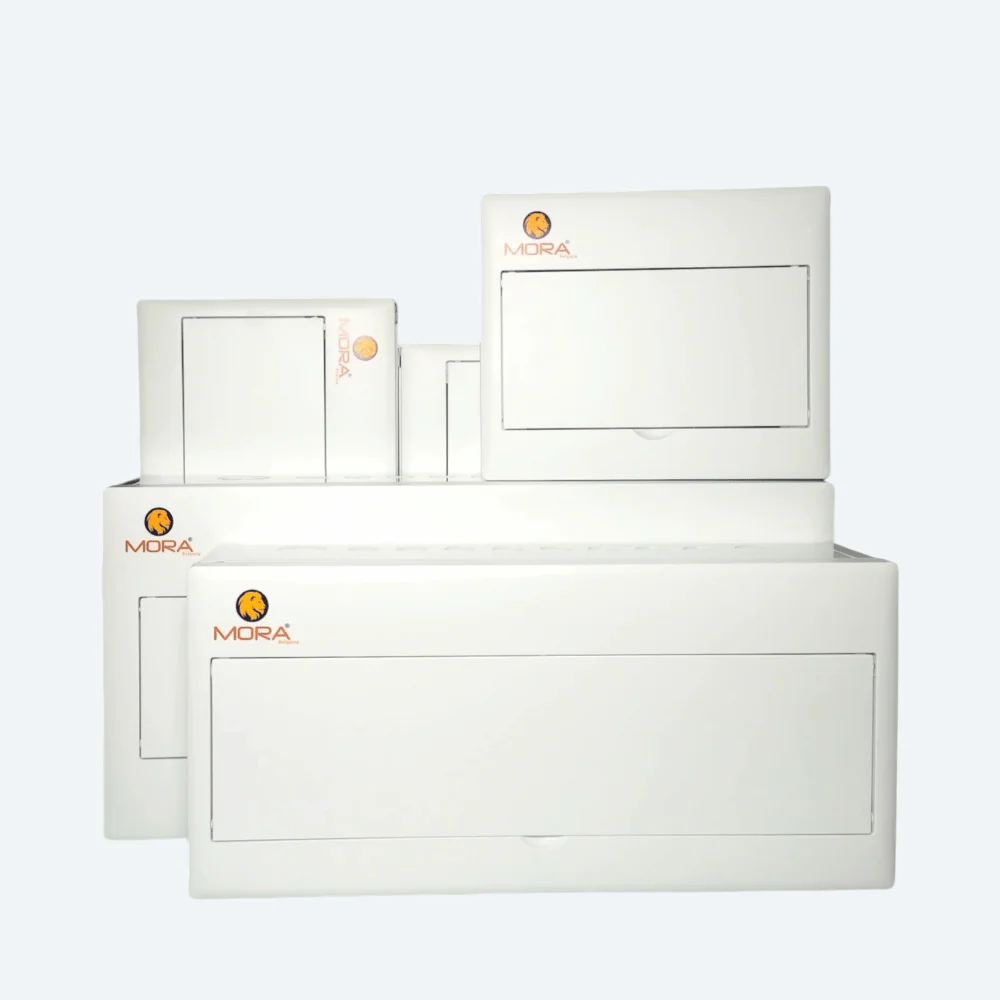
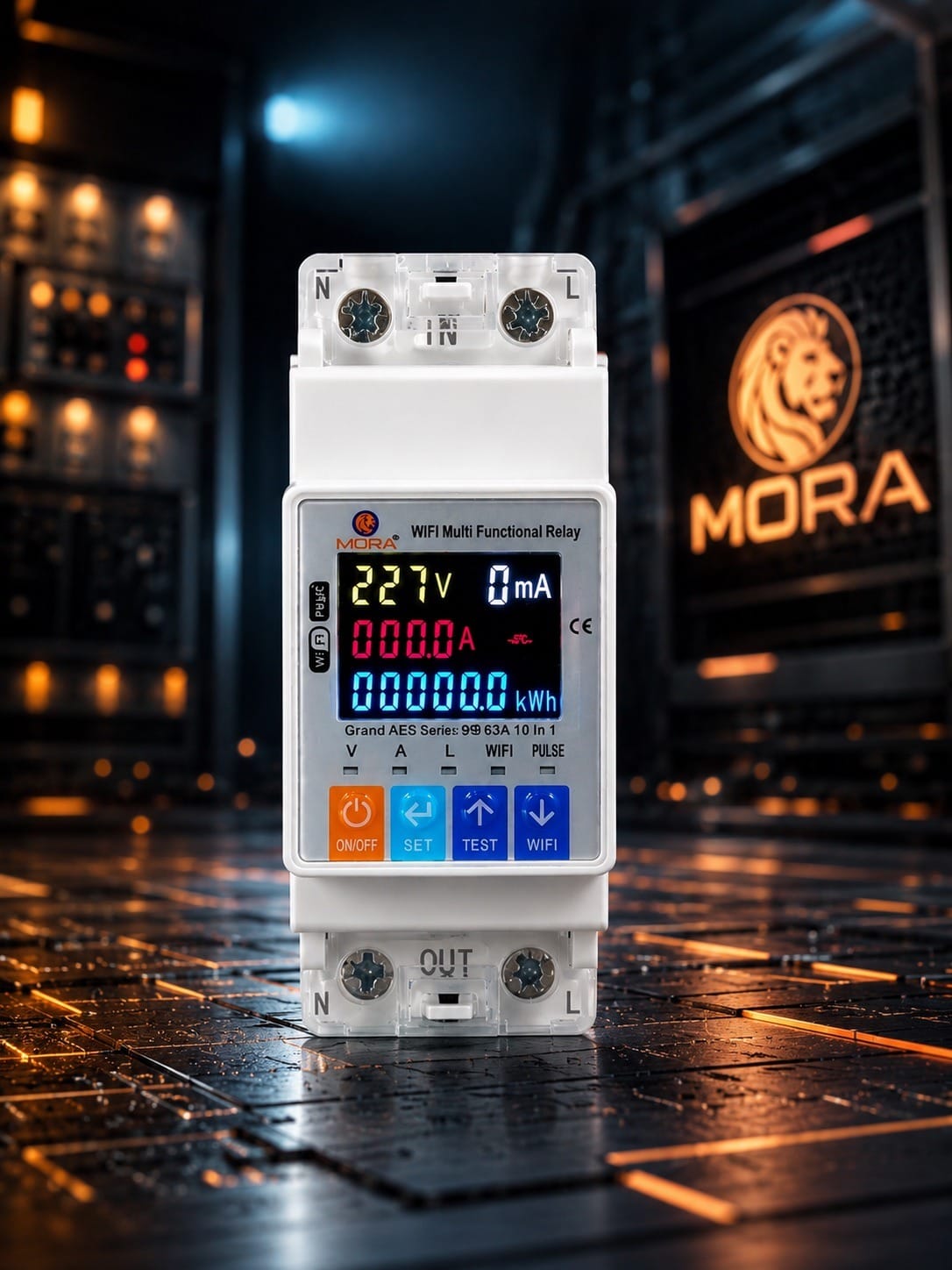
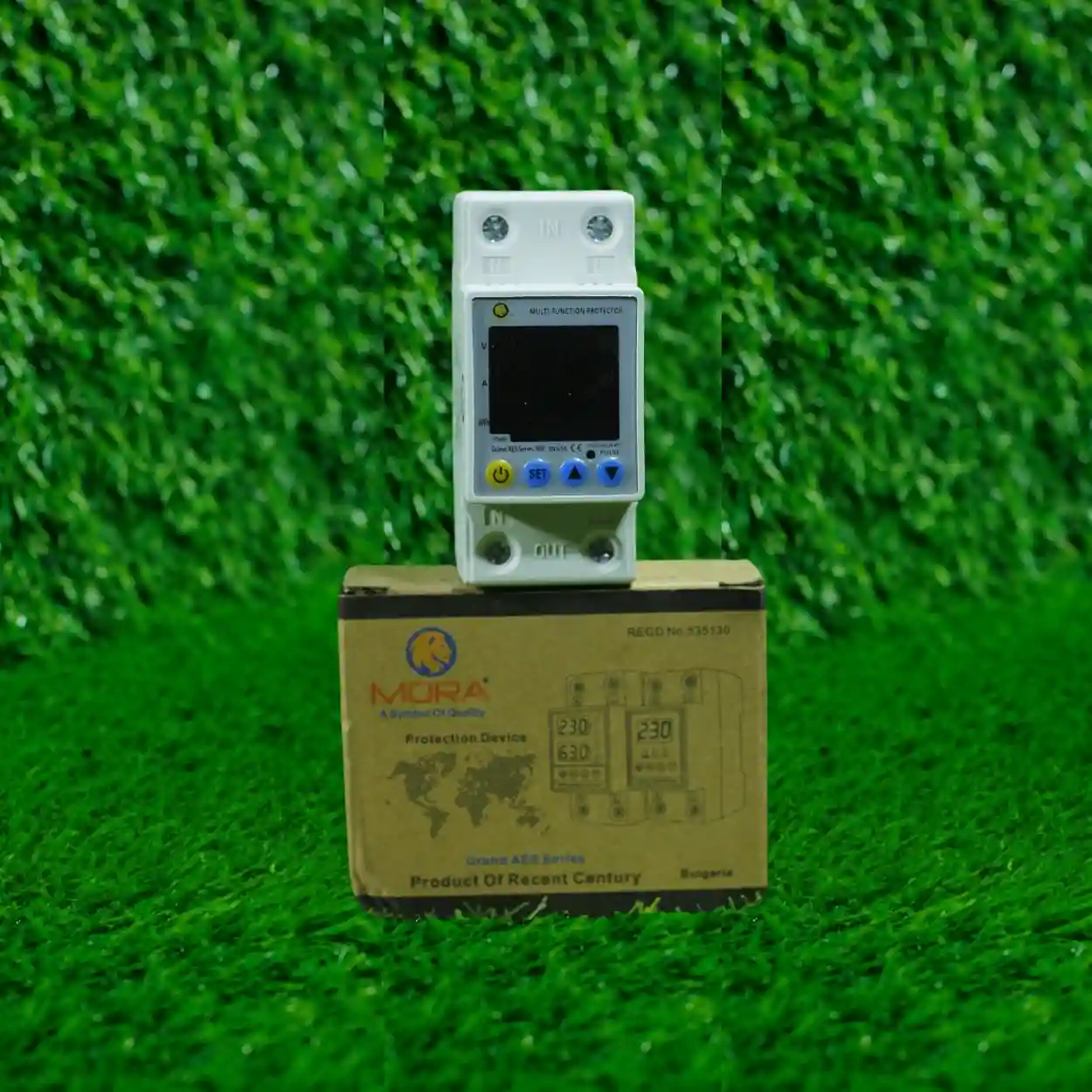
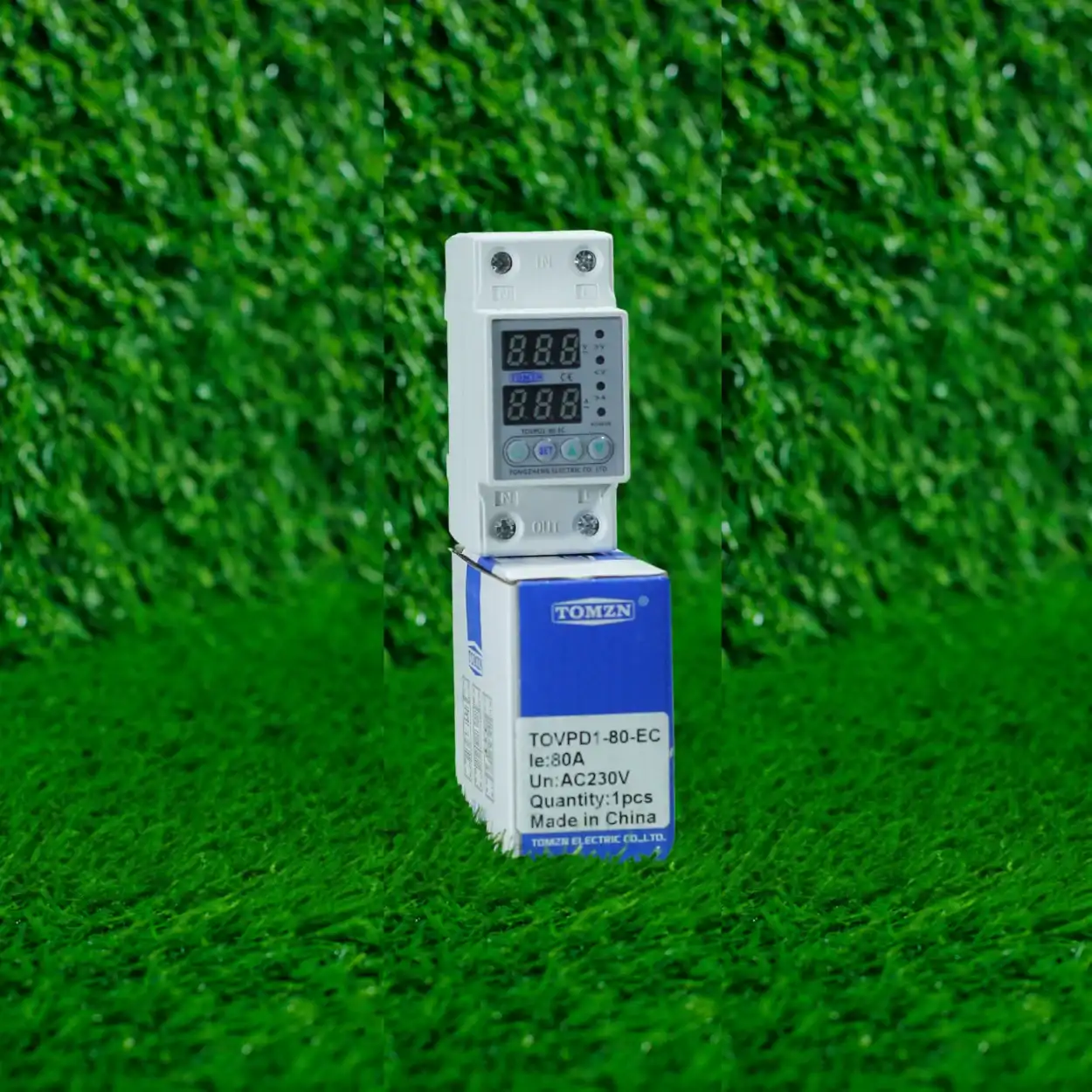
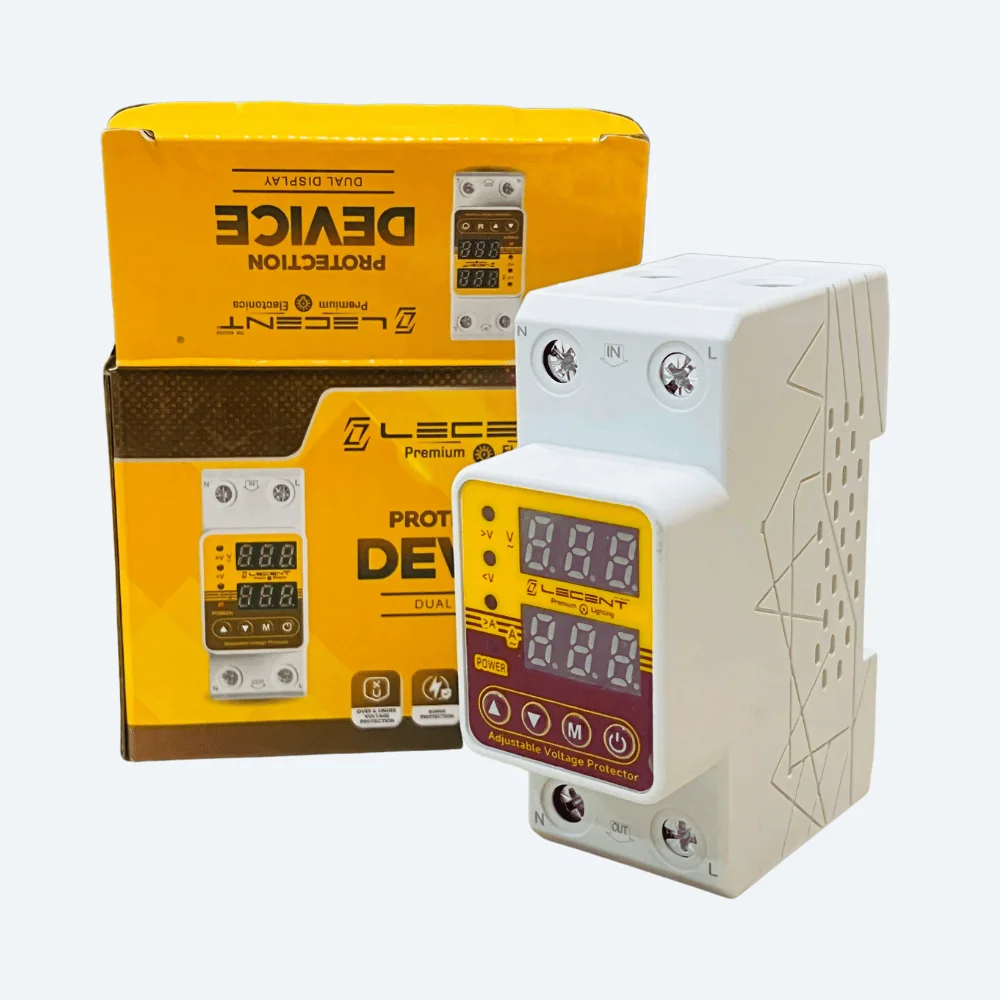
Brands matter here. Genuine TOMZN and MORA units have better-quality internal contacts and cleaner switching than the cheap Chinese knockoffs flooding the market. The knockoffs have loose calibration on the voltage setpoints and corroded contacts that cause intermittent tripping. Buy from an authorized distributor or a shop you trust. HN Electric stocks genuine units nationwide.
Pairing with Other Protection
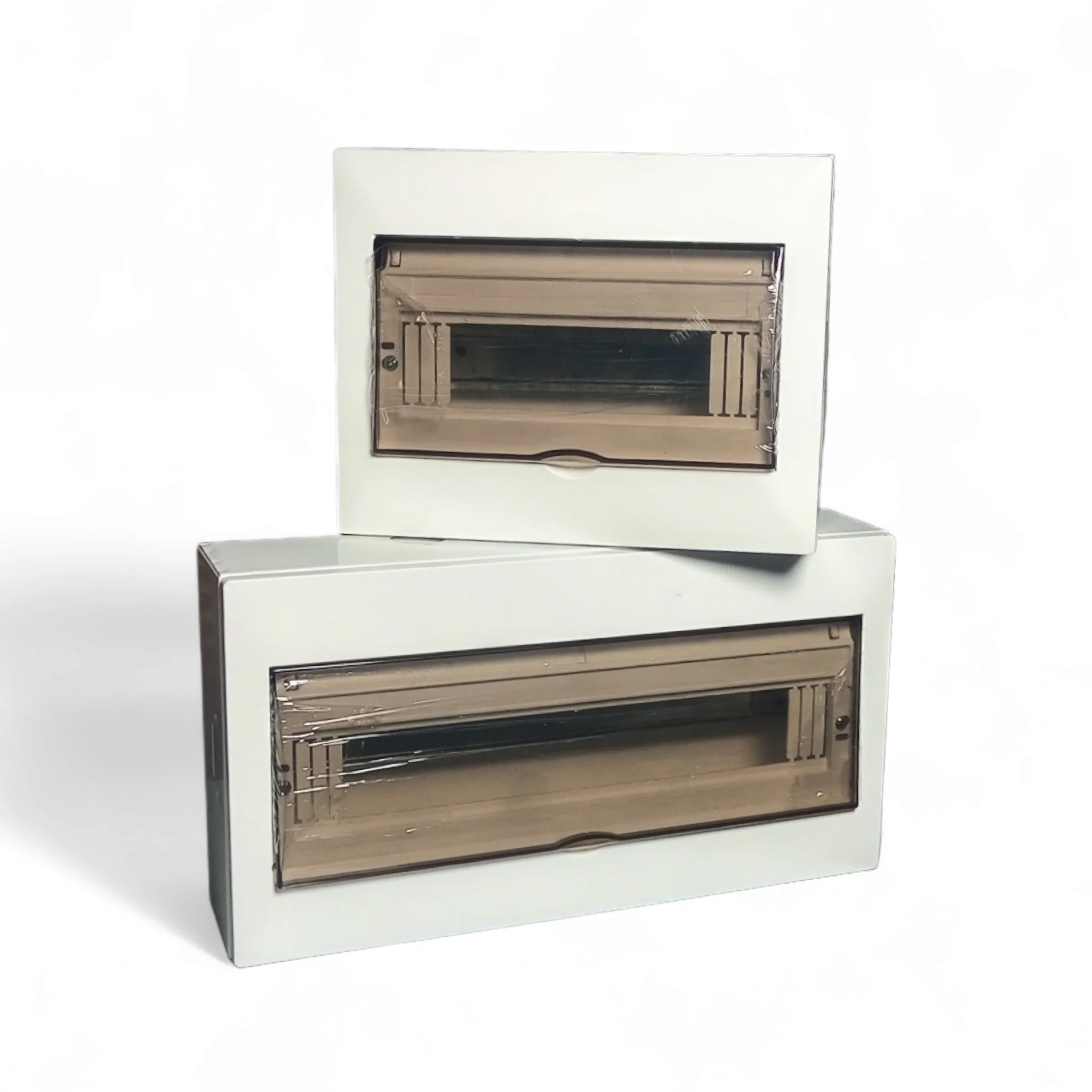
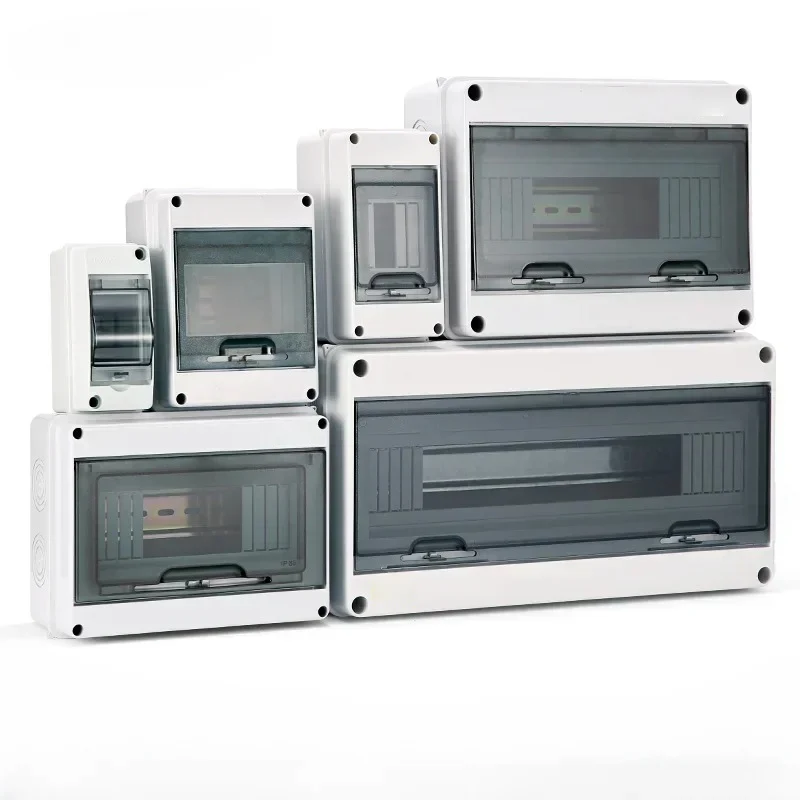
A voltage protector works best as part of a layered protection strategy. At the top of your main board, you should have a main isolating switch, then a surge protector or SPD to catch transients, then your voltage protector to catch sustained overvoltage and undervoltage, then circuit breakers for individual circuits. In homes with solar or generator backup, your ATS or changeover switch sits before the voltage protector, so the protector covers both grid and alternative supply inputs.
For solar installations specifically, pair the main AC voltage protector with a DC-side SPD on your solar array input. The two protect different parts of the system. See our solar products section for compatible DC protection.
Maintenance and Troubleshooting
A modern electronic voltage protector requires almost no maintenance. Check the following annually: verify the indicator LED is still lit (if equipped), confirm the contactor clicks when you manually test the trip button, and check that the device hasn’t accumulated dust inside the casing (use an air blower, never water).
If your protector is tripping repeatedly during normal operation, first measure the supply voltage with a multimeter at the protector’s input terminal. If the voltage is genuinely swinging outside your setpoints every few minutes, the protector is doing its job and the issue is on the supply side (talk to your DISCO). If the voltage is stable but the protector keeps tripping anyway, check the earth resistance at the main board. A floating earth will cause false voltage sensing.
If the protector won’t trip even when you apply an overvoltage test (if you’re qualified to do this safely), the internal sensing circuit or coil has failed and the unit should be replaced. Don’t attempt to repair it.