


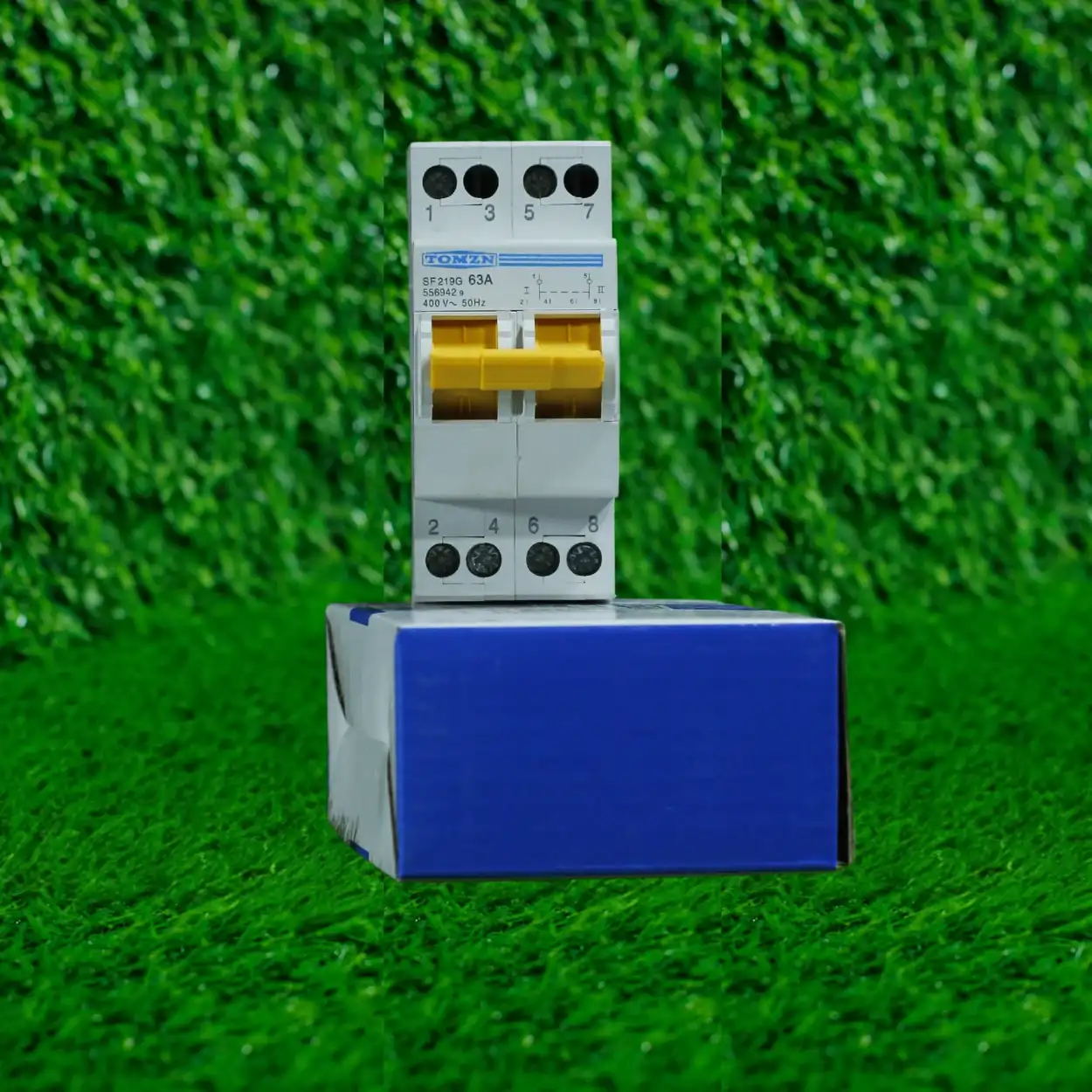
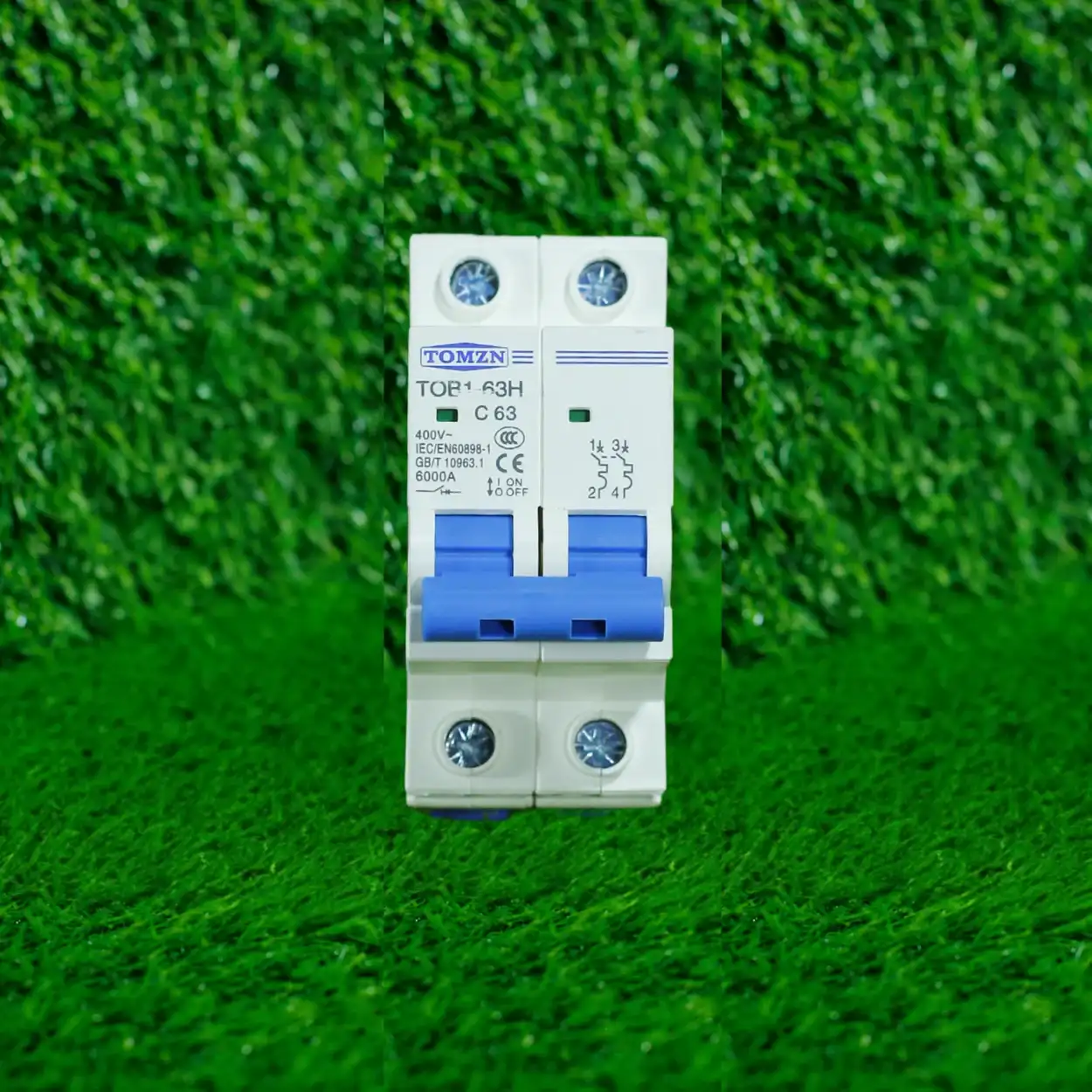
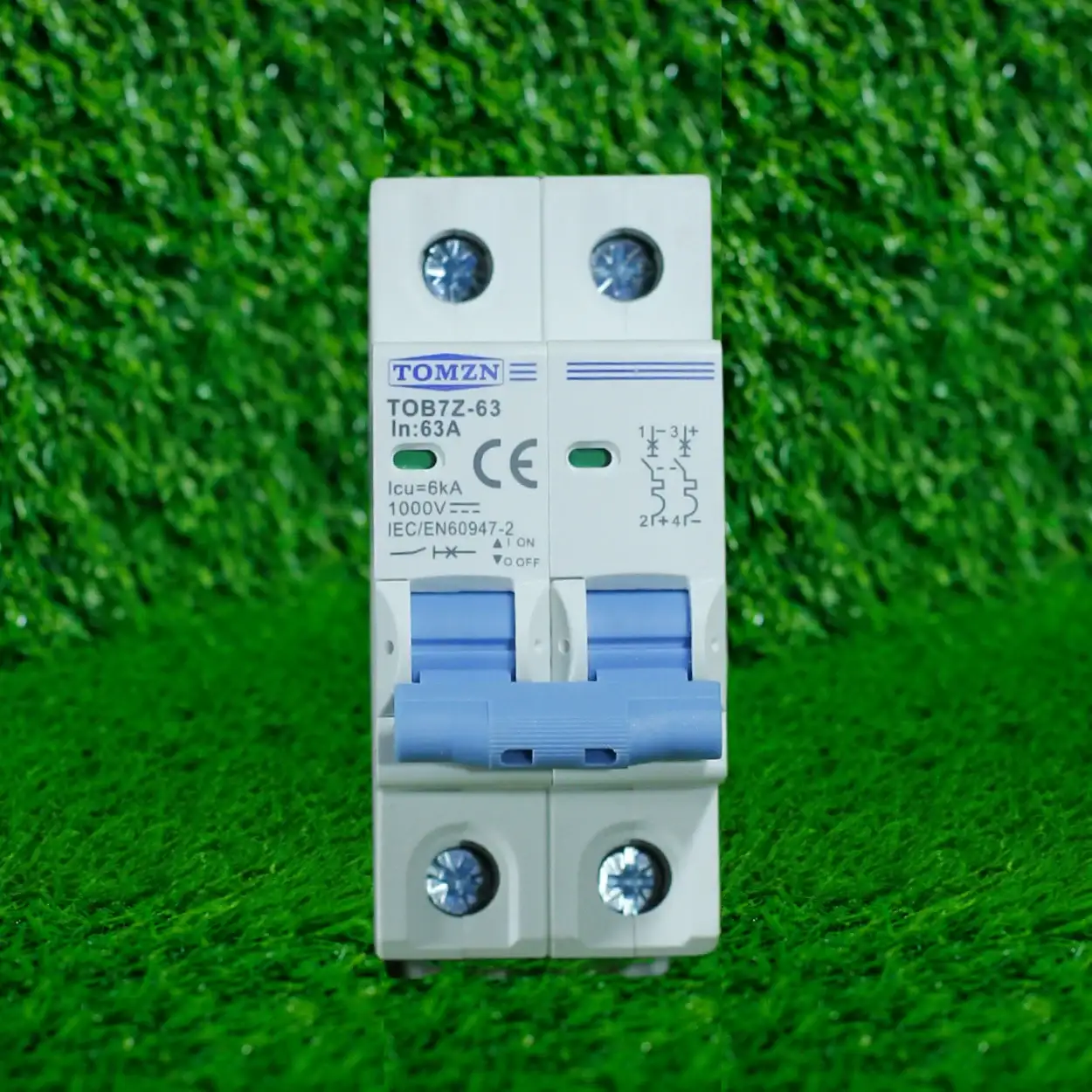

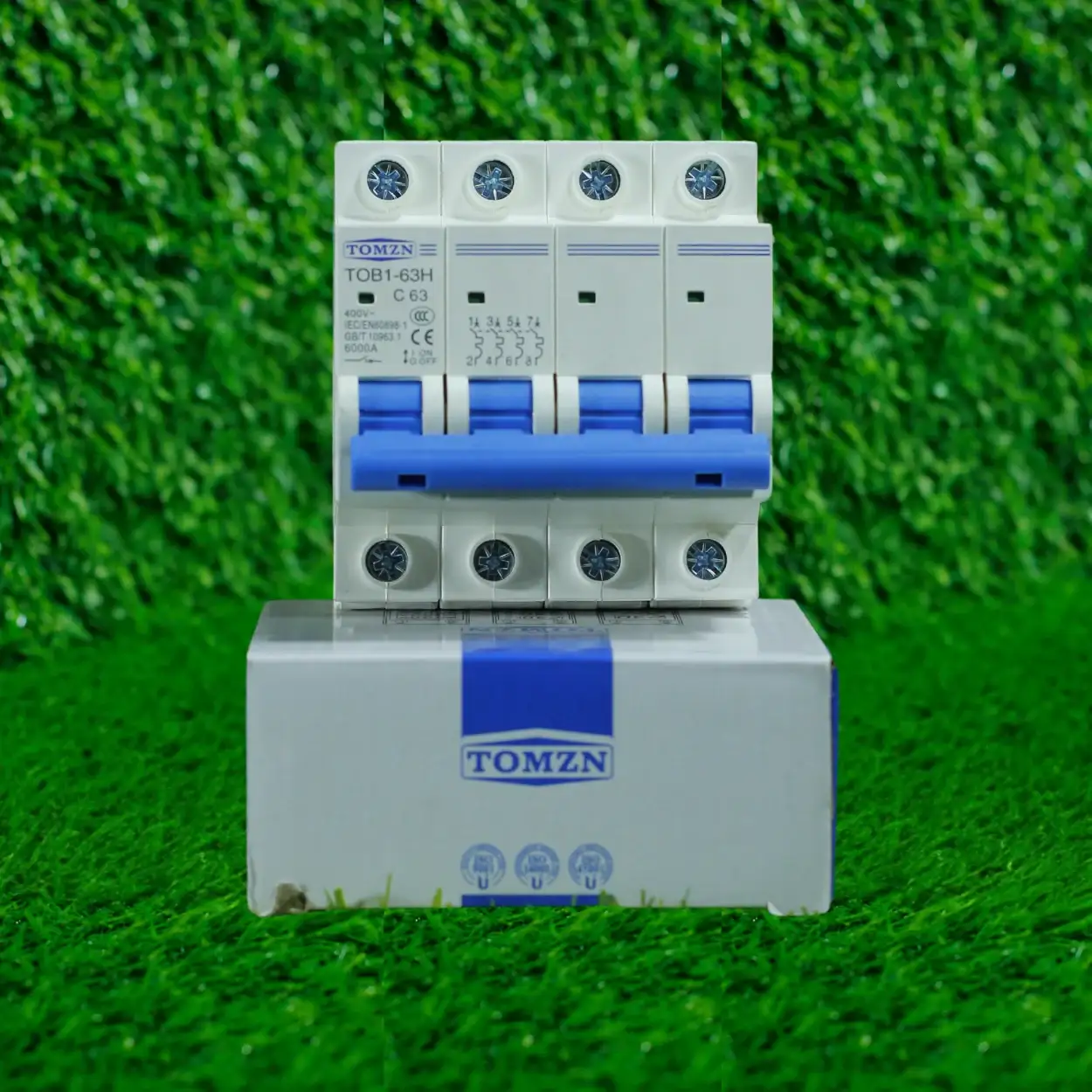






IP66 DC Isolator: Essential for Outdoor Solar Arrays


Understanding the IP66 DC Isolator and Its Role in Solar Systems
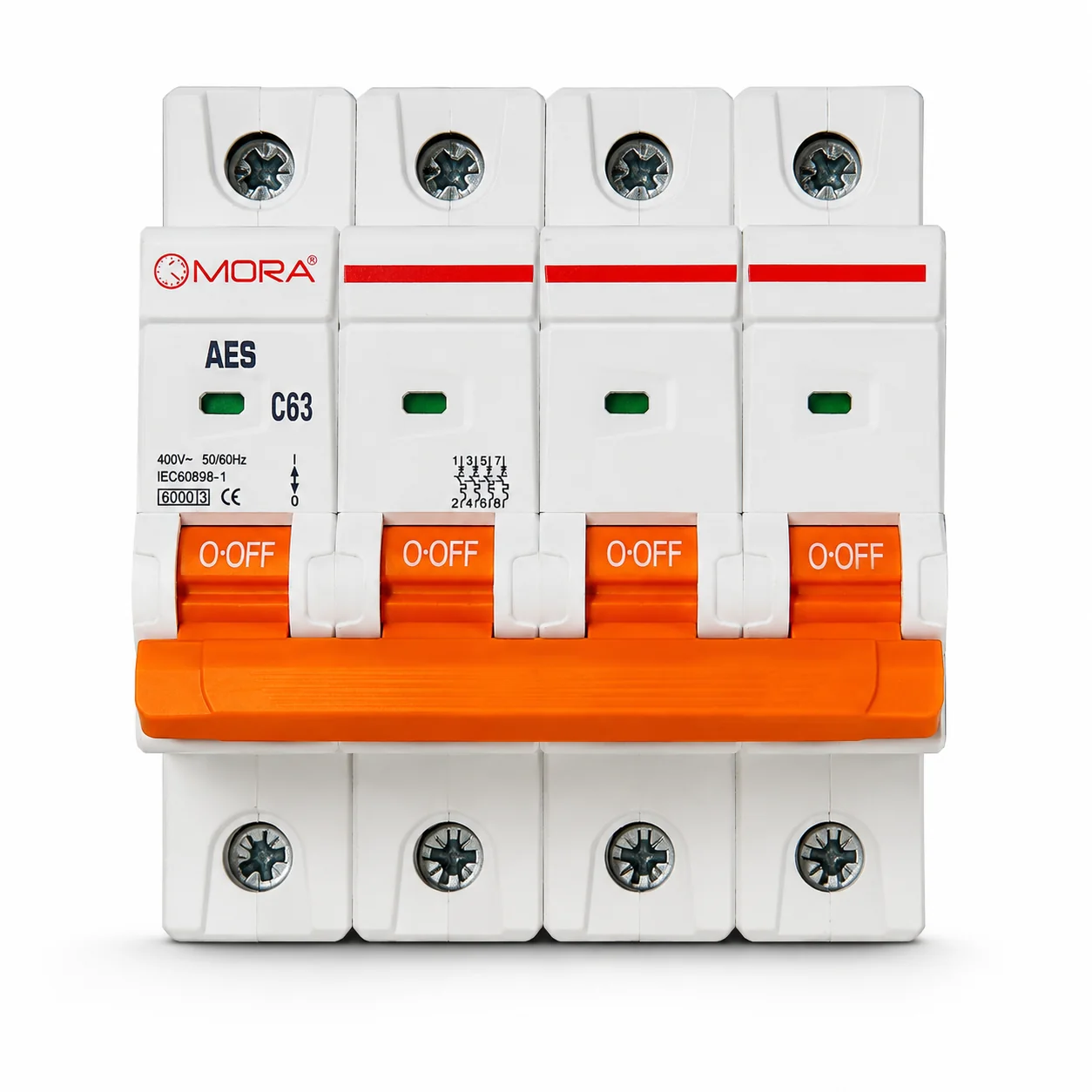
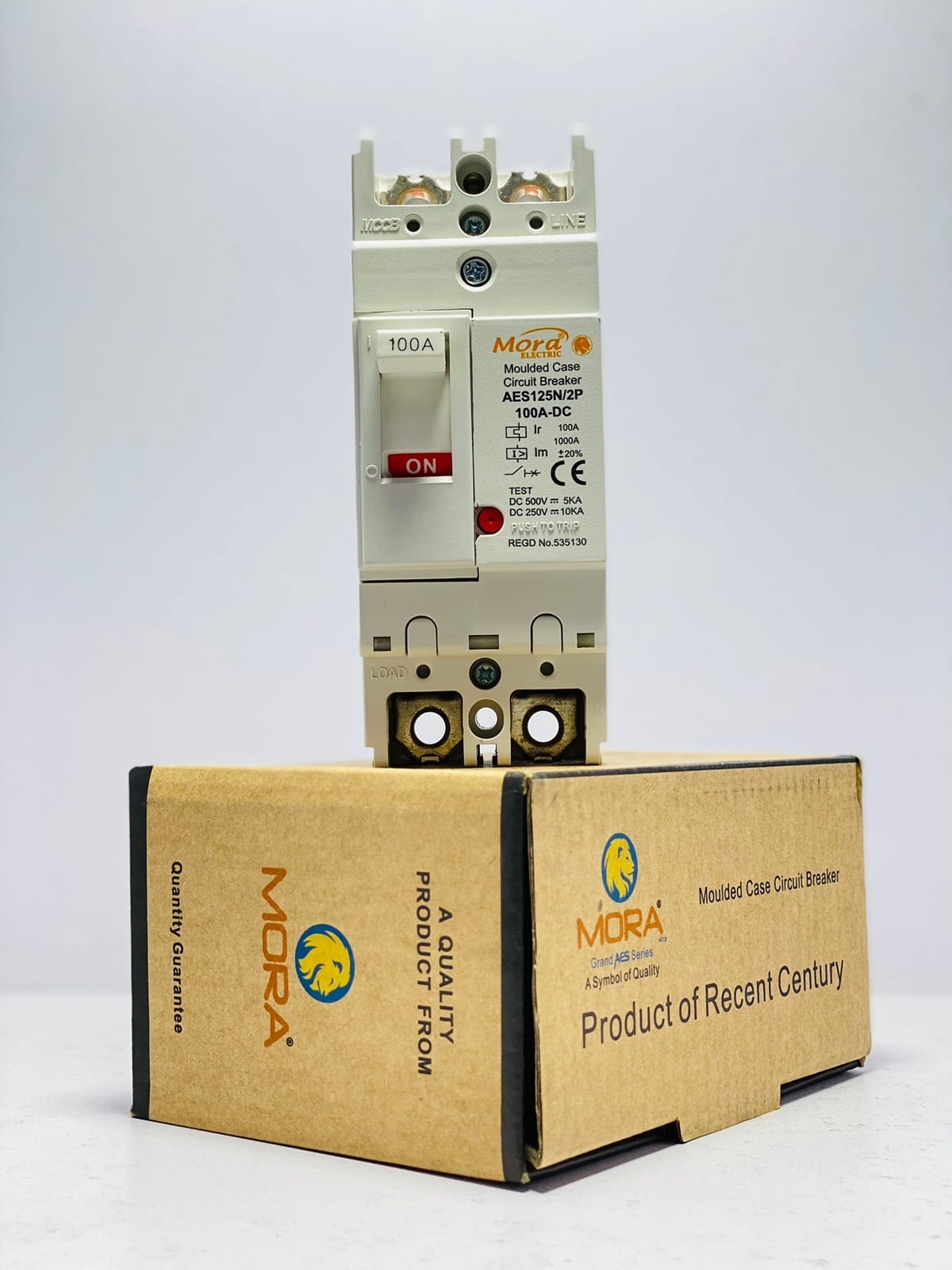
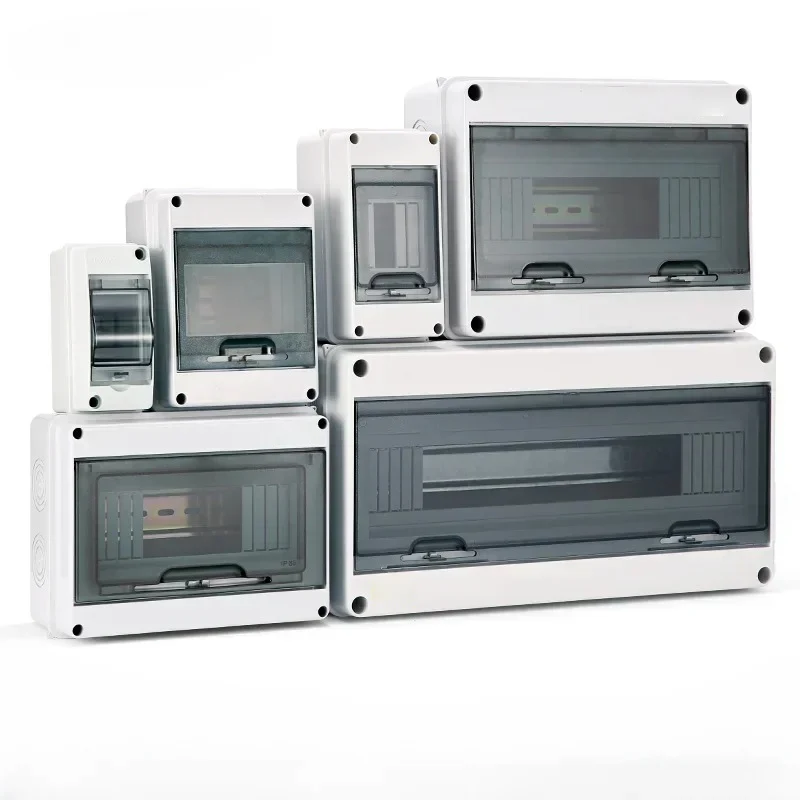
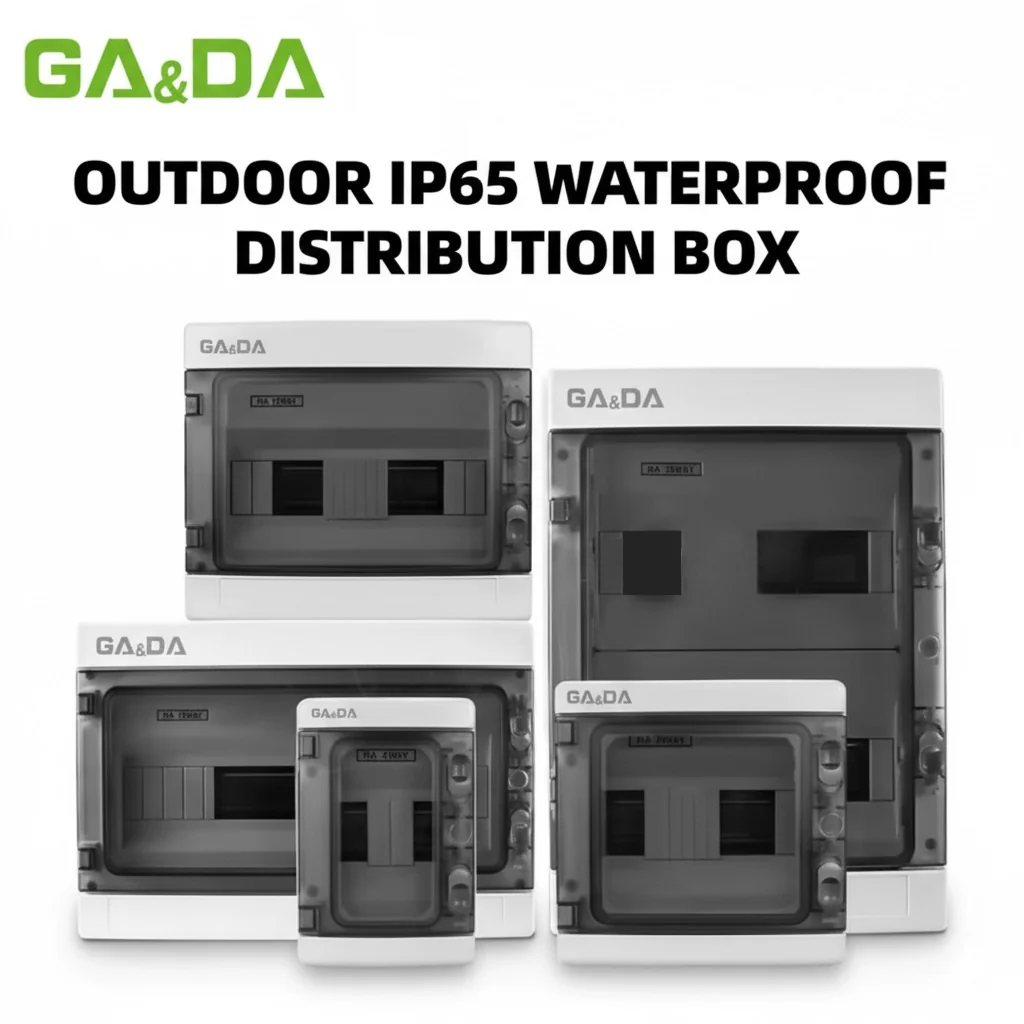
When designing an outdoor solar array, many installers and homeowners focus primarily on panel efficiency and inverter selection. However, one component often overlooked is the IP66 DC isolator—a device that plays a crucial role in the safety, durability, and performance of your entire solar system. An IP66 DC isolator is a disconnect switch designed to safely isolate the direct current (DC) side of your solar installation from the rest of the electrical system, and its IP66 rating means it can withstand extreme weather conditions, dust, and moisture ingress.
The importance of this component becomes immediately apparent when you consider the harsh outdoor environment where solar arrays operate. Temperature fluctuations, heavy rainfall, salt spray in coastal areas, dust storms, and intense UV exposure all pose threats to unprotected electrical equipment. The IP66 rating specifically indicates that the device is dust-tight and can withstand powerful water jets from any direction—a critical requirement for equipment exposed to the elements year-round.
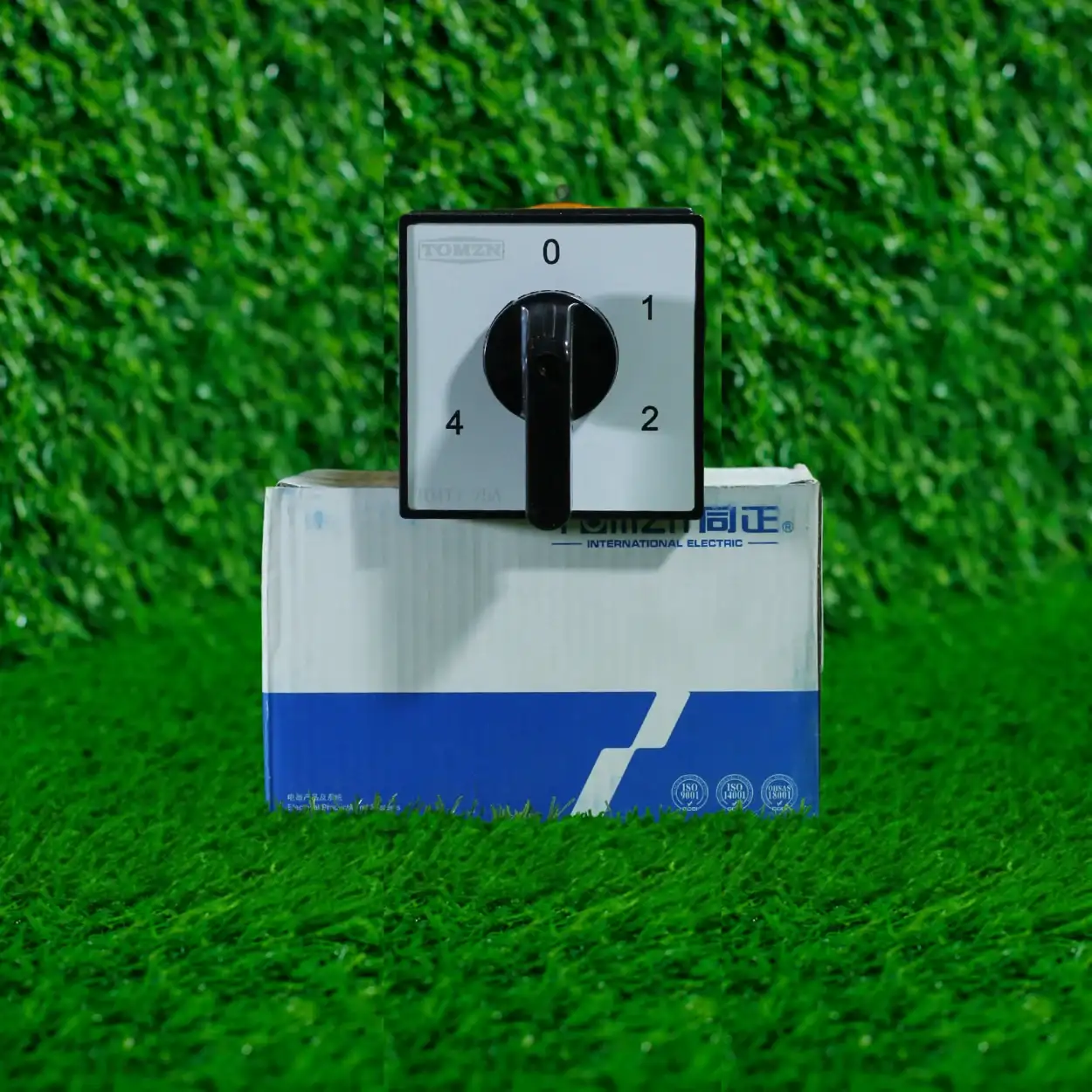
Beyond environmental protection, the DC isolator serves an essential safety function. During maintenance, repairs, or emergencies, technicians need the ability to quickly and safely disconnect the DC circuit without creating electrical hazards. A properly rated and installed IP66 DC isolator provides a reliable means to de-energize the system, protecting both personnel and equipment from shock and arc flash incidents.
Why IP66 Rating Matters for Outdoor Solar Installations
The Ingress Protection (IP) rating system uses two digits to indicate a device’s resistance to solid particles and liquid water. For outdoor solar equipment, the IP66 rating is considered the industry standard because it offers comprehensive protection without being unnecessarily expensive or oversized for typical applications.
The first digit (6) indicates complete protection against dust ingress. In outdoor solar installations, dust accumulation inside electrical enclosures can lead to corrosion, reduced insulation properties, and eventual component failure. The second digit (6) means the device can resist powerful water jets with nozzles of 12.5mm and 6.3mm diameter sprayed from distances of 2.5 to 3 meters. This specification directly addresses the challenges of tropical storms, coastal spray, and high-pressure cleaning scenarios.
Without this level of protection, unrated or lower-rated isolators face several risks:
- Moisture ingress: Water can seep into the switch mechanism, causing corrosion of internal contacts and eventually rendering the isolator non-functional or unsafe.
- Dust accumulation: Dust and salt particles create conductive paths that can lead to arcing, leakage currents, and unexpected disconnections.
- UV degradation: Plastic components and insulation materials deteriorate rapidly under intense sunlight without proper protection.
- Temperature cycling damage: Repeated expansion and contraction of internal components without proper sealing leads to mechanical failure.
The IP66 standard ensures that these failure modes are minimized, extending the operational life of your isolator and reducing unexpected maintenance costs. When you invest in quality DC isolation equipment, you’re investing in system reliability and longevity.
The Safety Imperative of Proper DC Isolation
From a safety perspective, the DC isolator is non-negotiable. Solar arrays generate electricity continuously during daylight hours, and the DC side of the system operates at significant voltages—often 400V or higher in larger installations. Without a means to safely isolate this circuit, technicians face extreme hazards during maintenance, repairs, or emergency situations.
A properly rated IP66 isolator provides several critical safety features:
- Manual disconnect capability: Allows immediate de-energization without relying on electronic systems or inverter controls.
- Visible isolation: Many DC isolators feature visible blade disconnect mechanisms that confirm the circuit is open.
- Arc suppression: Quality isolators incorporate design features that minimize dangerous arcing during switching operations.
- Lockable enclosures: Prevents unauthorized reconnection and protects against accidental re-energization.
Building codes and safety standards in most jurisdictions explicitly require DC isolation equipment for grid-connected and off-grid solar installations. Using an IP66-rated isolator ensures compliance with these regulations and demonstrates a commitment to professional installation practices.
Practical Benefits and Installation Considerations
Beyond the technical requirements, implementing an IP66 DC isolator in your solar array offers several practical advantages. The first benefit is system accessibility—with a proper isolator in place, maintenance becomes safer and simpler. Replacing a module, cleaning the array, or troubleshooting inverter issues can all be performed with confidence that the DC circuit is safely disconnected.
The second benefit is warranty and insurance protection. Many solar equipment manufacturers and installers require proper DC isolation as a condition of warranty coverage. Insurance companies similarly expect installations to comply with established safety standards. Using a properly rated isolator protects your investment in these areas.
Third, an IP66 isolator contributes to system monitoring and diagnostics. By cleanly separating the array from downstream equipment, you can more easily identify where faults occur. If the system fails after isolation, the problem lies in the array or DC wiring; if it fails before isolation, the issue is in the inverter or AC-side components.
When installing a DC isolator for outdoor use, several practical considerations apply:
- Mounting location: Place the isolator in a shaded, protected location if possible, though IP66 rating ensures it will function in direct sun.
- Cable sizing: Ensure DC cables connected to the isolator are appropriately sized for your array’s maximum short-circuit current.
- Proper labeling: Clearly label the isolator with warning signs and operating instructions so all personnel understand its function.
- Regular inspection: Even IP66-rated equipment benefits from periodic visual inspection to ensure gaskets remain intact and there are no visible signs of moisture or corrosion.
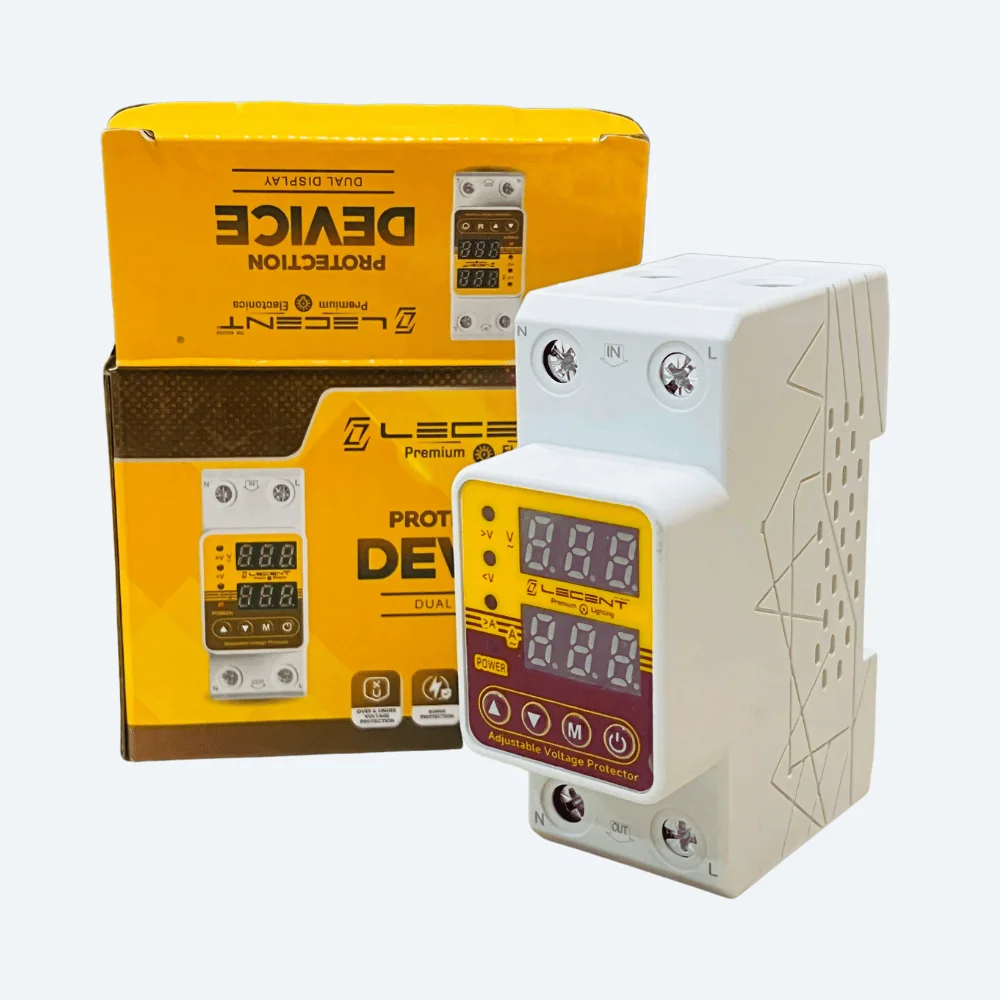
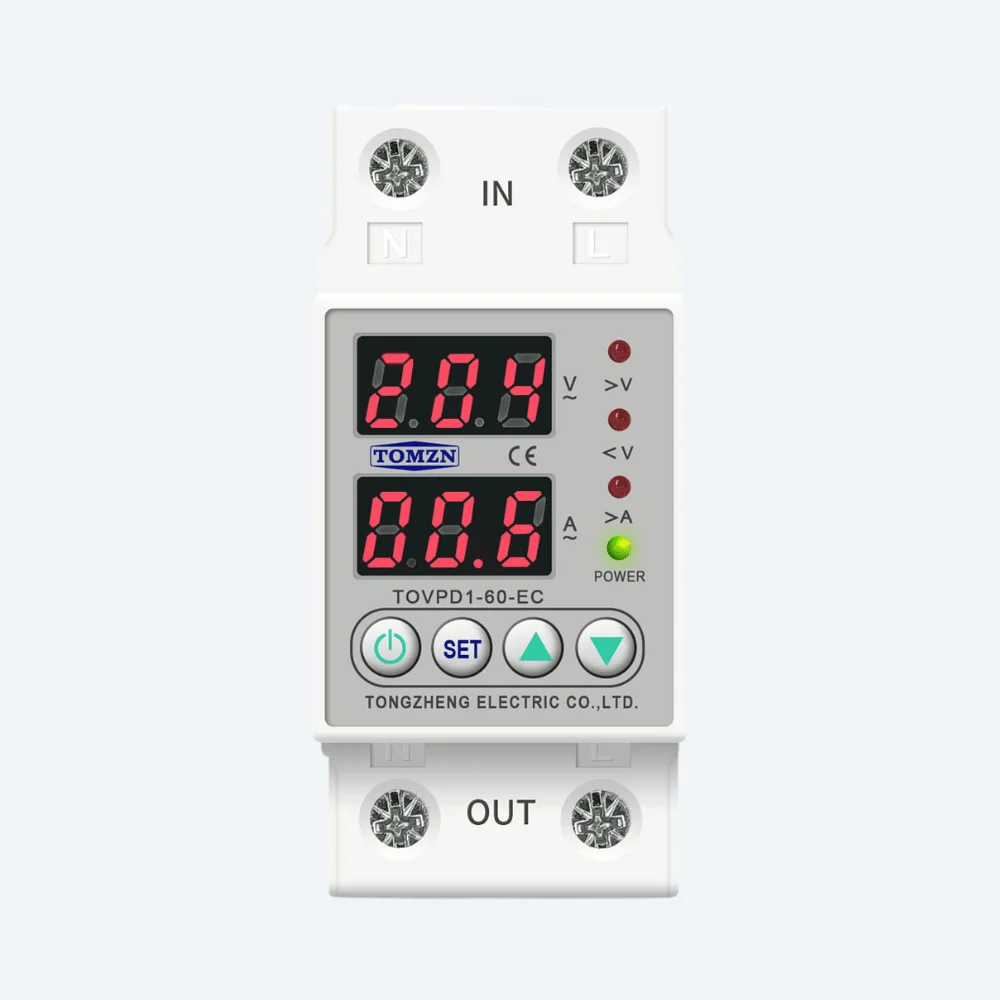
- Voltage monitoring: Consider pairing your isolator with monitoring equipment, such as a digital volt meter, to track DC voltage levels and identify potential issues early.
Maintenance and Long-Term Reliability
One often underestimated advantage of using a quality IP66 DC isolator is the reduction in maintenance requirements. Because the device effectively seals out environmental contaminants, internal components remain clean and dry throughout the system’s operational life. This means fewer corroded contacts, fewer unexpected failures, and lower total cost of ownership.
However, even with an IP66 rating, certain maintenance practices are recommended. Annually, inspect the gaskets and seals around the isolator’s enclosure for any signs of wear or damage. If you notice cracks in the plastic housing or if gaskets have become hard and brittle, replacement parts should be ordered immediately. Testing the isolator’s mechanical operation—opening and closing the disconnect switch—should be performed at least twice per year to ensure smooth operation.
If your installation is in a coastal area with salt spray or a dusty, arid climate, more frequent inspections are warranted. The IP66 rating provides excellent protection, but no equipment is immune to extreme environmental stress indefinitely.
Choosing Quality Components
Not all DC isolators are created equal. When selecting an isolator for your outdoor solar array, prioritize manufacturers known for quality and reliability. Established brands with experience in solar applications provide better long-term value than budget alternatives. When comparing options, verify that the product genuinely carries an IP66 rating from a recognized testing authority—this information should be clearly stated in the product datasheet and on packaging.
Additionally, consider the brand’s reputation within the solar industry. If you’re interested in exploring trusted manufacturers and comparing different brands, shop by brand to find components from established names in the solar protection category. Quality isolators represent a modest investment compared to the cost of an entire solar array, making them excellent value for the protection they provide.
Integrating the DC Isolator Into Your Complete Solar Solution
An IP66 DC isolator doesn’t operate in isolation—it’s one component within an integrated solar protection strategy. A complete outdoor solar installation should include multiple layers of protection: DC surge protection, proper grounding, overcurrent protection, and the disconnect isolator discussed here.
The isolator works in conjunction with DC breakers and other protection devices to create a comprehensive safety system. When these components work together, they ensure that your solar array operates safely and reliably for decades. Understanding how your DC isolator fits into this larger system helps you make informed decisions about other components in your installation.
For those implementing solar systems in challenging environments—coastal regions, areas with extreme weather, or locations subject to dust and sand—the IP66 DC isolator moves from “important” to “essential.” It’s the component that stands between your investment and environmental threats, and between your technicians and electrical hazards.
In conclusion, the IP66 DC isolator is far more than a technical requirement or an insurance policy. It’s a fundamental component that enables safe operation, simplifies maintenance, and extends the life of your entire solar system. By understanding its role and selecting quality equipment, you’re making a decision that pays dividends throughout your installation’s operational life.