


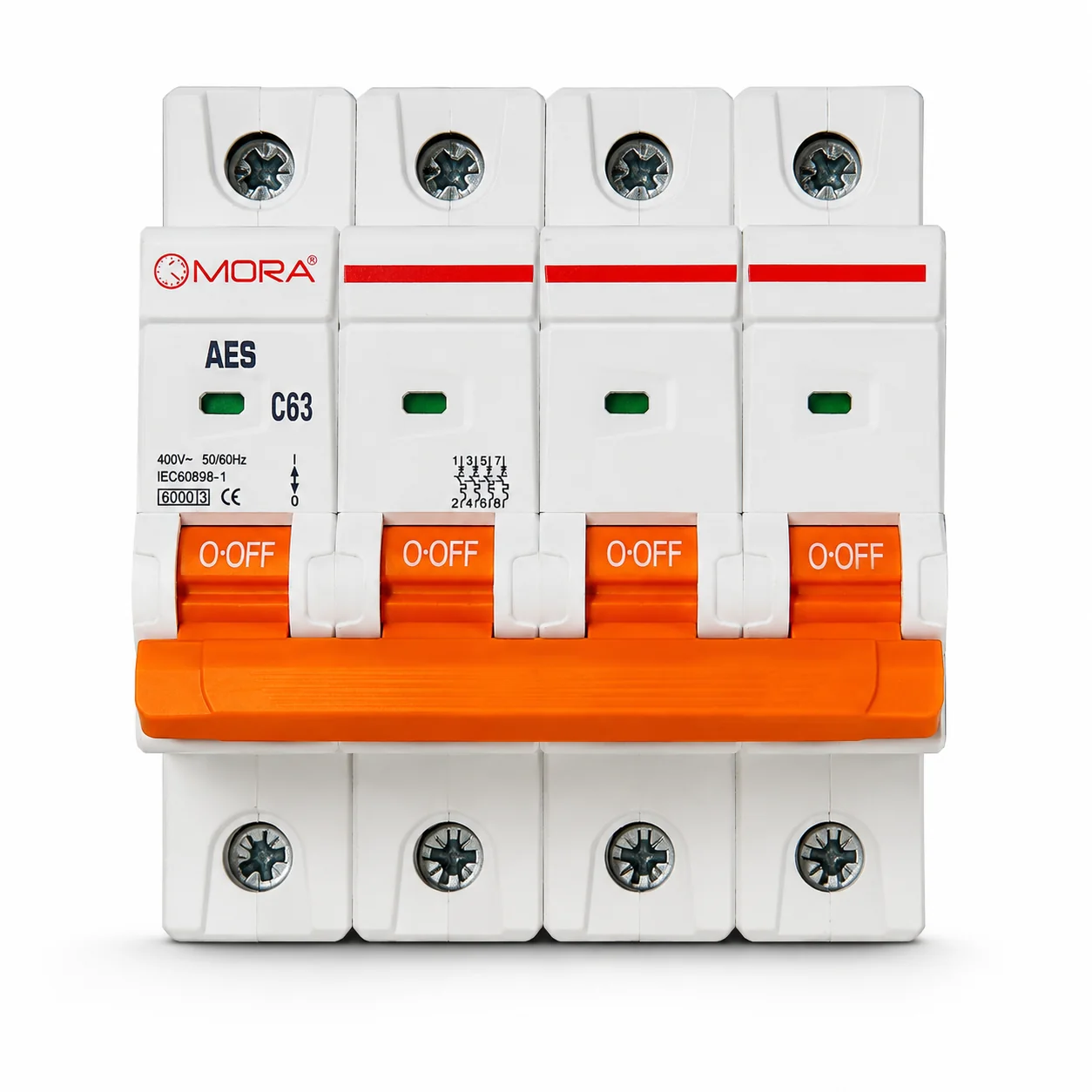
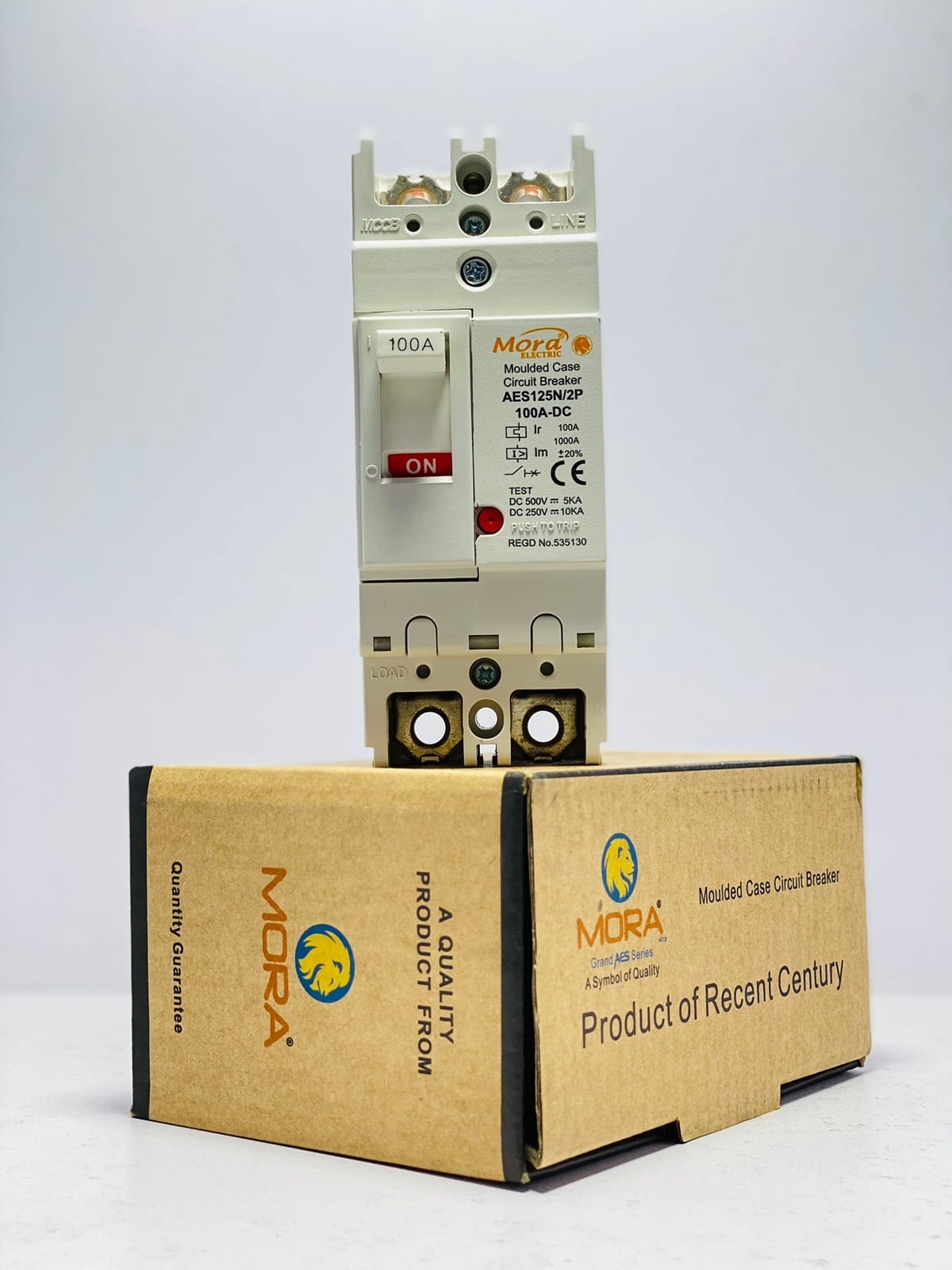
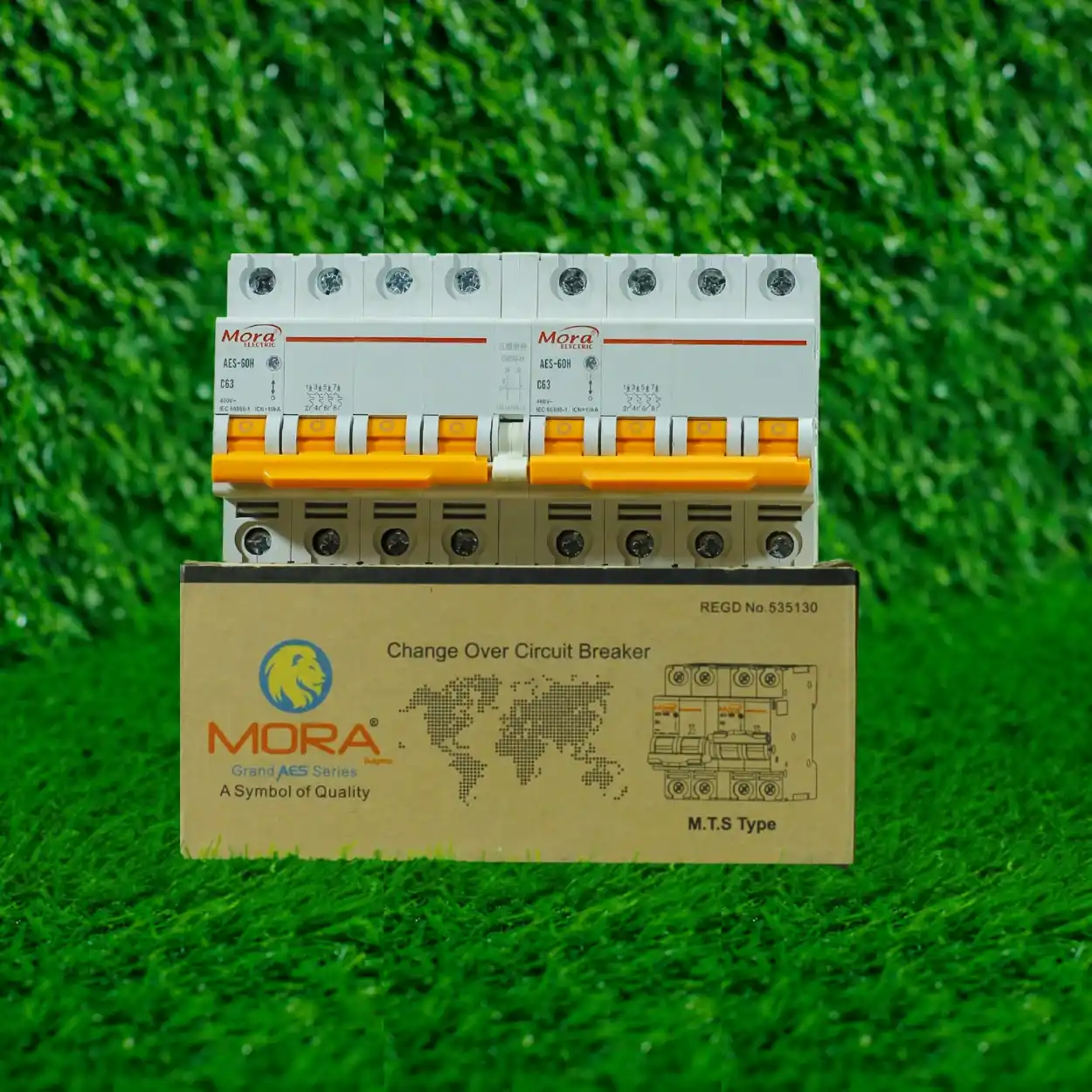

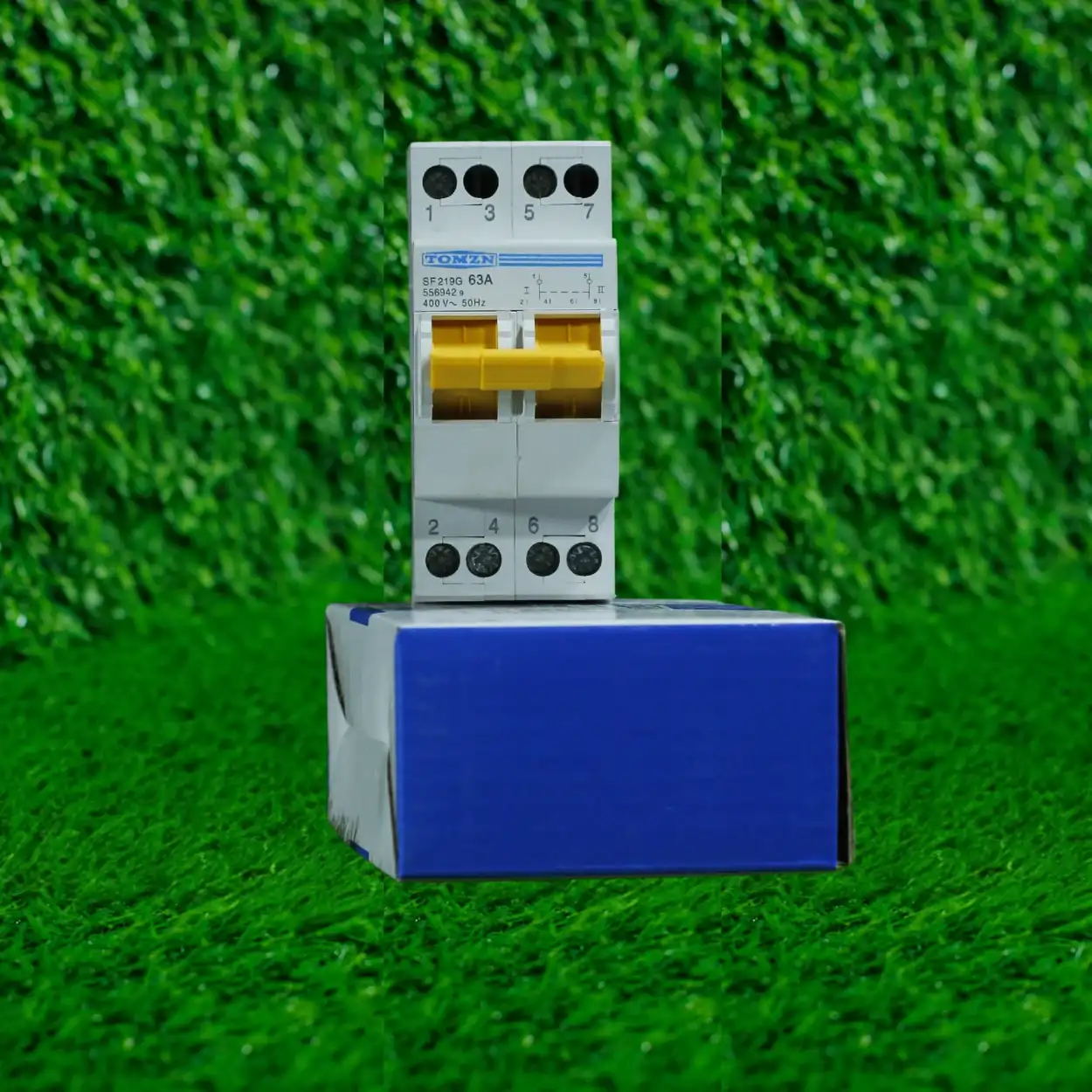
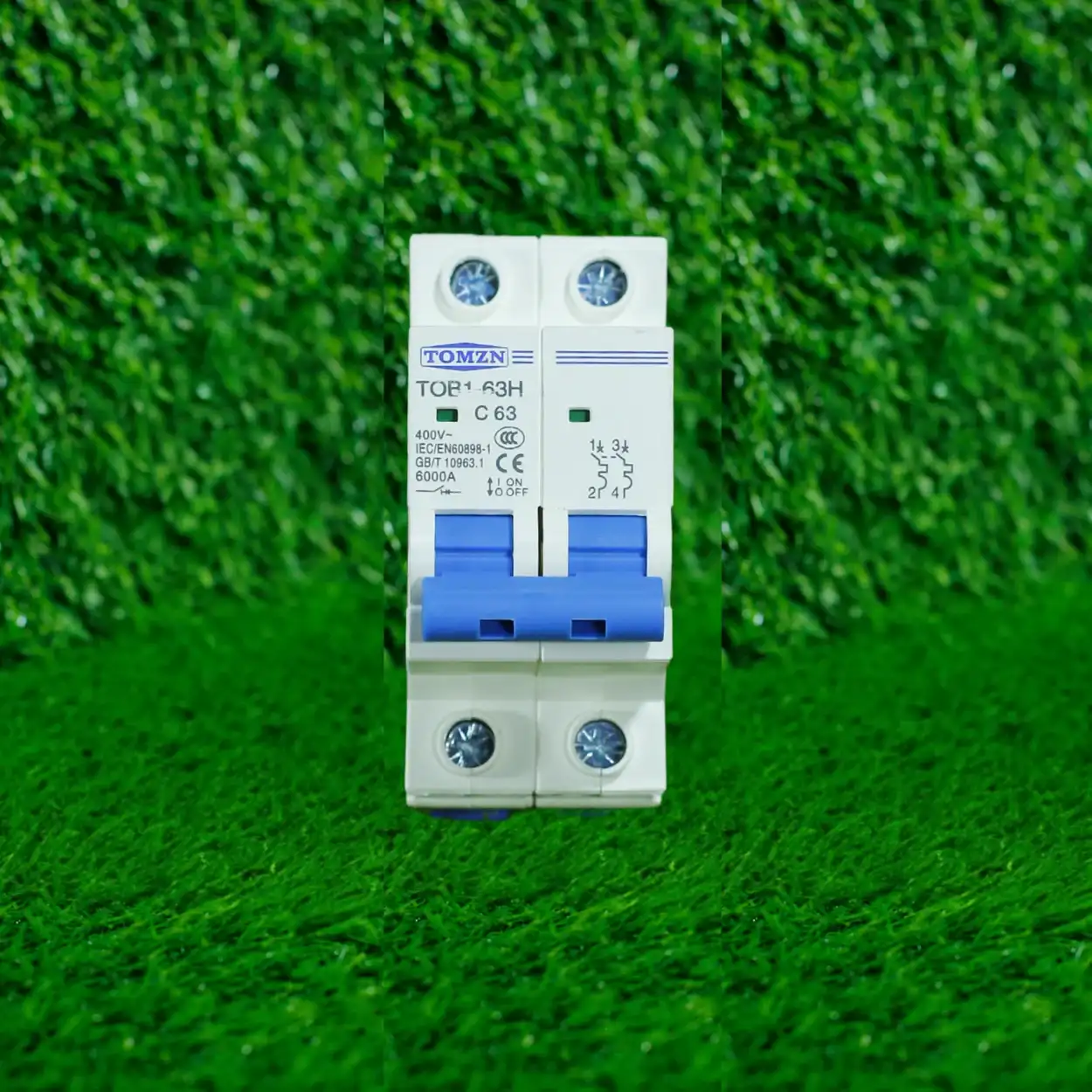
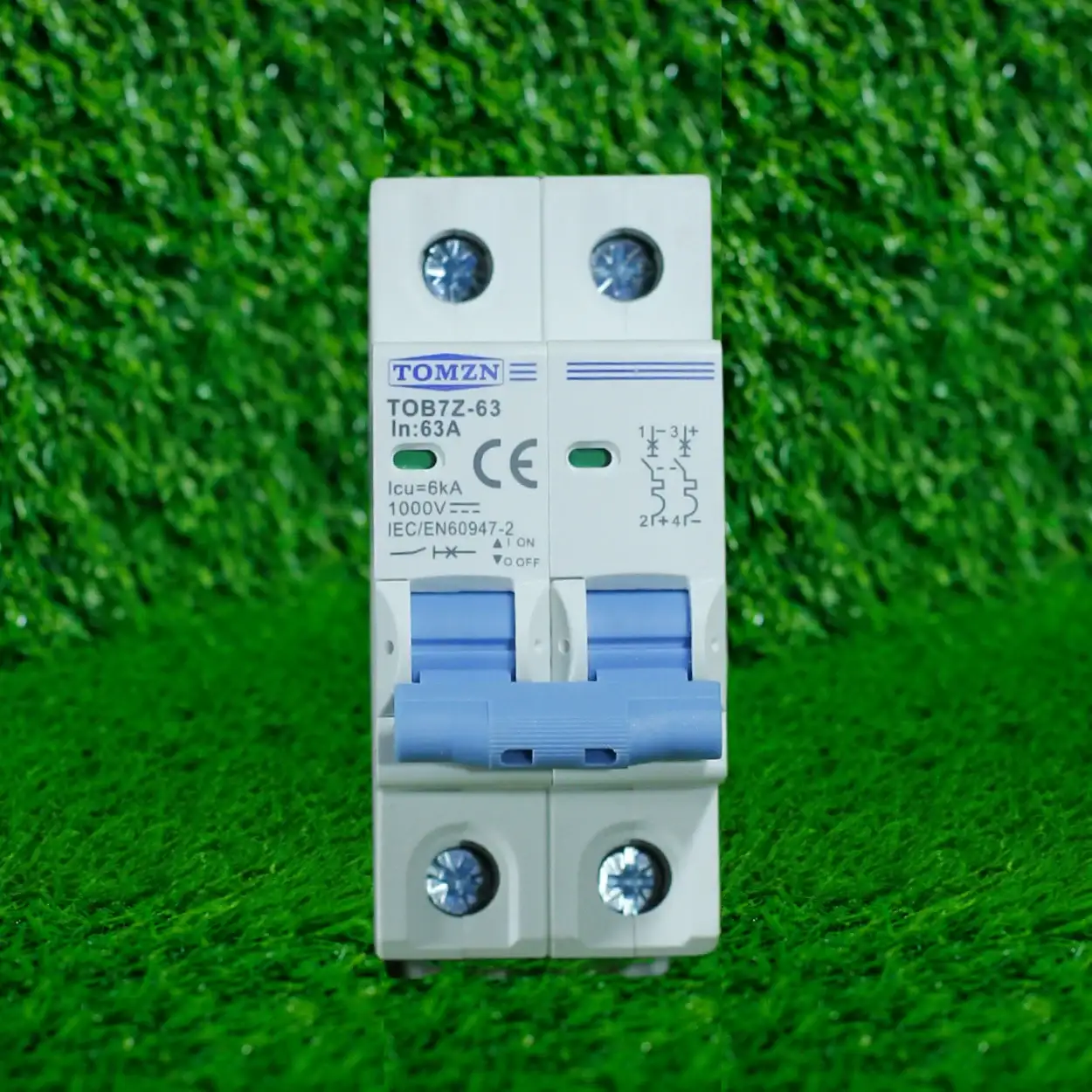

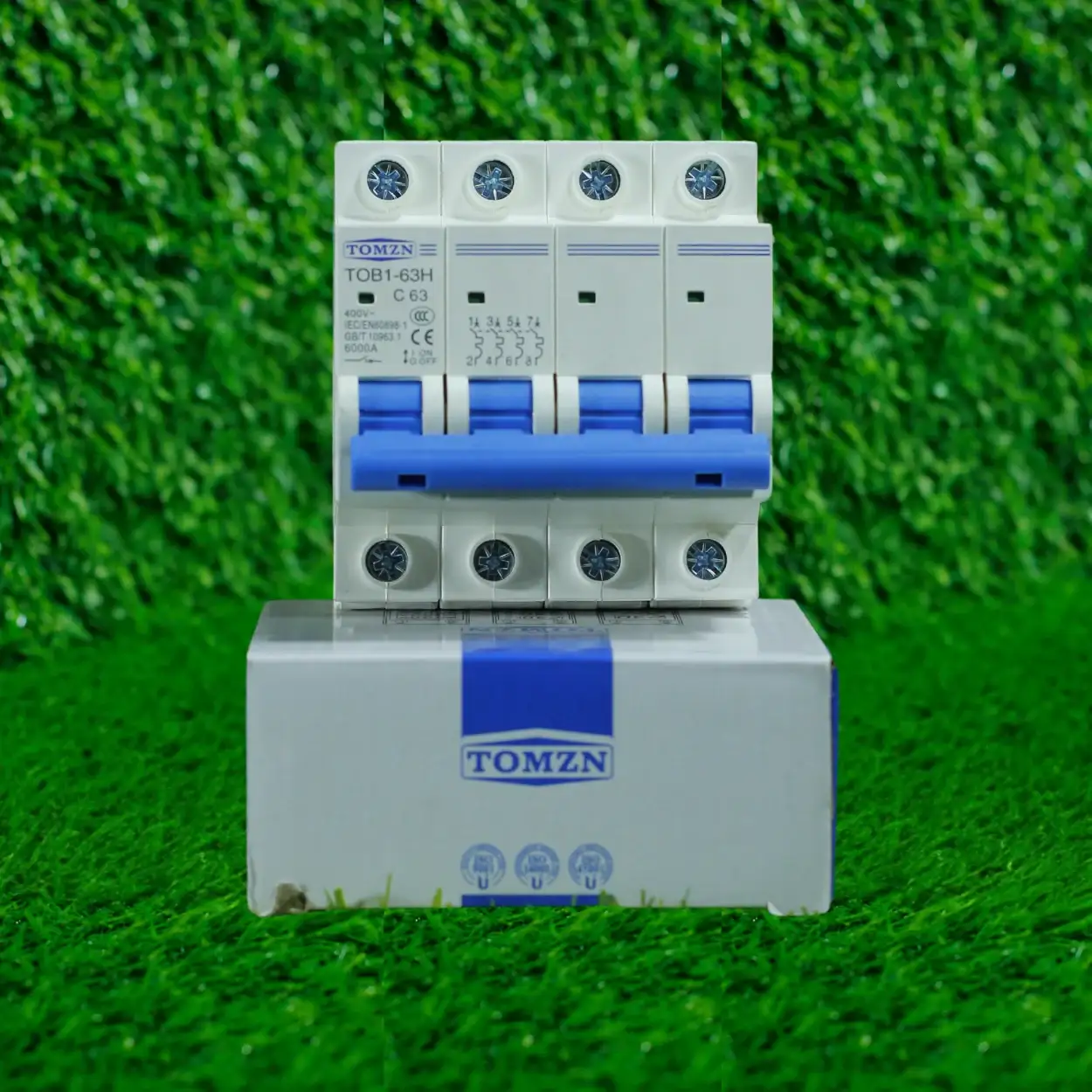







Copper-Contact DC MCCBs: Superior Solar Protection


Understanding DC MCCBs in Solar Systems
Solar photovoltaic (PV) systems have revolutionized renewable energy adoption worldwide, but they require specialized protection components that differ significantly from traditional AC electrical systems. The direct current (DC) generated by solar panels presents unique challenges that demand equally specialized solutions. Among the most critical components in any solar installation are molded case circuit breakers (MCCBs), which serve as the primary protection against overcurrent, short circuits, and equipment damage.
When solar installations fail or experience damage, the root cause often traces back to inadequate or inferior protection devices. Standard AC breakers simply cannot handle the characteristics of DC electrical flow, making DC-rated MCCBs essential. Within this category, copper-contact DC MCCBs have emerged as the gold standard, offering performance advantages that directly translate to improved system reliability, longer component lifespan, and enhanced safety for both equipment and personnel.
Understanding why copper-contact technology outperforms alternative materials requires examining the fundamental challenges of DC circuit protection and how material science directly addresses these challenges.
Why Copper Contacts Outperform Alternative Materials
The contact material in an MCCB represents far more than a minor specification detail—it fundamentally determines how effectively the breaker can interrupt fault currents and maintain reliable operation over years of service. While cost-conscious manufacturers sometimes employ silver-alloy or other economical alternatives, copper contacts deliver measurable performance superiority in several critical areas.
Superior Electrical Conductivity and Heat Dissipation
Copper exhibits exceptional electrical conductivity, second only to silver among all metals. This property becomes particularly important in DC applications where current flows in a single direction continuously. When current passes through breaker contacts, resistive heating occurs—a phenomenon that becomes more problematic with inferior contact materials. Copper’s superior conductivity means less resistive heat generation, which translates directly to:
- Lower operating temperatures under normal load conditions
- Reduced thermal stress on surrounding components and insulation materials
- Extended contact life through minimized thermal degradation
- More consistent performance across varying load conditions
In solar installations operating under intense sunlight, where ambient temperatures may already exceed 40°C, the ability to minimize internal heat generation becomes critically important. A copper-contact MCCB maintains safer operating temperatures than inferior alternatives, directly correlating with longer service life and more reliable protection.
Arc Resistance and Fault Current Interruption
When a short circuit occurs, the MCCB must interrupt the fault current within milliseconds. This interruption creates an electrical arc between the separating contacts—an arc that must be safely extinguished. Copper contacts demonstrate superior arc resistance compared to silver-alloy blends or other materials. This advantage stems from copper’s physical and chemical properties:
- Greater resistance to contact erosion during arc formation
- Superior arc quenching characteristics within the arc chamber
- Reduced material transfer between contacts during fault events
- More consistent performance across repeated fault scenarios
Solar systems frequently experience transient overvoltage events and rapid current fluctuations as clouds pass overhead or during grid-tie transitions. Copper-contact MCCBs handle these recurring stress events more effectively than inferior alternatives, maintaining their protective performance even after multiple fault interruptions.
Corrosion Resistance in Challenging Environments
Many solar installations operate in harsh environmental conditions—rooftop systems exposed to saltwater spray in coastal areas, dust-laden environments in desert regions, or humid tropical locations. While copper is not inherently corrosion-proof, high-quality copper alloy contacts resist oxidation and corrosion far more effectively than common alternatives. Additionally, when properly manufactured with appropriate passivation treatments, copper contacts maintain their protective oxide layer that further enhances durability.
This corrosion resistance proves essential for maintaining reliable electrical contact over 20+ years, the typical expected lifespan of modern solar systems.
Material Consistency and Manufacturing Control
Reputable manufacturers specializing in copper-contact MCCBs maintain strict quality control processes, ensuring consistent material properties across every unit produced. This consistency is critical because even small variations in contact material composition can significantly affect performance. When you specify a copper-contact MCCB from a quality manufacturer, you receive predictable, reliable protection rather than accepting performance variability that characterizes some inferior alternatives.
Specific Performance Advantages for Solar Applications
Solar installations present protection challenges distinct from conventional electrical systems. Understanding how copper-contact MCCBs specifically address solar-system requirements demonstrates why they represent the superior choice for serious installations.
Handling DC Fault Currents Safely
AC circuit breakers utilize the zero-crossing characteristics of alternating current—the natural moment when current passes through zero each cycle provides an opportunity for arc extinction. DC circuits present no such natural zero-crossing point. The fault current flows continuously and unidirectionally, making arc extinction dramatically more challenging. Copper-contact MCCBs are specifically designed with arc chambers and contact geometries optimized for DC fault interruption. This specialization ensures that when a short circuit occurs in your solar array or between array strings, the breaker reliably interrupts the fault current regardless of the instantaneous current magnitude.
Managing High-Voltage DC Systems
Modern solar installations increasingly employ higher DC voltages—systems operating at 600V, 750V, or even 1000V DC—to improve efficiency and reduce resistive losses. These higher voltages intensify the arcing challenges during fault conditions. Copper contacts, combined with appropriate arc chamber design, demonstrate superior performance at elevated DC voltages where lesser materials struggle. For anyone installing 1000V DC solar protection systems, copper-contact specification becomes non-negotiable.
Extended Service Life Under Continuous Operation
Unlike conventional electrical systems that experience duty cycles with significant idle periods, solar systems generate current continuously during daylight hours, typically 8-10 hours daily. This continuous operation subjects protective components to sustained electrical stress. Copper-contact MCCBs, with their superior thermal management and arc resistance, handle this continuous duty cycle better than alternatives. Over a 25-year system lifetime, this translates to fewer contact replacements, reduced maintenance costs, and more consistent protection performance.
Temperature Stability Across Seasons
Solar installations operate through extreme seasonal temperature variations—from below-freezing winter mornings to rooftop temperatures exceeding 60°C in summer. Copper’s thermal properties and the stability of copper-alloy contacts ensure more consistent performance across these temperature extremes. Contact resistance remains more stable, trip characteristics remain predictable, and the breaker functions reliably regardless of seasonal conditions.
Practical Considerations When Selecting Solar MCCBs
Recognizing the superiority of copper-contact MCCBs is the first step; making appropriate selections for your specific installation requires understanding additional practical factors.
Verifying Copper-Contact Specification
Not all DC MCCBs clearly advertise their contact material composition. When evaluating breaker options, examine the technical specifications sheet explicitly for contact material identification. Reputable manufacturers proudly highlight copper-contact construction, while some manufacturers remain vague about materials—a red flag worth noting. Always request material composition documentation before purchasing.
Selecting Appropriate Current and Voltage Ratings
Beyond contact material, ensure your MCCB selection matches your system requirements. Calculate your array’s maximum short-circuit current and select a breaker rated appropriately above this value with suitable safety margin. For DC systems, always verify the breaker carries DC voltage rating appropriate for your installation—whether that’s 48V, 125V, 250V, 600V, 750V, or 1000V. Quality manufacturers like MORA offer DC MCCBs across multiple voltage ratings with copper contacts as standard specification.
Considering Arc Flash and Safety
Superior arc interruption performance of copper-contact MCCBs reduces arc flash energy release, enhancing workplace safety during maintenance and troubleshooting activities. This safety benefit extends beyond mere specifications—it represents real protection for technicians working on solar installations.
Balancing Initial Cost with Long-Term Value
Copper-contact MCCBs typically cost more than inferior alternatives at initial purchase. However, when evaluated across the 25-year lifespan of modern solar systems, this cost difference becomes minimal relative to the benefits: longer breaker life, fewer replacements, reduced troubleshooting, and enhanced system reliability. The superior protection of copper-contact MCCBs also better protects your expensive solar inverters, charge controllers, and other system components from damage during fault events.
Industry Standards and Regulatory Recognition
Major international standards bodies, including IEC (International Electrotechnical Commission) and IEEE (Institute of Electrical and Electronics Engineers), recognize the performance advantages of copper-contact technology. Standards such as IEC 60947-2 (Low-voltage switchgear and controlgear) specifically address contact material performance requirements. Selecting MCCBs that comply with these standards and employ copper contacts ensures your solar installation meets rigorous international safety and performance criteria.
When evaluating protection products from various manufacturers and brands, verify compliance with these recognized standards. Standard compliance, combined with copper-contact construction, provides objective assurance of quality and performance.
Conclusion: Making the Copper-Contact Choice for Solar Protection
Solar energy systems represent significant investments in both equipment and installation labor. Protecting this investment with appropriate, high-quality components becomes a matter of both economic sense and practical wisdom. Copper-contact DC MCCBs represent the optimal choice for solar protection, delivering measurable advantages across electrical performance, thermal management, arc interruption, environmental durability, and long-term reliability.
While initial cost considerations sometimes tempt installers and system designers toward inferior alternatives, the performance advantages of copper-contact MCCBs justify the investment through extended service life, enhanced safety, superior protection of expensive downstream equipment, and consistent, reliable operation across the system’s decades-long lifespan.
For serious solar installations—whether small residential systems or large commercial arrays—copper-contact DC MCCBs should be considered not as a premium option but as the standard baseline specification. Your solar investment deserves nothing less than the best protection available, and copper-contact technology delivers exactly that.