











63A Transfer Switch: A Site-by-Site Buying Checklist


What a 63A Transfer Switch Is Actually For
A 63A transfer switch, whether it’s a manual changeover switch (COS) or a motorized automatic transfer switch (ATS), lets a panel pull power from two sources, usually WAPDA and a generator, or WAPDA and a solar inverter, without ever connecting both at the same time. That’s the whole job. At 230V single phase, 63A gives you roughly 14kW of usable connected load with some margin left for starting current. On a 400V three phase supply, the same frame gives you close to 40 to 43kW across three legs. That’s the number to keep in mind when someone asks me whether they need 63A or something smaller.
In practical terms, 63A sits right in the middle of the market. A single-family home running a few split ACs, a couple of fridges, tube lights, and a water pump usually needs 32A or 40A. Once you add a second AC unit, an electric geyser, a borewell motor, or a small home business load on the same board, you jump to 63A pretty fast. Offices with a floor’s worth of split units and server room load, and poultry farms running exhaust fans, brooders, and lighting circuits around the clock, land in this bracket too. If you’re calculating load and you’re including something like an electric infrared cooker pulling 3500W on the same kitchen circuit as everything else, that alone eats almost 15A at 230V, and it’s exactly the kind of appliance people forget to add into their sizing math until the changeover switch nuisance-trips under full load.
Manual Changeover or Automatic Transfer Switch, Which One Do You Need
This is usually the first real decision point, and it depends more on how often power actually cuts at the site than on budget.
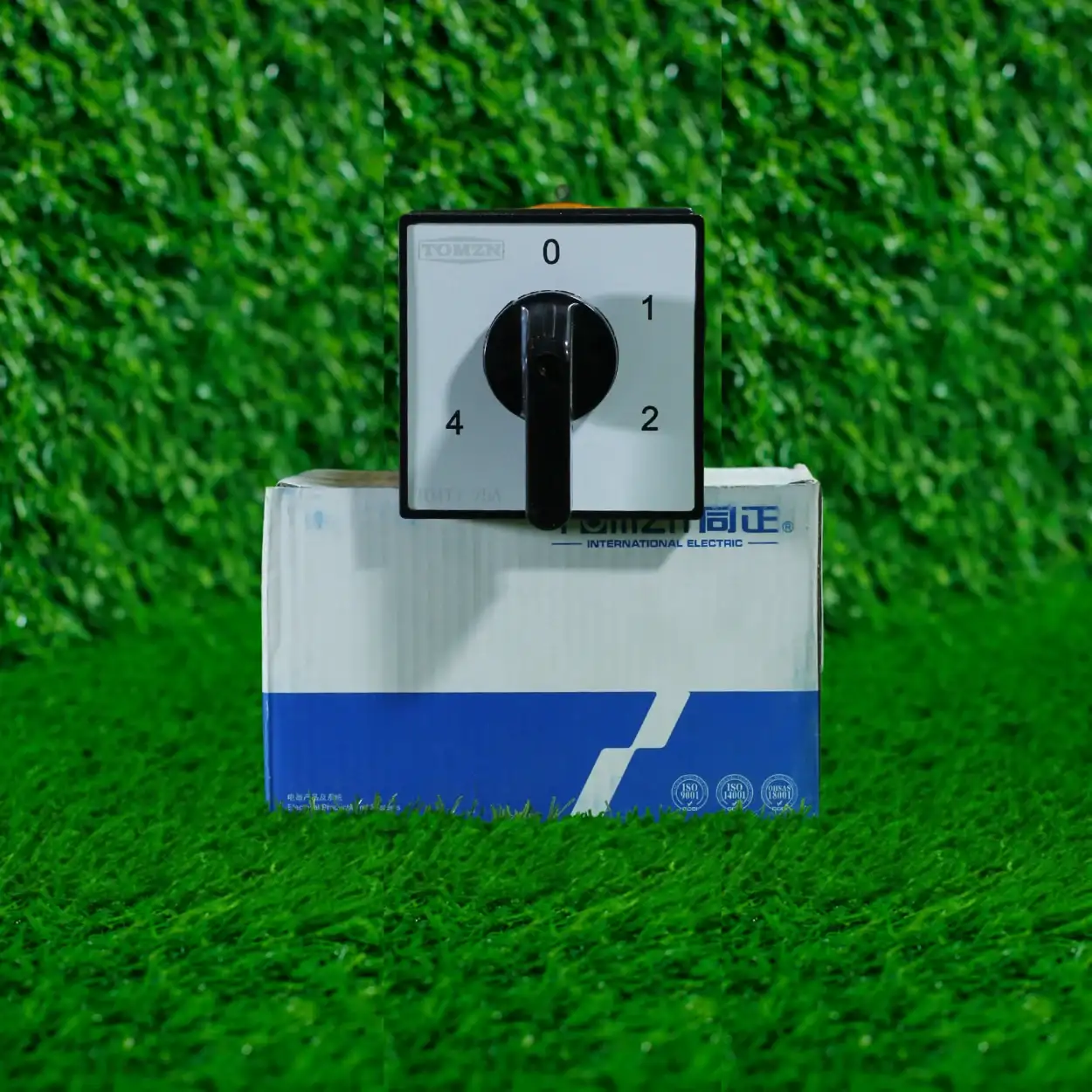
A manual COS is a simple three-position or four-position rotary switch, you physically turn it from WAPDA to generator and back. No electronics, nothing to fail except the switch mechanism itself, and it’s the right call for a home or small shop where load-shedding is predictable and someone’s around to flip it. I still put manual switches in a lot of houses in older Lahore neighbourhoods precisely because there’s less to go wrong when the supply is dirty.
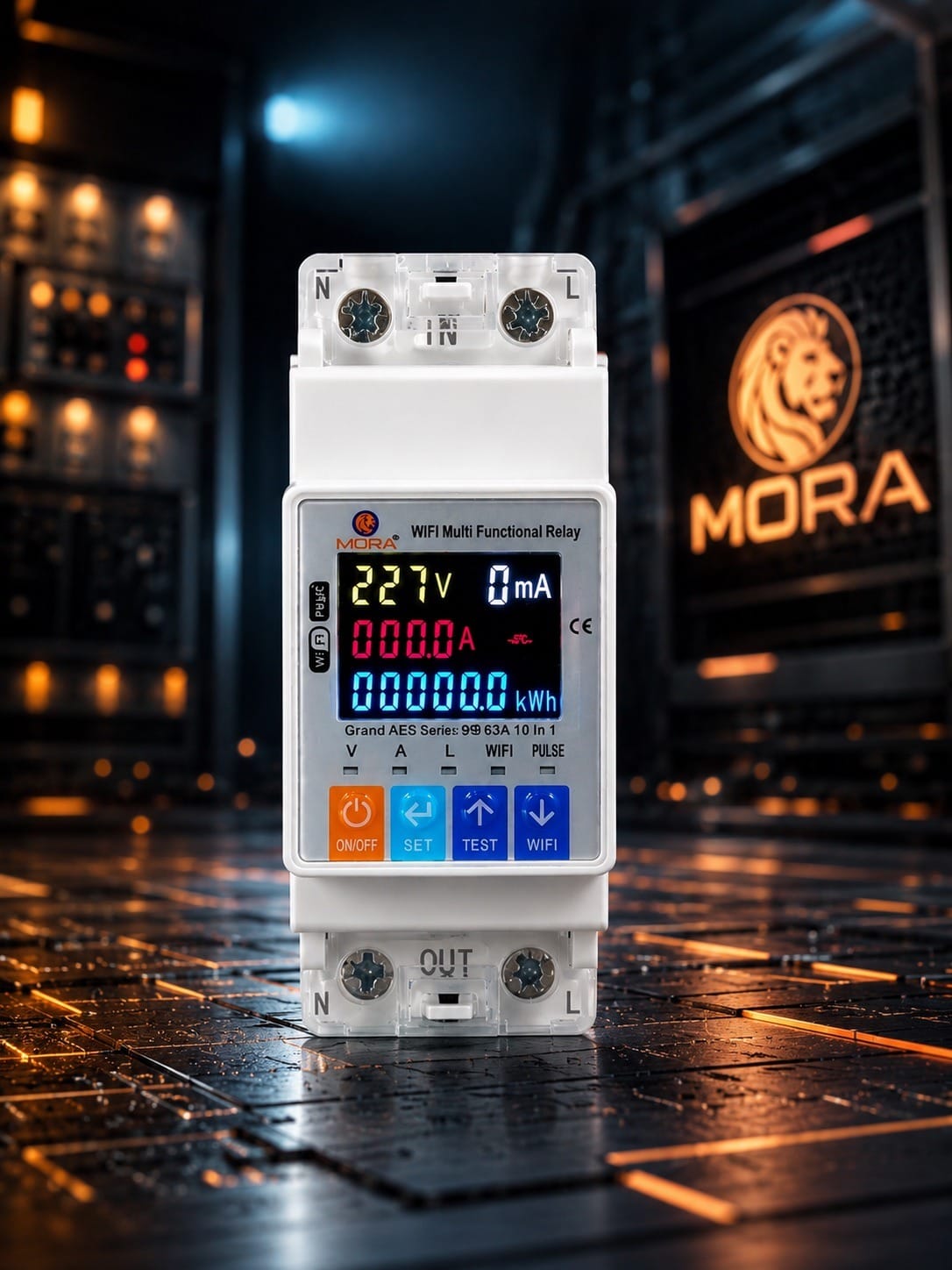
An automatic transfer switch senses the WAPDA supply, and when it drops out (or the voltage swings outside its set window) it starts the genset and switches the load over on its own, then switches back once WAPDA is stable for a set delay period. That delay matters a lot in Pakistan. On sites where WAPDA supply is flickering rather than fully cutting, cheap ATS units with a short return delay will cycle back and forth every time the grid dips, and I’ve personally pulled out units where the contacts had visibly pitted and started to weld slightly from that repeated cycling within eight to ten months. A properly set ATS should have a return delay of at least 3 to 5 minutes and a genset cool-down timer, not an instant snap-back.
Where a PLC-based ATS makes sense over a basic one
For industrial panels and larger poultry operations, I usually recommend a PLC or microcontroller-based ATS rather than a basic bimetallic relay type. It lets you set custom voltage thresholds (useful given how far WAPDA voltage swings on weak feeders), genset start/stop sequencing, and exercise cycles. It costs more upfront but it’s the difference between a switch that lasts five years of daily cycling and one that needs its contacts replaced twice a year.
The Checklist Before You Actually Order a 63A Switch
Once you know manual versus automatic, work through these in order. Skipping steps here is how people end up with a switch that’s technically rated for the job but wrong for the site.
- Recalculate the connected load honestly. Add up every circuit that will run through this switch under worst-case conditions, not average conditions. Starting current on motors and compressors matters more than running current for sizing headroom.
- Decide 3-pole or 4-pole. If the generator has its own separate earth/neutral system, or you’re running a TN-C-S setup common in older Pakistani buildings, you need a 4-pole switch that also transfers the neutral. Using a 3-pole switch and tying the neutrals together permanently between two separate sources is a fault I’ve found on more than one site audit, and it creates a genuine shock and neutral-current backfeed risk, not a theoretical one.
- Check the breaking capacity, not just the ampere rating. A 63A switch rated for continuous current but with a poor short-circuit withstand rating won’t survive a genuine fault event during transfer. Look for units built to IEC 60947-6-1 for transfer switching equipment, which is the standard that actually governs this category rather than a generic MCB standard.
- Match the changeover speed to what’s downstream. Manual and basic motorized switches take a few seconds, which is fine for lighting and fans. If there’s a server, CCTV NVR, or sensitive control panel on the same board, you want either a UPS ahead of the transfer point or an ATS with a break time short enough not to reset that equipment.
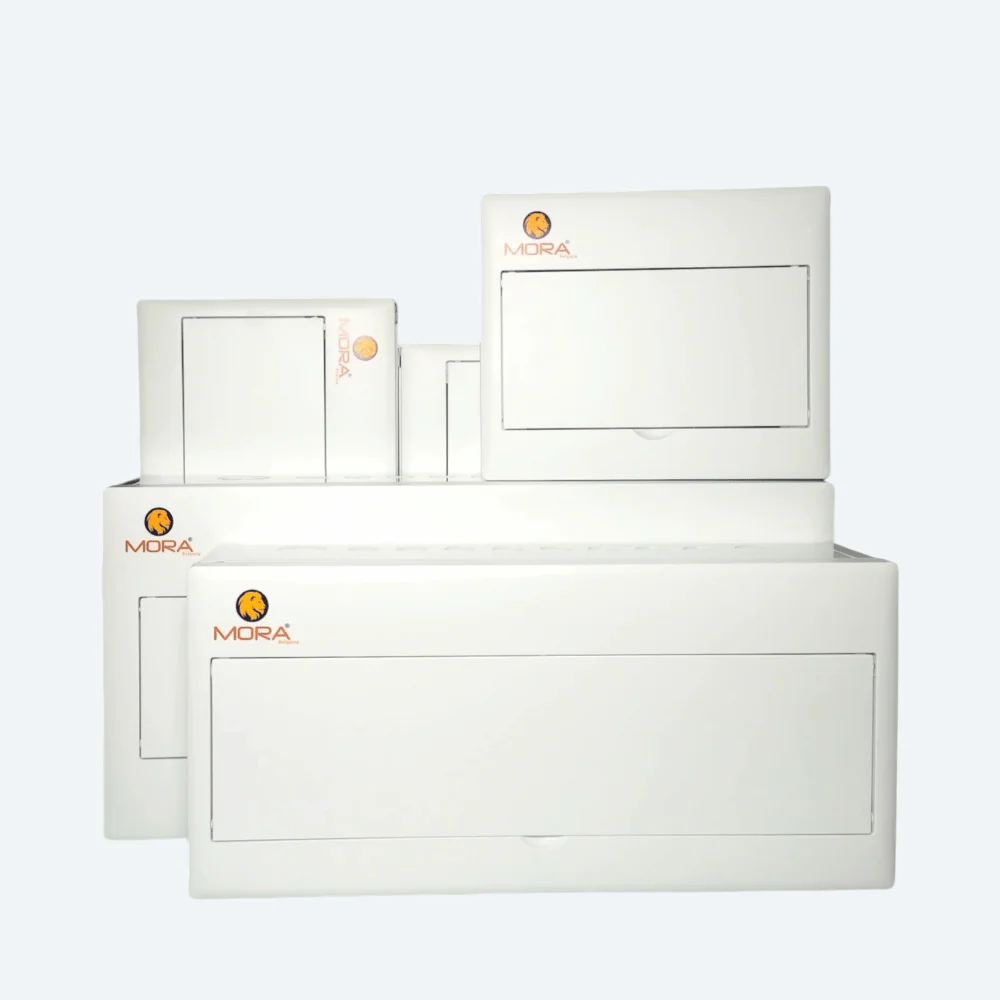
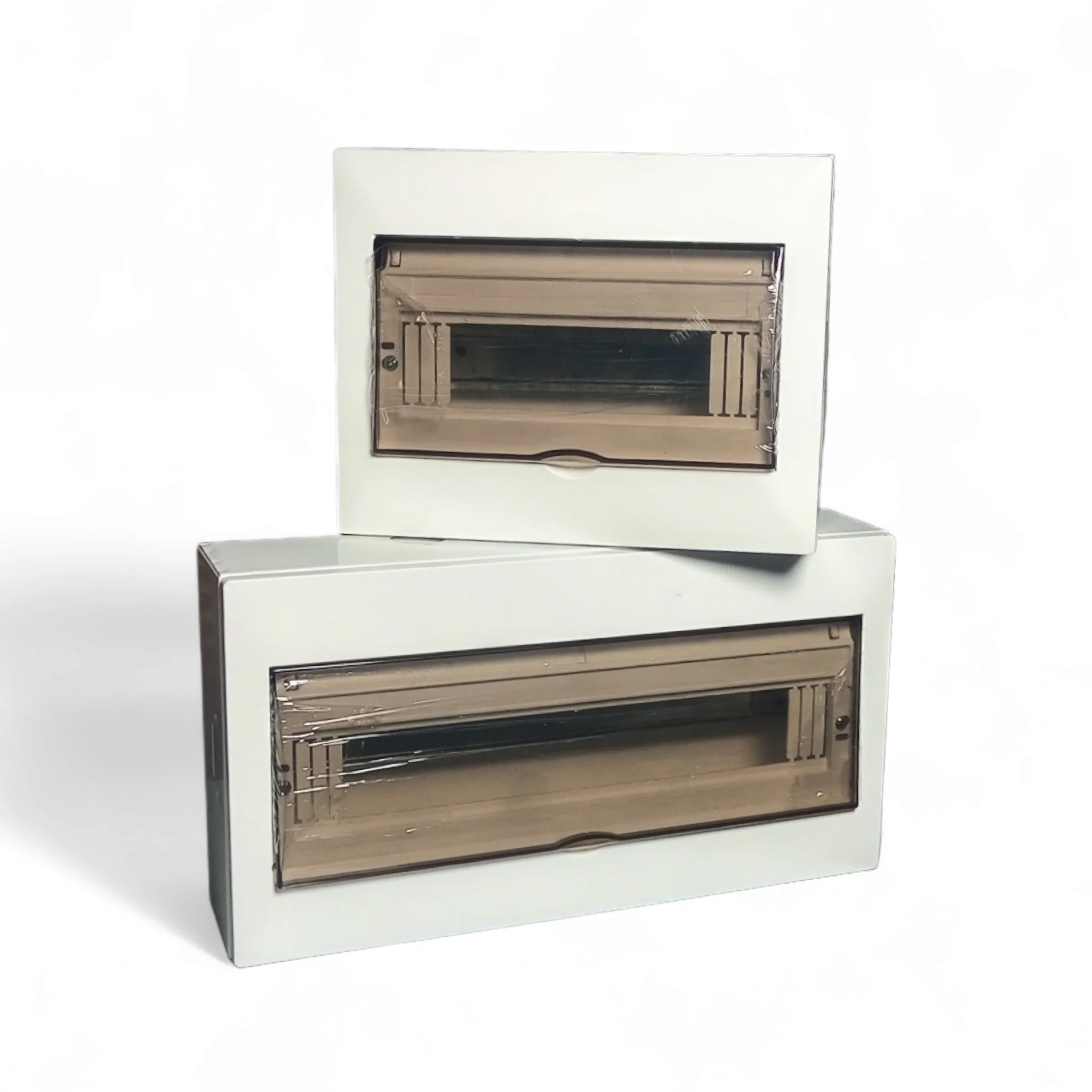
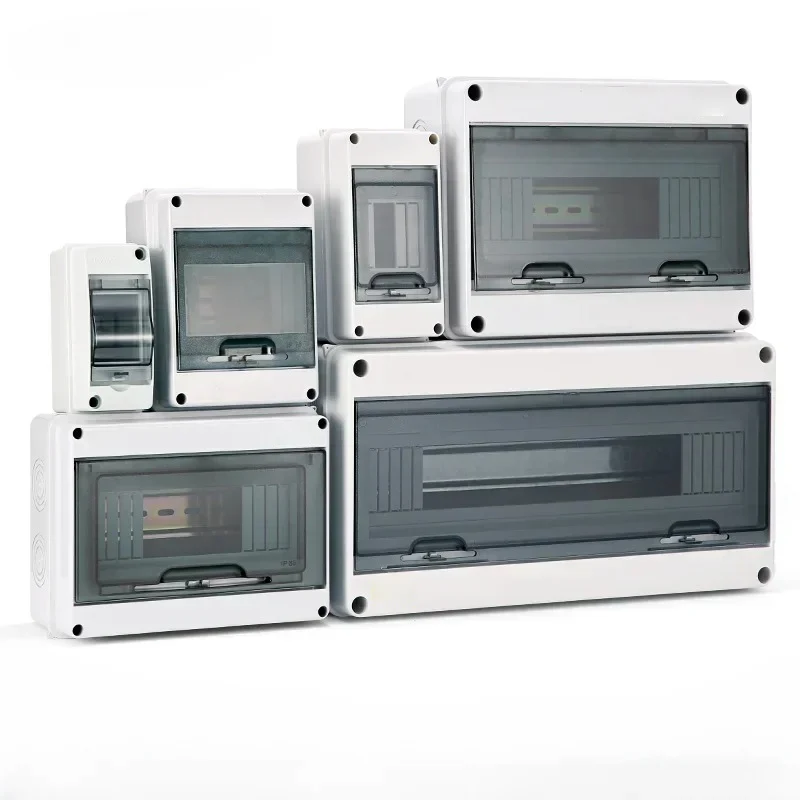
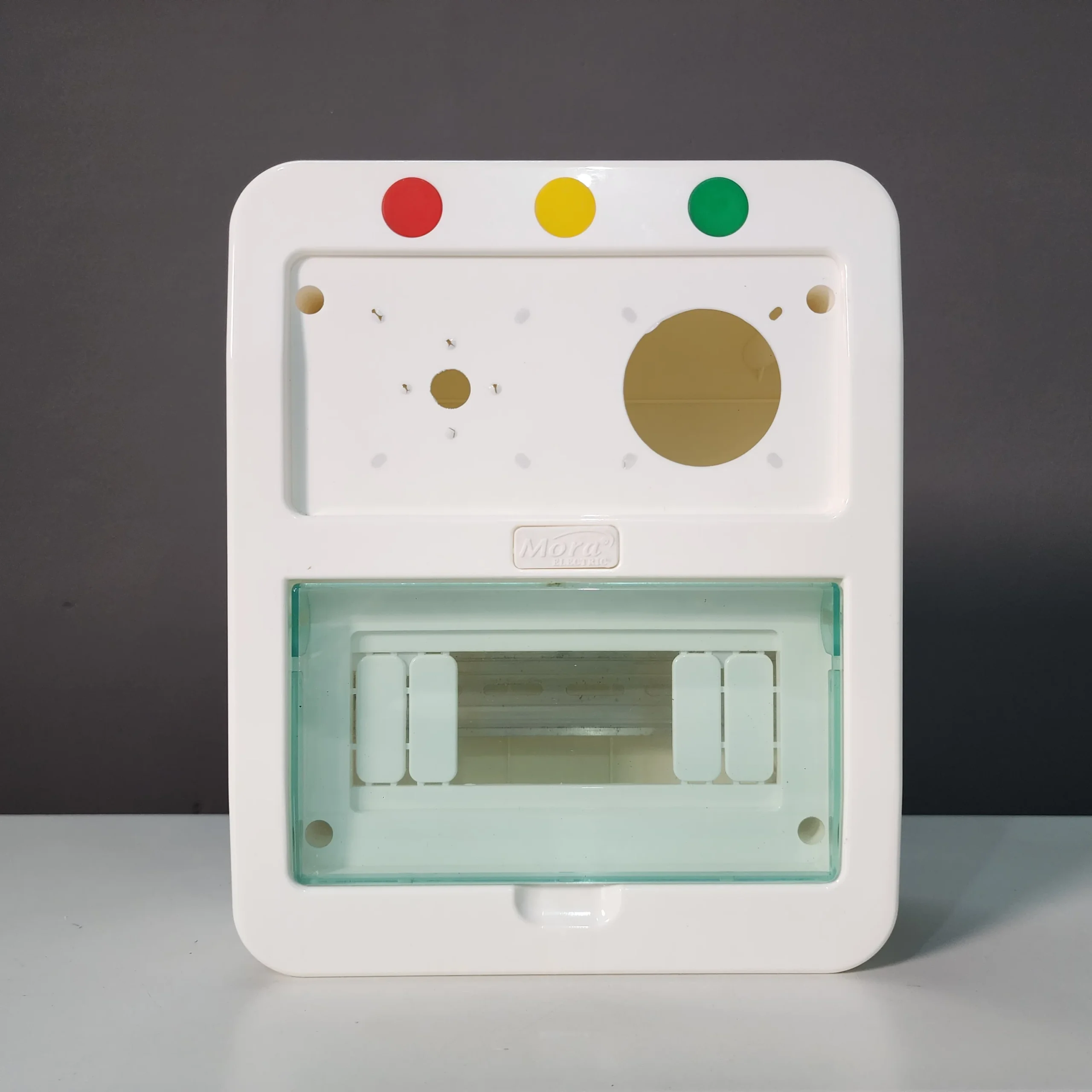
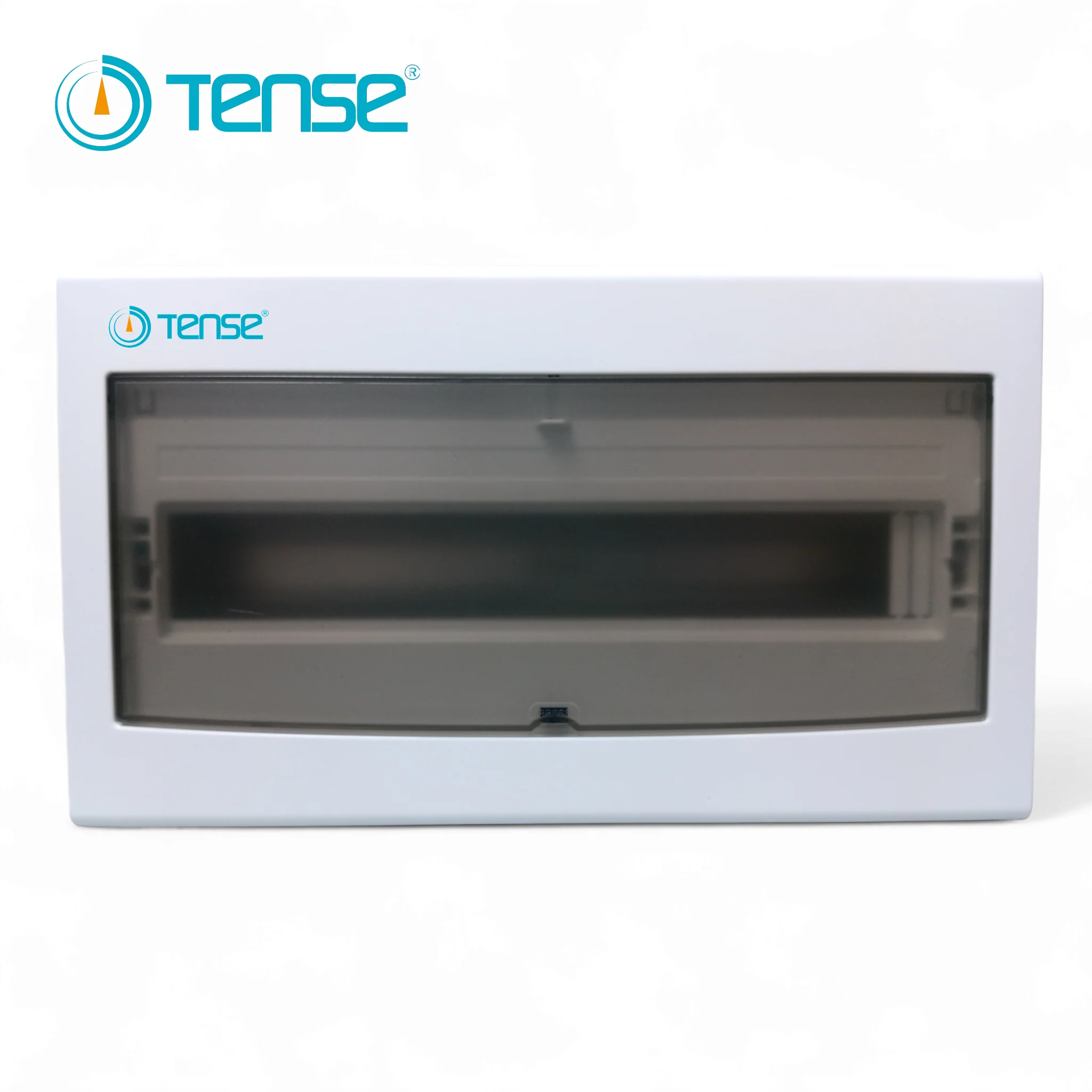
- Match the enclosure to the environment. This is where I see the most premature failures. A 63A switch sitting in an open-frame board on a poultry farm, exposed to ammonia off-gas and dust, will corrode its contacts and terminal lugs within a year or two. Same for units mounted outdoors without shade in Punjab’s summer heat, where internal temperatures inside a sealed box can exceed 60°C. For anything outdoor or dusty, insist on IP54 minimum, IP65 if it’s a poultry shed or an outdoor generator enclosure.
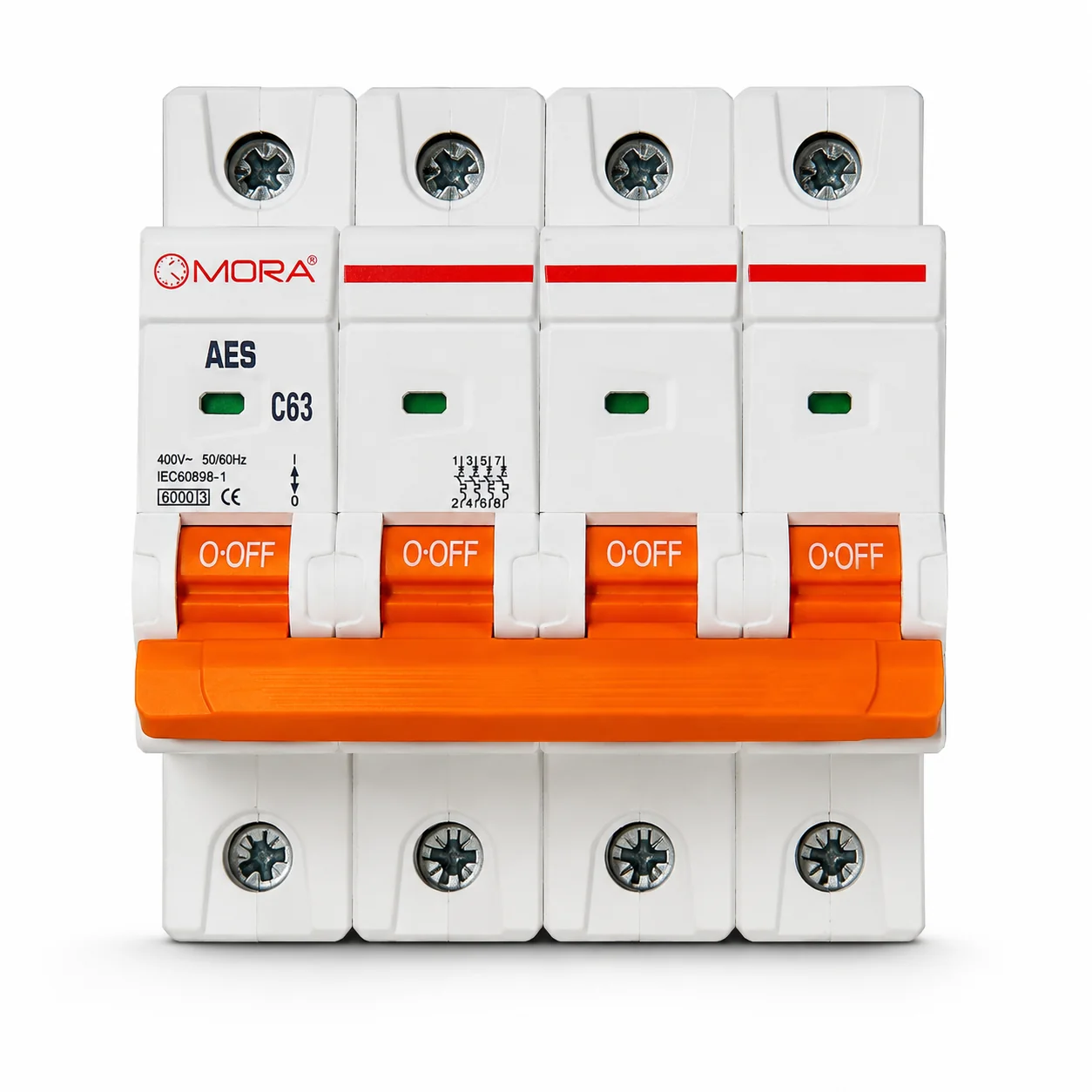
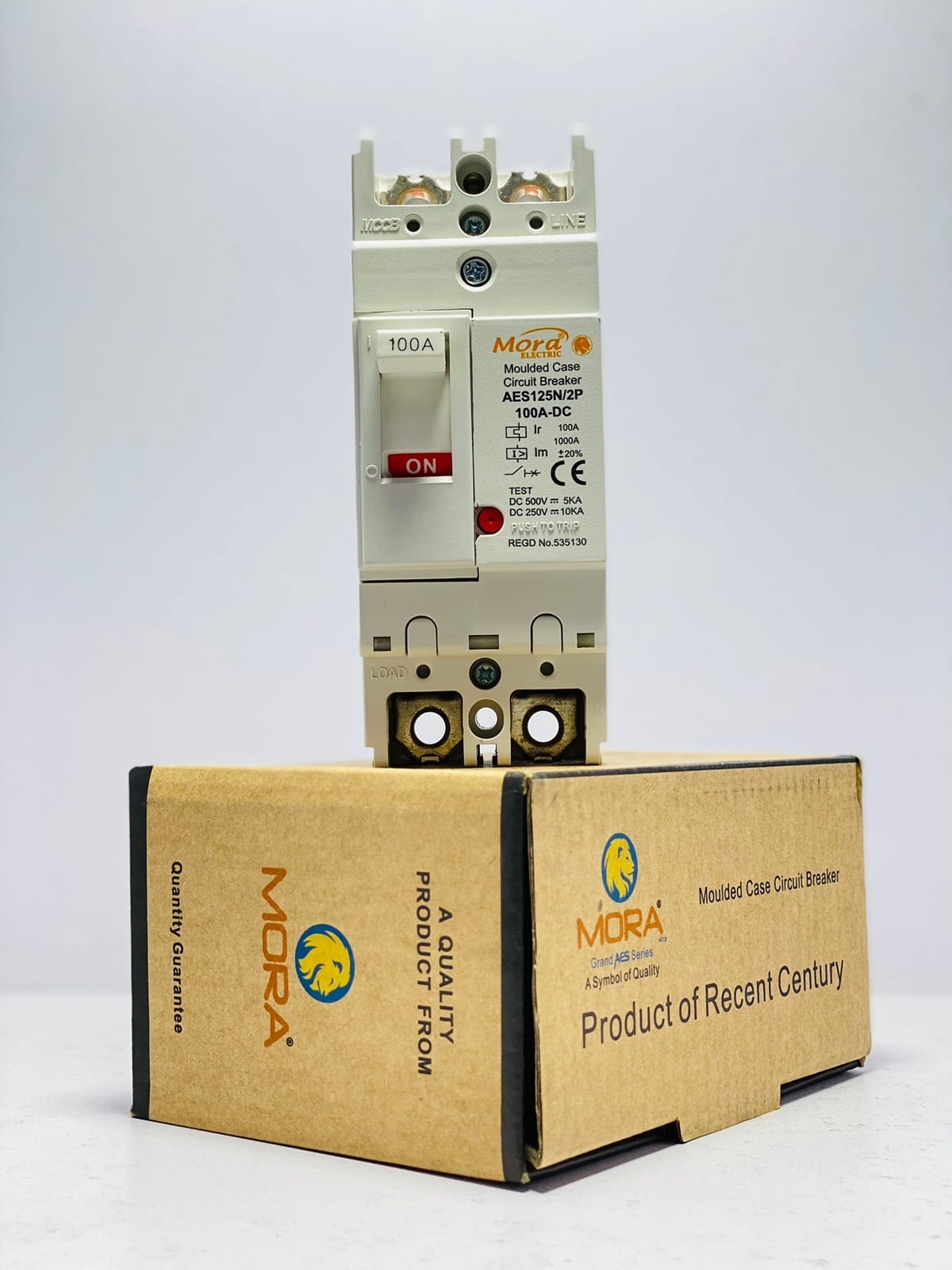
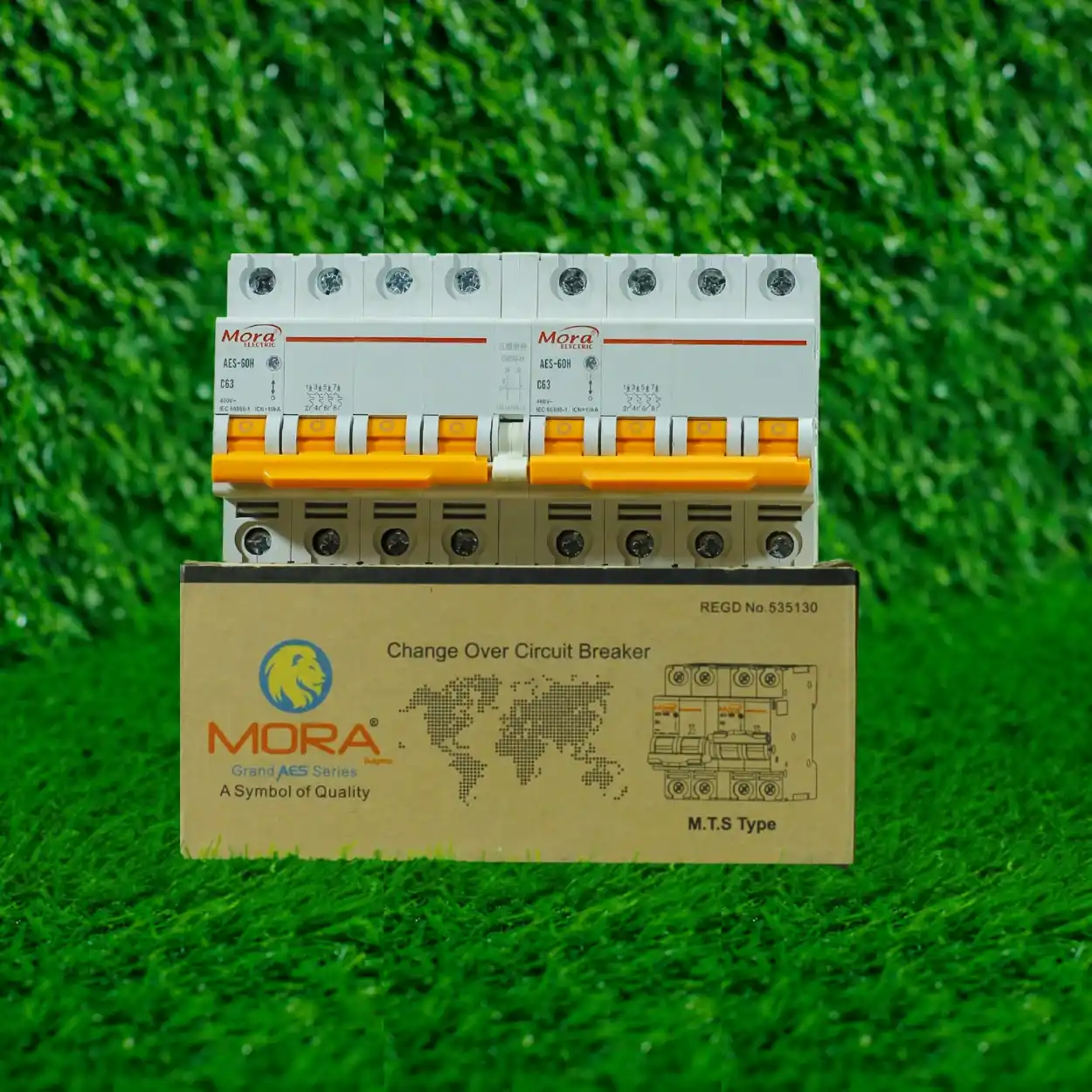
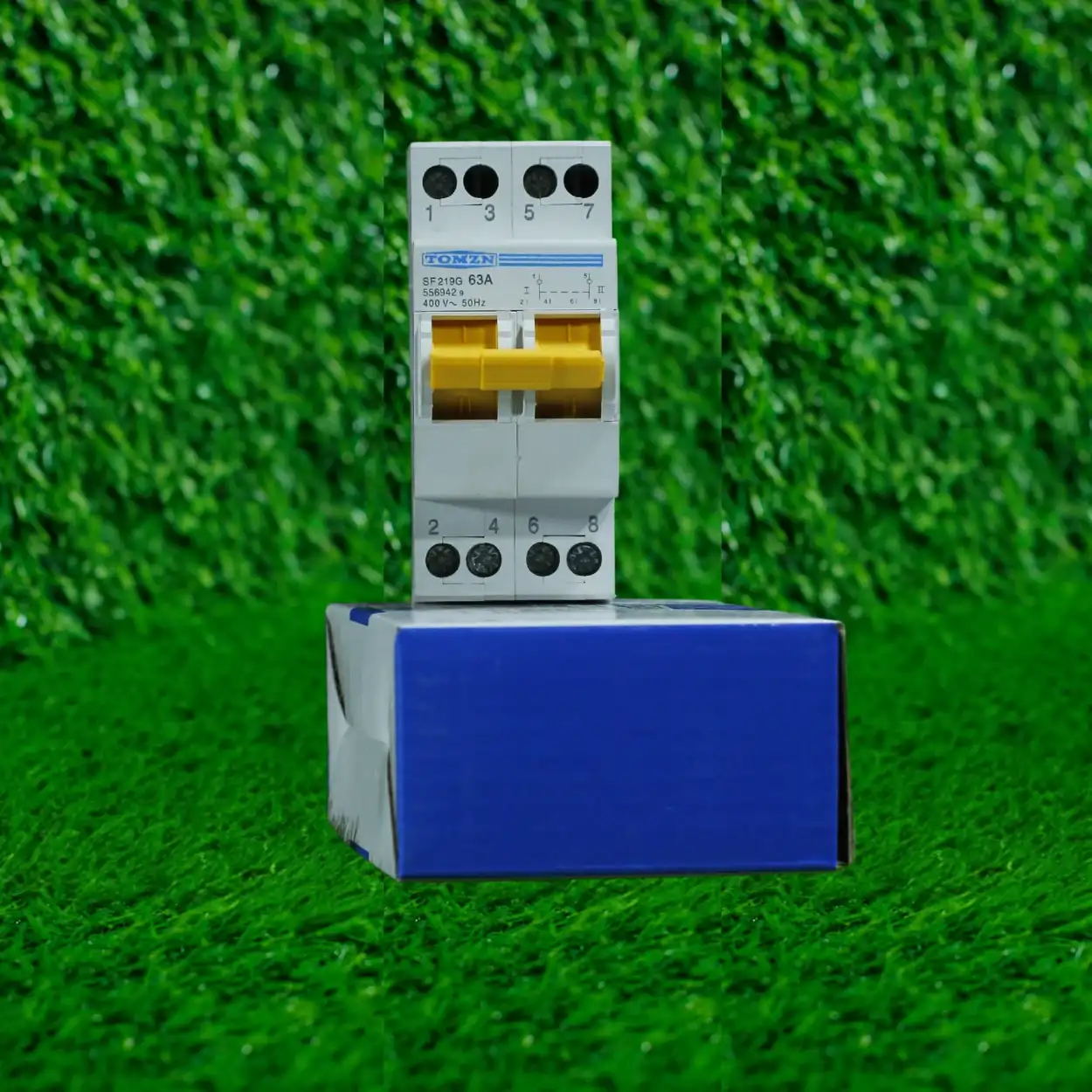
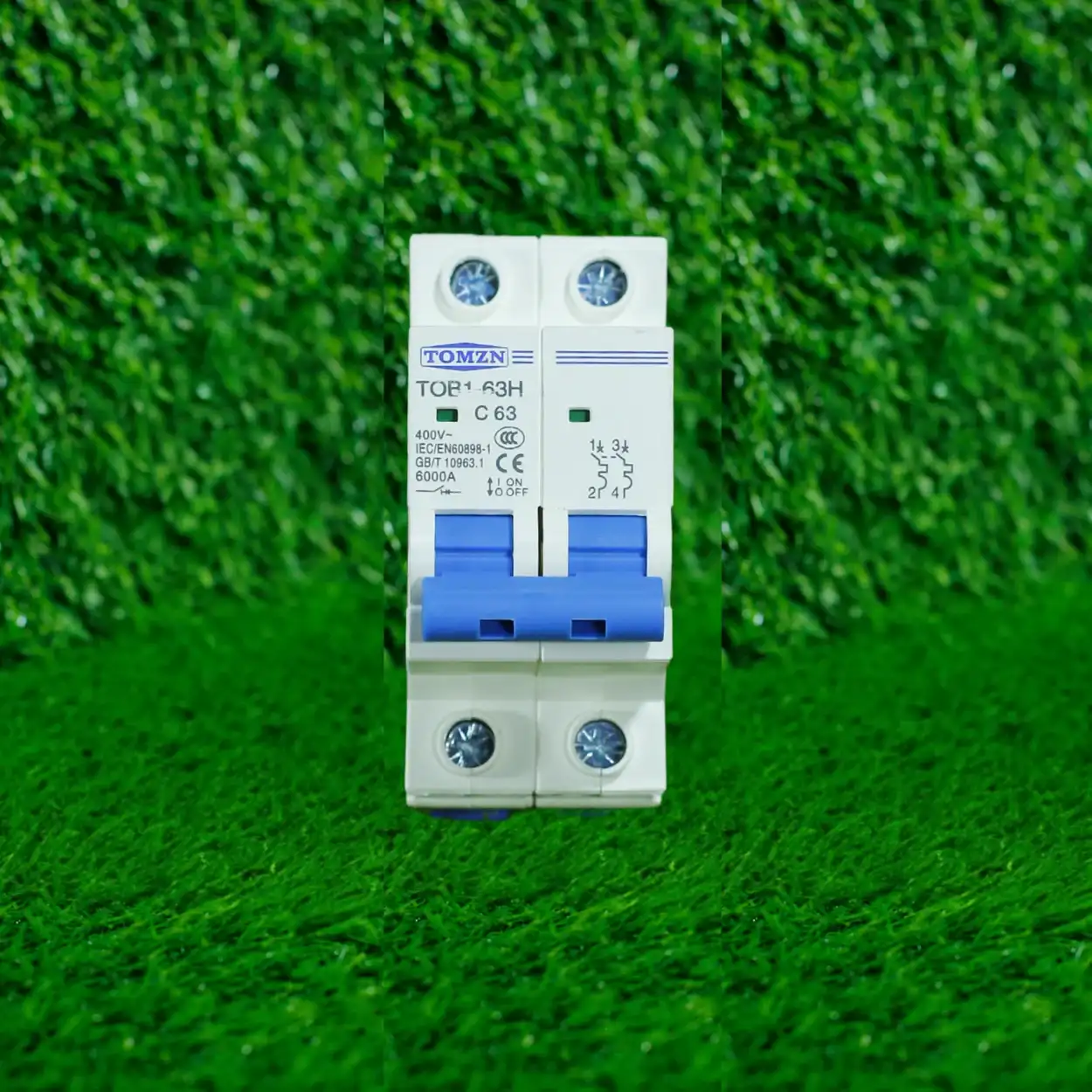
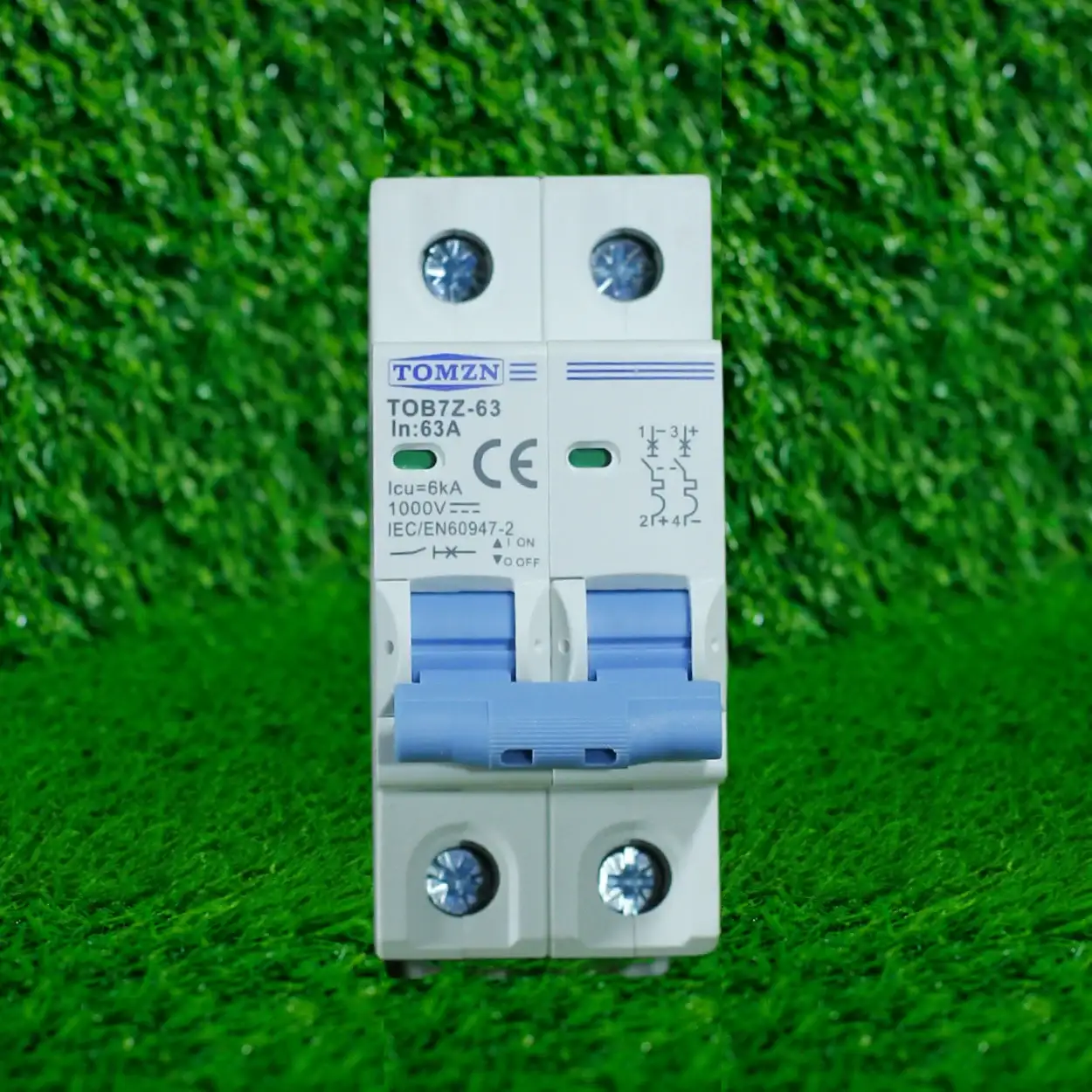
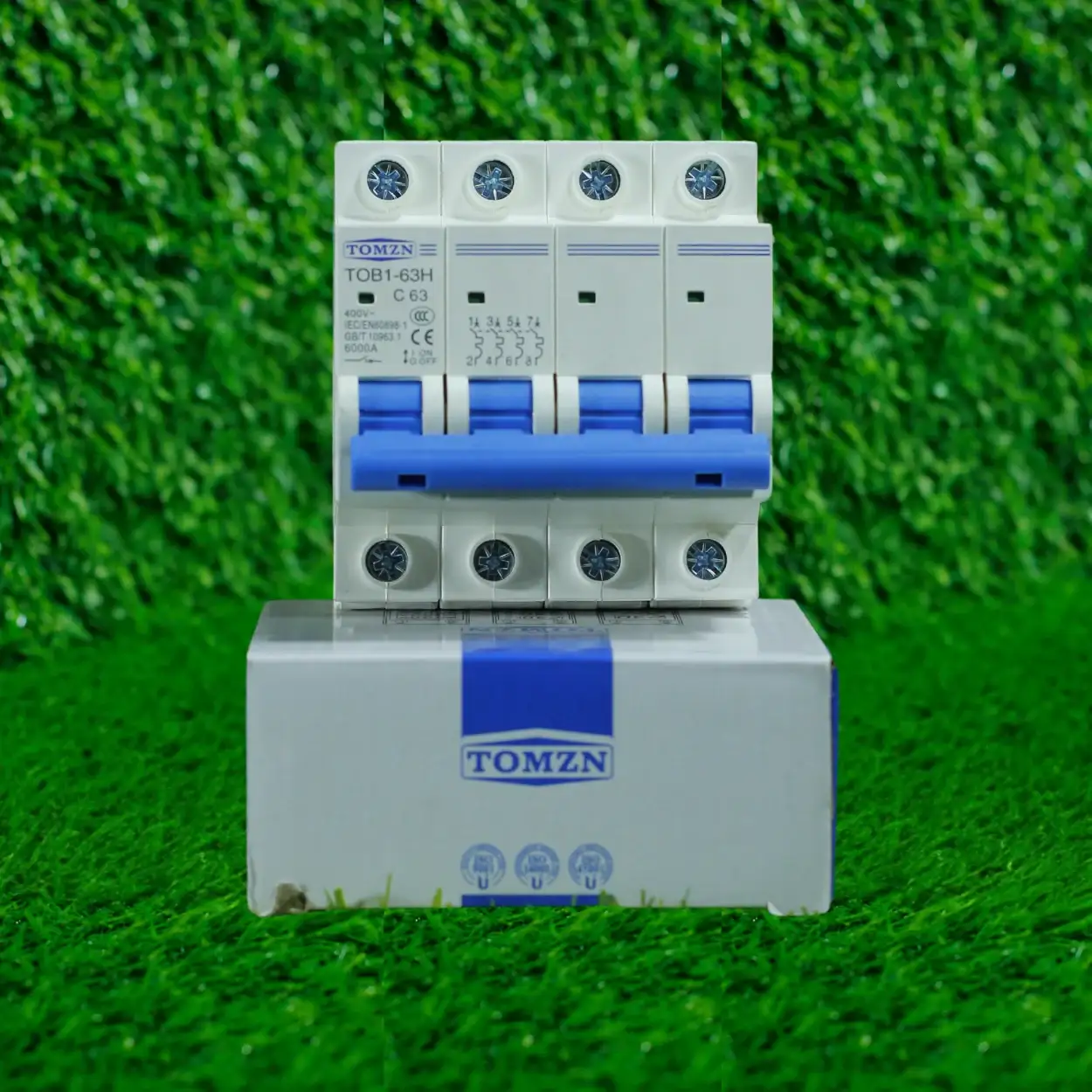
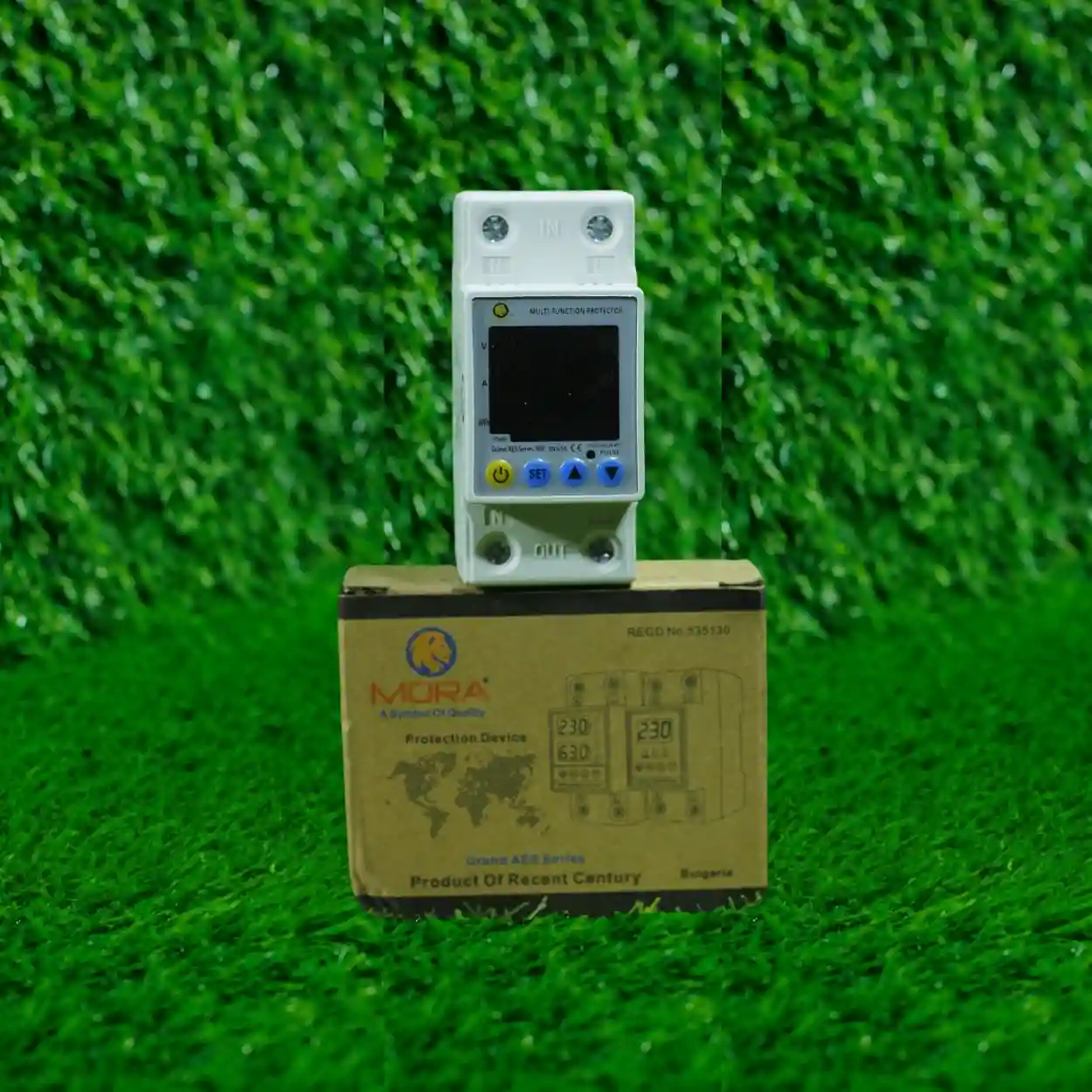
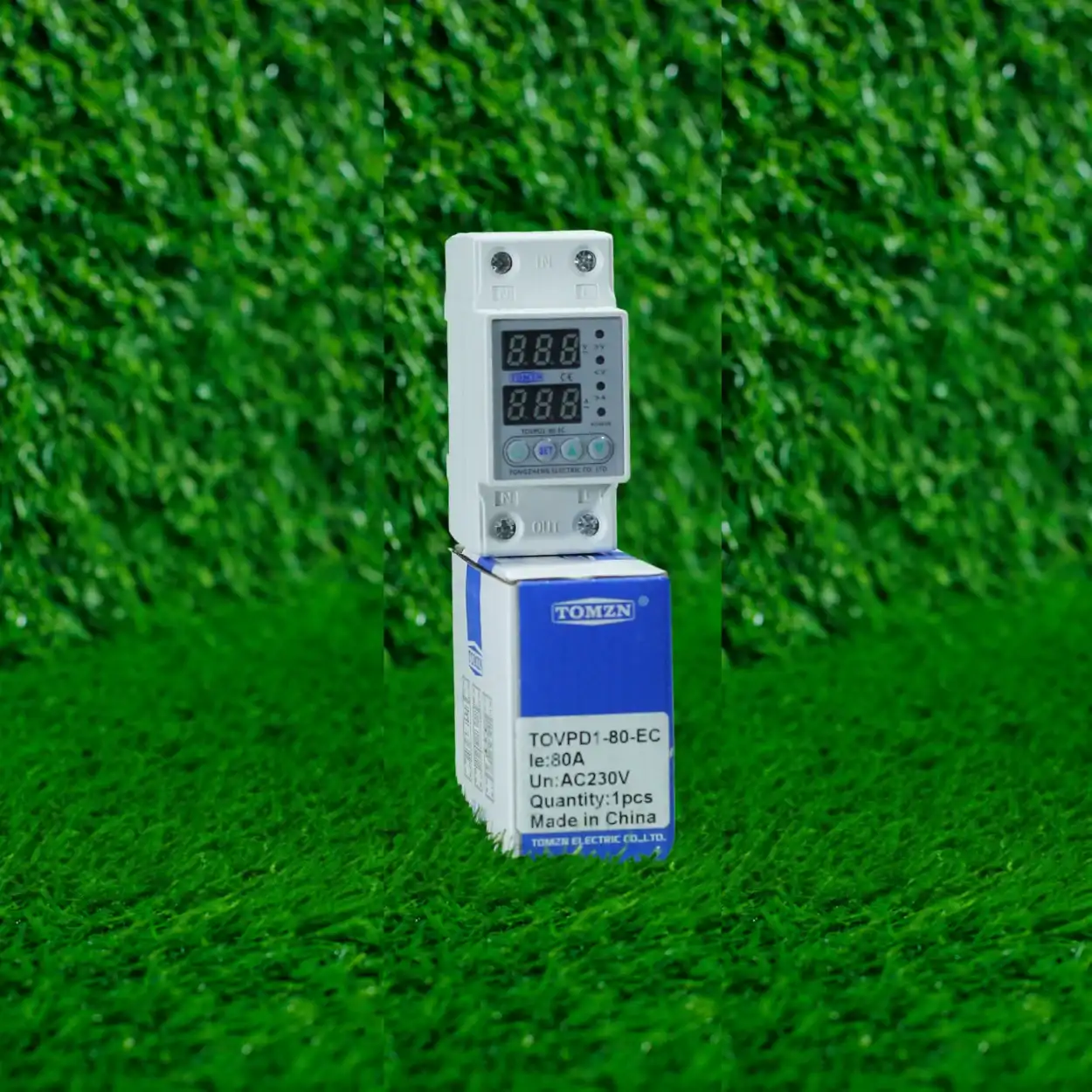
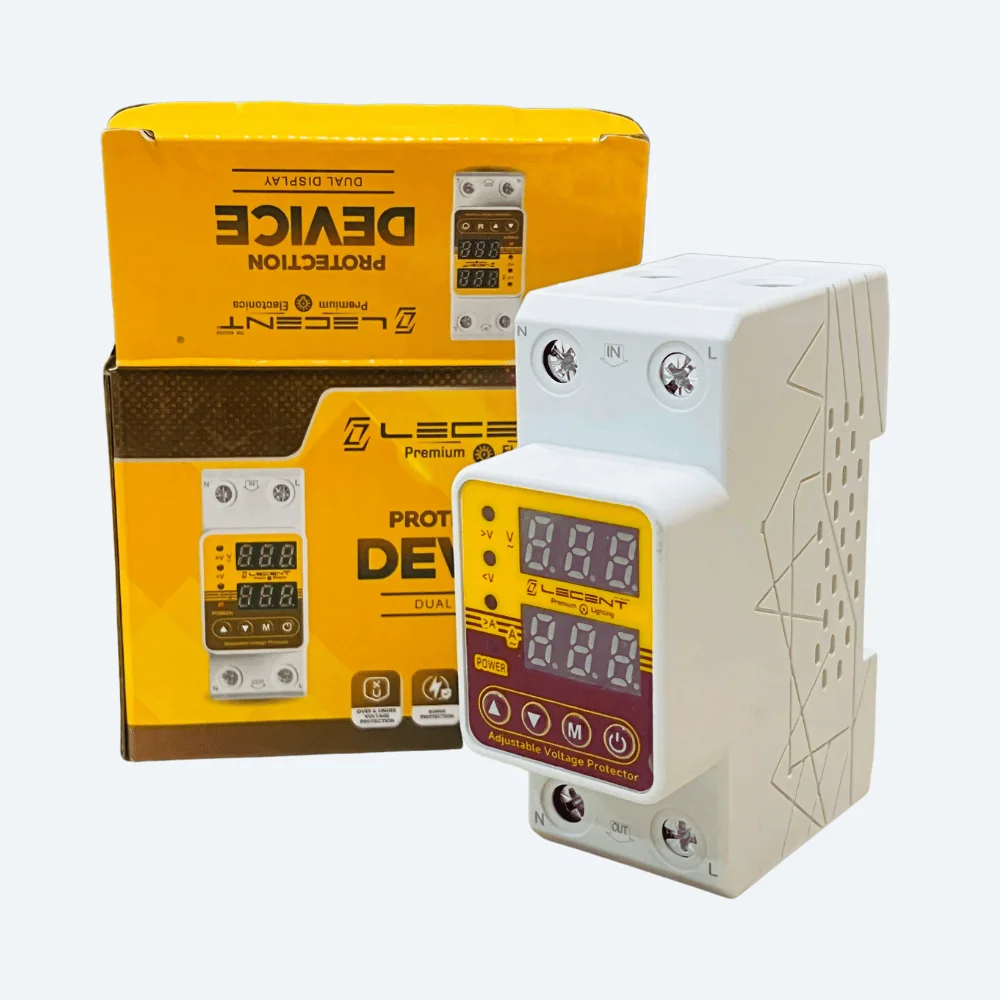
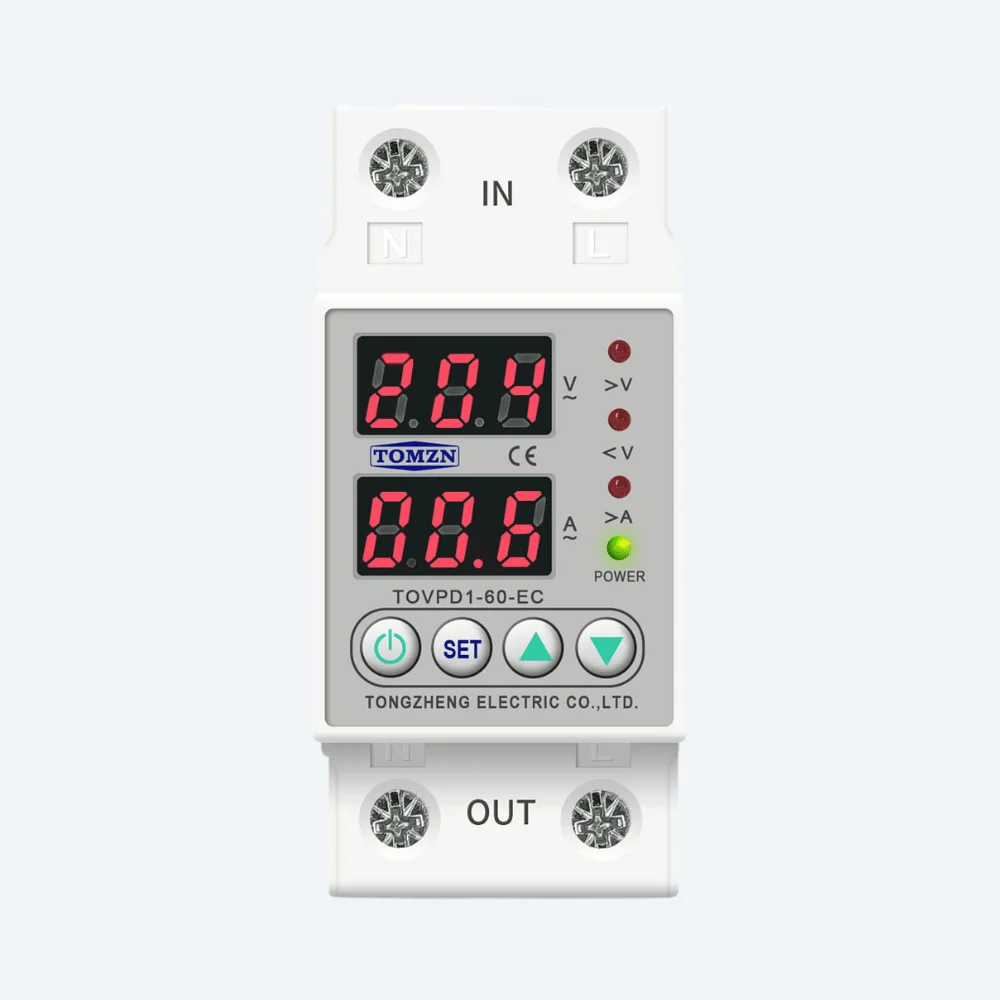
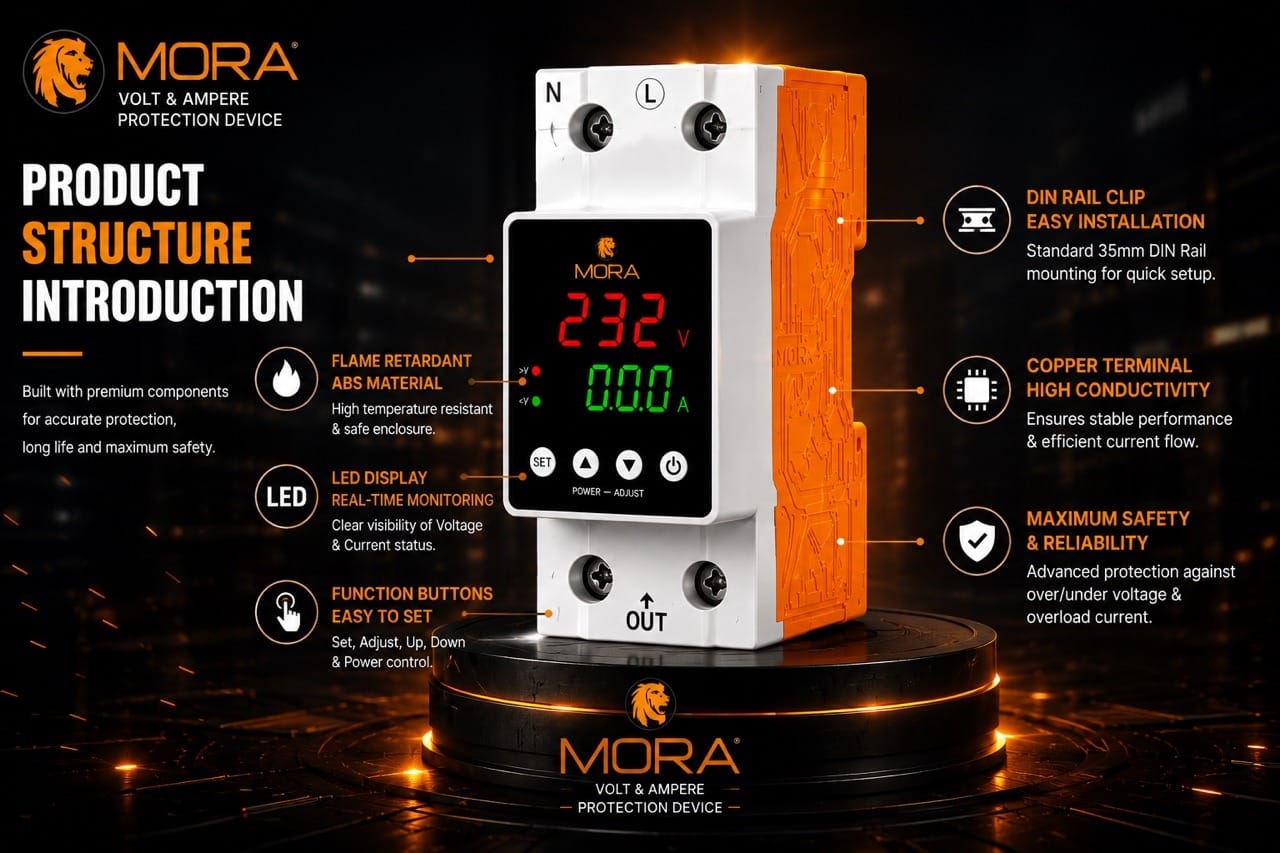
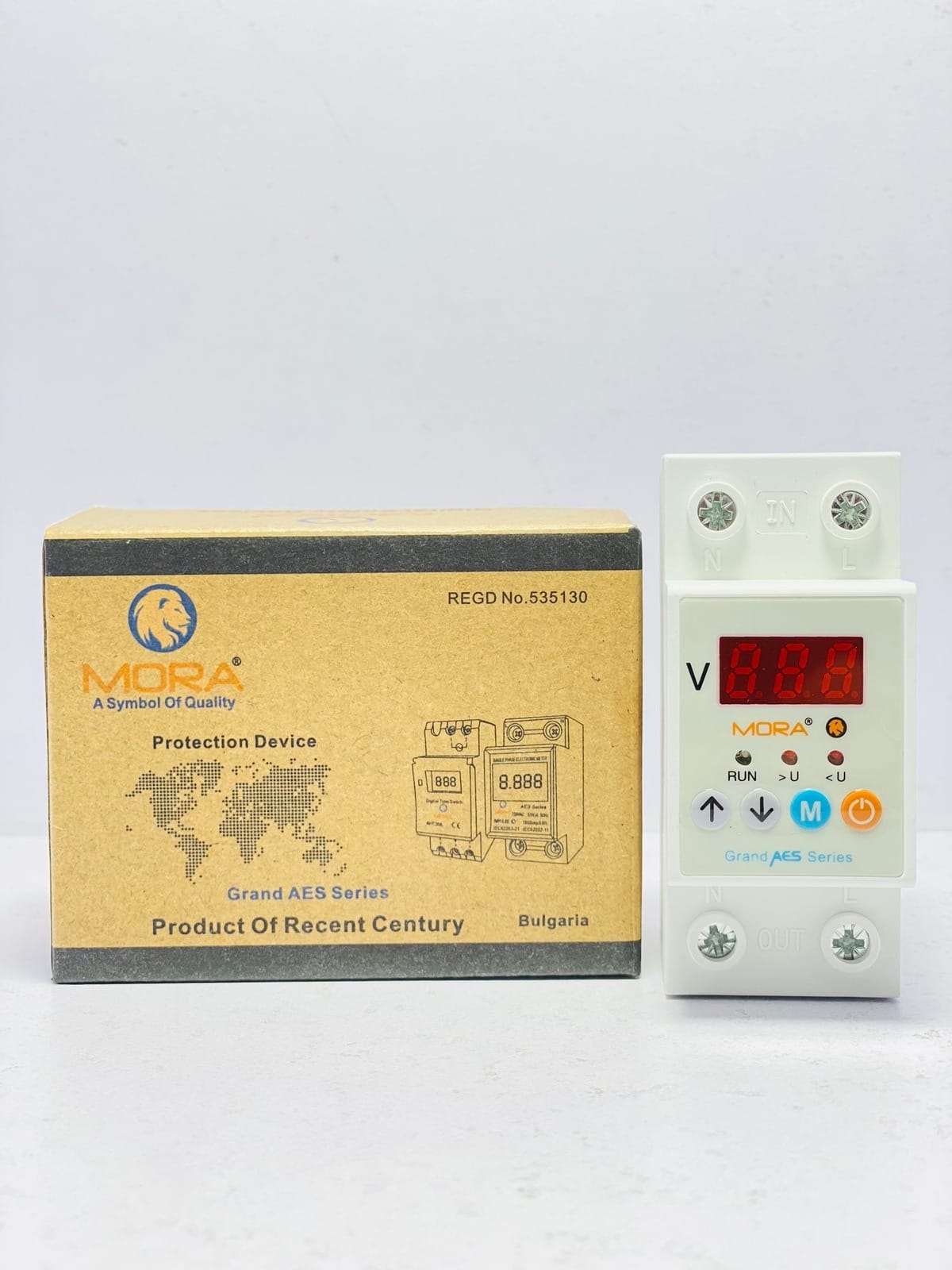
- Buy from a brand where the contact material and build quality are known. This is the step people skip to save five or six thousand rupees, and it’s usually the most expensive mistake. Genuine MORA and TOMZN units use proper silver-alloy contacts that resist pitting far better than the unbranded knockoffs flooding local markets, which often use plain copper or copper with a thin silver flash that wears off after a few hundred switching cycles. You can browse rated 63A ATS and changeover switch options and compare actual datasheets rather than just the price tag.
- Confirm upstream and downstream protection. The transfer switch itself isn’t a breaker, it doesn’t trip on overload or short circuit. It needs a correctly sized circuit breaker ahead of it on both source sides, sized to protect the cable and coordinate with the switch’s own rating, usually a 63A or 80A MCCB depending on cable run length and voltage drop.
Matching the Switch to Home, Office, or Industrial Use
The core electrical requirement doesn’t change much between these three, but the priorities shift.
- Home: Manual COS or a basic motorized ATS is usually enough. Priority is simplicity and low maintenance, since most homeowners aren’t checking contact wear every few months. A 4-pole unit is worth the small extra cost if the generator has its own earth rod.
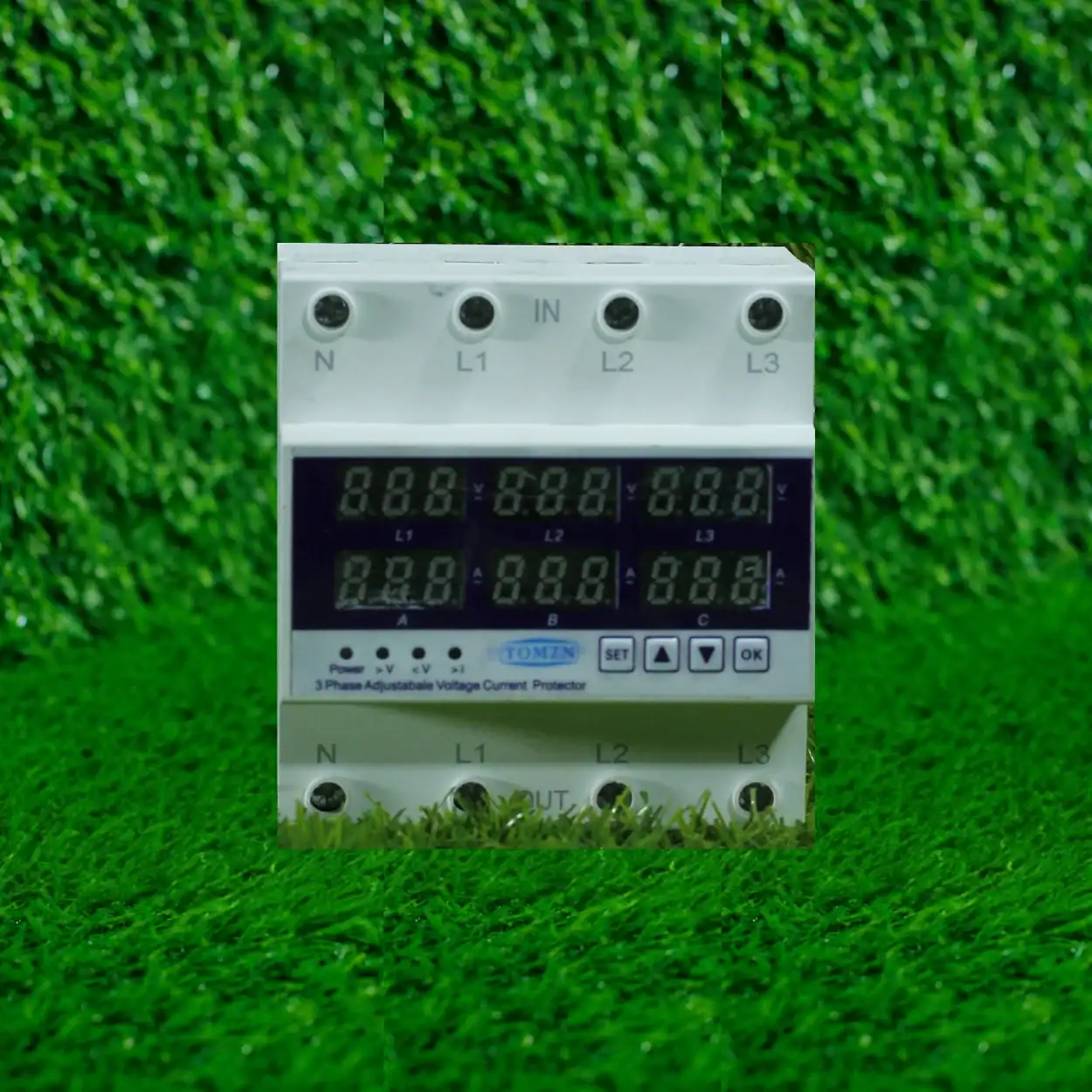
- Office: Automatic transfer is almost always the right call since there’s rarely someone dedicated to flipping a manual switch during business hours. Prioritize a clean, fast changeover and pair it with proper surge protection at the incoming supply, since the switching moment itself can generate a voltage transient that stresses sensitive office equipment. This is worth reading alongside our note on why surge protection matters on every incoming supply, not just for lightning events but for switching transients too.
- Industrial and poultry farm sites: Go with a PLC-based ATS, IP-rated enclosure, and 4-pole configuration as standard. Add scheduled maintenance, checking contact surfaces and torque on lugs every six months, since these sites run the switch through far more cycles per year than a home ever will.
What to Ask Your Supplier Before You Order
Before you hand over payment for any 63A unit, get straight answers on four things: the actual breaking capacity in kA, whether it’s 3-pole or 4-pole, the IP rating of the enclosure, and whether the contacts are silver-alloy or plain copper. If a supplier can’t answer these without checking, that’s usually a sign you’re being sold on price alone rather than on a spec sheet. A genuine 63A ATS from a known brand costs more than a no-name equivalent, but on a site running daily WAPDA-to-generator or WAPDA-to-solar cycling, that difference in contact life and reliability pays for itself well before the second year is out.