











Metal vs Plastic Solar Distribution Box: Which Is Better?

Metal vs Plastic Solar Distribution Box: Key Differences
Choosing the right solar distribution box is one of those decisions that seems minor until you realize it affects your entire system’s performance and longevity. A solar distribution box—also called a combiner box or junction box—is the critical hub where multiple solar panel strings connect, merge, and route power safely to your inverter. The choice between metal and plastic enclosures isn’t just about aesthetics; it directly impacts durability, safety, heat management, and cost.
Both metal and plastic distribution boxes serve the same fundamental purpose: protecting electrical connections and managing current flow. However, their construction materials create significant differences in how they perform under real-world conditions. Understanding these differences helps you make an informed decision that aligns with your installation environment, budget, and long-term maintenance expectations.
Material Properties and Construction
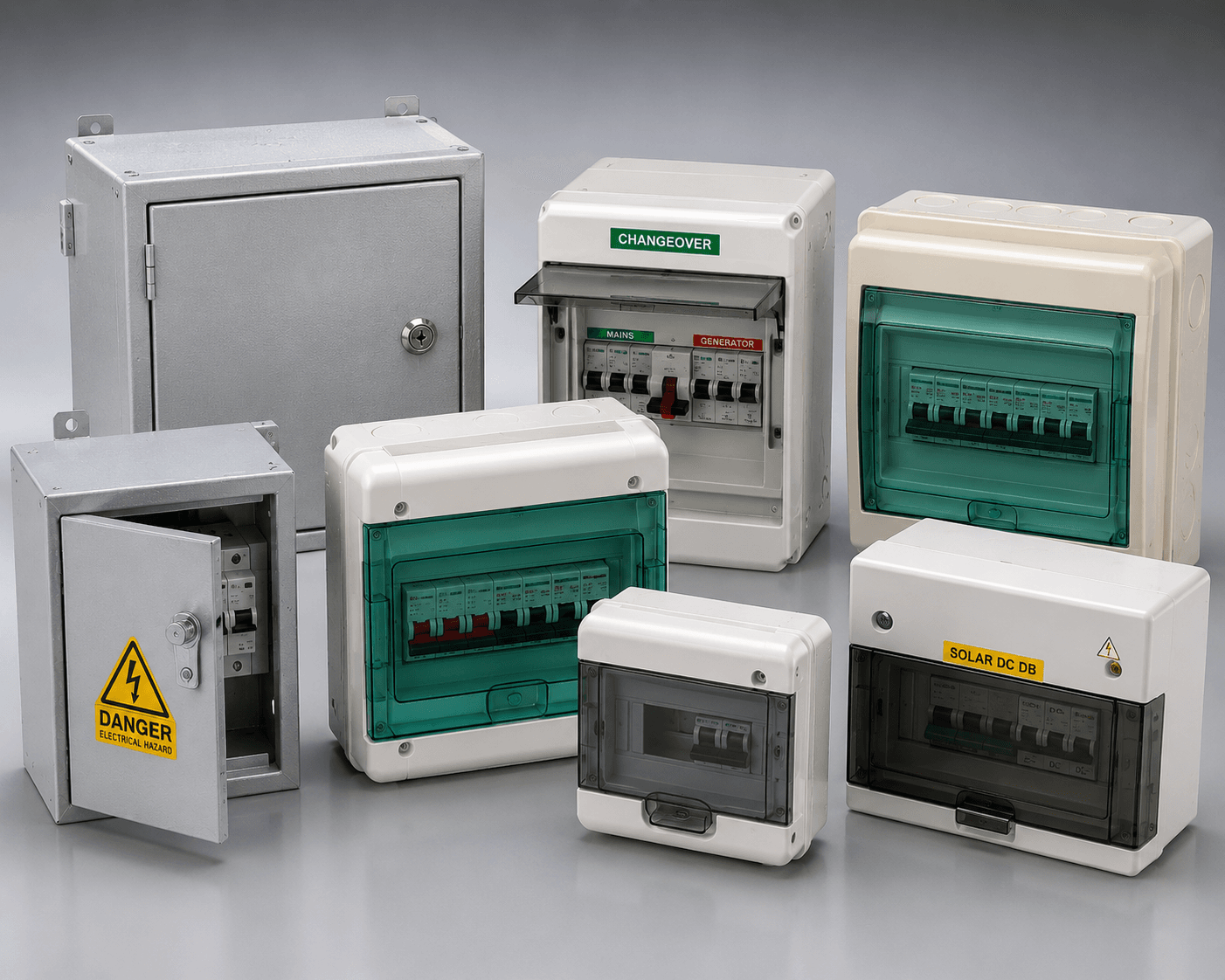
Metal distribution boxes are typically made from aluminum or galvanized steel, offering superior structural rigidity and protection. The metal frame provides inherent grounding capability, which adds an extra layer of safety by channeling stray currents away from sensitive components. Aluminum variants resist corrosion naturally due to oxidation, while galvanized steel uses a zinc coating for protection.
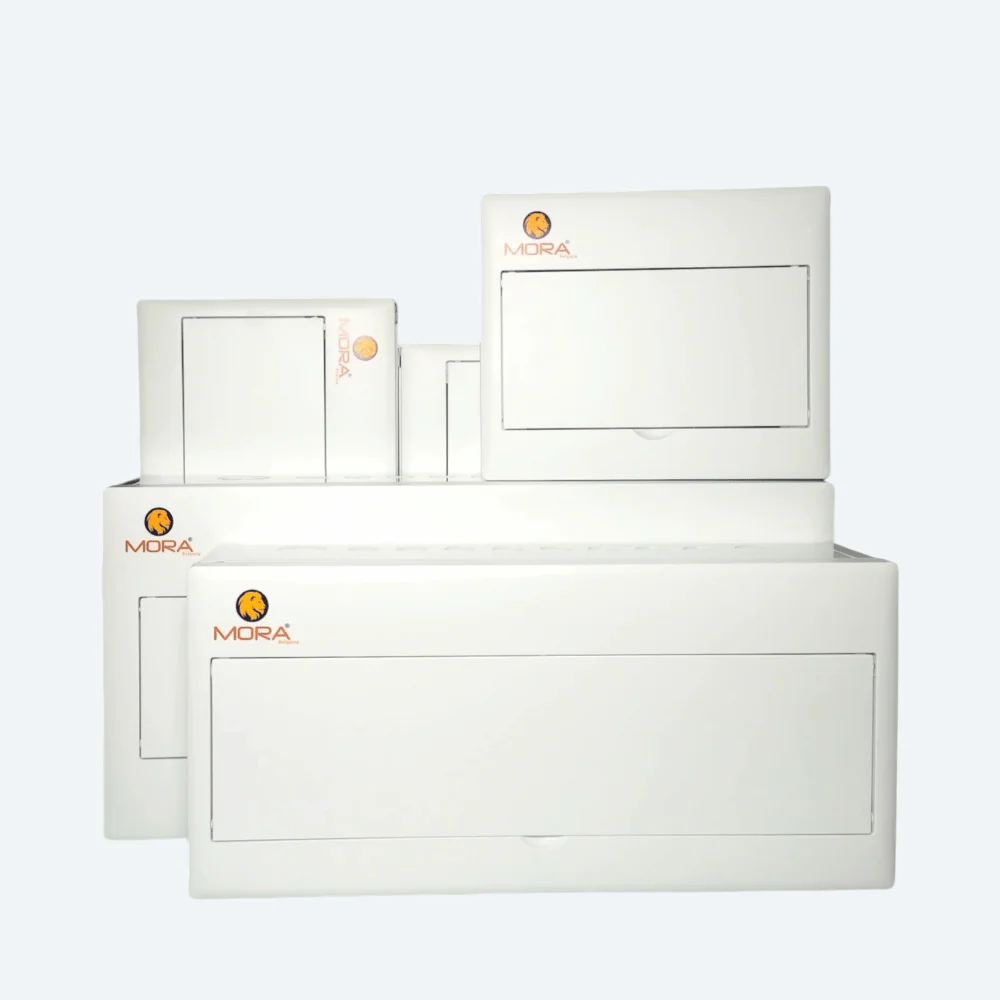
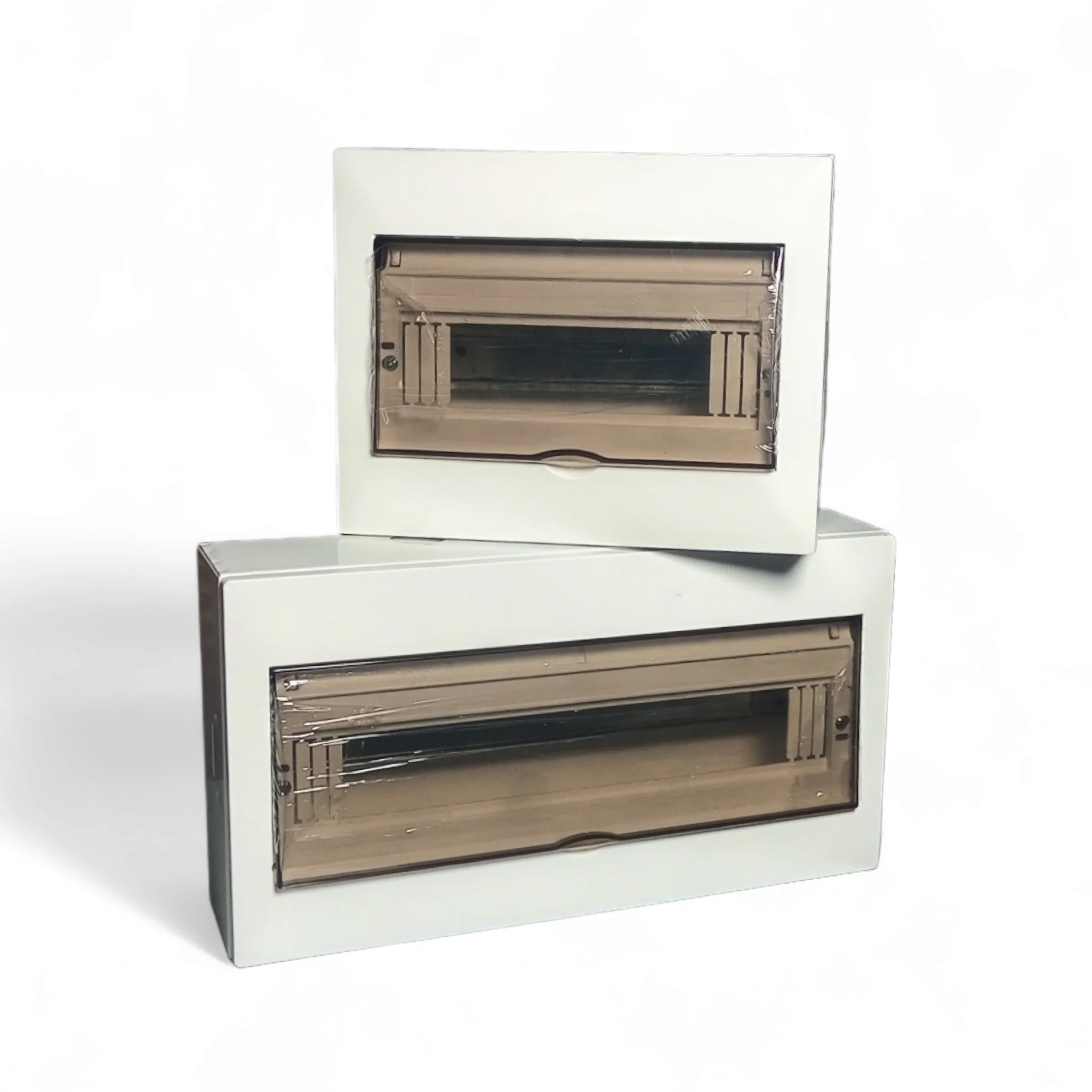
Plastic distribution boxes use UV-stabilized polycarbonate or fiberglass-reinforced polyester. Modern plastic enclosures are engineered to resist degradation from sunlight exposure, temperature fluctuations, and environmental chemicals. They’re lighter and easier to install, requiring no special grounding protocols in most cases because plastic is naturally non-conductive.
Durability and Environmental Performance
When evaluating durability, context matters significantly. Metal boxes excel in harsh coastal environments, areas with salt spray, or regions prone to corrosive atmospheric conditions. Even galvanized steel needs regular maintenance in extreme conditions, and non-galvanized metal will rust if exposed to moisture without protective coatings. However, when properly maintained, metal enclosures can last 25+ years with minimal performance degradation.
Plastic distribution boxes demonstrate excellent durability in most standard climates. They don’t rust, corrode, or degrade from moisture exposure. UV-stabilized plastics maintain structural integrity for 20-30 years in typical sunny regions. However, extreme temperature cycling (especially in desert climates) can cause some plastic compounds to become brittle over time. Additionally, plastic doesn’t absorb impact damage as well as metal—a direct hit could crack the enclosure, whereas metal would dent but remain functional.
Environmental resistance comparison:
- Coastal salt spray: Metal wins (with proper galvanization)
- Humid tropical climates: Plastic slightly better (no corrosion concerns)
- Extreme heat (45°C+): Metal superior (better heat dissipation)
- UV exposure: High-quality plastic performs equally
- Physical impact resistance: Metal more robust
Heat Management and Electrical Safety
Heat dissipation is where metal distribution boxes show a clear advantage. Metal naturally conducts and radiates heat away from internal components, keeping internal temperatures lower during peak sun hours. This is particularly important because excessive heat reduces the lifespan of fuses, surge protectors, and other components housed inside the box. In high-output systems (5kW+), metal enclosures can be 10-15°C cooler internally than plastic equivalents.
Plastic distribution boxes retain more internal heat since they’re insulators. This doesn’t necessarily cause failure—quality plastic boxes are designed with ventilation and spacing to manage passive cooling—but they require more careful component selection. Using heat-rated fuses and ensuring adequate spacing between breakers becomes more critical.
From a grounding perspective, metal boxes provide inherent electrical safety because the metal frame itself acts as a ground conductor. Any accidental contact with live components is immediately discharged through the metal structure. Plastic boxes require separate grounding conductors to be run inside, adding complexity during installation. Professional installers typically run a bare copper conductor around the internal perimeter of plastic boxes to achieve equivalent safety.
Installation Complexity and Cost
Plastic distribution boxes are significantly cheaper—typically 30-50% less expensive than metal equivalents. They’re also lighter and simpler to mount, requiring no special tools or grounding expertise. For budget-conscious residential installations or installers prioritizing quick deployment, plastic boxes offer obvious advantages.
Metal boxes command a price premium but provide built-in safety features and superior performance longevity. Installation requires attention to grounding connections and potentially corrosion-resistant hardware (stainless steel bolts) in challenging environments. The higher upfront cost is often justified when factoring in reduced maintenance and longer replacement cycles.
If you’re planning a solar installation service in Pakistan, climate considerations become essential. Pakistan’s diverse climate zones—from coastal Karachi to high-heat Punjab plains—may favor different box types depending on specific location.
Component Compatibility and Integration
Both metal and plastic distribution boxes accommodate standard solar components: DC breakers, fuses, surge protectors, and monitoring equipment. However, plastic boxes sometimes have mounting limitations for heavier components because they can’t be fastened as securely as to metal frames.
Modern smart solar systems often integrate surge protection and voltage monitoring devices that generate additional heat. If your system includes such protective equipment, metal enclosures become increasingly valuable for thermal management.
Maintenance Requirements
Metal distribution boxes require periodic inspection for corrosion, especially in humid or coastal areas. Annual cleaning and maintenance might include touch-up painting or checking grounding connections. Over a 25-year lifespan, this adds modest ongoing costs.
Plastic boxes need minimal maintenance. Occasional cleaning to remove dust and debris is sufficient. No corrosion monitoring or protective coating renewal is necessary. For hands-off system owners, plastic’s maintenance-free nature appeals significantly.
Making Your Choice: Practical Recommendations
Choose a metal distribution box if:
- Your installation is in a coastal, high-humidity, or corrosive environment
- You have a high-capacity system (5kW or greater)
- Local temperature regularly exceeds 40°C
- Your budget allows for long-term investment in reliability
- You want inherent grounding protection without additional wiring
Choose a plastic distribution box if:
- Budget is the primary constraint
- Your climate is moderate without extreme heat or salt exposure
- Your system is under 5kW capacity
- You prefer maintenance-free operation
- You’re in a standard suburban or rural area with normal weather patterns
The “better” choice depends entirely on your specific circumstances. There’s no universal winner—only the right choice for your situation. A plastic box in a temperate suburban location will outperform a metal box neglected in coastal salt spray. Conversely, premium metal construction proves its value in harsh environments over decades of operation.
Consult with experienced solar installers familiar with your regional climate and conditions. They can assess whether your location’s environmental factors favor metal’s durability and heat management or plastic’s affordability and simplicity. Whatever you choose, ensure your distribution box is certified to relevant electrical standards and properly installed—this component’s reliability directly protects your entire solar investment.
Related products at HN Electric
- Mora Metal Base Distribution Box JXP
- 12-Way PVC Solar Distribution Box – Wall-Mount DB
- GA&DA IP65 Distribution Box Waterproof DB Box HN Electric
- Green Meter Metal Disconnect Box – Solar DB Box
- Mora Solar Distribution Box Plastic Electrical DB for Multipurpose
Browse the full range: Distribution Boxes