










Voltage Protector: 2-in-1 vs 4th-Gen (What Actually Changed)


Why Voltage Protector Technology Matters in Pakistan
If you’re running a house, office, or small commercial load in Punjab, you already know that WAPDA supply doesn’t hand out stable 230V. You get 200V on a Tuesday afternoon, 250V after sunset, and a brown-out that makes your inverter beep if load-shedding hits during peak hours. Voltage protectors exist to keep your appliances alive through that chaos, but not all of them work the same way anymore.
Over the last 10 years, voltage protector design has split into two camps. The older 2-in-1 units (usually meaning over/under voltage protection in one box) are still everywhere because they’re cheap and they work for basic duty. The 4th-generation protectors add features that weren’t even considered necessary a decade ago: faster response time, microprocessor-based monitoring, selective load shedding, and the ability to survive repeated voltage shocks without degrading. If you’re deciding whether to replace an old unit or upgrade, you need to know what actually changed and whether it matters for your specific installation.
What a 2-in-1 Voltage Protector Actually Does
A 2-in-1 unit combines two protection functions into one device. It monitors the incoming supply voltage, and when it drifts above or below a set threshold, the relay inside trips and disconnects the load.
On paper, this sounds simple and sufficient. In practice, there are several limitations that show up in Pakistani field conditions:
- Relay-based switching is slow (typically 500-800 milliseconds). During that lag, a sudden voltage spike already hits your equipment. Your freezer doesn’t care about a 0.5-second delay, but modern appliances with switched-mode power supplies (SMPSs) notice, and repeated stress ages the capacitors inside.
- Most 2-in-1 units use fixed trip thresholds, usually set at the factory (e.g., trip on under-voltage below 180V or over-voltage above 250V). You cannot adjust these, so if LESCO supply in your area regularly swings between 195V and 245V, the protector may trip unnecessarily, or it may not trip at all if your local variation is narrower than the fixed band.
- The relay itself degrades over time, especially in dusty, hot environments. I’ve pulled units off jobs in Lahore where the contacts had oxidized so badly that the switching response had slowed to 1.5 seconds or the relay had stopped responding altogether. By then, the unit is silently failing while you think you’re protected.
- No load intelligence. If voltage drops, it cuts everything off at once. There’s no priority system, so your refrigerator, water pump, and wall fan all go dark together.
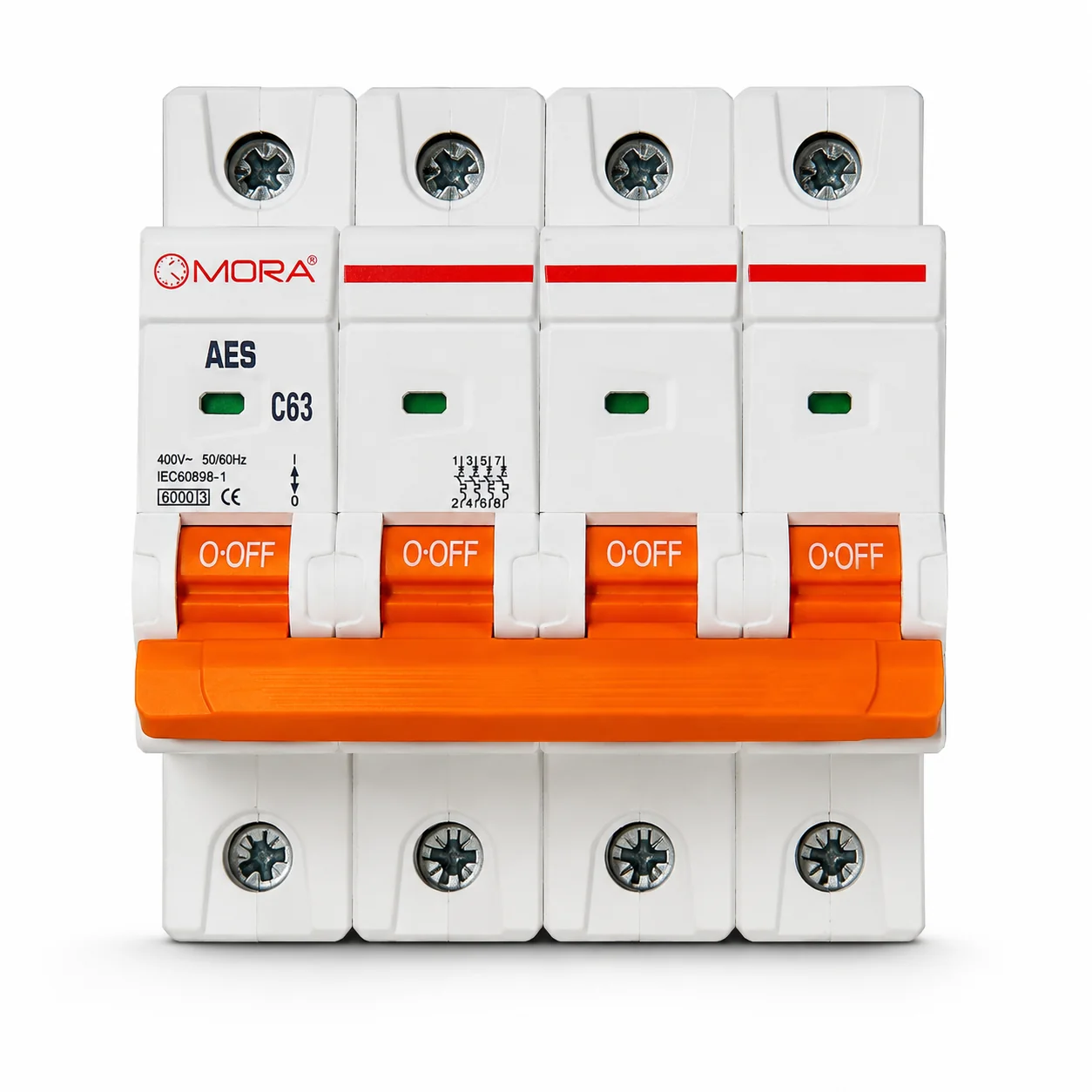
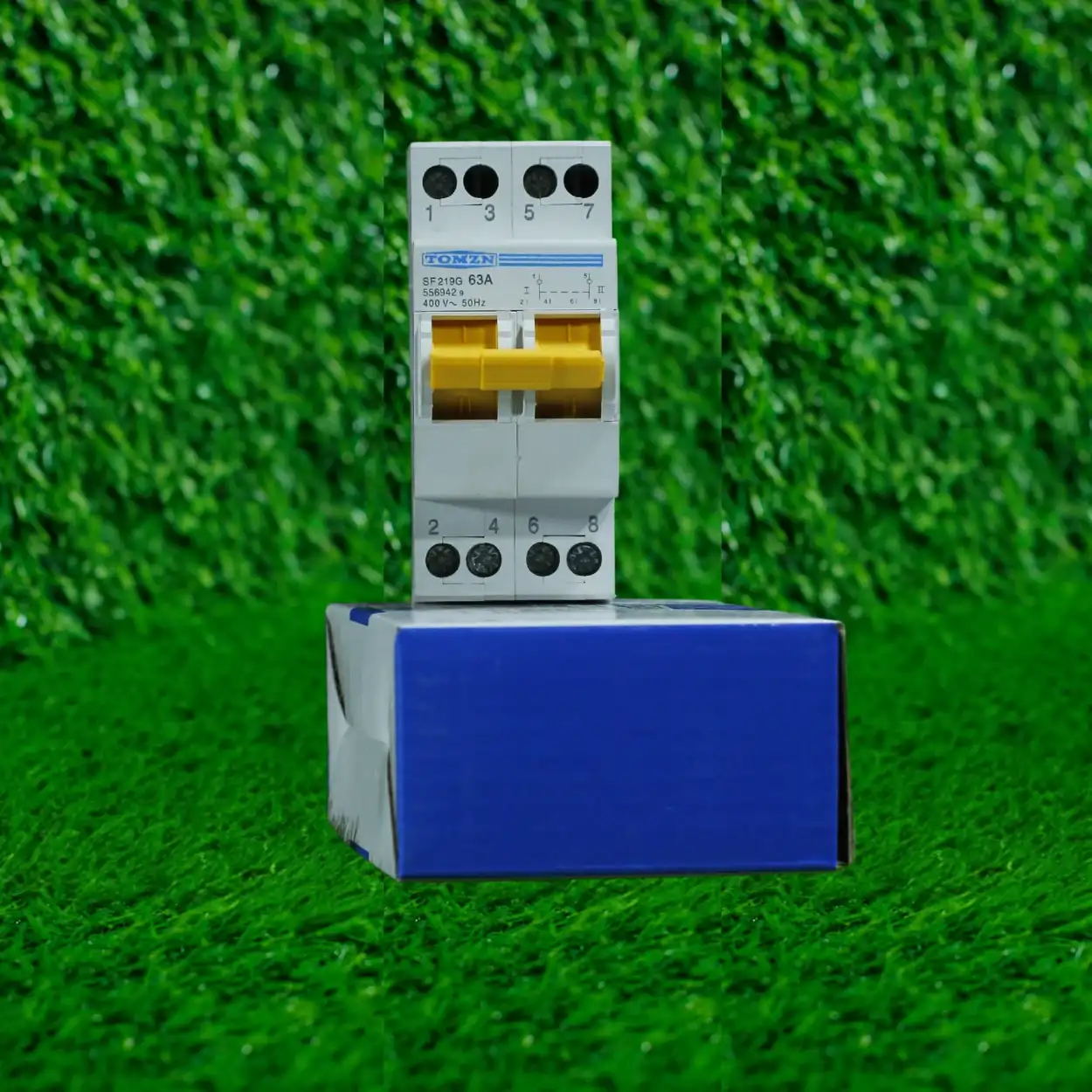
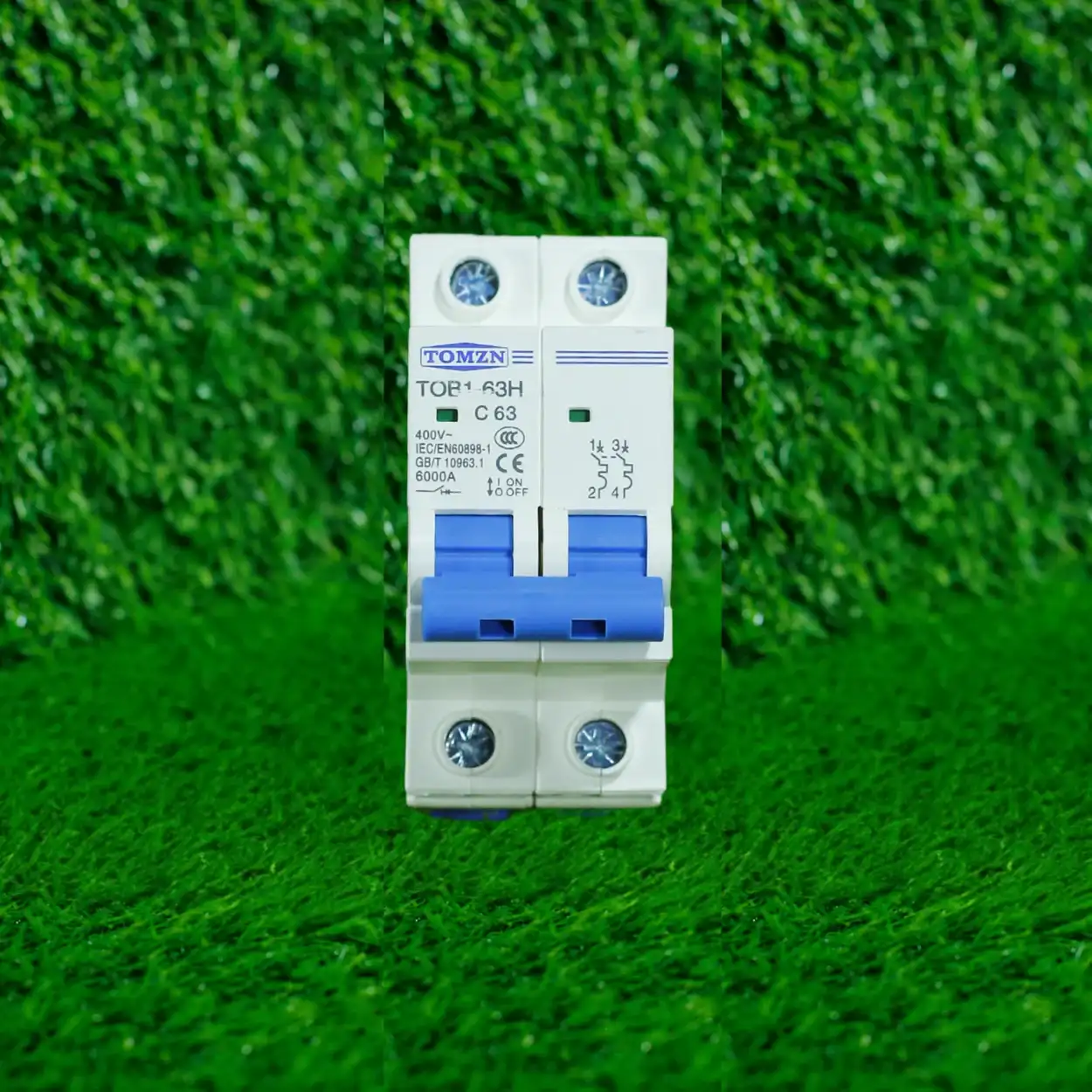
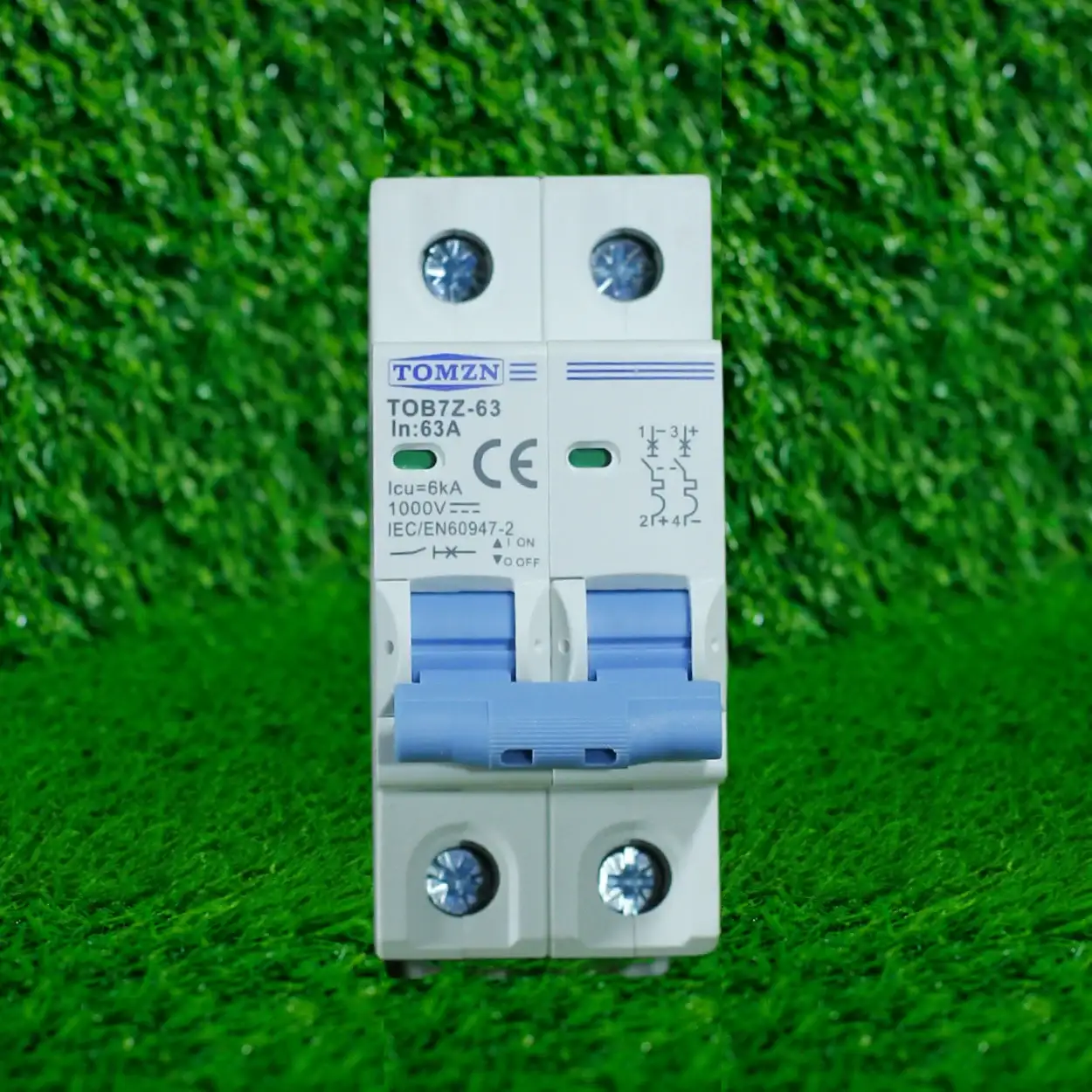
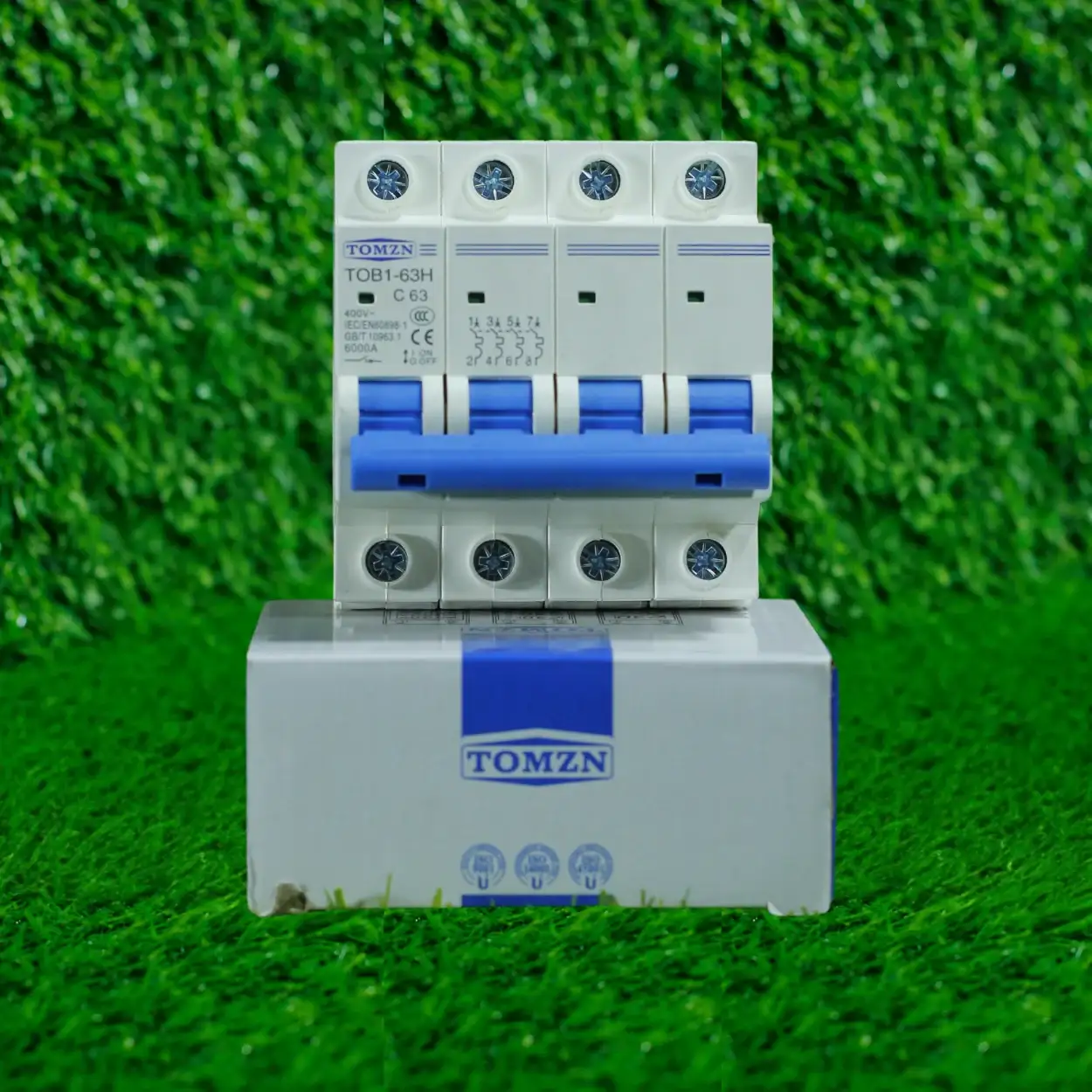
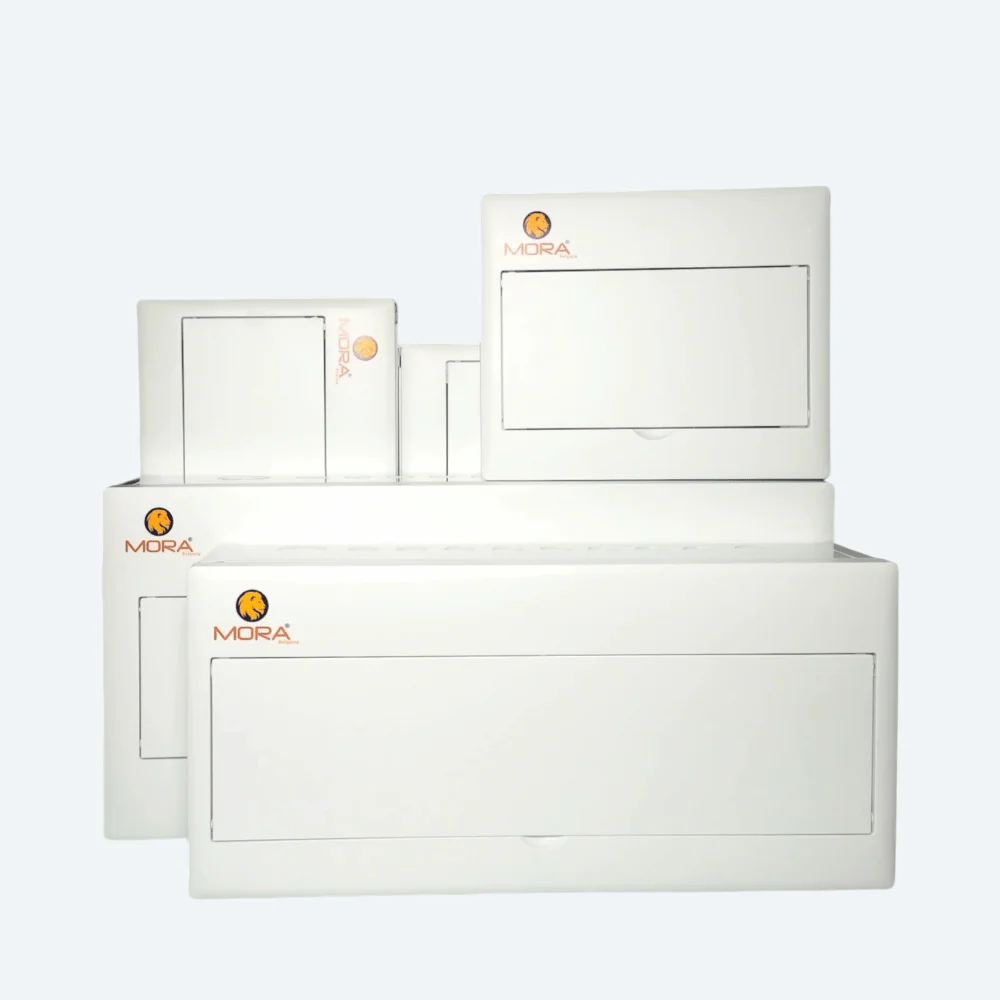
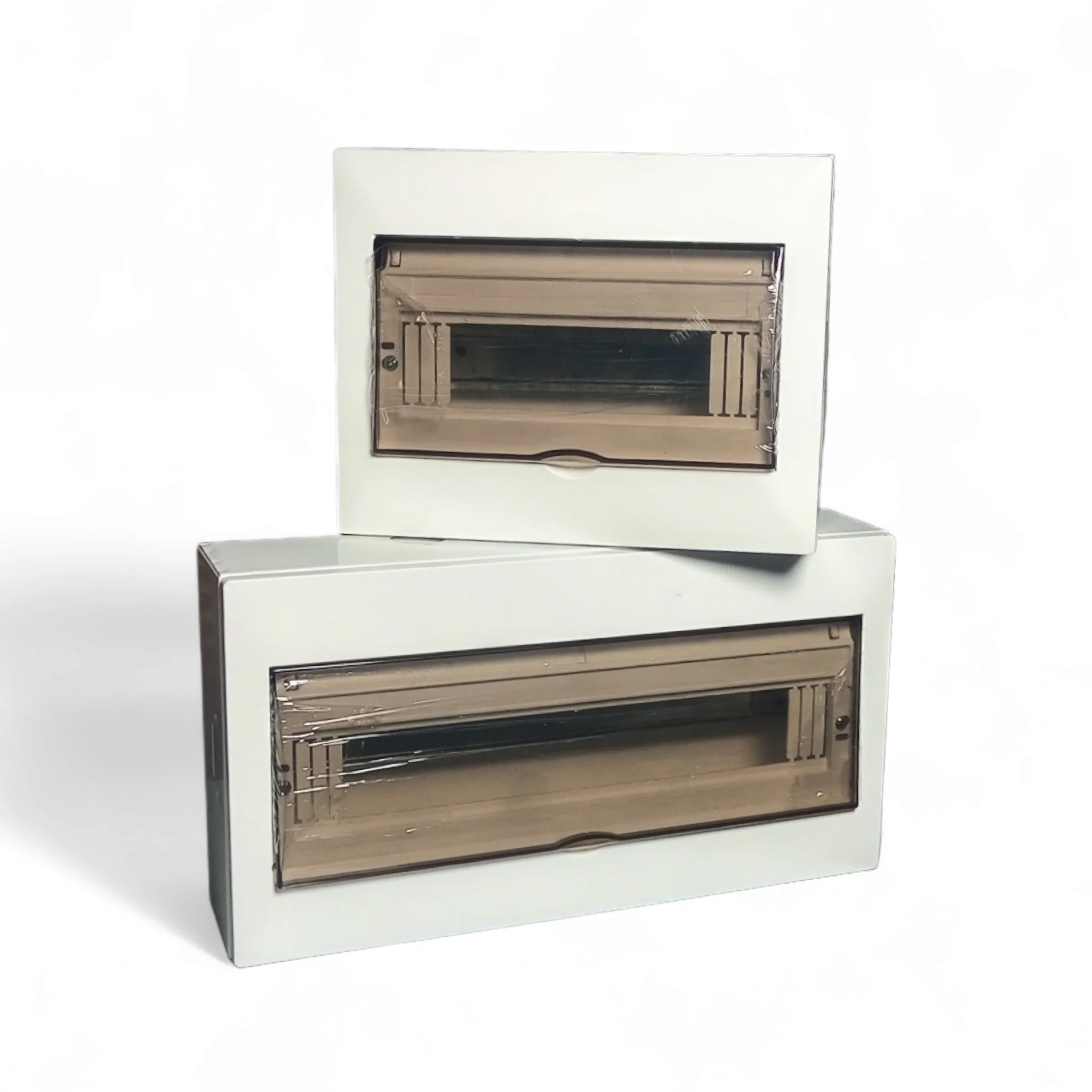
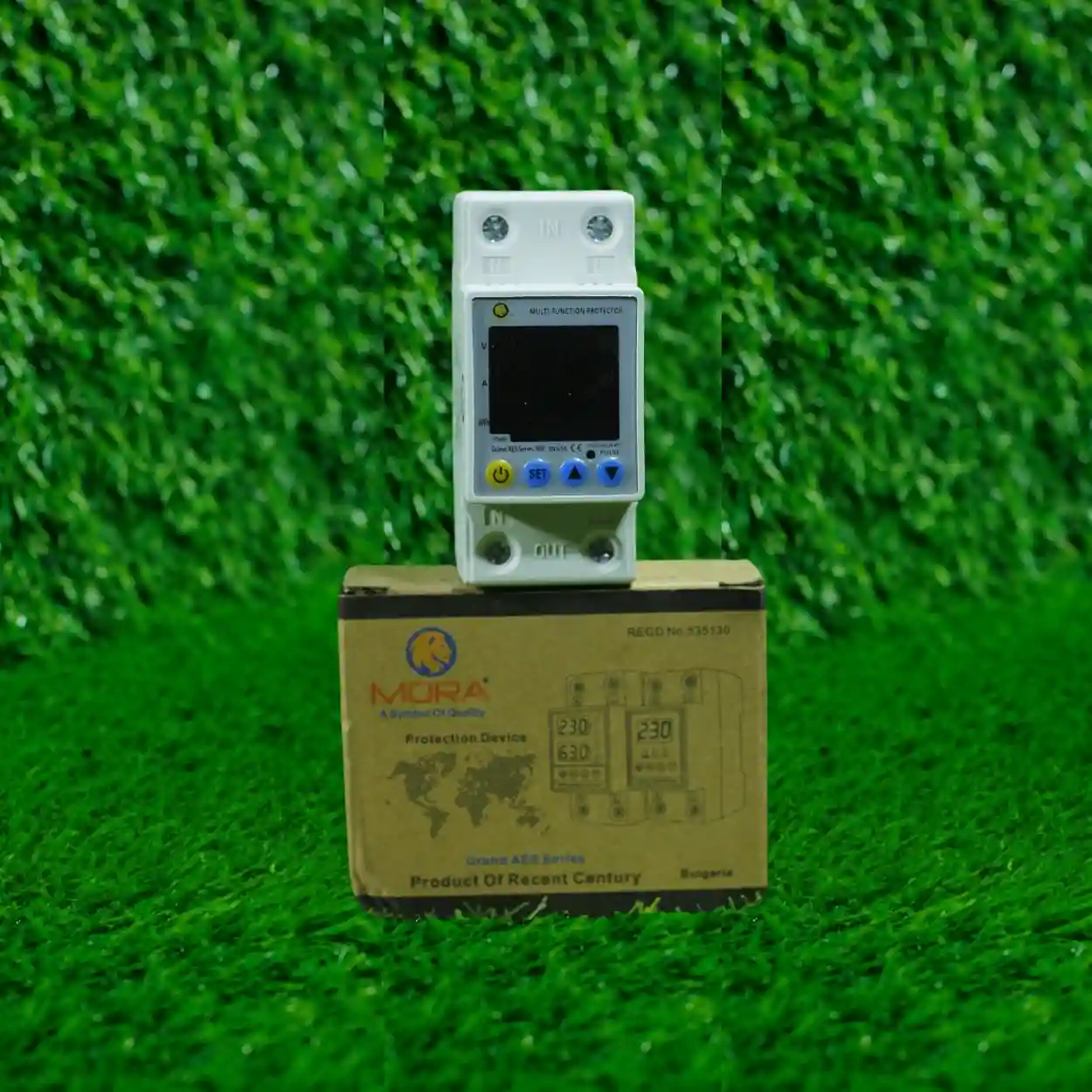
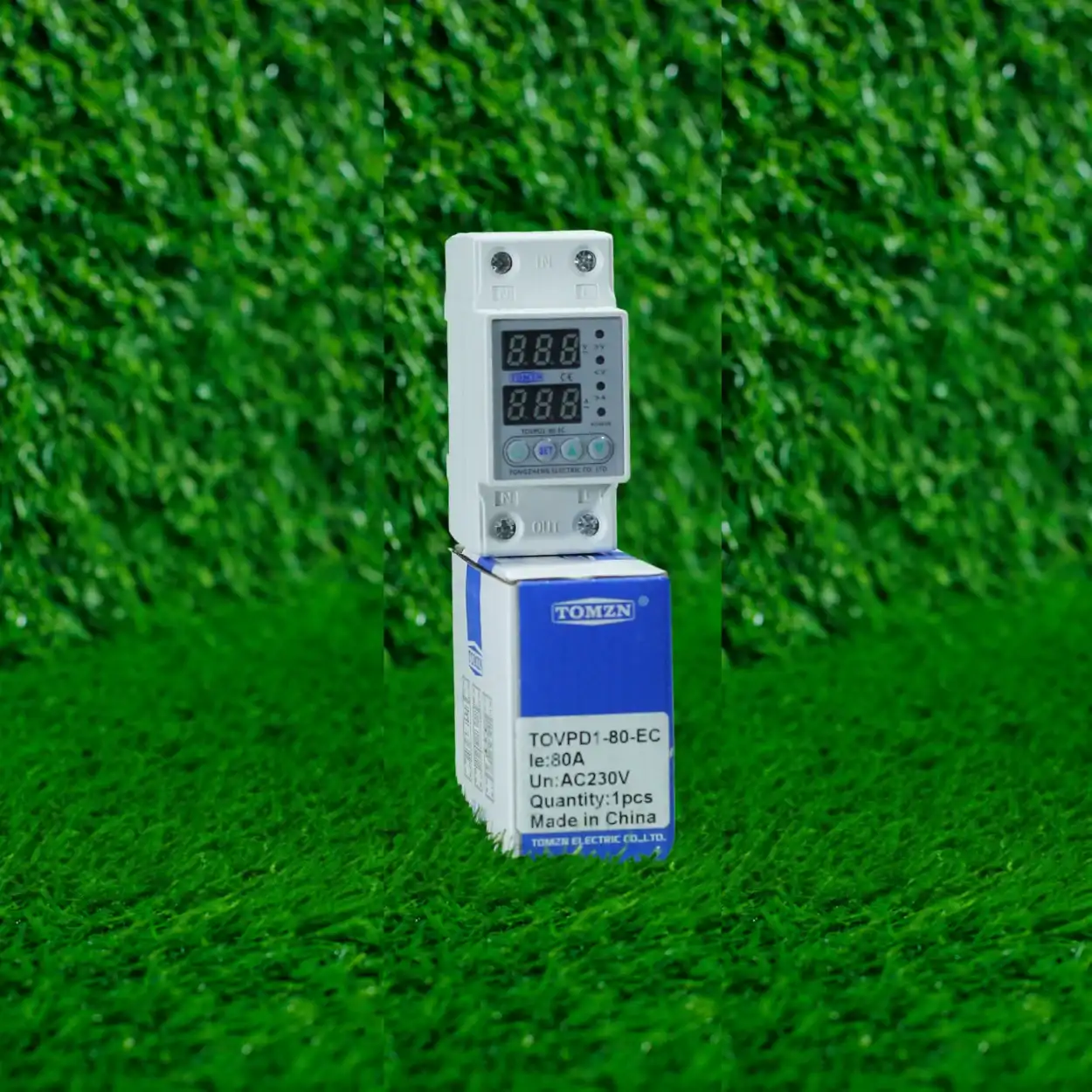
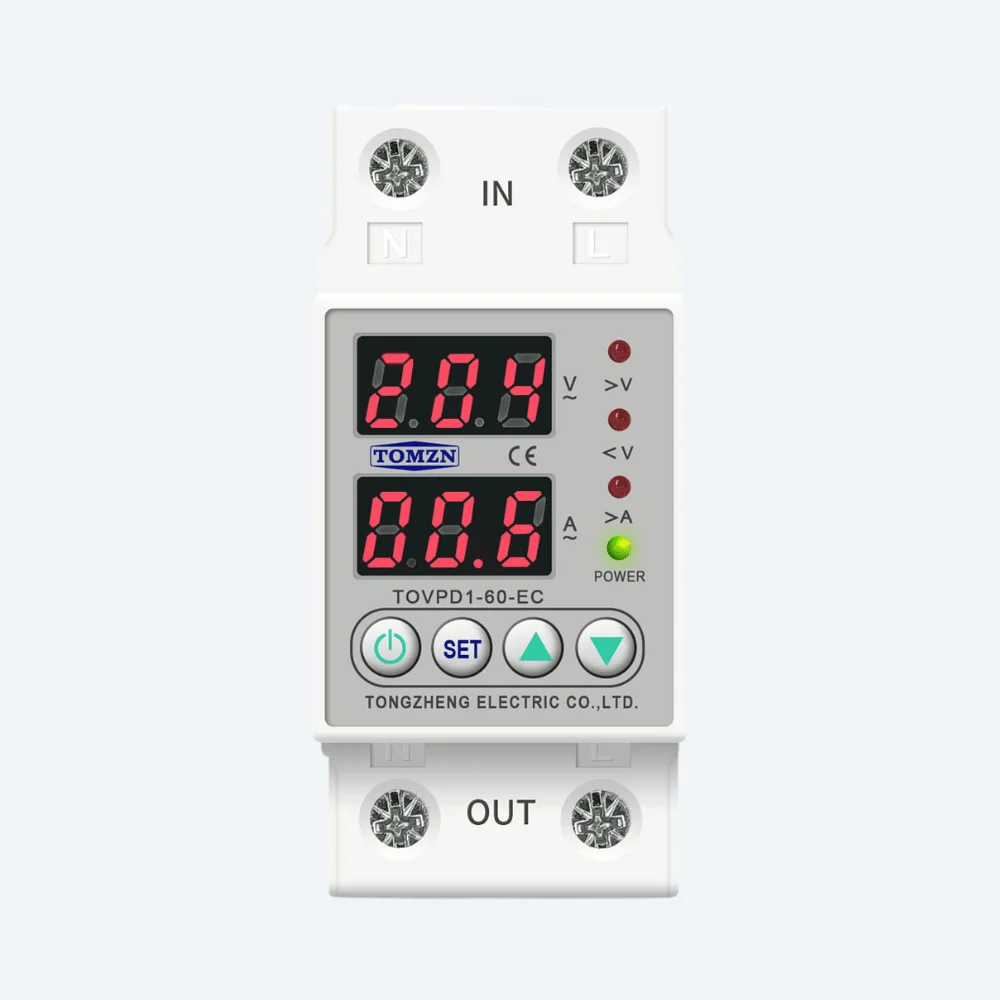
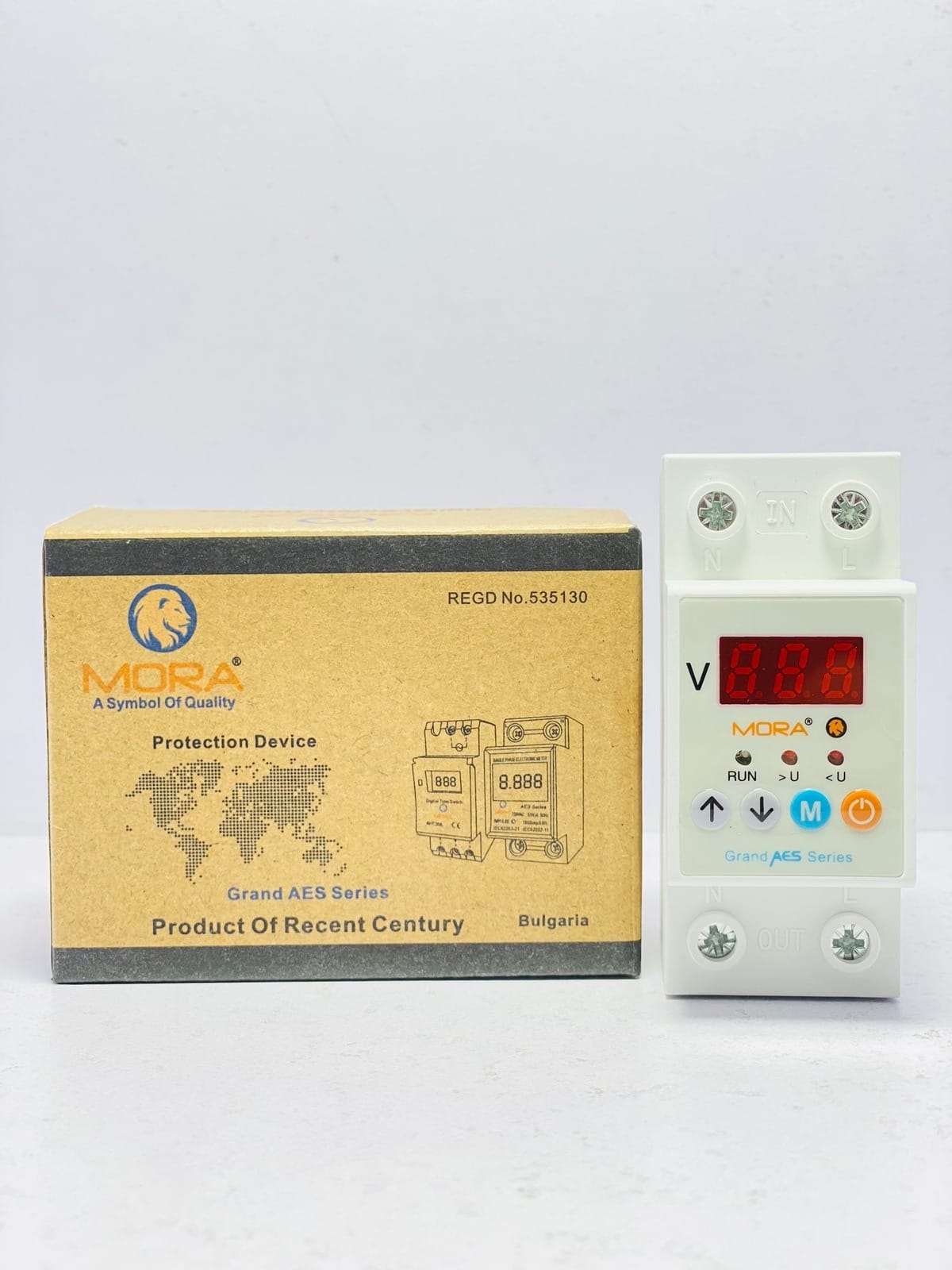
The 2-in-1 is still installed on thousands of Pakistani homes because it’s cheap (PKR 2,000-3,500 for a decent MORA or TOMZN unit), easy to wire, and honest about what it does. It’s a mechanical protection device, and that’s actually its appeal for cost-conscious buyers.
4th-Generation Protectors: What’s Different
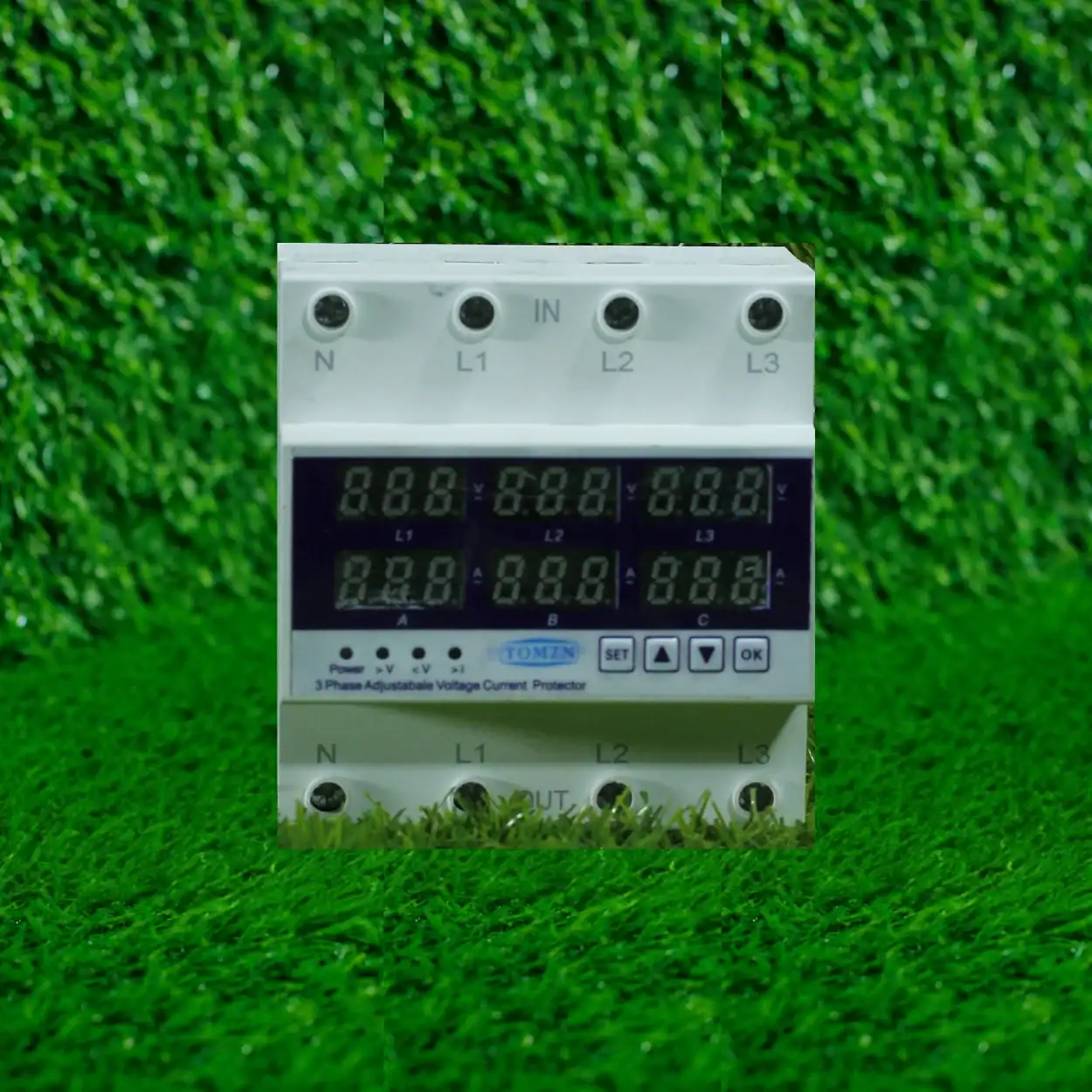
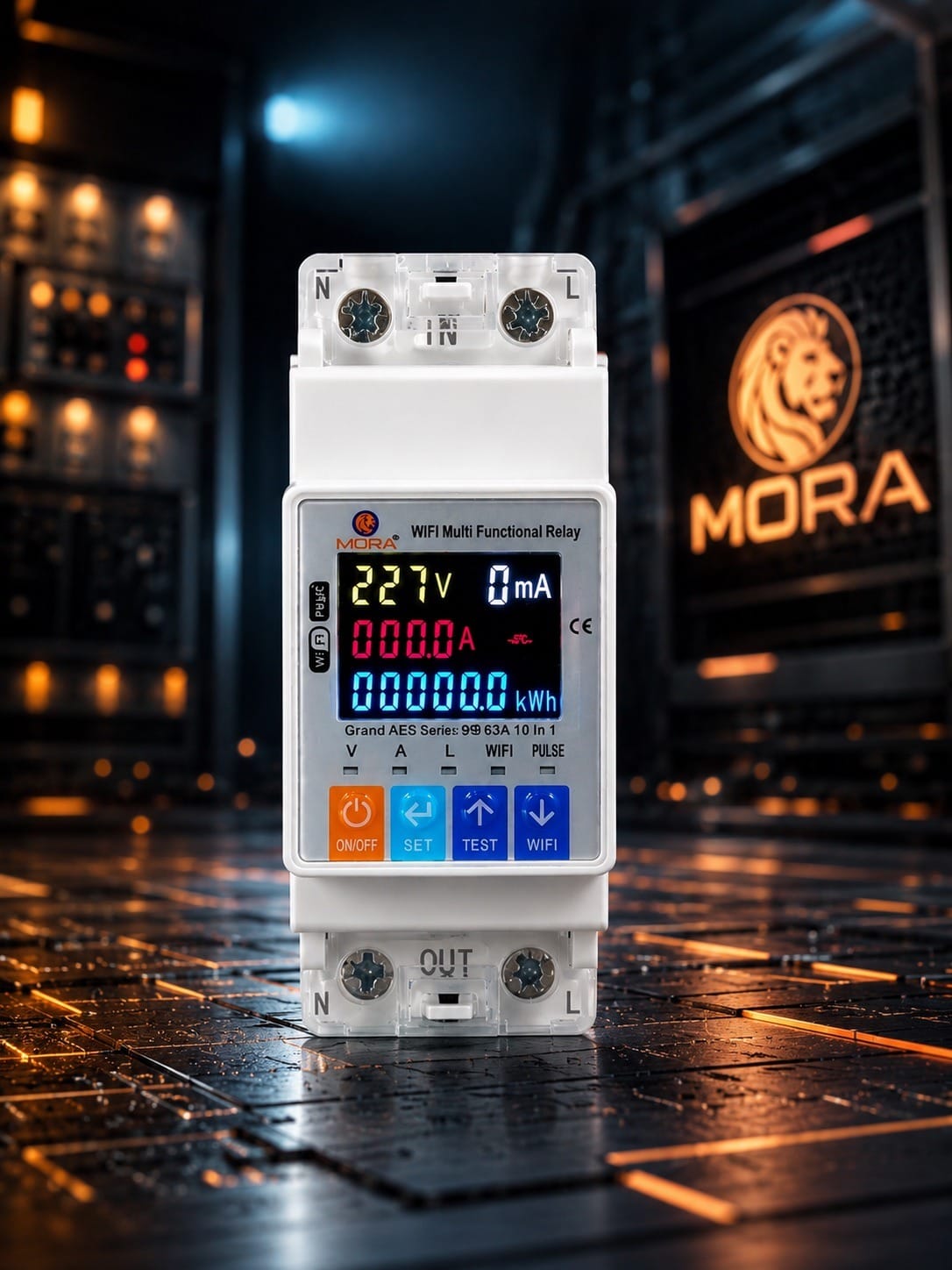
A 4th-generation voltage protector is microprocessor-based, which changes almost everything about how it behaves. Instead of a relay waiting for voltage to cross a fixed threshold, a small computer inside continuously samples the supply voltage (usually 50-100 times per second), analyzes the trend, and makes switching decisions based on programmable logic.
The core improvements are these:
Faster, Smarter Response. Modern units switch in 10-50 milliseconds instead of 500ms. That’s still not instantaneous, but it’s fast enough that most SMPS-based appliances (inverters, LED drivers, microwave ovens) don’t see a damaging spike. More importantly, the decision to switch is no longer binary. A 4th-gen unit can distinguish between a momentary glitch (a 100ms voltage dip that will recover on its own) and a sustained fault (under-voltage that’s clearly not coming back). It won’t nuisance-trip on a 30V dip that lasts 50ms, but it will cut the load if voltage stays below 180V for more than 2 seconds. This flexibility cuts false disconnects dramatically.
Adjustable Thresholds and Hysteresis. You can set the over-voltage and under-voltage limits to match your local supply signature, and you can set hysteresis (a deliberate delay before the unit re-engages after a fault clears). This matters because WAPDA supply isn’t uniform across Lahore. In some areas, 210-245V is normal. In others, you see 195-250V. A 4th-gen unit can be tuned to your neighborhood, not just set to a one-size-fits-all factory default.
Load Prioritization (on Premium Models). Some 4th-gen units include selective load shedding. If voltage dips, instead of cutting everything, the unit can be programmed to shed low-priority loads first (say, a water heater or air conditioner) and only cut critical loads (refrigerator, medical equipment, server) if voltage doesn’t recover. This requires a multi-outlet or multi-breaker design, but it’s becoming standard in high-end residential and commercial units.
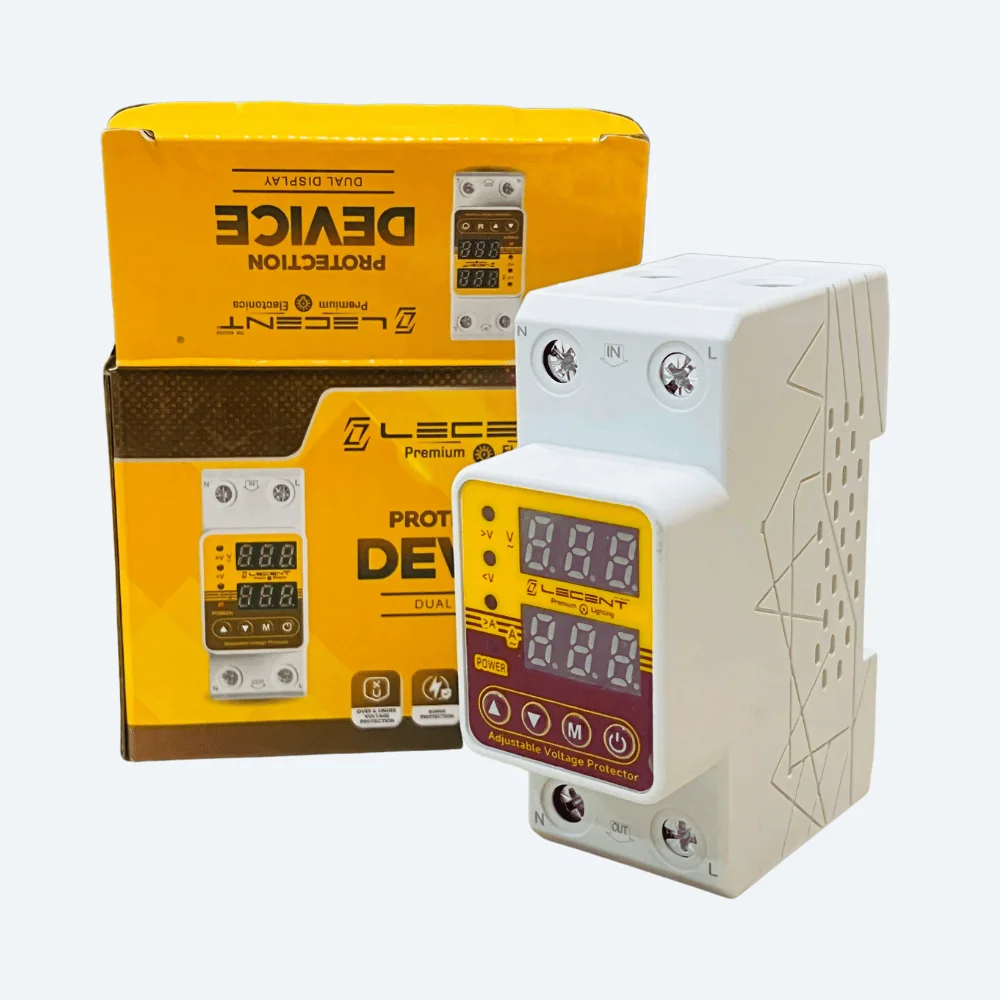
Diagnostic Feedback. 4th-gen units typically include an LED display or WiFi module that logs voltage events. You can see the date, time, duration, and peak voltage of every fault. On older units, you had no way to know if the protector had even worked; it would just sit there silently disconnecting your load.
Immunity to Repeated Stress. Because 4th-gen units don’t rely on a relay that’s mechanically cycling hundreds of times per year, they don’t degrade in the way older units do. The microprocessor and solid-state switching components have no moving parts, so oxidation and wear don’t affect them.
When a 2-in-1 Is Still Good Enough
Don’t assume you need to replace every old protector. In some installations, a 2-in-1 unit is still appropriate.
If your building has decent, stable supply (most commercial properties on main WAPDA feeders in Defence or central Lahore), voltage swings might only be 10-20V throughout the day. A correctly set 2-in-1 unit will rarely trip, so you get the protection without the nuisance disconnects. Your appliances will never be stressed by repeated switching.
If you’re protecting non-critical loads like fans, basic lighting, or water pumps that don’t have sensitive electronics, a relay-based protector is fine. A water pump motor that runs on 180V or 240V won’t care about relay speed. You’re just protecting it from catastrophic over-voltage or under-voltage that would burn the coil.
Cost-conscious operations where downtime isn’t a problem (a workshop, storage area) can still justify a 2-in-1 unit. Yes, it might nuisance-trip occasionally, but the repair cost and inconvenience are acceptable in that context.
A 2-in-1 unit also works well as a secondary protector on a specific circuit if your main panel already has ATS or a primary protector. Redundancy is cheap insurance.
When You Should Upgrade to 4th-Generation
Replace or upgrade if any of these conditions describe your installation.
You’re protecting sensitive equipment. Inverters, servers, medical devices, audio systems, or any appliance with an SMPS should run downstream of a 4th-gen protector. The faster response time and glitch-immunity prevent accelerated failure of capacitors and other components.
Your supply is notoriously unstable. I’ve installed systems on three-phase commercial sites in industrial areas where voltage fluctuation reached 180-260V within minutes. A 2-in-1 unit would nuisance-trip multiple times per hour. A 4th-gen unit, programmed with appropriate thresholds and response delays, can handle this without disconnecting every few minutes.
You’ve had repeated nuisance disconnects. If an old 2-in-1 unit is cutting your load constantly (you come home to a dark house even though WAPDA was on), the relay is probably degraded. Before replacing it, check the voltage with a digital volt meter to confirm supply is actually within range. If it is, a 4th-gen unit will stop the false trips because it won’t react to momentary glitches the old relay was catching.
You’re running a solar or inverter hybrid system. Inverters are fussy about supply voltage. During generator or solar switchover, voltage can dip or spike briefly. A 4th-gen protector with fast response will shield the inverter’s input from damage. On solar distribution boxes, this is increasingly critical. (For more on solar protection coordination, see our guide on solar distribution box installation mistakes.)
Your building has aging wiring or poor earthing. Old PEC-era installations often have loose neutral connections or inadequate earthing. This causes voltage imbalance and transients that a relay simply can’t respond to fast enough. A 4th-gen unit with microprocessor-based switching handles this better.
Practical Buying and Installation Notes
If you’re shopping for a new voltage protector, here’s what to check:
Response time. Ask the supplier or check the datasheet. If they say ‘fast’ but won’t give a millisecond value, that’s a flag. Anything under 100ms is acceptable for most loads; under 50ms is ideal for sensitive equipment.
Adjustable thresholds. A good 4th-gen unit should allow you to set over/under voltage limits within a range (e.g., over-voltage from 240V to 280V, under-voltage from 150V to 200V). If it’s fixed at factory, it’s not a true 4th-gen.
Hysteresis and response delay settings. These let you tune the unit to your local supply. A 2-3 second delay before disconnect prevents nuisance trips when voltage recovers quickly.
Inrush capacity and thermal protection. Voltage protectors themselves can fail if they’re constantly switching high inrush currents (like large motors). Look for units with a thermal overload relay or a breaking capacity spec (should be at least 10kA for residential use).
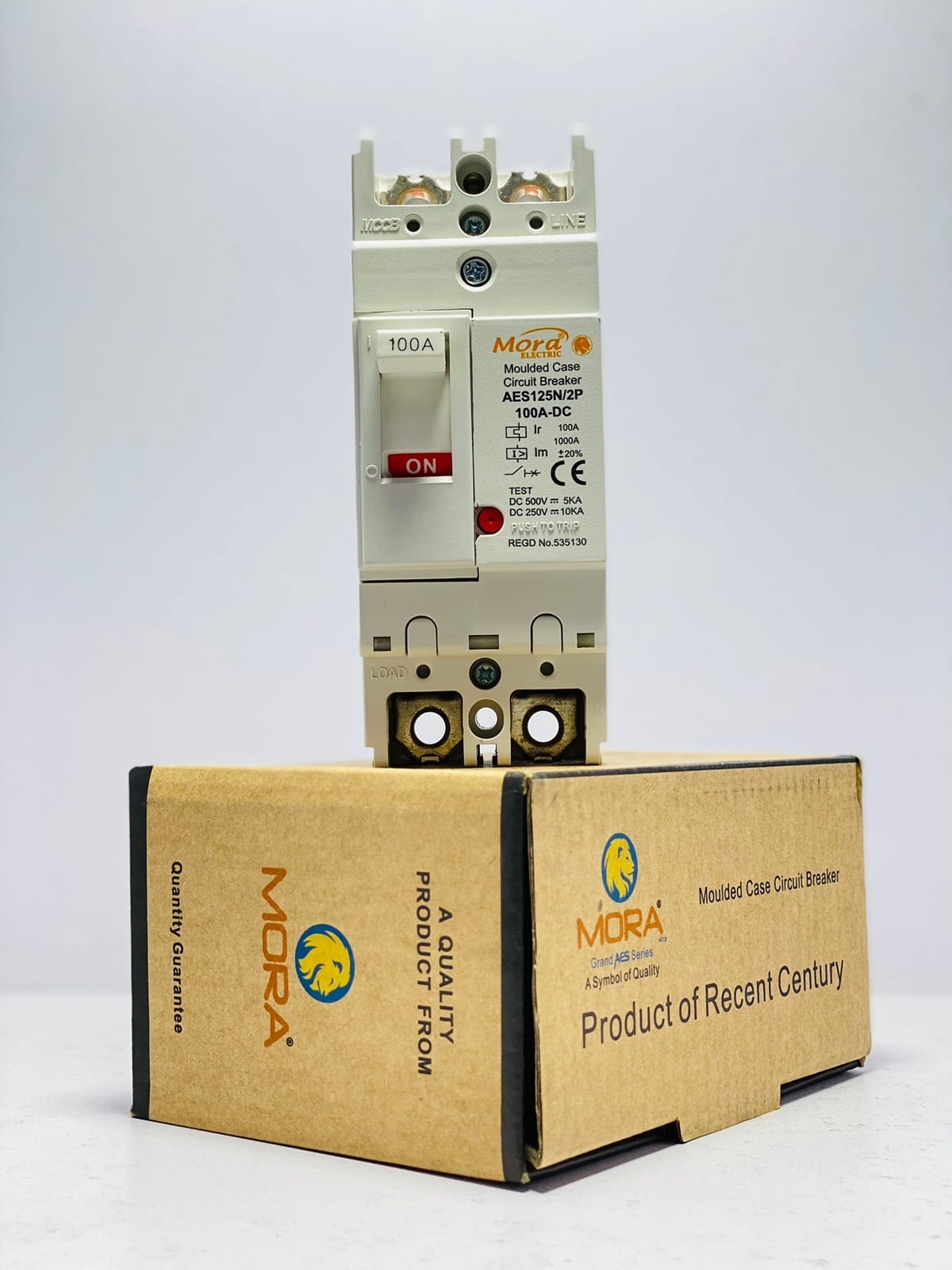
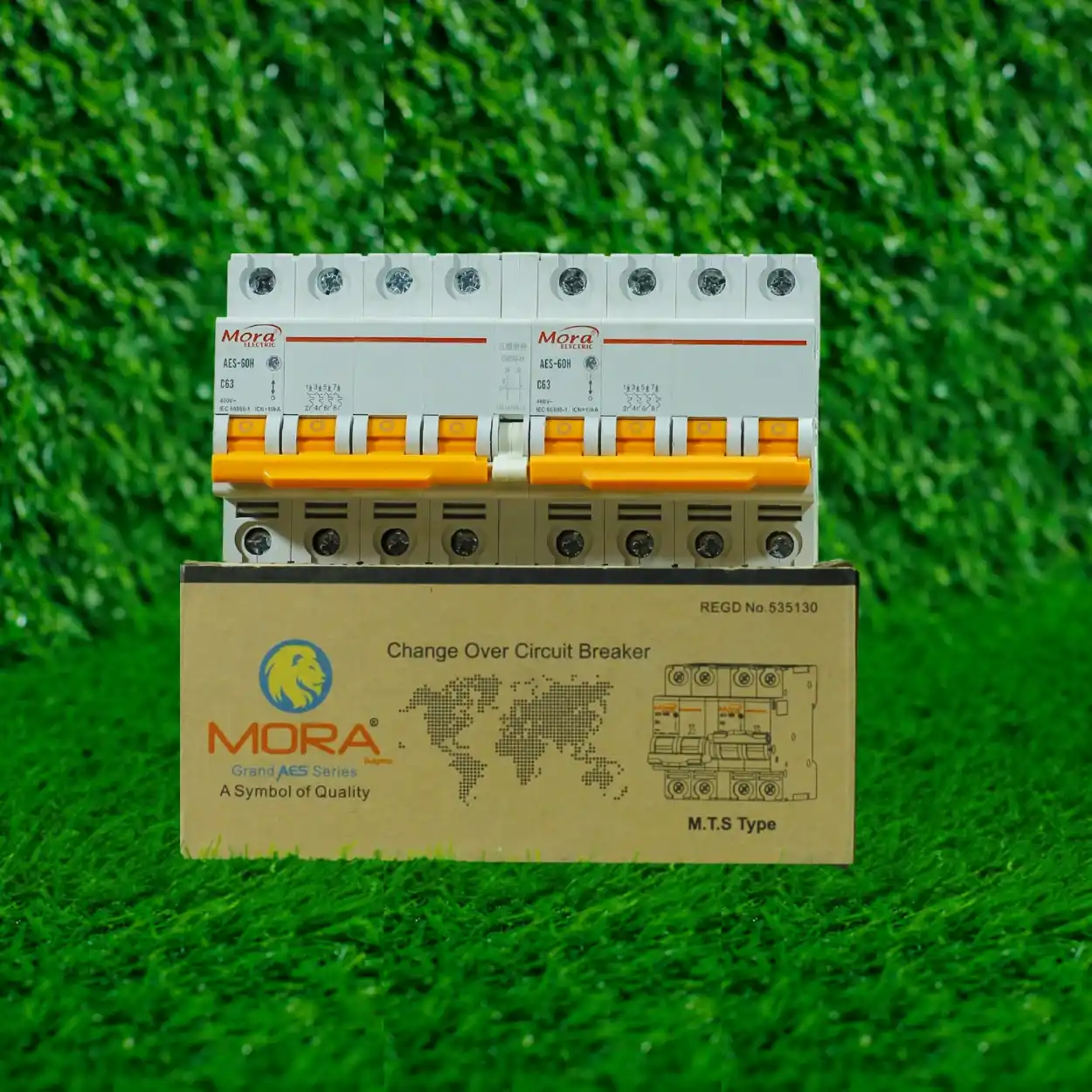
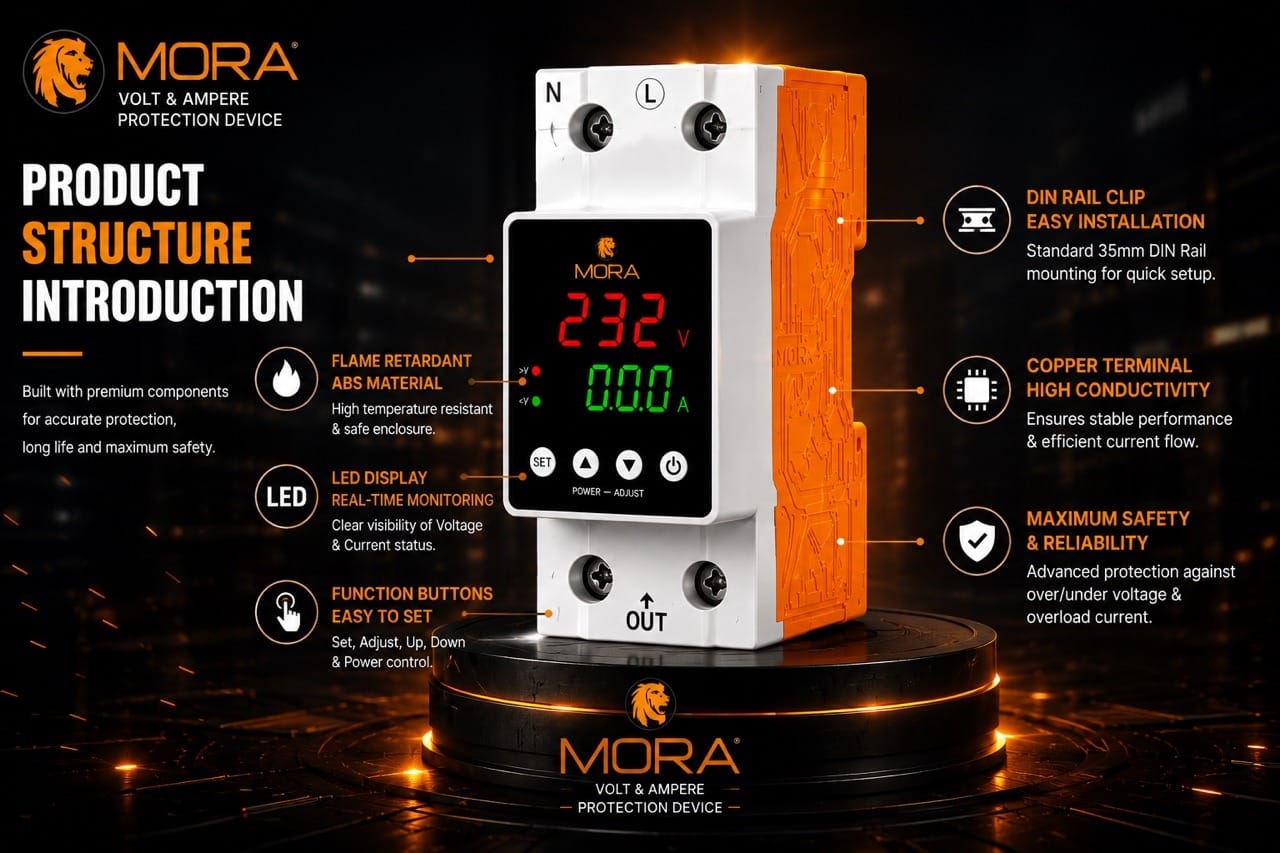
MORA and TOMZN both make 4th-gen units in Pakistan that are genuinely reliable. I’ve run MORA protectors on job sites for 3+ years without a single failure. They’re not the cheapest (PKR 8,000-15,000 depending on specs), but the feature set and durability justify the cost if your equipment is worth protecting. Browse the available brands and models to see what’s in stock locally.
Installation matters too. Mount the protector close to the incoming supply (between the meter and your panel), ensure the earth connection is solid (not shared with a rusty pipe), and don’t overload the unit by wiring it in series with too many downstream breakers. A typical residential protector is rated for 20-30A continuous; if you’re pulling 40A through it, the internal components will overheat.
Real-World Example: Why This Matters
Last year, I was called to troubleshoot a house in DHA where the homeowner’s new 5kW inverter was failing capacitors every 6-8 months. The inverter itself was genuine (MUST brand), and the solar panels were fine. The issue turned out to be a decade-old 2-in-1 relay protector sitting between the meter and the inverter. Every time WAPDA voltage spiked (which it did 3-4 times daily in that area), the relay would disconnect but not fast enough to prevent a 50-100V transient from hitting the inverter. The capacitors were aging prematurely from repeated micro-stresses. I replaced the protector with a MORA 4th-gen unit programmed for that neighborhood’s local voltage signature, and we’ve had zero capacitor failures in the 18 months since. That protector cost PKR 12,000 and saved the customer from PKR 6,000-8,000 in inverter repairs.
That’s the difference that matters: not the specifications on paper, but the protection you actually get when the supply does what WAPDA supply does in Pakistan.