










3-in-1 Voltage Protector with kWh Meter: What Actually Works

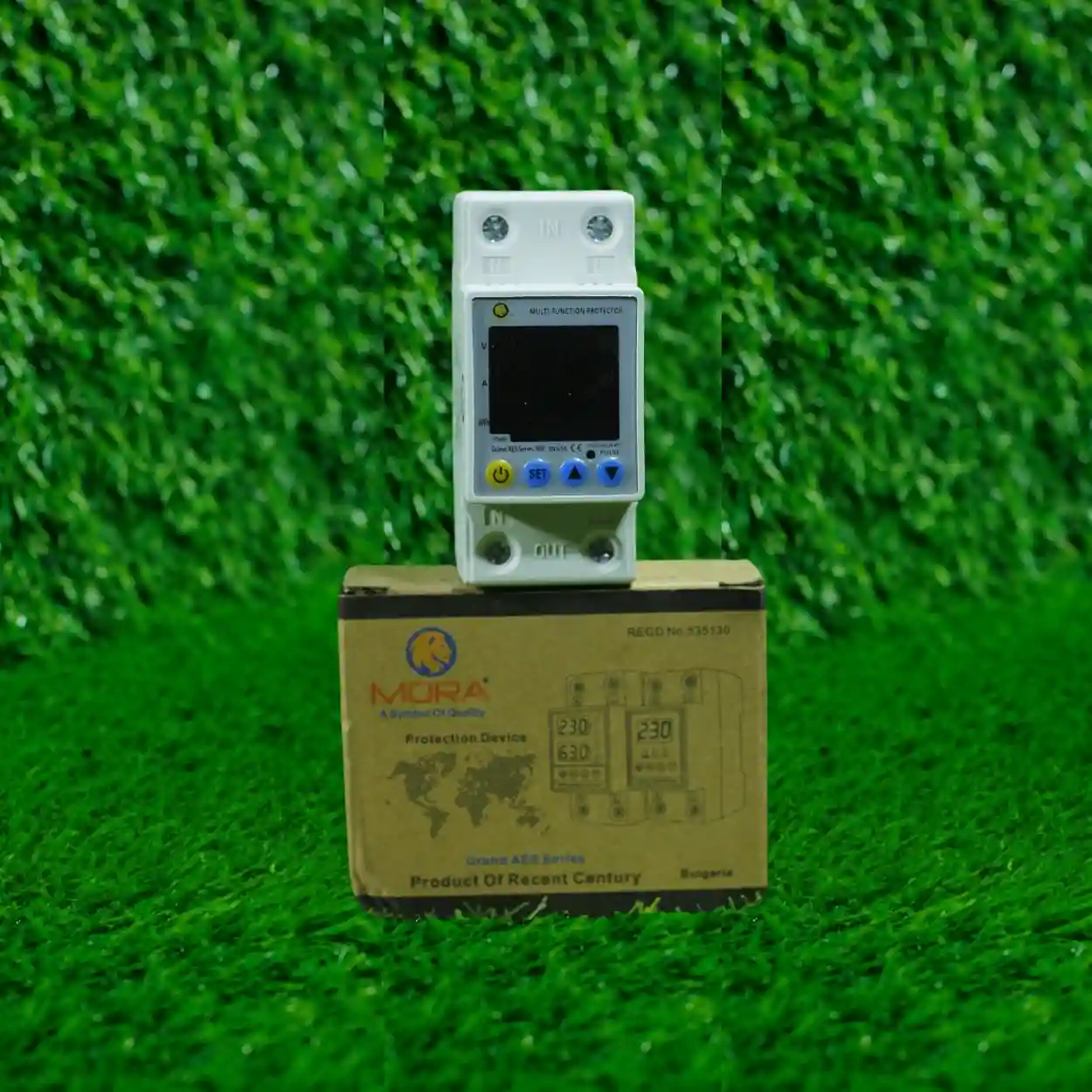
What a 3-in-1 Voltage Protector with kWh Meter Actually Does
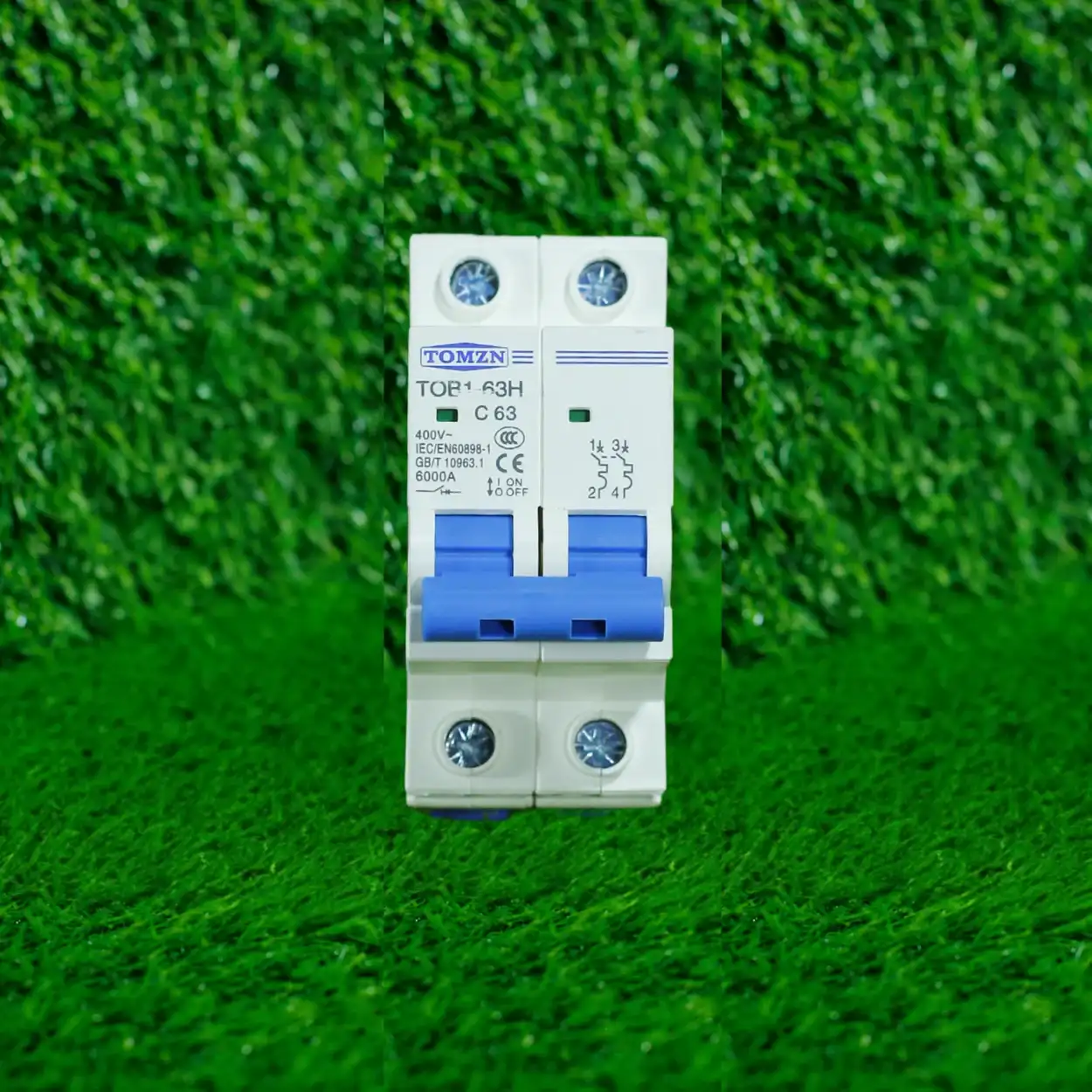
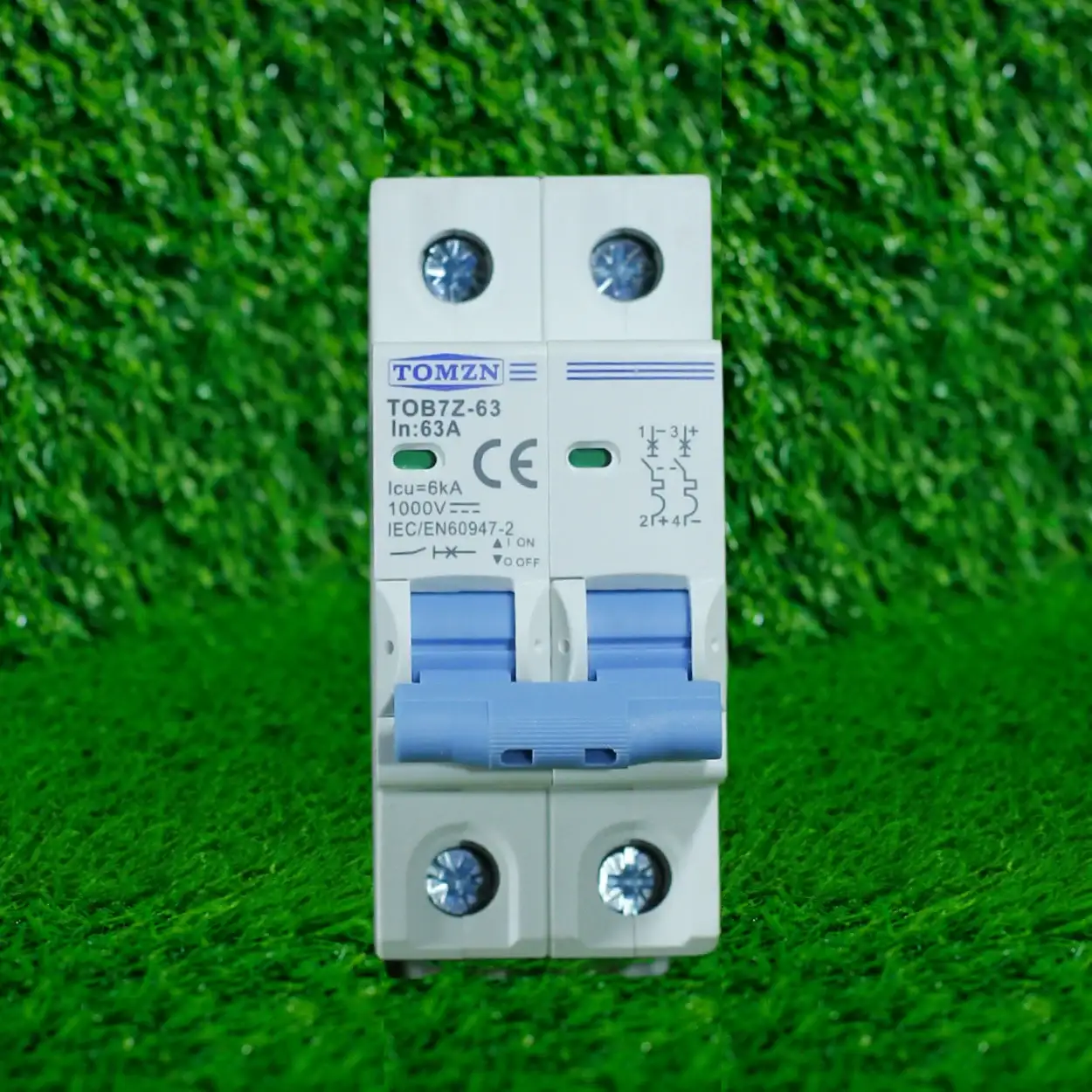
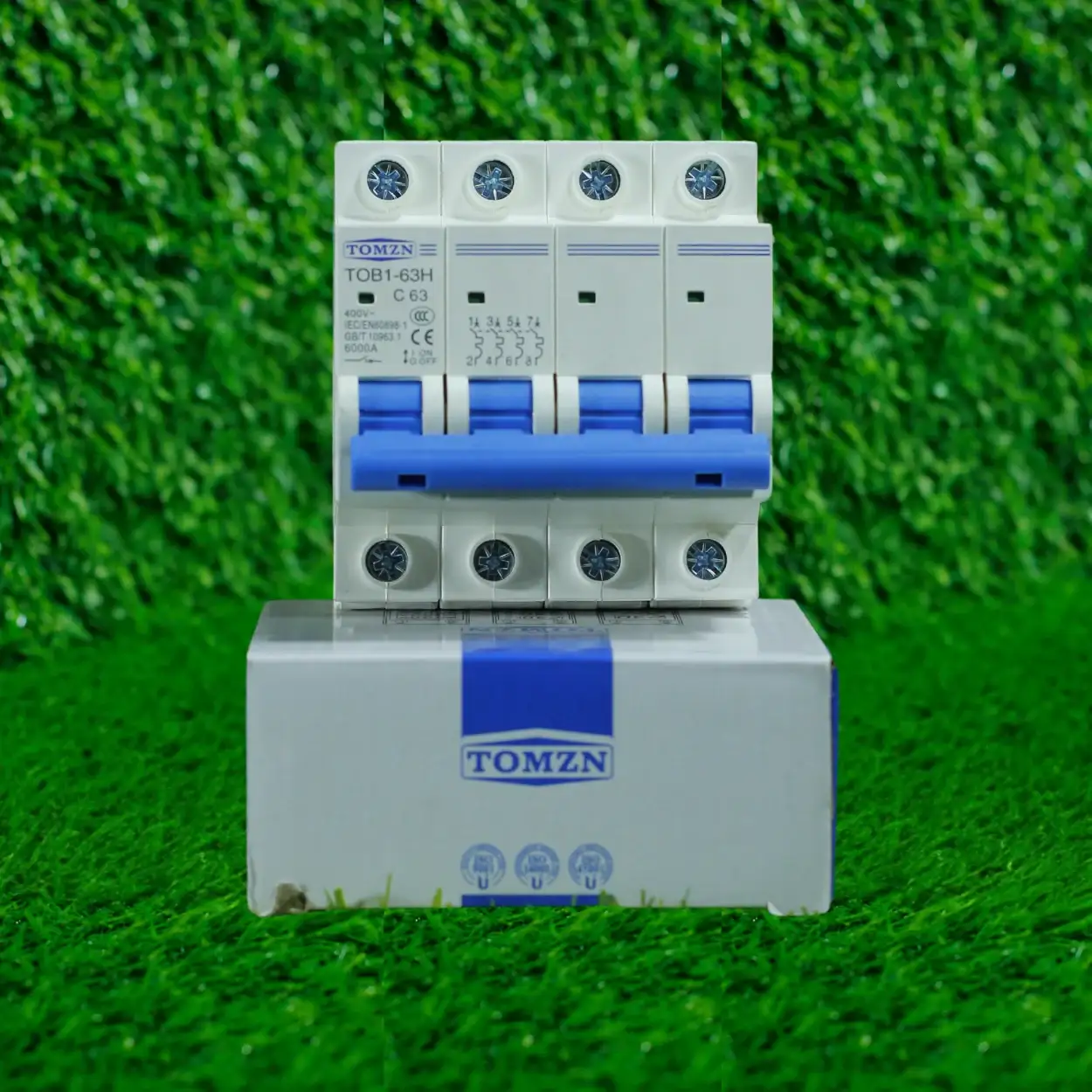
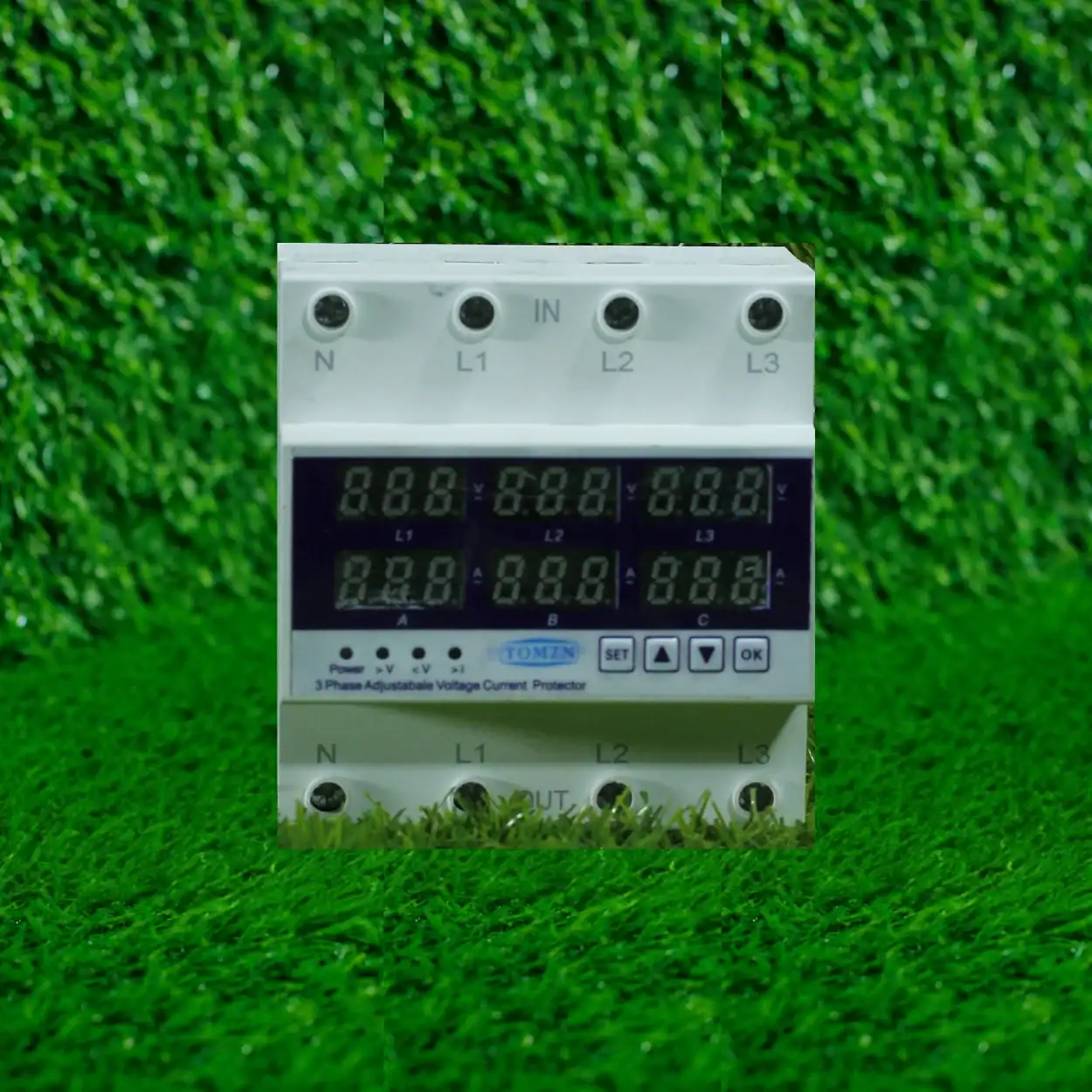
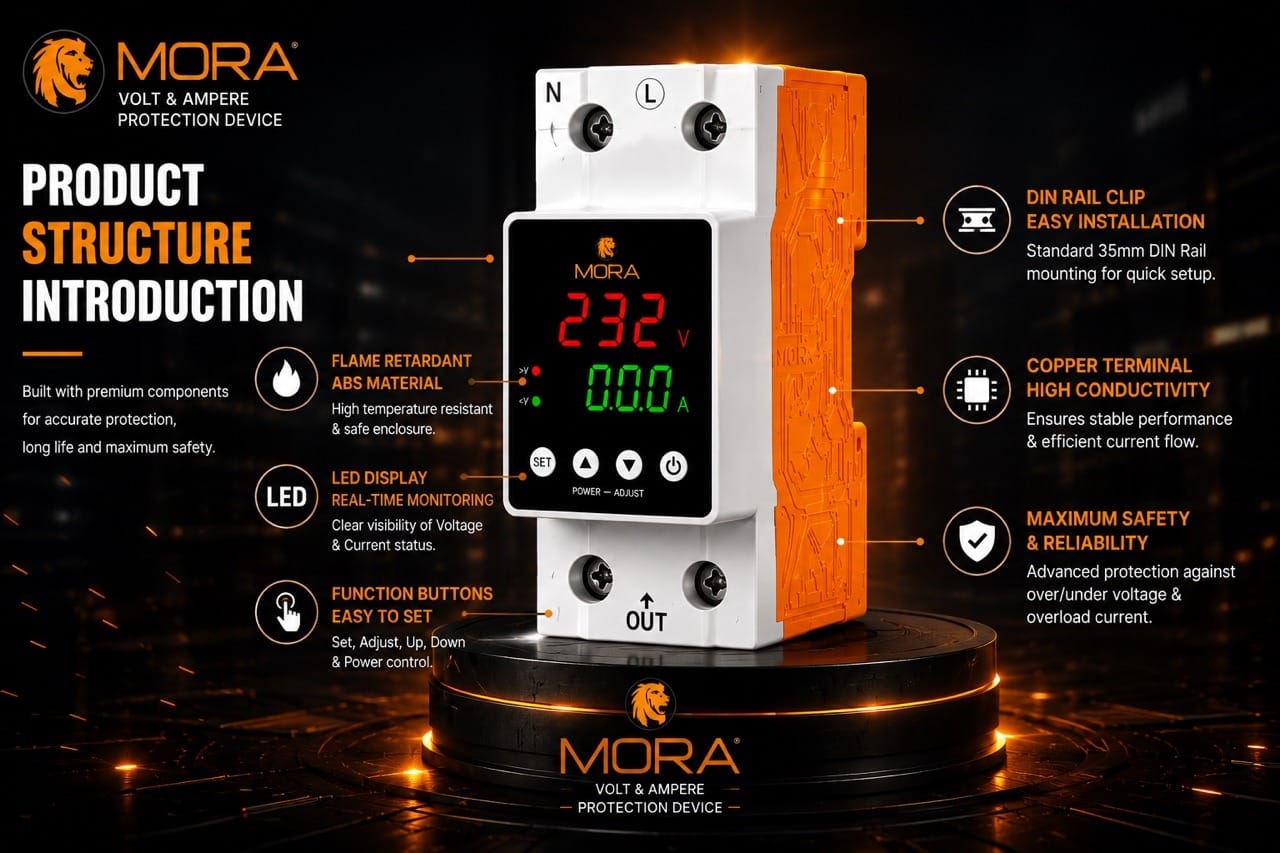
A 3-in-1 voltage protector with kWh meter combines three separate functions into one box: it monitors incoming voltage from your WAPDA supply or generator, cuts the load automatically when voltage swings outside safe limits, and tracks your energy consumption in kilowatt-hours. In Pakistan’s grid conditions, where voltage swings from 180V up to 250V+ are routine and load-shedding forces most installations onto generator backup, this kind of device sits between your main supply and your load to catch faults before they reach your appliances.
The kWh meter part isn’t a bonus feature, it’s the window into what’s actually consuming power on your premises. On residential and small commercial jobs across Lahore, I’ve installed these to help customers see real consumption before and after a solar install, or to verify meter readings during DISCO billing disputes. The voltage protection half is what keeps your TV, fridge, and air conditioner from getting fried when the grid suddenly spikes at 240V or drops to 170V.
Voltage Monitoring and Automatic Load Disconnection
The core protection function works this way. The device has two adjustable set points, usually called upper and lower voltage thresholds. You set the lower limit to something like 190V and the upper limit to 245V. When supply voltage dips below 190V, the relay trips and disconnects your load. When it exceeds 245V, the same thing happens. Once voltage returns to the safe band and stays stable for a few seconds, the device reconnects automatically.
This automatic disconnection is what stops catastrophic damage. I’ve been called to houses where the WAPDA supply spiked to 260V for two minutes and took out three window air conditioners, a washing machine motor, and the LCD TV all at once. Could have been prevented entirely with a voltage protector set to 240V upper limit. The relay cuts the supply fast enough (typically within 100 to 200 milliseconds) that even sensitive electronics don’t see the spike.
The adjustability matters in practice. On jobs where the WAPDA supply is chronically low (I work in areas where 185V is common during peak load hours), you can’t set the lower threshold at 200V without constant nuisance tripping. Better to set it at 180V and accept that occasional low-voltage condition rather than lose power every ten minutes. Conversely, on generator installations running a larger load, the upper threshold might need to sit at 250V to prevent unnecessary disconnections when the genset voltage drifts slightly under load.
kWh Meter: Consumption Tracking and Verification
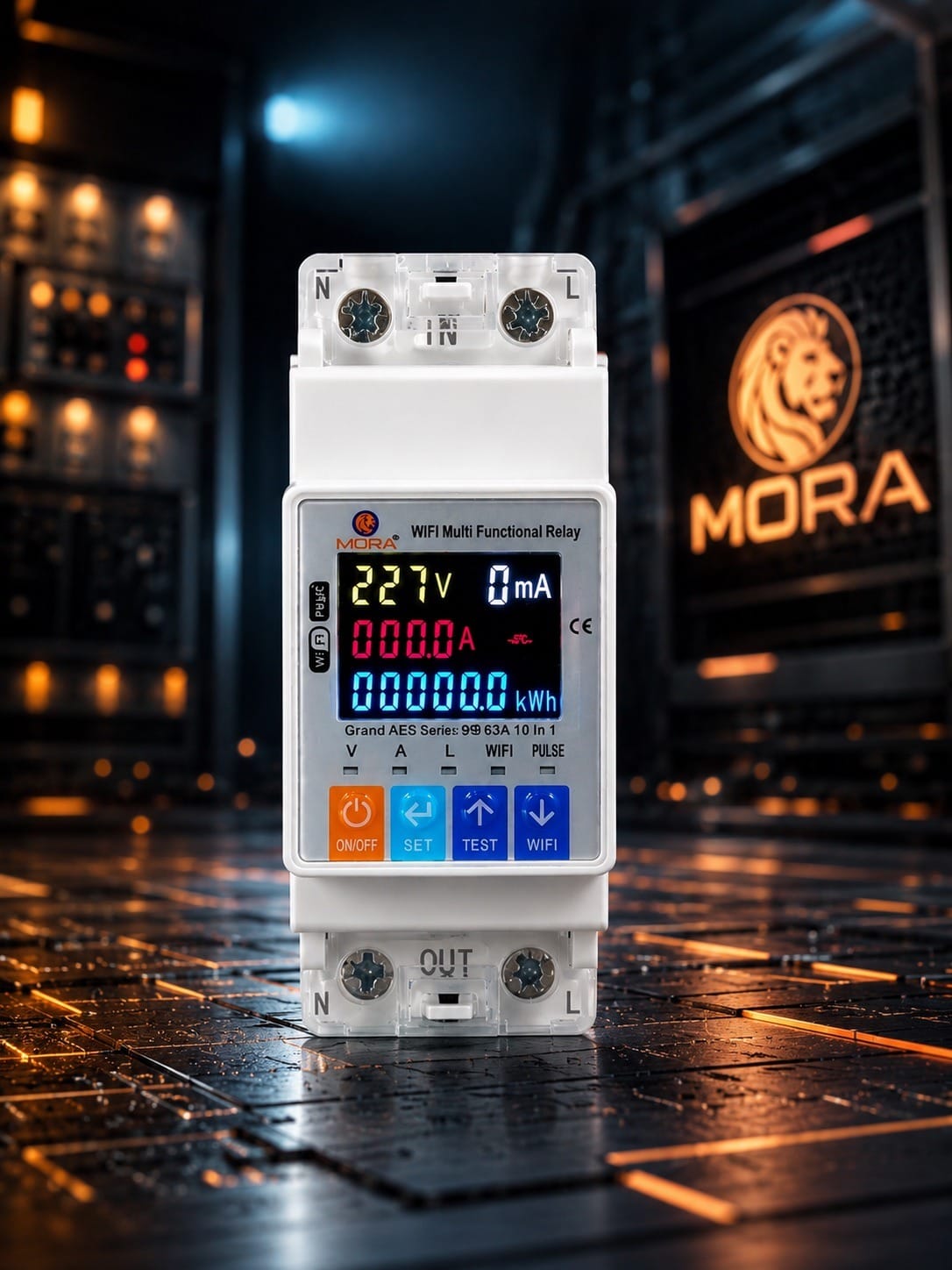
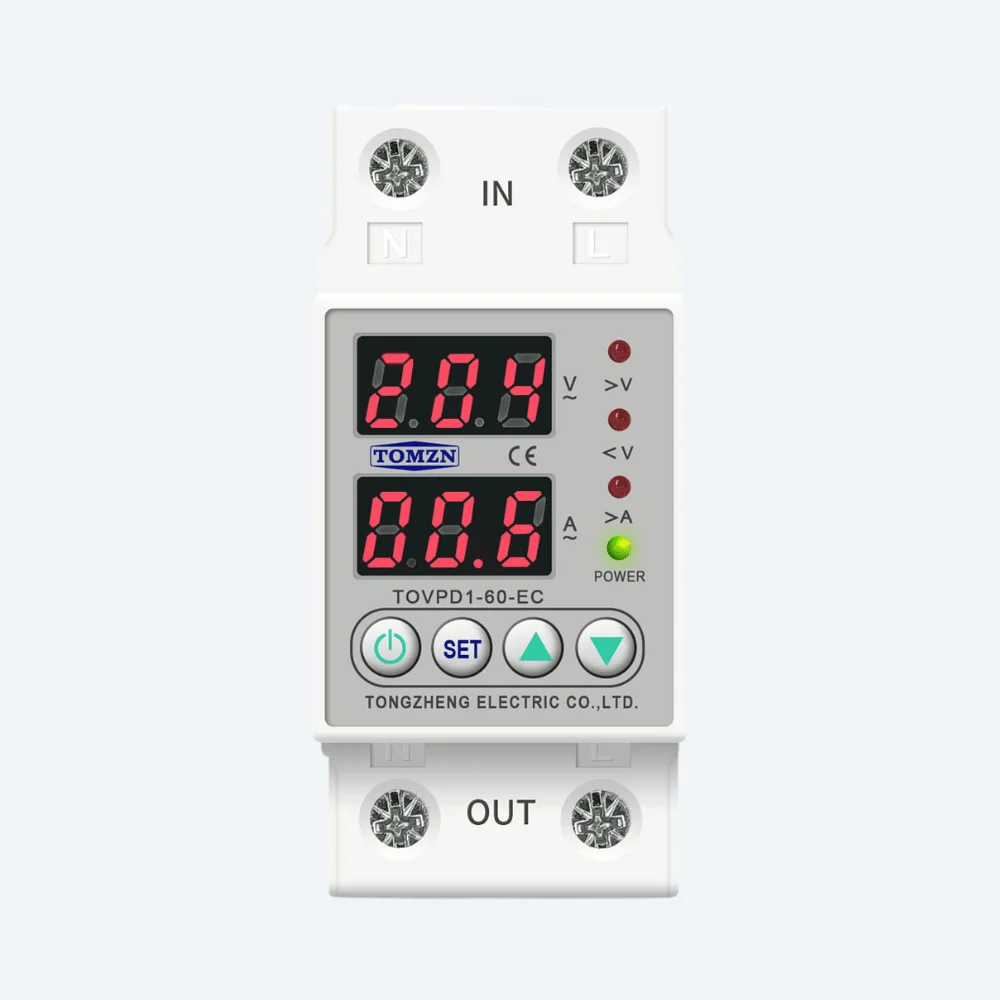
The integrated kWh meter displays cumulative energy consumption on an LED or LCD panel. Some models are simple and just show running totals; better ones include instantaneous voltage, current, frequency, and power factor on a digital display.
On a real job, here’s how this helps. A customer complained that his electricity bill from LESCO seemed too high for a three-room house with one AC running during summer. We installed a 3-in-1 device and monitored for a month. The meter showed he was actually consuming 35 kWh per day during peak AC season, not the 20 kWh he thought. That clarity changed the conversation entirely. He wasn’t being cheated; he was running his AC at 18 degrees and leaving it on continuously. The meter became proof instead of me standing there arguing with him.
For businesses, the kWh reading gives you hourly or daily consumption patterns. On a small poultry farm I wired near Kasur, the meter showed their water pumps were running overnight when they thought the timer had shut them down. Fixed the timer, cut consumption by 15 percent. Without that meter, they’d have kept paying for phantom load.
How Display Accuracy Affects Daily Use
Not all meters are equally accurate. Cheap Chinese knockoffs, which flood the Pakistani market, often run about 10 to 15 percent high. I’ve seen a device showing 45 kWh when actual consumption (verified by calling the DISCO and comparing meter numbers) was 38 kWh. This creates false confidence about savings if you install solar and later blame the meter instead of your actual generation data.
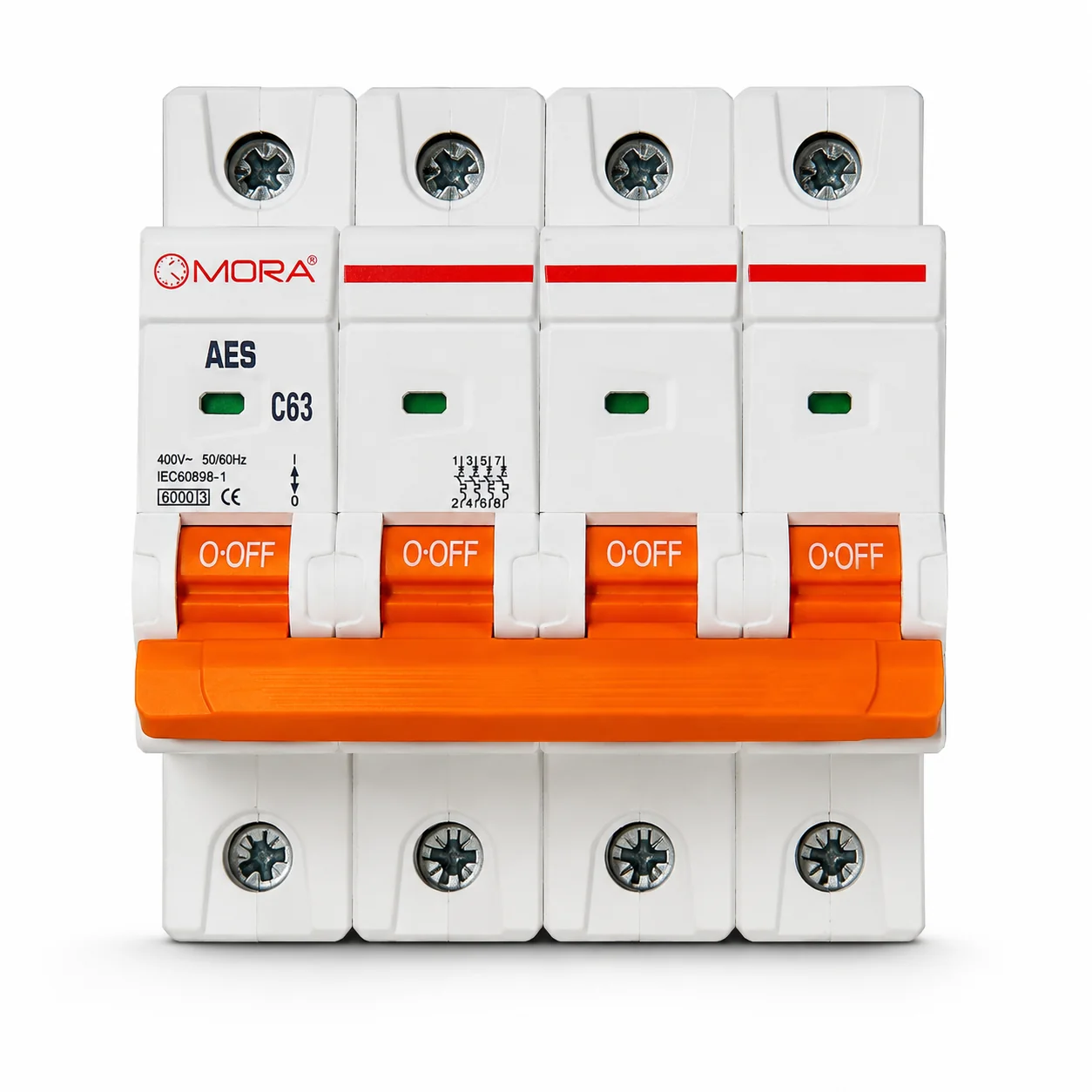
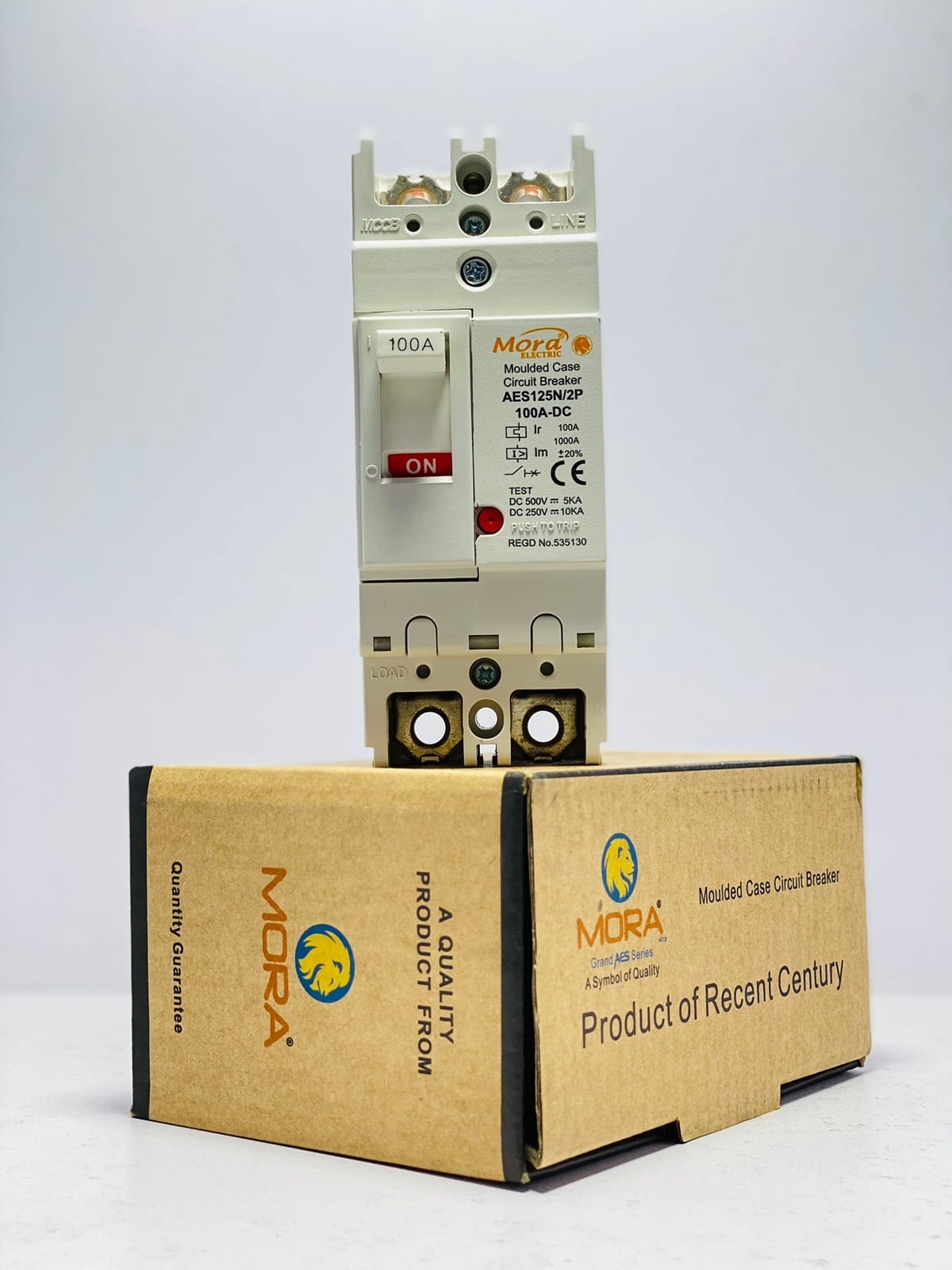
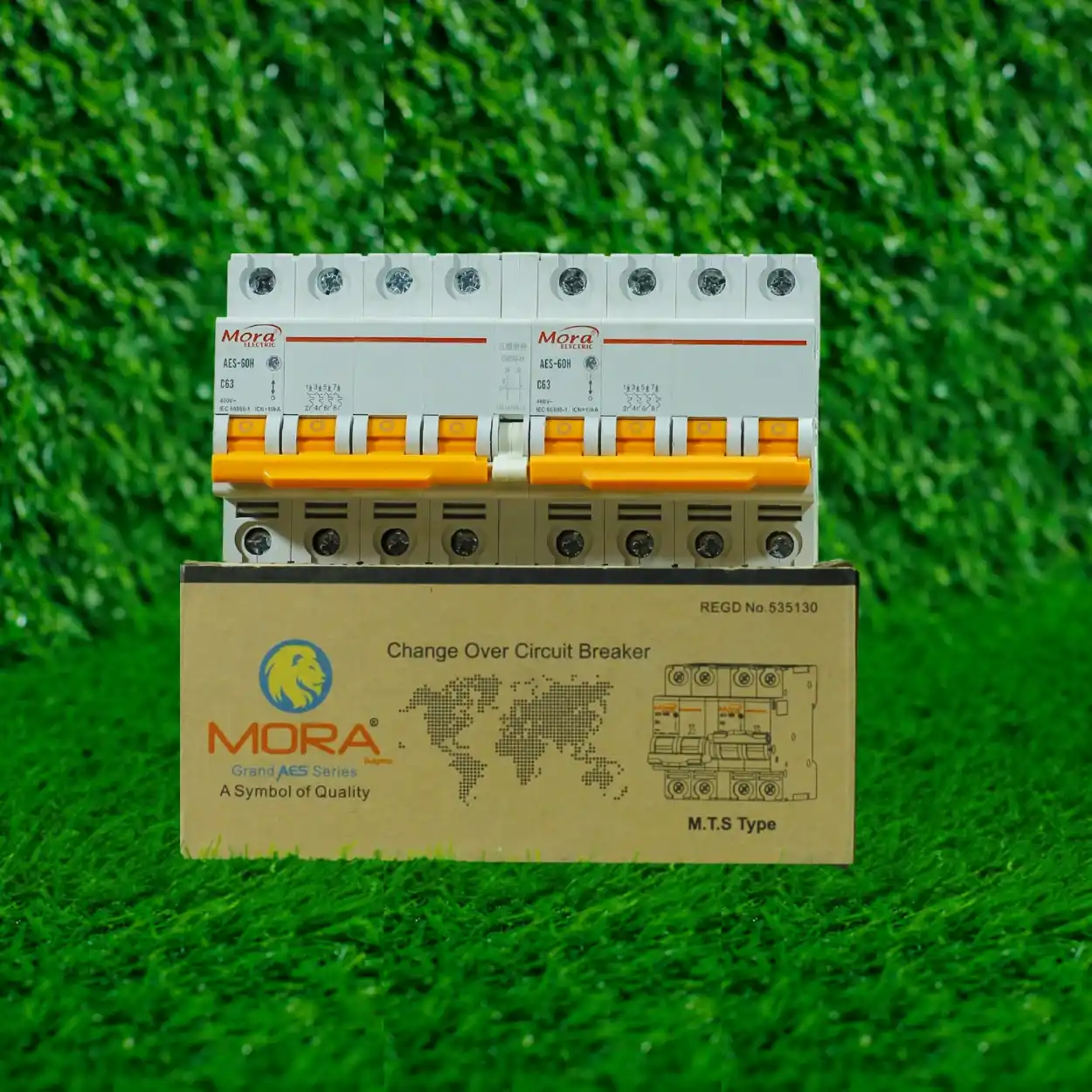
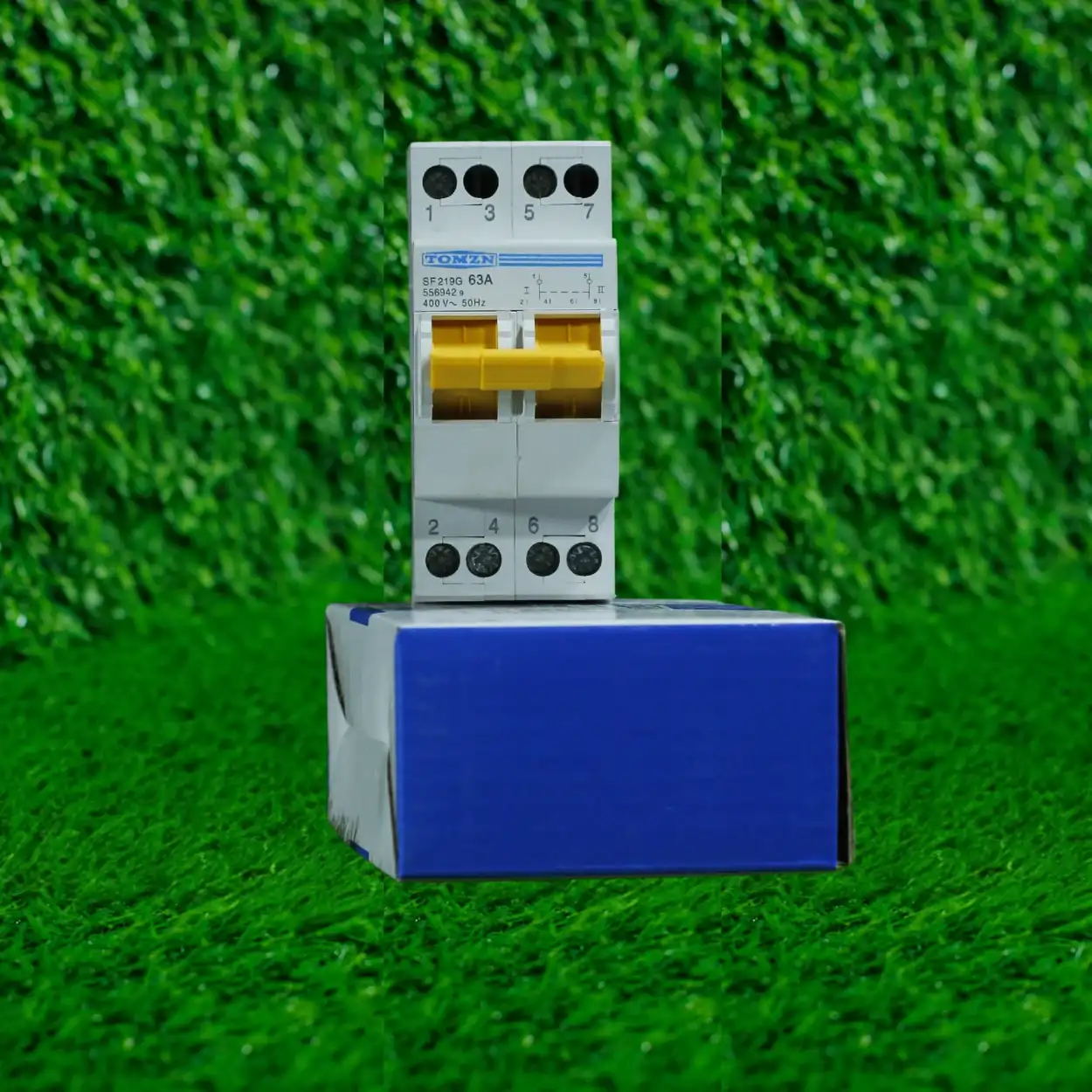
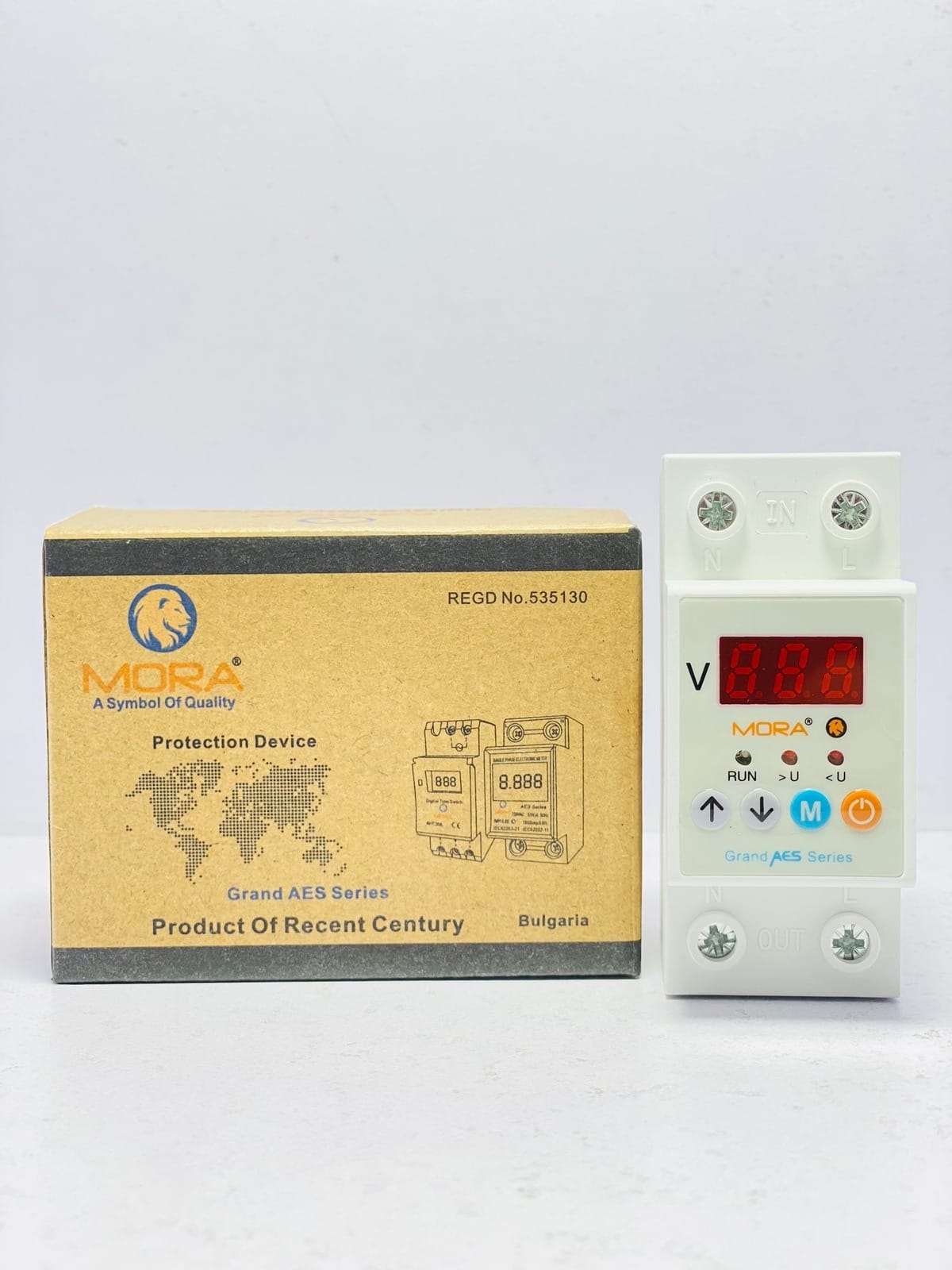
Genuine brands like MORA (built under Bulgarian standards) and better TOMZN models are typically accurate to within 1 to 2 percent because they use proper current transformers and have been calibrated at the factory. When buying, ask for the meter’s class rating. Class 1 or 1.5 is good for residential and small commercial work. Class 2 (±2 percent tolerance) is acceptable but not ideal for consumption verification.
Protection Features Beyond Basic Voltage Monitoring
A proper 3-in-1 unit includes more than just upper and lower voltage thresholds. Look for these:
- Overload protection: Trips if current exceeds a set value (usually 16A or 20A for single-phase models) to stop short circuits or overloaded circuits from damaging the breaker or wiring.
- Frequency monitoring: Detects if the supply frequency drifts far from 50Hz, which can happen when a generator is struggling under load. Some units trip at 48Hz or 52Hz.
- Time delay on reconnection: Prevents rapid on-off-on cycling if the supply is borderline unstable. Usually set to 5 or 10 seconds, so the voltage has to stay in the safe band for that long before the relay closes again.
- Manual reset or auto-reset options: Some units require you to physically press a button to reconnect after a fault. Others reconnect automatically once voltage stabilizes. Auto-reset is more convenient for unattended installations like submersible pumps or generator automatic switching.
On a farm job near Multan where a solar inverter kept tripping due to generator instability, I added a 3-in-1 with a 10-second delay on reconnection. Stopped the nuisance faults entirely because it filtered out the genset voltage wobble that was triggering the inverter’s built-in protection.
Installation and Real-World Integration
These devices are typically installed at the main distribution box, between your incoming supply (from WAPDA or generator) and your downstream circuits. The incoming supply connects to the input terminals, and your distribution box or load connects to the output. The kWh meter measures whatever flows through the output terminals, so it counts all consumption downstream.
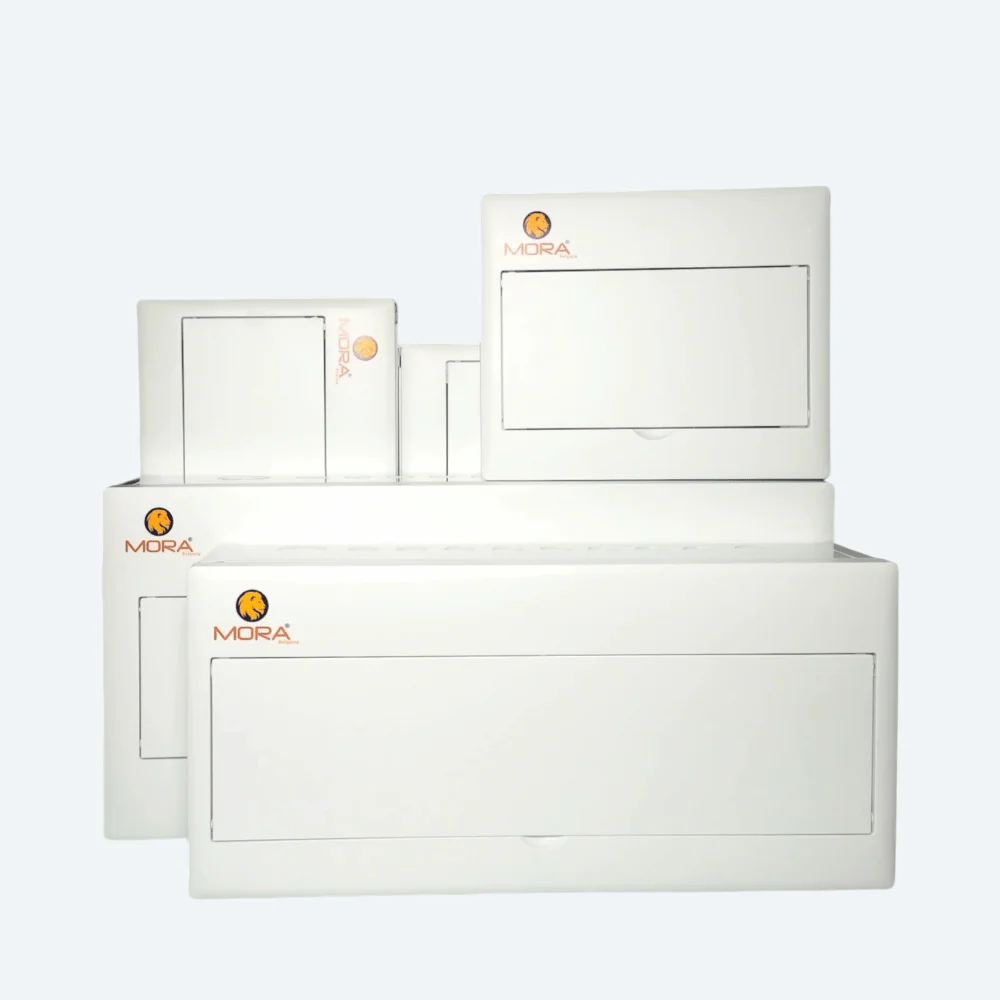
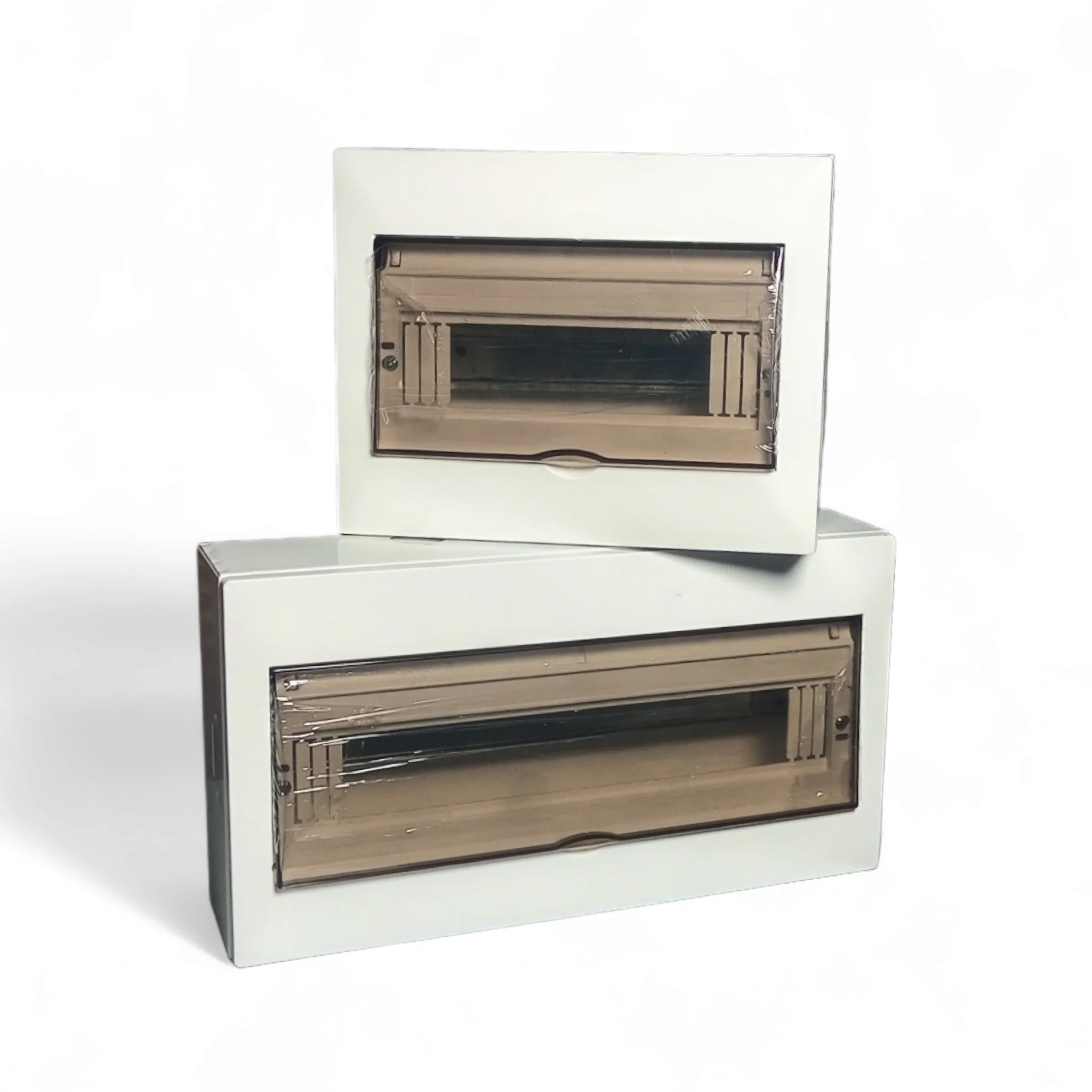
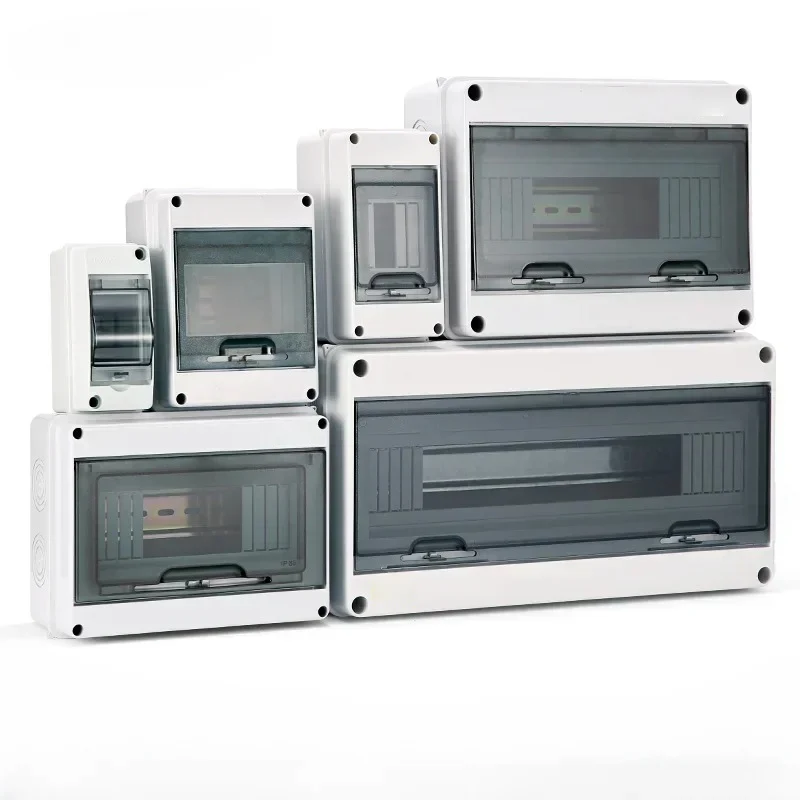
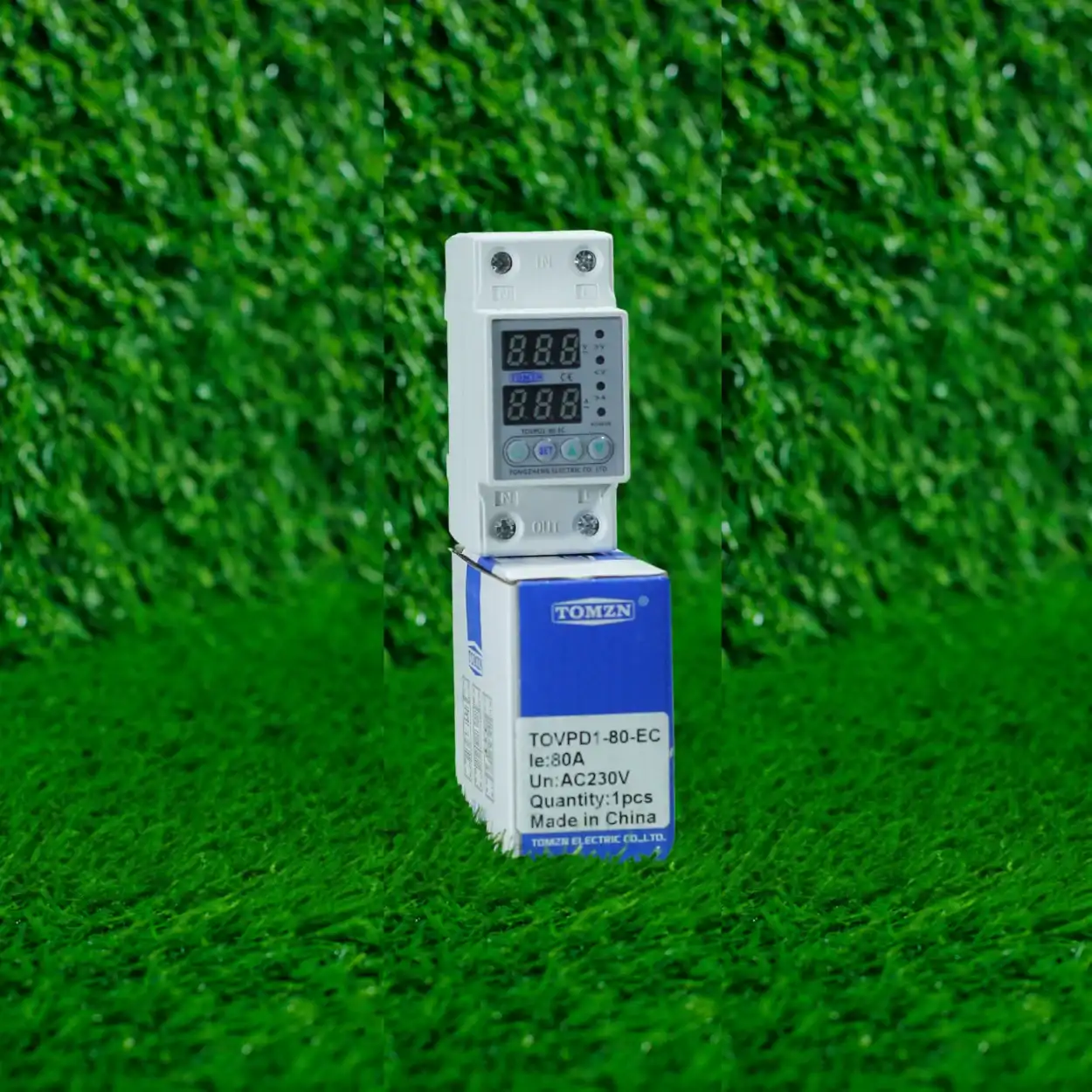
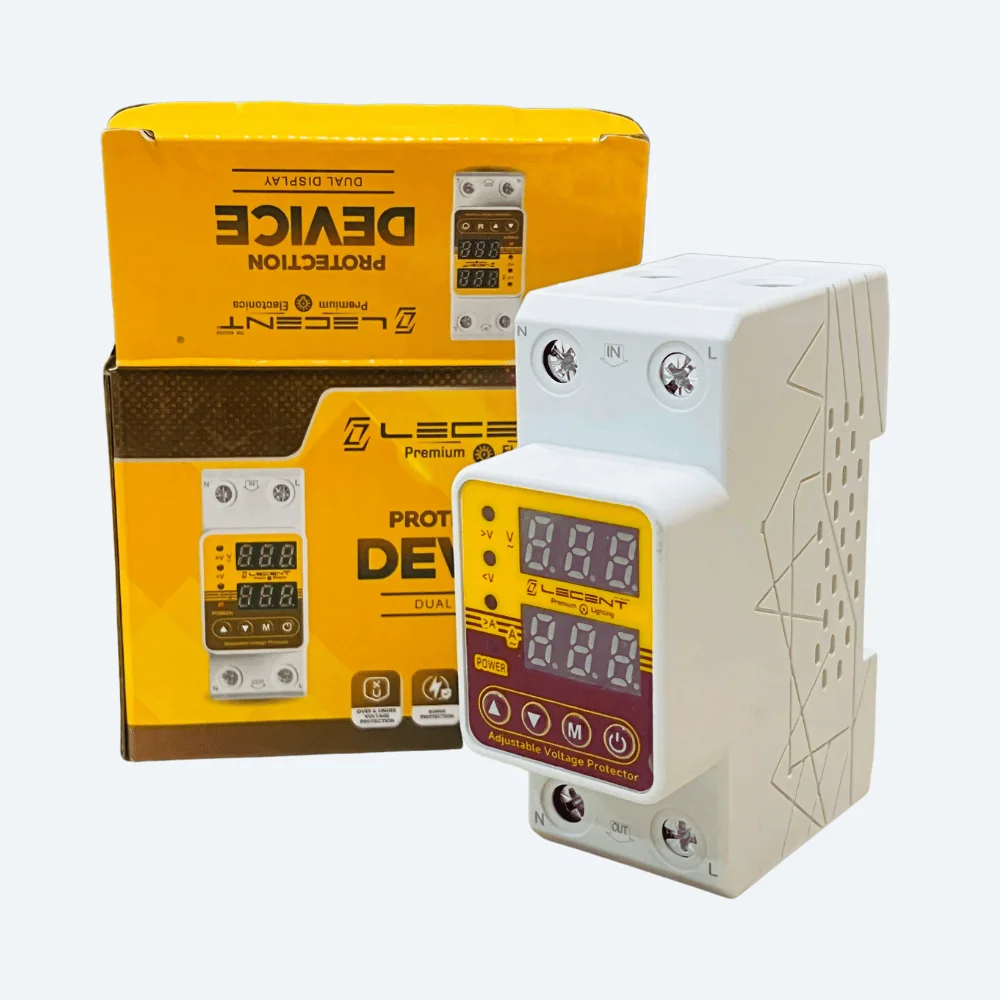
Physically, a single-phase 3-in-1 unit is about the size of a small metal box, sometimes wall-mounted on the side of your distribution panel. It needs a neutral connection and an earth connection. I’ve seen installations where electricians skip the earth connection to save time, then wonder why the device nuisance-trips in dusty, humid conditions (poor earthing allows stray voltage to confuse the relay logic). Always run proper earth.
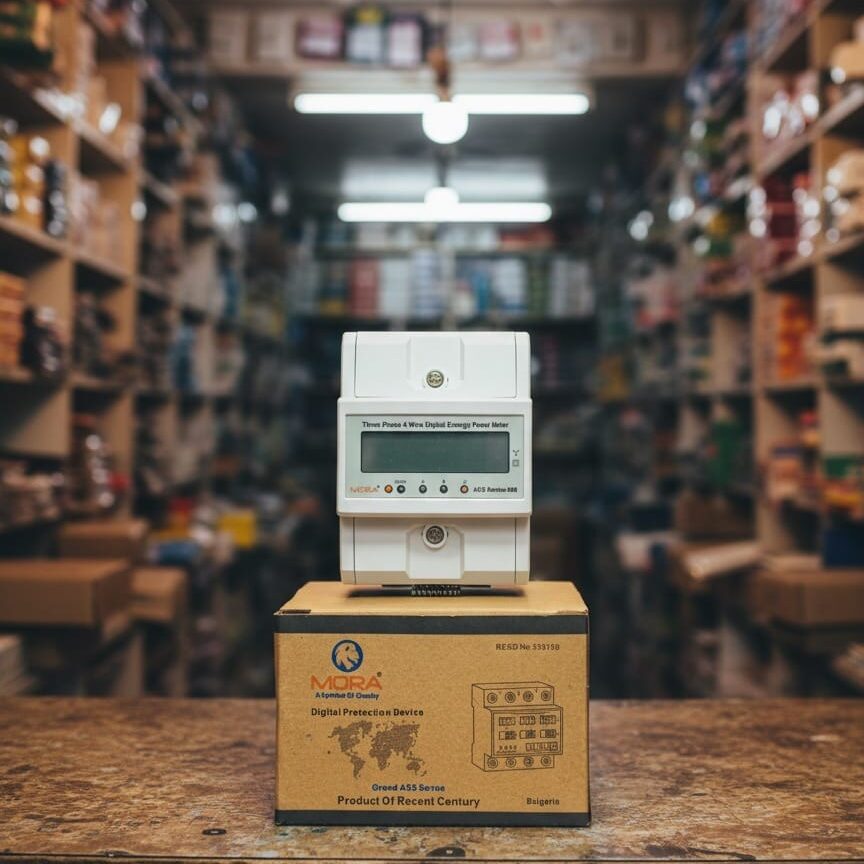
For three-phase installations, you’ll need a three-phase version, which is bulkier and more expensive but works on the same principle. MORA makes both single-phase and three-phase models. On commercial jobs, three-phase is standard because the main DISCO supply and most backup generators are three-phase.
One practical detail: if you’re pairing this with a solar inverter, the 3-in-1 goes on the grid input side, not the inverter output. The inverter’s built-in protections are already there; the 3-in-1 protects the inverter from grid faults and tracks consumption that comes from the grid during low-sun hours. It doesn’t monitor the solar output itself (you’d need a separate DC meter or a hybrid inverter with built-in monitoring for that).
Comparing Device Quality and What to Actually Buy
The market has three tiers. Bottom tier is pure knockoff: plastic housing, no proper relay (uses a solid-state switch that fails after a few hundred cycles), meter is wildly inaccurate, and the voltage thresholds drift with temperature. I’ve seen these priced at 3,500 to 5,000 PKR. They’ll work for a few months, then either stop tripping when they should or refuse to reconnect. Not worth the money.
Mid-tier devices (7,000 to 12,000 PKR) have proper electromagnetic relays, reasonable meter accuracy (within 2 to 3 percent), and adjustable thresholds that hold their calibration. TOMZN and some generic Pakistani brands sit here. They’ll last several years if the environment is clean. Dusty locations (near roads, farm sites) can cause relay sticking because the contact gets coated with fine particles.
Top tier (14,000 to 22,000 PKR) means MORA or equivalent brands with certified components, hermetically sealed relay compartments, better meter chips, and design that handles Pakistani heat and dust. A MORA device I installed in a warehouse in Dera Ghazi Khan in 2015 is still running without a hiccup, and the meter readings match the actual consumption verified against the DISCO bills almost exactly.
Buy based on your site conditions and how long you want the device to last. For a rented apartment where you won’t be there in two years, mid-tier is fine. For a home or business you own, or for any industrial site, invest in the better brand. The meter accuracy alone pays for the difference if you’re using it to track solar savings or verify bills over time.
When shopping, check that the unit displays voltage, current, and kWh simultaneously or at least in quick succession on the display, not buried in a menu you need a button sequence to access. On a noisy job site or in dim light, having real-time numbers visible at a glance makes troubleshooting actually possible. Brands like MORA and quality TOMZN models do this; cheaper units often make you scroll through menus.
When This Device Saves You Money and When It Doesn’t
A 3-in-1 protector is essential if your supply is unstable (voltage swings, frequent brownouts, load-shedding with generator backup) and you have electronics worth protecting. That’s most urban and semi-urban Pakistan. If you’re in a very stable area (rare, but it exists in some elite Lahore neighborhoods with dedicated transformer and low population density), the voltage protection part might rarely activate, but the meter still earns its cost by letting you track consumption.
The device doesn’t protect against transient spikes caused by lightning or switching surges if they’re very fast (microsecond-scale). For that, you’d add a separate surge and voltage protection device upstream. Think of the 3-in-1 as guarding against sustained over-voltage and under-voltage, not millisecond impulses.
It also won’t help if your problem is poor earthing, low neutral resistance, or phase-neutral imbalance in your wiring. Those cause voltage instability too, but the 3-in-1 will just keep tripping until the wiring is fixed. I’ve had customers blame the device when the real issue was a loose neutral connection at the meter. Get a proper voltage meter and check both line and neutral voltages at the main board before assuming you need a protector.
Real Installation Example: Lahore Residence with Solar and Generator
A client in Model Town, Lahore had a 5kW solar system and a 5kW diesel generator as backup. LESCO supply was present but unstable, with evening voltage rising to 245V+ during low-load periods. The client’s inverter was tripping due to over-voltage faults. Solution: install a 3-in-1 protector (MORA model, 20A) between the LESCO input and the grid input of the hybrid inverter, set to upper threshold 240V and lower threshold 185V. The kWh meter on it tracks grid consumption (at night when solar is off and the generator is idle, as a backup measure). Result: no more inverter trips, and the client can now see exactly how much grid electricity they’re actually using versus what they’re generating and consuming from batteries. The meter showed 8 to 10 kWh per day from LESCO, down from 20 kWh before solar was added. That visual feedback changed their awareness and they reduced AC consumption further.
Cost was about 16,000 PKR for the device. The inverter replacement alone would have been 150,000+ PKR. Protection paid for itself in one fault avoided.
What to Specify When Ordering
If you’re buying a 3-in-1 from HN Electric or any supplier, you need to decide:
- Single-phase (230V) or three-phase (400V): Most residential and small commercial is single-phase. Three-phase for larger commercial, industries, and farms.
- Ampere rating: 16A, 20A, 25A, or 32A depending on your main breaker size. If your meter/DISCO connection is 20A, order the 20A model. Don’t oversizing unnecessarily; a 32A model on a 20A meter means you’re not getting full protection.
- Upper and lower voltage thresholds: Ask your supplier what their default settings are and whether they’re adjustable. Some come preset and locked; better ones have potentiometer knobs you can turn to fine-tune. For Pakistan, defaults are usually 180V lower and 245V upper, which is reasonable for most areas.
- Auto-reset or manual reset: Auto is better for unattended loads like pumps. Manual reset is more deliberate for critical loads where you want to inspect before reconnecting.
- Meter type: LCD or LED display, class rating if specified. Request a model with multi-parameter display (voltage, current, frequency, power factor visible) not just kWh.
Once you’ve ordered, ask the supplier to confirm the meter is calibrated and has been tested. Legitimate brands do this; counterfeit units sometimes leave the factory uncalibrated and the readings are rubbish from day one.
A 3-in-1 voltage protector with kWh meter isn’t a luxury accessory in Pakistan. It’s practical infrastructure that keeps your investment in appliances and electronics safe while giving you actual data about consumption. The key is buying quality, installing it correctly with proper earthing, and setting the thresholds to match your actual supply conditions, not some generic preset.