










Voltage and Current Protectors Stop Equipment Damage Fast

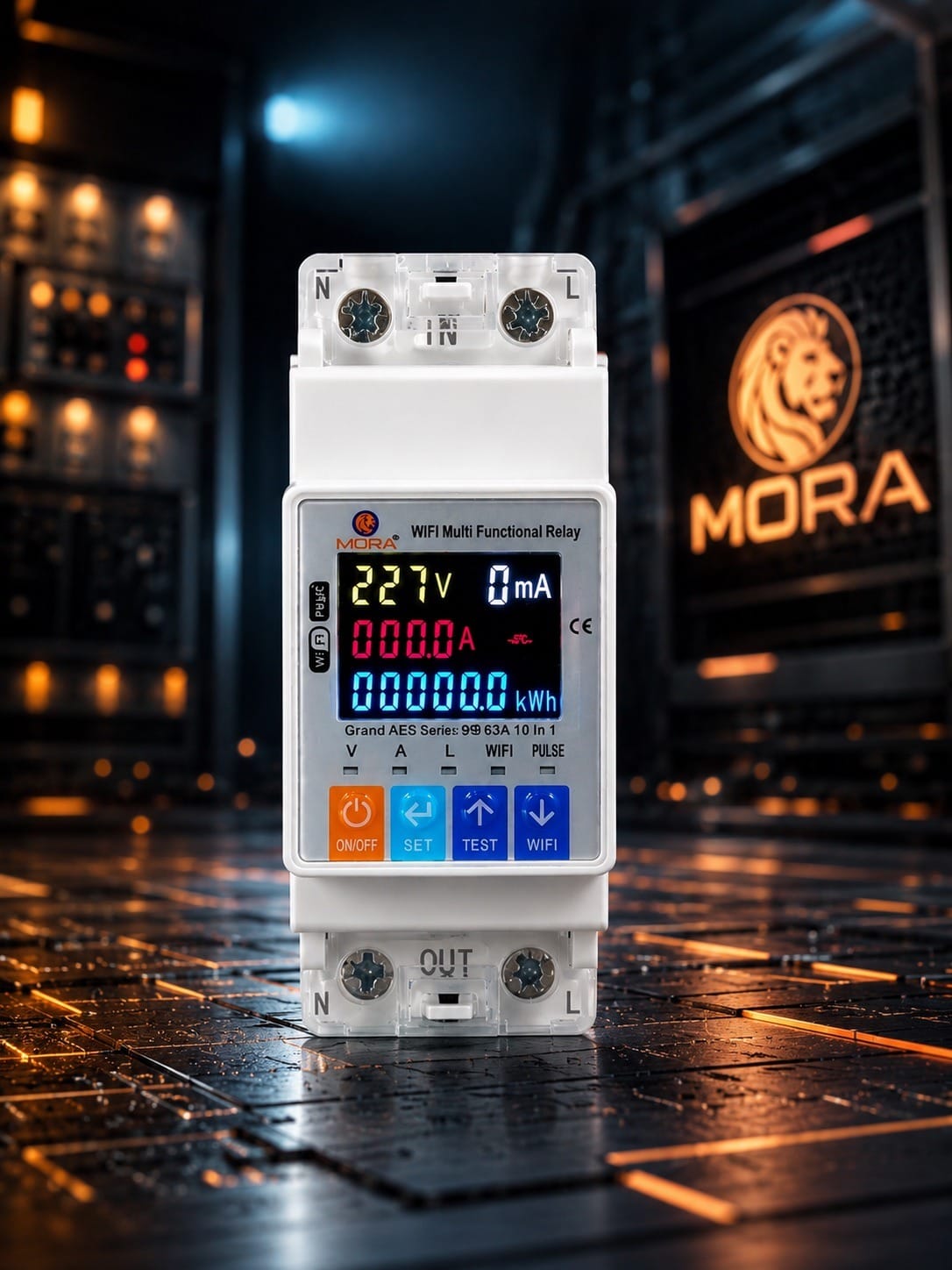
The Problem You’ll Actually Face
Last month a customer brought in a burned-out inverter and a dead refrigerator compressor from the same power surge. WAPDA supply in Lahore had spiked to 260V during load-shedding restoration, then dropped to 180V three hours later. His AC unit tripped offline, but his inverter’s internal protection was already compromised. He’d bought the cheapest UPS available and skipped surge protection entirely. Within six weeks, both appliances were scrap.
That’s the exact scenario a proper adjustable voltage and current protector prevents. Not just the obvious spike damage, but the slower wear that kills equipment long before it fails catastrophically.
What an Adjustable Protector Actually Does
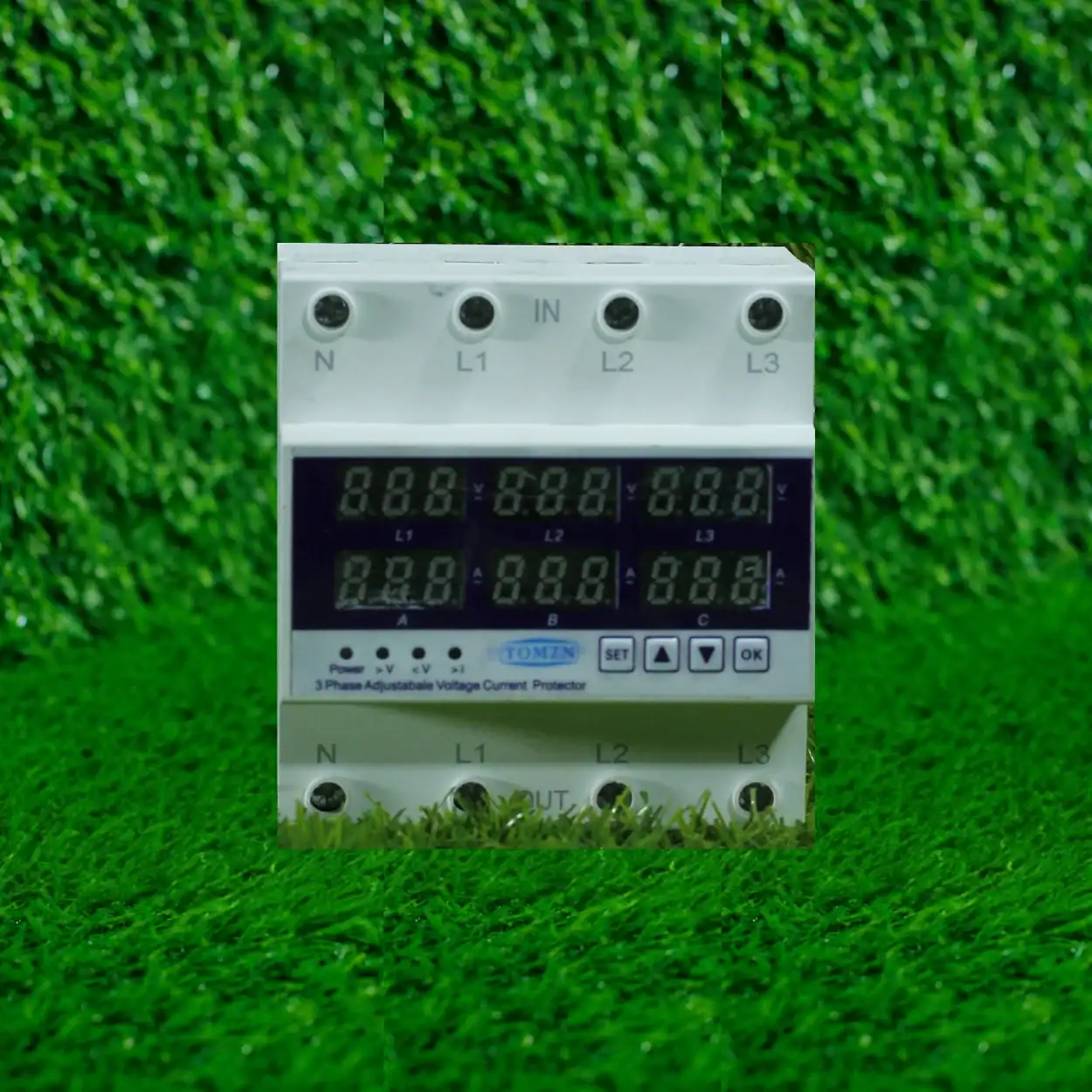
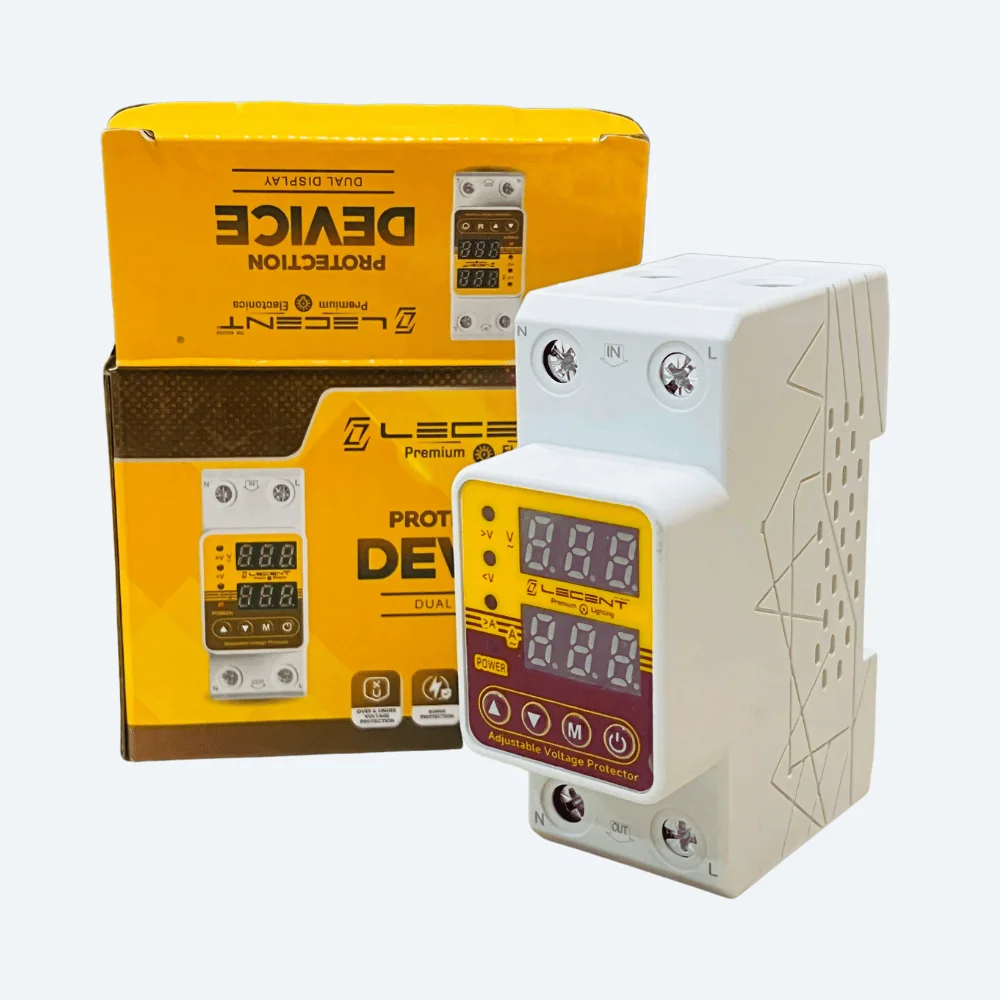
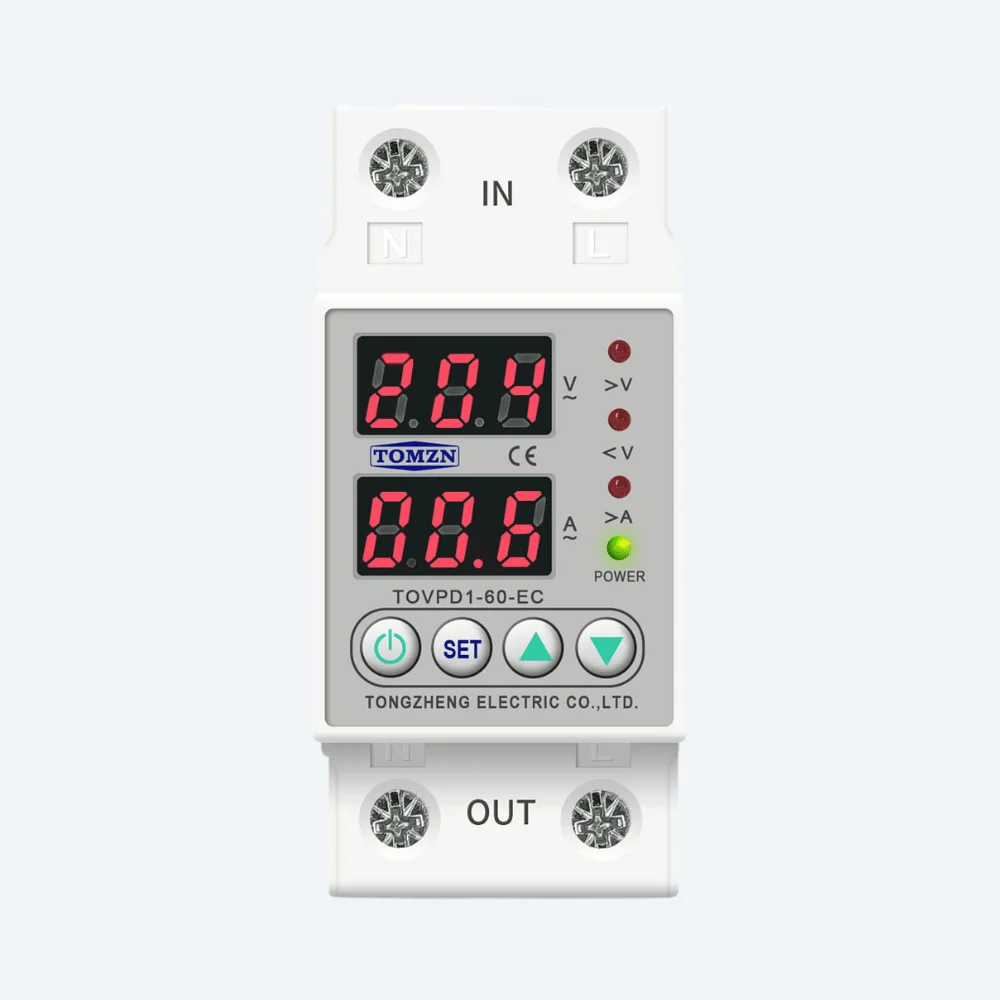
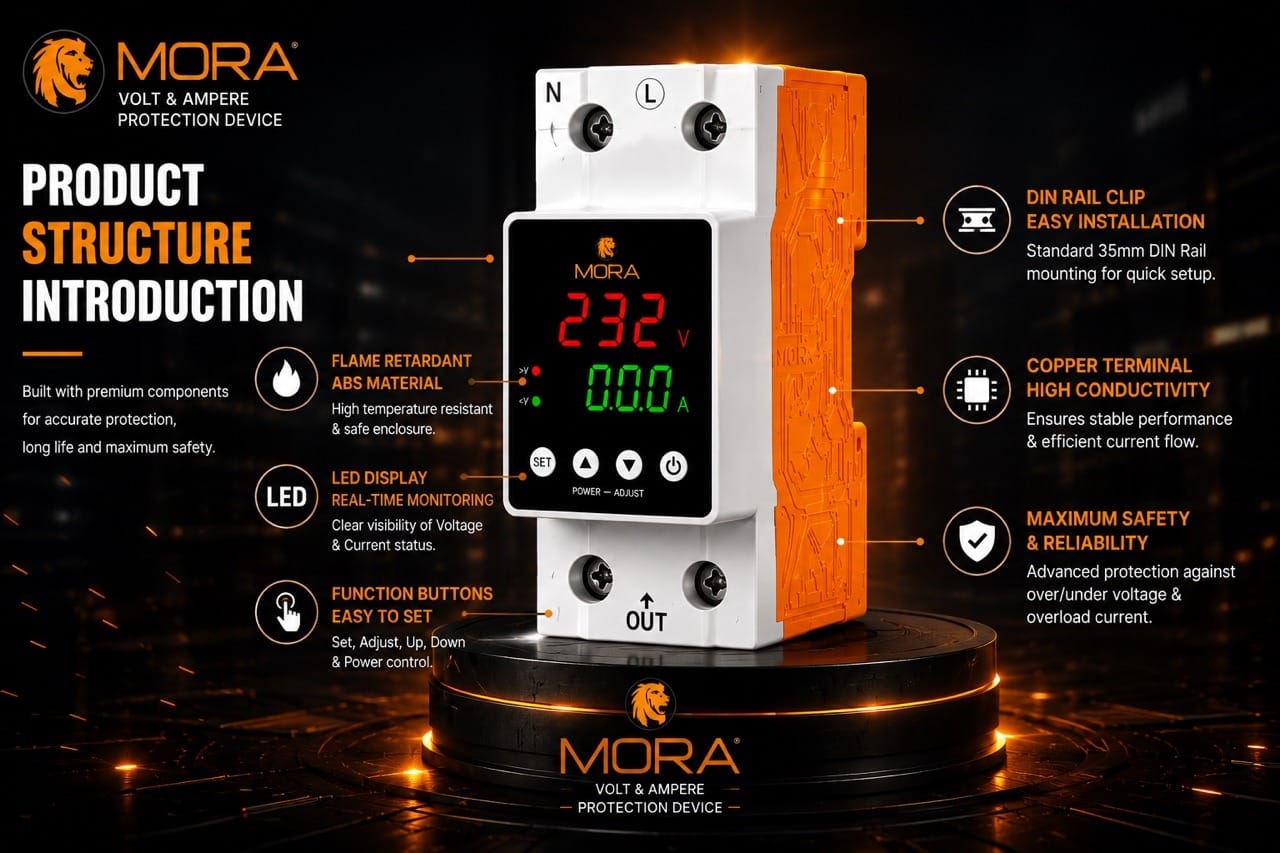
An adjustable voltage and current protector sits between your supply and your equipment, actively monitoring two things: the voltage coming in and the current flowing through. When either one moves outside safe limits, the device either throttles the power or disconnects the load instantly, depending on how you configure it.
The key word is adjustable. Unlike fixed protectors that trip at one set point, these let you dial in the exact voltage and amperage limits for your specific equipment. A 1.5-ton AC unit needs different protection than a solar inverter or a poultry farm’s feed compressor. One-size-fits-all doesn’t work in Pakistani conditions where WAPDA voltage can swing 180V to 260V on the same feeder.
Here’s what happens inside: the protector continuously samples the incoming voltage. When it exceeds your upper limit, a relay trips and opens the circuit. When it falls below your lower limit, the same thing happens. The amperage monitoring works similarly, protecting against short circuits or overload situations that would otherwise burn internal wiring.
Why This Matters in Pakistan Specifically
In American homes with stable utility voltage around 240V plus or minus 5%, surge protectors are a commodity. Here, WAPDA supply routinely swings 15-20% from nominal 230V, especially in older neighborhoods or during peak evening load. Generators add their own voltage vagaries. Solar systems introduce DC-side voltage instability during load transitions. And load-shedding creates the worst scenario: when power suddenly returns after several hours offline, that inrush surge can be extreme.
I’ve seen refrigerators fail not from one catastrophic spike, but from 200 minor voltage swings over a season. The compressor can’t maintain stable operation, thermal cutouts fire repeatedly, and the motor’s insulation degrades. An adjustable protector prevents that wear by keeping voltage steady inside its set window, typically 200V to 250V for household equipment in Pakistan.
How Current Protection Stops Different Failures
Voltage protection gets the attention, but current protection is equally critical. When you set an amperage limit, you’re essentially saying “if this appliance tries to draw more than X amps, disconnect it immediately.”
Why would equipment try to draw excess current? Short circuits are obvious, but more commonly, a failing compressor motor or pump will draw 2-3 times normal current as its bearings seize slightly or windings begin to short internally. A standard circuit breaker won’t trip fast enough to save it. An adjustable current protector can be set to 120% of normal load, so any abnormal draw triggers instant disconnection before heat builds up in the motor windings.
On solar installations, current protection is essential on the DC side. A failed charge controller can backfeed excessive current into your battery bank, causing thermal runaway. An adjustable DC protector sized for your specific inverter and battery amp-hour rating prevents that scenario entirely.
Real Failure Modes I’ve Debugged
On a poultry farm near Okara, the farmer’s 5kW inverter died after three months. No obvious surge, no blown breaker. Investigation showed the solar array was feeding 65 amps into the controller during peak sun, but the controller’s input protection was rated for 50A. Tiny voltage spikes happened constantly as clouds moved. An adjustable 60-amp current protector on the array input, with voltage window set tight at 395-405V (three-phase), would have kept that controller alive for years.
Another job in Defence: apartment dweller installed an expensive Japanese air conditioner but didn’t add voltage protection. Over four months, repeated WAPDA fluctuations degraded the compressor’s winding insulation. When he finally powered it on during a cool spell, it drew 22 amps instead of 12 and tripped the main breaker. The compressor was already internally shorted by that point. A voltage-locked protector set to 210-250V would have shut the AC off during any sag, preventing silent insulation damage.
Adjustable Protector Types in the Market
You’ll see several configurations depending on your load type and budget.
Relay-based protectors are the most common and cheapest. A solenoid relay holds the circuit closed as long as voltage stays in range. If voltage moves outside limits, the relay de-energizes and contacts open. They’re rugged, rarely fail, and work on 230V single-phase or 380-400V three-phase. The trade-off: they have a slight delay (typically 100-500ms) before they trip. For most appliances that’s fine. For sensitive electronics like inverter controllers, it’s barely noticeable.
Electronic protectors with relay output use an analog or digital sensor to monitor voltage and current, then trigger a relay to disconnect. These can be faster and offer more precise adjustment, but they’re more expensive and sometimes finicky in high-temperature or dusty environments (a real issue in Pakistani warehouses and open poultry sheds).
Solid-state protectors use thyristor or triac switching instead of mechanical relays. They’re faster and produce no arcing, but they’re overkill for most residential and small commercial loads and cost significantly more.
For typical household use in Lahore, a relay-based adjustable protector in the 10-20A range for single-phase loads is the sensible choice. For three-phase industrial or farm equipment, you need a three-phase protector rated for 30-60A depending on the motor.
Setting the Right Limits for Your Equipment
This is where experience matters. You can’t just guess.
Start with the equipment’s nameplate. If your AC says “230V, 50Hz, 8A,” that tells you the unit is designed for that nominal voltage and current. Your protector lower voltage limit should be around 200V (WAPDA minimum safe level for most appliances without degradation). Upper limit around 250V (maximum safe without risking component breakdown). Current limit around 10-12A to give some headroom for startup surge but catch bearing trouble before the motor burns out.
For a 1.5kW solar inverter on 48V DC, the upper voltage might be 58V and lower 40V (most MPPT controllers shut down below 40V anyway). Current limit depends on battery capacity and array size, typically 60-80% of the array’s short-circuit current.
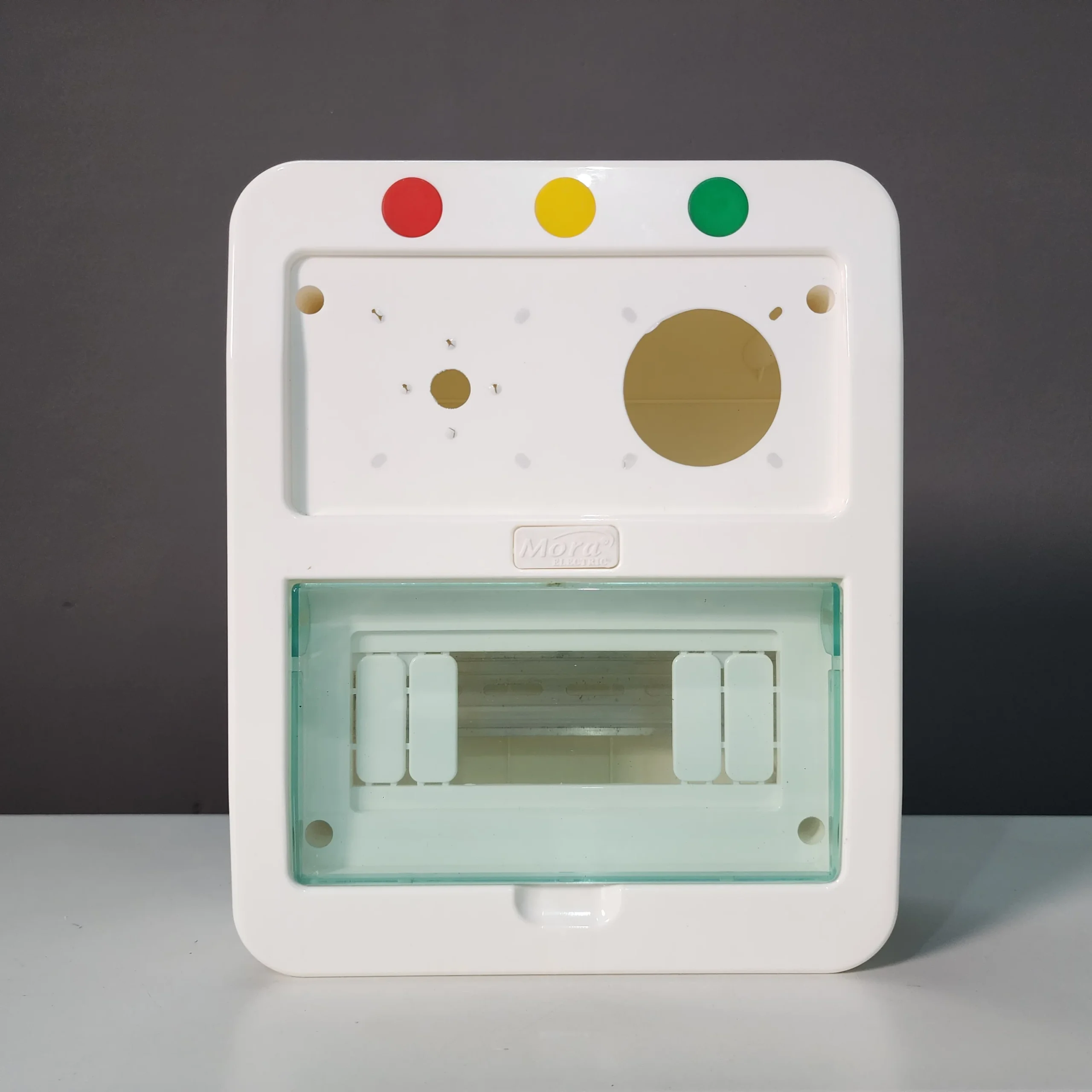
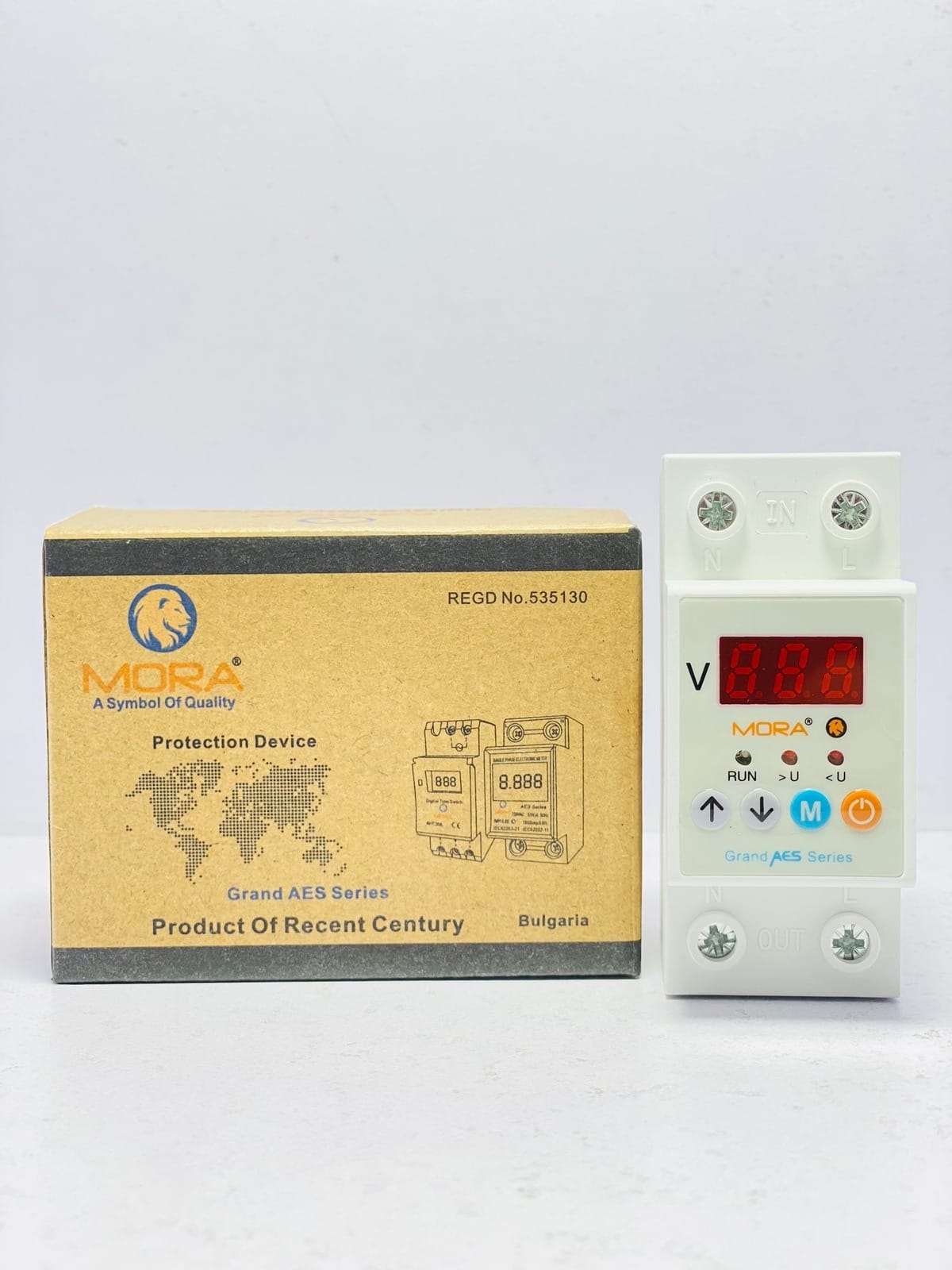
Don’t just copy settings from another installation. Load characteristics vary. If you’re unsure, consult the equipment manual or ask the supplier. A digital voltmeter like the MORA Bulgaria model lets you log actual voltage at the socket for a week and see the real swing, which informs better limit settings.
Installation and Ongoing Monitoring
A protector goes between the source and the load. For a single appliance, that means between the wall socket and the device’s plug, or between the breaker and the appliance if it’s hardwired. For a whole-house or panel-level installation, it goes in the main distribution box before the load circuits.
Never bypass or disable the protector to avoid nuisance trips. If it’s tripping frequently, the voltage or current limits are set wrong, or the supply itself is unstable enough to need investigation. One customer complained his protector kept shutting off his AC on hot afternoons. Turns out his apartment’s supply was actually dropping to 195V during peak load hours on his street. The protector was working correctly; the real problem was the DISCO transformer was undersized. Once he complained to the utility and they upgraded the transformer, everything stabilized.
Check the protector’s relay or sensor connection every few months, especially in dusty environments like workshops or farms. Dust on the voltage sensor can cause erratic tripping. A quick visual inspection takes two minutes and saves expensive false disconnections.
Sizing for Common Loads
Here’s a quick reference based on what I encounter most often in Lahore and Punjab installations:
- Window or split AC (1-1.5 ton): 10-15A adjustable protector, 200-250V voltage window, IP43 or better for dust
- Refrigerator/freezer: 8-12A protector, 210-250V, sensitive current setting around 110% of nameplate
- Solar inverter (3-5kW): Pair this with surge protection on AC output and a separate DC-side protector on the array/battery input
- Water pump (0.5-1.5kW single-phase): 6-10A protector, 190-250V, current limit at 120% of nameplate to catch bearing wear early
- Poultry farm ATS and backup load: Three-phase protector 30-60A, 360-420V window (accounting for 380V nominal), current set based on connected motor capacity
Why Brand and Quality Matter Here
The market is flooded with cheap Chinese protectors that adjust in theory but drift after a few weeks of heat and humidity. I’ve opened dozens of failed units and found corroded relay contacts and capacitors that lose their voltage calibration.
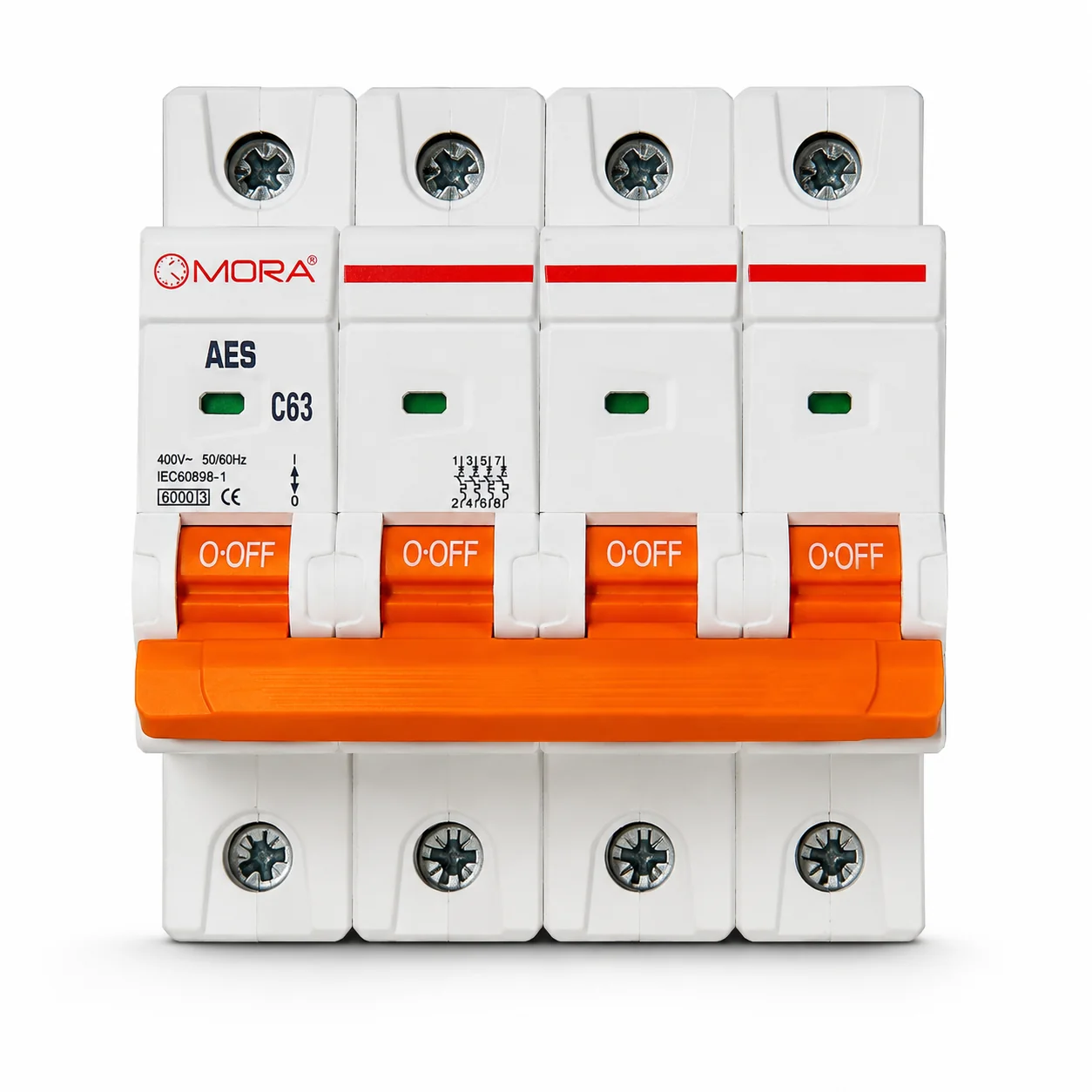
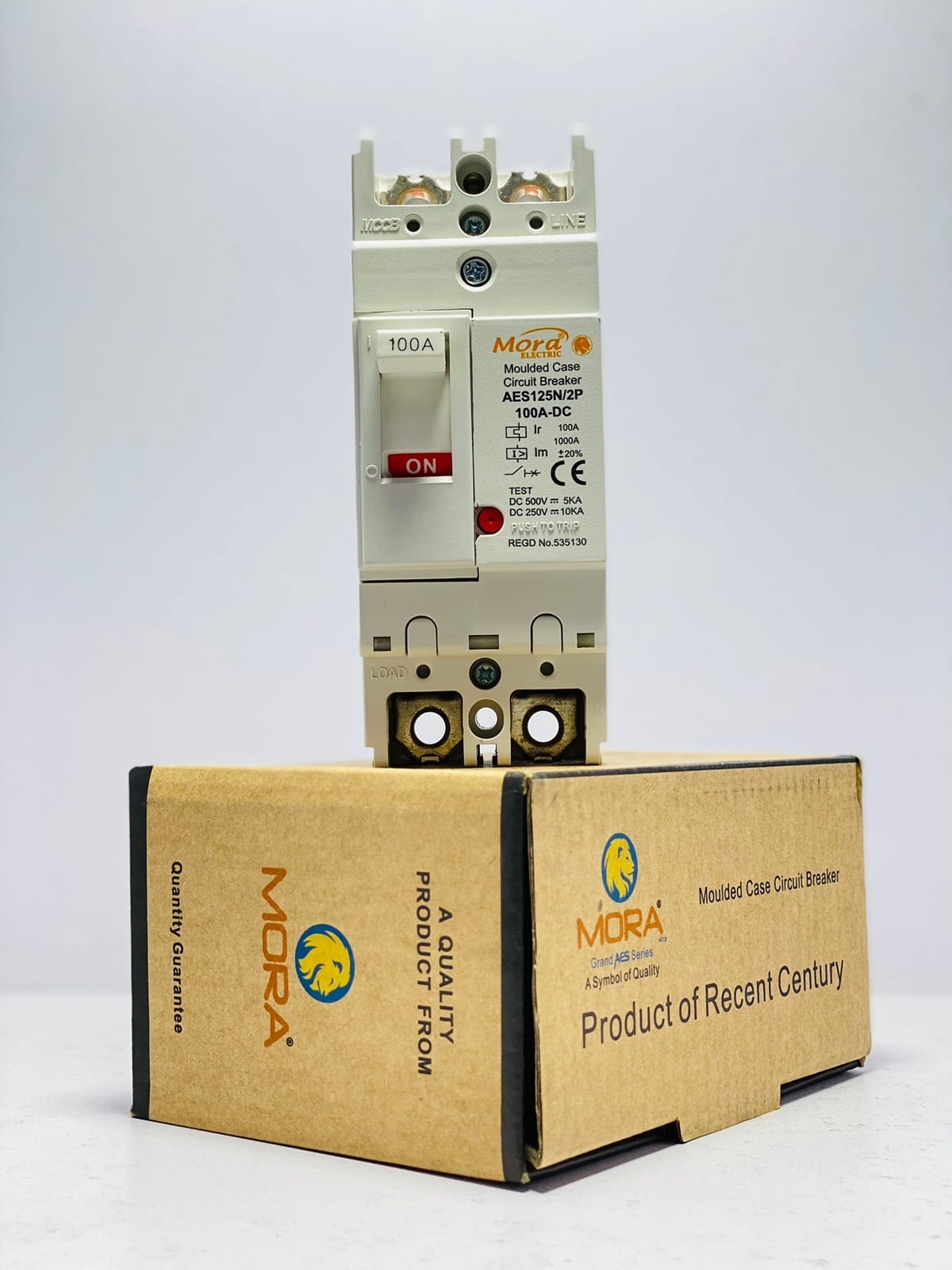
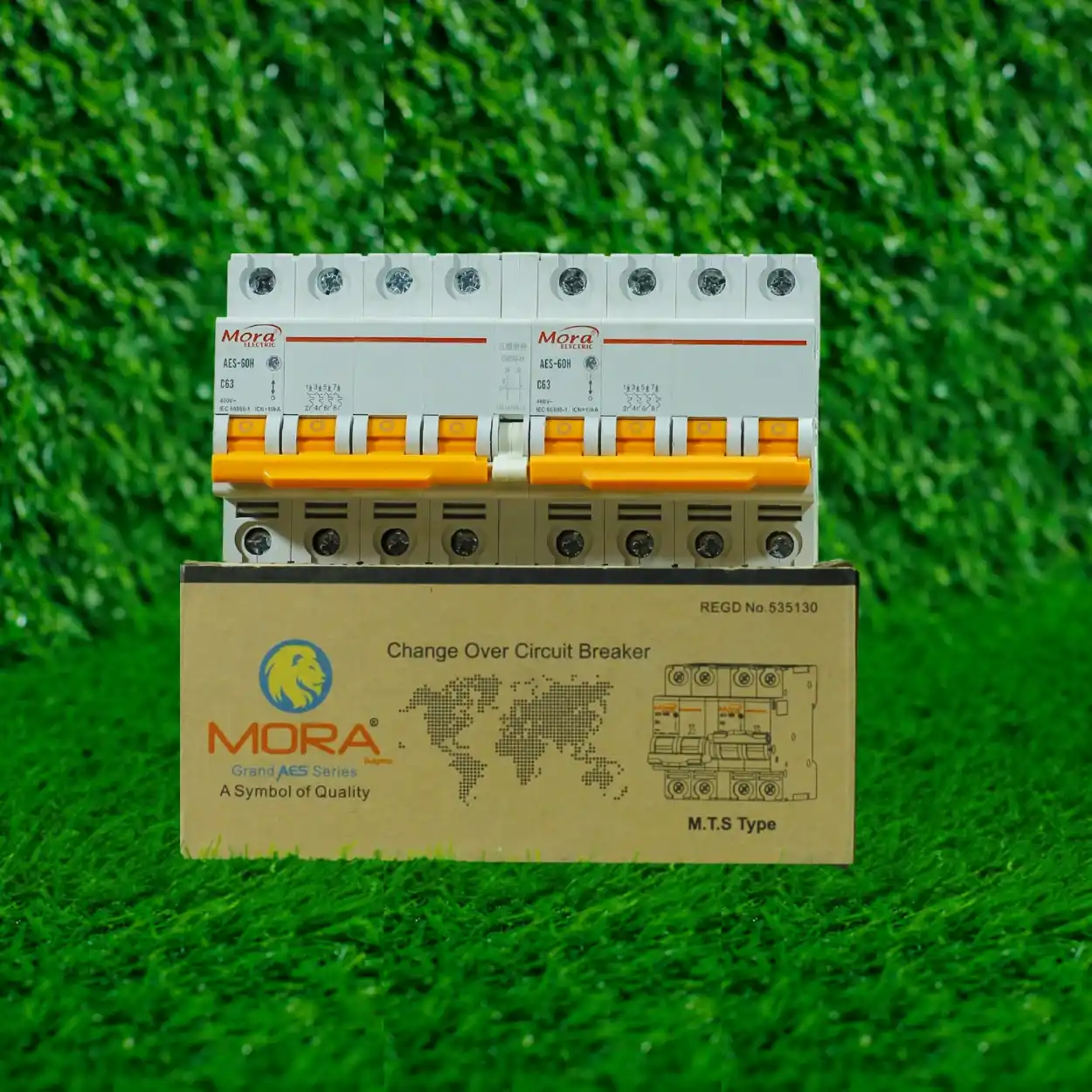
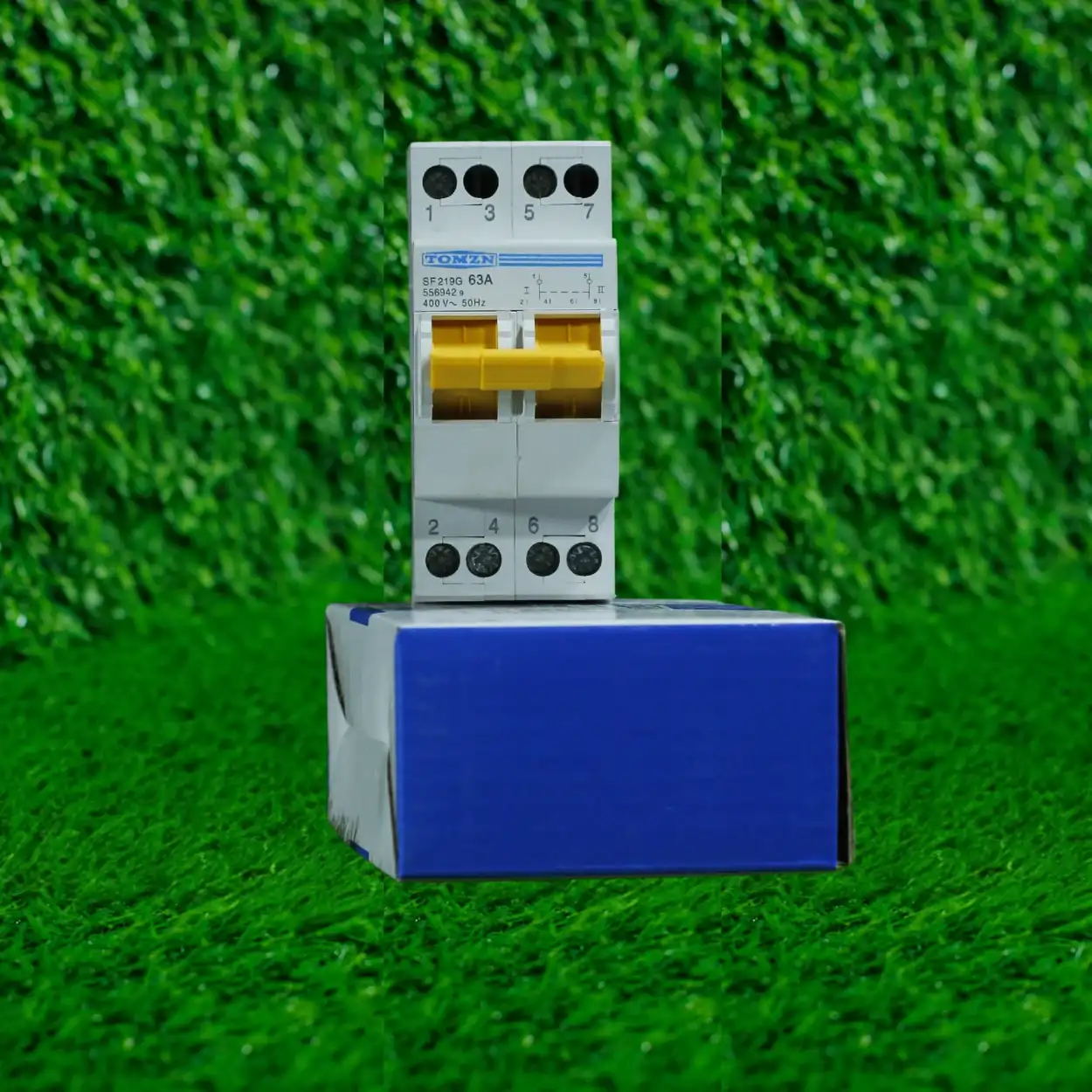
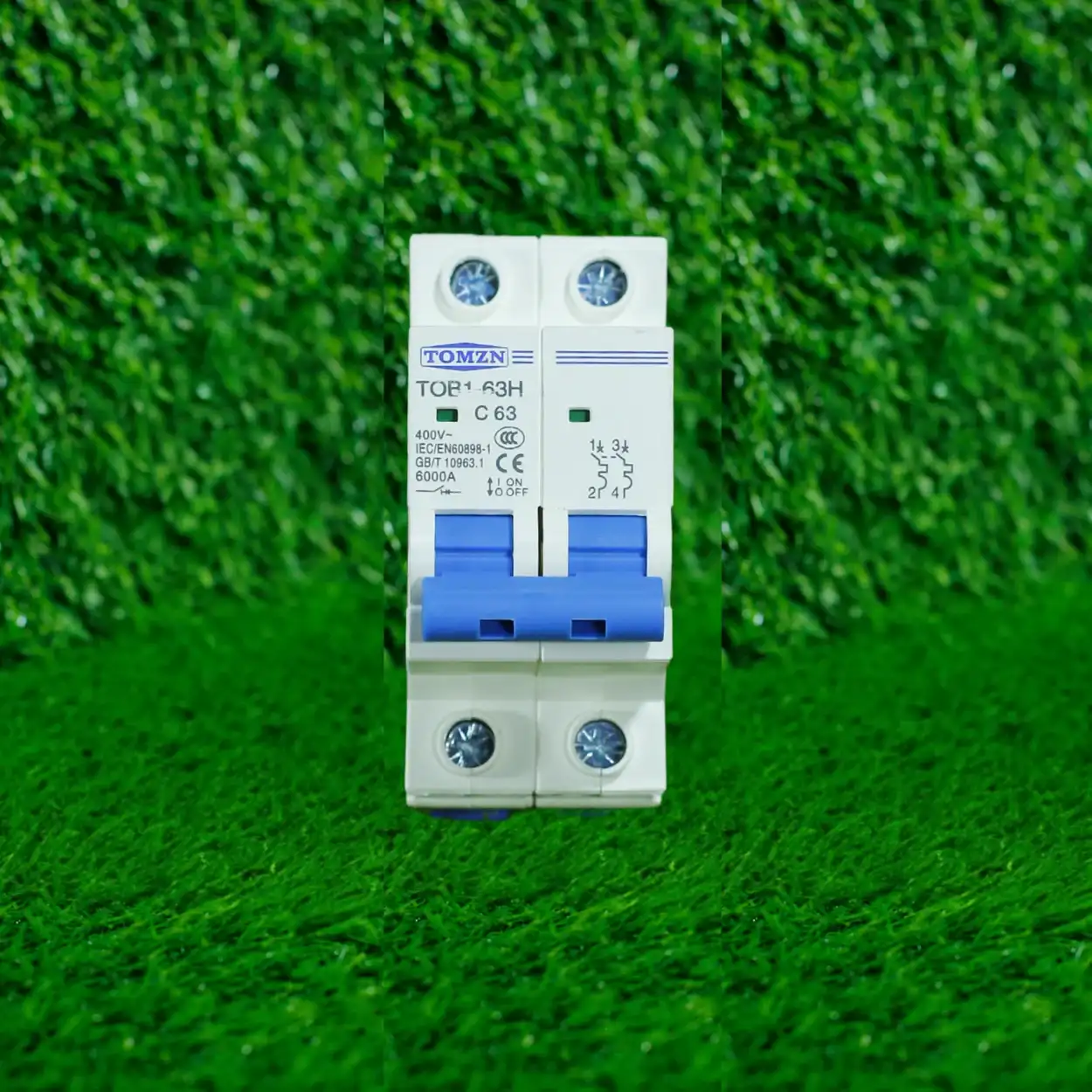
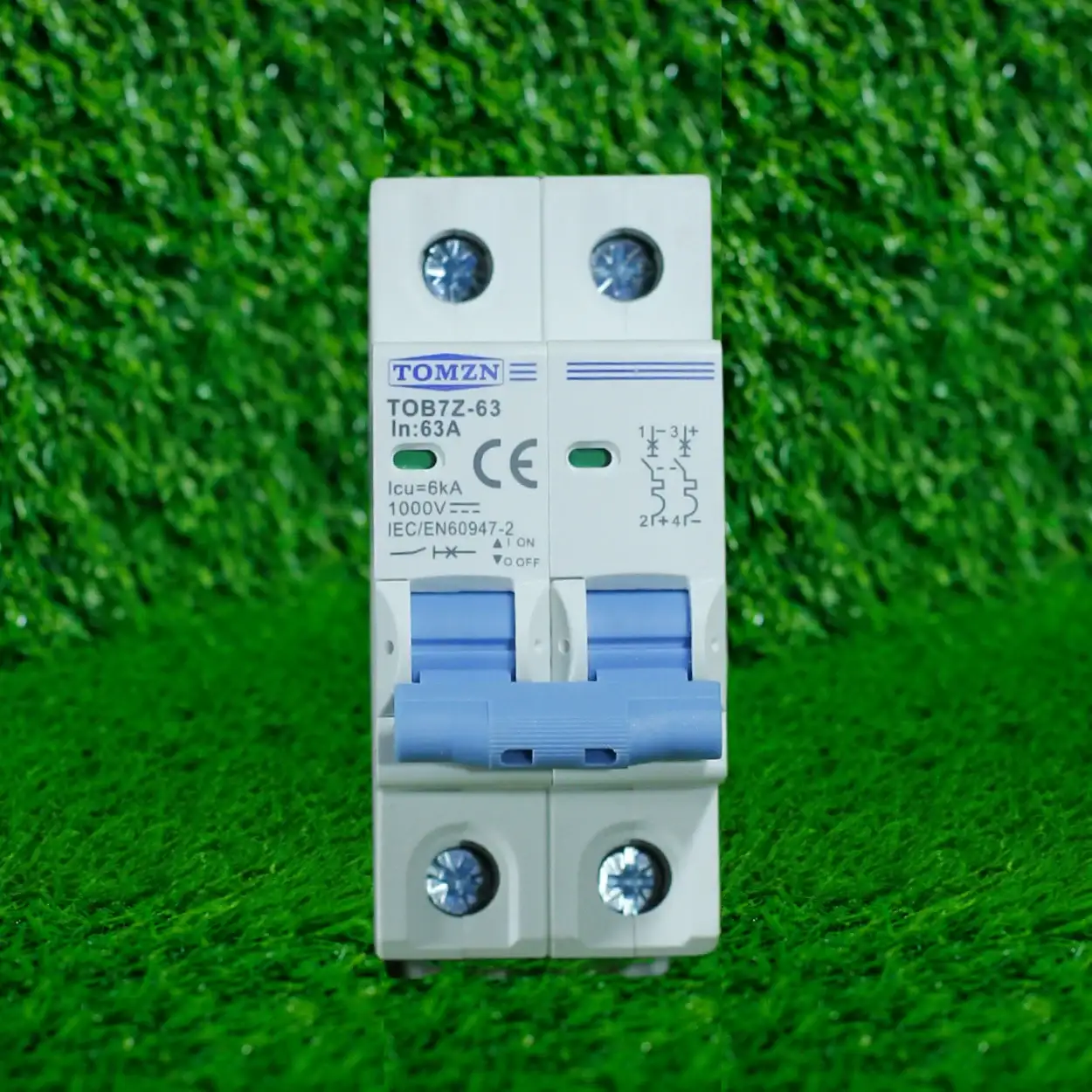
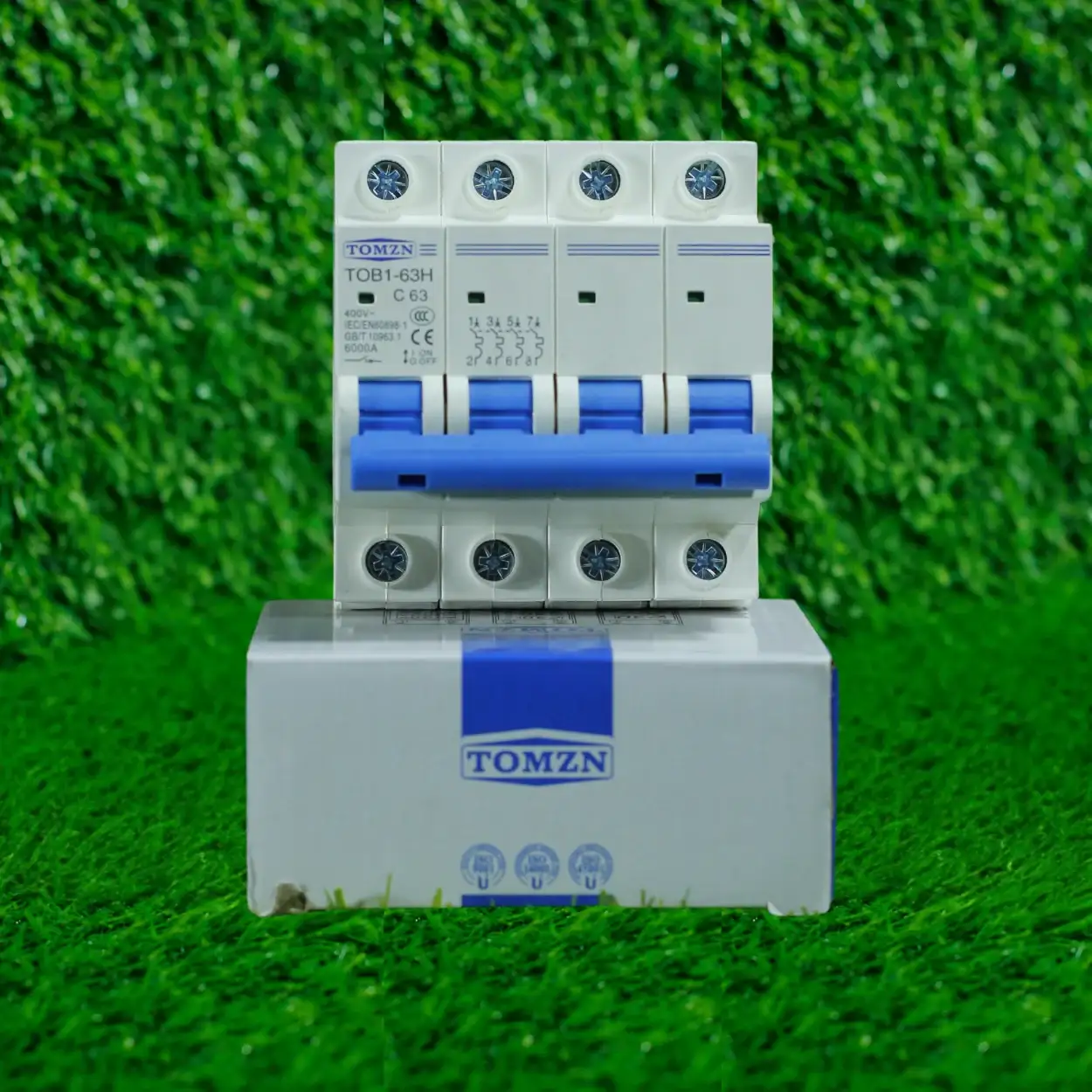
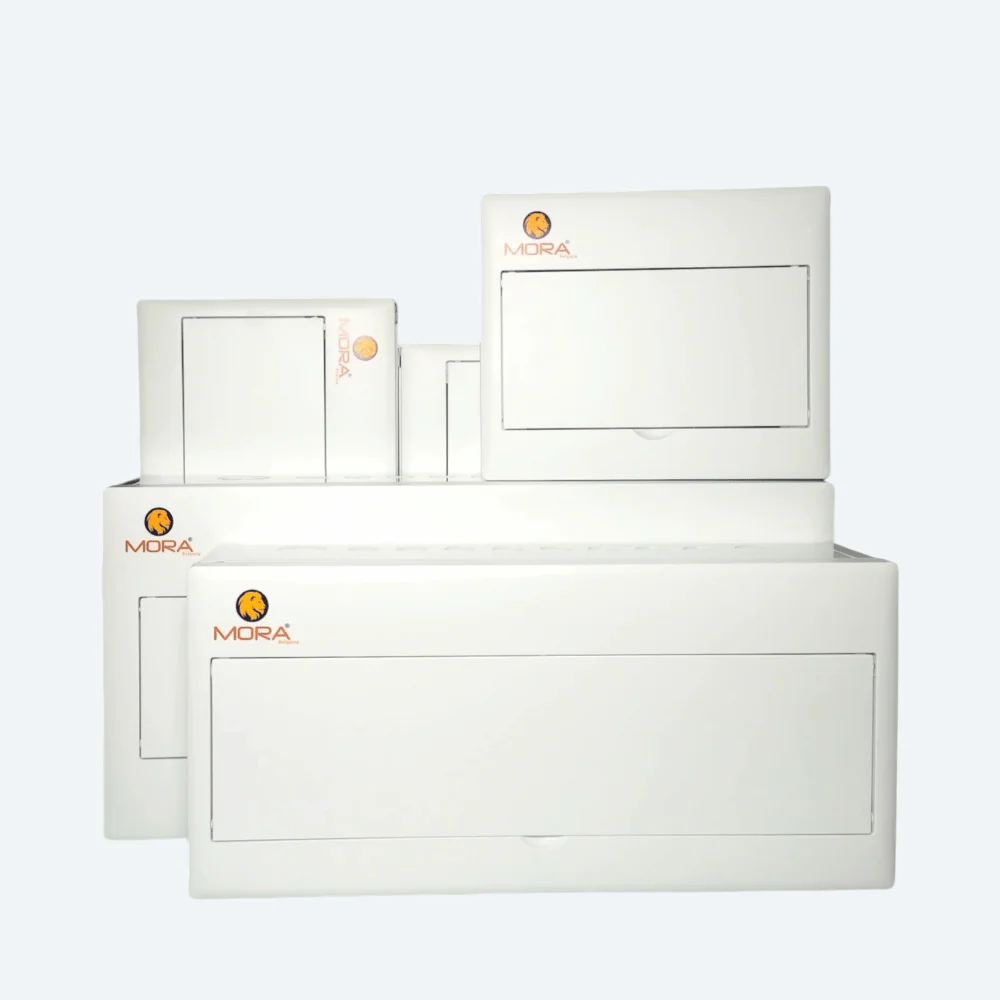
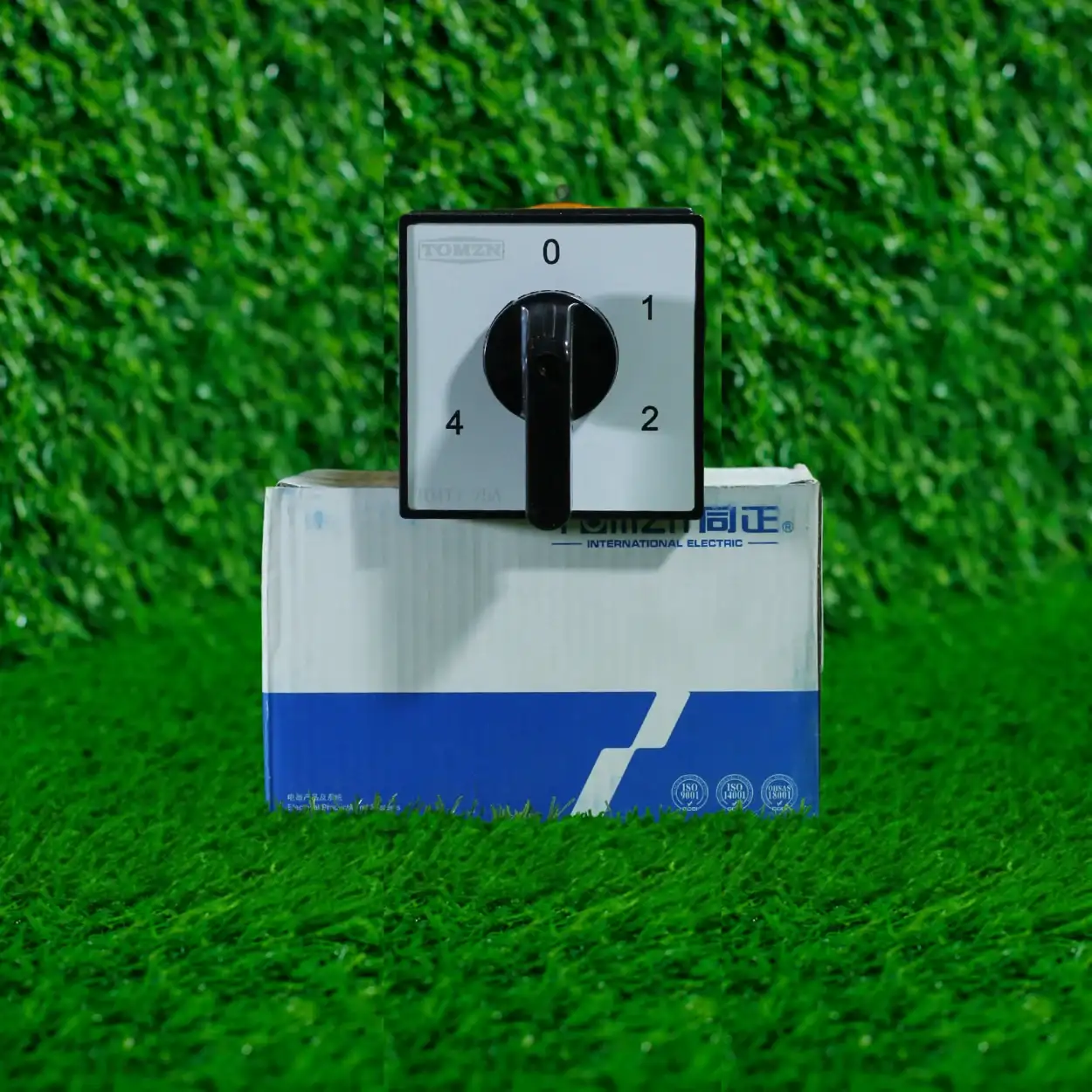
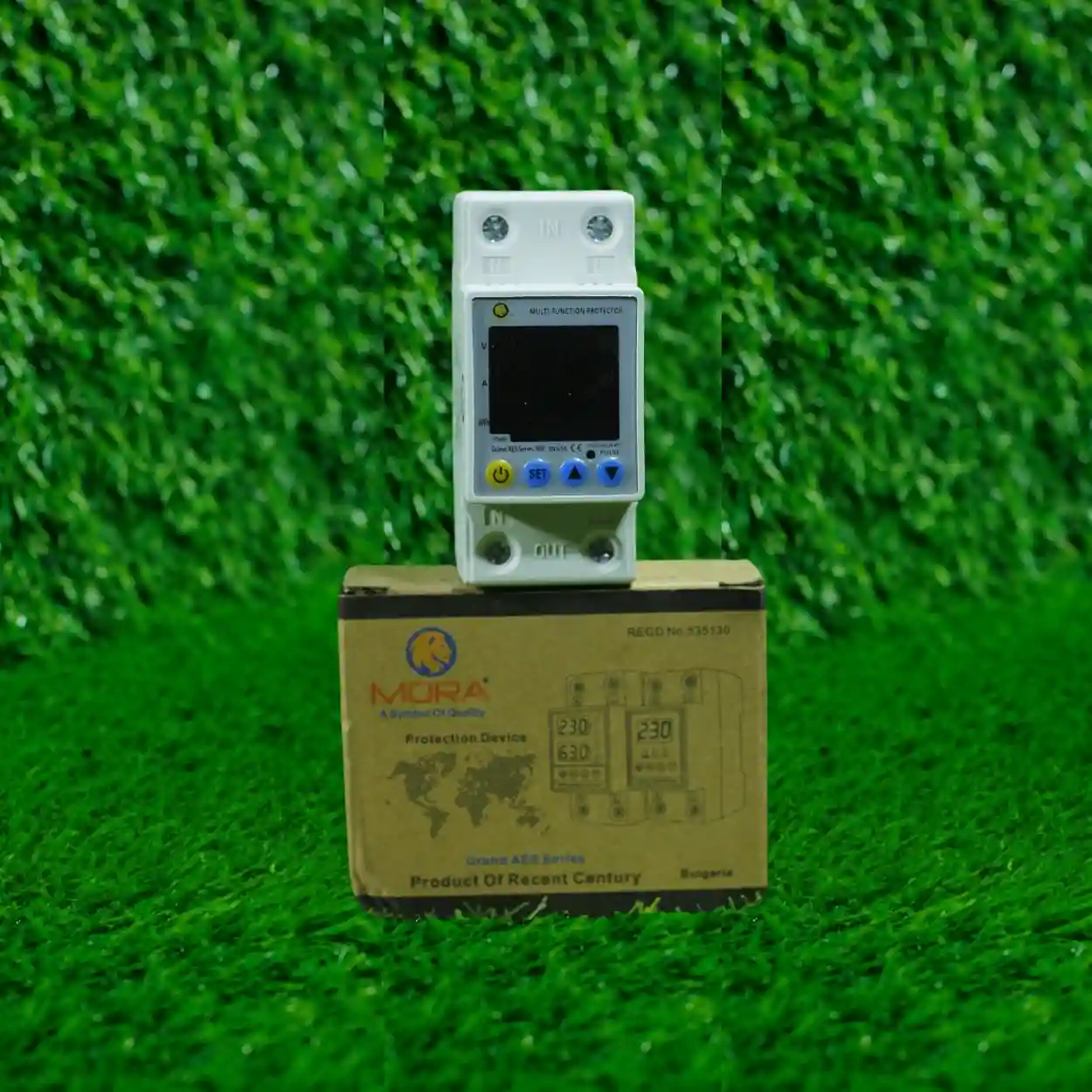
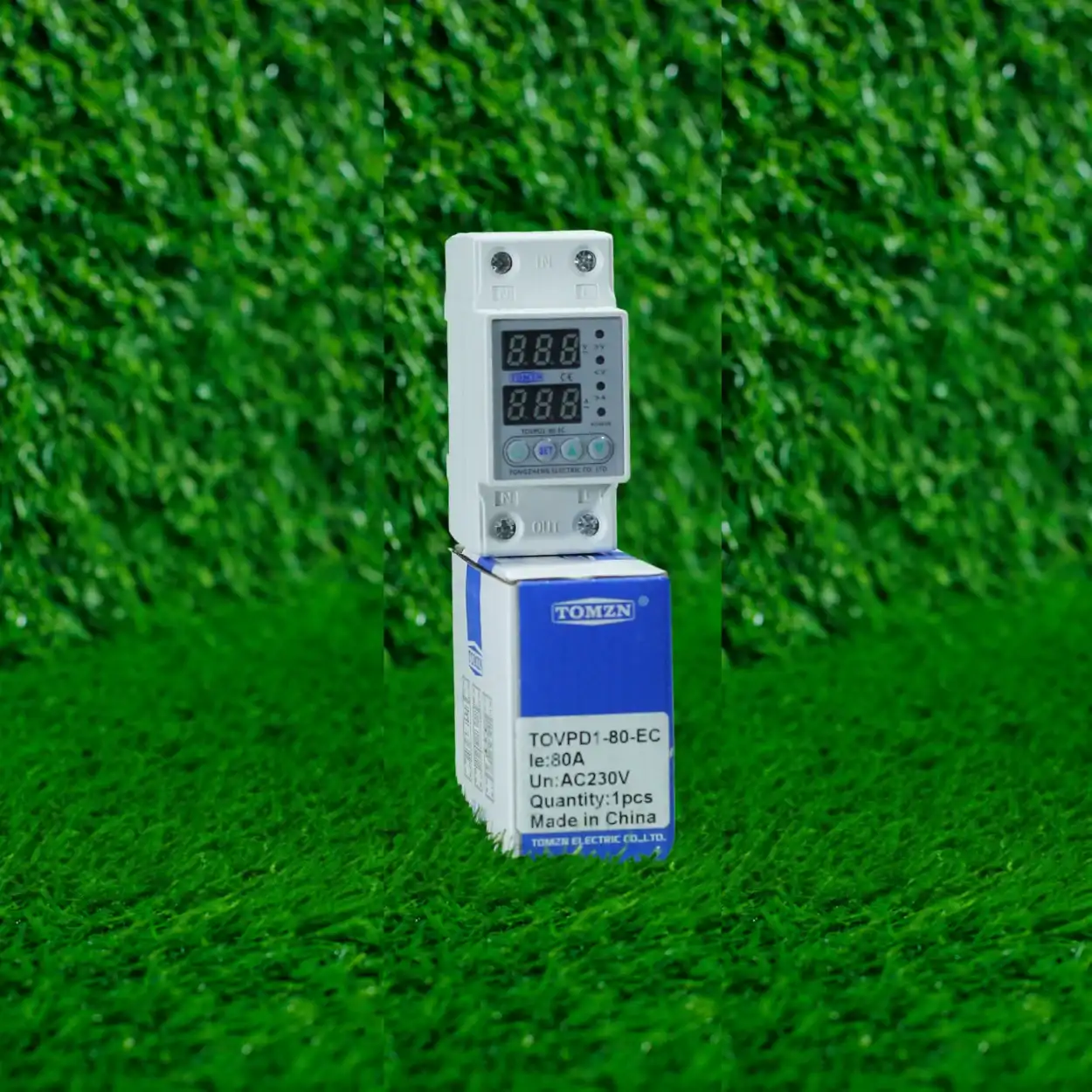
Stick with established brands like MORA, TOMZN, or equivalent that have proper thermal stability and sealed enclosures. A genuine MORA protector costs 20-30% more than the cheapest import, but it stays calibrated for years. On a 50,000 PKR inverter or a 100,000 PKR refrigerator, that extra 2,000-3,000 PKR for a quality protector is invisible insurance.
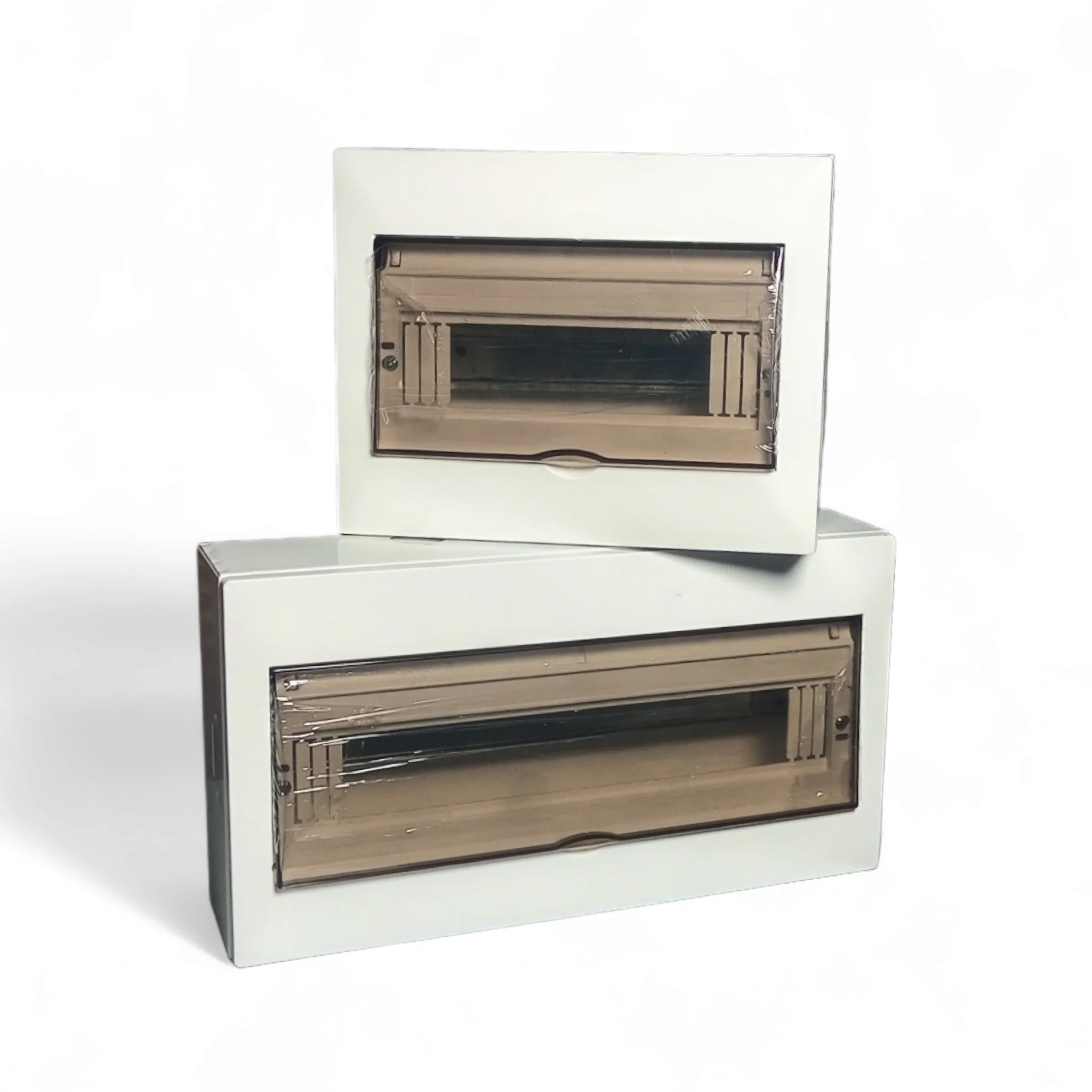
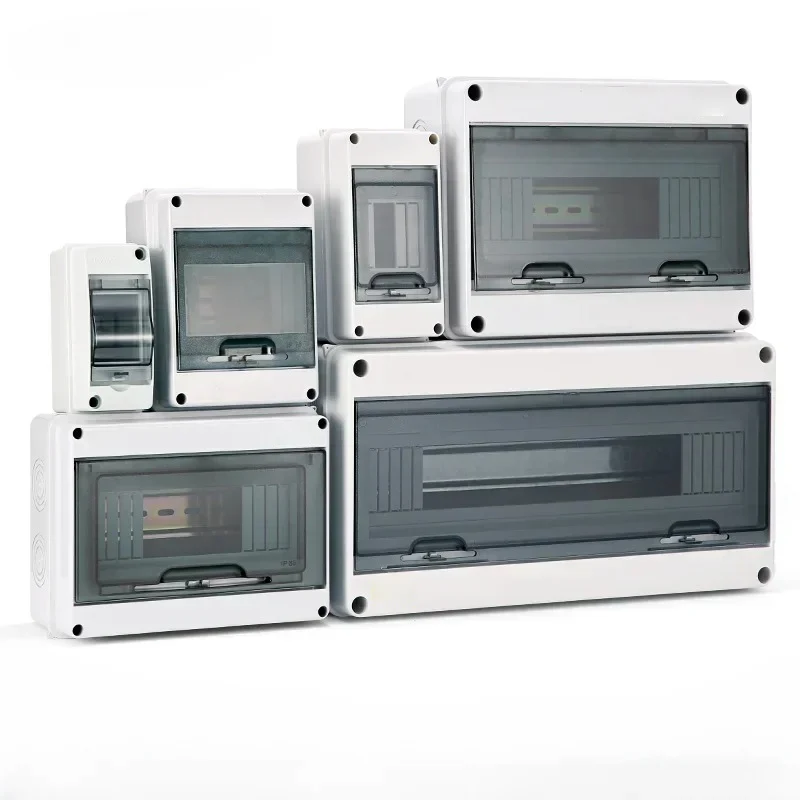
When buying, ask the supplier about the relay contact rating (should be silver-plated for durability), the sensing method (potentiometer or digital), and the housing IP rating. Anything below IP43 won’t survive the rainy season in Lahore unprotected.
When You Need Protectors vs. When You Don’t
Not every appliance needs dedicated protection. Microwave ovens, LED lighting, and modern washing machines have robust internal protection and don’t degrade significantly from voltage swings the way compressor motors do. However, anything with a motor (AC, fridge, pump, fan), anything with a sensitive controller (inverter, charger, pump controller), or anything expensive that you can’t easily replace should have protection.
In areas with extremely unstable supply like old katchi abadis in Lahore or remote areas near Multan, universal protection for everything is justified. In Defence or newer military colonies with relatively stable LESCO supply, you can be more selective. Judge based on actual supply quality in your area and the equipment’s criticality to your life or business.
If you’re installing solar, an adjustable protector on the DC input (array to controller) and another on the AC output (inverter to load) is standard practice now. The cost is minimal compared to replacing a dead controller or inverter.
For sizing and selection help specific to your installation, review our guide on matching protection to your load, which covers the same assessment logic. Or bring your appliance nameplate and supply readings to the shop, and we’ll dial in the right protector for you.