











Single-Phase vs Three-Phase Voltage Protector: Which?


The Direct Answer
If your building is fed by WAPDA or a DISCO on a single 220-230V line (the case for 95% of homes and small shops in Pakistan), you need a single-phase voltage protector. If you have a three-phase 380-400V supply (common in larger commercial sites, industrial units, or farms running three-phase motors), you need a three-phase unit. Buy the wrong one and it won’t even fit your switchboard, or worse, it’ll install but won’t protect the phases you’re actually using.
Why the Supply Type Matters in Pakistan
Our standard residential supply is 220-230V single-phase, 50Hz. You get one live wire, one neutral, one earth. Most small shops, clinics, and homes run this way. But farms, factories, larger commercial buildings, and some new housing societies get three-phase supply at 380-400V, meaning three separate live conductors at 50Hz, each phased 120 degrees apart, plus neutral and earth.
A voltage protector (also called a voltage stabiliser or surge and voltage protection device, depending on its function) is designed to work with one or the other, not both. The wiring inside is completely different. A single-phase unit has one live terminal; a three-phase unit has three. If you try to wire a single-phase protector to a three-phase supply, you’ll trip it immediately, fry it, or create a dangerous fault.
I’ve seen this mistake on renovation jobs where the customer bought a protection device before checking their actual supply. You can’t just ‘adapt’ it. You have to replace it.
Single-Phase Voltage Protectors for Homes and Small Businesses
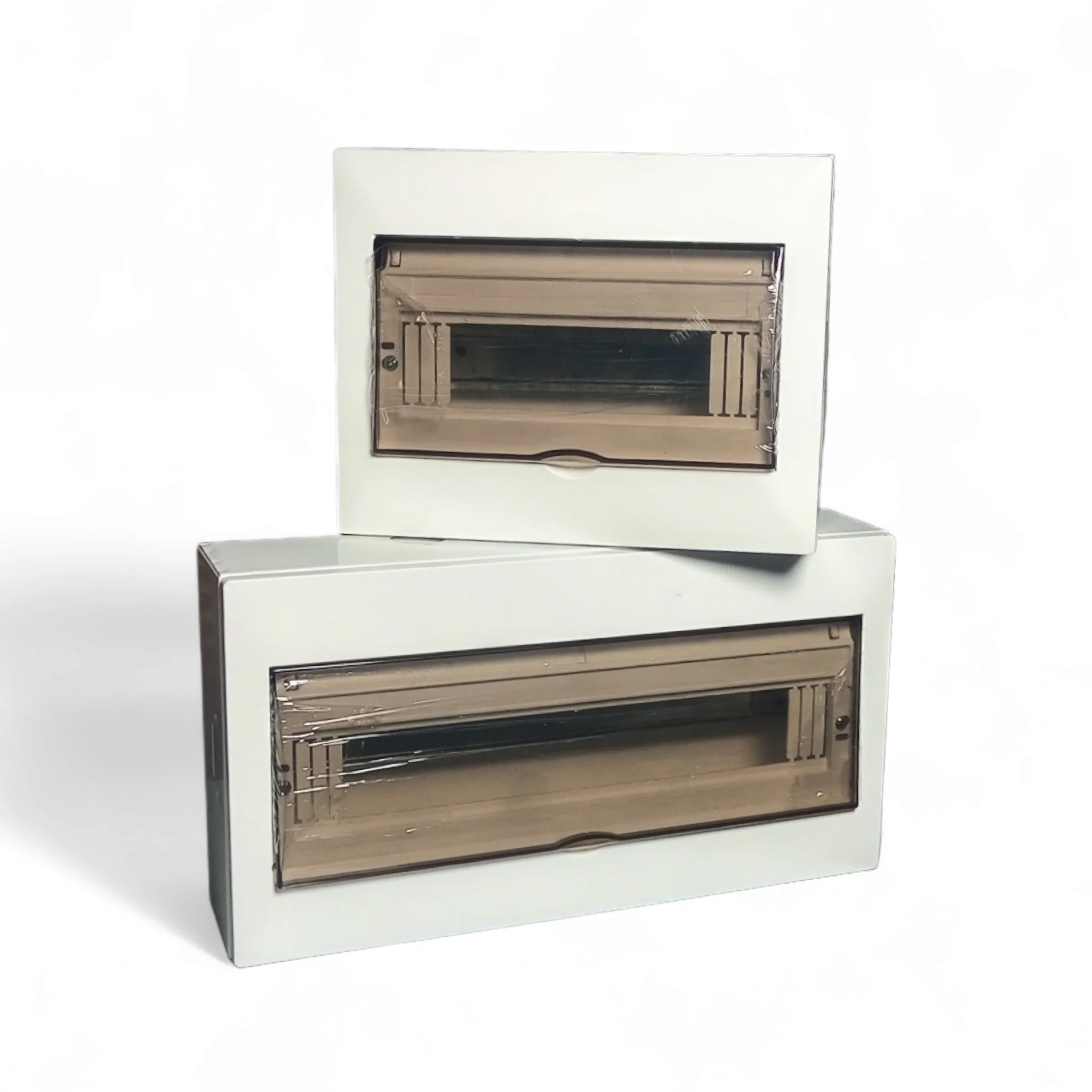
This is what most people in urban and semi-urban Pakistan will install. It sits between the meter (or the main switchboard entry) and your circuit breaker panel.
A good single-phase unit will:
- Accept input between 140V and 280V (accounting for the deep voltage sags WAPDA sometimes throws at us, especially in summer load-shedding season, and the occasional overvoltage spike)
- Stabilise and output 220-230V, or trip automatically if the input goes beyond safe range
- Handle the full load current of your household or shop (typically 5A, 10A, 15A, or 20A ratings)
- Protect against voltage surges from lightning, generator switching, or supply faults
Single-phase units are cheaper (usually 3,500 to 8,000 PKR for a decent one) because they’re simpler. Most homes in Lahore, Karachi, Islamabad, Multan — anywhere fed by single-phase WAPDA or K-Electric — use these.
If your building also has a generator (very common in load-shedding areas), the voltage protector still goes in the main distribution box, before the ATS changeover switch, so it protects against both WAPDA and generator surges.
Three-Phase Voltage Protectors for Commercial and Industrial Use
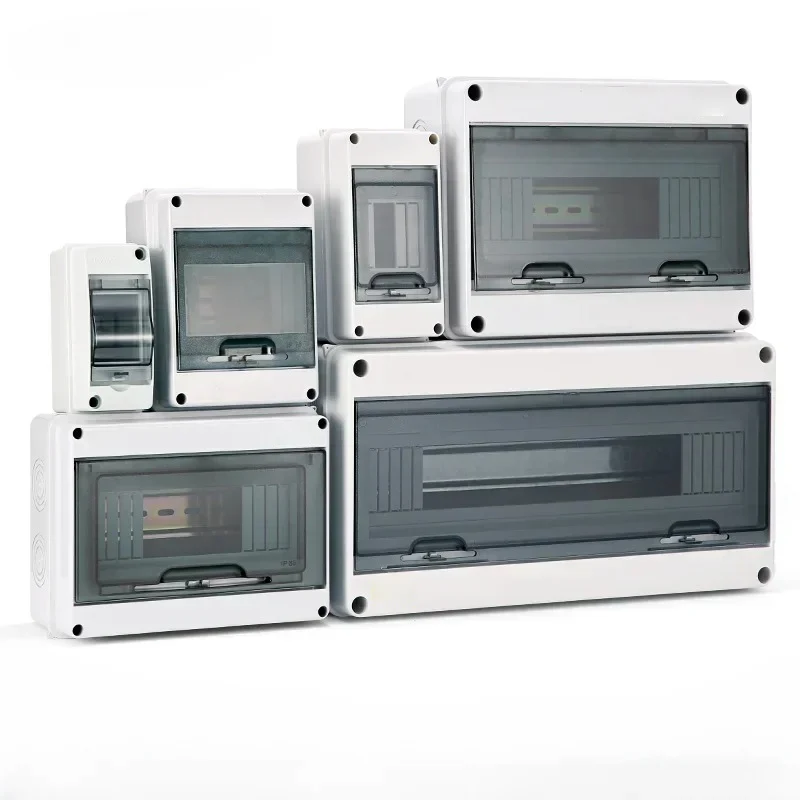
These are more complex and more expensive, starting around 15,000 PKR for a basic unit and going up significantly depending on breaking capacity and sensitivity. They’re essential if you’re running a poultry farm with three-phase motors, a small factory, a commercial bakery, a large workshop, or a new housing scheme with centralised three-phase distribution.
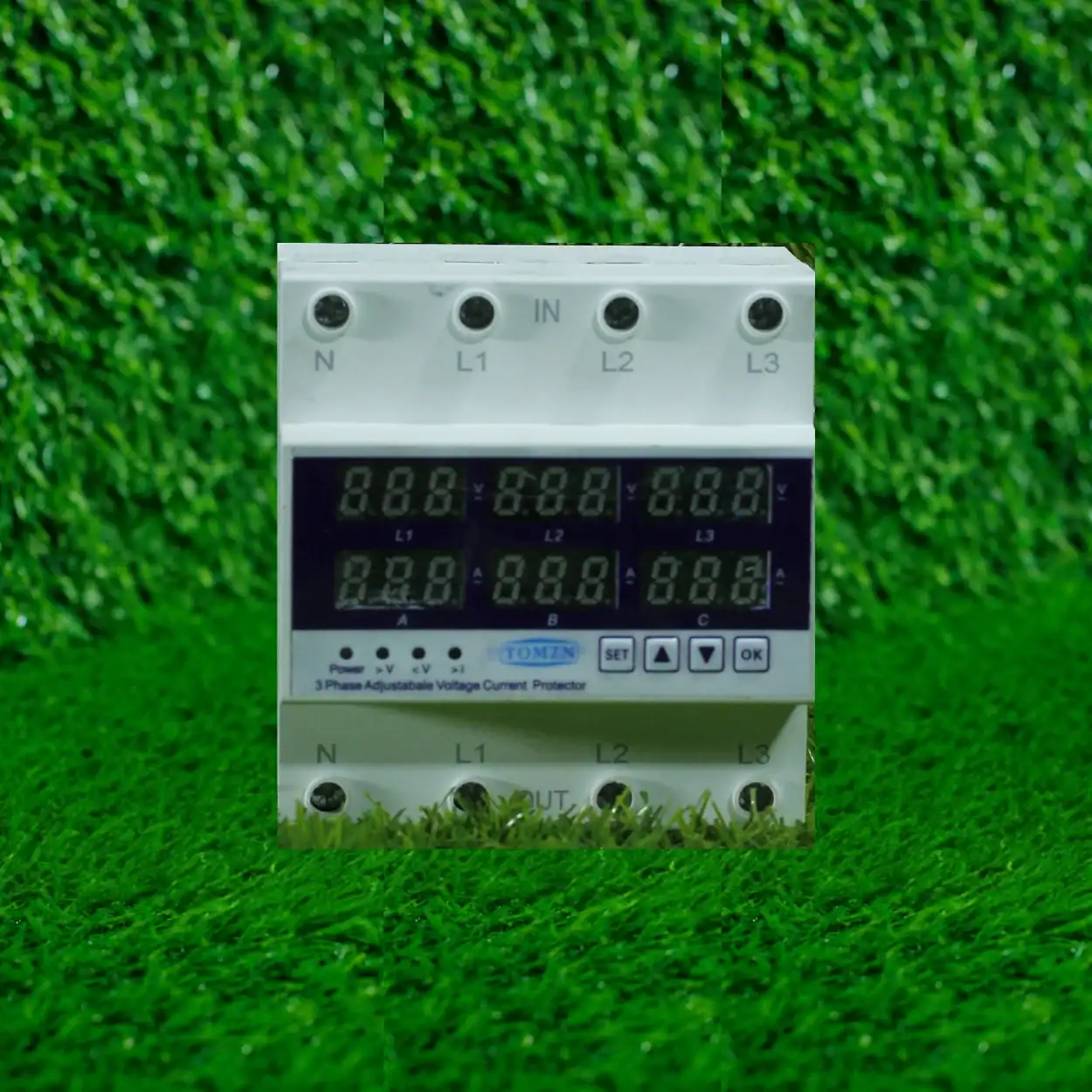
A three-phase protector monitors all three incoming phases simultaneously. It has to balance them, detect phase loss (a common fault when one DISCO line fails), and trip if any phase goes too high or too low. This is more complex than single-phase work because:
- You must wire each phase correctly or the unit won’t function
- If one phase disconnects or sits at zero volts while the others are normal, the protector must detect this and shut down the whole supply (otherwise your three-phase motor will run in single-phase, overheat, and burn out)
- Voltage imbalance between phases (common in older Pakistani neighbourhoods) can damage the protector if it’s too aggressive, or fail to protect if it’s too loose
On a poultry-farm job I did in Jhang, the site had been using a cheap Chinese knockoff three-phase ‘stabiliser’ that didn’t actually monitor for phase loss. When one DISCO line failed during monsoon season, the unit didn’t trip, the single-phase motor ran on two phases, and they lost 500 birds in 12 hours. Real protection costs money upfront, but the insurance is genuine.
Key Technical Differences to Check Before Buying
When you’re at HN Electric or another supplier, here’s what to verify on the box or datasheet:
Rated input voltage range: Single-phase units should accept at least 140V to 280V. Three-phase units should handle at least 300V to 450V (accounting for the imbalanced, sagging supply you often get in Pakistan).
Rated current: This must match your main breaker and your supply agreement with WAPDA. Most homes are 10A or 15A. Larger shops are 20A to 30A. Three-phase sites vary widely; check your electricity bill or ask your electrician.
Response time: How fast does it trip if voltage goes bad? Ideally under 50 milliseconds (0.05 seconds). This protects your appliances from even brief spikes. Cheap units are slower and less effective.
Trip thresholds: A good single-phase unit should trip on overvoltage (250V+) and under-voltage (140V-). Three-phase should trip on any phase exceeding 250V, dropping below 140V, or any phase-to-phase imbalance over 15%. Check the spec sheet or ask the supplier.
Type of protection: Some units are pure stabilisers (they adjust voltage). Some are surge protectors (they block spikes). Many combine both. For Pakistan, you want both functions because our supply suffers from both chronic voltage sag/swell and occasional lightning-induced surges.
How to Confirm Your Supply Type
Before you buy, check what you actually have:
Look at your meter or switchboard. Single-phase has one live wire coming in (plus neutral and earth). Three-phase has three live wires. If you’re not sure which is which, call an electrician or ask your DISCO representative. This is not a guess-and-buy decision.
Check your electricity bill. WAPDA and most DISCOs print the supply type (single-phase or three-phase) clearly. If it says ‘1-Ph’ or shows a single current reading, you’re single-phase. If it says ‘3-Ph’ or shows three separate phase currents or a three-phase kWh meter, you’re three-phase.
Ask your electrician or supplier. If you’re unsure and ordering online or over the phone, confirm your supply type with the person helping you. A good supplier (like HN Electric) will ask this question before selling you anything. If they don’t, that’s a red flag.
Single-Phase to Three-Phase Conversions: A Special Case
Some customers ask: ‘Can I use a single-phase protector if I only need to run one three-phase motor?’ The answer is no. A three-phase motor requires balanced three-phase supply. If you try to run it on single-phase (or with a single-phase protector on one of the three lines), it will either not start or will run at partial power and overheat.
If you have three-phase supply but only want to protect a single-phase load (like an AC unit), you can run it off one phase, but you still need a three-phase protector on the incoming supply to protect the entire building from phase-loss faults. Then use a separate single-phase circuit breaker for the AC. Don’t skimp on the main protection.
What Brand Should You Buy?
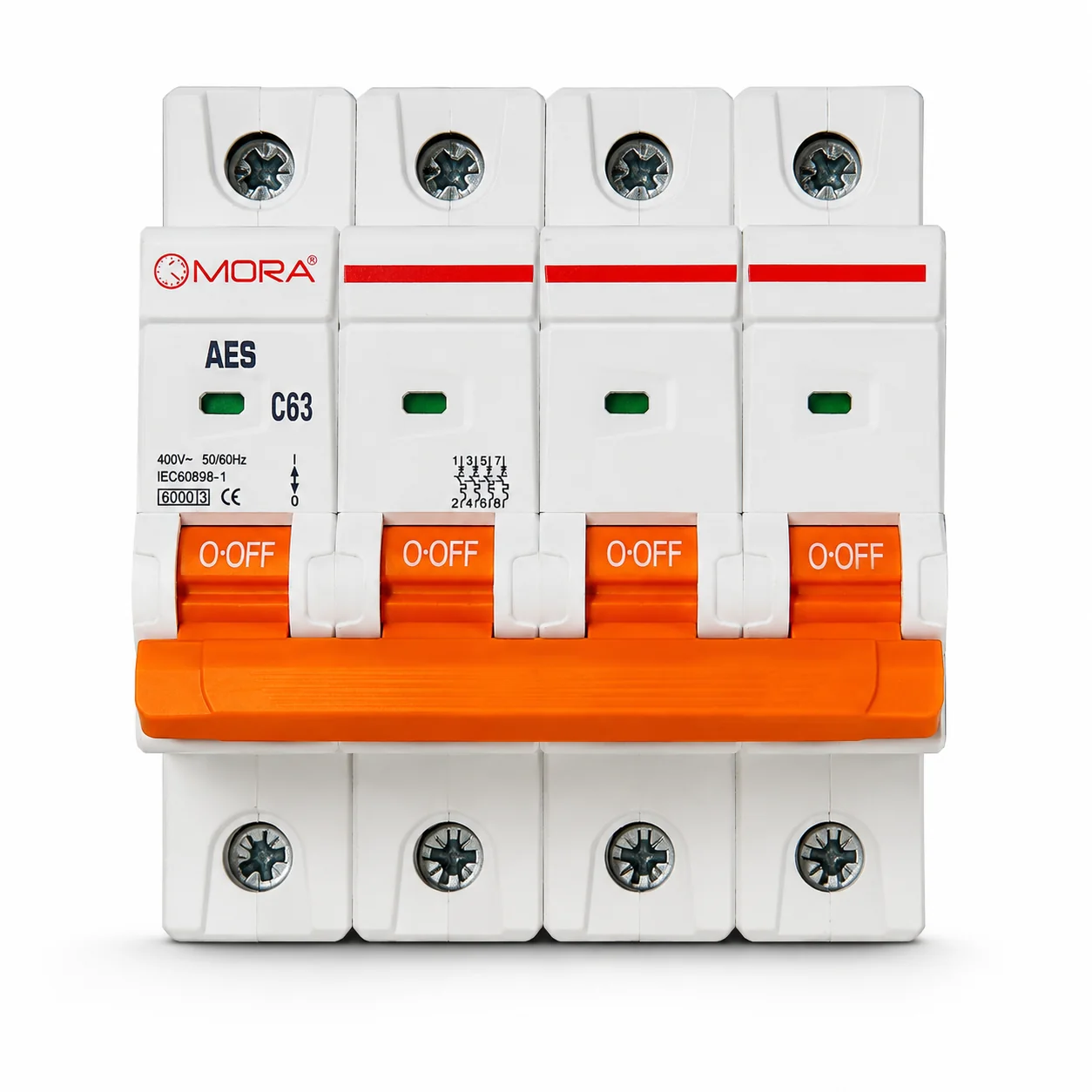
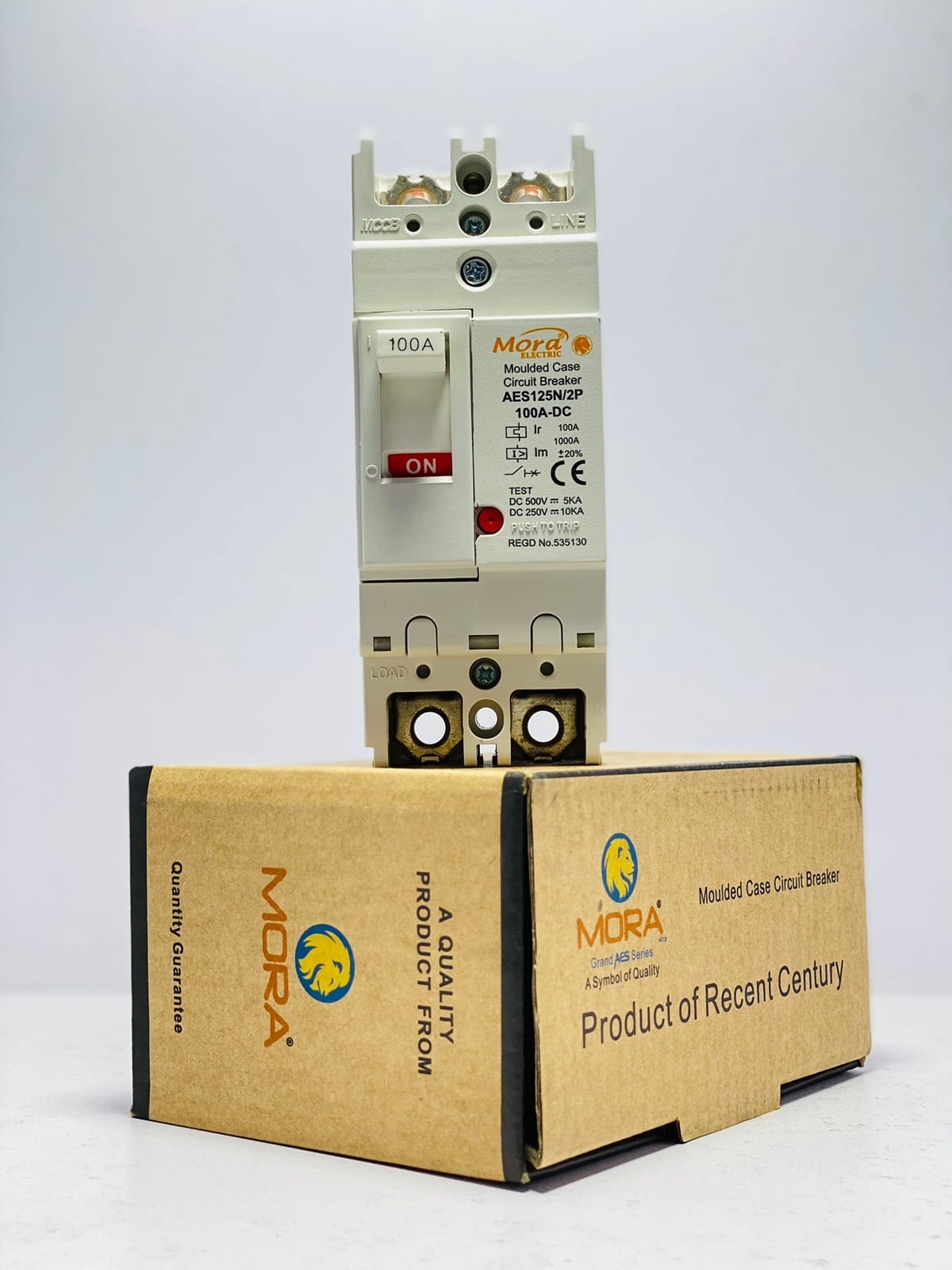
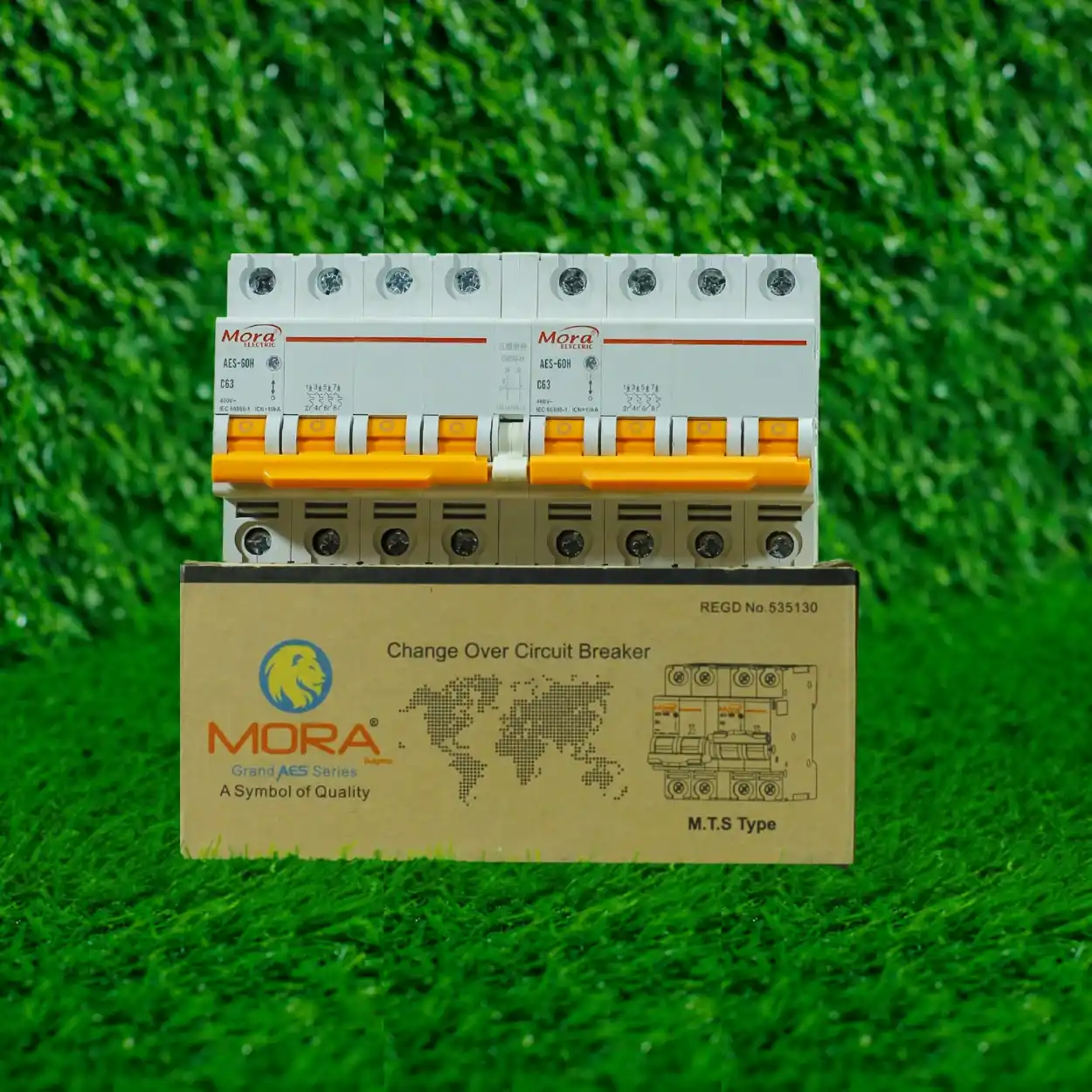
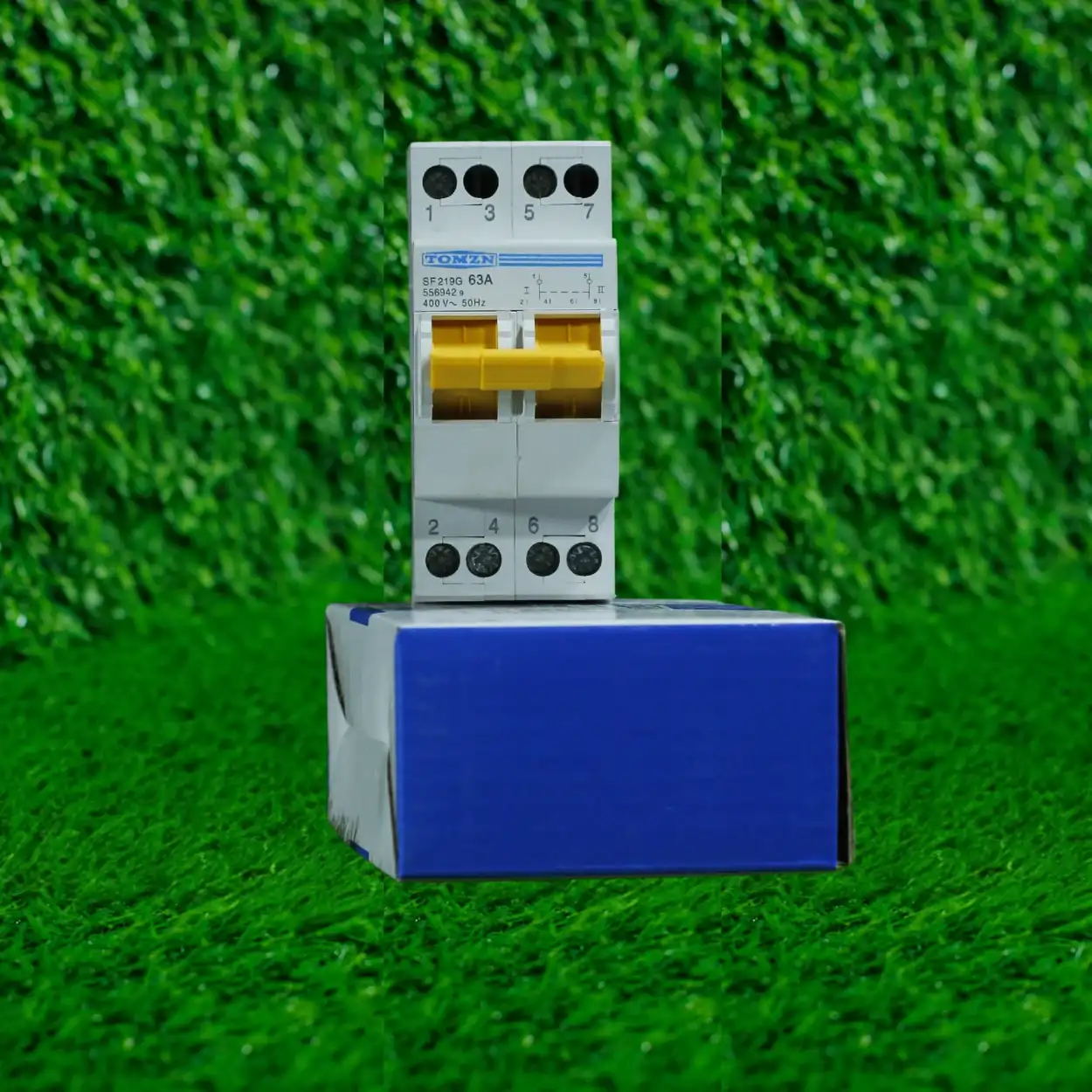
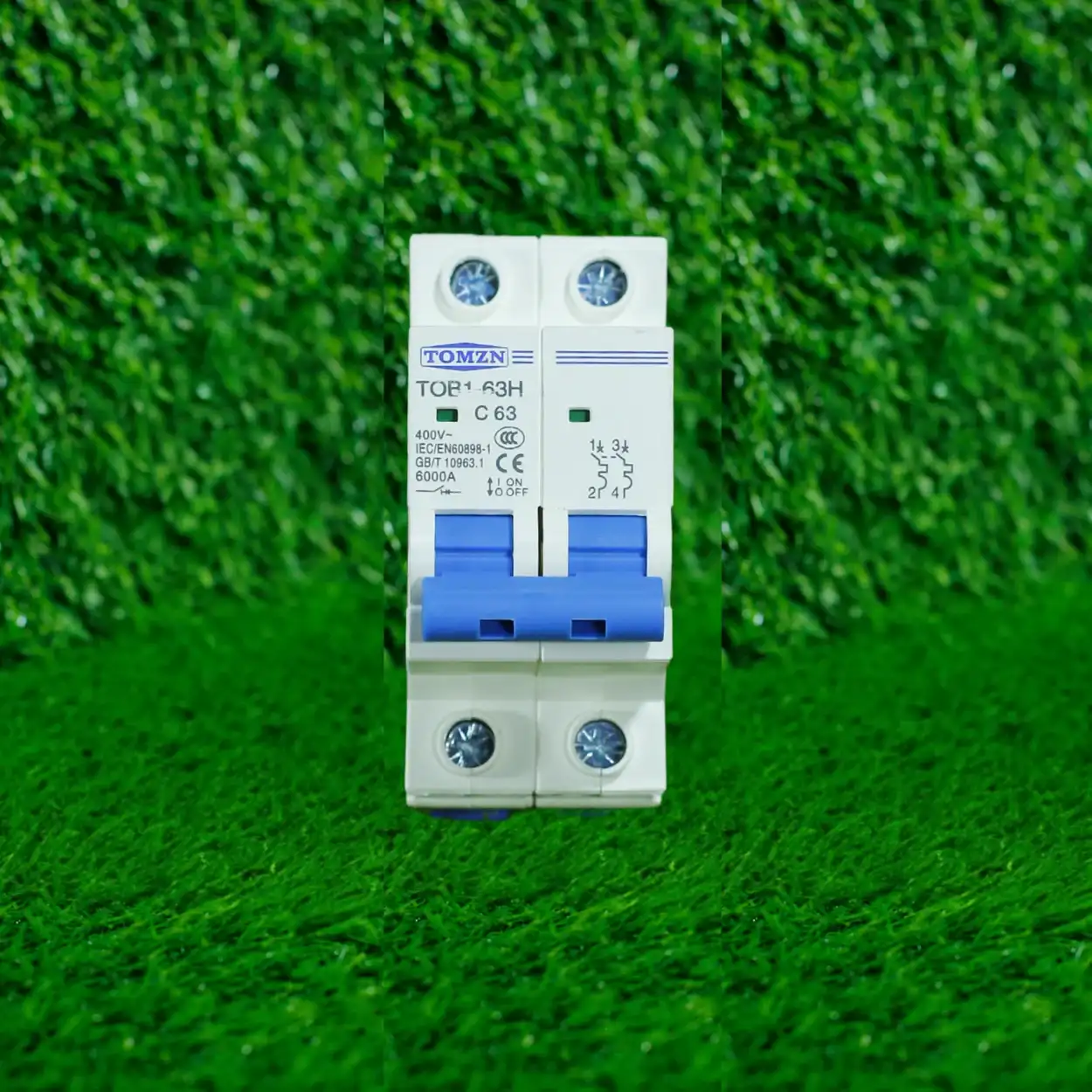
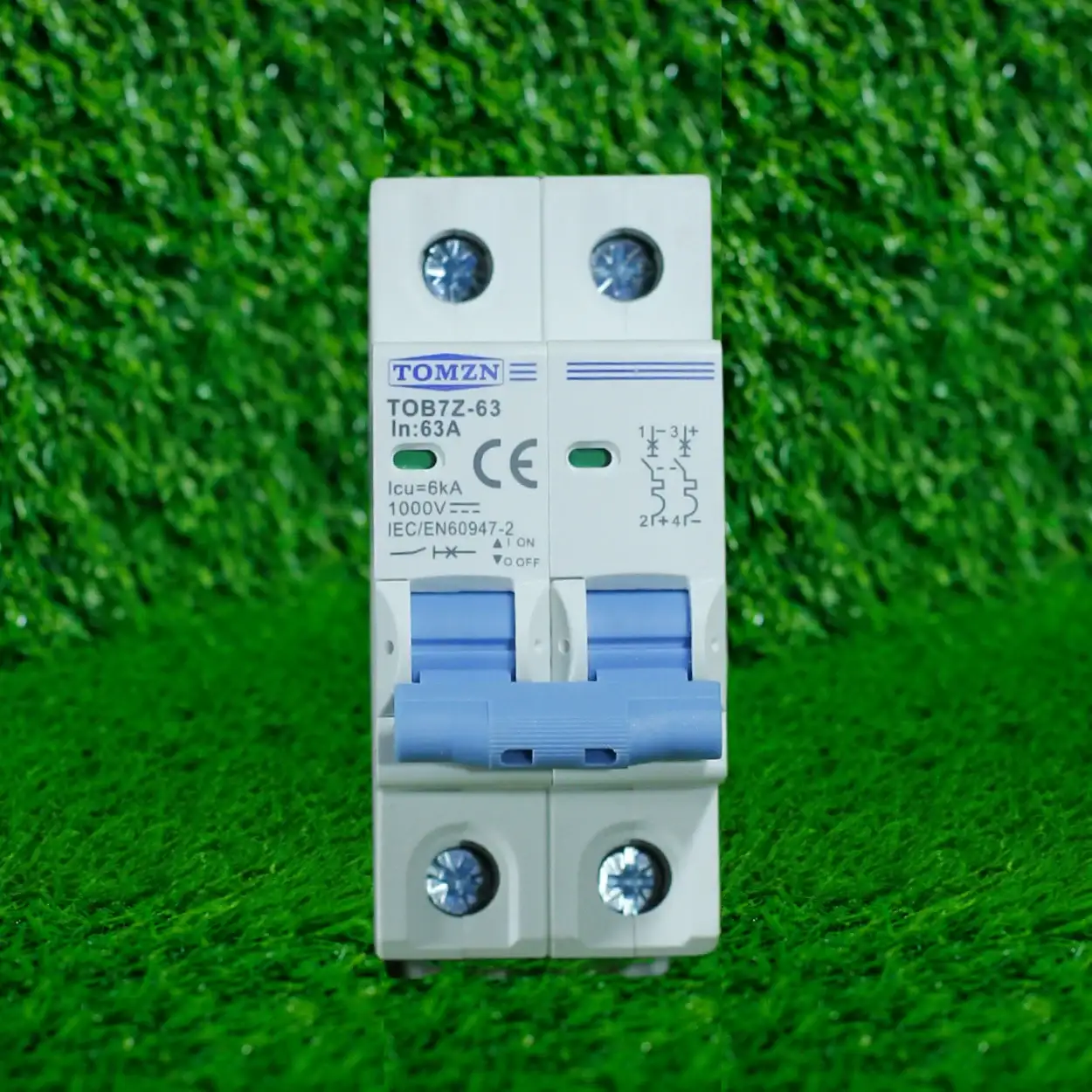
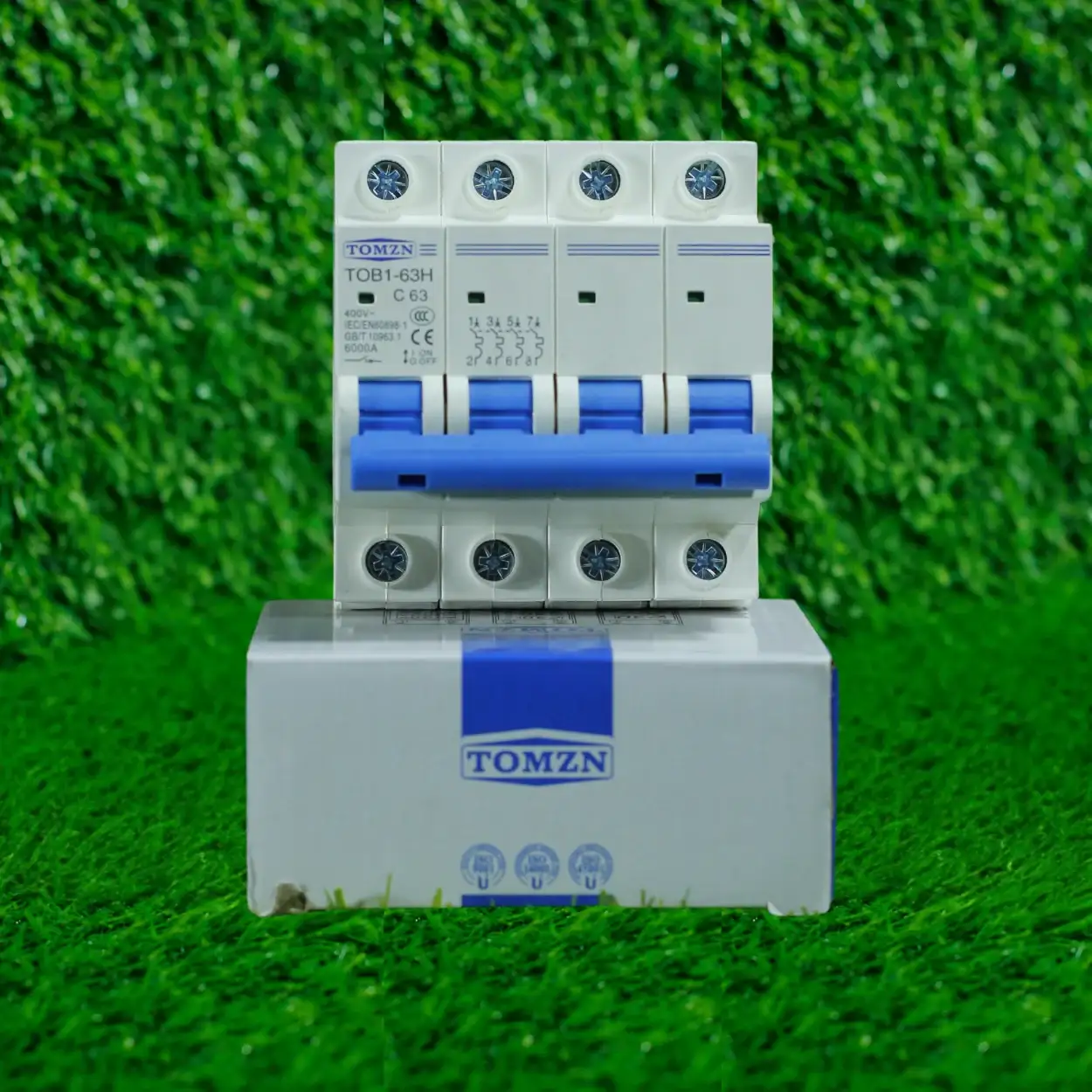
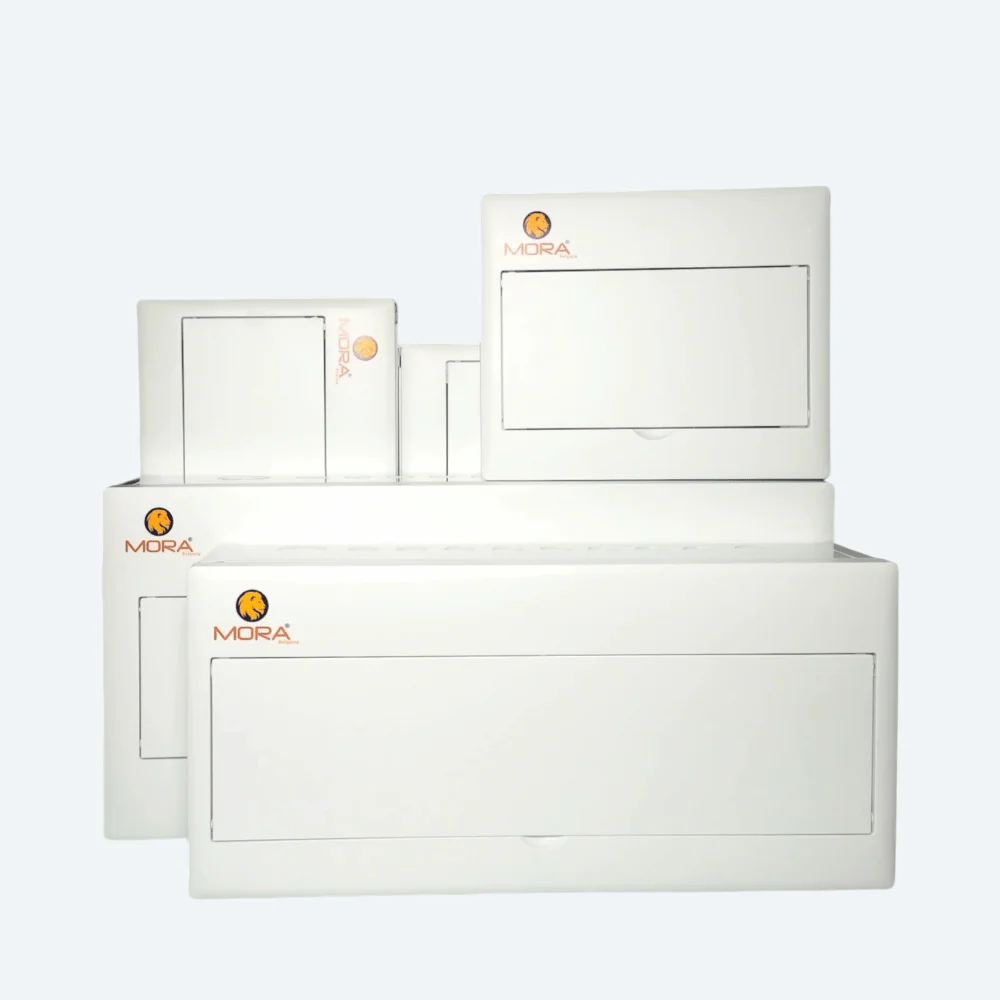
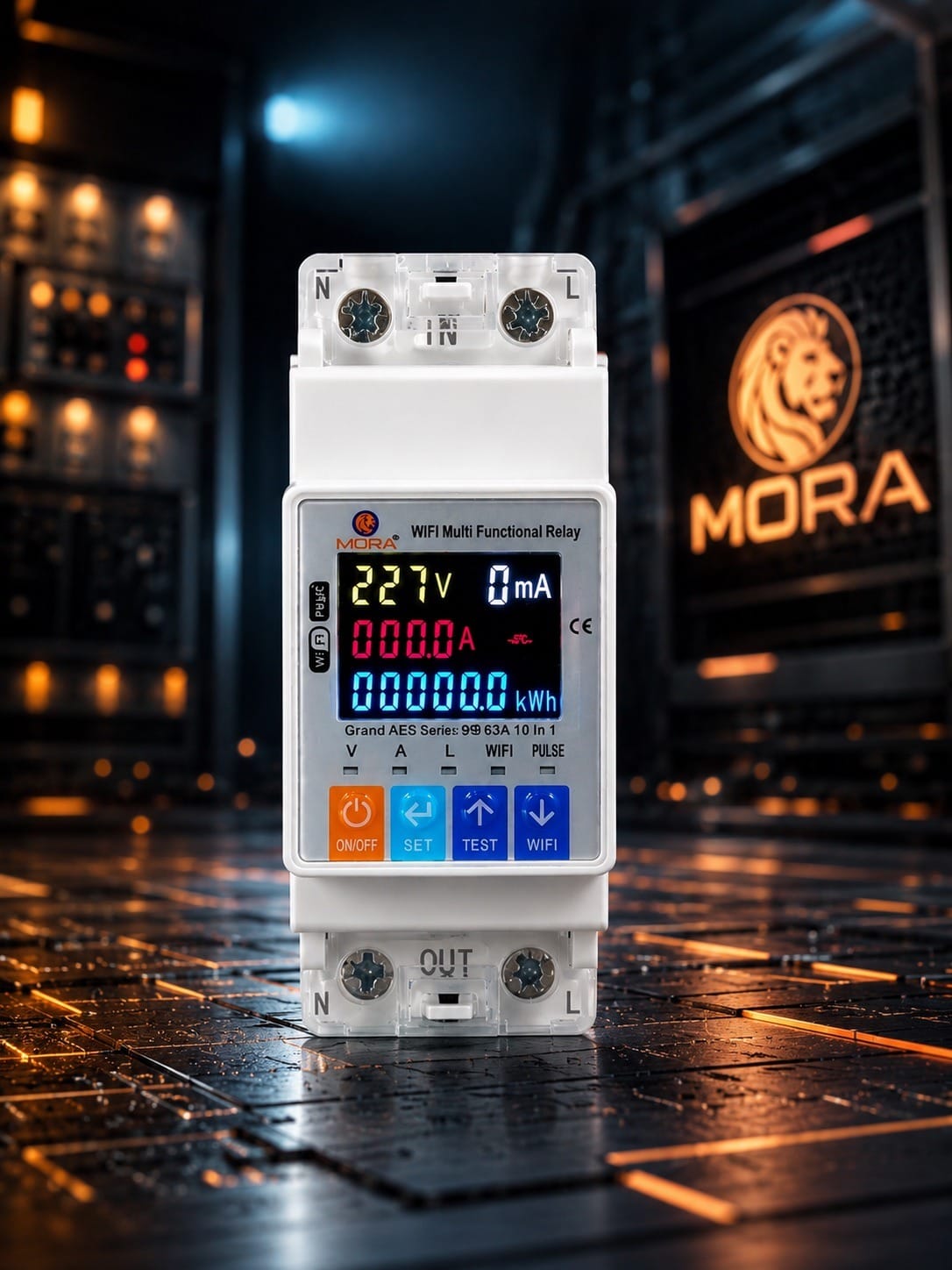
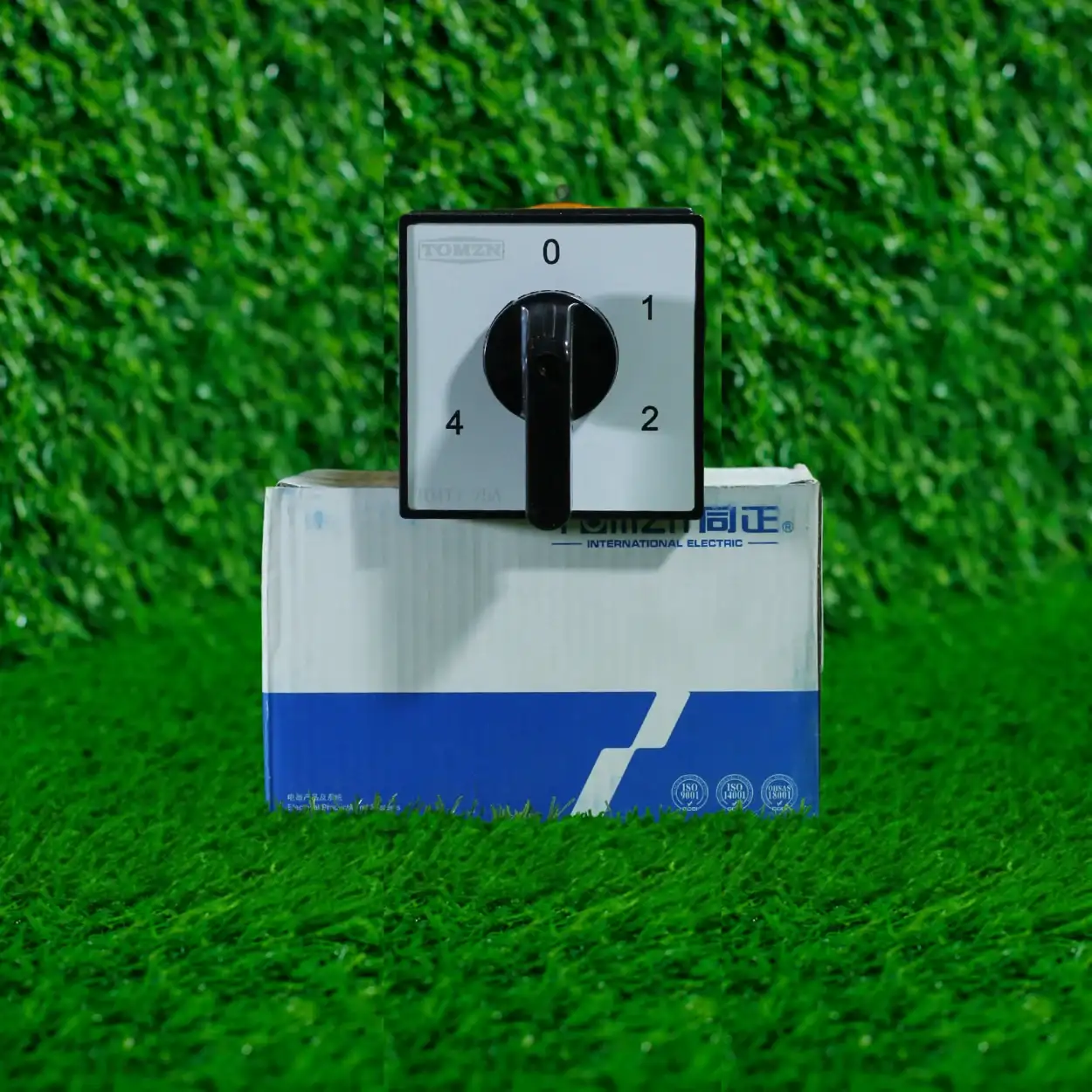
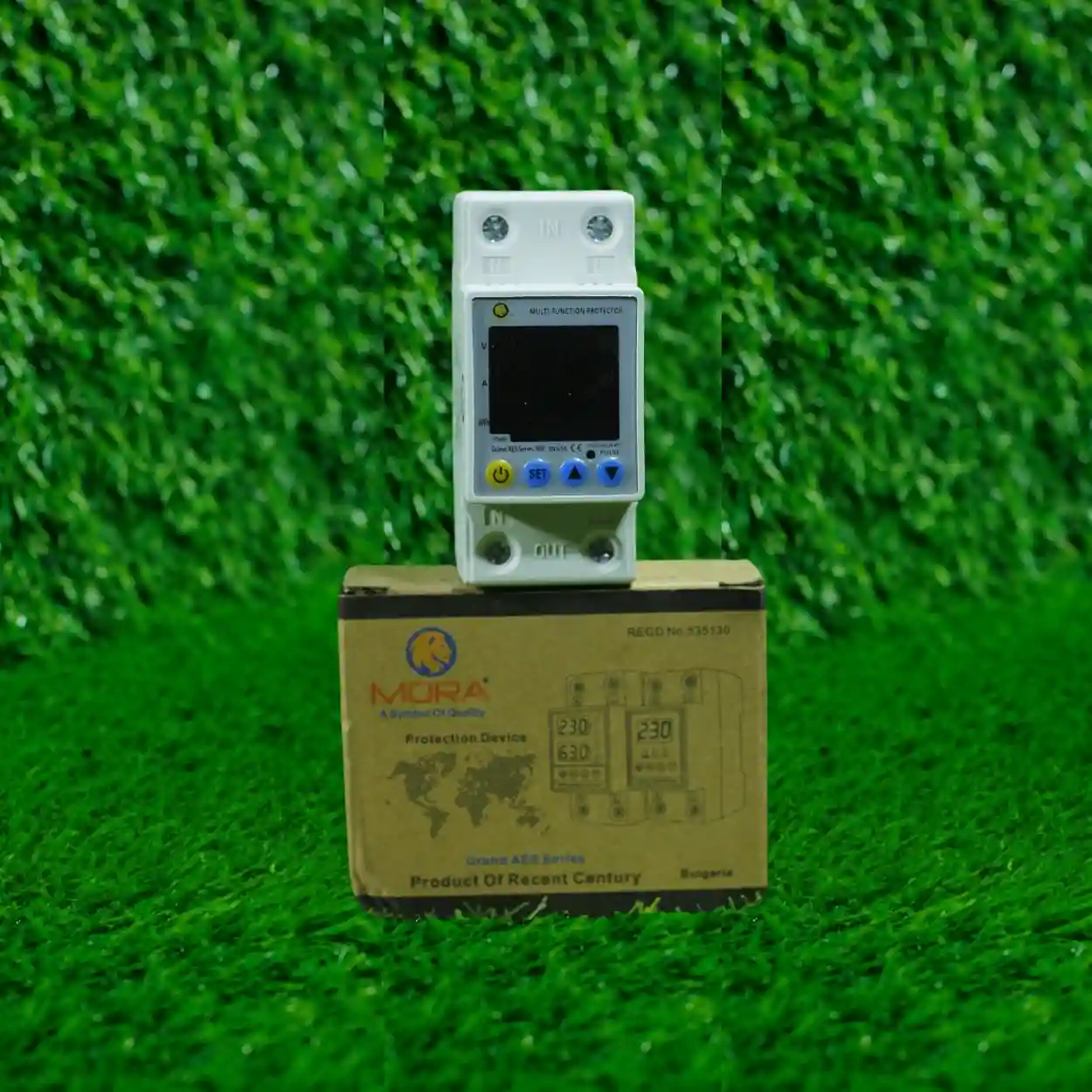
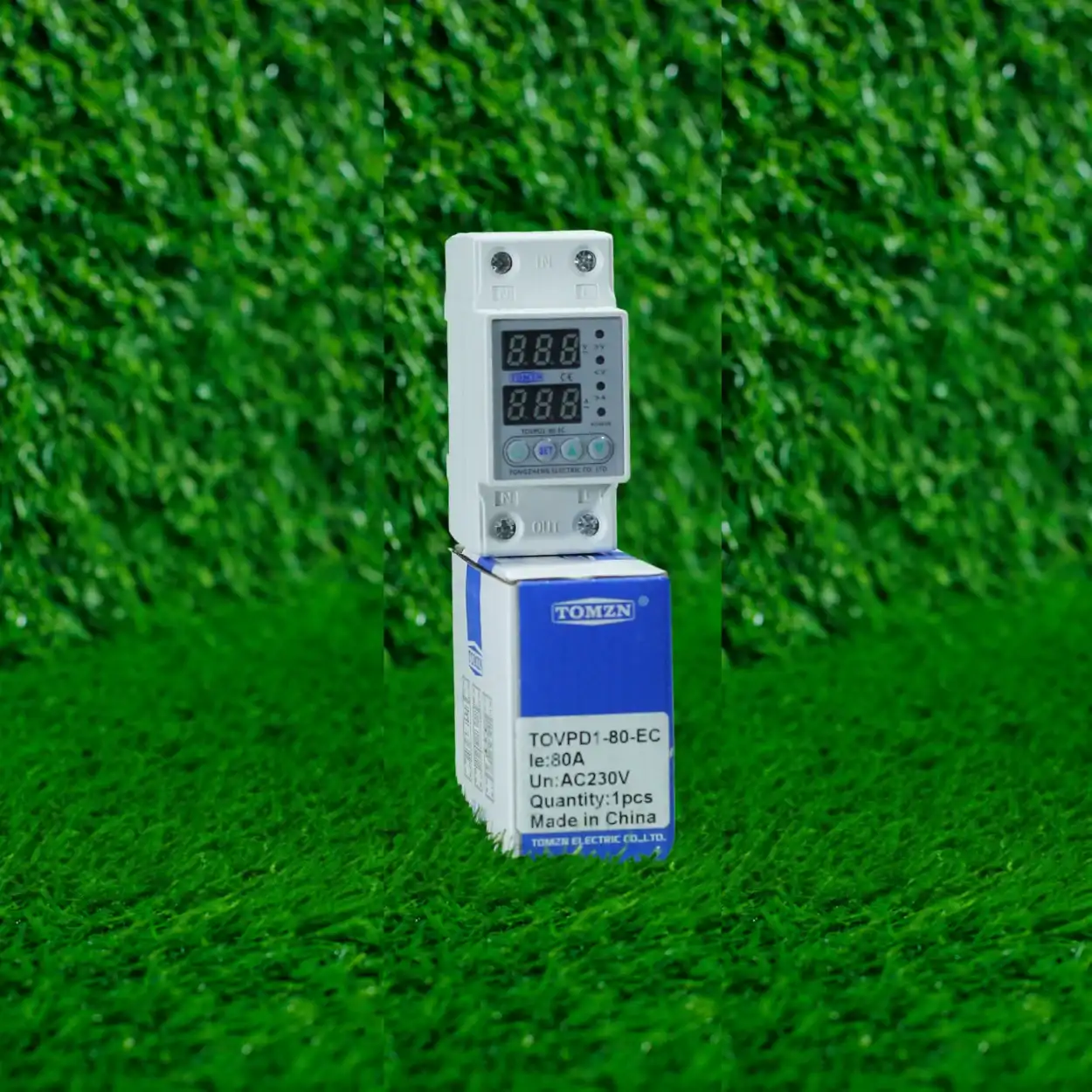
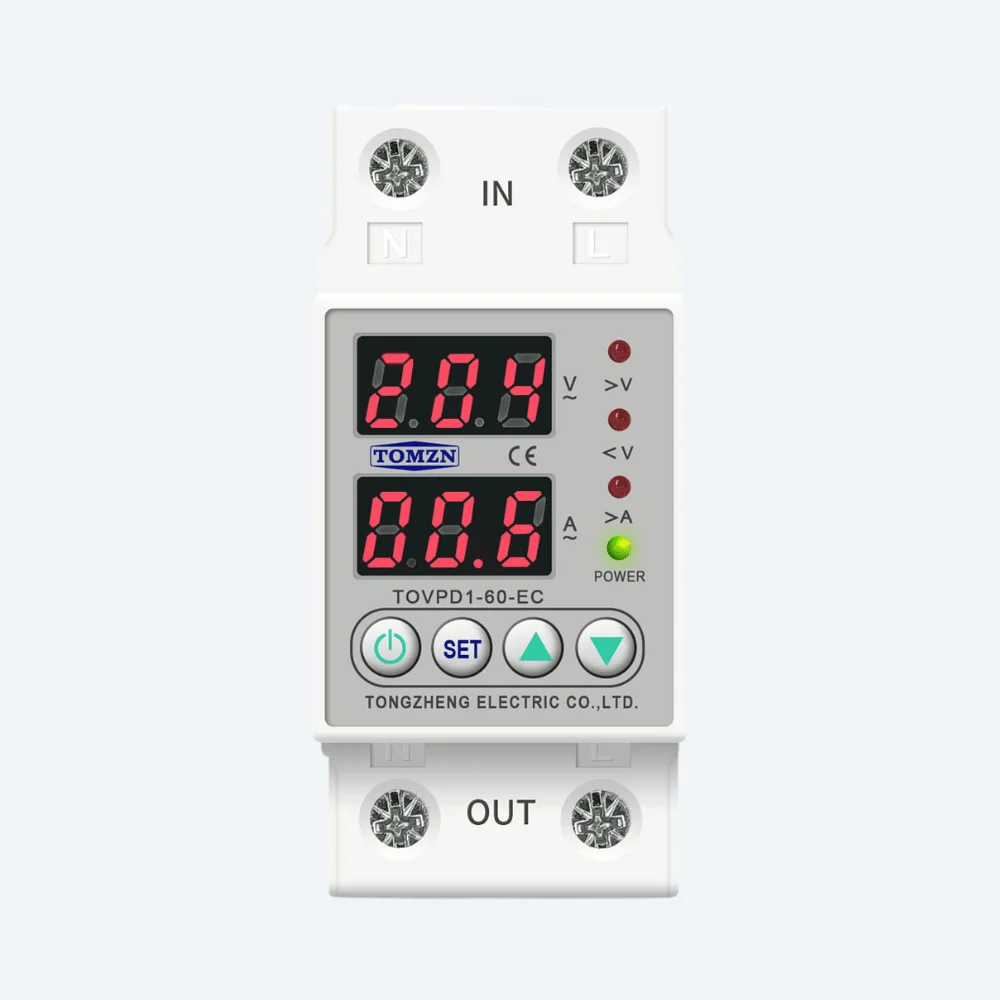
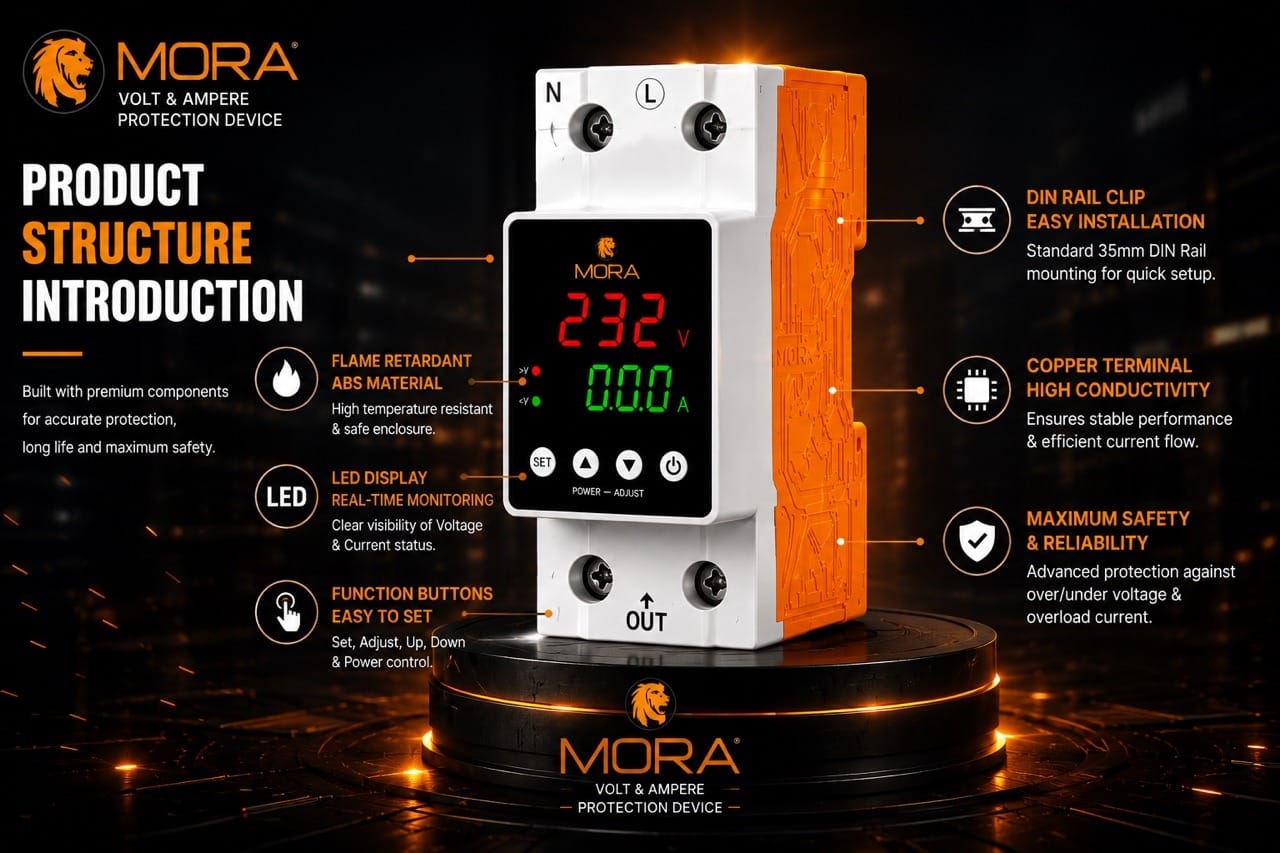
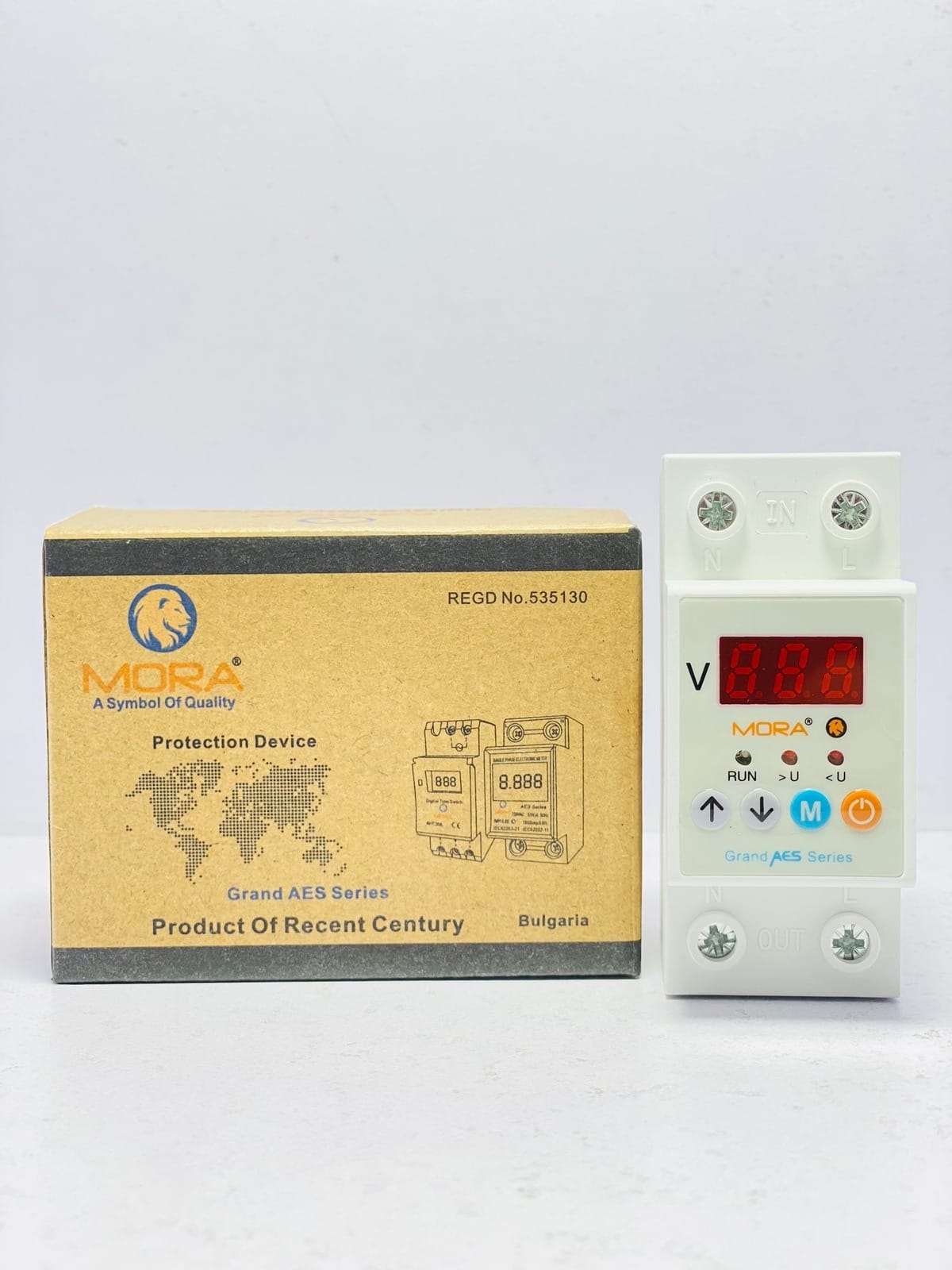
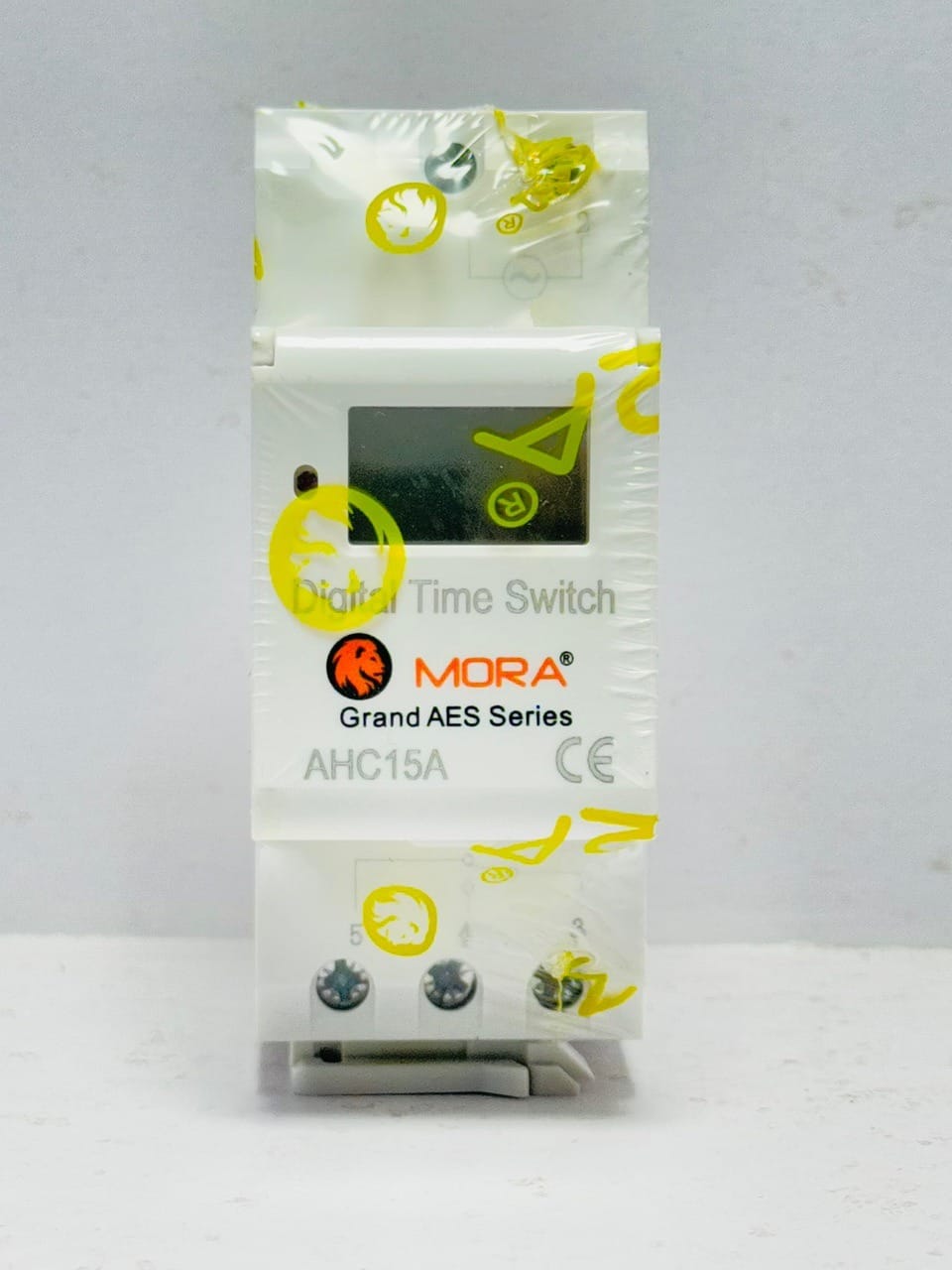
For reliable voltage protection in Pakistan, stick to known brands with genuine local representation and proper warranty. MORA (Bulgaria-made, sold through HN Electric and other verified retailers) offers both single-phase and three-phase units with solid quality and reasonable pricing. TOMZN (Chinese, but with decent QC) is another common choice for budget installs. Avoid no-name brands; the protection they claim is often fictional.
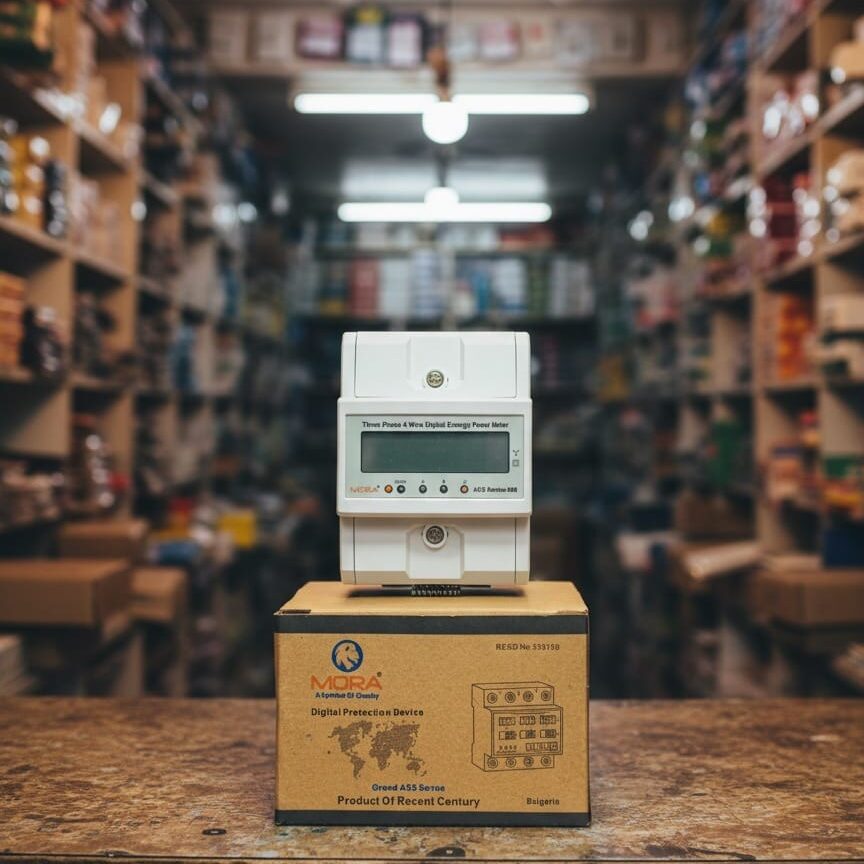
Pairing your voltage protector with a digital volt meter (like the MORA Bulgaria model) on your switchboard lets you monitor whether the incoming supply is actually stable, so you can spot recurring voltage problems and report them to your DISCO or generator operator.
Installation and Maintenance
Mount the unit in a clean, dry location (usually the main distribution box), not in direct sun or next to a heat source if you can avoid it. Heat degrades electronics fast in Pakistani summers. Ensure the earth (neutral) connection is solid and bonded properly; a loose earth wire will cause the protector to misfire or fail entirely.
Test the unit by deliberately switching off your main breaker for 5 seconds, then switching it back on. The protector should re-energise cleanly without sparking or clicking repeatedly. If it chatters or won’t reset, have an electrician check the earthing and input voltage stability immediately.
Every 2-3 years, open the distribution box, check the protector terminals for corrosion or dust, and wipe them gently with a dry cloth. Pakistani dust is no joke; it settles on every component and can eventually cause poor contact. If you live in a particularly dusty area (near a canal, a quarry, or a busy road), check every year.
Making Your Final Choice
The decision is simpler than it looks once you know your supply. Single-phase supply = single-phase protector. Three-phase supply = three-phase protector. There’s no middle ground and no adapters that work reliably. Buying the wrong one is wasted money and leaves you unprotected. When you’re ready to buy, visit HN Electric or another trusted supplier, confirm your supply type from your meter or bill, and specify that clearly when ordering. A good retailer will ask before selling and won’t send the wrong product.