











63A Voltage Protection: Choosing the Right Device

What a 63A Voltage Protector Does (and Doesn’t)
A 63-ampere voltage protection device sits between your main supply and your home’s distribution box, monitoring the incoming voltage from WAPDA and tripping the circuit if it swings outside a safe range. In Pakistan, we’re nominally running 220-230V at 50Hz, but anyone who’s lived here knows that’s more of a suggestion than a guarantee. You’ll see 190V on a summer afternoon when load-shedding ends, then spike to 250V when the grid is light. Those swings damage appliances over time, particularly air conditioners, refrigerators, water heaters, and inverter chargers.
A 63A protector is sized for homes that draw up to 63 amperes at peak load, which covers most residential installations in Punjab. It’s not a UPS or a backup power system. It won’t keep your lights on when power cuts. What it does is disconnect the supply when the voltage goes dangerously low (typically below 180V) or dangerously high (typically above 270V), preventing that damage cascade through your appliances.
Key Specifications You Need to Understand
Voltage Sensing and Trip Thresholds
The most important number is the under-voltage and over-voltage trip points. A good device trips on under-voltage at 180-190V and over-voltage at 260-270V. This range protects your equipment without nuisance tripping from the normal minor fluctuations that grid equipment tolerates. I’ve installed devices with thresholds set at 160V and 280V, and they’re useless in a Pakistani city grid where you get false trips twice a week just from transformer tap-changing on the distribution line.
Look for adjustable thresholds if you can find them. On farms or industrial sites where the voltage behavior is more consistent (or more predictable), you might want tighter margins. In a residential area with shared transformers and heavy induction loads nearby, you need breathing room.
Response Time
A good 63A protector should sense an out-of-range voltage and trip within 5-10 seconds. Faster than that can cause nuisance trips from transient surges. Slower than 15 seconds, and your inverter or air conditioner’s soft-start circuit may already be stressed. Most genuine devices hit 8-10 seconds, which is the sweet spot for real-world conditions.
Manual Override and Reset
You need the ability to manually trip the device and manually reset it. Automatic reset after a fault sounds convenient until you realize it can create a cycling loop if the grid voltage is unstable, repeatedly switching your supply on and off. Better devices give you a choice: auto-reset for unattended sites like server rooms or water pumps, manual reset for homes where someone can investigate before re-energizing.
Comparing Device Types and Where They Differ
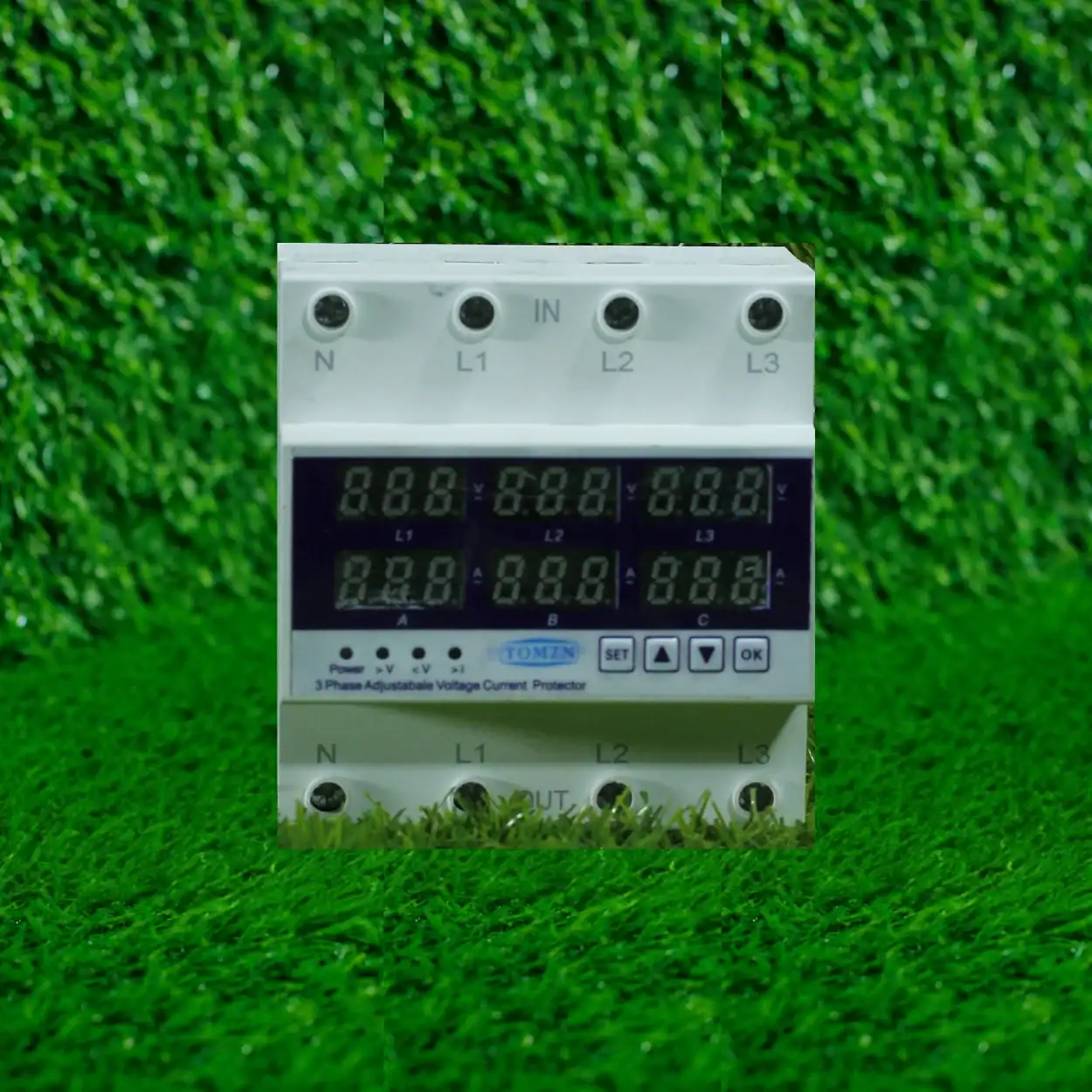
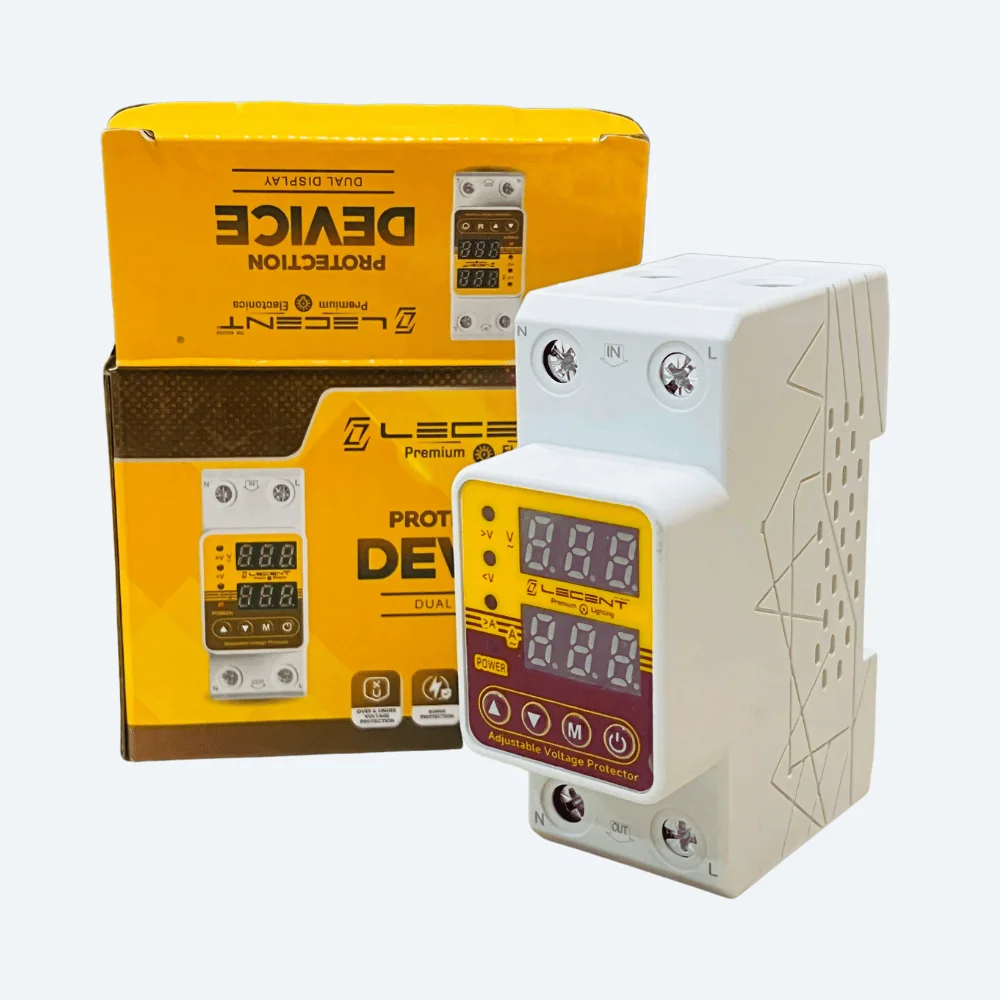
There are roughly three categories of 63A voltage protection in the Pakistani market: standalone electromechanical relays, solid-state digital protectors, and integrated smart protectors with WiFi monitoring.
Electromechanical relays are reliable and don’t need a power supply of their own, but they’re getting harder to find and they’re slow. Solid-state digital devices are accurate, fast, and popular for a reason. They do need a small power input (usually a 12V or 230V auxiliary supply), but modern distribution boxes account for that.
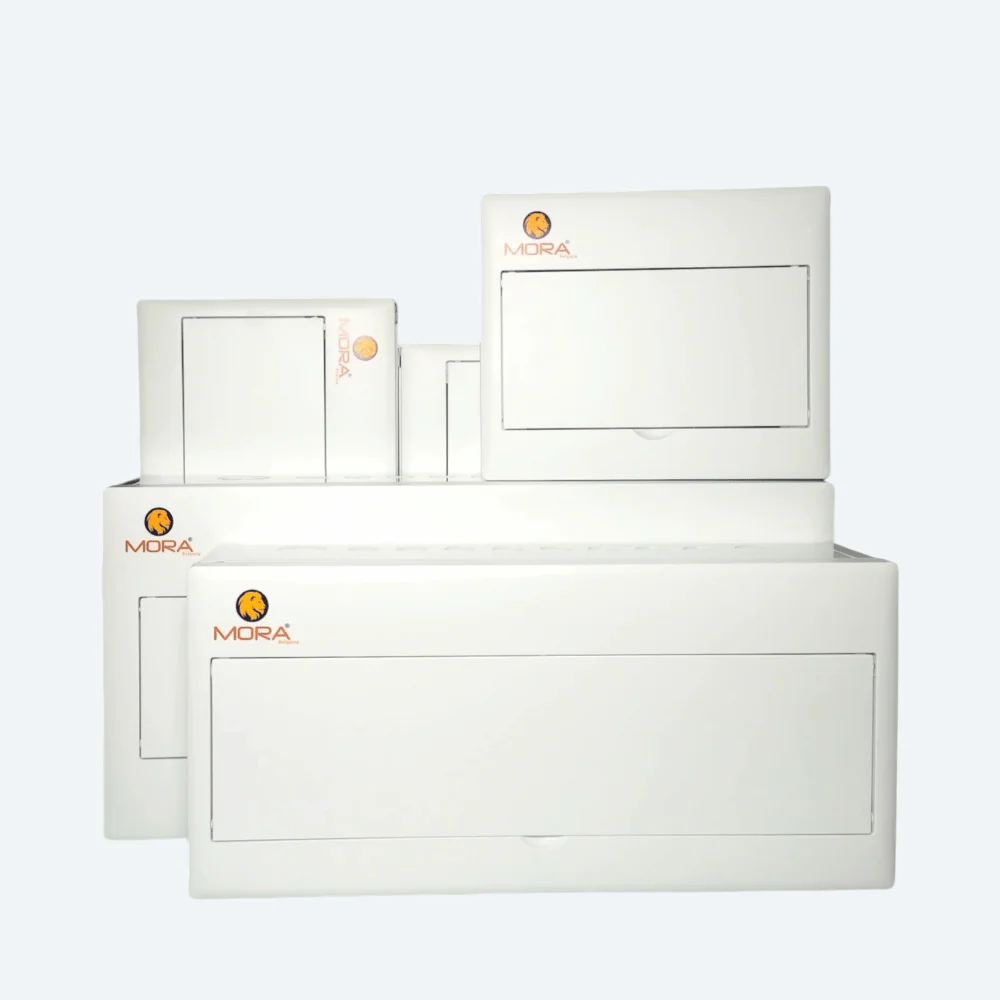
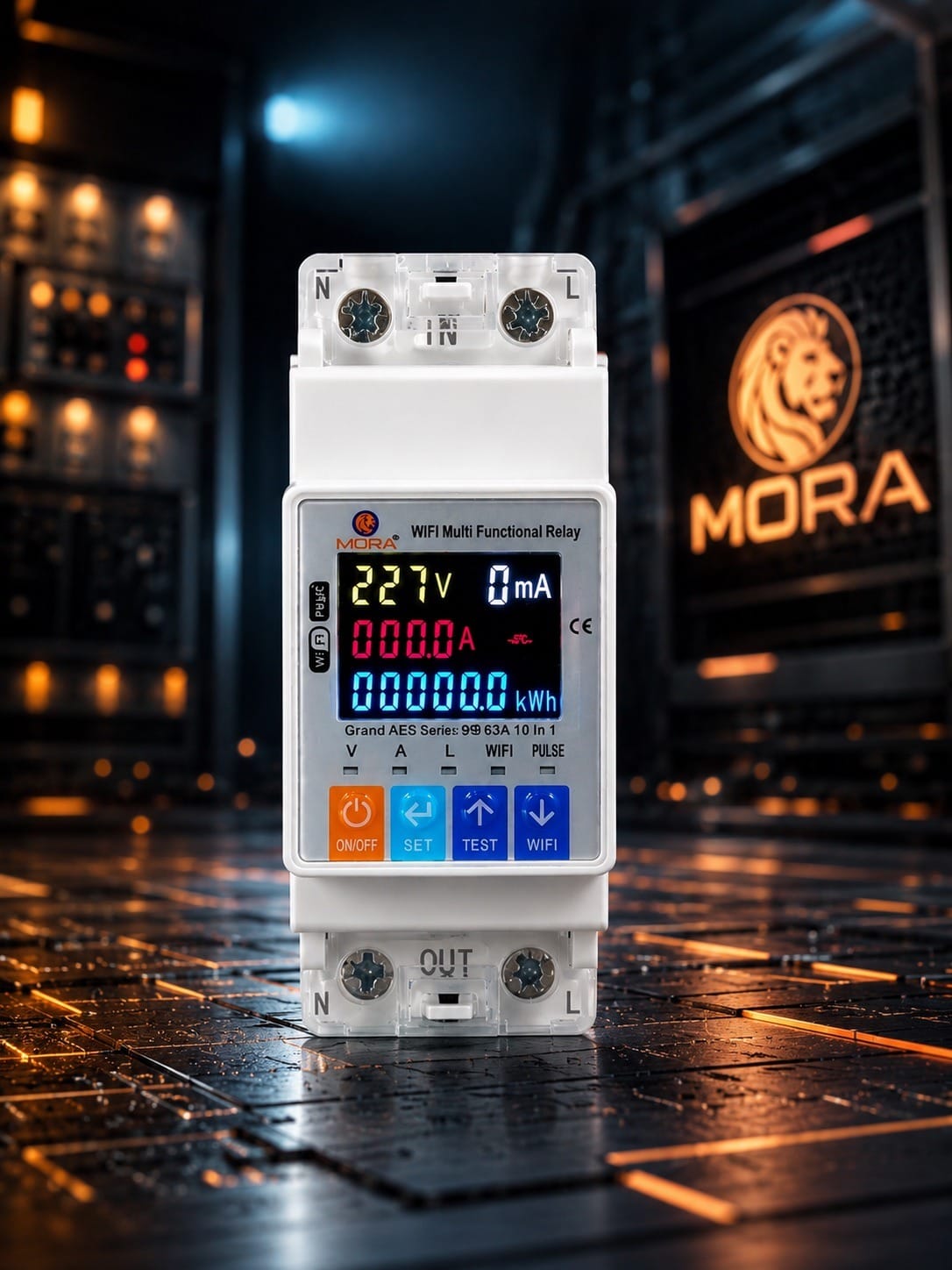
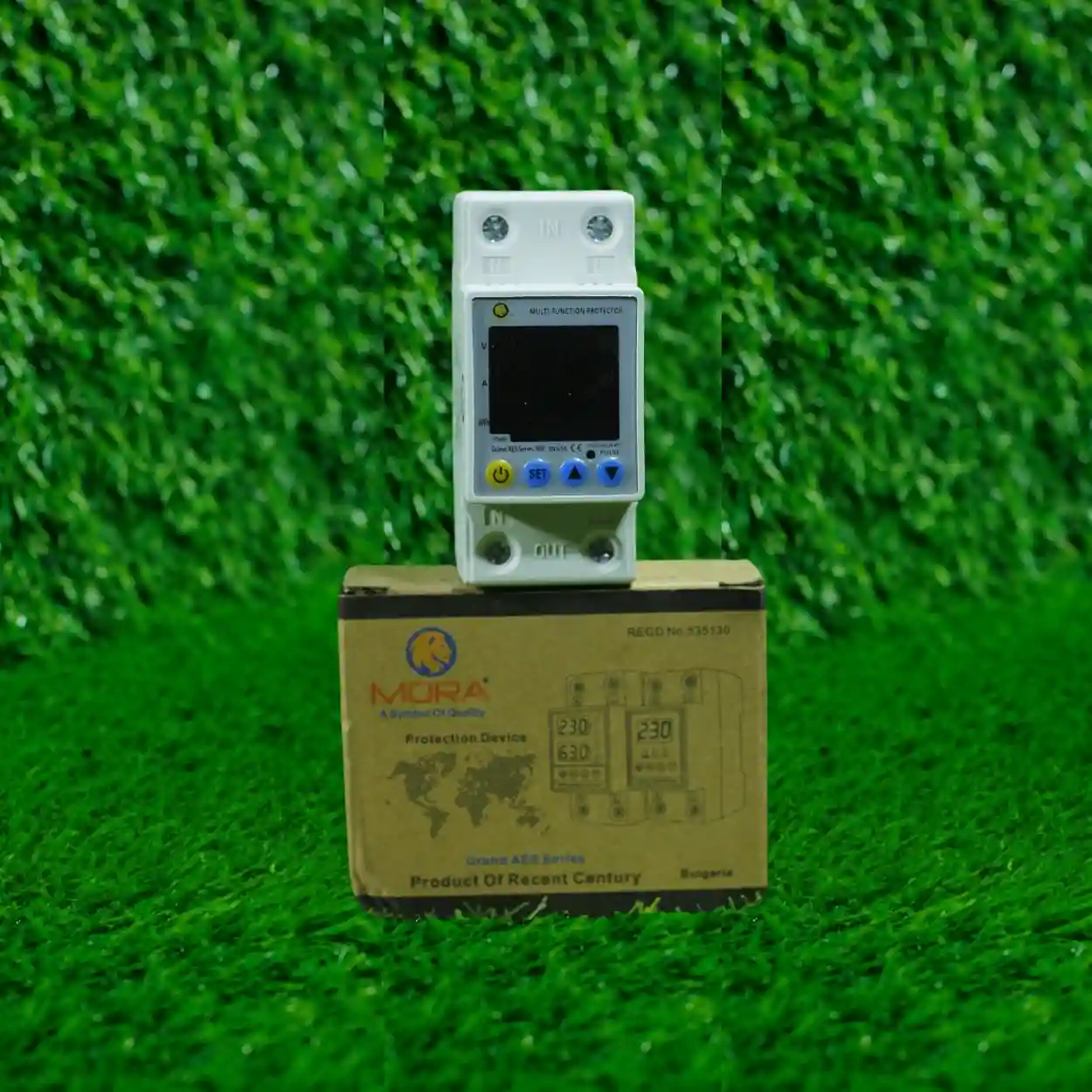
Smart protectors like the MORA Bulgaria 10-in-1 Smart WiFi Protector (80A kit, programmable to 63A) add remote monitoring and data logging. You get alerts on your phone when voltage goes out of range, and you can see historical logs to argue with your DISCO when supply quality is poor. The extra cost is worth it if your inverter or solar setup is valuable. On a basic 63A home supply protecting a few appliances, it’s overkill.
Real Installation Challenges You’ll Face
First issue: earthing. A voltage protector only works if your neutral and earth are properly bonded at the meter and at your distribution box. I’ve seen protectors trip constantly on sites where someone cut corners on earthing to save wire cost, and the neutral was floating relative to earth. The protector was doing exactly what it should, but the customer blamed the device. Fix the earthing first, then install protection.
Second: interaction with your existing MCBs and RCCB. If you have a 63A main MCB and then a 63A protector upstream, the protector should have a slightly lower trip threshold so it acts first. If they trip simultaneously, you’ve got a coordination problem. Most installers get this backwards. The protector should be the first line of defense, upstream of all breakers.
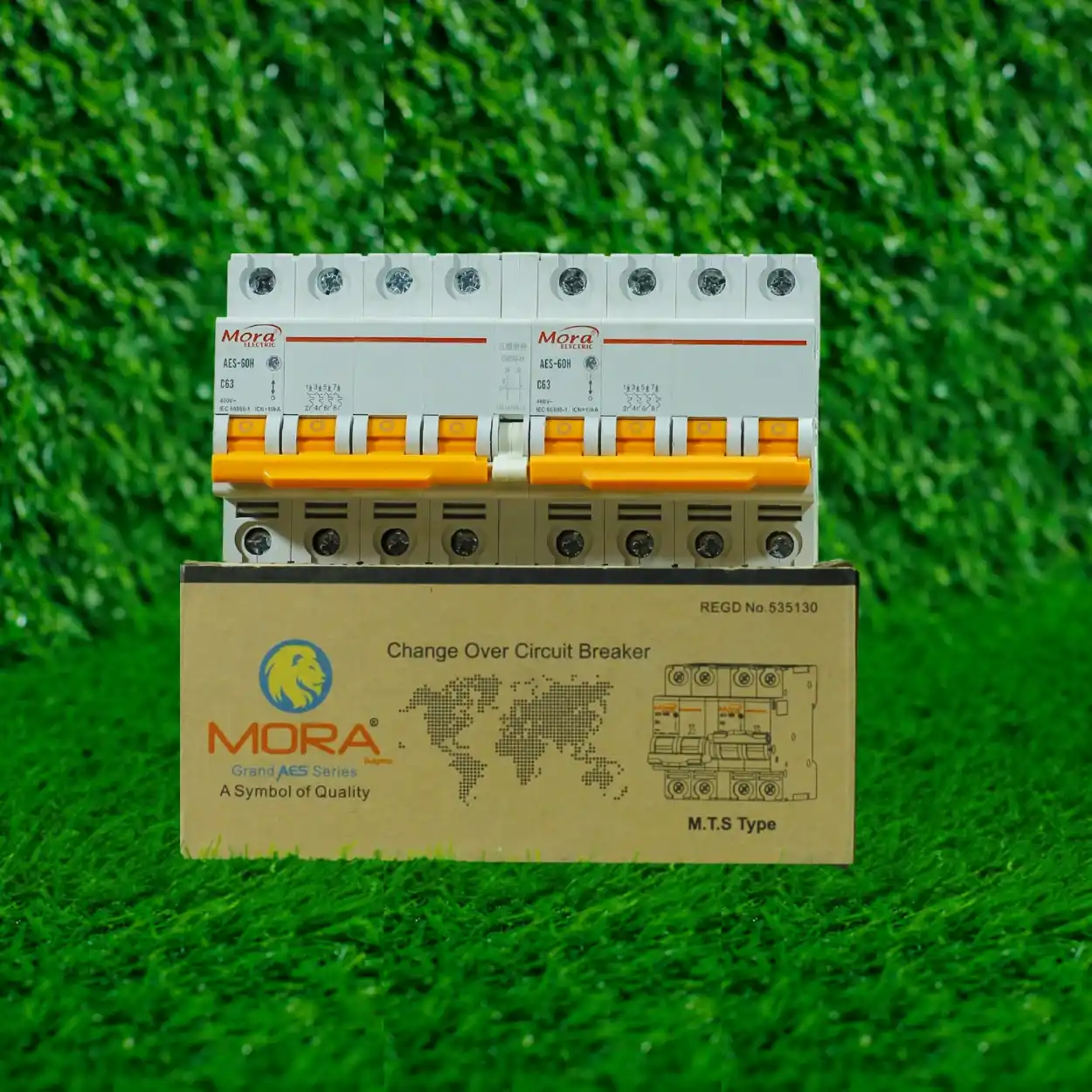
Third: ATS (automatic transfer switch) cycling on generator sites. If you have an ATS that switches between grid and generator, and your generator voltage regulation isn’t perfect, a hair-trigger voltage protector can cause the ATS to hunt between supplies. I’ve debugged this on three poultry farms where the 63A protector was tripping every 30 seconds because the generator load regulation was loose. Solution: either tighten the generator voltage regulation (ideally to within +/- 5V), or adjust protector thresholds to 170-280V instead of 180-270V when a generator is in the circuit.
Which 63A Devices Actually Work in Pakistan
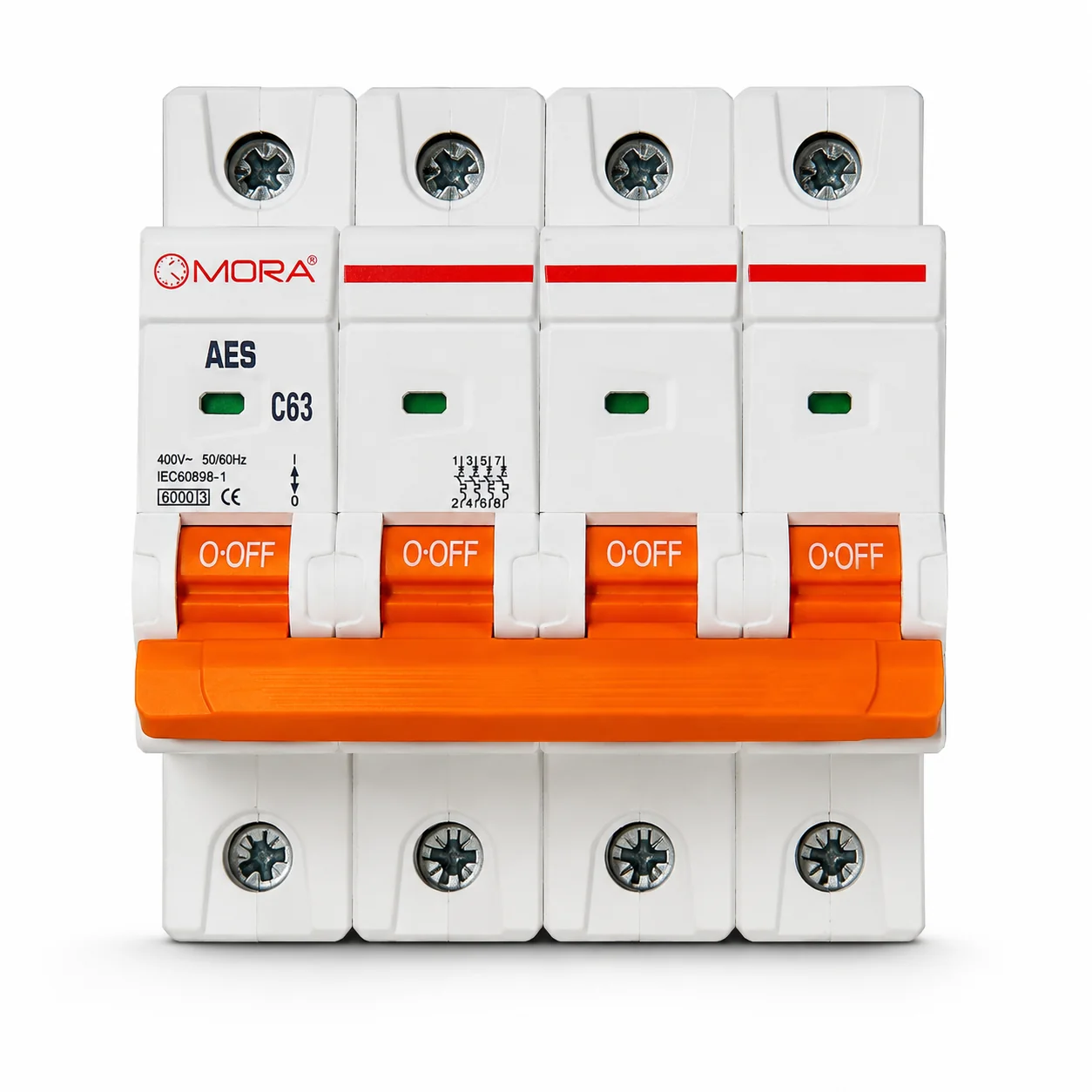
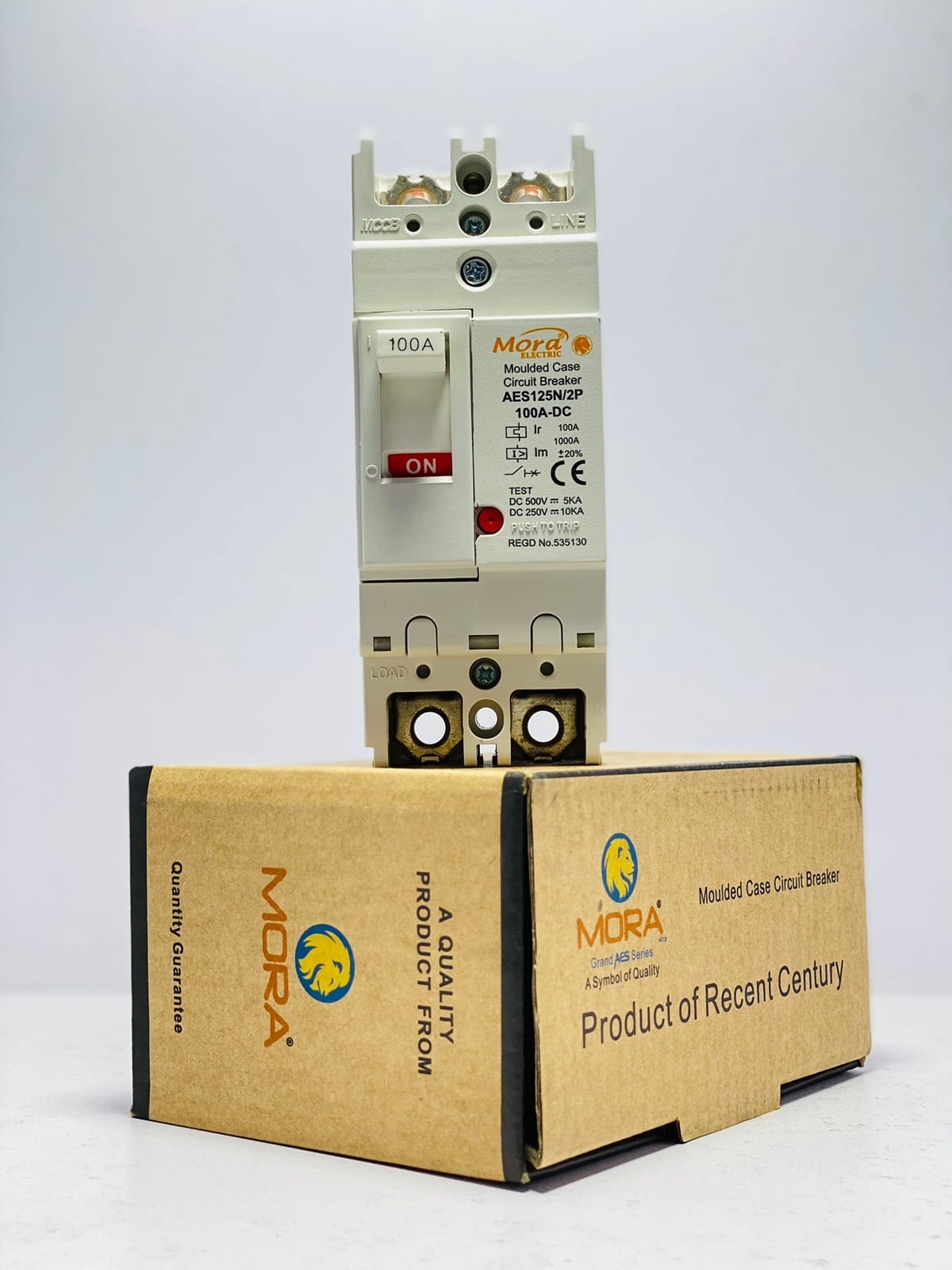
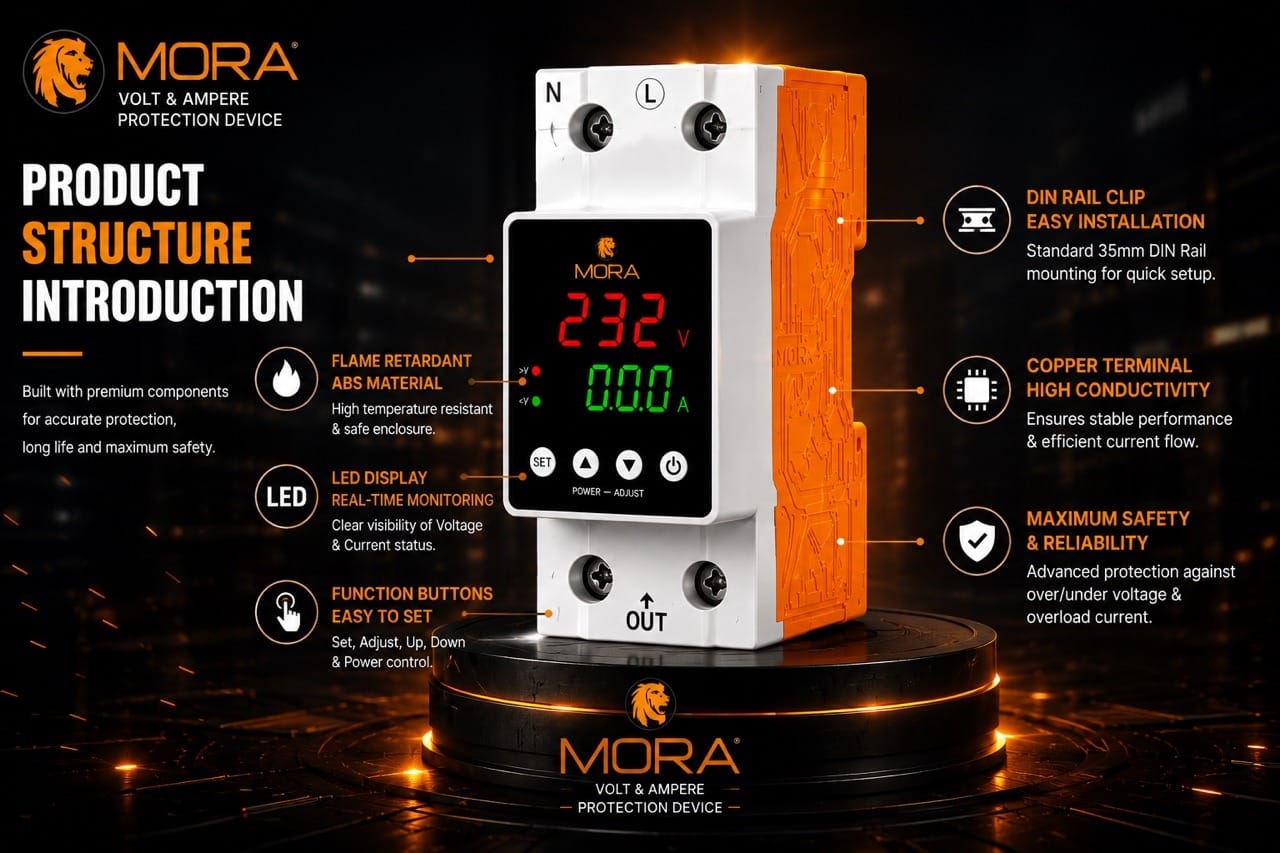
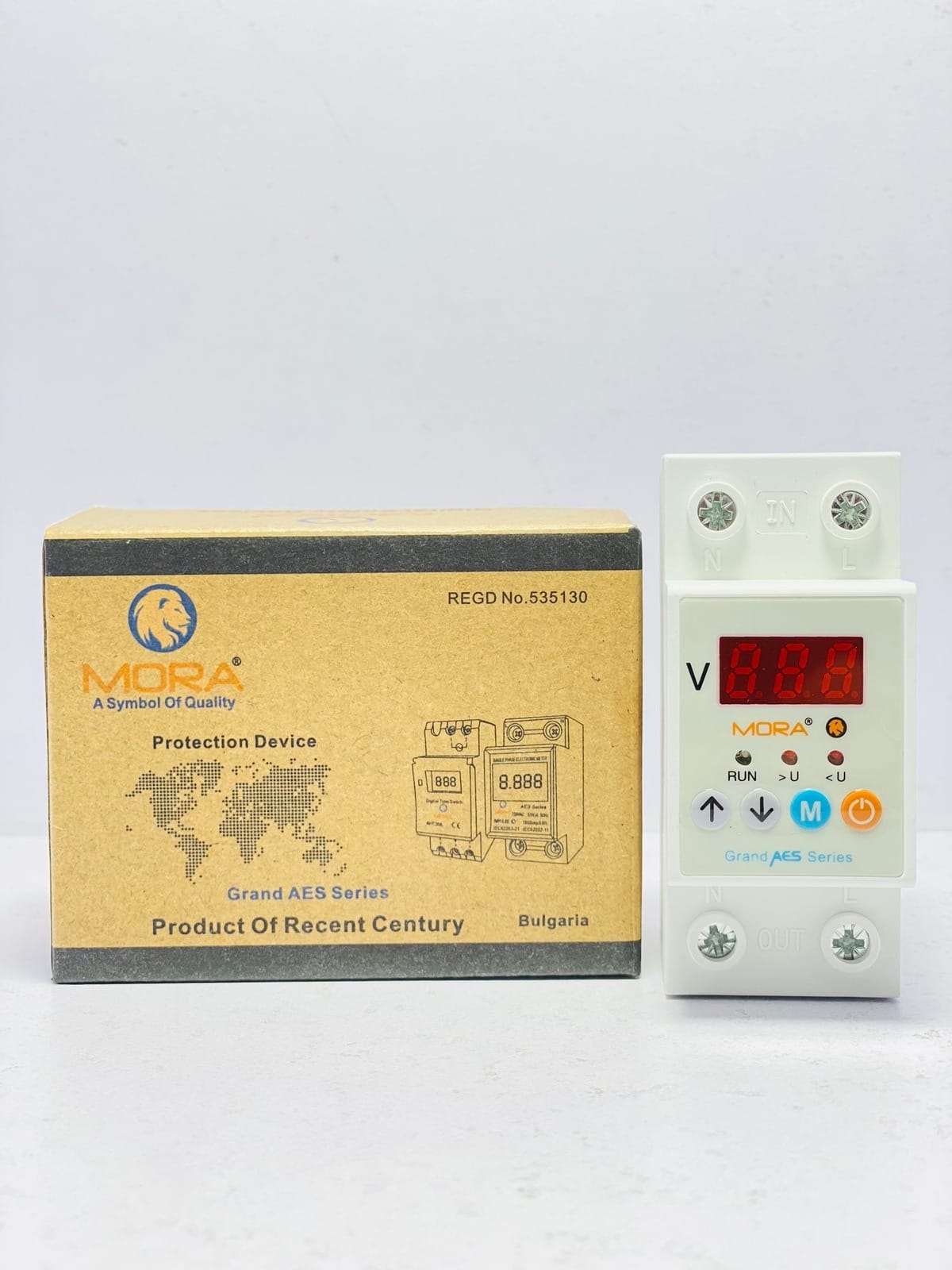
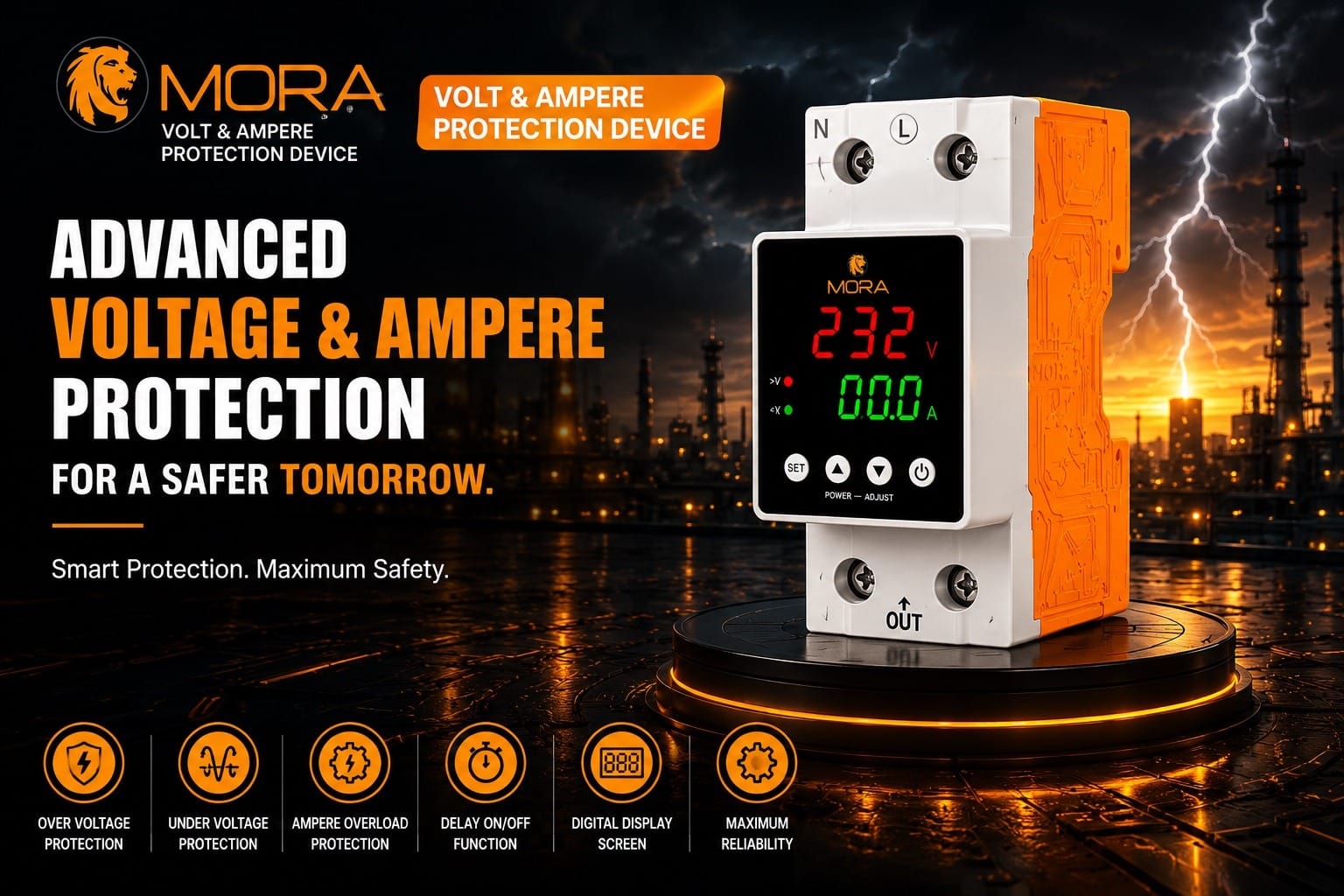
MORA branded protectors are genuinely reliable. They come with proper documentation specifying thresholds, response time, and manual override instructions. The MORA product range includes several voltage protection options, and their 63A devices are built to IEC 60947 standards with a 40kA breaking capacity on the output side, meaning they can safely disconnect even if there’s a fault load at the moment of trip.
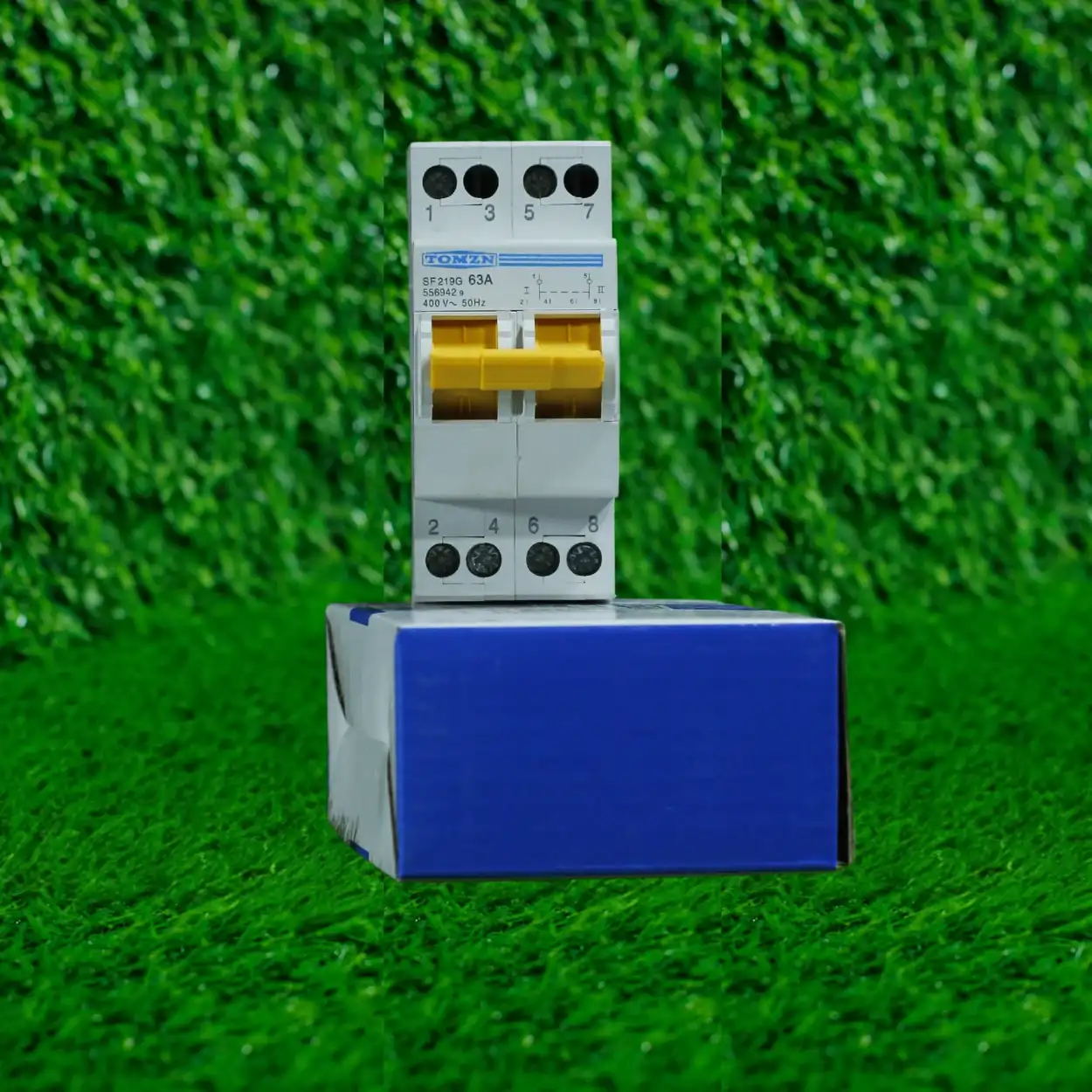
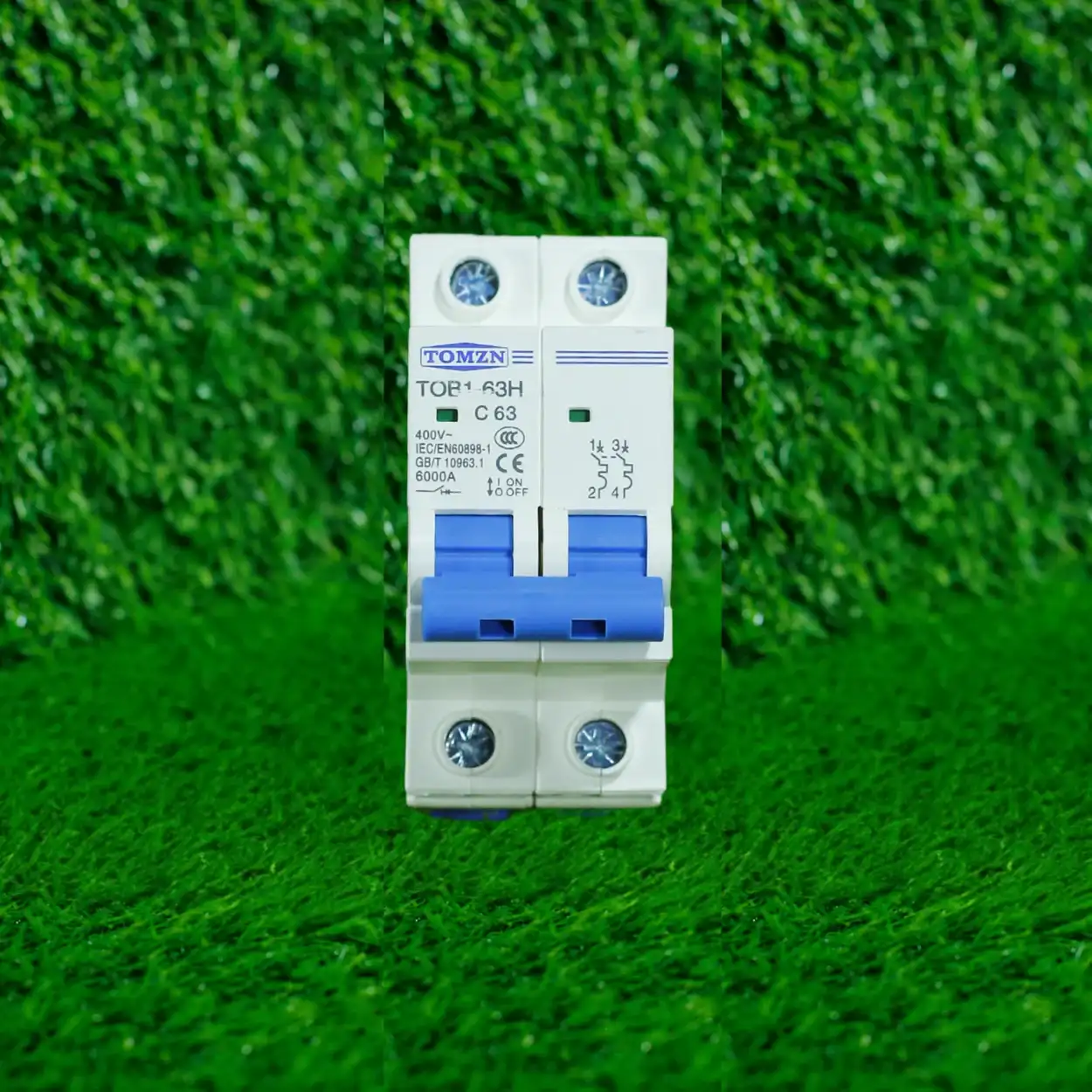
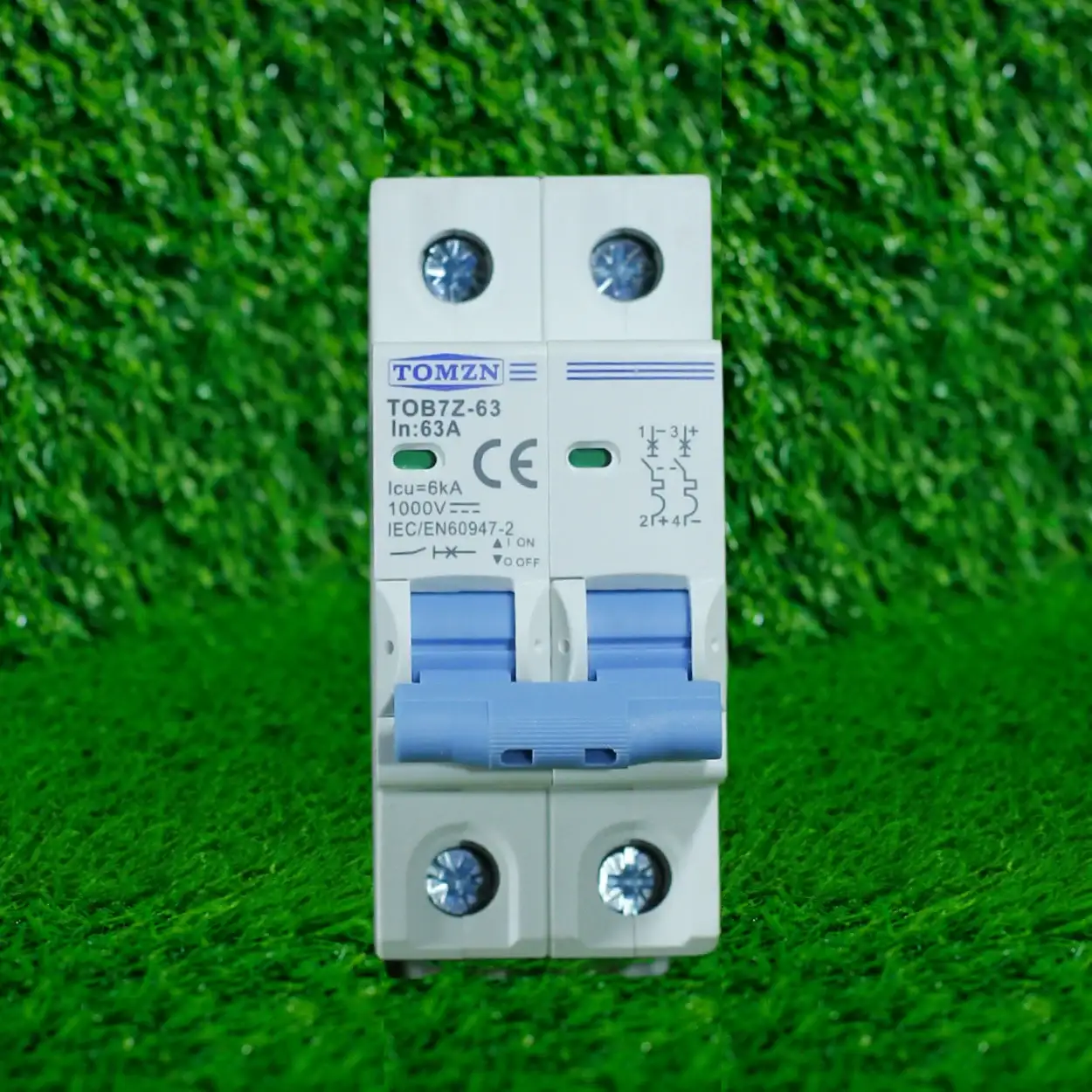
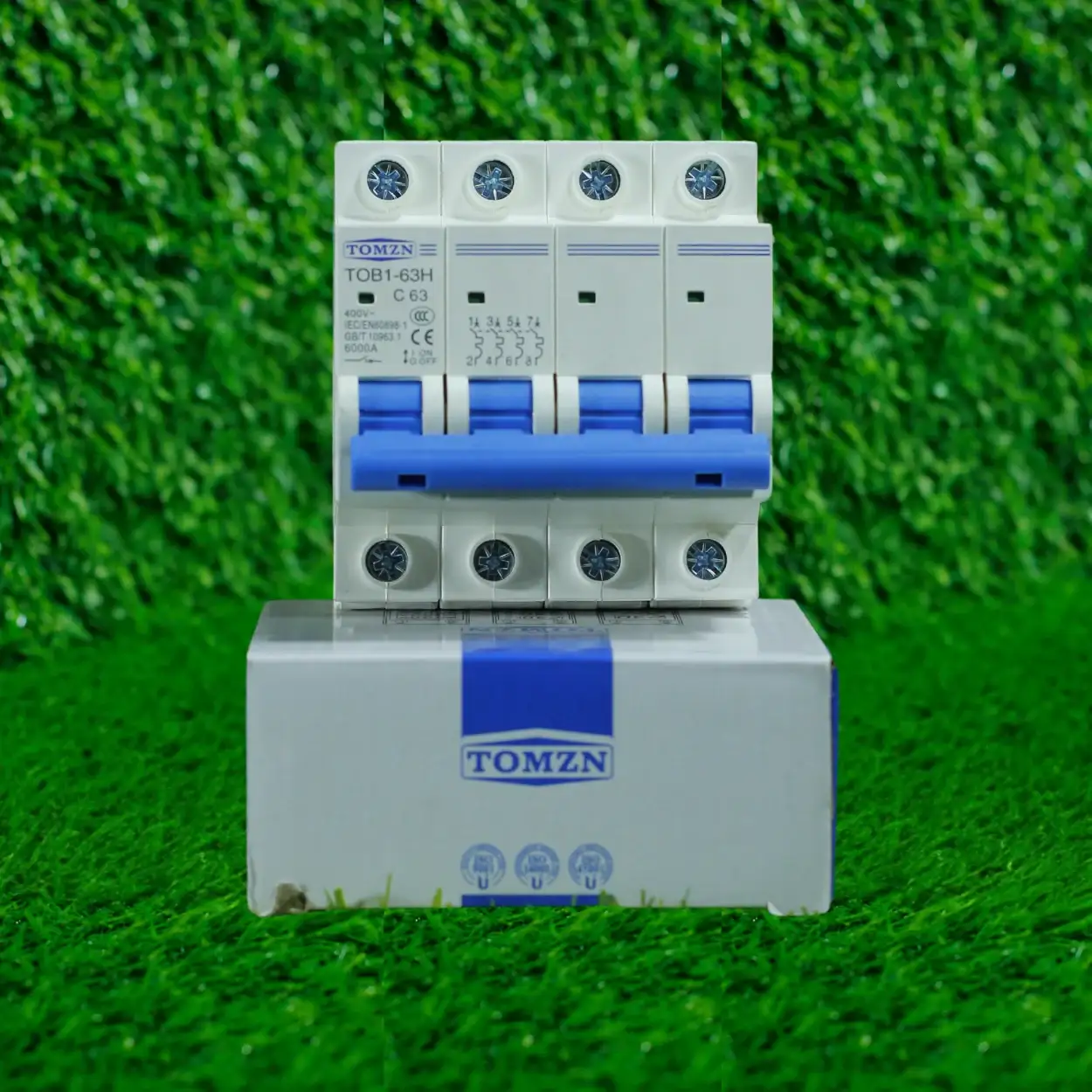
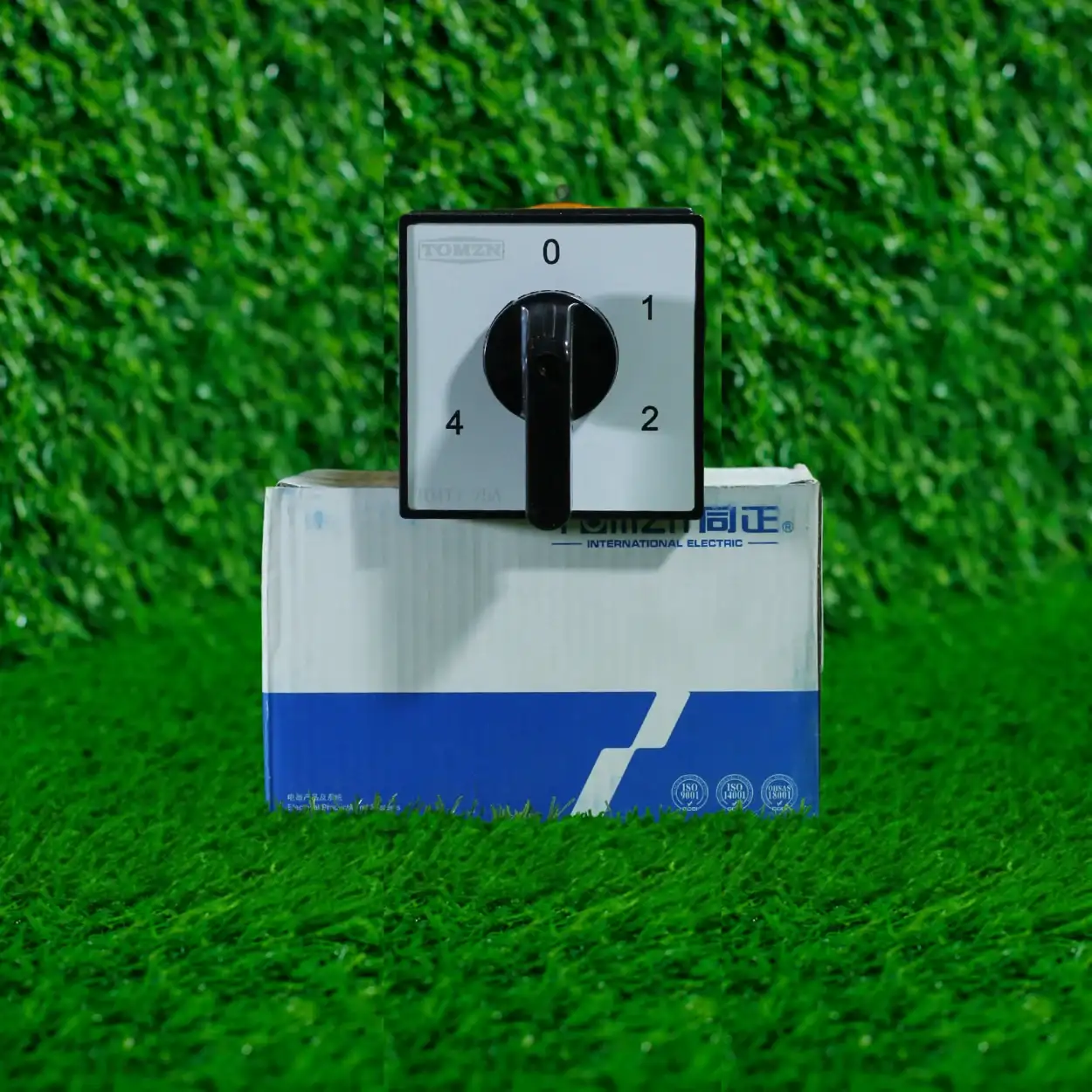
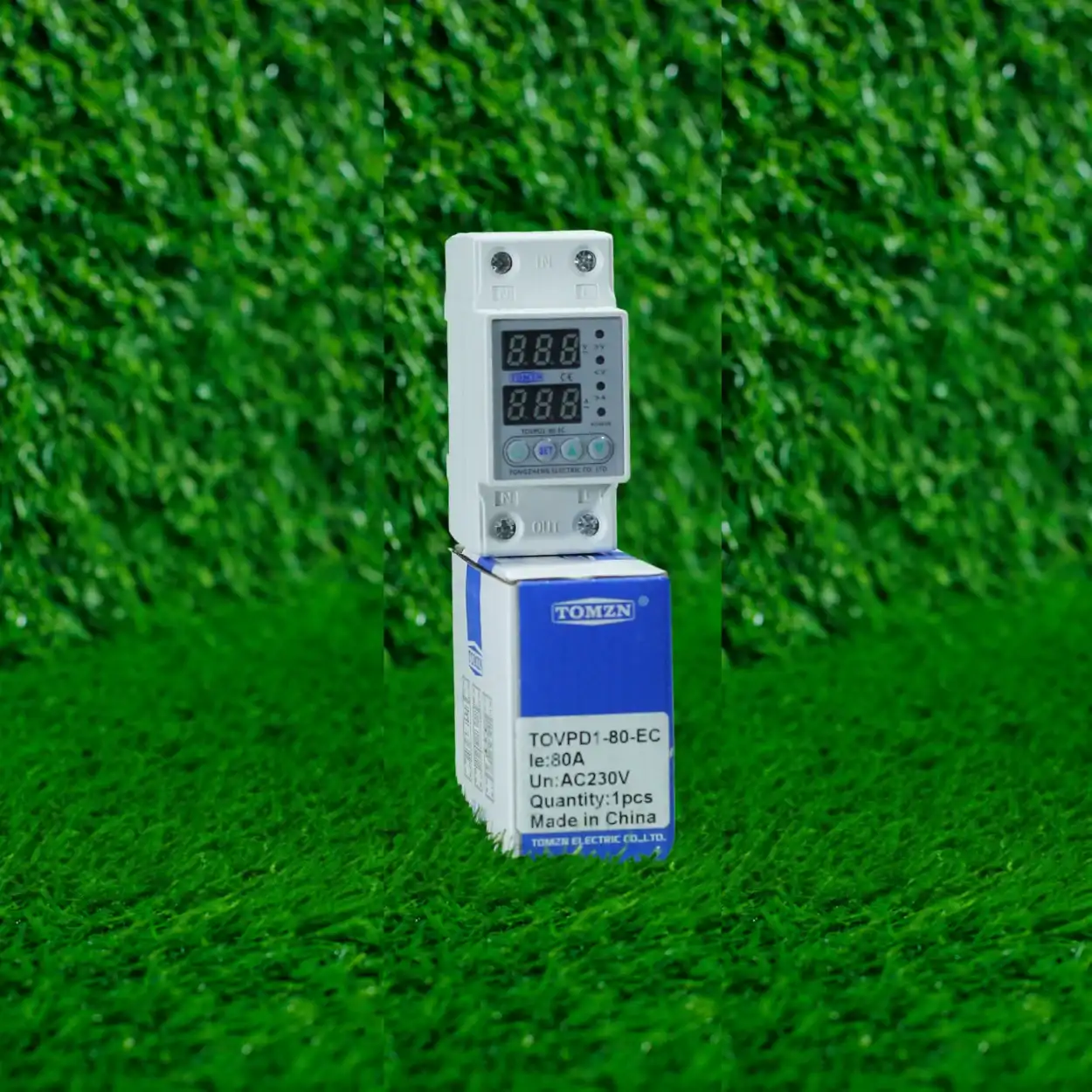
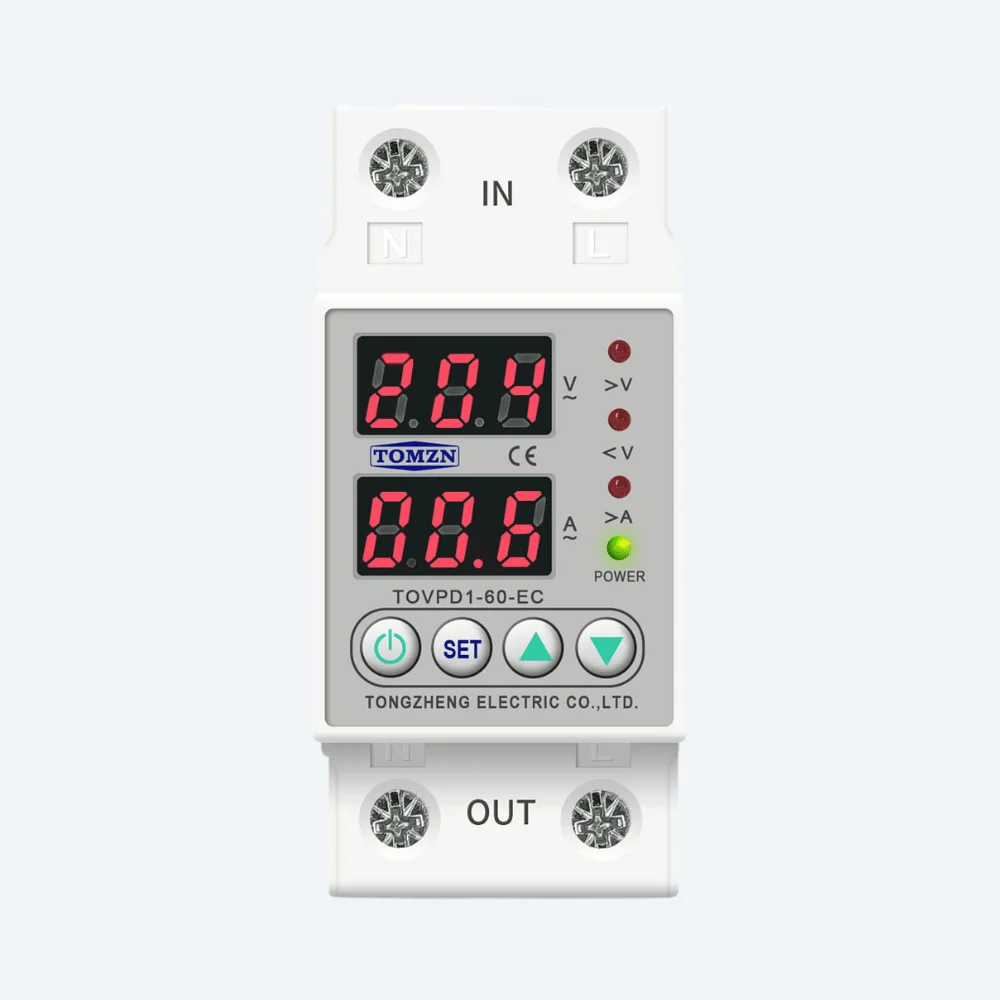
TOMZN devices are cheaper but variable. Their 63A protectors work, but I’ve seen a few units with response times above 15 seconds or thresholds that drift after a year in the heat. If budget is tight, TOMZN is serviceable, but MORA is the safer bet if the appliances being protected are expensive.
Avoid unknown Chinese knockoffs sold under brand names you’ve never seen. The market is flooded with devices that claim 63A rating but are really 40A internally, or have thresholds that aren’t calibrated. They’re often 1000-2000 PKR cheaper, and they fail after 6 months of regular Pakistani grid abuse. I’ve replaced more counterfeit units than genuine ones on retrofit jobs.
Do You Actually Need One?
If your home is fed directly from a DISCO transformer with stable voltage (rare but happens in some newer housing schemes), and your appliances are modern with built-in surge protection, a 63A protector is a nice-to-have, not essential. But if you live in an older residential area, share a transformer with industrial loads, or have an air conditioner and refrigerator running on the same supply, voltage spikes and sags are real and recurring. The cost of one good 63A device (3000-8000 PKR depending on features) is far less than replacing an inverter compressor or an inverter battery bank damaged by repeated overvoltage.
On sites with solar backup or a home inverter, protection becomes essential. Inverters are sensitive to grid voltage swings, and a bad sag can trip the inverter’s soft-start repeatedly, wearing out components. A voltage protector upstream prevents those stress cycles entirely.
Installation and Commissioning
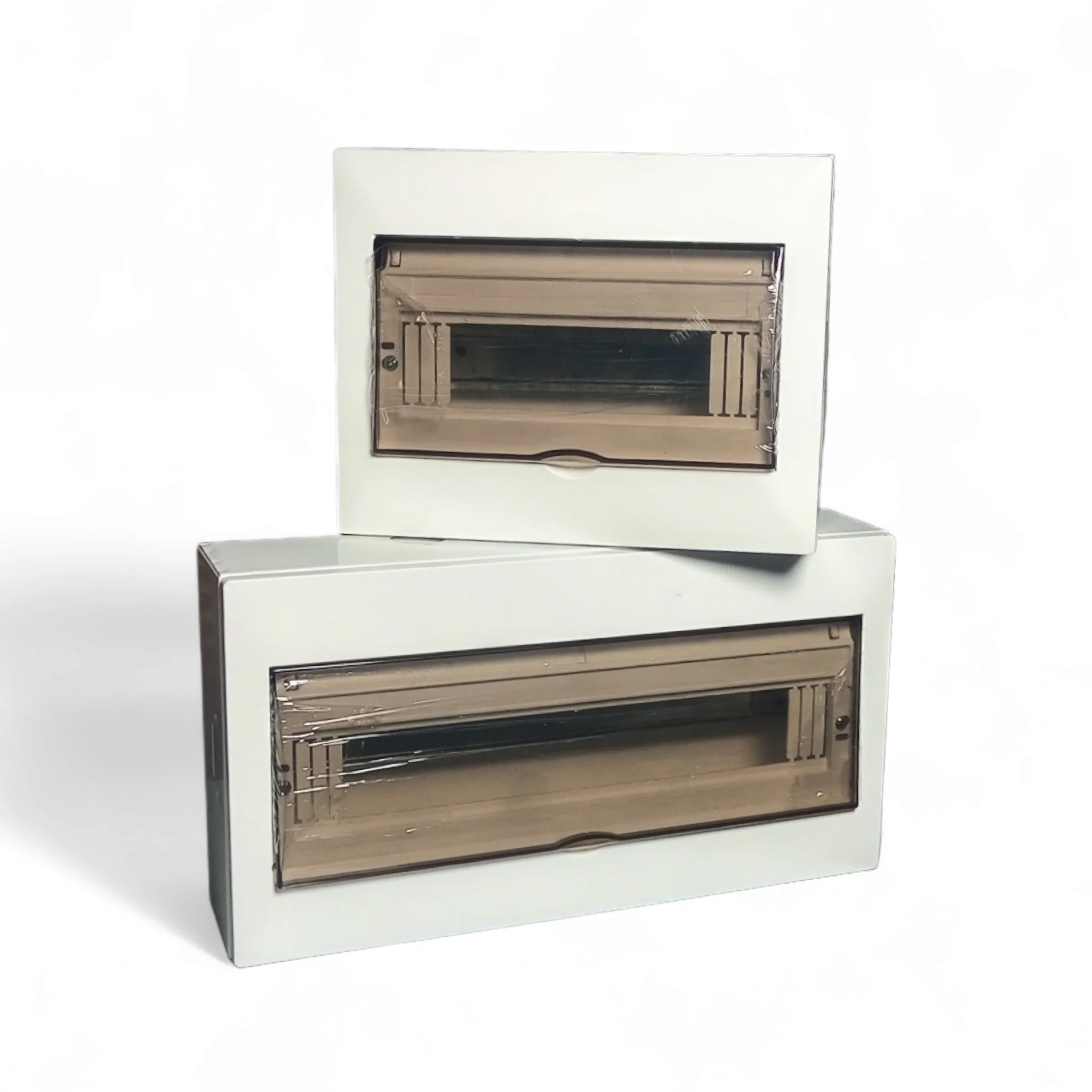
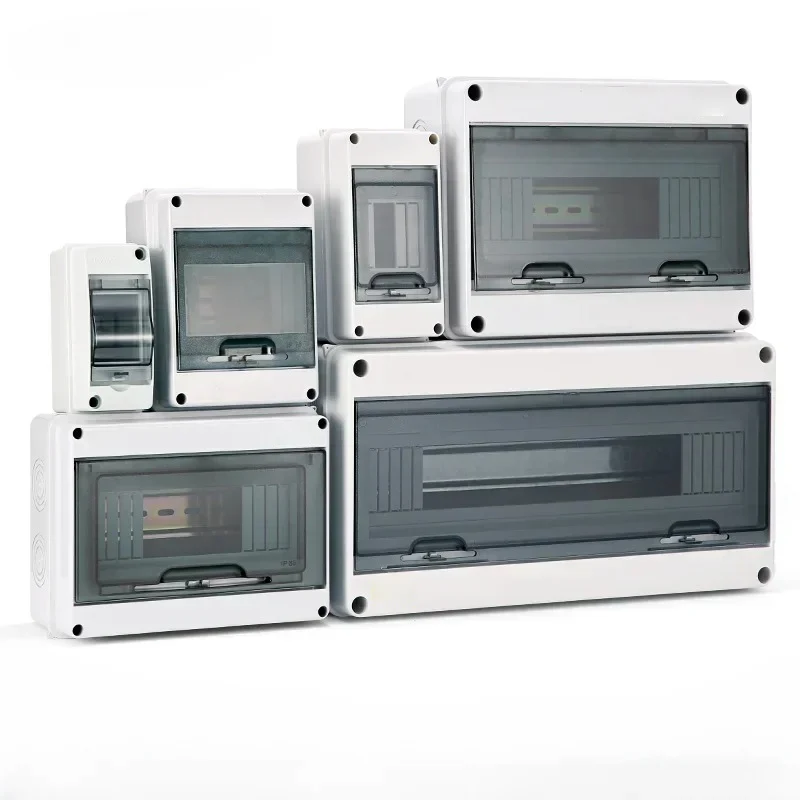
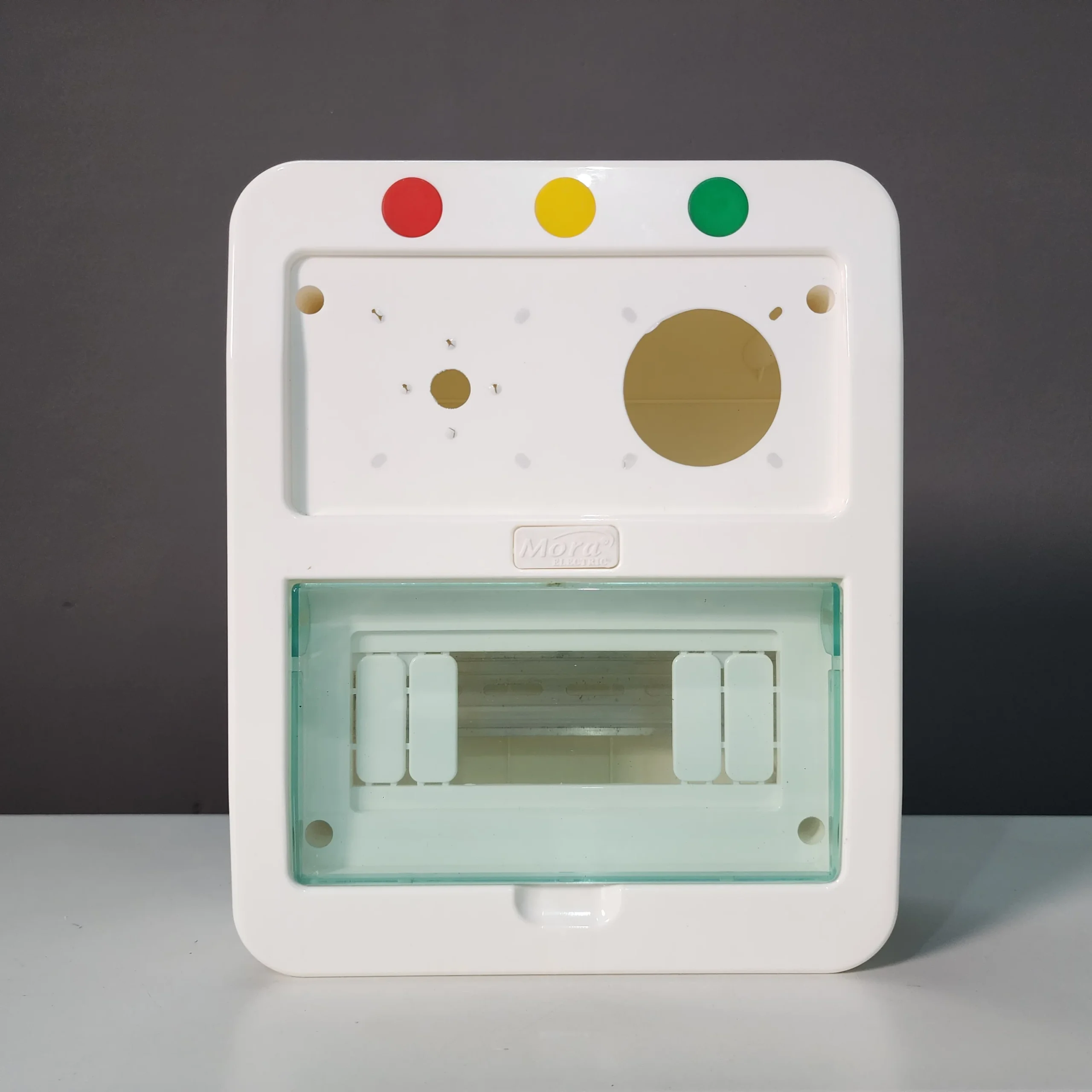
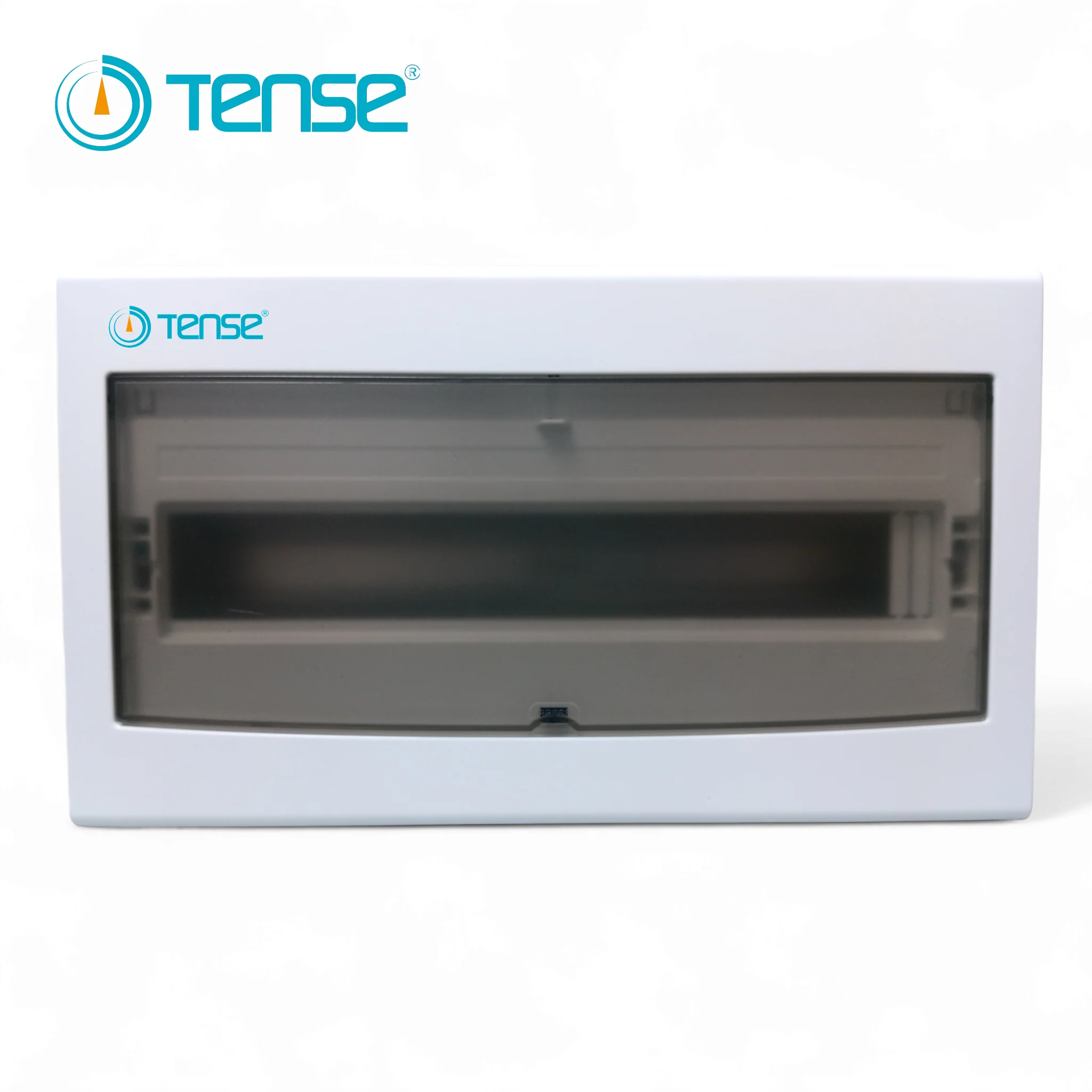
Install the 63A protector immediately after the meter and before the main MCB in your distribution box. This ensures it monitors the actual incoming supply and protects everything downstream. The protector should have a dedicated breaker (usually 63A to match) on the load side, and the incoming supply should be wired to the device’s input terminals, not tapped anywhere else first.
Before commissioning, test the manual trip function. Push the trip button and verify that power cuts. Verify that the reset button restores power. Check the lamp or indicator (most devices have one) to confirm it’s active. Then ask the customer or site engineer to note the protector’s trip thresholds and response time. If they’re adjustable, record the settings you chose and why. This matters if the device trips later and someone else tries to adjust it without understanding the grid conditions you designed for.
On generator sites, test the ATS transition and confirm that switching between grid and generator doesn’t cause the protector to trip within the first 10 seconds after transfer. If it does, you’ve got a voltage regulation issue on the generator or a threshold conflict. Resolve it before handing over the site.