










Plastic vs Metal Changeover Switch Box: Pick the Right One

The mistake most people make before even comparing
Most customers walk in thinking plastic changeover boxes are cheaper junk and metal ones are obviously better. That assumption costs them money and sometimes causes more problems than it solves. The truth is messier: plastic boxes fail in specific conditions, metal boxes fail in others, and neither is universally superior. What matters is matching the box type to your actual installation environment and your load cycling pattern.
I’ve pulled apart failed installations across Lahore where a contractor slapped a metal box in direct afternoon sun on a poultry farm, and the internal components desoldered themselves from the circuit board in two summers. I’ve also seen plastic boxes crack and split in older concrete buildings with poor earthing, where voltage spikes kept finding paths through the walls. The box material isn’t the real decision point. The conditions are.
What plastic changeover boxes actually do well
Plastic boxes are lighter, easier to mount on plasterboard or drywall, and they don’t conduct electricity if something goes wrong inside. That last point matters more than people think. If a live wire touches the inside of a metal box and you haven’t earthed it perfectly (which happens in older Lahore buildings constantly), you’ve got a shock hazard. A plastic box won’t shock you. You could argue that’s a backup for poor earthing, but I’ll be honest: it’s more like a safety net for installations that shouldn’t rely on the net.
Plastic boxes also handle thermal cycling well. When the box sits in shade most of the day and direct sun in summer afternoons, plastic expands and contracts more gracefully than metal. Metal boxes can develop hairline cracks in the solder joints after years of this cycle, especially in Lahore’s 45-degree summers followed by 5-degree winters. I’ve cracked open boxes after 6-7 years where the ATS relays were working fine but the physical enclosure was about to split.
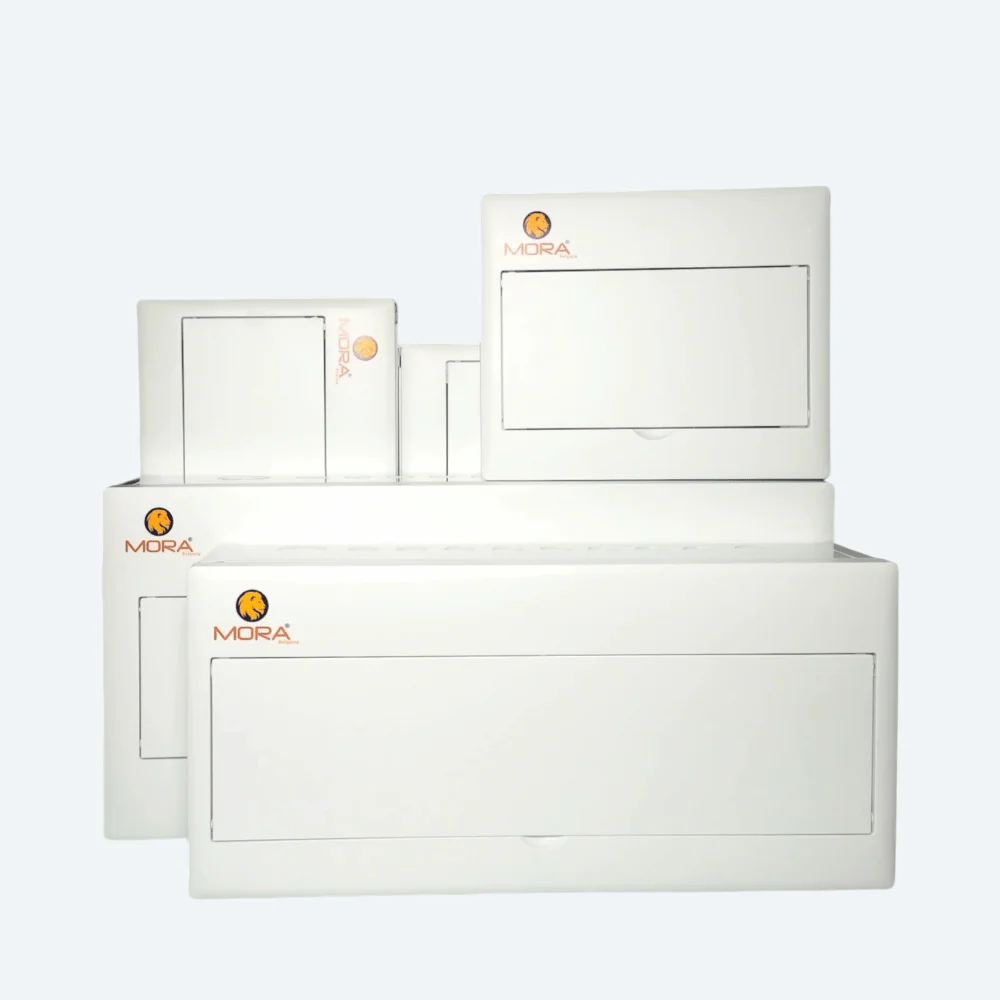
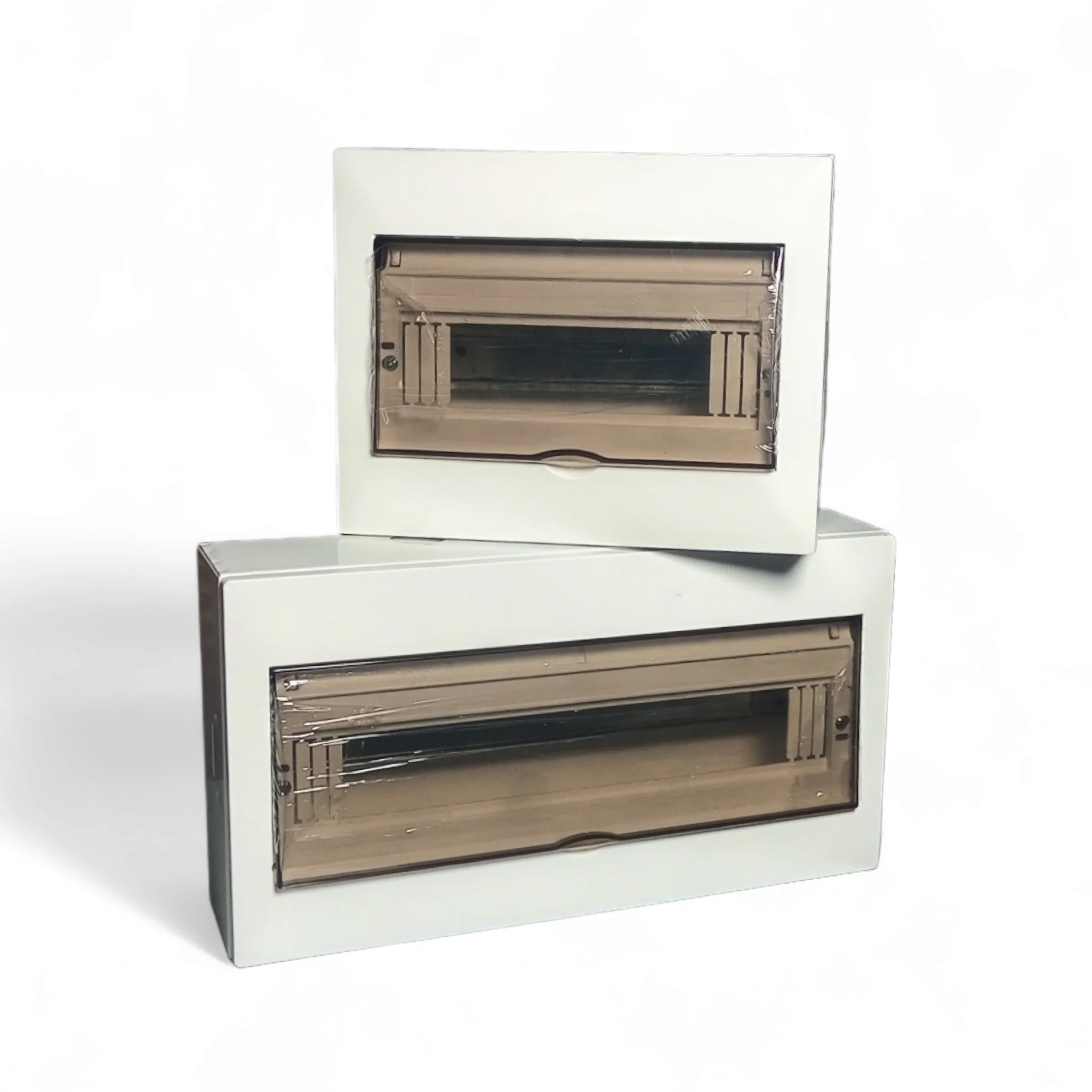
For indoor installations in temperature-controlled environments (homes with decent air conditioning, small offices, shops in air-conditioned malls), plastic boxes are perfectly adequate and will outlast most people’s patience with the same system. They’re also cheaper by 20-30% depending on brand and ampere rating.
Where plastic fails and metal keeps working
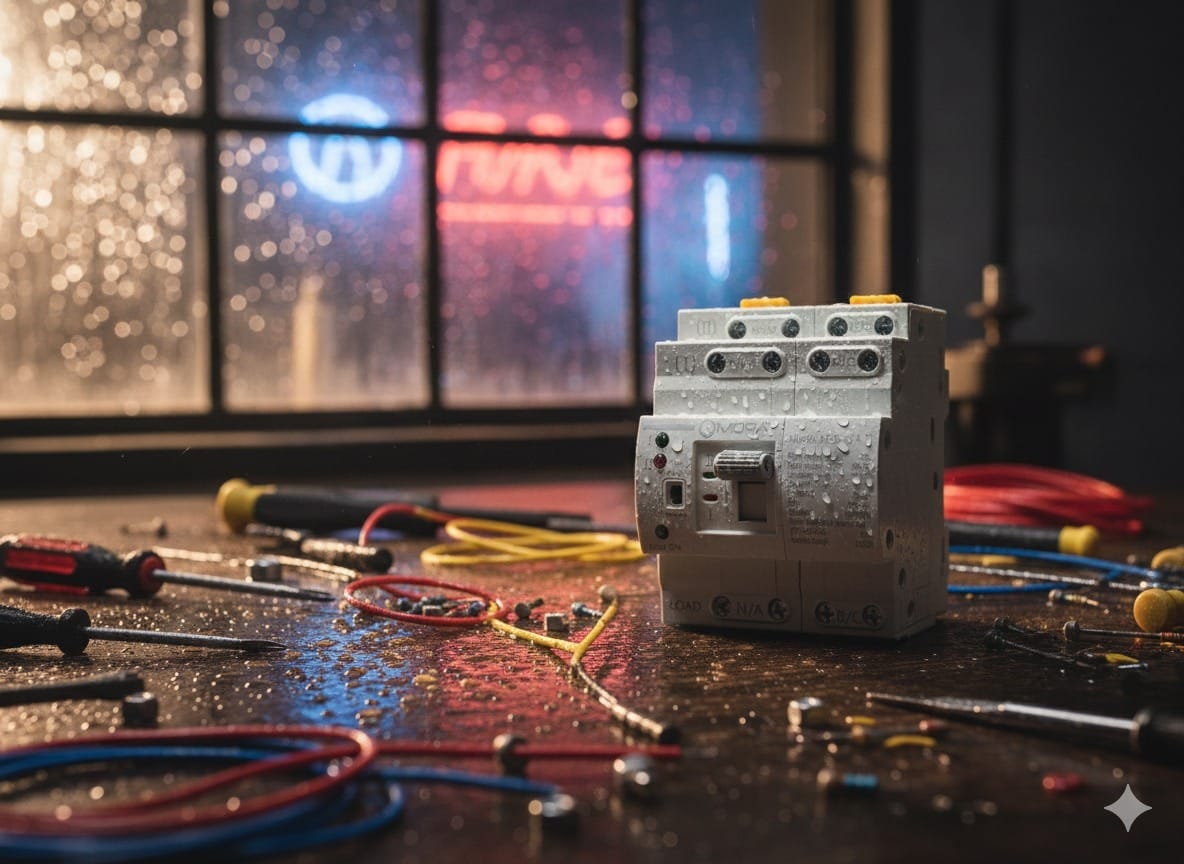
Direct sunlight hitting a plastic box for 8+ hours daily degrades the material. UV exposure makes plastic brittle over 3-4 years, and if the box is mounted on a poorly ventilated wall where heat traps, the internal components cook faster than they should. The changeover relay contacts oxidize, the thermal overload strip gets sluggish, and you start getting nuisance trips when the load is actually fine.
Dust penetration is also real. In areas with high industrial dust or near roads (which includes most of central Lahore), dust settles on plastic box surfaces and cakes up around the ventilation gaps. When humidity spikes during monsoon, that dust becomes conductive sludge, and you get tracking across the contact surfaces. Metal boxes with proper IP rating (usually IP54 or higher) seal better against this kind of contamination.
Voltage fluctuation stress hits plastic and metal differently too. Pakistan’s WAPDA and DISCO supply swings routinely between 180V and 250V on a bad day. Metal boxes dissipate heat generated by the relay coils and contacts more efficiently, so the components inside stay cooler and age more slowly. Plastic boxes trap more of this heat, and the relays inside have a harder time. Over 8-10 years, you’ll notice the difference.
Metal boxes: durability versus practicality
A properly earthed metal changeover box will outlast most electrical systems in Pakistani homes. The enclosure won’t degrade, it conducts heat away from internal components, and it resists impact damage (which matters if you’ve got kids or if the box is in a rough-use area). If you’re building a system that needs to last 15+ years with minimal maintenance, metal is the safer bet.
But here’s the catch: metal only wins if it’s earthed correctly. That means a proper 2.5mm or 4mm earth wire from the box to your main earthing pit or electrode system. In older buildings across Lahore, that earthing either doesn’t exist or is so degraded it’s basically useless. If you install a metal box without reliable earth, you’ve actually made things worse, not better. A live wire inside that box becomes a live metal surface, and there’s no plastic insulation to save you.
Metal boxes are also heavier and bulkier. If your wall is plasterboard or old crumbling concrete, you need better fixings or you risk the box tearing free. On solid brick or stone walls it’s no issue, but it’s something to check before you buy.
One more thing: if your area has severe load-shedding and you’re using a generator or solar inverter alongside the grid, metal boxes handle the frequent ATS cycling slightly better because they dissipate the relay heat more efficiently. On jobs where we’re switching 10-15 times daily (morning grid, midday solar, evening generator, back to grid), metal boxes just run cooler and the contacts last longer.
Specific conditions that change the recommendation
If you’re installing in direct sunlight (rooftop, exposed outdoor wall), use metal. The plastic will fail in 3-4 years and you’ll be cursing the day you bought it.
If you’re in a dust-heavy area (near roads, workshops, textile areas), metal is better. The sealed enclosure keeps debris out.
If your building has weak or no earthing, plastic is safer than metal. At least you won’t have a live metal case. But honestly, fix your earthing instead of working around it.
If you’re mounting on a wall that’s consistently damp or near a kitchen where salt spray is an issue, metal boxes can corrode. A powder-coated metal box resists this better than bare steel, but plastic avoids the problem entirely. That said, don’t mount any box near constant moisture. Move it to a drier wall first.
If you’re switching loads 10+ times daily (solar plus grid plus generator), metal boxes run cooler and the relays last longer. Choose metal for industrial or heavy-cycle applications.
For standard residential use in a climate-controlled home with decent earthing and normal supply cycles, plastic is fine and saves money.
Brand and quality matter as much as material
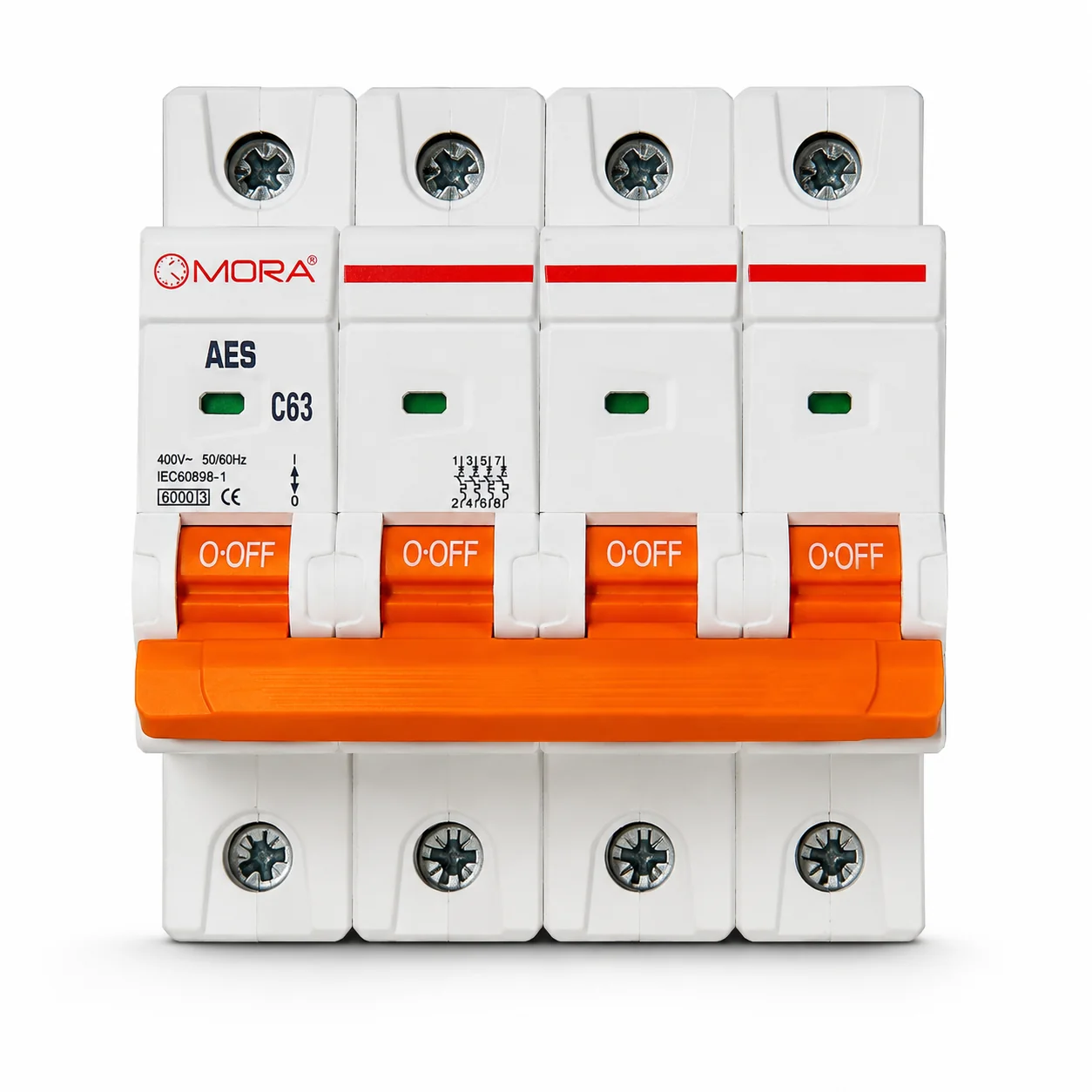
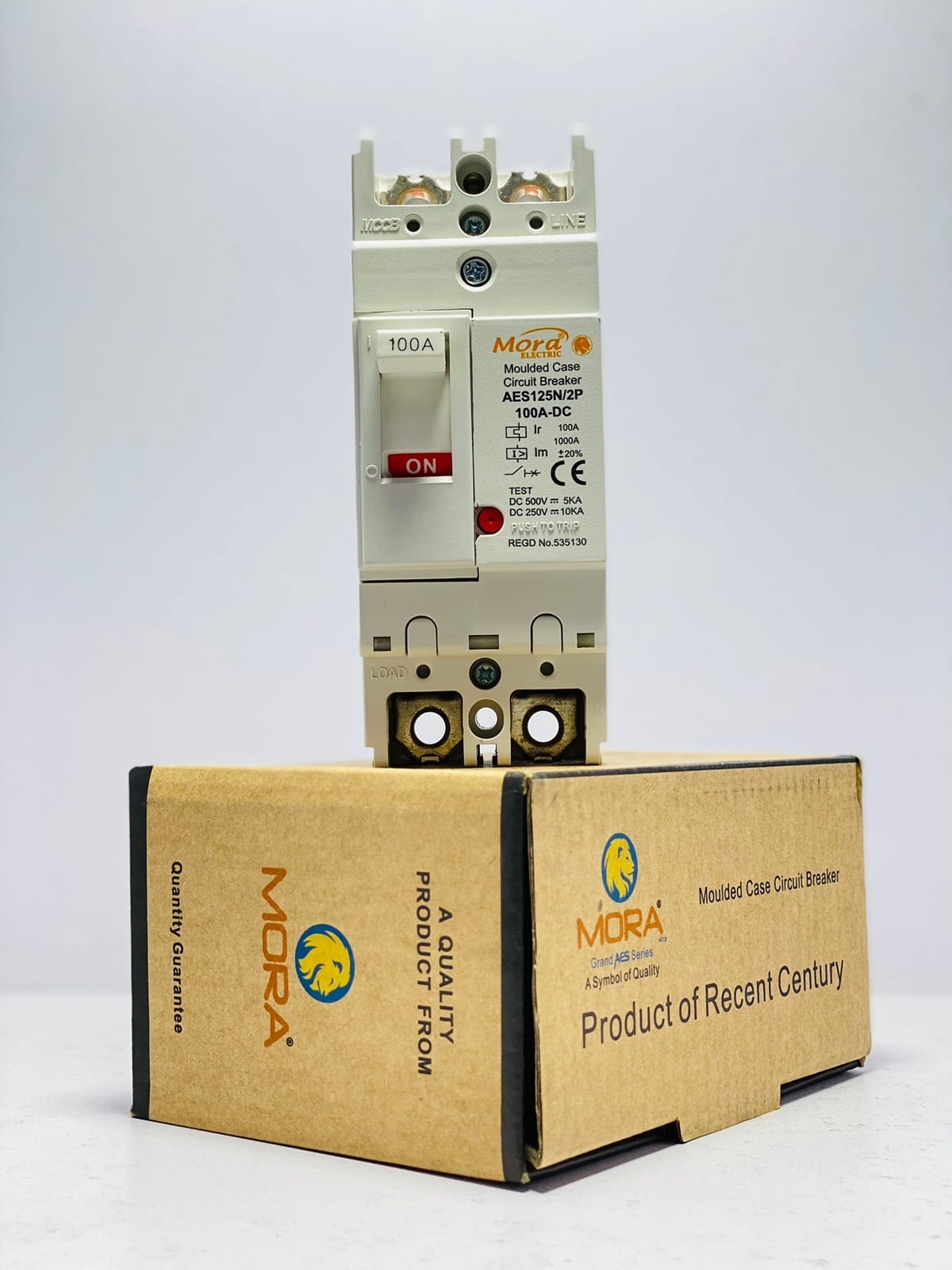
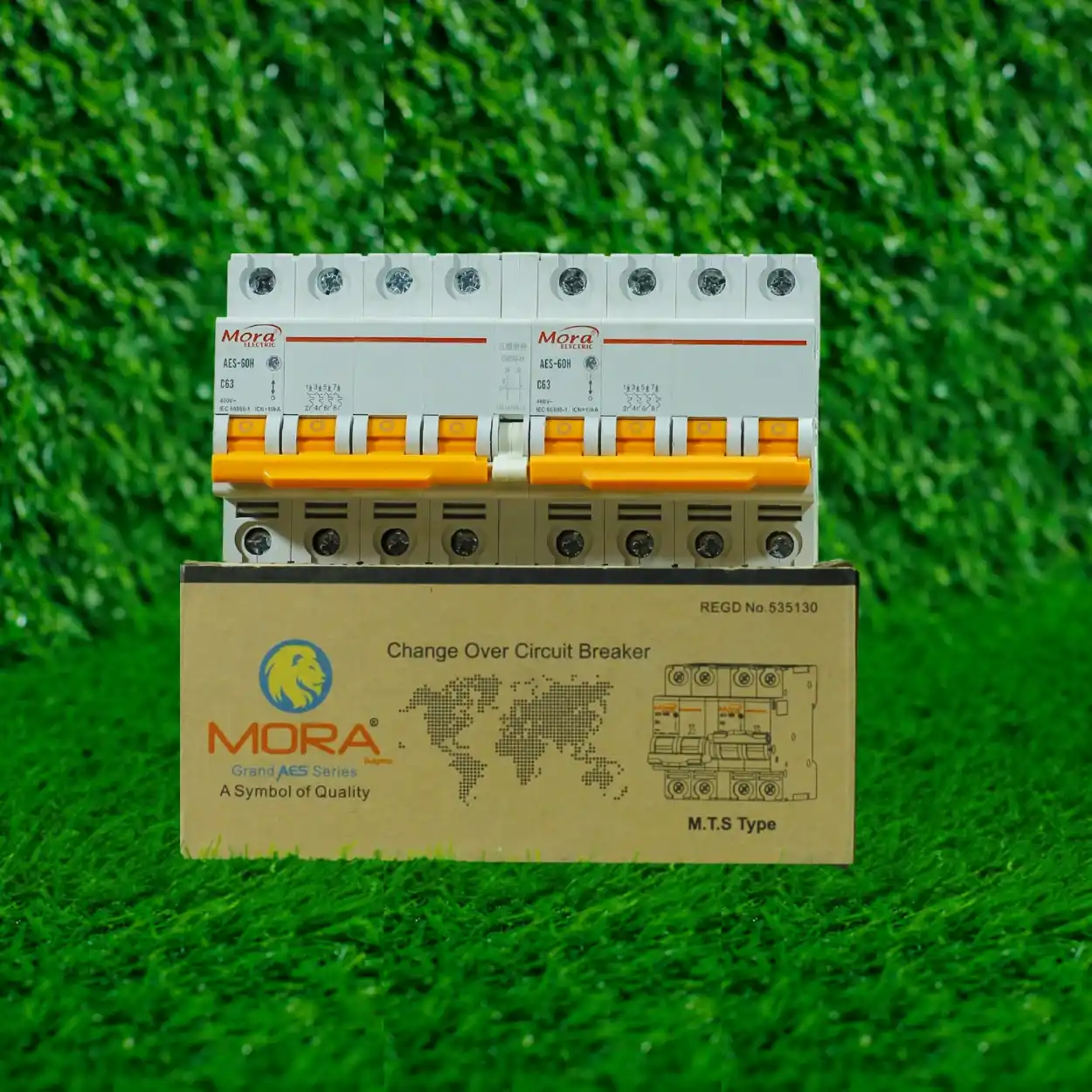
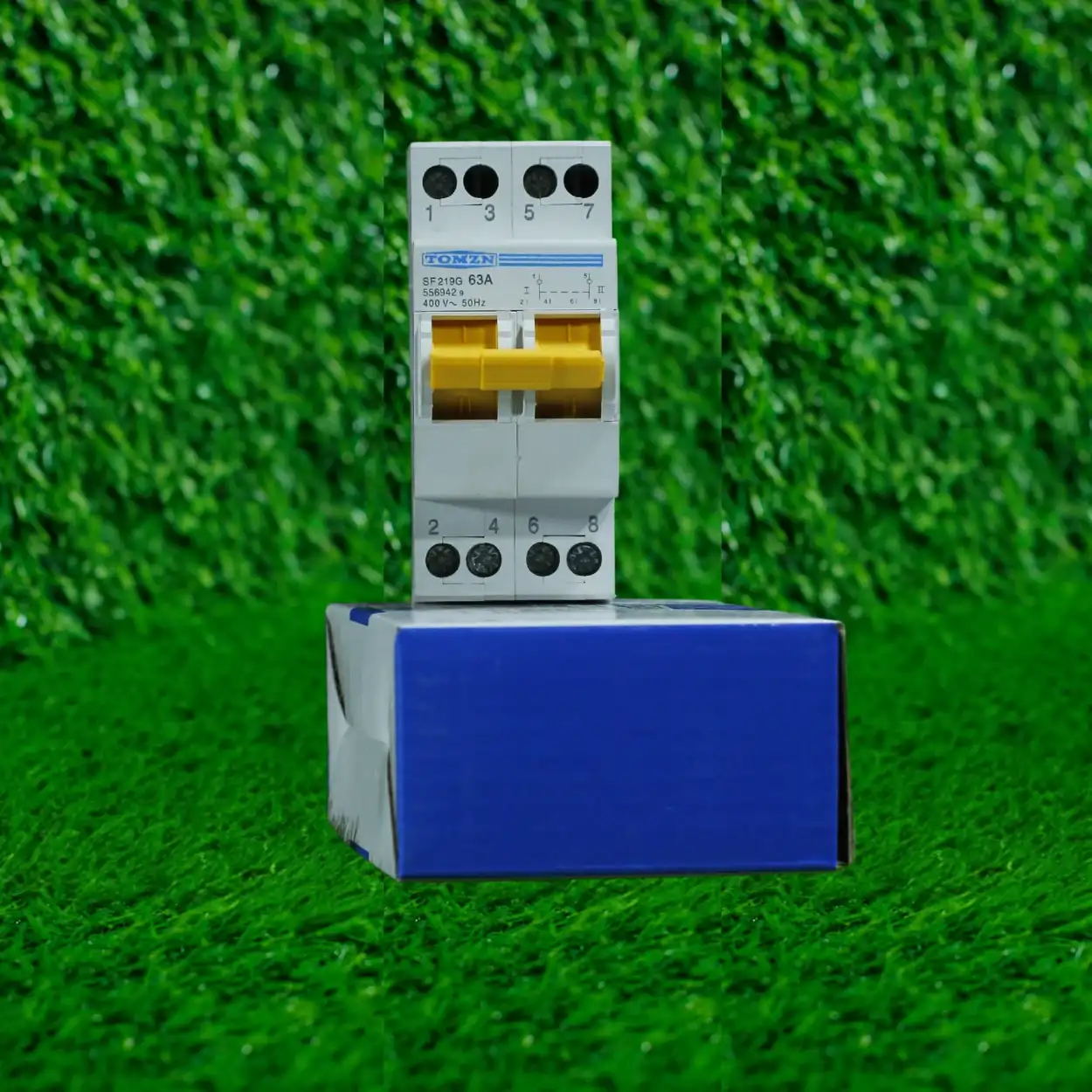
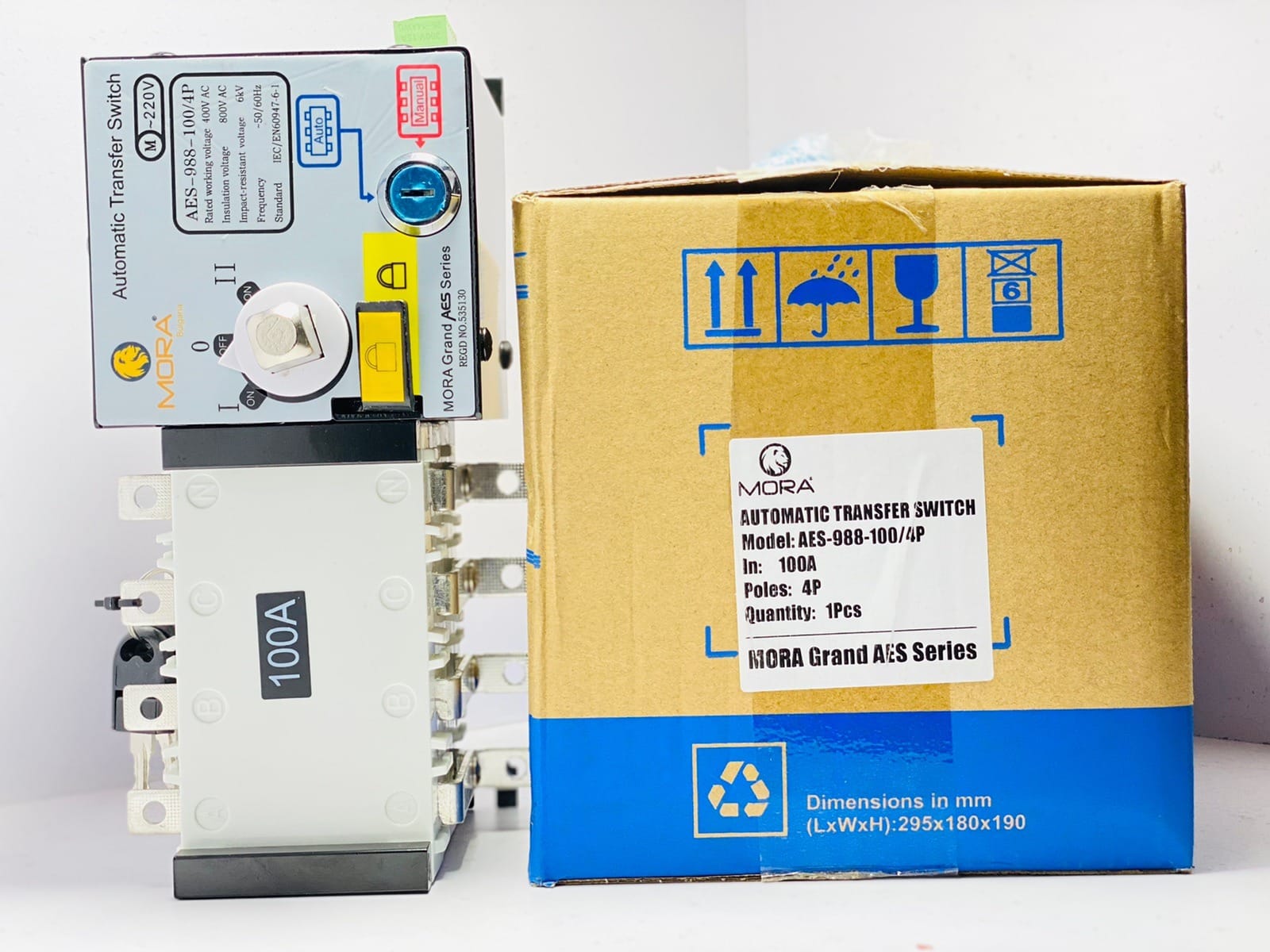
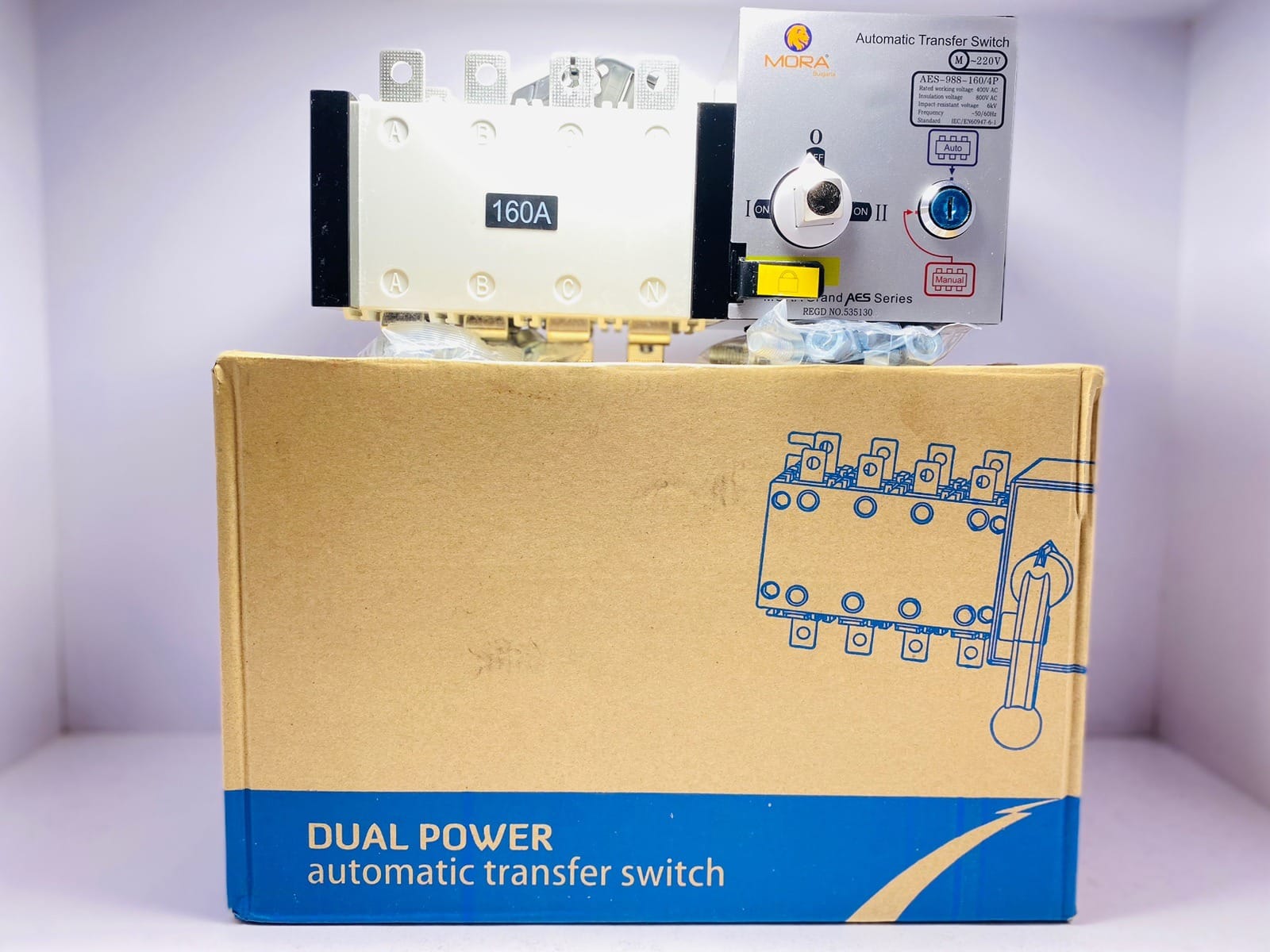
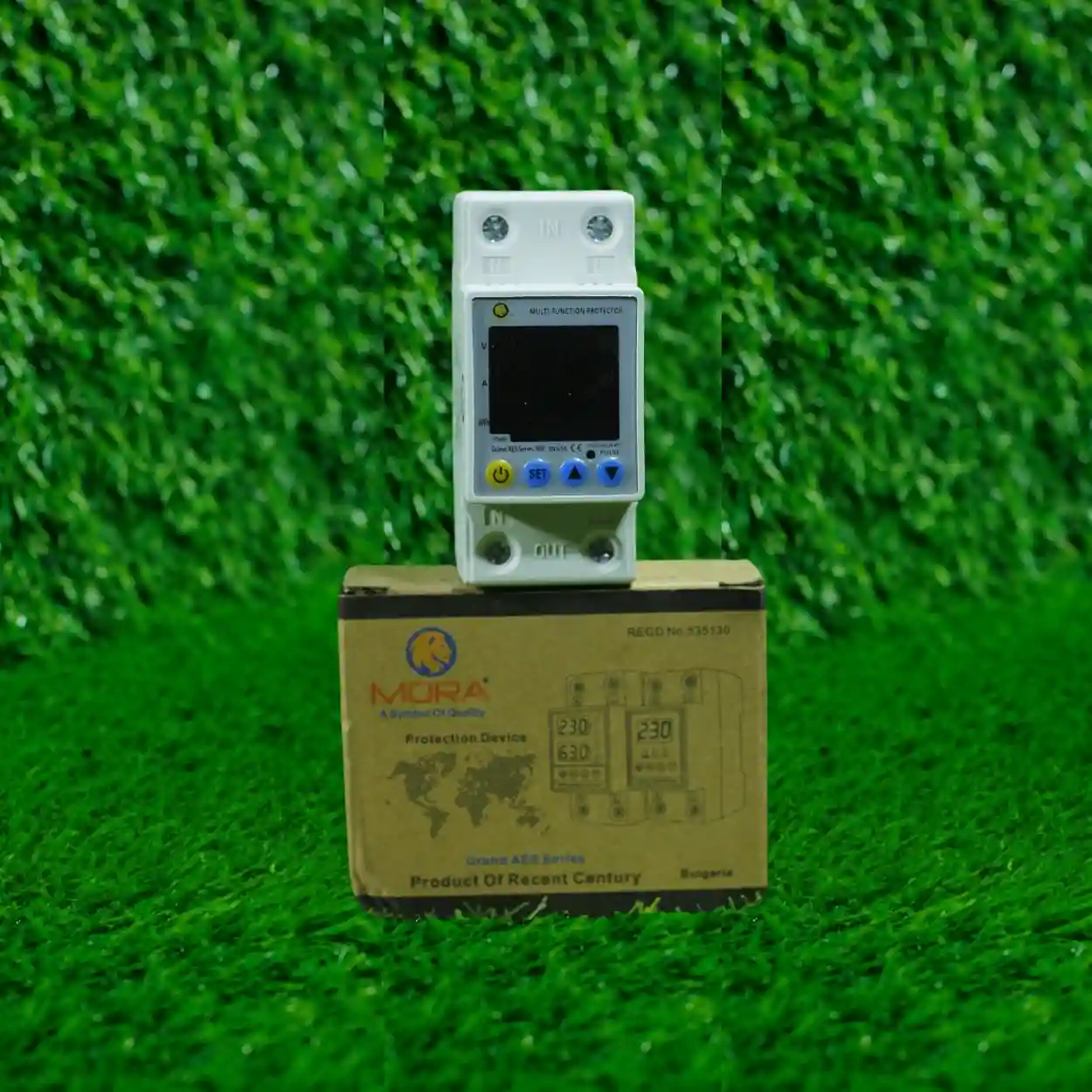
A cheap plastic box from an unknown brand will fail faster than a decent metal box from MORA or TOMZN. But a good plastic box from a trusted maker (MORA makes solid plastic enclosures for indoor use) will outlast a poorly manufactured metal knockoff. Check the IP rating, the material thickness, and whether the relay contacts are silver-alloy or just cheap nickel plate.
Buy from suppliers who stock genuine components, not the Chinese fakes flooding the market. We stock wall-mounted plastic changeover boxes from brands we trust because I’ve seen them work on real jobs, not because they were cheap.
Size and ampere rating
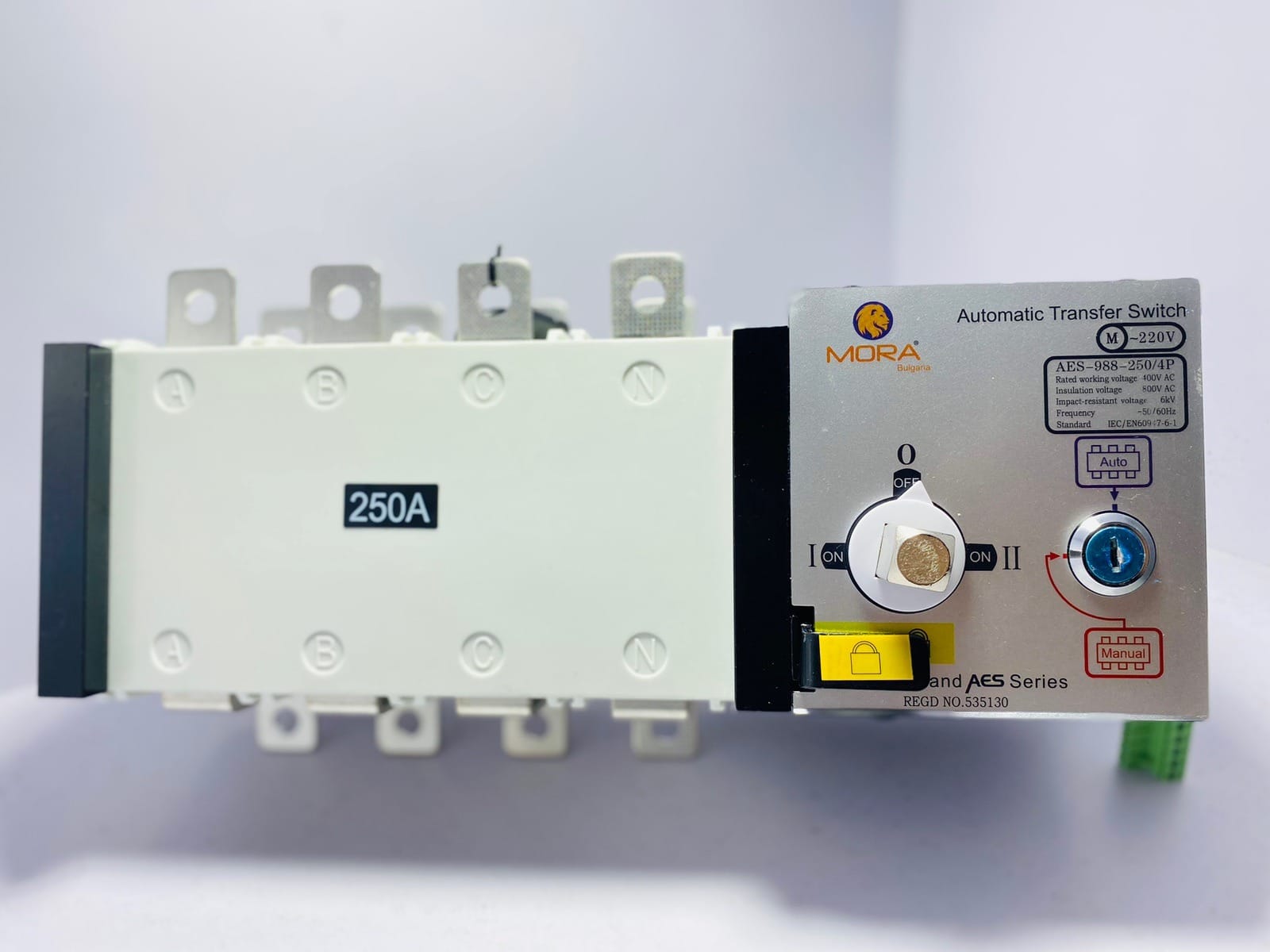
This matters more than plastic versus metal. A 63-amp plastic box that’s properly rated will handle 63 amps reliably. A 100-amp box that’s undersized by the manufacturer is a fire risk regardless of material. Check the thermal overload strip rating, the contact breaking capacity (should match your load), and whether the box is suitable for your supply (single-phase 220V or three-phase 380V). Our distribution boxes range lists all of these specs because they’re the actual safety requirements, not afterthoughts.
What to choose: the practical framework
Start with your installation environment. Indoors, climate-controlled, low dust, reliable earthing? Plastic is fine and cheaper. Outdoors or semi-outdoor, rooftop, dusty area, heavy cycling, or strong direct sun? Metal. If you’re on a budget and the box will sit indoors out of the sun, buy plastic from a known brand like MORA. If you need this system to work reliably for 12+ years and you’re willing to pay more, get a decent metal box and verify your earthing is solid.
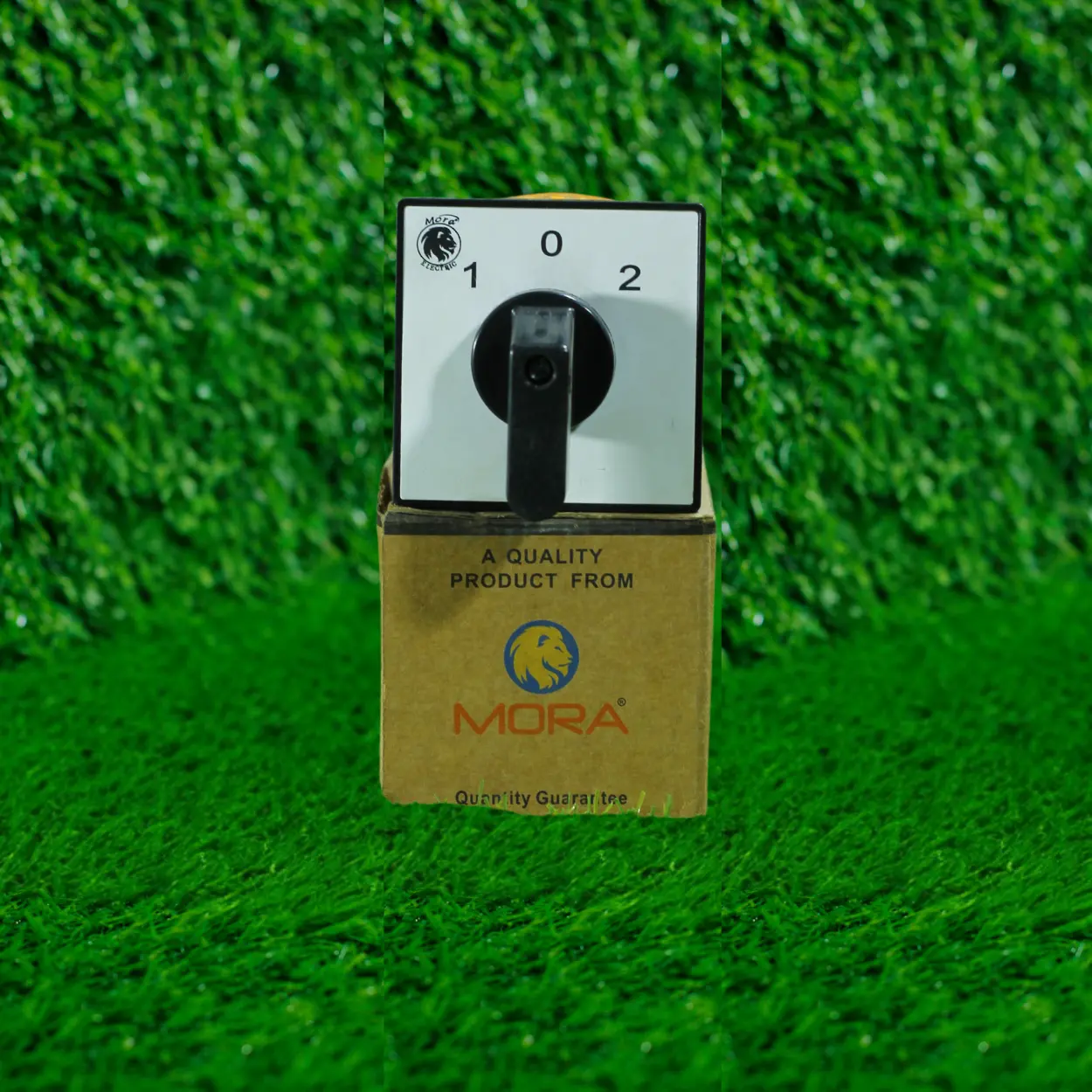
Also consider the changeover type itself. Whether you need 2-pole or 4-pole switching matters more than plastic versus metal, so read up on that separately if you’re unsure. We’ve written about picking between 2-pole and 4-pole transfer switches because that decision affects safety more directly than the enclosure material.
At the end of the day, both plastic and metal boxes work in Pakistan. Plastic saves money for protected indoor use. Metal costs more but handles harsh outdoor conditions and heavy cycling better. Choose based on where you’re mounting it and how often you’re switching loads, not on a preset assumption that one is always better. And whatever you choose, make sure it’s from a supplier who backs their components with actual support and stocks genuine parts.