









AC vs DC Distribution Box: Key Differences

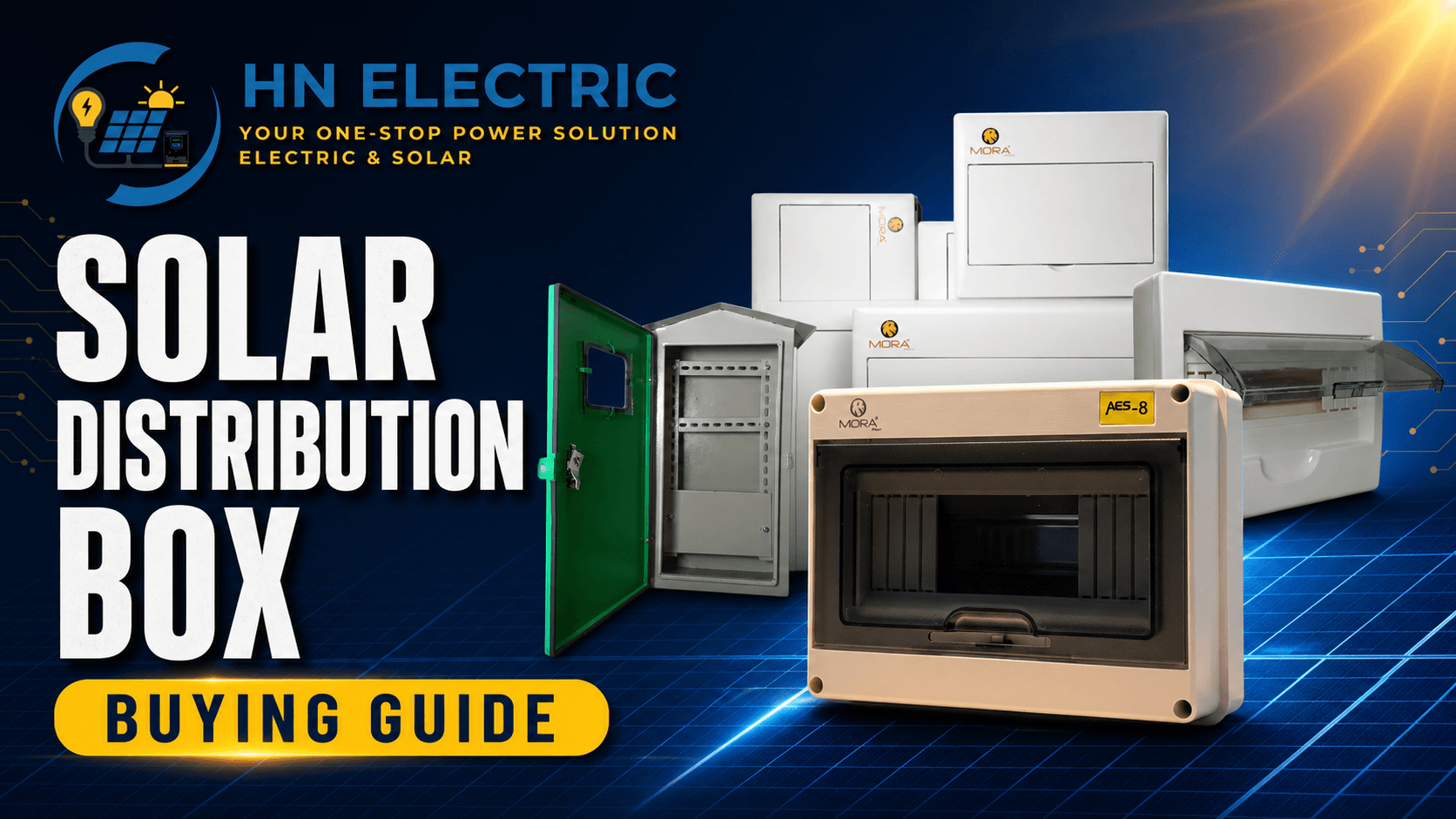
Understanding Distribution Boxes: AC vs DC
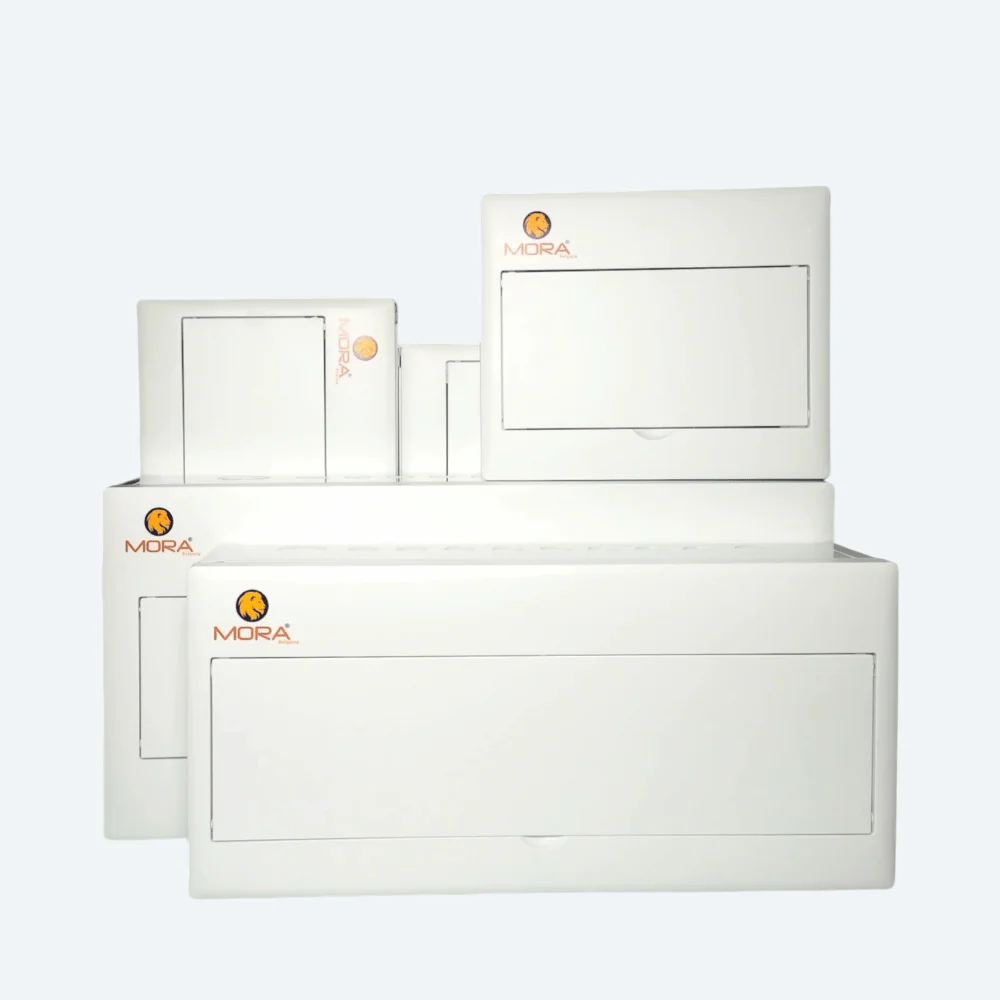
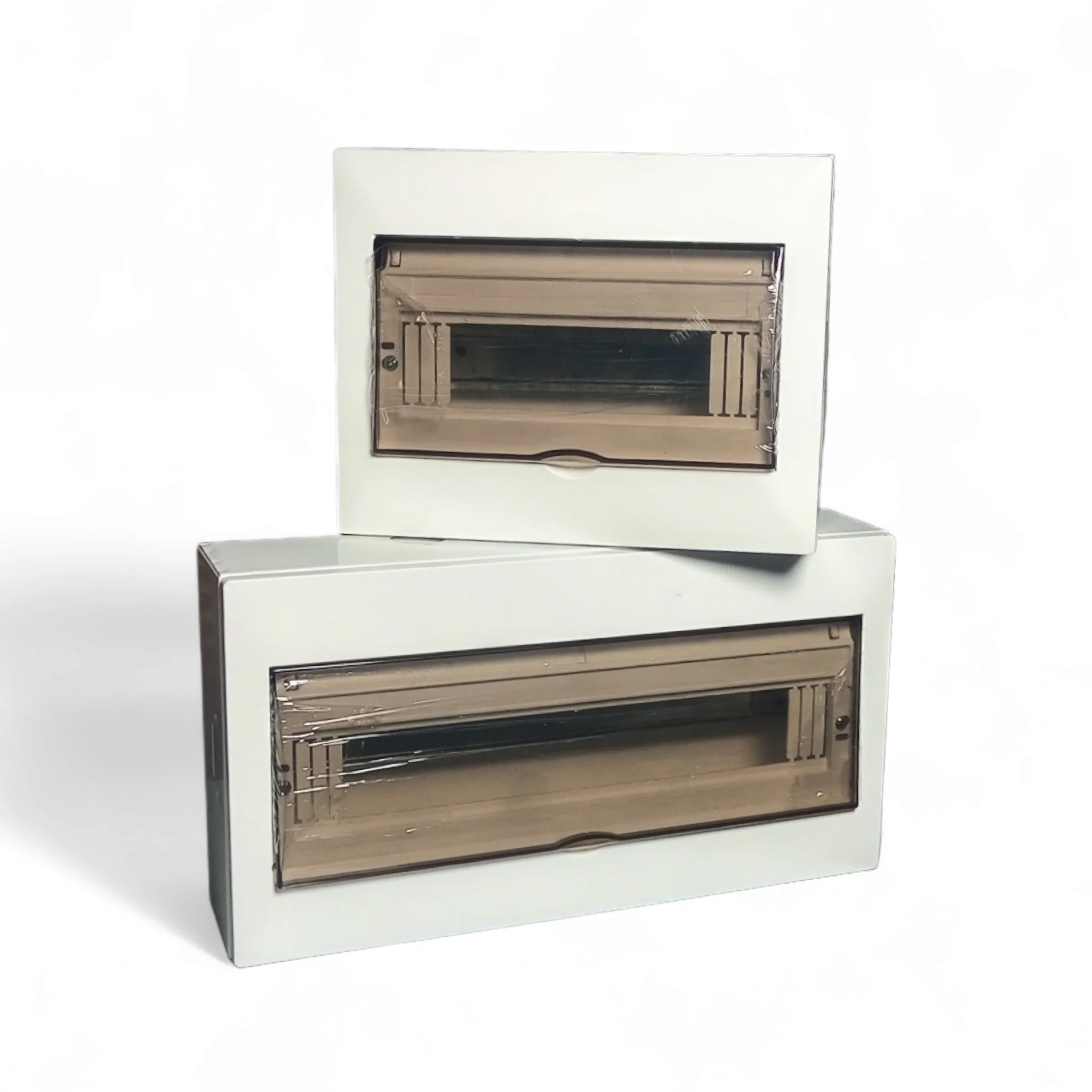
Distribution boxes are fundamental components in any electrical system, whether residential, commercial, or industrial. They serve as central hubs that receive, regulate, and distribute electrical power to various circuits and devices. However, not all distribution boxes are created equal. The primary distinction lies in whether they handle alternating current (AC) or direct current (DC) power. Understanding these differences is essential for selecting the right equipment for your specific needs, whether you’re setting up a traditional grid-connected home or investing in renewable energy solutions like solar power systems.
The choice between AC and DC distribution boxes impacts safety, efficiency, equipment compatibility, and overall system performance. This guide explores the fundamental differences, applications, and considerations that will help you make an informed decision.
Fundamental Differences Between AC and DC Distribution Boxes
How Current Flows Differently
The most basic difference between AC and DC distribution boxes lies in how electrical current flows through them:
- AC (Alternating Current) flows in both directions, changing direction periodically (typically 50 or 60 times per second, depending on your region). AC voltage and current continuously reverse their polarity.
- DC (Direct Current) flows in only one direction, from the negative terminal to the positive terminal. The voltage and current remain constant over time.
This fundamental difference in current behavior requires different internal designs, components, and safety mechanisms in distribution boxes.
Voltage and Component Design
AC distribution boxes typically handle higher voltages efficiently. Standard residential AC distribution boxes commonly operate at 230V or 415V (in three-phase systems). The alternating nature of AC makes it easy to step voltage up or down using transformers, which is one reason AC became the standard for power transmission over long distances.
DC distribution boxes, conversely, handle lower voltages in most applications. Common DC systems operate at 12V, 24V, 48V, or 400V (in modern solar and energy storage systems). Converting DC voltage between different levels requires more complex and less efficient electronic converters rather than simple transformers.
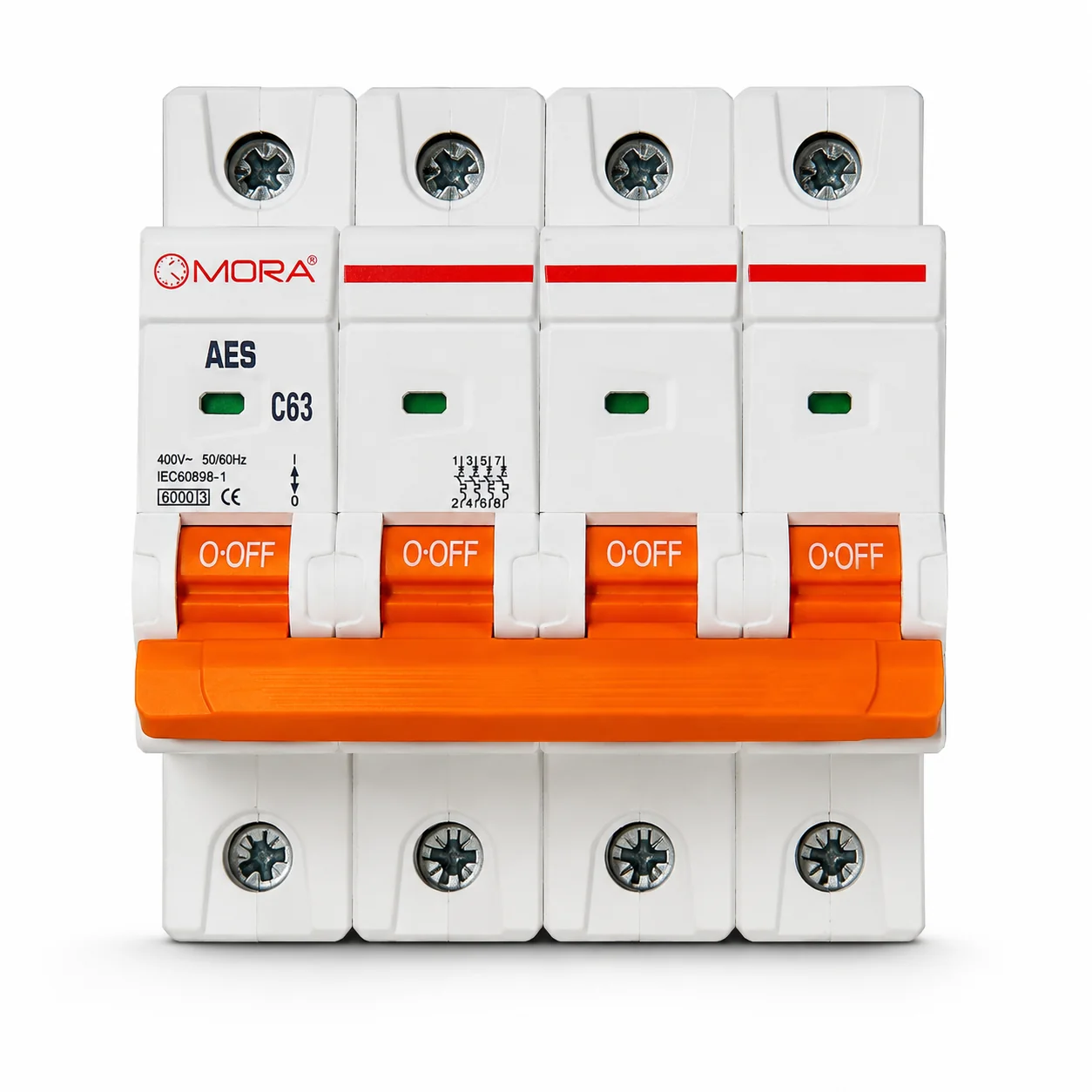
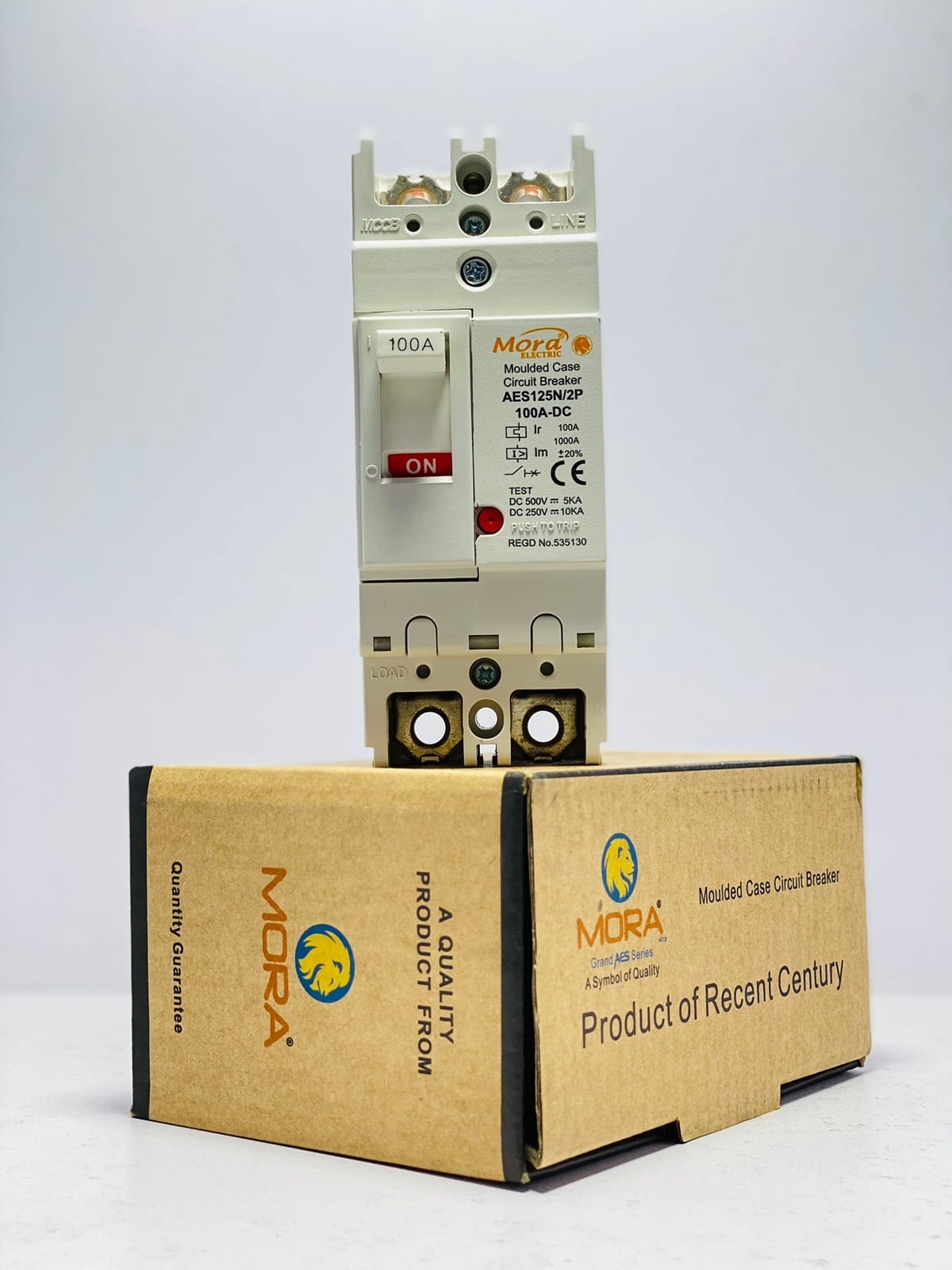
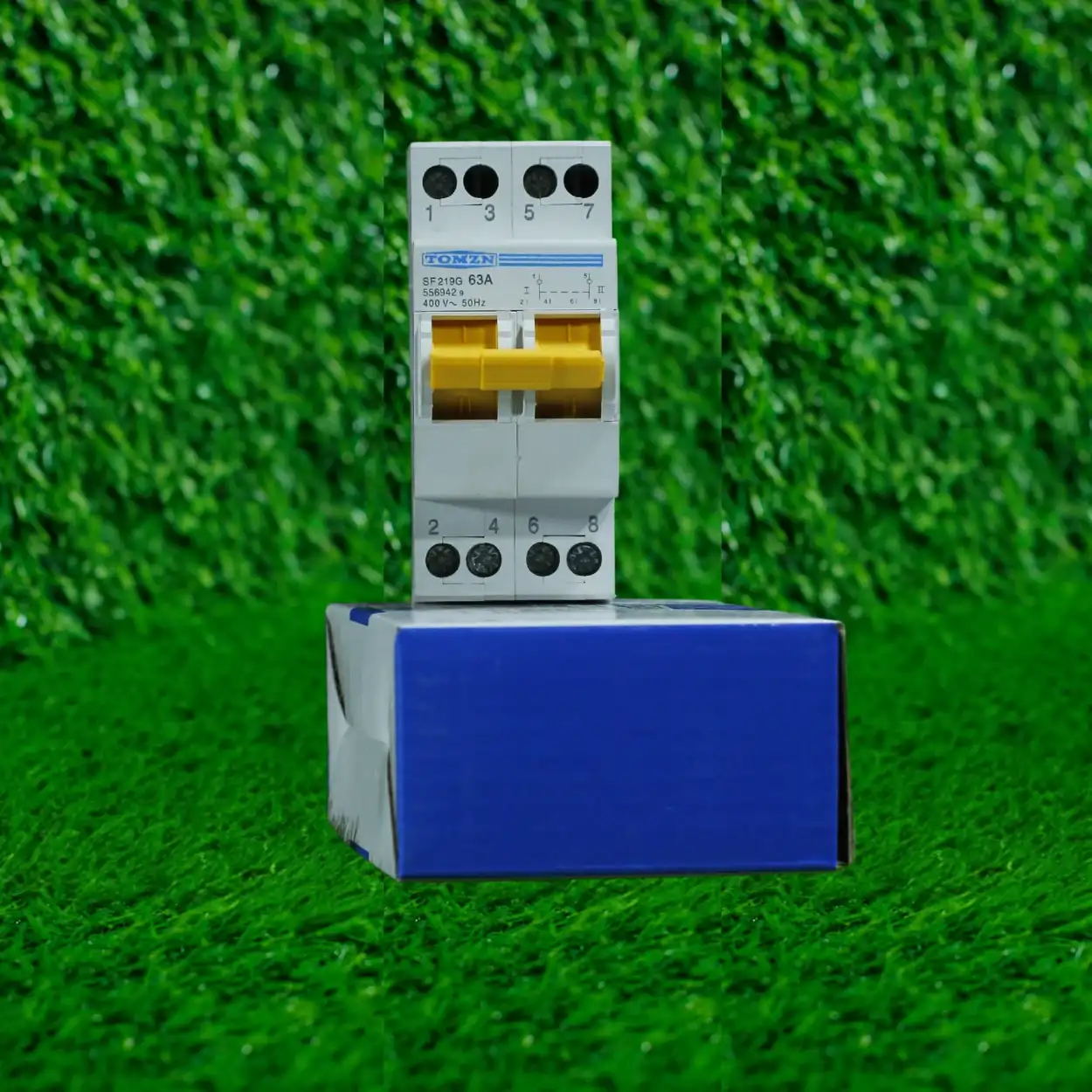
The components inside each box differ significantly. AC distribution boxes use circuit breakers and switches designed to handle the rapid on-and-off cycling of alternating current. DC distribution boxes employ DC-rated breakers, disconnects, and fuses that are specifically engineered to safely interrupt direct current without arc-flash hazards.
Arc Suppression and Safety Features
When an AC circuit is interrupted, the current naturally reduces to zero twice per cycle, making it easier to suppress arcs. This inherent advantage of AC allows for simpler circuit protection mechanisms.
DC current, however, does not have this natural zero-crossing point. When a DC circuit is interrupted, the arc can persist and become increasingly dangerous. Specialized DC-rated breakers include additional arc suppression mechanisms—such as magnetic coils and increased contact separation—to safely extinguish arcs and prevent equipment damage or fire hazards.
This is a critical safety consideration when choosing between AC and DC distribution systems.
Applications and Use Cases
When to Use AC Distribution Boxes
AC distribution boxes remain the standard choice for:
- Grid-connected homes and buildings: All utility-supplied electricity is delivered as AC power.
- Traditional commercial and industrial facilities: Heavy machinery and large industrial equipment typically run on AC power.
- Long-distance power transmission: AC’s ability to be easily stepped up and down in voltage makes it ideal for efficient transmission over hundreds of kilometers.
- Heating and cooling systems: Most HVAC equipment and heating elements operate on AC power.
AC distribution boxes have been refined over more than a century, resulting in highly standardized, reliable, and cost-effective designs widely available in the market.
When to Use DC Distribution Boxes
DC distribution boxes are essential for:
- Solar power systems: Photovoltaic panels naturally generate DC electricity. A DC distribution box manages this power before it’s converted to AC or stored in batteries. If you’re planning a solar installation, understanding DC distribution is crucial.
- Battery storage systems: Batteries store energy as DC power. Any battery-based system—from backup power supplies to electric vehicles—requires DC distribution infrastructure.
- Renewable energy systems: Wind turbines and hydroelectric systems often generate power that’s initially DC before being converted.
- Telecommunications and data centers: These facilities often use DC power distribution for improved efficiency and reliability.
- Off-grid and remote installations: Systems not connected to the main grid typically rely on DC distribution from solar panels or batteries.
As solar energy adoption increases globally, DC distribution boxes have become increasingly important for residential and commercial installations.
Hybrid Systems
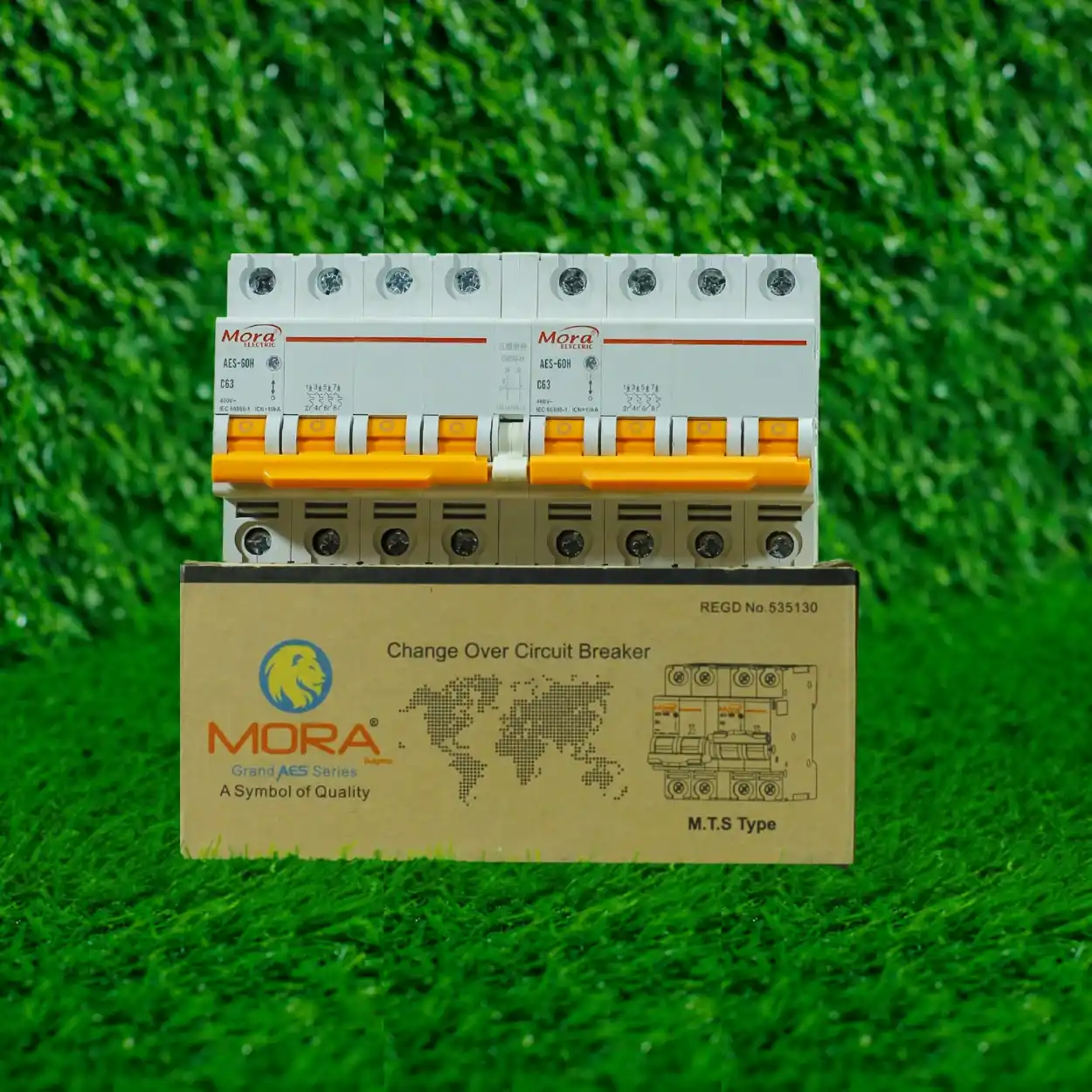
Modern renewable energy installations often employ hybrid systems that use both AC and DC distribution. For example, a residential solar setup typically includes:
- DC distribution box receiving power from solar panels
- Battery inverter and storage system using DC power
- AC distribution box for home loads and grid connection
If you’re evaluating solar equipment quality, you might want to compare different manufacturers and their approaches to system design and integration.
Technical Specifications and Installation Considerations
Wire Sizing and Gauge
DC systems operate at lower voltages, which means they require thicker wires (larger gauge) to safely carry the same power without excessive voltage drop and heat generation. For example, a 10kW system at 48V DC requires significantly thicker wiring than the same system at 230V AC. This is an important cost consideration during installation.
Breaker Ratings and Protection
AC breakers are rated by their amperage and voltage handling capacity, with designs optimized for the 50/60Hz frequency. DC breakers must be rated specifically for DC voltage and current levels. Using an AC-rated breaker in a DC system (or vice versa) is dangerous and can result in:
- Failure to properly interrupt faults
- Arc persistence and fire hazards
- Equipment damage and component failure
- Safety risks to personnel
Always verify that distribution boxes and protective devices are properly rated for your system’s voltage and current type.
Grounding and Earthing Requirements
AC systems typically use three-wire circuits (live, neutral, and ground). DC systems can use two-wire designs (positive and negative), though modern DC systems increasingly employ grounding schemes similar to AC for enhanced safety. These different grounding requirements must be considered during design and installation.
Cost and Availability
AC distribution boxes are widely available, competitively priced, and easy to find from numerous manufacturers due to their standardized design and century-long market presence. Replacement parts and professional service are readily accessible.
DC distribution boxes, while increasingly common due to renewable energy growth, remain less universally available and often cost more than equivalent AC systems. However, this market gap is narrowing as solar and battery storage installations become mainstream. When shopping for DC distribution components, quality and proper certification become even more important due to the smaller market and fewer standardized options.
Making Your Choice
Selecting between AC and DC distribution boxes depends on your specific application:
- Grid-connected home: Use an AC distribution box for your main panel.
- Solar installation: You’ll likely need a DC distribution box on the solar side and an AC box for home circuits.
- Off-grid system: Prioritize DC distribution from your power source (solar/battery), with AC conversion if needed for specific loads.
- Backup power system: A DC distribution box serves your battery bank; an inverter converts this to AC for home use.
When in doubt, consult with a qualified electrician or system designer who understands both your local electrical codes and your specific energy needs.
Whether you’re working with traditional AC systems or investing in solar and renewable energy solutions, understanding distribution box types ensures you select safe, efficient, and code-compliant equipment for your installation.