










12-Way PVC Solar Distribution Box Features Uses and Installation Guide

If you’re planning a solar system for your home, shop, or office in Pakistan, you’ve probably come across the term “distribution box” more than once. And if you’ve been told you need a 12-Way PVC Solar Distribution Box, but nobody has explained why you’re in the right place.
This guide breaks it all down in plain language. No confusing jargon. No sales pitch. Just the facts you need to make a smart decision for your solar setup.
By the end, you’ll know exactly what this box does, how it protects your system, what to check before buying one, and how a professional installs it safely.
Table of Contents
- What Is a 12-Way PVC Solar Distribution Box?
- Why Does Your Solar System Need One?
- Key Features to Look For
- How It Works: A Simple Breakdown
- 12-Way vs Other Distribution Box Sizes
- Materials: Why PVC Matters
- Installation Guide (Step by Step)
- Safety Standards and Certifications
- Common Mistakes People Make
- Price Factors in Pakistan
- Maintenance Tips
- Choosing the Right Supplier
- Frequently Asked Questions
- Conclusion
What Is a 12-Way PVC Solar Distribution Box?
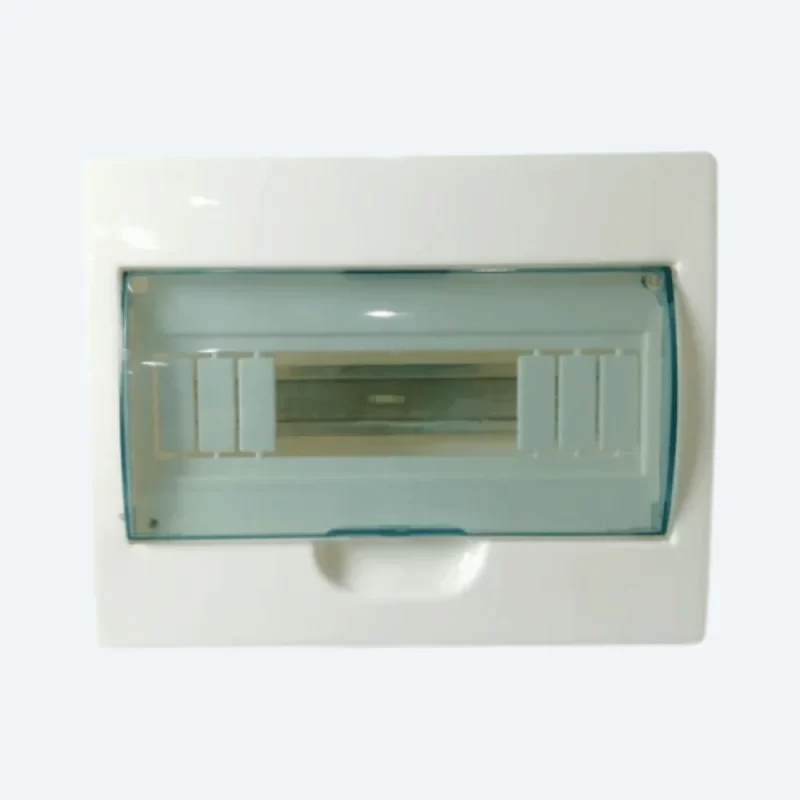
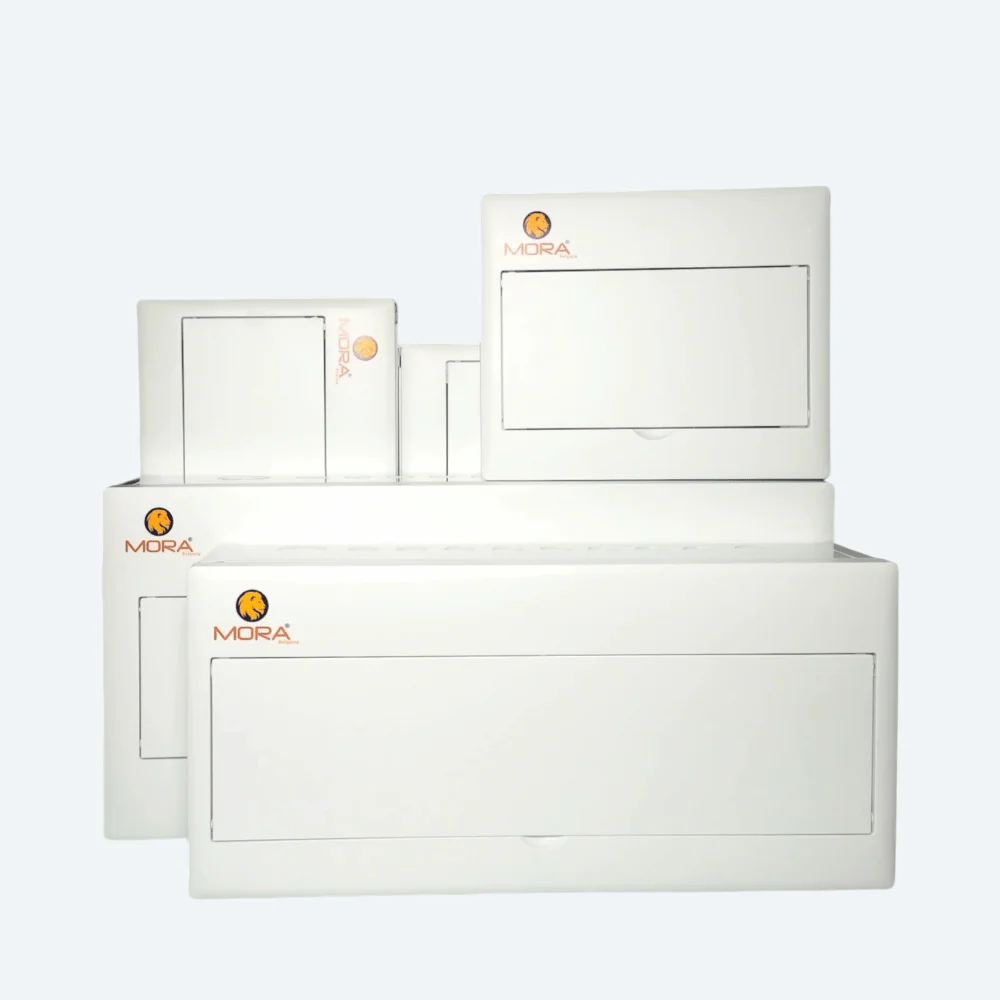
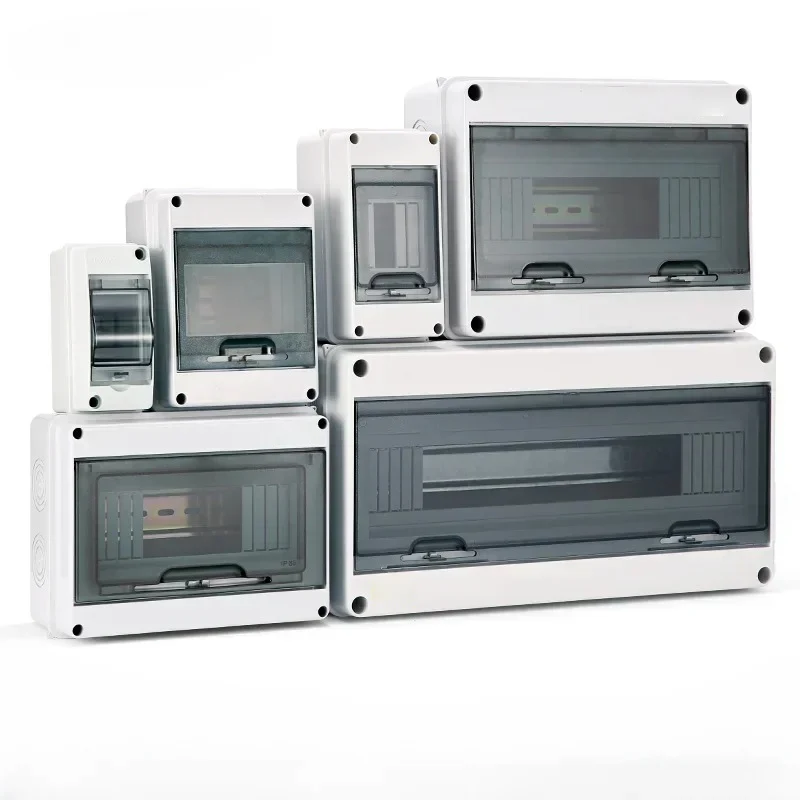
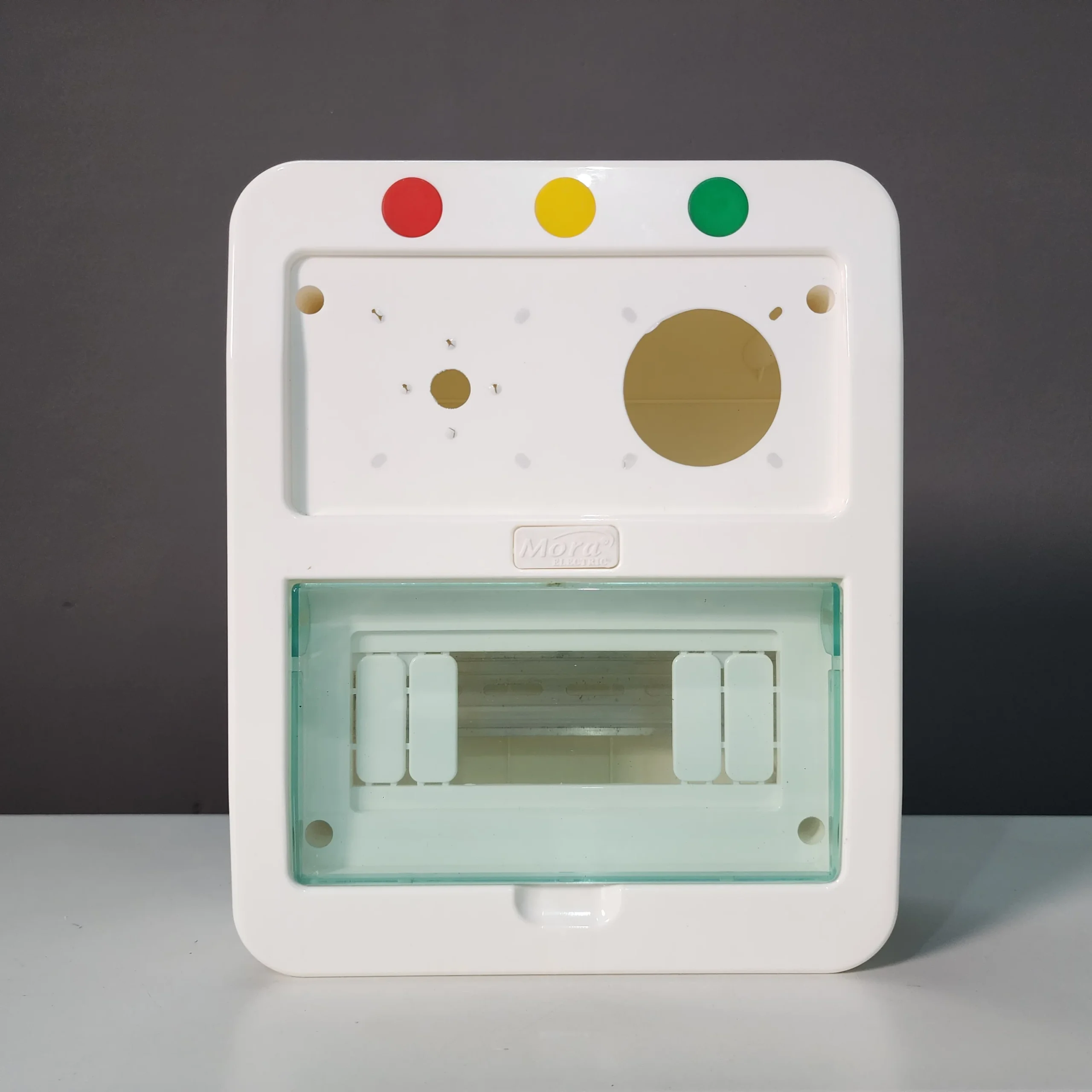
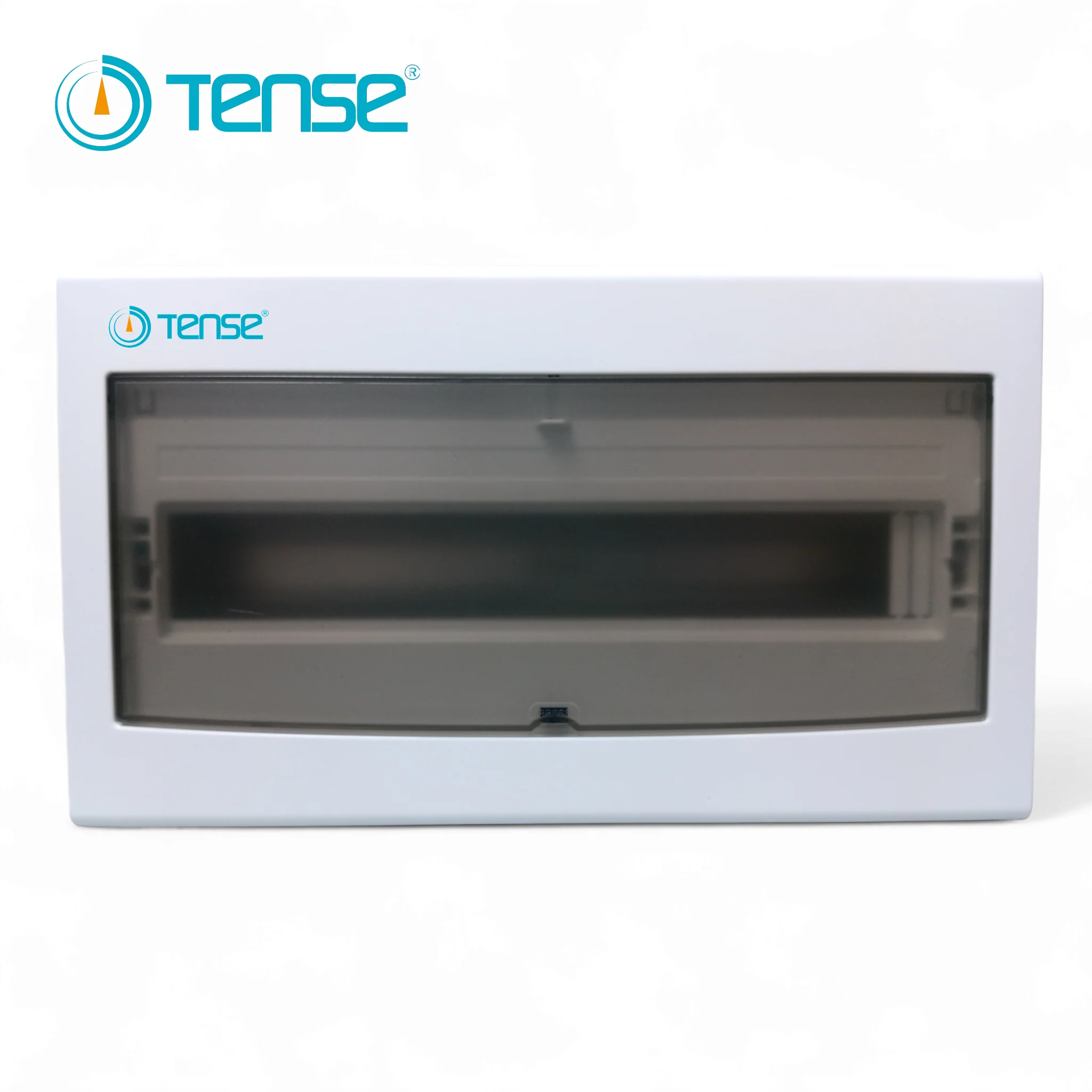
A 12-Way PVC Solar Distribution Box is a weatherproof electrical enclosure that organizes and protects the wiring between your solar panels, inverter, and the rest of your electrical system.
Think of it as a control center. Instead of dozens of loose wires running across your rooftop or wall, everything gets routed through one safe, organized panel.
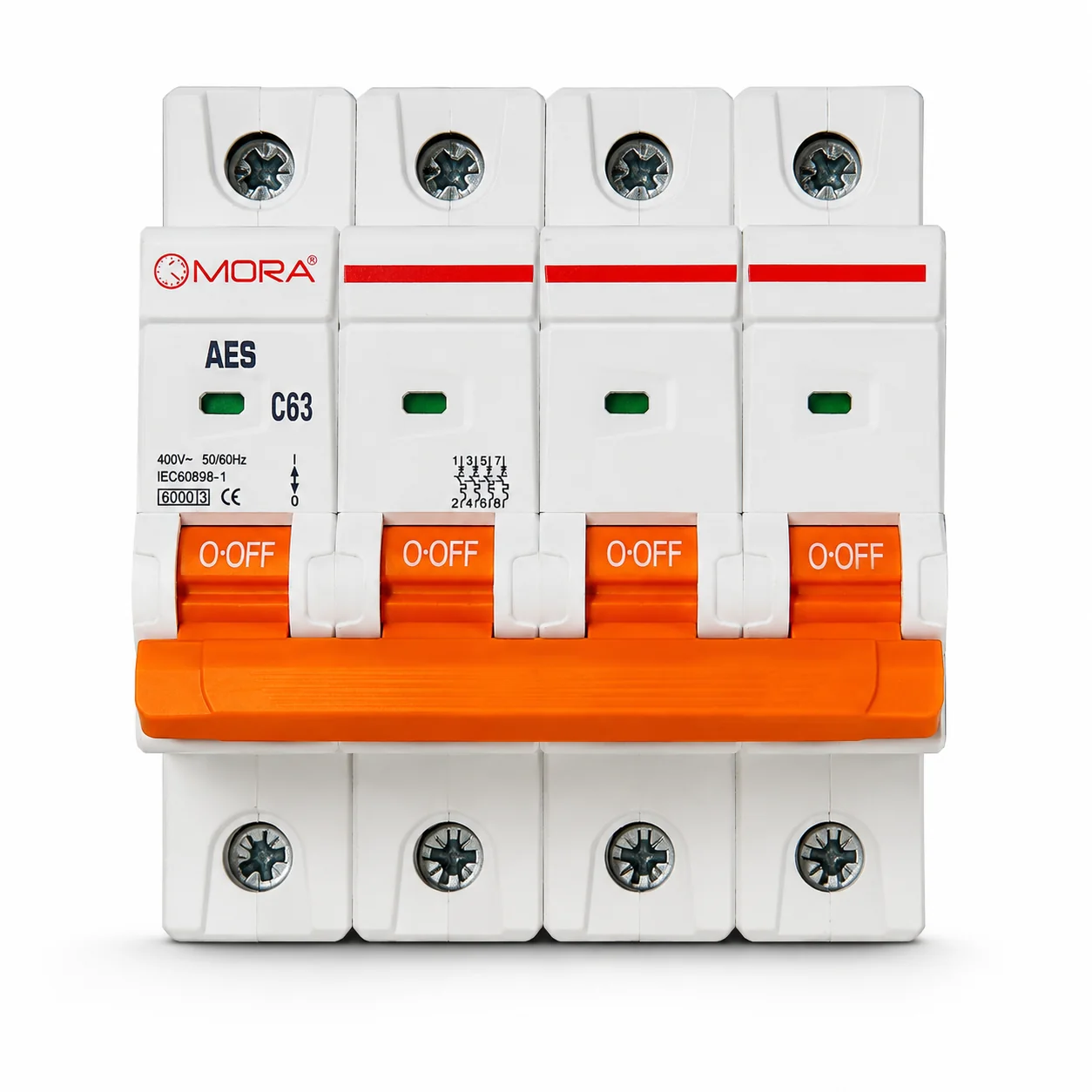
The “12-way” part means the box has space for 12 individual circuit breakers (MCBs). This lets you split your solar array into separate strings or circuits, each with its own protection.
The “PVC” part refers to the enclosure material a tough, weather-resistant plastic that doesn’t rust, conduct electricity, or degrade quickly under sun exposure.
Quote Box: A distribution box isn’t optional extra hardware it’s the safety backbone of any solar installation. Skipping it is like wiring a house without a breaker panel.Common advice among licensed Pakistani electricians.
Why Does Your Solar System Need One?
Here’s what a solar distribution box actually protects against:
- Overcurrent damage to panels, wiring, or your inverter
- Fire risk from overheated or overloaded cables
- Lightning and surge damage during storms (common in Pakistan’s monsoon season)
- Water and dust ingress that corrodes internal components
- Difficulty troubleshooting when something goes wrong
Without it, one bad connection can take your entire solar array offline or worse, start an electrical fire.
Pro Tip: Always match your distribution box capacity to your total solar array output, not just your current panel count. This gives you room to expand later without rewiring everything.
Key Features to Look For
Not all distribution boxes are created equal. Here’s what separates a reliable 12-Way PVC Solar Distribution Box from a cheap knockoff.
1. IP Rating (Ingress Protection)
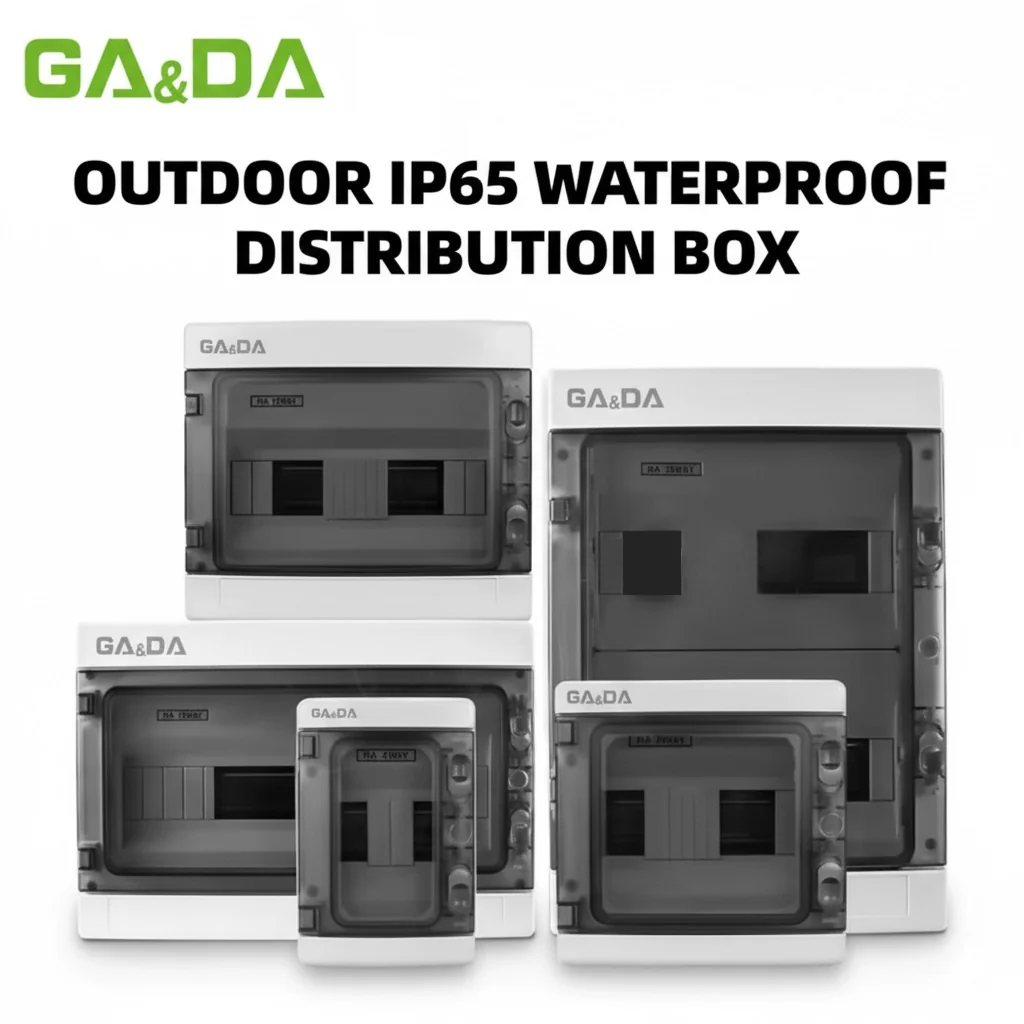
Look for at least IP65. This means the box is fully dust-tight and protected against water jets essential for Pakistan’s rooftop heat, dust storms, and monsoon rains.
2. UV-Resistant PVC Body
Pakistan gets intense sun exposure for most of the year. Cheap plastic enclosures crack, fade, and become brittle within a couple of summers. UV-stabilized PVC resists this.
3. Quality MCBs (Miniature Circuit Breakers)
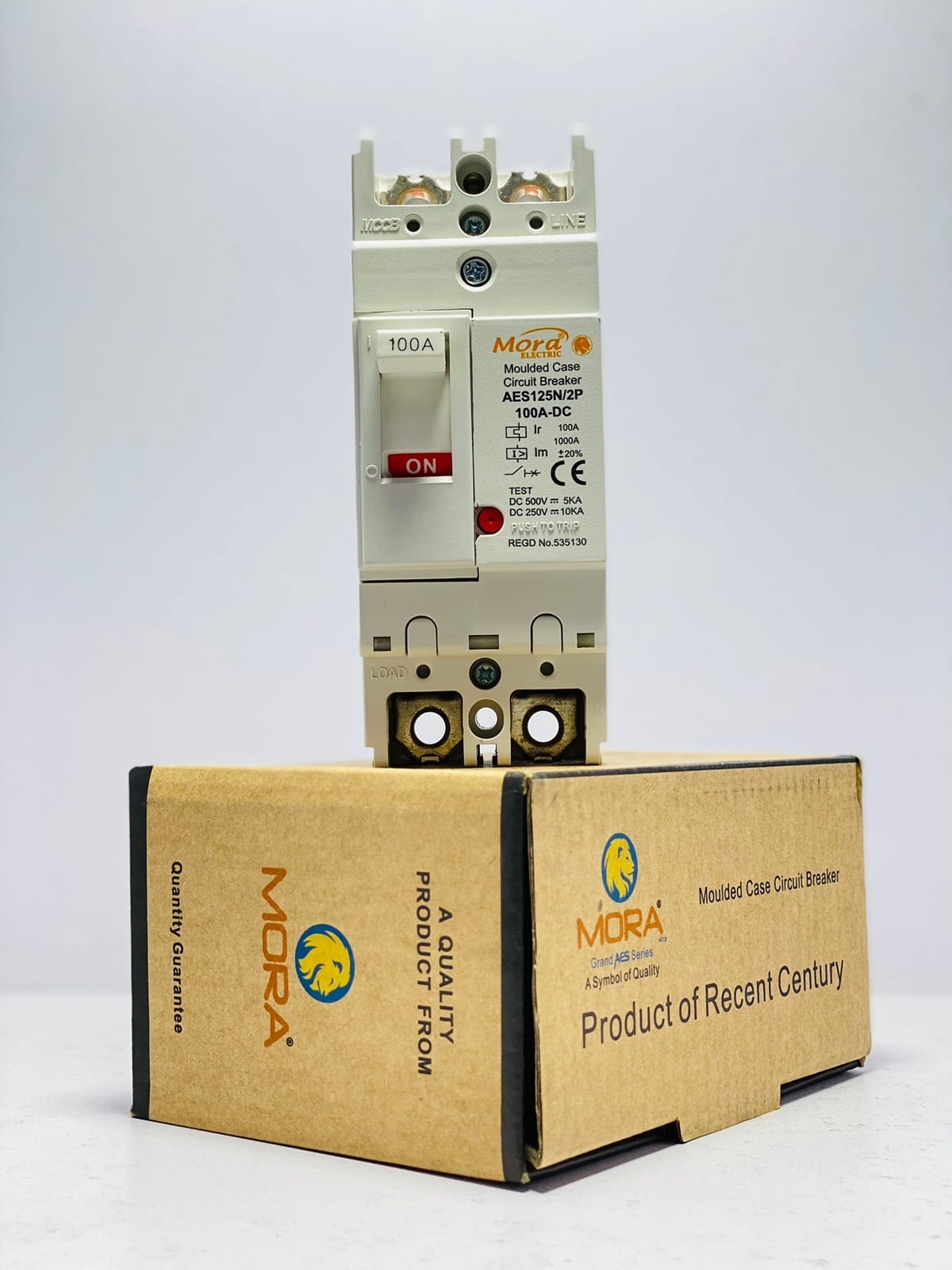
Each of the 12 ways should house a properly rated MCB that trips during overload or short circuit before damage occurs.
4. Surge Protection Device (SPD) Compatibility
Given how common voltage fluctuations and lightning strikes are on the Pakistani grid, SPD compatibility is a major plus.
5. Proper Cable Glands and Knockouts
These keep cable entry points sealed and organized, preventing water seepage and dust buildup.
6. DIN Rail Mounting
A DIN rail inside the box allows breakers to be added, removed, or replaced without rewiring the whole panel.
Expert Advice: If you’re comparing two boxes at similar prices, always choose the one with a higher IP rating over the one with extra cosmetic features. Weatherproofing matters far more long-term than appearance.
How It Works A Simple Breakdown
Here’s the basic flow of electricity through a 12-way solar distribution setup:
- Solar panels generate DC electricity.
- Wiring from panel strings enters the distribution box through cable glands.
- Each string connects to its own MCB inside the box.
- The MCBs protect against overcurrent and allow individual circuits to be isolated.
- Combined output exits the box toward the inverter (or charge controller in off-grid systems).
- From the inverter, AC power feeds into your home’s electrical panel.
This step-by-step separation means if one panel string develops a fault, only that breaker trips the rest of your system keeps working.
12-Way vs Other Distribution Box Sizes
Choosing the right size depends on how many solar panel strings or circuits your system needs.
| Distribution Box Size | Best For | Typical System Size |
|---|---|---|
| 4-Way | Small homes, single string | Up to 3kW |
| 6-Way | Medium homes | 3kW–5kW |
| 12-Way | Large homes, commercial rooftops, expandable systems | 5kW–15kW+ |
| 18-Way / 24-Way | Industrial or large commercial solar farms | 15kW and above |
A 12-way box is often the sweet spot for Pakistani households and small businesses it handles multiple panel strings while leaving room for future expansion.
Common Mistake: Buying a smaller distribution box to save money, then having to replace the entire unit a year later when adding more panels. Sizing slightly above your current needs almost always pays off.
Materials: Why PVC Matters
You’ll typically find distribution boxes in three materials: metal, ABS plastic, and PVC.
| Material | Weather Resistance | Electrical Safety | Cost | Best Use Case |
|---|---|---|---|---|
| Metal | Good, but can rust | Requires grounding | Higher | Industrial settings |
| ABS Plastic | Moderate | Naturally insulating | Lower | Indoor use only |
| PVC | Excellent (UV & moisture resistant) | Naturally non-conductive | Moderate | Rooftop & outdoor solar setups |
PVC is the preferred choice for outdoor solar distribution boxes in Pakistan because it doesn’t rust, doesn’t conduct stray current, and holds up well against direct sun and rain.
Warning: Never install a metal distribution box outdoors without proper grounding and weatherproof sealing. Rust and moisture ingress in metal enclosures is a leading cause of solar system electrical faults in humid regions.
Installation Guide (Step by Step)
Solar wiring involves real electrical risk. This guide is meant to help you understand the process installation should always be carried out by a licensed electrician or certified solar technician.
Step 1: Choose the Mounting Location
Pick a shaded, accessible wall near the panel array and inverter. Avoid direct water exposure even with an IP65 rating shelter adds extra protection.
Step 2: Mount the Box Securely
Use appropriate wall anchors. The box should sit level, at a height that’s easy to access for future maintenance.
Step 3: Plan Your Circuit Layout
Decide how many panel strings will connect to which breaker. Label each circuit clearly.
Step 4: Run and Seal Cable Entries
Feed cables through the glands and knockouts. Seal every unused opening to keep dust and moisture out.
Step 5: Connect to MCBs
Each string connects to its dedicated breaker inside the box, following correct polarity.
Step 6: Ground the System
Proper grounding protects against surge damage and electric shock risk.
Step 7: Test Before Sealing
Check voltage readings and breaker function before closing the box and finalizing installation.
Step 8: Label Everything
Clear labeling helps with future troubleshooting or maintenance a step many installers skip.
Checklist Before Installation:
Box IP rating confirmed for outdoor use
MCB ratings match panel string specifications
Cable glands properly sealed
Grounding wire connected and tested
All circuits labeled
Surge protection device installed (if applicable)
Final voltage test completed
Best Practice: Always de-energize the system (cover panels or disconnect at the source) before working inside the distribution box, even briefly.
Safety Standards and Certifications
When comparing products, check for these markers of quality and safety compliance:
- IEC 61439 (low-voltage switchgear standard)
- IP65 or higher ingress protection rating
- Flame-retardant PVC material rating
- MCB certification matching local voltage standards
A reputable supplier should be able to confirm these details clearly if they can’t, that’s a red flag.
Common Mistakes People Make
- Skipping surge protection to cut costs, then losing equipment during a lightning storm.
- Undersizing the box, forcing a costly upgrade later.
- Poor cable sealing, letting in dust and moisture over time.
- DIY wiring without electrical knowledge, risking fire or shock.
- Ignoring grounding, which is one of the most overlooked safety steps.
- Buying based on price alone instead of checking IP rating and build quality.
Price Factors in Pakistan
The cost of a 12-Way PVC Solar Distribution Box in Pakistan depends on several factors:
| Factor | Impact on Price |
|---|---|
| IP rating (IP54 vs IP65) | Higher rating = higher cost |
| MCB brand and quality | Branded MCBs cost more but last longer |
| Surge protection inclusion | Adds to upfront cost, reduces long-term risk |
| Box material thickness | Thicker PVC costs more but lasts longer |
| Brand reputation | Established brands often price higher but offer warranty support |
Pro Tip: Don’t just compare sticker price. Ask for the MCB brand, IP rating, and warranty terms these determine real long term value far more than the price tag alone.
Maintenance Tips
A distribution box needs little upkeep, but a few habits extend its life significantly:
- Inspect for dust buildup every 3 to 6 months
- Check cable gland seals annually, especially before monsoon season
- Test MCB function periodically
- Look for discoloration or cracking in the PVC casing
- Keep the surrounding area clear of debris or plant growth
Warning: Never open a live distribution box for cleaning. Always disconnect power at the source first.
Choosing the Right Supplier
When sourcing a 12-Way PVC Solar Distribution Box in Pakistan, look for a supplier who offers:
- Clear technical specifications (IP rating, MCB details, material grade)
- Genuine product warranty
- Installation support or guidance
- Positive track record with solar installers and electricians
- Availability across major Pakistani cities for delivery or support
At HN Electric, we supply distribution boxes and solar accessories built for Pakistani weather conditions, backed by clear specifications and support for installers nationwide.
Frequently Asked Questions
1. What is a 12-Way PVC Solar Distribution Box used for? It organizes and protects wiring from multiple solar panel strings, providing individual circuit protection through breakers before power reaches the inverter.
2. Is PVC safe for solar distribution boxes? Yes. PVC is non-conductive, weather-resistant, and doesn’t rust, making it ideal for outdoor solar installations.
3. What size solar system needs a 12-way box? Systems in the 5kW to 15kW range typically benefit from a 12way box, though it also works well for smaller systems planning future expansion.
4. Can I install a solar distribution box myself? It’s strongly recommended to hire a licensed electrician, since incorrect wiring can cause fire risk, equipment damage, or electric shock.
5. What IP rating should I choose for outdoor use? IP65 or higher is recommended for rooftop and outdoor installations in Pakistan due to dust, heat, and monsoon rain exposure.
6. Does the box include surge protection? Not always by default check with your supplier and add a surge protection device (SPD) if it’s not built in, especially in areas prone to lightning storms.
7. How long does a PVC distribution box last? With proper installation and maintenance, a quality UV-resistant PVC box can last well over 10 years.
8. What’s the difference between a distribution box and a combiner box? They’re often used interchangeably, though a combiner box specifically merges multiple panel strings into one output, while a distribution box also handles circuit protection and distribution.
9. Can this box be used for both on-grid and off-grid systems? Yes, a 12-way PVC distribution box works for both setups, though wiring configuration differs slightly between the two.
10. How do I know if my distribution box needs replacing? Look for cracked or discolored casing, frequent breaker tripping, water intrusion signs, or exposed wiring any of these mean it’s time for a replacement.
A 12-Way PVC Solar Distribution Box isn’t just another electrical accessory it’s the safety layer that keeps your entire solar investment protected from overloads, surges, and weather damage.
Whether you’re setting up a home solar system or managing installations for clients across Pakistan, choosing a quality distribution box with the right IP rating, reliable MCBs, and proper installation makes the difference between years of trouble free power and costly repairs down the line.
Don’t cut corners on the one component quietly protecting everything else.
Call To Action
Looking for a reliable 12-Way PVC Solar Distribution Box in Pakistan? HN Electric supplies quality-tested solar distribution boxes and accessories built for local weather conditions, with support for installers and homeowners nationwide.
Visit hnelectric.pk to explore our solar distribution box range and get expert guidance for your system.
Author Bio
Written by the HN Electric Editorial Team specialists in solar and electrical distribution equipment serving customers across Pakistan. HN Electric works with homeowners, electricians, and solar installers to supply reliable, standards-compliant electrical components for residential and commercial solar projects.