











How to Choose the Right Solar Distribution Box for Your PV System

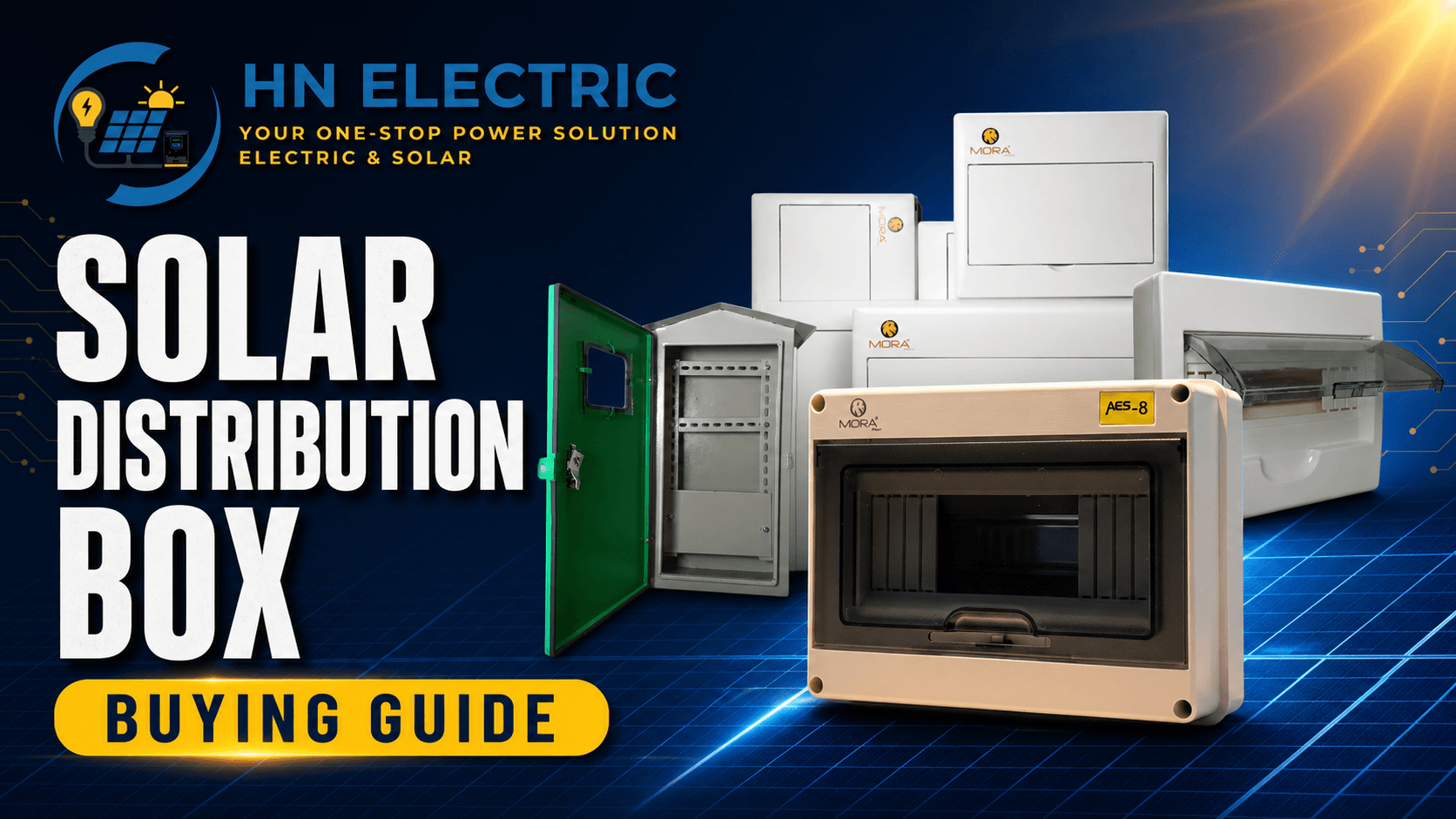
A Solar Distribution Box is the protection centre of a photovoltaic system. It helps isolate electrical sources, protect cables, control abnormal current, manage surges, and keep AC and DC connections safely organised.
It is not simply a plastic or metal cabinet filled with breakers.
Choosing the wrong box can leave your inverter, wiring, appliances, and property exposed to avoidable electrical risks. An unsuitable AC breaker on the DC side, an incorrectly rated surge protector, or a loose terminal can turn a small fault into an expensive failure.
The right choice depends on your panel specifications, string arrangement, inverter model, system voltage, output current, installation environment, and future expansion plans.
This guide explains how homeowners, businesses, and solar installers across Pakistan can make a safer and better-informed decision.
Safety Warning: Solar panels can produce dangerous DC voltage whenever they receive light. Distribution-box design, assembly, installation, and testing should be handled by a qualified solar electrician.
Table of Contents
- What is a Solar Distribution Box?
- Why does a PV system need one?
- Which type of solar DB should you choose?
- What components should the box contain?
- How do you calculate the correct ratings?
- Which enclosure size and material are suitable?
- What protection does each system size require?
- How much does a solar DB cost in Pakistan?
- What should you check before buying?
- Which installation mistakes should you avoid?
- How should a solar DB be maintained?
- Frequently asked questions
What Is a Solar Distribution Box?
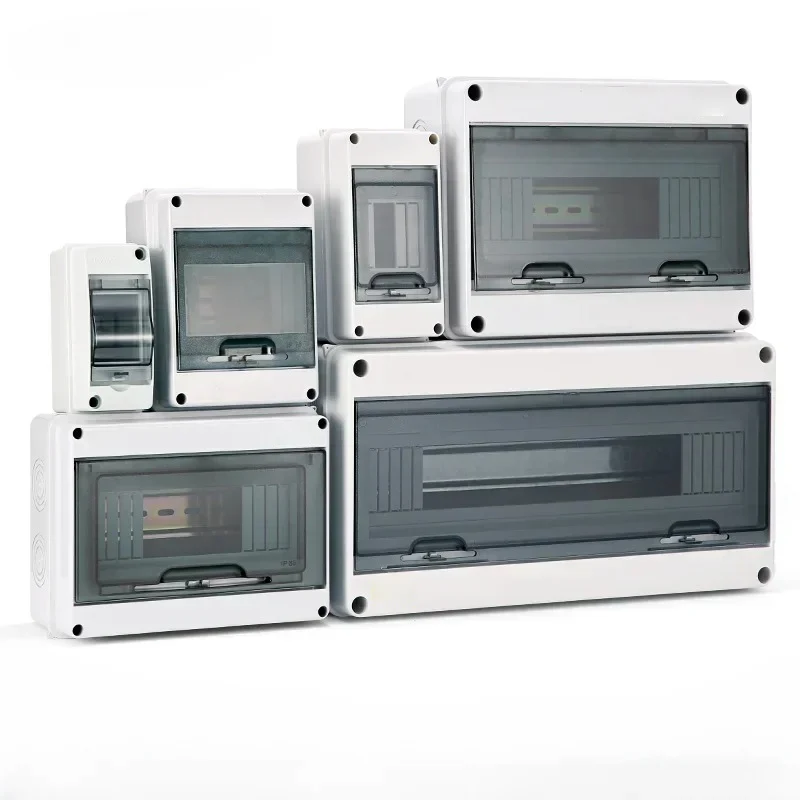
A Solar Distribution Box—also called a solar DB, PV distribution board, protection box, or combiner box—is an enclosure containing the switching, protection, and connection equipment used in a solar power system.
Depending on its position, the box may sit:
- Between the solar panels and inverter
- Between the inverter and the main distribution board
- Between the utility supply and inverter
- Between the inverter and backup loads
- Near the green meter or grid connection
- At the point where several PV strings are combined
The box can perform several functions:
- Isolate solar panels from the inverter
- Protect cables against excessive current
- Divert transient voltage to earth
- Combine multiple PV strings
- Protect the inverter’s AC output
- Separate essential and non-essential loads
- Provide controlled source changeover
- Organise terminals, conductors, and protective devices
Homeowners and installers can compare different enclosure types in HN Electric’s distribution box collection.
Why Does Your PV System Need a Solar Distribution Box?
A properly designed solar DB protects more than the inverter. It helps protect the complete electrical path—from the PV array to the connected building circuits.
Solar DC circuits require particular care because a DC arc does not behave like a standard household AC arc. Using unsuitable protective devices may prevent a fault from being interrupted safely.
A distribution box can address several common risks.
| Electrical risk | Suitable protective measure | What it helps protect |
|---|---|---|
| Excessive current | Correct fuse, MCB, or MCCB | Cables and equipment |
| Short circuit | Correctly rated protective device | Wiring and connected components |
| Lightning-induced surge | Coordinated surge protection device | Inverter and electronics |
| Maintenance work | Proper load-break isolator | Installer and equipment |
| Residual current on AC side | RCCB or RCBO, where required | People and property |
| Loose or exposed wiring | Suitable terminals and enclosure | Users and connections |
| Dust and moisture | Properly installed IP-rated enclosure | Internal components |
| Multiple power sources | Labelled and interlocked changeover arrangement | Users and utility network |
The box does not eliminate every electrical risk. Its purpose is to disconnect, limit, or divert abnormal electrical conditions in a controlled manner.
Expert Advice: Do not evaluate a box from its outside appearance. The internal ratings, component quality, wiring, terminals, earthing, and assembly workmanship determine its real safety.
Which Type of Solar Distribution Box Should You Choose?
The first decision is whether you need DC protection, AC protection, a combiner box, a changeover box, or a coordinated combination of these.
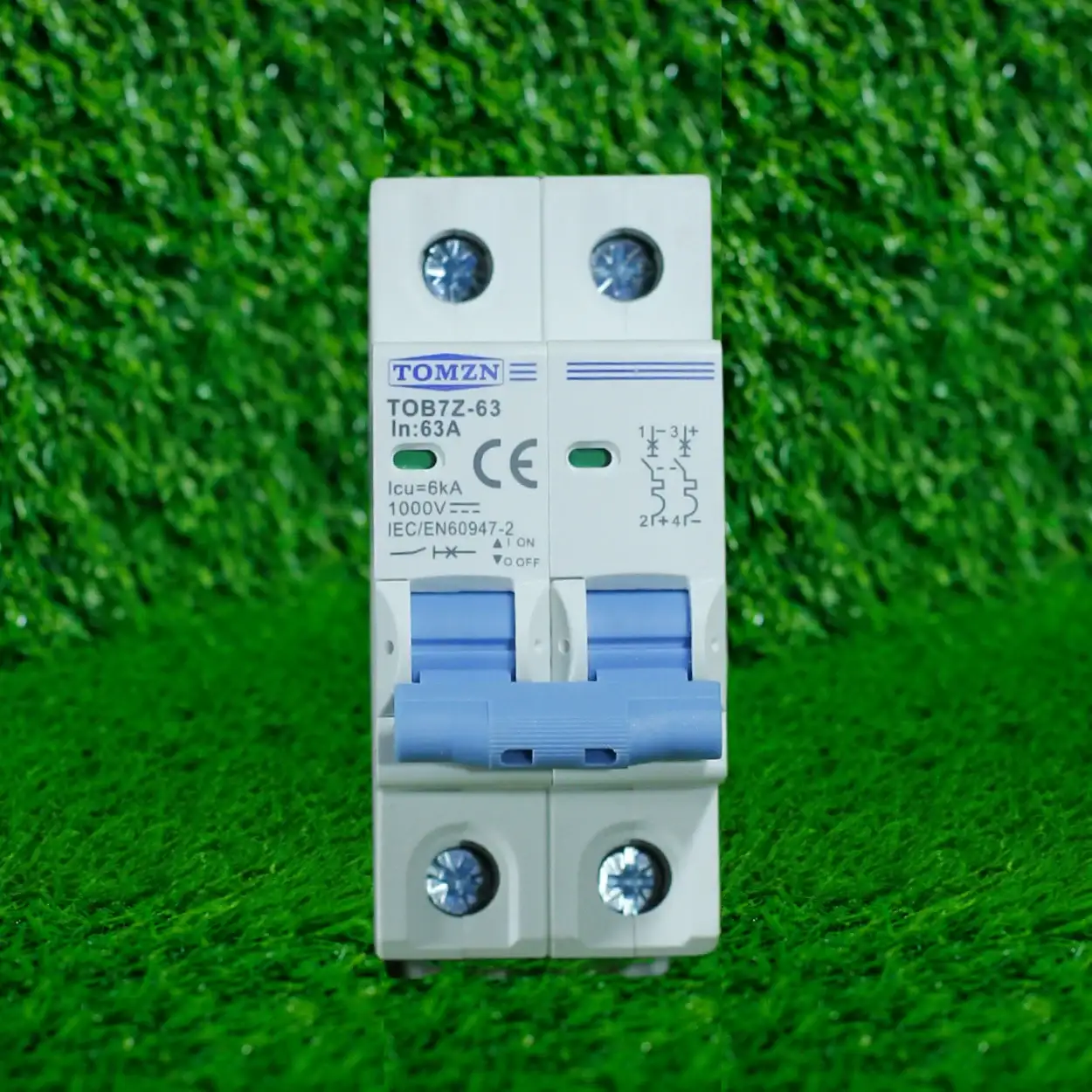
What does a solar DC distribution box do?
A solar DC distribution box is installed between the PV array and the inverter’s DC inputs.
It may contain:
- gPV string fuses
- PV DC fuse holders
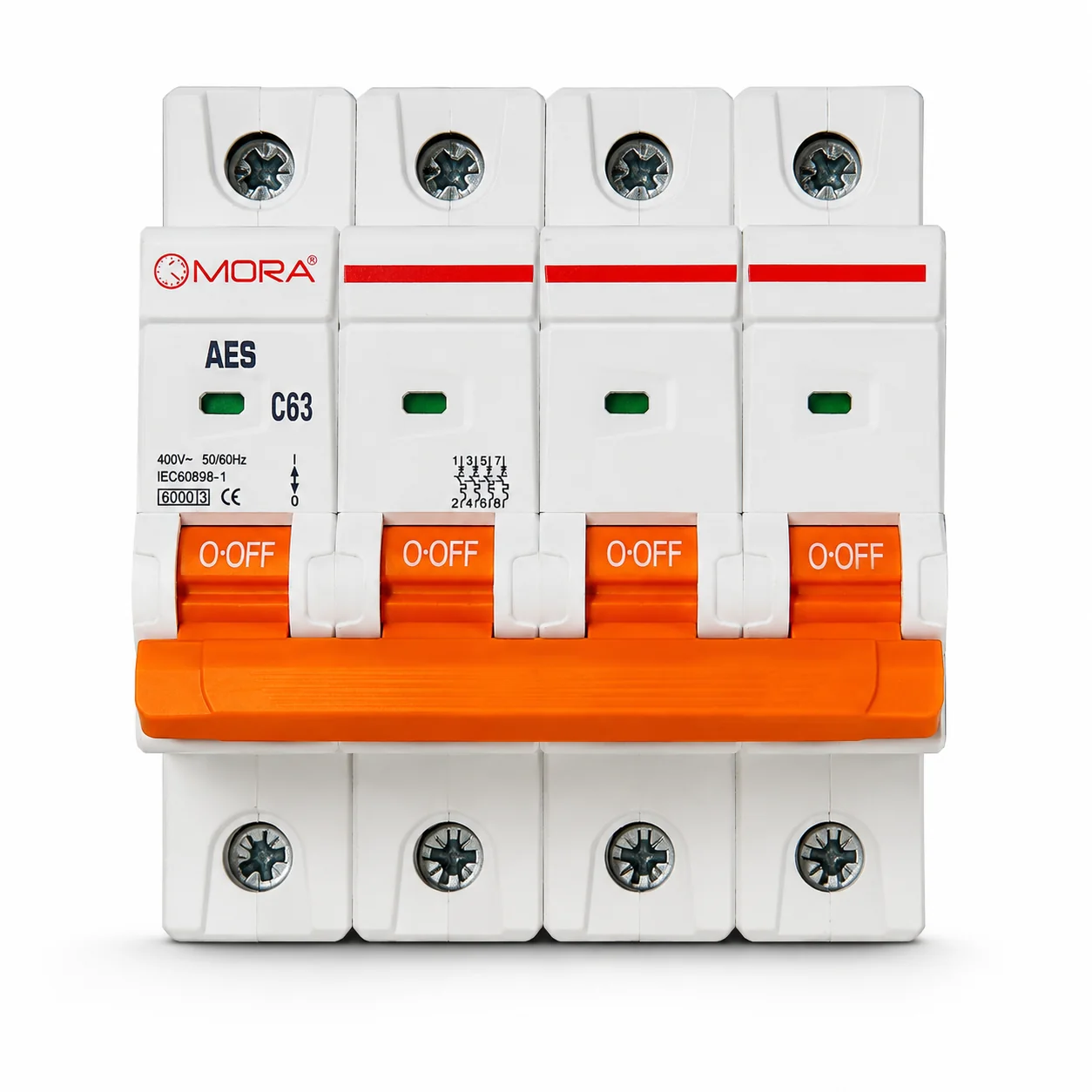
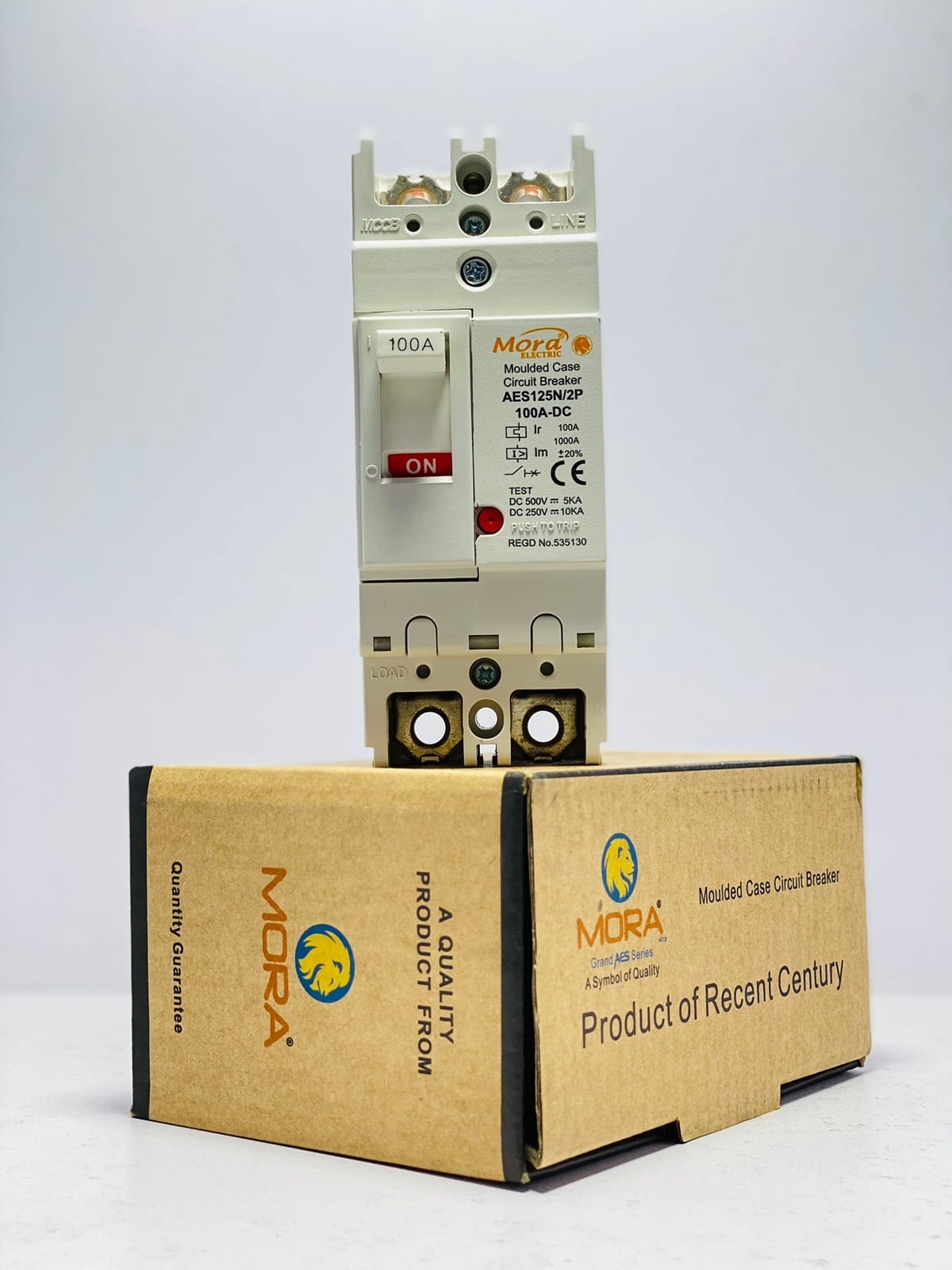
- DC-rated MCBs or MCCBs
- DC load-break isolators
- PV-rated surge protection devices
- Positive and negative busbars
- Earthing terminals
- DC-rated connectors
- Cable glands
Every component must be suitable for direct current and rated above the system’s calculated maximum voltage.
An ordinary household AC breaker is not automatically safe for use in a PV DC circuit.
What does a solar AC distribution box do?
An AC distribution box is installed on the inverter’s AC input, output, grid connection, or backup-load circuit.
Depending on the system, it may contain:
- AC MCB or MCCB
- AC isolator
- RCCB or RCBO
- AC surge protection device
- Changeover switch
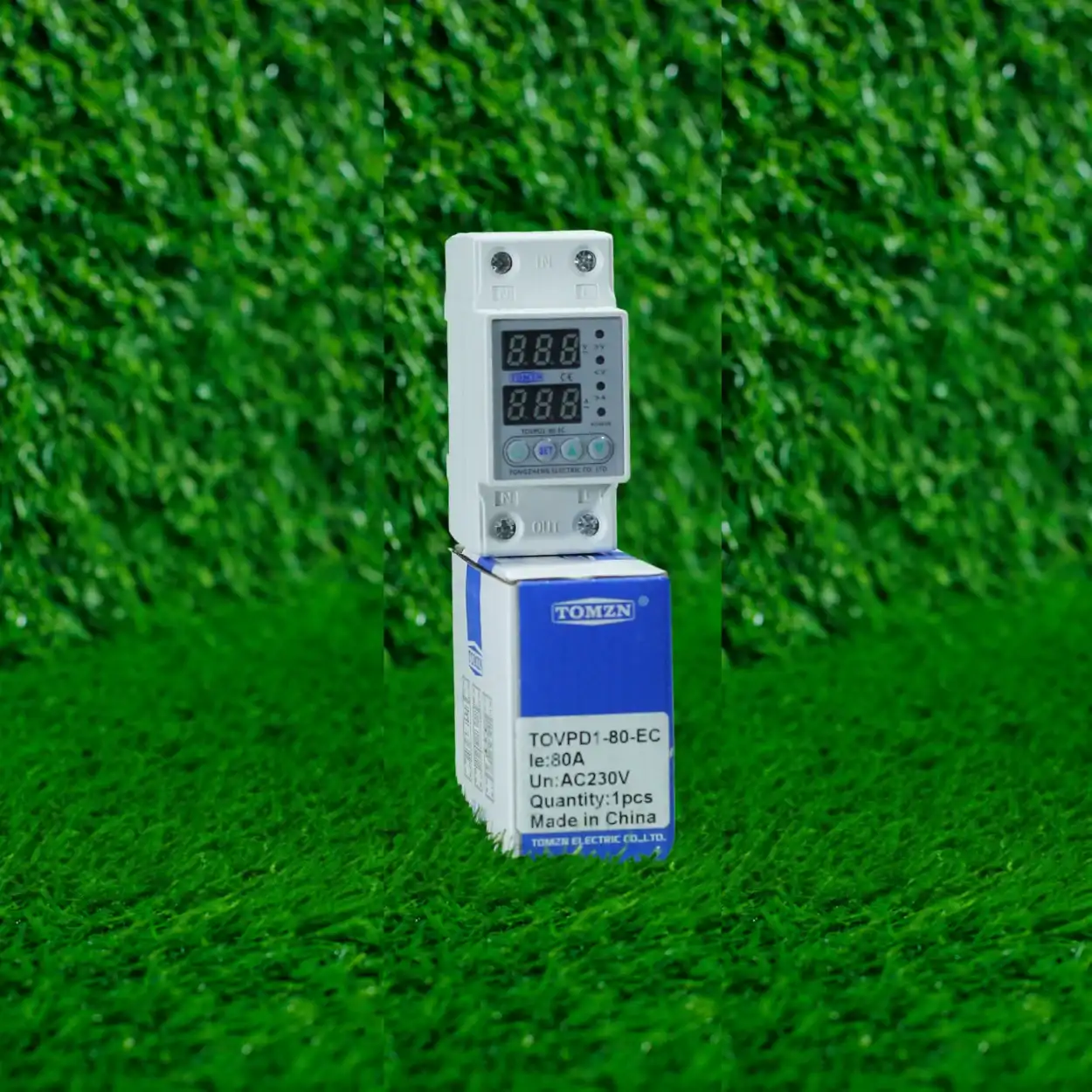
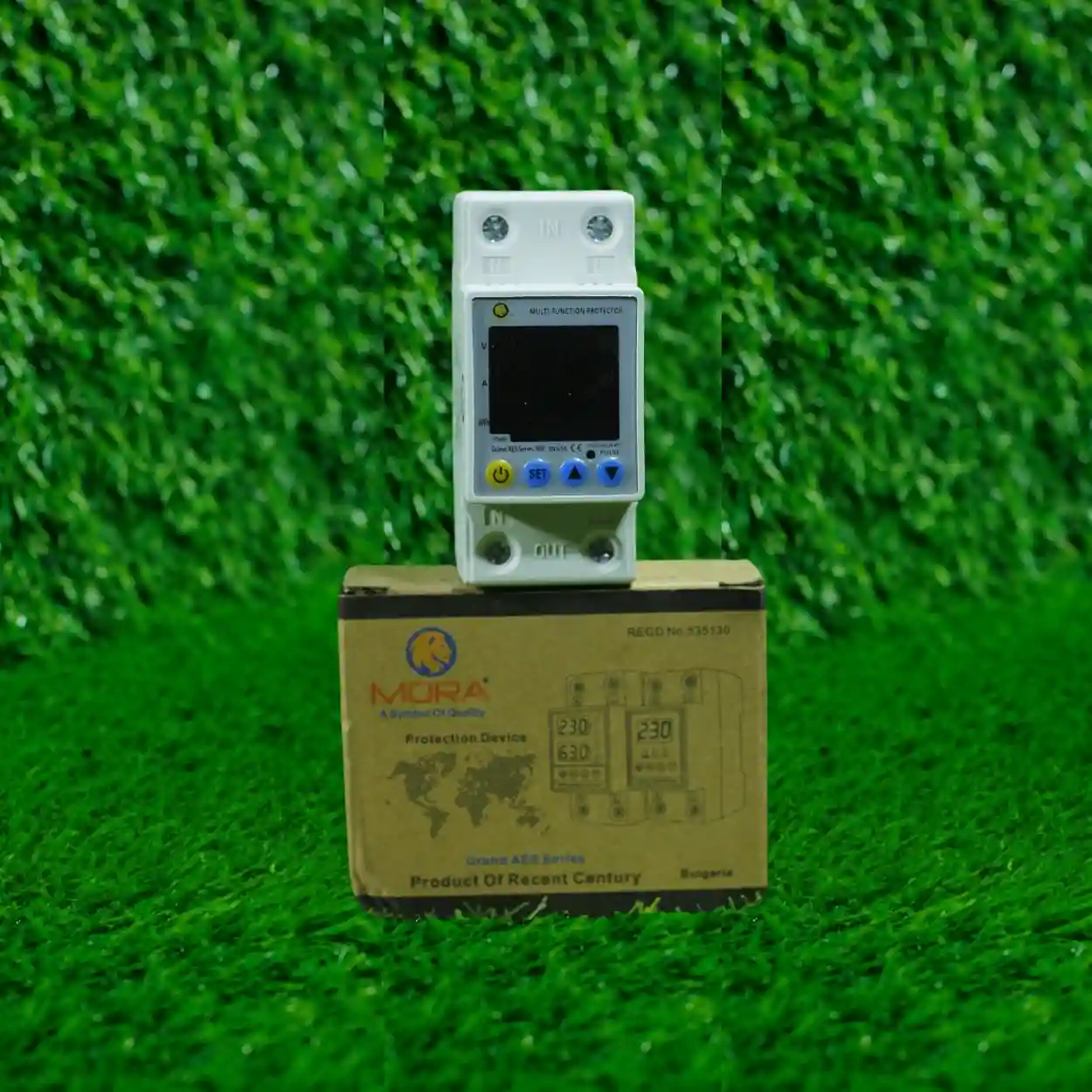
- Voltage protection relay
- Phase failure or sequence relay
- Neutral bar
- Earth bar
- Energy meter or current transformer
The exact configuration depends on whether the installation is single-phase or three-phase and whether it is on-grid, off-grid, or hybrid.
When is a combined AC/DC solar DB appropriate?
A combined box houses AC and DC devices in one enclosure.
It can be useful where wall space is limited, but the design must provide:
- Clear AC and DC separation
- Separate cable routes
- Correct internal barriers
- Adequate heat dissipation
- Clear source labels
- Safe maintenance access
- Sufficient space for future work
For larger systems, separate AC and DC boxes are often easier to inspect and maintain.
Best Practice: Keep AC and DC conductors in separate compartments or enclosures. Clear separation reduces wiring errors and simplifies troubleshooting.
When do you need a solar combiner box?
A combiner box brings multiple PV strings together into one or more outgoing circuits.
It is commonly used in larger arrays where several strings feed an inverter or central DC input.
A combiner box may include:
- Individual string fuses
- String monitoring
- Common DC busbars
- DC surge protection
- Main outgoing isolator
- Positive and negative terminals
- Earth connection
The string count, reverse-current potential, inverter design, and panel specifications determine whether individual fuse protection is required.
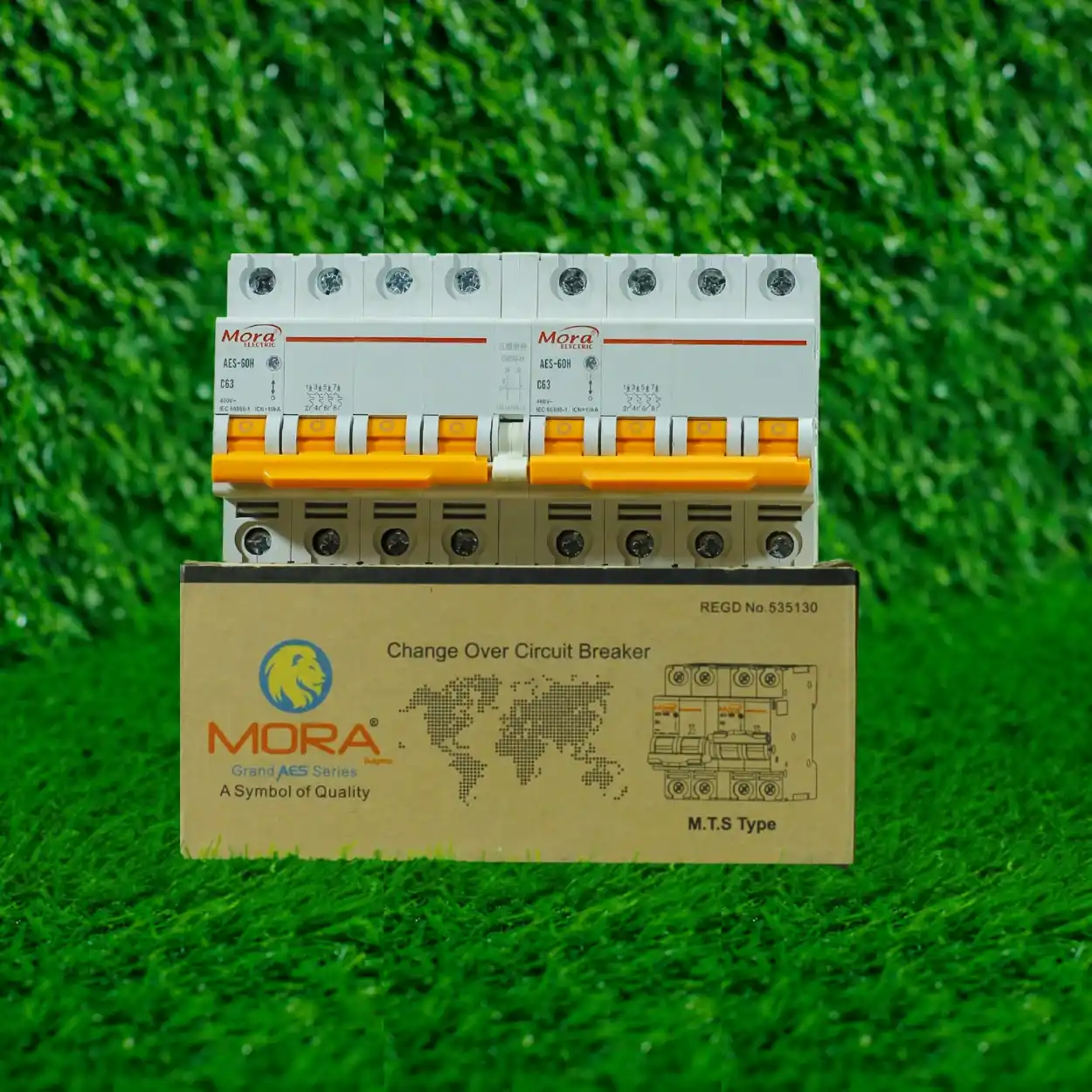
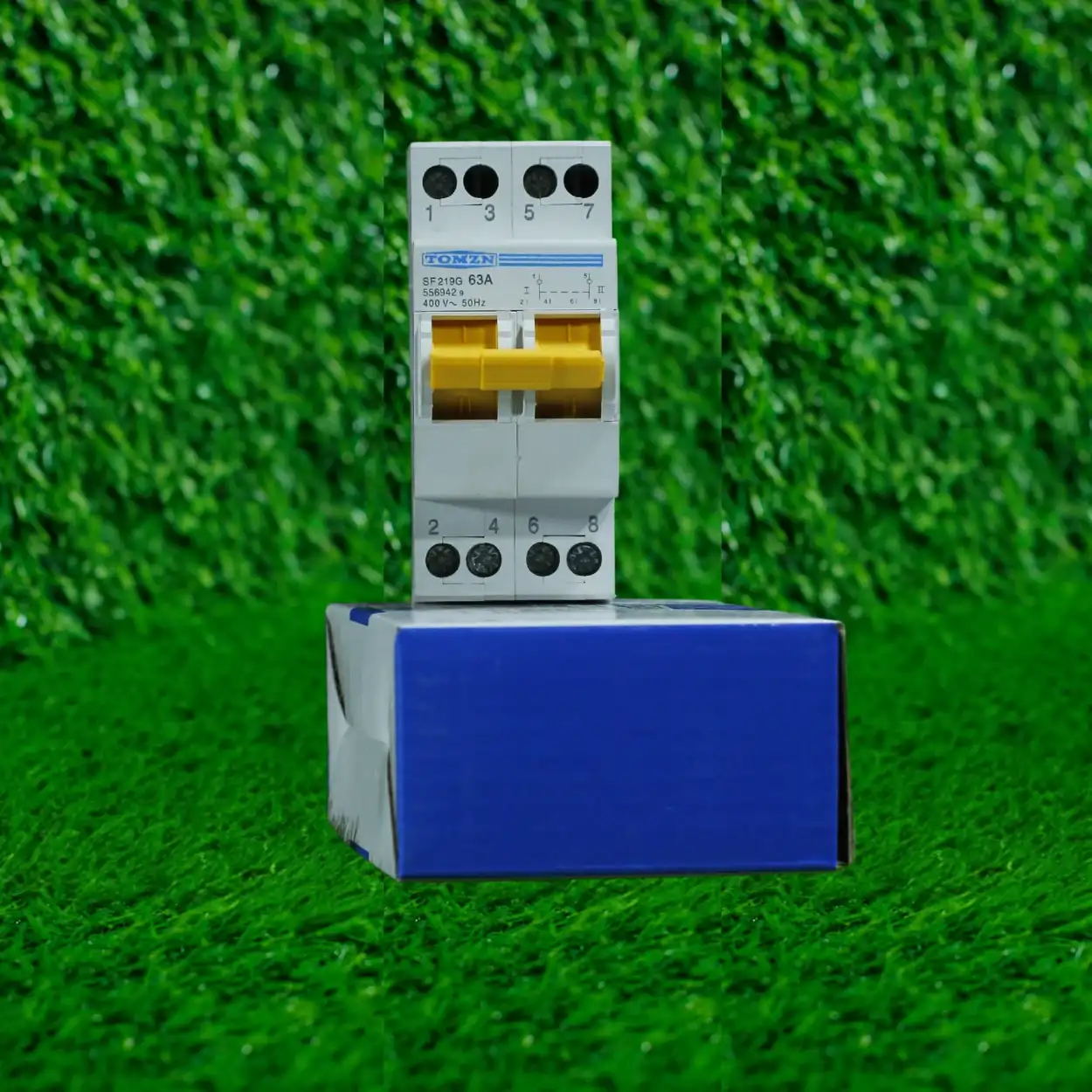
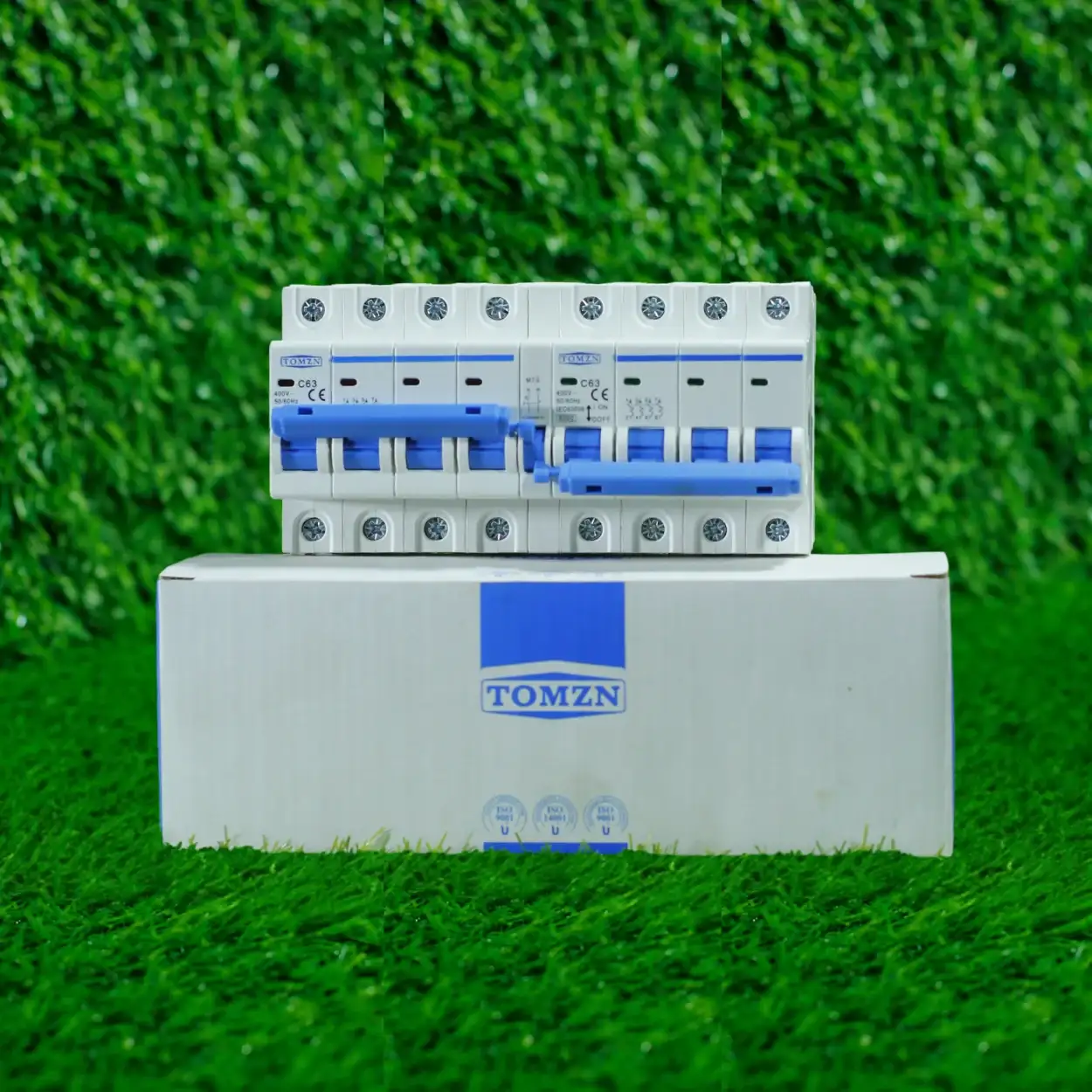
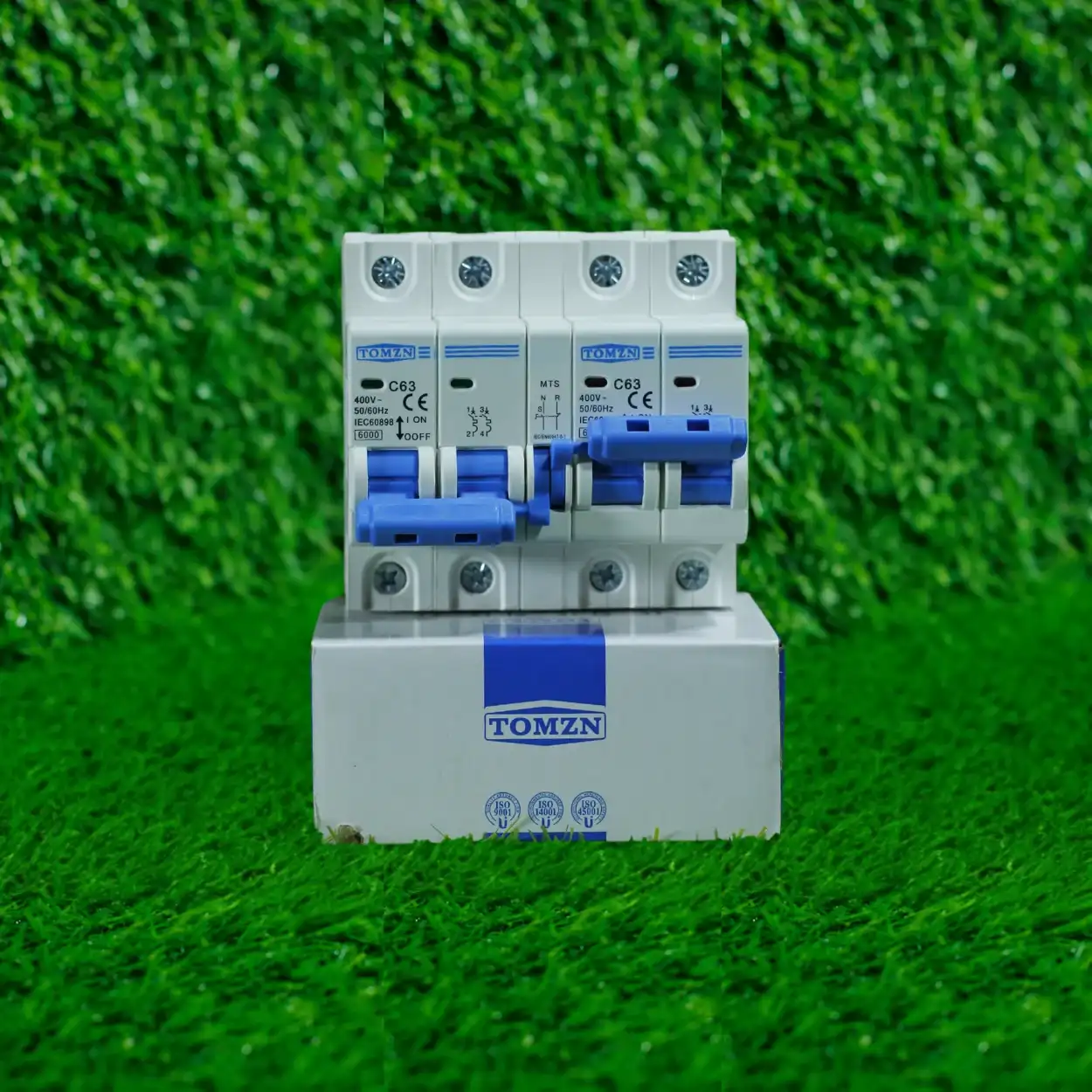
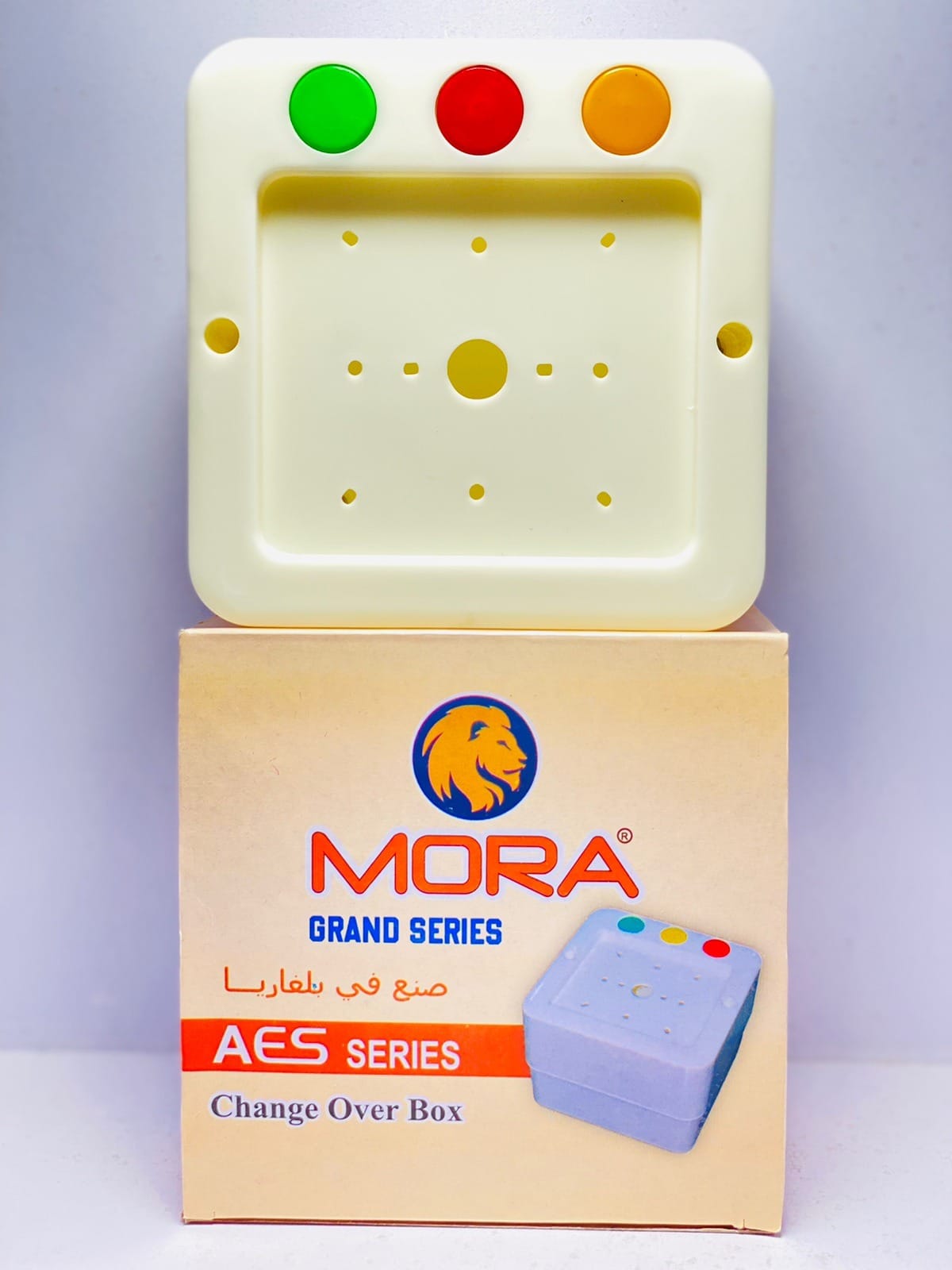
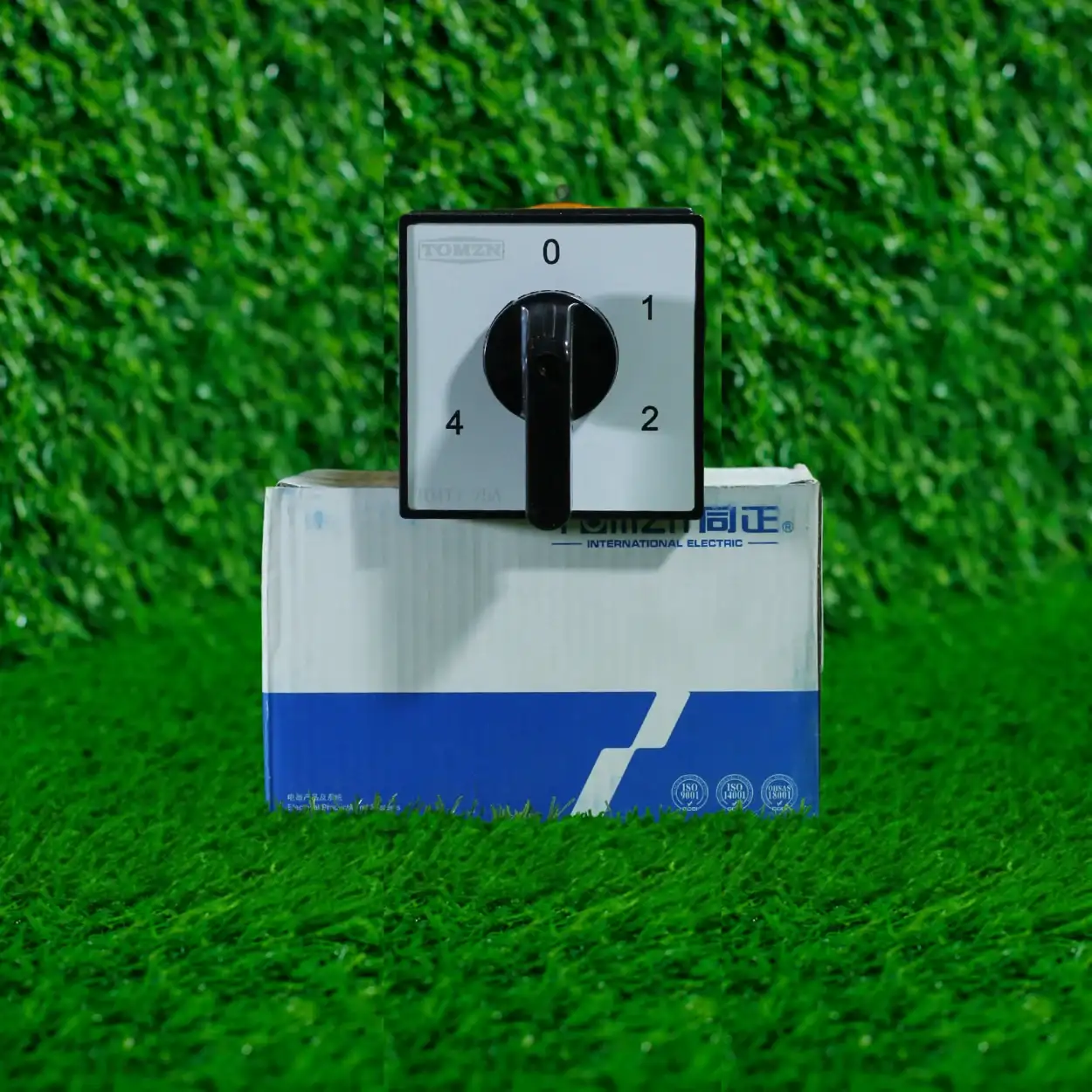
When do you need a changeover switch box?
A changeover box allows selected circuits to switch between available sources, such as:
- Utility electricity
- Solar inverter output
- Generator supply
- Backup power source
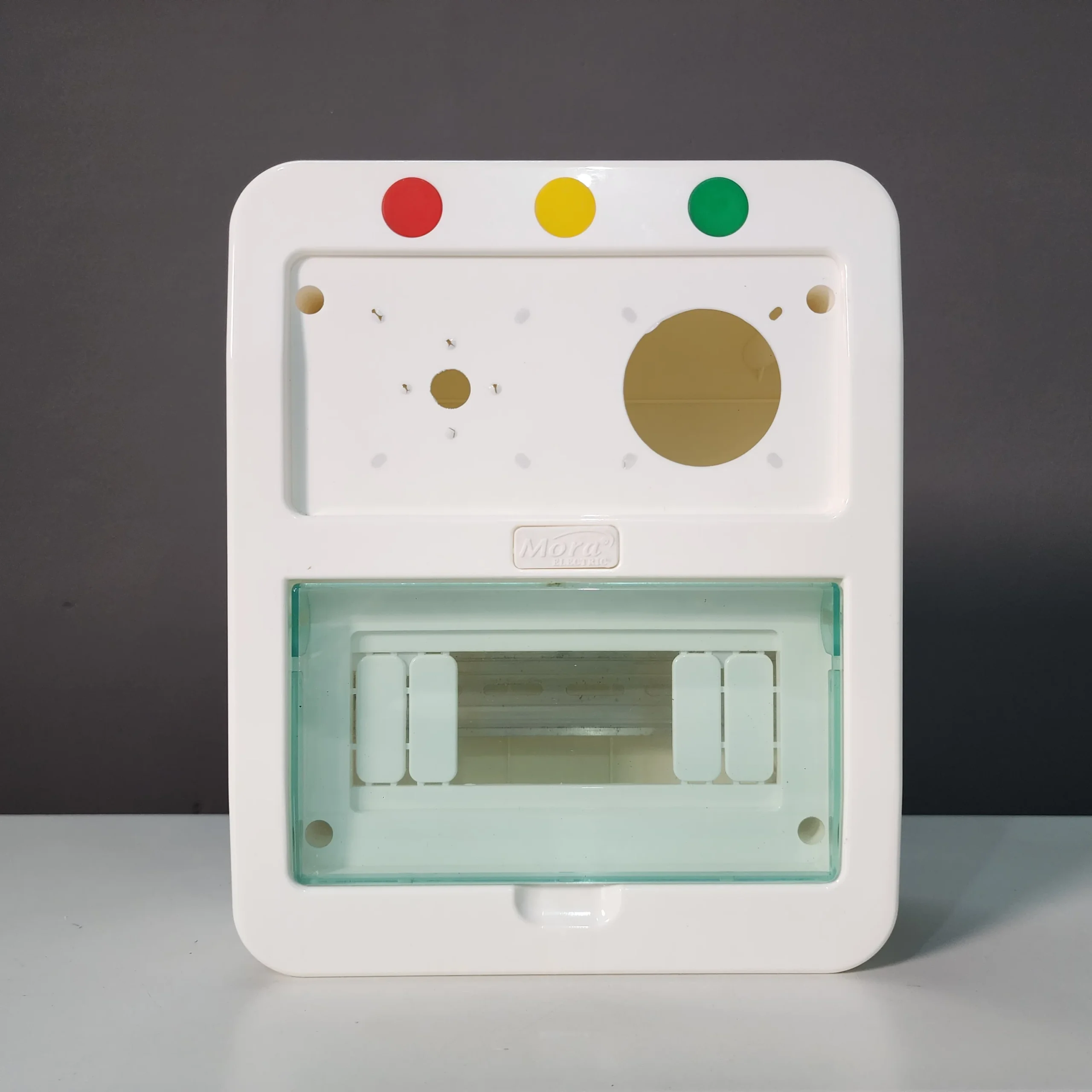
For compact residential installations, a wall-mounted plastic changeover switch box can provide a neat enclosure when its dimensions and environmental suitability match the installation.
Where the design requires four-line switching, buyers can review the 4-line plastic changeover switch box.
The electrician must still verify the switch rating, number of poles, neutral arrangement, fault capacity, and interlocking requirements.
Warning: A changeover enclosure does not provide protection by itself. The switchgear installed inside must be correctly selected and wired to prevent unsafe back-feeding.
How do the main solar DB types compare?
| Box type | Primary purpose | Typical use |
|---|---|---|
| DC protection box | Isolate and protect PV circuits | Panels to inverter |
| PV combiner box | Combine multiple strings | Larger residential or commercial array |
| AC distribution box | Protect inverter AC circuits | Inverter to grid or loads |
| Combined AC/DC box | House both protection sections | Compact residential system |
| Changeover box | Select between power sources | Grid, inverter, or generator |
| Disconnect box | Provide accessible isolation | Green-meter or grid connection |
| Main load DB | Divide power among circuits | Building loads |
Which Components Should a Solar Distribution Box Contain?
Do not buy a box based only on the number of slots or “ways.” Ask for a proper component schedule showing the make, model, voltage, current, number of poles, breaking capacity, and purpose of each device.
Why are DC string fuses sometimes required?
String fuses protect a faulted PV string against reverse current from other parallel strings.
They are not automatically required in every system. The designer must consider:
- Number of parallel strings
- Panel short-circuit current
- Potential reverse current
- Panel maximum series-fuse rating
- Cable current-carrying capacity
- Inverter input protection
When fuses are required, use gPV fuse links designed for photovoltaic circuits. Ordinary glass, automotive, or AC-only fuses should not be used as substitutes.
Common Mistake: Adding a fuse to every string without checking whether it is required—or omitting one where several strings can feed reverse current into a fault.
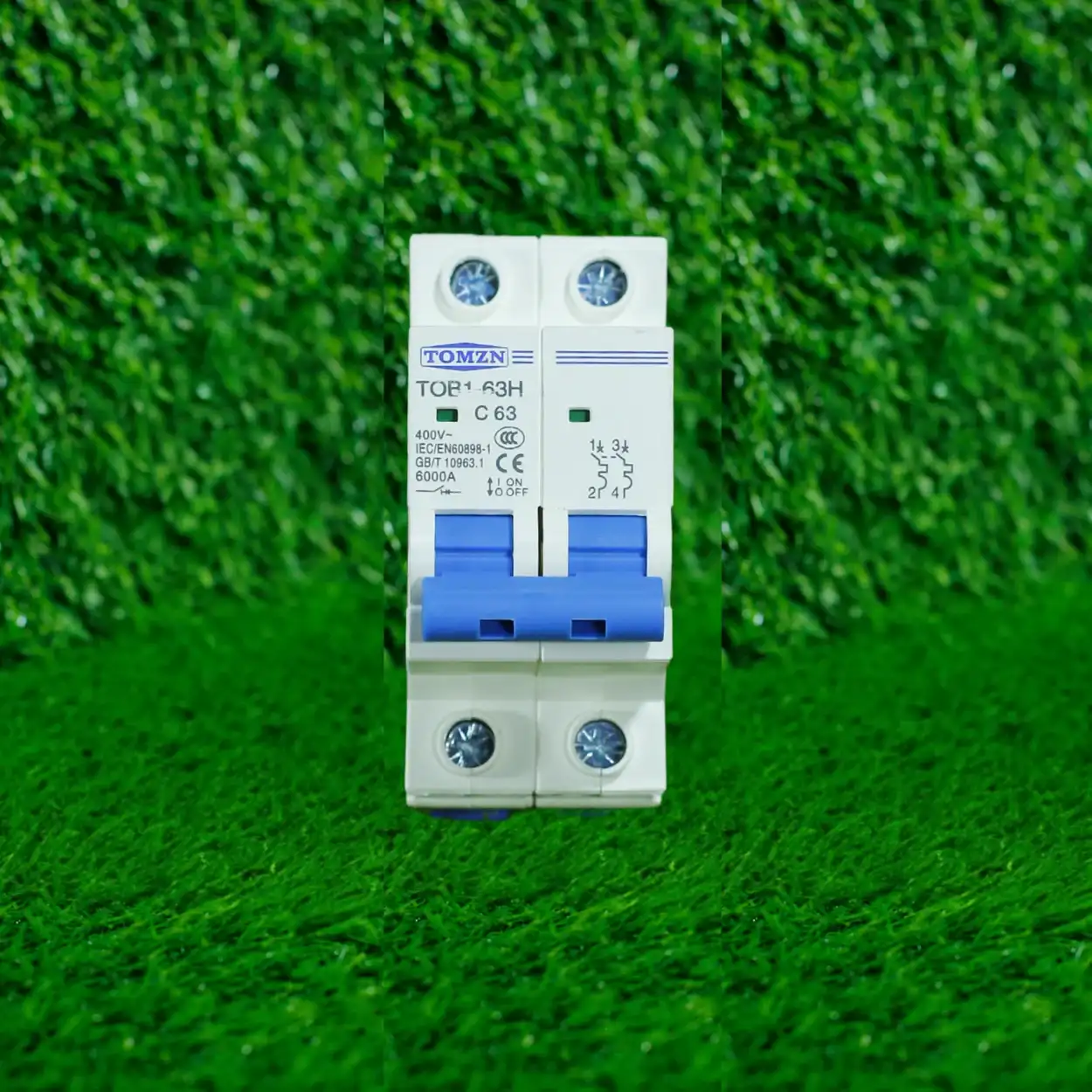
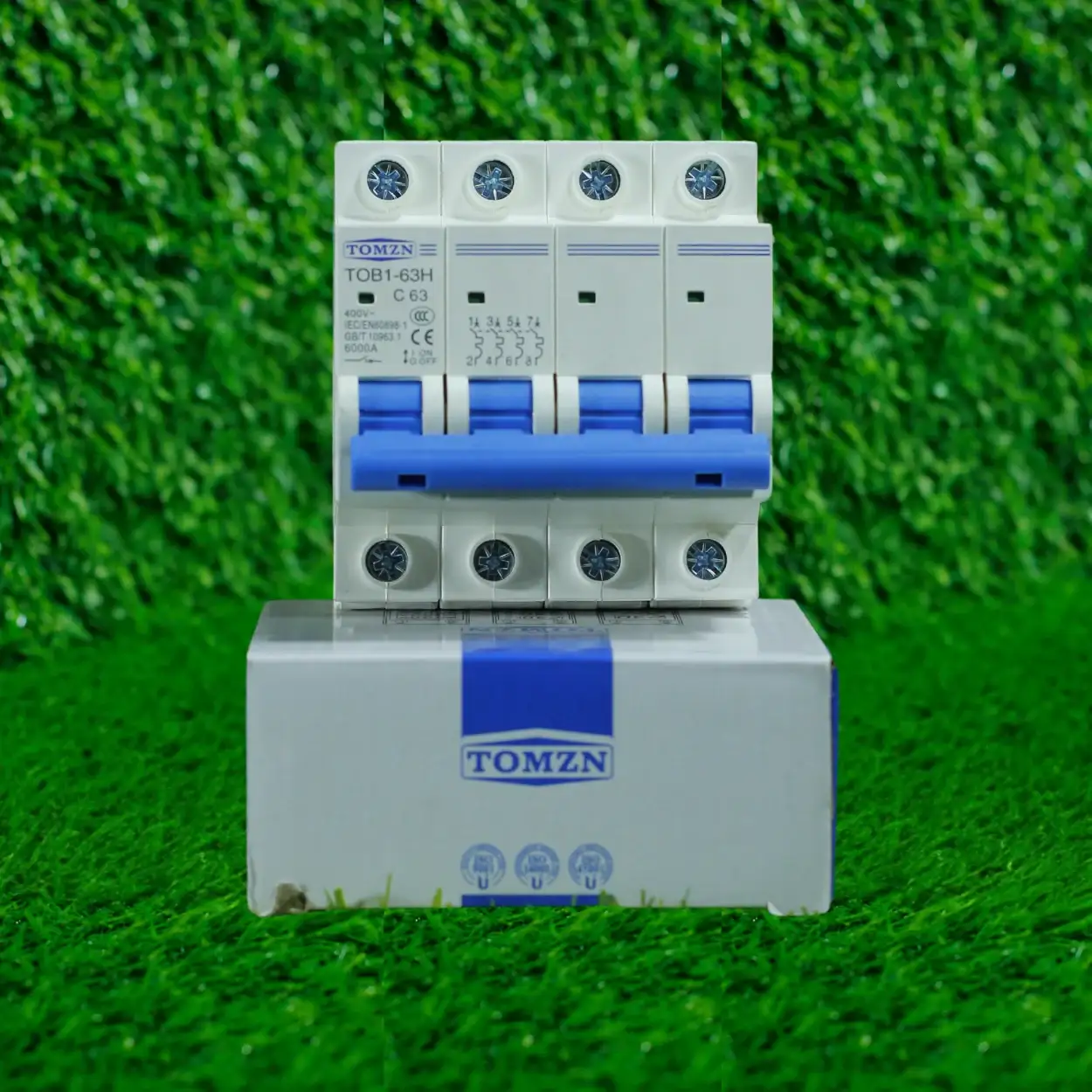
How should you select a DC breaker?
A breaker marked only with an ampere rating does not provide enough information.
Check:
- DC voltage rating
- Continuous current rating
- Breaking capacity
- Number of poles
- Wiring configuration
- Directionality, where applicable
- Operating temperature
- Relevant DC utilization rating
A 63A AC breaker and a 63A PV DC breaker are not interchangeable.
The breaker’s voltage rating must exceed the maximum possible string voltage, including the voltage increase that occurs in cold weather.
What is the purpose of a DC isolator?
A DC isolator provides a defined method of disconnecting the PV array from the inverter for inspection, emergency response, or maintenance.
The selected isolator should be:
- Rated for DC load breaking
- Suitable for the maximum circuit voltage
- Suitable for the operating current
- Correctly configured for the required poles
- Installed in an accessible location
- Clearly labelled
Some devices are suitable only for isolation after the circuit has been de-energised. That is not the same as safely breaking a live DC load.
Why does a solar DB need surge protection?
A surge protection device, or SPD, limits transient overvoltage caused by lightning activity or switching events.
It does not absorb all electrical energy indefinitely. It redirects a surge toward earth and limits the voltage reaching connected equipment.
On the PV side, the SPD must be designed for photovoltaic DC circuits. On the AC side, it must match the building’s AC supply and earthing arrangement.
Important SPD details include:
- Type 1, Type 2, or combined Type 1+2
- AC or PV DC application
- Maximum continuous operating voltage
- Nominal discharge current
- Maximum discharge current
- Voltage protection level
- Protection mode
- Replaceable cartridge status
- Backup protection requirements
Type 2 protection is commonly used for indirect lightning and switching surges. Type 1 or coordinated Type 1+2 protection may be required where a lightning protection system or risk assessment demands it.
Warning: An SPD without an effective earth connection cannot perform correctly. Surge protection never replaces proper earthing.
When should an RCCB or RCBO be used?
An RCCB detects residual current but does not provide overcurrent protection.
An RCBO combines residual-current and overcurrent protection in one device.
Whether the installation requires an RCCB or RCBO—and which type—is influenced by:
- Inverter manufacturer’s instructions
- Earthing arrangement
- Inverter leakage characteristics
- Circuit type
- Existing upstream protection
- Local installation requirements
Do not automatically install the same RCCB used for ordinary household circuits. Confirm whether Type A, F, B, or another arrangement is required.
Why do busbars and terminals matter?
Busbars, earth bars, neutral bars, terminal blocks, and cable lugs carry the same current as the visible breakers.
Poor internal connections can overheat even when all front-facing equipment appears correctly rated.
A quality assembly should include:
- Adequately rated busbars
- Finger-safe terminal covers
- Properly crimped cable lugs
- Ferrules on fine-stranded conductors
- Correct cable-entry glands
- Separate neutral and earth bars
- Suitable conductor identification
- Manufacturer-specified terminal torque
- Sufficient space for cable bending
Which components should not be treated as interchangeable?
| Component | Correct application | Unsafe assumption |
|---|---|---|
| AC MCB | AC circuit with suitable rating | Suitable for PV DC because amperes match |
| PV DC breaker | Defined DC voltage and configuration | Suitable for a battery circuit automatically |
| gPV fuse | PV string or array protection | Same as automotive fuse |
| AC SPD | AC supply circuit | Suitable for panel strings |
| PV DC SPD | Solar array circuit | Suitable for batteries automatically |
| RCCB | Residual-current protection | Also protects against overload |
| Isolator | Safe switching or isolation duty | Always provides overcurrent protection |
How Do You Calculate the Correct Solar Distribution Box Ratings?
Electrical calculations should begin with the panel datasheet, string layout, inverter manual, cable design, and installation conditions.
The inverter’s advertised kilowatt rating alone is not enough.
How is maximum solar string voltage calculated?
Begin with the panel’s open-circuit voltage, or Voc.
Multiply Voc by the number of panels connected in series. Then apply the cold-temperature correction because panel voltage rises as cell temperature falls.
A simplified expression is:
Maximum string voltage = panels in series × panel Voc × temperature correction factor
What does a string-voltage calculation look like?
Suppose the panel specifications show:
- Open-circuit voltage: 50V
- Panels connected in series: 10
- Illustrative cold correction: 1.10
The estimated maximum voltage becomes:
10 × 50 × 1.10 = 550V DC
A 500V DC breaker, SPD, or isolator would be unsuitable for this example—even if normal operating voltage stays below 500V.
The actual correction should be calculated from the panel’s voltage temperature coefficient and the lowest expected site temperature.
Expert Advice: Compare the corrected string voltage with the voltage limit of the inverter and every DC device. The lowest-rated component sets the practical limit.
How is PV current calculated?
The panel short-circuit current, or Isc, is an important starting point for cable and protective-device calculations.
For parallel strings:
Combined short-circuit current = number of parallel strings × panel Isc
The design must then account for applicable safety factors and installation conditions.
These may include:
- Continuous operation
- High ambient temperature
- Heat inside the enclosure
- Cable grouping
- Conductor insulation rating
- Terminal capacity
- Manufacturer derating
- Prospective fault current
The final protective-device rating must coordinate with the cable. A breaker should not be rated so high that the cable can overheat before protection operates.
How is inverter AC current estimated?
For a single-phase system, a basic estimate is:
Current = power ÷ voltage
For a 5,000W inverter operating at 230V:
5,000 ÷ 230 = approximately 21.7A
This is only a starting estimate.
The final breaker and cable selection should use the inverter manufacturer’s maximum AC output current, installation method, voltage conditions, derating factors, and fault requirements.
Three-phase calculations must also account for line voltage, the square root of three, efficiency, and power factor.
Does the inverter’s kilowatt rating determine the DB size?
No.
Two systems rated at 10kW can require different distribution boxes because they may have different:
- Panel models
- Modules per string
- Numbers of strings
- MPPT arrangements
- Maximum DC voltages
- AC phases
- Cable lengths
- Backup-load designs
- Battery configurations
- Earthing arrangements
A label such as “5kW DB” or “10kW DB” is not a complete technical specification.
Common Mistake: Buying a pre-wired “10kW solar DB” without verifying its string inputs, maximum DC voltage, output current, phase arrangement, and compatibility with the inverter.
Which Enclosure Size and Material Should You Choose?
An undersized box creates unnecessary heat and makes safe wiring difficult.
Before selecting the enclosure, prepare a module schedule showing how much DIN-rail space each component requires.
For example:
- A single-pole MCB may occupy one module
- A double-pole device may occupy two modules
- A four-pole RCCB may occupy four modules
- An SPD can require two to four modules
- A voltage protector may use several modules
- Some isolators are wider than standard breakers
Subject to thermal design and manufacturer limits, leaving approximately 20–30% spare space is often sensible.
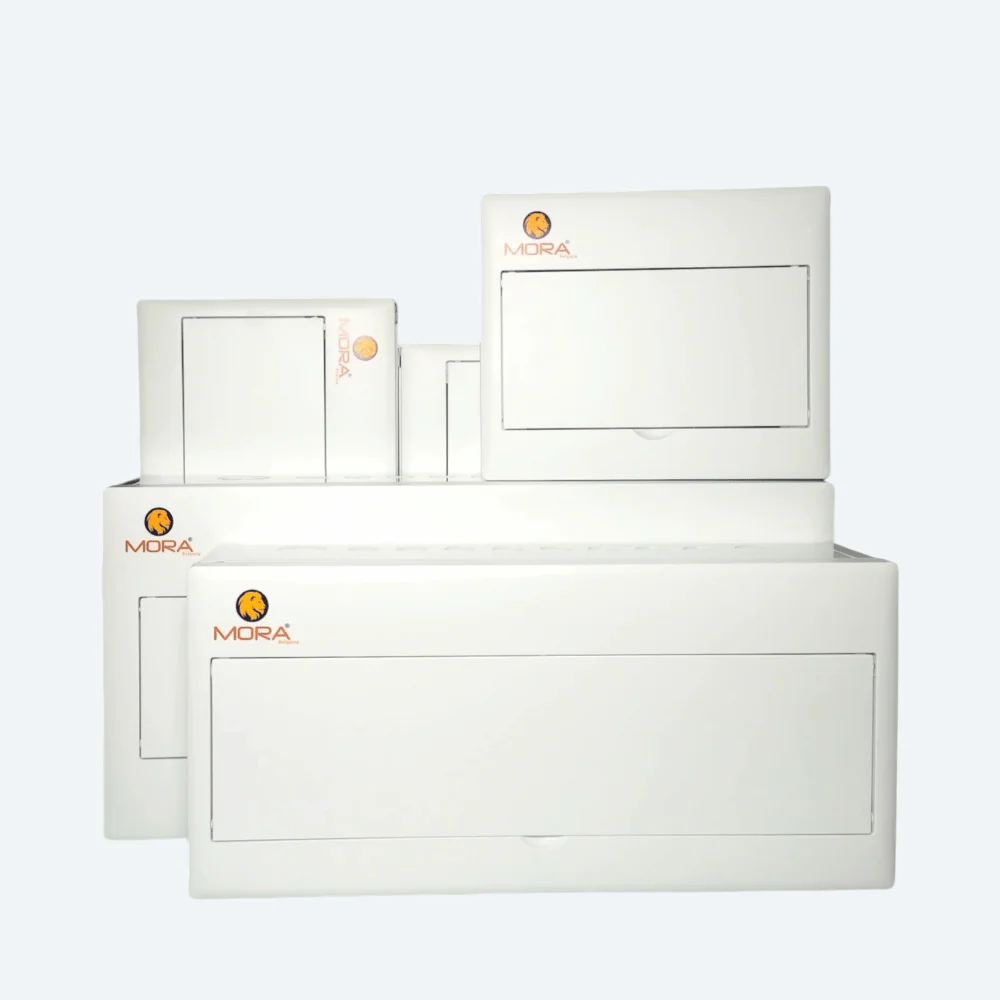
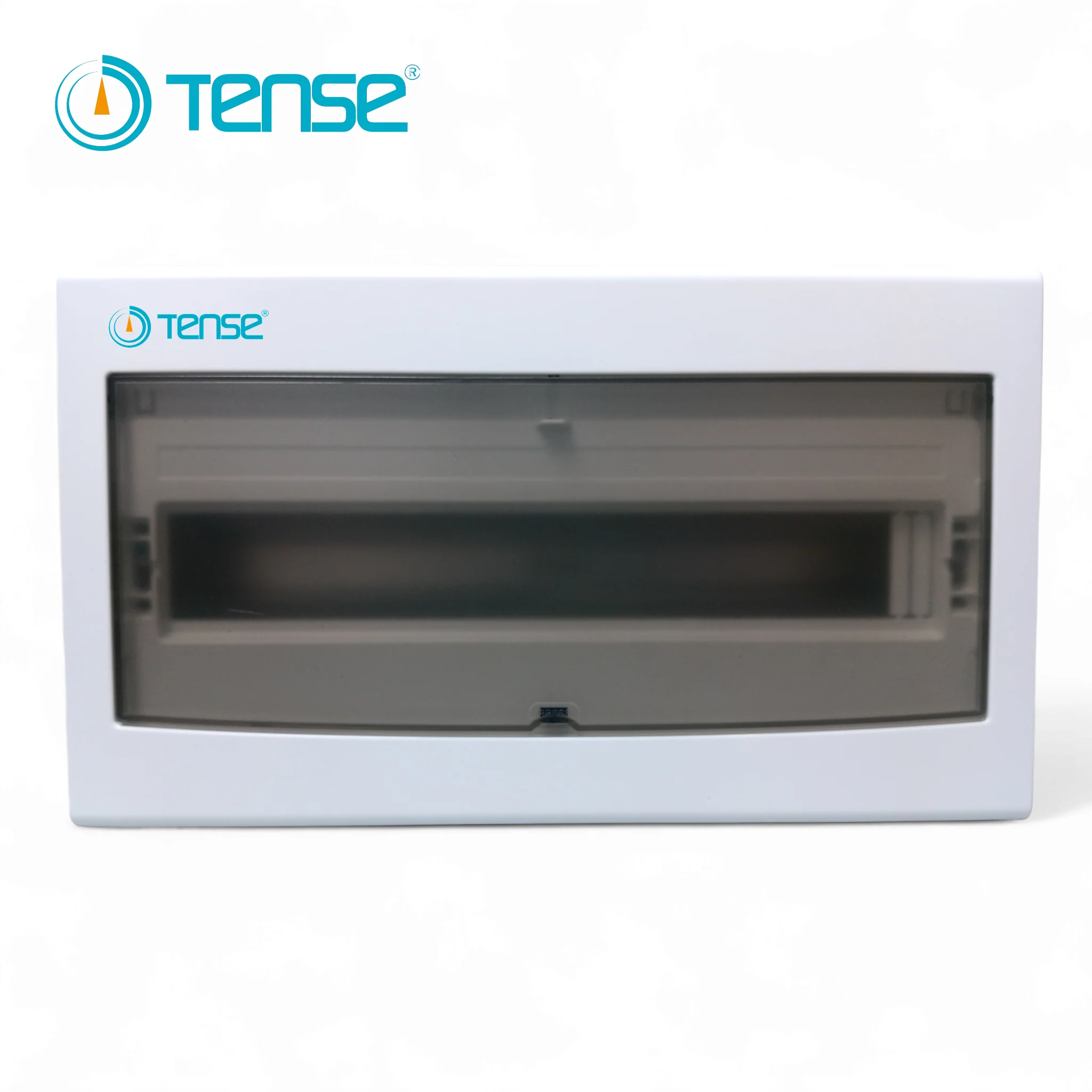
When is a 12-way distribution box suitable?
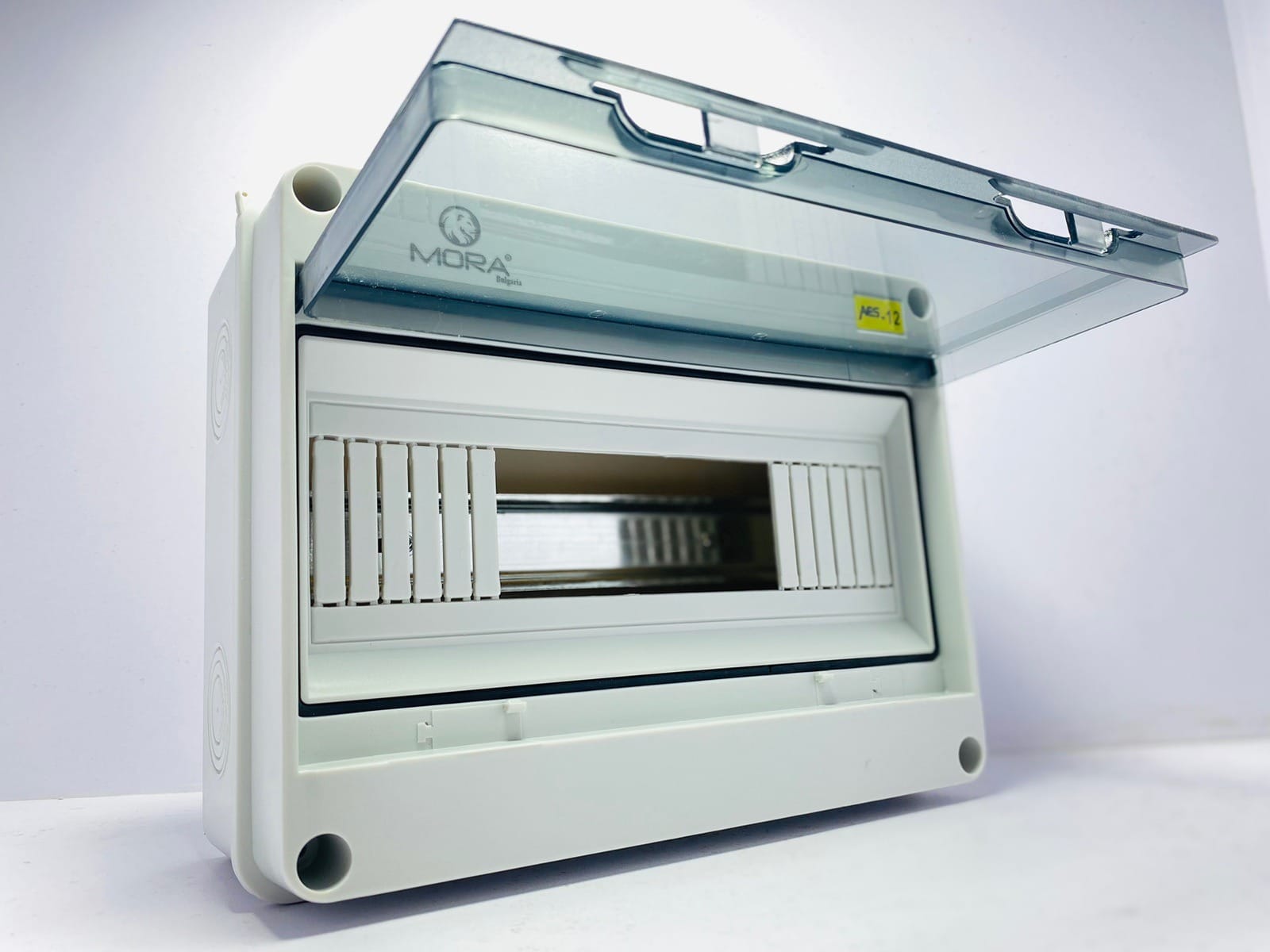
A 12-way enclosure can be useful for a small residential installation or a compact sub-distribution arrangement.
HN Electric’s 12-way PVC Solar Distribution Box provides space for modular devices in a wall-mounted enclosure.
Before choosing it, confirm:
- Exact internal dimensions
- Number and width of components
- Required AC/DC separation
- Indoor or outdoor location
- IP rating
- Cable-entry requirements
- Operating temperature
- Spare module requirement
Twelve available slots do not necessarily mean that every proposed combination will fit safely.
Is a plastic or metal solar DB better?
Neither material is automatically better for every installation.
| Feature | Quality plastic enclosure | Quality metal enclosure |
|---|---|---|
| Corrosion resistance | Usually excellent | Depends on coating and environment |
| Electrical conductivity | Non-conductive body | Body must be bonded to earth |
| Mechanical strength | Moderate to good | Usually higher |
| Weight | Lightweight | Heavier |
| Ease of installation | Generally easier | May require more preparation |
| Heat performance | Product-dependent | Often robust but still needs thermal design |
| Outdoor suitability | Depends on UV and IP rating | Depends on coating, seals, and IP rating |
| Common use | Residential or protected area | Commercial, exposed, or heavy-duty area |
A plastic box should use durable, flame-retardant material. Outdoor plastic also needs suitable UV resistance.
For installations requiring greater mechanical strength, buyers can consider the Mora metal-base distribution box.
In coastal cities such as Karachi and Gwadar, corrosion resistance is especially important. A low-quality metal enclosure can deteriorate quickly in humid or salty conditions.
Which IP rating is suitable for a solar DB?
The IP rating indicates an enclosure’s resistance to solid objects and water.
| IP level | General suitability |
|---|---|
| IP40 | Clean and protected indoor environment |
| IP54 | Limited dust and water exposure |
| IP65 | Dusty or exposed installation |
| IP66 | Locations requiring stronger water-jet protection |
An IP65 label does not mean that careless outdoor installation is safe.
The completed protection level also depends on:
- Cable glands
- Door seals
- Mounting holes
- Unused openings
- Conduit entries
- Installation angle
- Assembly workmanship
Pro Tip: Place outdoor boxes under a suitable shade where possible. Direct Pakistani summer sunlight can significantly increase internal temperature and accelerate component ageing.
When is a green-meter disconnect box useful?
Net-metered systems may require an accessible and clearly identified point of isolation near the meter or grid connection.
The exact arrangement depends on the system design and applicable utility requirements.
HN Electric’s Green Meter Metal Disconnect Box can be considered where the installation needs a durable enclosure for disconnection or AC/DC distribution equipment.
A qualified installer must confirm the correct internal devices, cable entries, earthing, labels, and utility requirements before installation.
Which Solar DB Configuration Suits Your System Size?
The following configurations are starting points only. Final protection must be based on calculations and manufacturer instructions.
| PV system | Possible arrangement | Important checks |
|---|---|---|
| Small single-string system | DC isolation and AC output protection | Maximum Voc, inverter limits, AC output current |
| 5–6kW residential system | Separate or combined AC/DC protection | MPPT inputs, string count, SPD coordination |
| 8–10kW hybrid system | Multiple DC inputs plus grid and backup sections | Neutral switching, battery protection, changeover |
| Three-phase commercial system | Separate DC and AC assemblies | Phase balance, MCCB rating, fault level |
| Multi-string array | PV combiner and outgoing DC protection | Reverse current, fuse need, busbar capacity |
| Net-metered system | AC protection and accessible disconnect | Utility requirements, labels, isolation |
| Generator-assisted hybrid system | Interlocked changeover arrangement | Back-feed prevention, neutral and phase switching |
What should a 5kW residential solar DB include?
A typical 5kW system may require:
- DC isolation
- DC surge protection
- String overcurrent protection, where required
- AC output breaker
- AC surge protection
- Residual-current protection, where required
- Neutral and earth bars
- Correct labels
However, two 5kW systems may use different voltages and string layouts. Do not copy another home’s DB configuration without checking your own inverter and panel specifications.
What should an 8–10kW hybrid solar DB include?
A larger hybrid system may interact with:
- PV panels
- Battery bank
- Utility supply
- Generator
- Essential loads
- Non-essential loads
Its distribution arrangement may require:
- Separate grid-input protection
- Separate inverter-output protection
- Backup-load distribution
- Dedicated battery protection
- Interlocked changeover
- Neutral switching where required
- Multiple DC string inputs
- AC and DC surge protection
- Multiple source-warning labels
Battery circuits require protection selected for battery voltage, conductor size, and prospective fault current. A PV breaker is not automatically suitable for battery protection.
What does a three-phase commercial system require?
A three-phase system may require:
- Four-pole switching
- Phase-failure protection
- Phase-sequence monitoring
- Adequately rated MCCB
- Larger busbars
- Metering equipment
- Current transformers
- Phase-balancing review
- Higher fault-capacity equipment
- Larger clearances
- Improved heat management
These systems should be designed from a single-line diagram and verified by a competent electrical professional.
Should You Buy a Pre-Wired or Custom-Built Solar DB?
Both options can work when properly specified.
| Option | Advantages | Limitations |
|---|---|---|
| Pre-wired box | Faster installation and consistent layout | May not match the inverter or strings |
| Custom-built box | Tailored to the actual system | Quality depends on designer and assembler |
| Empty enclosure | Flexible and lower initial cost | Requires complete professional assembly |
| Factory-tested assembly | Better documented verification | Usually costs more |
A pre-wired box should come with clear documentation showing:
- Input and output ratings
- Maximum DC voltage
- Current capacity
- Component models
- SPD details
- String count
- Phase configuration
- Wiring diagram
- Enclosure rating
Avoid products described only as “complete solar DB” without technical details.
How Much Does a Solar Distribution Box Cost in Pakistan?
Solar DB prices in Pakistan vary because an empty enclosure and a fully assembled protection box are completely different products.
Important cost factors include:
| Cost factor | Why it affects price |
|---|---|
| Number of ways | Larger boxes use more material and space |
| Plastic or metal body | Material and fabrication costs differ |
| IP rating | Improved sealing and construction increase cost |
| Component brand | Better-documented switchgear usually costs more |
| Number of PV strings | More inputs require more devices and terminals |
| AC/DC configuration | Combined systems require additional components |
| Single or three phase | Three-phase devices require more poles |
| SPD type | Voltage and discharge ratings affect cost |
| Changeover arrangement | Adds switchgear and wiring complexity |
| Metering equipment | Adds meters, relays, or current transformers |
| Assembly workmanship | Lugs, glands, labels, busbars, and testing add value |
Instead of comparing only the final price, request an itemised quotation containing exact model numbers and ratings.
A cheap box can become extremely expensive if it fails to protect the inverter or contains unsuitable devices.
What Should You Check Before Buying a Solar Distribution Box?
Use the following checklist when requesting a quotation from HN Electric or comparing different products.
Which system details should you provide?
- Panel manufacturer and model
- Panel open-circuit voltage
- Panel short-circuit current
- Number of panels per string
- Number of parallel strings
- Inverter manufacturer and model
- Inverter maximum DC voltage
- Number of MPPTs
- Maximum current per MPPT
- Maximum AC output current
- Single-phase or three-phase supply
- On-grid, off-grid, or hybrid configuration
- Battery voltage, if applicable
- Indoor or outdoor installation
- Approximate cable lengths
- Earthing arrangement
- Generator or changeover requirement
- Planned future expansion
Which details should appear on the quotation?
- Enclosure material and dimensions
- Number of available ways
- Stated IP rating
- Breaker make and model
- Breaker voltage and current
- Number of poles
- DC breaking capacity
- SPD type and voltage rating
- gPV fuse details, where required
- Isolator rating
- Busbar and terminal ratings
- Internal cable sizes
- Cable-gland specifications
- Labels and circuit schedule
- Warranty terms
- Testing and commissioning scope
How can you identify a poor-quality solar DB?
Be cautious if you notice:
- AC-only breakers on the DC side
- Missing brand or model information
- Ratings covered by unofficial stickers
- Thin internal conductors
- Loose or exposed copper
- Twisted wires instead of proper lugs
- Multiple cables forced into one terminal
- No earth bar
- No cable glands
- AC and DC wiring mixed together
- SPD installed without proper earthing
- Unused openings left uncovered
- Overcrowded DIN rail
- Missing source-warning labels
- No single-line diagram
Common Mistake: Buyers focus on the enclosure and breaker count but ignore the busbars, terminals, internal cable, earthing, and assembly quality.
Which Solar Distribution Box Installation Mistakes Should You Avoid?
Even quality products can fail when installed incorrectly.
Why is reversed DC polarity dangerous?
Reversing positive and negative conductors can damage equipment and create hazardous fault conditions.
Polarity should be verified with a suitable meter before making the final connection.
Colour alone is not enough. Cables may have been incorrectly marked or connected elsewhere.
Why do loose terminals overheat?
A loose connection increases electrical resistance. When current flows, that resistance produces heat.
The problem can damage:
- Breaker terminals
- Cable insulation
- Busbars
- Enclosure material
- Connected equipment
Terminals should be tightened according to the manufacturer’s specified torque.
Why should AC-only breakers not be used on solar DC?
Direct-current arcs can be harder to interrupt than alternating-current arcs.
An AC-only breaker may fail to extinguish the arc safely, even when its ampere rating appears sufficient.
Always verify the device’s DC voltage, pole configuration, and breaking capacity.
Why is an oversized breaker unsafe?
A breaker is selected to protect the cable and circuit.
If the breaker rating is too high, the conductor may overheat before the protective device operates.
Avoid increasing the breaker size simply because an existing breaker trips repeatedly. Repeated tripping may indicate a design, wiring, or equipment fault.
Why are long SPD earth wires a problem?
Long, looped conductors add impedance and reduce the effectiveness of surge protection.
SPD connections should be short, direct, and installed according to the device manufacturer’s instructions.
Why is poor labelling dangerous?
A hybrid installation can remain energised from several sources:
- PV array
- Utility supply
- Battery
- Generator
- Inverter backup output
Clear labels help technicians identify every source before beginning work.
Warning: Turning off the inverter display does not prove that the PV cables, battery terminals, grid input, or backup circuits are de-energised.
Why should the DB not be installed in direct sunlight?
Direct sunlight increases enclosure temperature. High internal heat can reduce component life and may affect current-carrying capacity.
Where possible, install the box in a dry, shaded, ventilated, and accessible location while maintaining required cable lengths and manufacturer clearances.
Which Standards Apply to a Quality Solar Distribution Box?
Depending on the system and component, relevant international standards may include:
- IEC 62548-1: Photovoltaic-array design, wiring, switching, earthing, and protection
- IEC 61439: Low-voltage switchgear and controlgear assemblies
- IEC 61643-31: Surge protective devices for photovoltaic installations
- IEC 61643-32: Selection and application of PV surge protection
- IEC 60269-6: Fuse links for photovoltaic systems
- IEC 60947: Low-voltage switchgear and controlgear
- IEC 60364: Low-voltage electrical installations
These references do not replace the instructions provided by the inverter, panel, breaker, SPD, or enclosure manufacturer.
The completed installation should also meet applicable Pakistani electrical, utility, inspection, and net-metering requirements.
How Should a Solar Distribution Box Be Maintained?
A solar DB should not be installed and forgotten.
Arrange periodic inspection by a qualified person, especially after:
- Severe weather
- Lightning activity
- Electrical faults
- System expansion
- Breaker tripping
- Inverter replacement
- Signs of overheating
- Water entering the installation
A professional inspection may include:
- Checking for heat discolouration
- Inspecting enclosure seals
- Checking SPD status indicators
- Examining cable glands
- Looking for dust, insects, or moisture
- Inspecting corrosion
- Thermal scanning under load
- Verifying terminal torque
- Testing earthing continuity
- Recording voltage and current
- Confirming labels remain readable
- Testing protective devices where applicable
Do not open or clean an energised distribution box yourself.
Pro Tip: Keep the single-line diagram, product datasheets, test results, warranty papers, and dated installation photographs together. Good records make future expansion and troubleshooting safer.
What Are the Advantages and Limitations of a Solar DB?
| Advantages | Considerations |
|---|---|
| Organises AC and DC protection | Adds to the initial project cost |
| Provides safe isolation points | Requires professional selection |
| Helps protect cables and equipment | Needs periodic inspection |
| Simplifies maintenance | Must remain accessible |
| Supports clear source identification | Labels must be kept readable |
| Can accommodate future expansion | Spare space must be planned |
| Helps manage transient overvoltage | SPD effectiveness depends on earthing |
The benefits depend on correct engineering. A group of devices placed inside an enclosure is not automatically a coordinated protection system.
What Is the Final Solar DB Buying Checklist?
Before approving a purchase, confirm all of the following:
- The maximum corrected string voltage has been calculated
- DC components are rated above that voltage
- Current ratings coordinate with the cables
- Breaking capacity is suitable
- String-fuse requirements have been assessed
- The SPD matches the AC or DC circuit
- The earthing arrangement is confirmed
- The isolator can safely break the intended load
- AC and DC wiring are separated
- Enclosure material suits the environment
- IP rating suits the installation location
- Metal parts are properly earthed
- The box has adequate spare space
- Cable glands fit the selected conductors
- Terminals and busbars are correctly rated
- All sources and circuits will be labelled
- The inverter manual has been checked
- Installation and testing will be completed professionally
Frequently Asked Questions About Solar Distribution Boxes
What is a Solar Distribution Box used for?
It houses the switching, overcurrent, surge-protection, and connection equipment used between solar panels, an inverter, the utility supply, and electrical loads.
Do I need both AC and DC distribution boxes?
Most inverter-based installations need protection on both sides. The devices may be installed in separate boxes or in one properly segregated enclosure.
Can I use a normal household DB for solar panels?
A normal AC distribution box should not be used for PV DC protection unless the enclosure and every component are suitable for the calculated DC voltage, current, environment, and switching duty.
What size solar DB is suitable for a 5kW system?
There is no universal size. It depends on the string count, MPPT arrangement, protective devices, AC phase, cable size, and required spare capacity.
Is a DC breaker enough without an SPD?
No. They perform different functions. A breaker responds to excessive current, while an SPD limits transient overvoltage. A system may require both.
Does every solar string need a fuse?
Not necessarily. Fuse requirements depend on the number of parallel strings, possible reverse current, panel maximum series-fuse rating, cable capacity, and inverter protection.
Can an AC breaker be used for solar DC?
Only when the manufacturer explicitly rates the exact device and pole configuration for the circuit’s DC voltage and current. An AC-only breaker must not be used.
What IP rating is suitable for an outdoor solar DB?
IP65 is commonly considered for dusty or exposed locations. The completed installation—including glands, seals, and unused openings—must maintain the intended protection.
Is a plastic or metal solar DB better?
Plastic is lightweight and corrosion-resistant. Metal generally offers greater mechanical strength but must be properly earthed. The best choice depends on the location and application.
Should the distribution box be installed near the inverter?
Shorter cable runs can be beneficial, but the location must also be dry, shaded, accessible, ventilated, and compliant with the inverter and component clearance requirements.
How often should a solar DB be inspected?
An annual professional inspection is a reasonable general practice. Harsh environments, heavy loads, electrical faults, or manufacturer requirements may justify more frequent checks.
Can I expand an existing solar DB?
Only after recalculating voltage, current, inverter limits, cable capacity, breaker ratings, SPD suitability, busbar capacity, and available space. An empty slot alone does not confirm safe expansion.
Which Supporting Images Should Be Added?
| Purpose | AI image prompt | Filename | Alt text | Placement | Caption |
|---|---|---|---|---|---|
| Explain system layout | Clean technical diagram showing PV strings, DC protection box, hybrid inverter, AC DB, utility grid and home loads; colour-coded DC, AC and earth paths; white background | solar-db-system-layout.jpg | Solar DB layout showing AC and DC protection | After the first definition section | Position of AC and DC distribution boxes in a PV system. |
| Show DC components | Labelled cutaway illustration of a solar DC box containing gPV fuses, DC SPD, breaker, isolator, earth terminal and glands | solar-dc-box-components.jpg | Components inside a solar DC distribution box | After the DC components section | Typical components used for PV-side protection. |
| Show AC components | Technical illustration of a single-phase solar AC DB with MCB, RCCB, Type 2 SPD, neutral bar and earth bar | solar-ac-box-components.jpg | Components inside a solar AC distribution box | After the AC-box section | Typical devices used on the inverter’s AC side. |
| Compare materials | Side-by-side PVC and powder-coated metal distribution boxes with doors open and neat DIN-rail components | plastic-vs-metal-solar-db.jpg | Plastic and metal Solar Distribution Box comparison | Beside the material comparison table | Enclosure material should suit the installation environment. |
| Explain voltage | Infographic showing ten panels in series, 50V Voc, 10% cold correction and 550V maximum voltage | solar-string-voltage-example.jpg | Solar string maximum voltage calculation | Beside the calculation example | Cold-weather correction can raise maximum string voltage. |
| Show changeover use | Neat home power diagram showing utility, hybrid inverter, generator, changeover box and essential loads without unsafe back-feed | solar-changeover-box-layout.jpg | Solar changeover switch box wiring concept | After the changeover section | A properly designed changeover arrangement separates power sources. |
| Identify mistakes | Comparison showing professional crimped connections beside an overheated loose terminal and undersized conductor | solar-db-wiring-mistakes.jpg | Safe and overheated solar DB wiring comparison | Before installation mistakes | Loose or undersized connections can overheat under load. |
| Demonstrate maintenance | Electrician using a thermal camera on a closed solar DB at a commercial PV installation | solar-db-thermal-inspection.jpg | Thermal inspection of a Solar Distribution Box | Maintenance section | Thermal inspection can reveal abnormal heating. |
Which Schema Markup Should Be Used?
How should Article Schema be implemented?
Add Article Schema containing:
- Article headline
- Meta description
- Featured image
- Author
- Publisher
- Publication date
- Modified date
- Canonical URL
- Main page entity
How should FAQ Schema be implemented?
Mark up the visible FAQ questions and answers with FAQPage Schema.
Do not add hidden questions solely for schema. The structured data should match the content users can read on the page.
How should Breadcrumb Schema be implemented?
Use a logical path such as:
Home → Distribution Boxes → Solar Distribution Box Guide
When should Organization Schema be added?
Use Organization Schema for HN Electric and include verified information such as:
- Business name
- Website
- Logo
- Contact details
- Verified social profiles
When is LocalBusiness Schema relevant?
Use LocalBusiness Schema only when a verified physical location is available.
Include the correct address, telephone number, business hours, service area, and map information. Do not create separate city locations unless HN Electric genuinely operates at those addresses.
Where Should Internal Links Be Placed?
| Article placement | Recommended anchor text | Internal destination |
|---|---|---|
| Definition section | distribution box collection | Distribution Boxes |
| Enclosure-size section | 12-way PVC Solar Distribution Box | 12-Way PVC Solar Distribution Box |
| Changeover section | wall-mounted plastic changeover switch box | Wall-Mounted Changeover Box |
| Changeover section | 4-line plastic changeover switch box | 4-Line Changeover Switch Box |
| Material comparison | Mora metal-base distribution box | Mora Metal Base Distribution Box |
| Green-meter section | Green Meter Metal Disconnect Box | Green Meter Disconnect Box |
Which Related Articles Should HN Electric Publish?
The following supporting articles can strengthen topical authority and create future internal-link opportunities:
- DC Breaker vs AC Breaker for Solar Systems
- How to Calculate Solar String Voltage
- Solar SPD Types Explained
- Solar Earthing Guide for Pakistan
- How to Choose Solar DC Cable Size
- Common Solar Installation Mistakes
- How to Select a Solar Changeover Switch
- Plastic vs Metal Distribution Boxes
- Green Meter Disconnect Box Requirements
- Solar DB Maintenance Checklist
Conclusion
Choosing the right Solar Distribution Box starts with calculations—not with the box’s colour, price, or advertised kilowatt label.
Confirm the panel voltage, string arrangement, inverter limits, circuit current, cable capacity, earthing system, installation environment, and required protective functions before selecting an enclosure.
Every breaker, fuse, isolator, surge protector, terminal, busbar, and conductor must be suitable for its actual AC or DC duty.
A properly selected and professionally assembled solar DB helps protect your wiring, inverter, appliances, and long-term solar investment.
Find the Right Solar Distribution Box at HN Electric
Explore HN Electric’s complete range of distribution boxes in Pakistan for residential, commercial, solar, changeover, and disconnect applications.
For a better product recommendation, provide:
- Solar system capacity
- Panel model
- Panels per string
- Number of strings
- Inverter make and model
- Single-phase or three-phase supply
- Indoor or outdoor installation location
- Required changeover arrangement
- Plans for future expansion
Choose the right enclosure, insist on correctly rated components, and protect your solar investment from day one.
Author Bio
The HN Electric Technical Team provides practical guidance on electrical protection, solar accessories, distribution equipment, and safer product selection for customers across Pakistan.
Final component selection and installation should always be verified by a qualified electrical professional using the actual system specifications.