










Sizing a Changeover Switch: Match It to Your Load

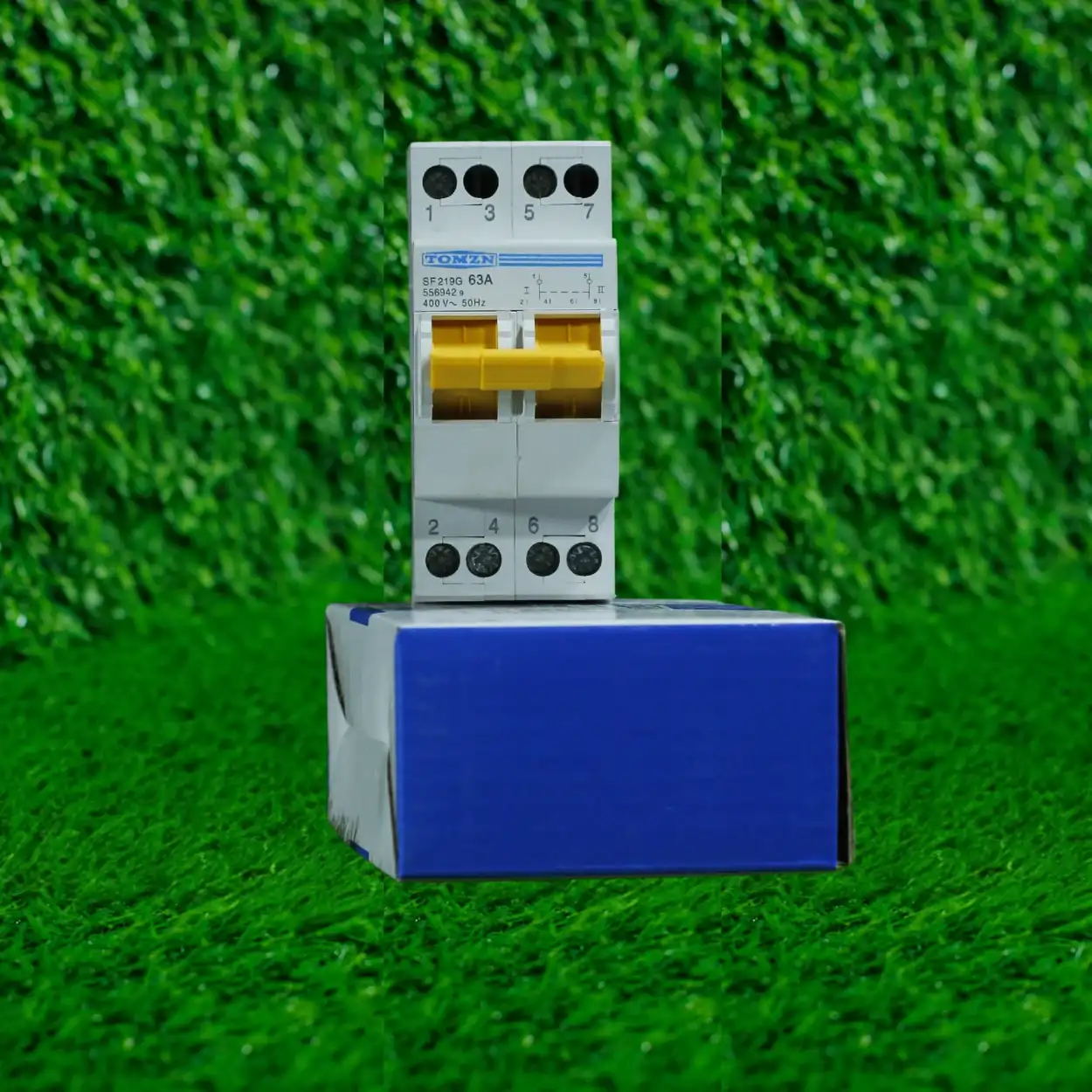
A customer walked into my workshop last month with a 15kW solar system he’d just had installed, and the electrician had paired it with a 63A single-phase changeover switch. On paper, it looked fine until we ran the numbers: his backup generator was 20kVA, his main WAPDA supply could pull 100A equivalent, and his panel was rated for much higher. The ATS was undersized from day one. It wouldn’t fail immediately, but it would be running hot, and under a heavy generator-to-mains switch cycle during load-shedding (which happens every other day in Lahore), it would eventually trip or overheat. This is the kind of mistake I see regularly, and it costs people money when the switch fails in a blackout.
Sizing a changeover switch isn’t just about picking a number off a datasheet. It’s about understanding your actual electrical load, the sources it can pull from, and the real-world switching stress in Pakistan’s voltage and load-shedding environment.
What Ampere Rating Do You Actually Need?
Start with your total connected load, not your contracted load with WAPDA. Most people confuse these two. Your contracted load is what DISCO bills you for; your connected load is the sum of every device that can run at once.
For a residential setup in Lahore, that’s typically:
- Air conditioning: 2.5 to 3.5kW per unit
- Water heater (electric): 3 to 4.5kW
- Refrigerator, microwave, stove (if electric): 0.3 to 6kW depending on model
- Lights, fans, TV, charging devices: 1 to 2kW combined
Add these up. If you get 12kW total and you’re running on 220-230V single-phase (which is standard in most urban and suburban areas), your peak current draw is roughly 12,000W / 220V = 55A.
Now here’s the real-world part: you don’t always run everything at once, but sometimes you do. A proper sizing rule is to take your peak load and add 20-30% headroom for inrush currents (the surge when an air conditioner compressor kicks on, for example) and future expansion. So 55A becomes 66 to 71A. This is why 63A and 80A switches are so common in Pakistan for single-phase residential installs.
For a commercial site or poultry farm, the calculation is the same principle but the numbers are bigger. I’ve sized switches on farms running 10-12 motors (each 2-3kW), multiple water pumps, and refrigeration. You sum everything, apply a diversity factor (not all motors start at once, usually 70-80% of connected load is realistic), and round up 20-30%.
Single-Phase vs. Three-Phase: Poles and Configuration
Pakistan’s grid offers two main options: 220-230V single-phase (most common for homes and small businesses) and 380-400V three-phase (standard for industrial and commercial sites). Your changeover switch’s pole configuration must match.
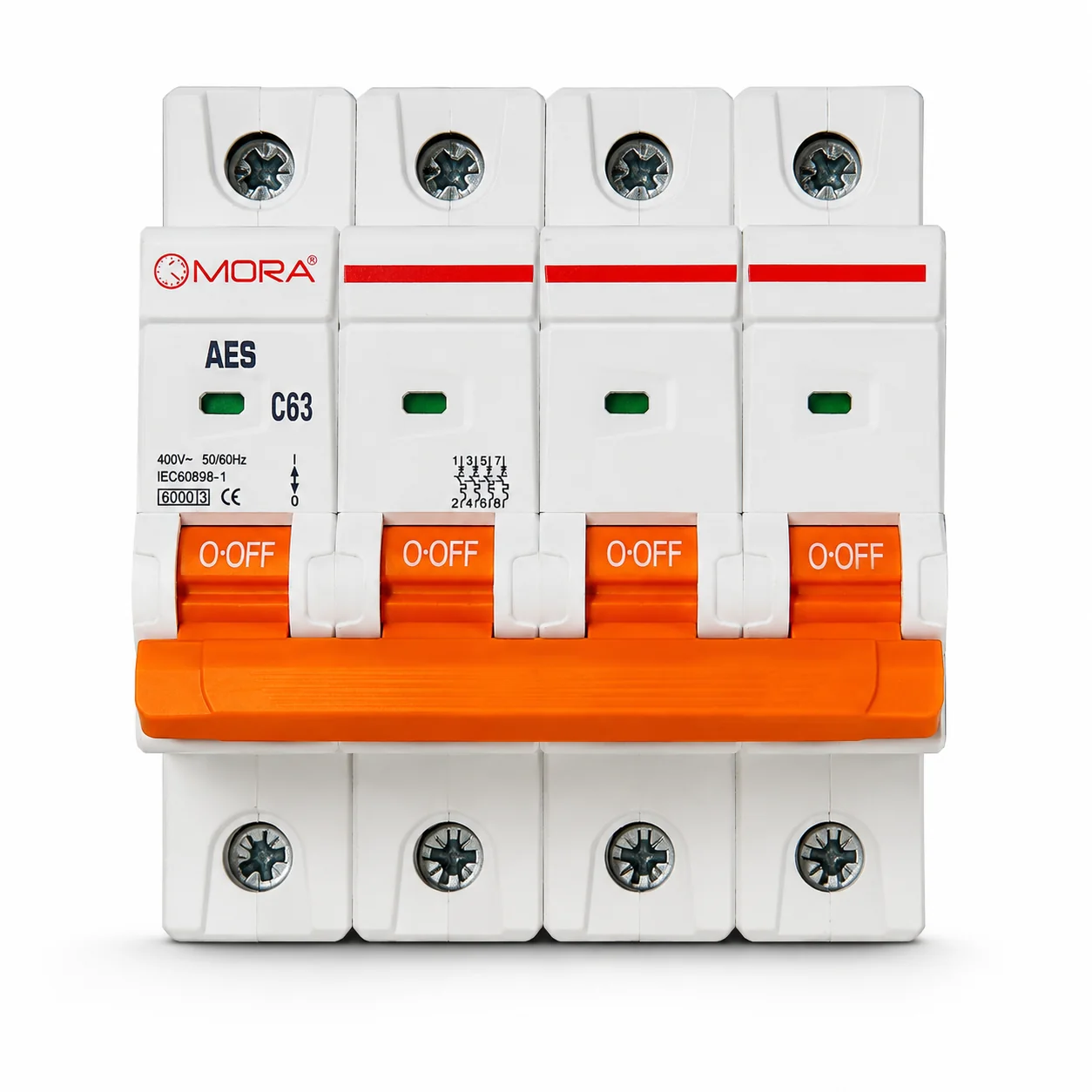
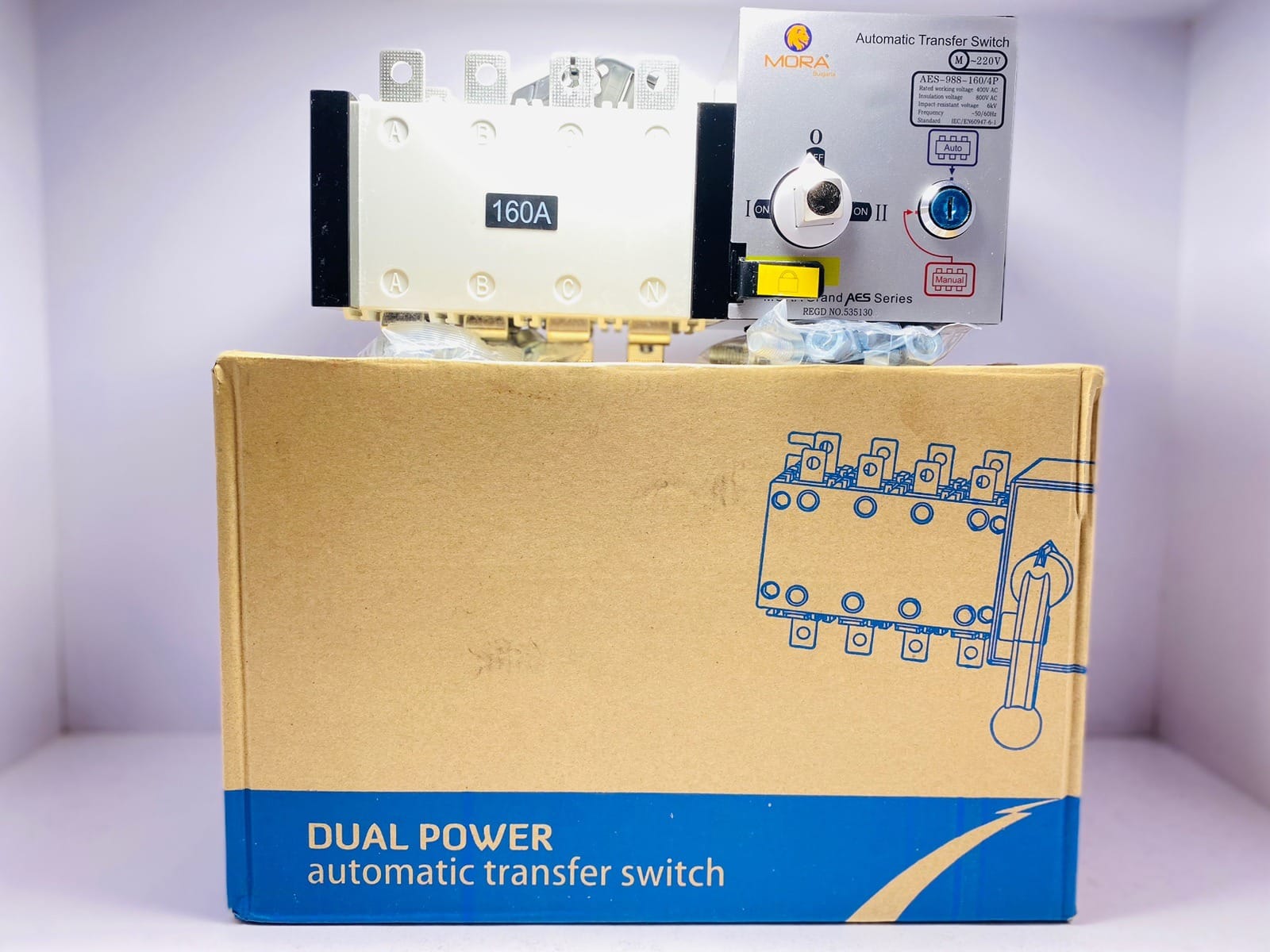
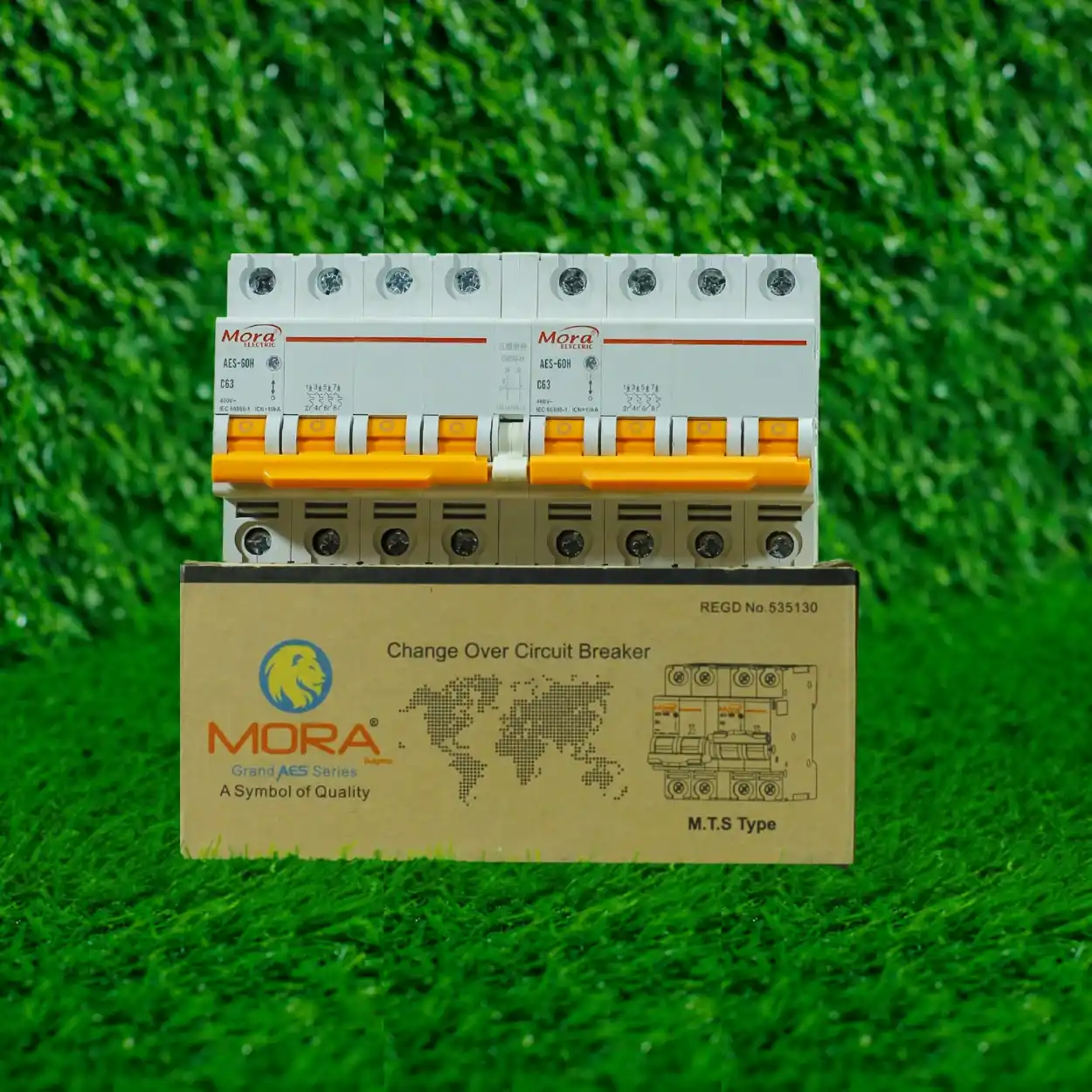
Single-phase (1P or 2P): A 1P ATS switches the live wire only; neutral floats. A 2P switch (dual-pole) breaks both live and neutral. I recommend 2P for residential because it’s safer during maintenance and cleaner in operation. Single-pole switches are cheaper but give you less control. Most modern ATS units in Pakistan are 2P for residential and 4P for three-phase.
Three-phase (4P or 3P + N): A 4-pole switch breaks all three phases plus neutral. This is mandatory for any three-phase load (motors, large commercial panels, industrial equipment). A 3P + N configuration breaks three phases and neutral separately, which is sometimes used but less common in Pakistan.
The ampere rating for a three-phase switch is per phase. So a 63A, 4P ATS can handle 63A on each of the three phases, not 63A total. This matters when you’re calculating three-phase load: you divide your total kilowatts by the line voltage (380V or 400V) and the square root of 3 (approximately 1.73), then multiply by 1000 to get amps.
Example: A 15kW three-phase load on 400V supply = 15,000 / (400 * 1.73) = 21.7A per phase. A 30A, 4P ATS would handle this comfortably.
Load-Shedding and Switching Stress in Pakistan
Here’s what a standard textbook doesn’t tell you: in Pakistan, your ATS isn’t just sitting idle. It’s cycling. During load-shedding in Lahore, Islamabad, Faisalabad, and other major cities, you’re switching between WAPDA supply and generator (or solar inverter) multiple times per day, sometimes dozens of times during peak shortage hours. Each switch event is a mechanical and electrical stress on the contacts inside the ATS.
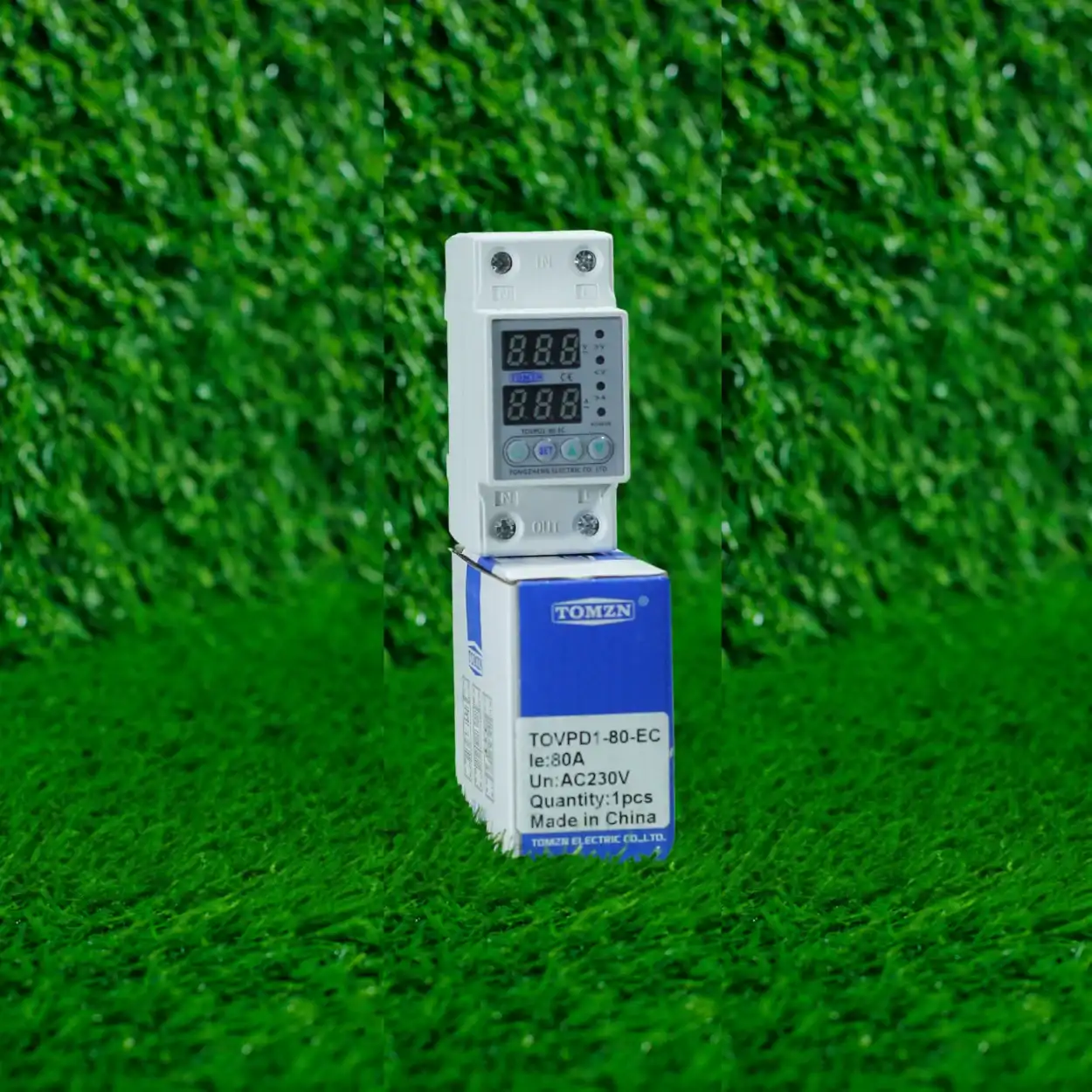
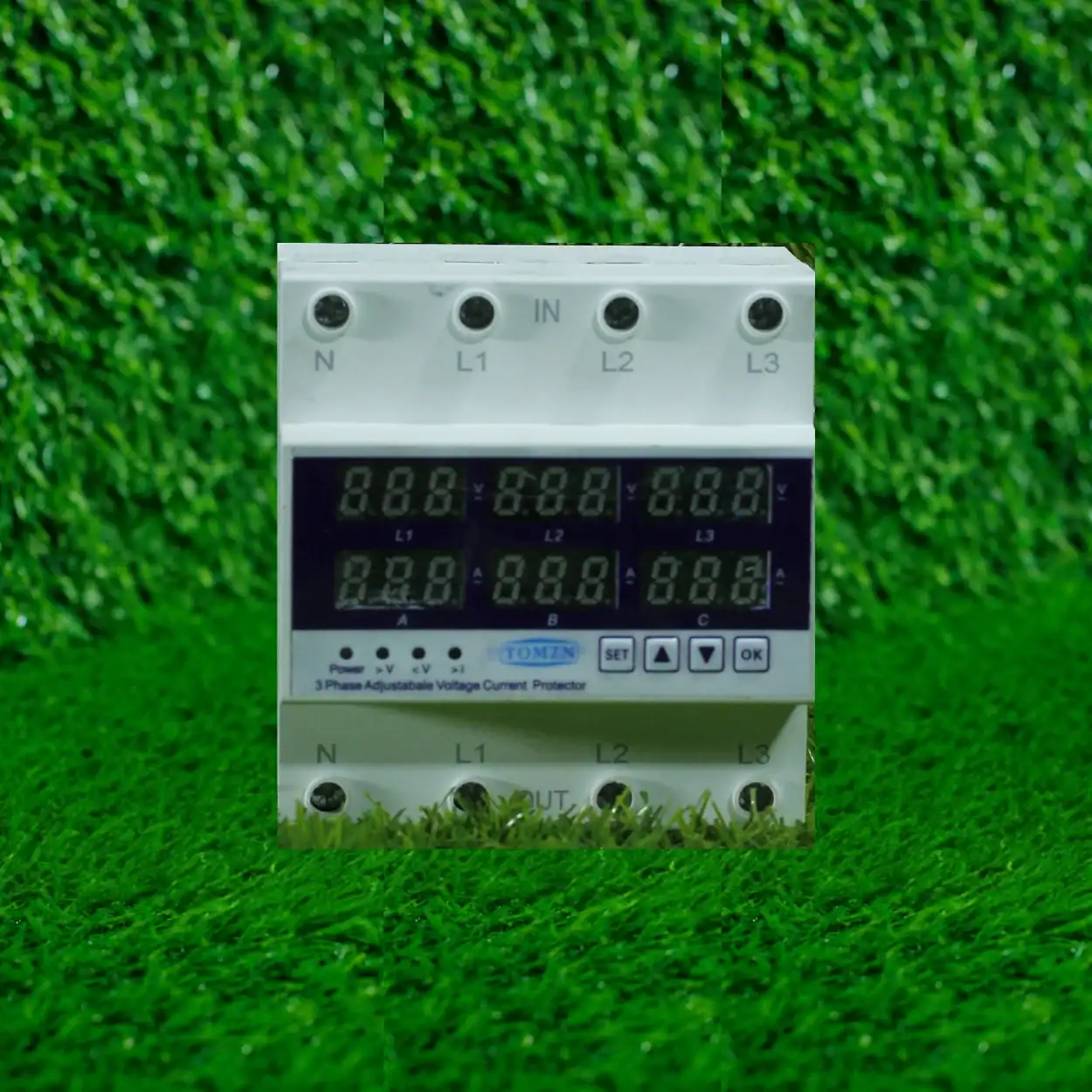
An undersized ATS runs hot during these cycles. The contacts experience higher current density, they oxidize faster, and the spring mechanism that opens and closes them wears out quicker. I’ve pulled failed TOMZN and cheap Chinese switches from panels where the customer reported the ATS got too hot to touch during load-shedding season. The ampere rating wasn’t just picked too low; it was running at 80-90% of its rated capacity during normal switching.
This is why I always recommend sizing with extra headroom, especially if you’re running a generator backup or solar system. The equipment will last longer, and the risk of a nuisance trip during a switching event (when you really need the backup) drops dramatically.
Voltage Fluctuation and the Real Specification
WAPDA’s supply in most of Pakistan fluctuates between 190V and 245V on single-phase lines, depending on time of day, load on the feeder, and distance from the transformer. This isn’t a failure; it’s how the grid behaves. Some cheap ATS units trip or behave erratically in this range. A quality MORA ATS rated 63A, 4P for 230V is designed to handle 184V to 264V, which covers Pakistan’s real-world range with margin.
Always check the voltage spec on the ATS datasheet, not just the ampere rating. A 63A switch that only works between 210V and 240V is a liability on an older WAPDA feeder.
Generator vs. Mains: Breaking Capacity Matters
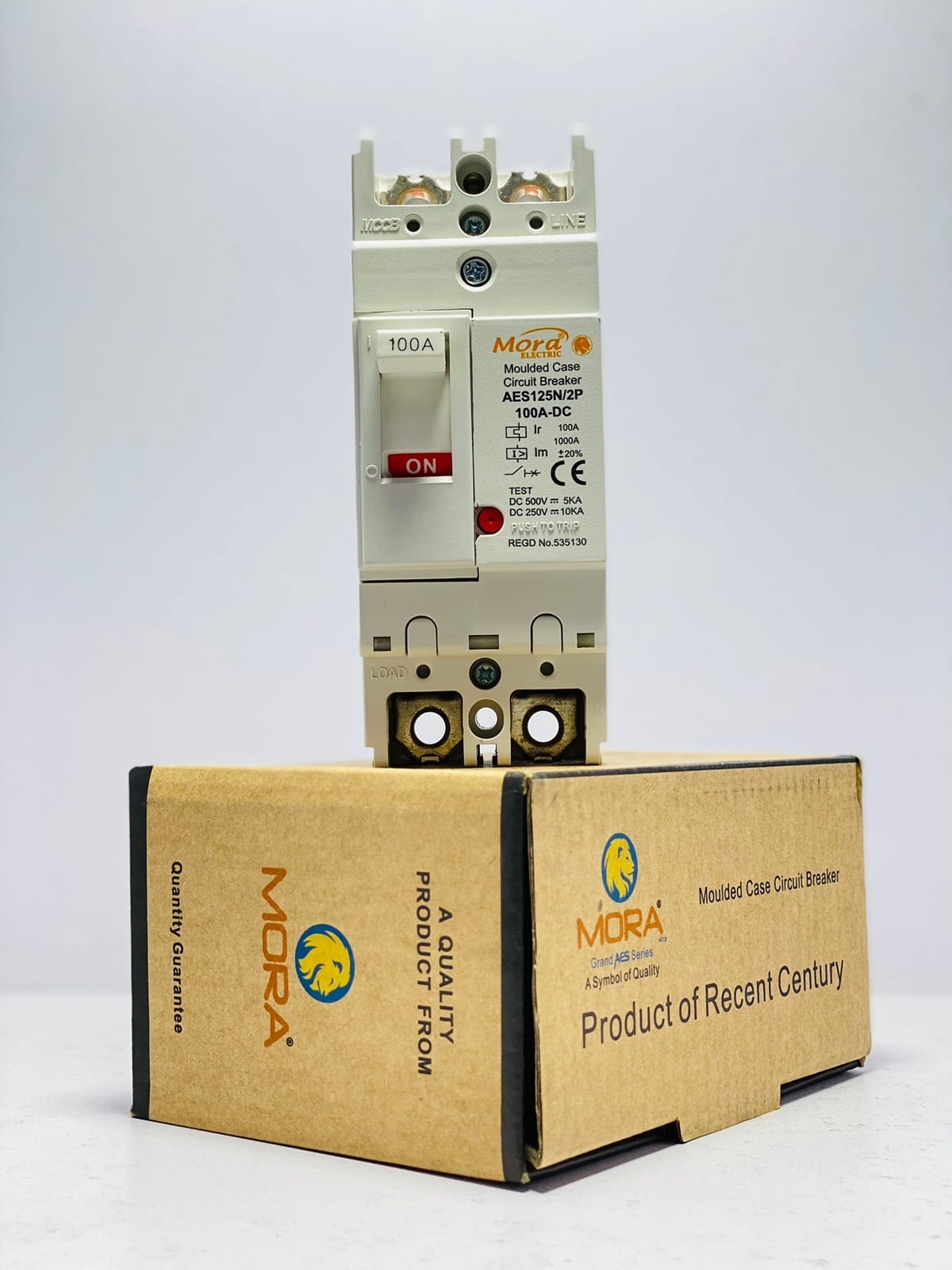
Your ATS must handle the breaking capacity (also called prospective short-circuit current, or PSCC) of both sources. A WAPDA feeder in a residential area typically has a breaking capacity of 6-10kA. A generator’s is usually lower, around 3-5kA. An undersized or poor-quality ATS with a rated breaking capacity of only 3kA might fail to break a fault on the WAPDA side.
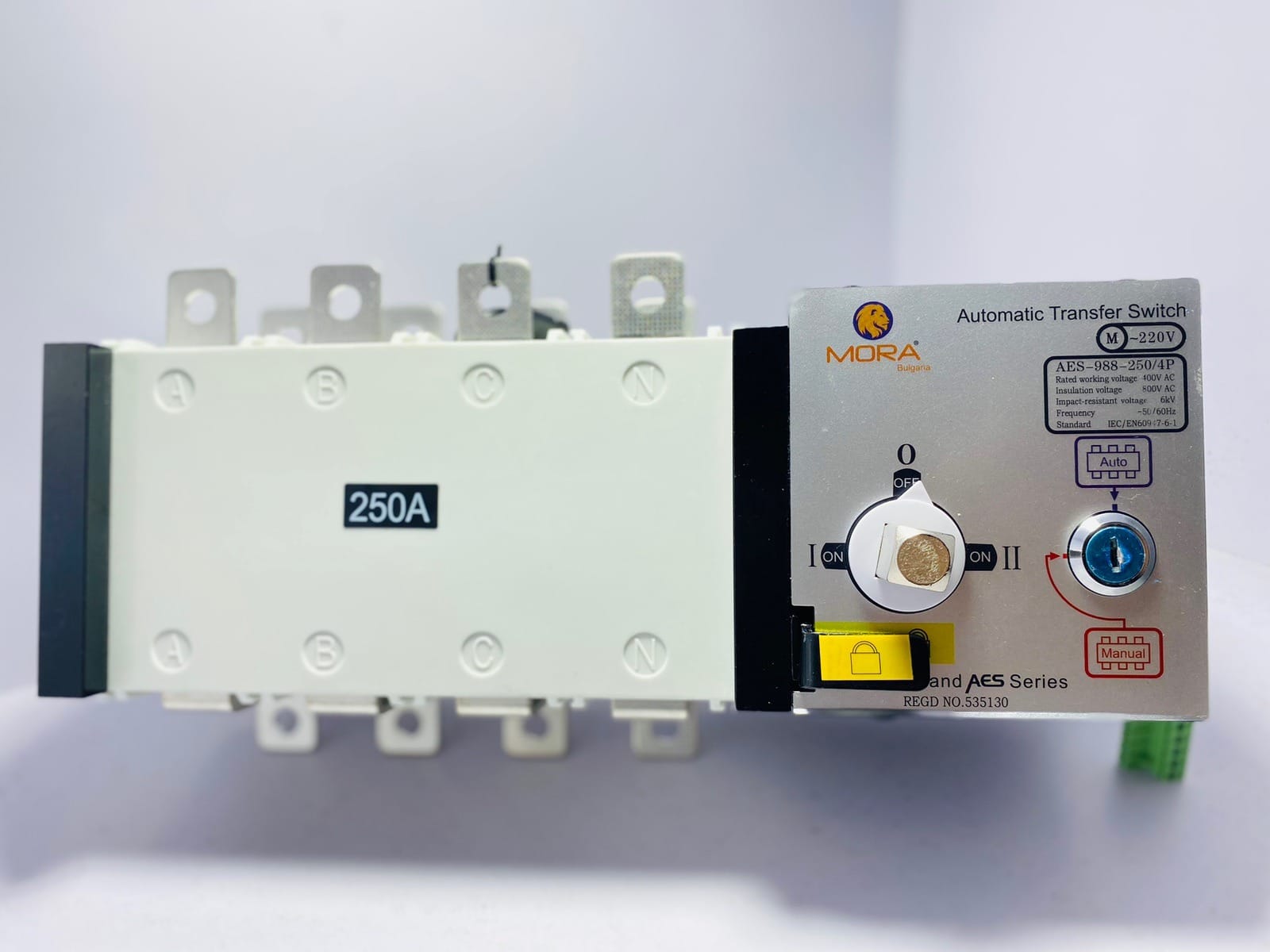
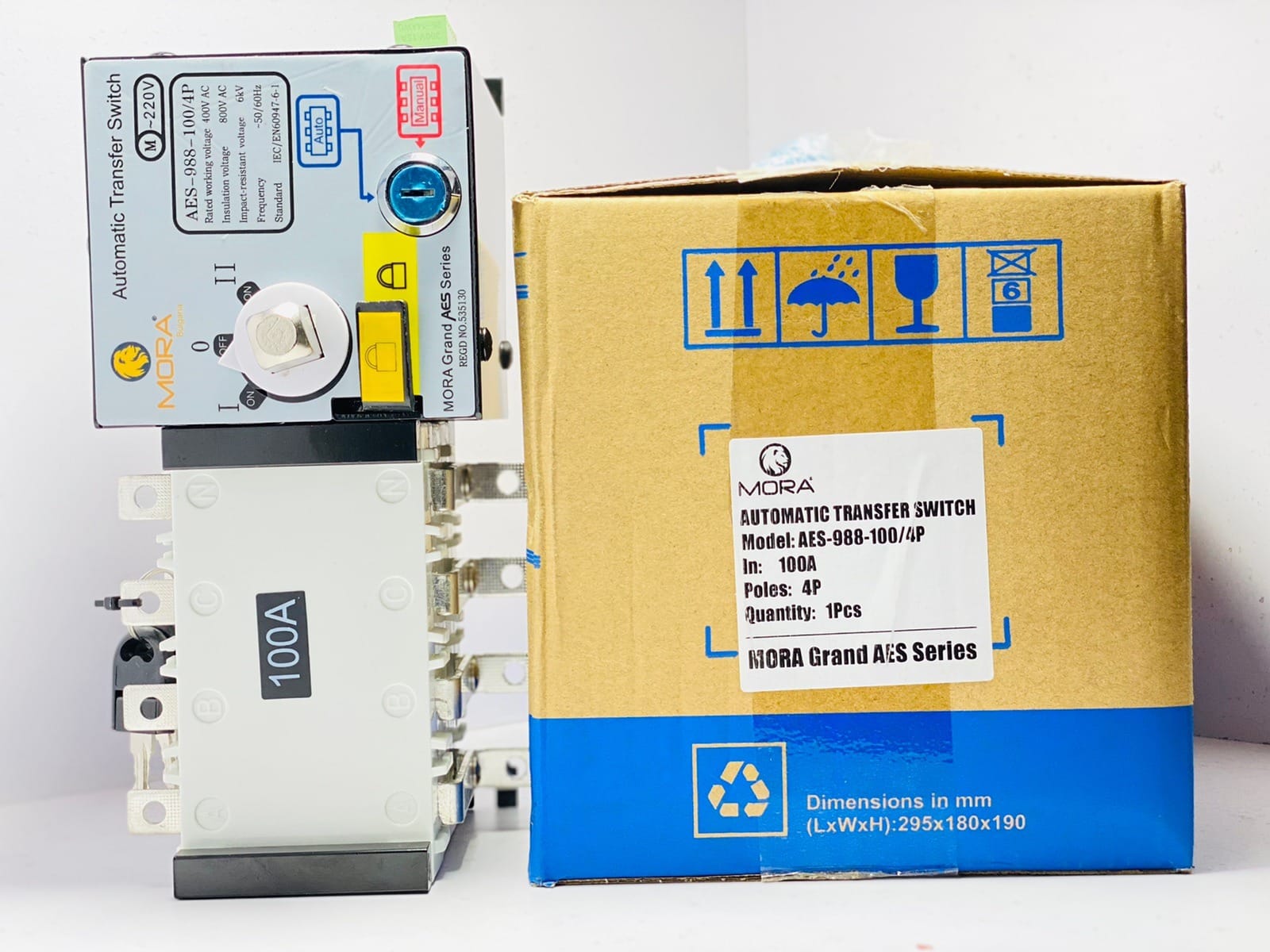
Good ATS units from MORA and other reputable brands specify 6kA or 10kA breaking capacity as standard. Cheaper alternatives sometimes spec only 3kA. On a job site, I always check this before approving the installation. If you’re buying an ATS, ask the supplier for the breaking capacity and make sure it’s at least 6kA for residential and 10kA for commercial setups.
Combining Solar, Generator, and Grid: Sizing for Multiple Sources
If you’re running a hybrid system (grid, solar, and generator backup), your ATS ampere rating should be sized to the largest current source. On most solar setups in Pakistan, the inverter (the device that converts DC from panels to AC for your home) is rated for either 48V 100A or 48V 200A on the DC side. On the AC output side, a 5kW inverter might supply 22A at 230V. Your ATS sees this 22A (plus whatever you’re pulling from the grid), so a 63A switch has more than enough capacity.
But here’s the catch: if you’re using an MPPT charge controller to charge a battery bank, and that controller is connected to the AC output side of the ATS (which is not a normal setup but happens on badly designed systems), you can end up with double-counting of current, and the ATS oversizes. Proper solar setup puts the charge controller on the battery DC side, isolated from the AC output, so the ATS only sees real AC load.
For a 10-15kW solar inverter with generator backup on a commercial site, I size the ATS at 80-100A, 4P. For 5-7kW residential solar with grid backup, 63A, 2P is standard.
Inrush Current and Motor Loads
If your backup load includes motors (water pumps, air conditioning compressors, ceiling fans), the inrush current when they start can be 3-5 times the running current. A 1.5kW motor draws about 7A running, but pulls 20-25A for the first half-second when it starts. Your ATS must handle this without tripping or overheating.
This is another reason for the 20-30% headroom rule. If your calculated running current is 55A, your ATS rated for 63A can handle the brief spike when a motor starts. A 50A switch would be marginal and risky.
What To Ask Your Supplier or Installer
Before buying or installing an ATS, confirm these details with your supplier:
- What is the breaking capacity at your supply voltage? (Must be at least 6kA for residential, 10kA for commercial.)
- Is the voltage range specification realistic for Pakistan’s grid? (184-264V on single-phase is a safe margin.)
- What is the switching time? (Faster than 100ms is good for minimizing load shedding.)
- Is it manual or automatic? (Automatic ATS with voltage sensing is standard now; manual changeovers are outdated.)
- What is the contact material? (Copper-silver contacts last longer than pure copper in Pakistan’s dusty environment.)
At HN Electric, we stock genuine ATS units from MORA and other trusted brands with full Pakistani specifications and after-sales support. Counterfeit or low-grade ATS units from unknown suppliers often fail within 1-2 years, especially in load-shedding-heavy regions.
Sizing correctly takes 10 minutes with a calculator and your load list. Getting it wrong costs you thousands in repairs or replacement during an outage. Do the math, add the headroom, and buy quality. Your backup power is only as good as the switch that controls it.