








DC Circuit Breaker for Solar: Complete Selection Guide


Understanding DC Circuit Breakers for Solar Systems
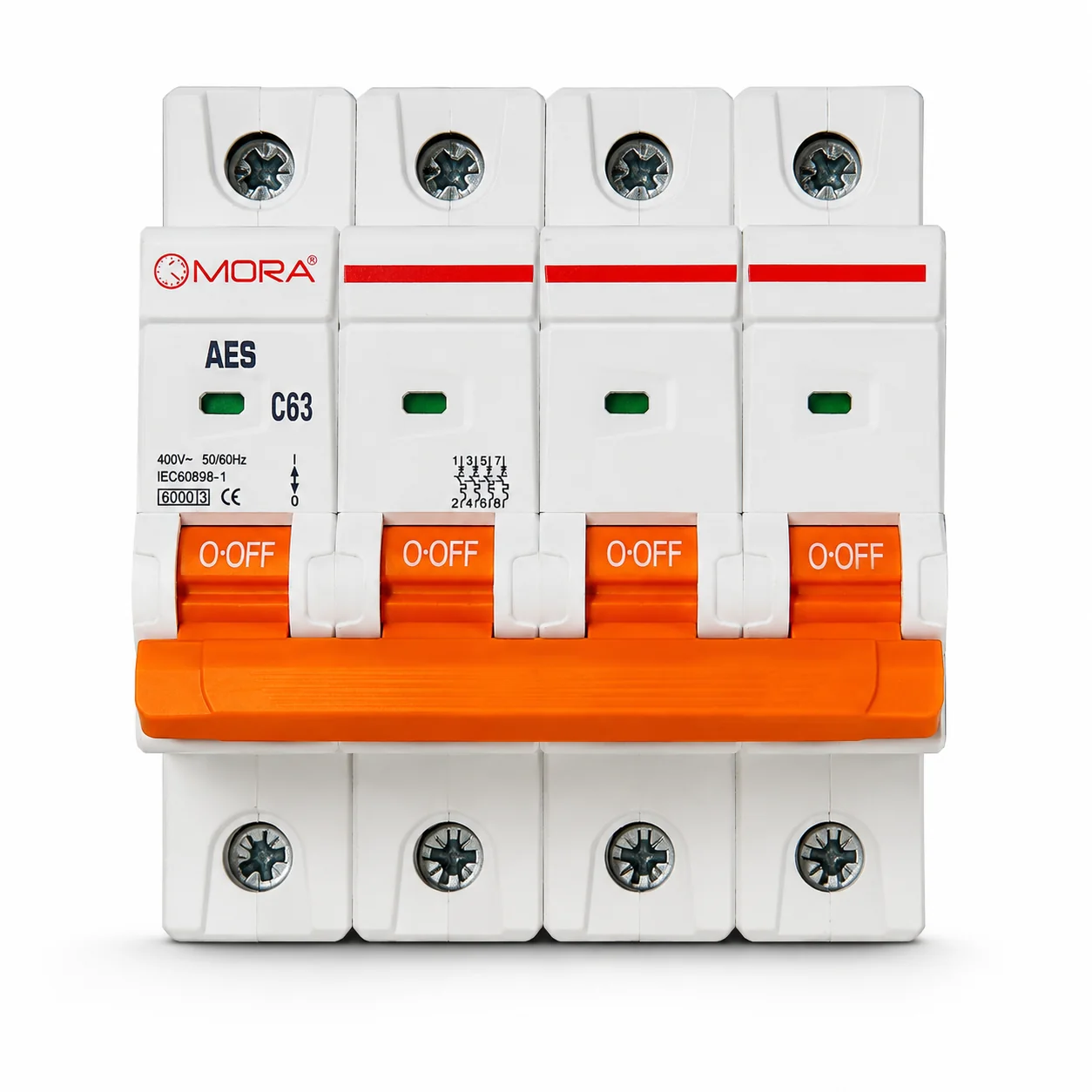
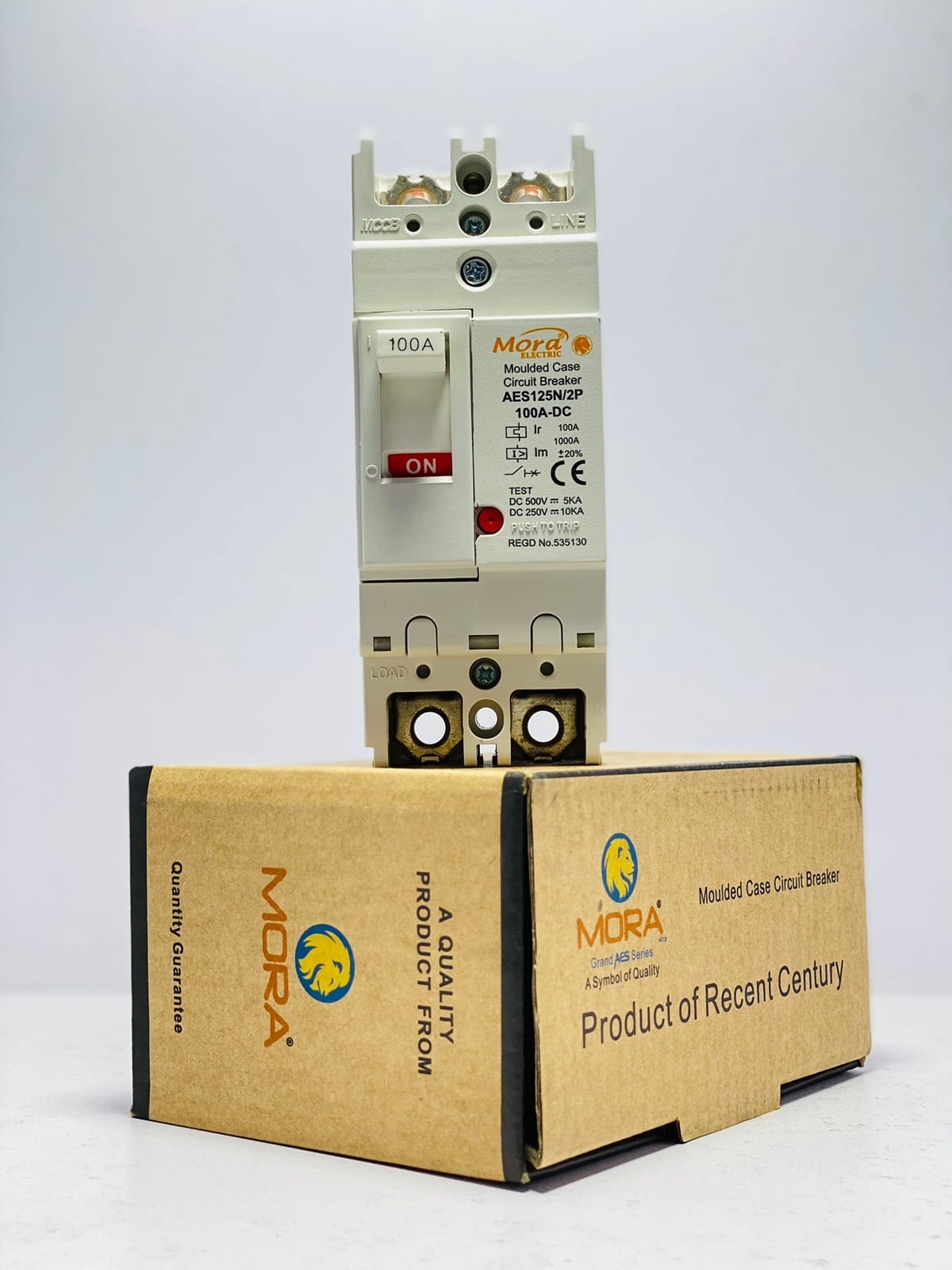
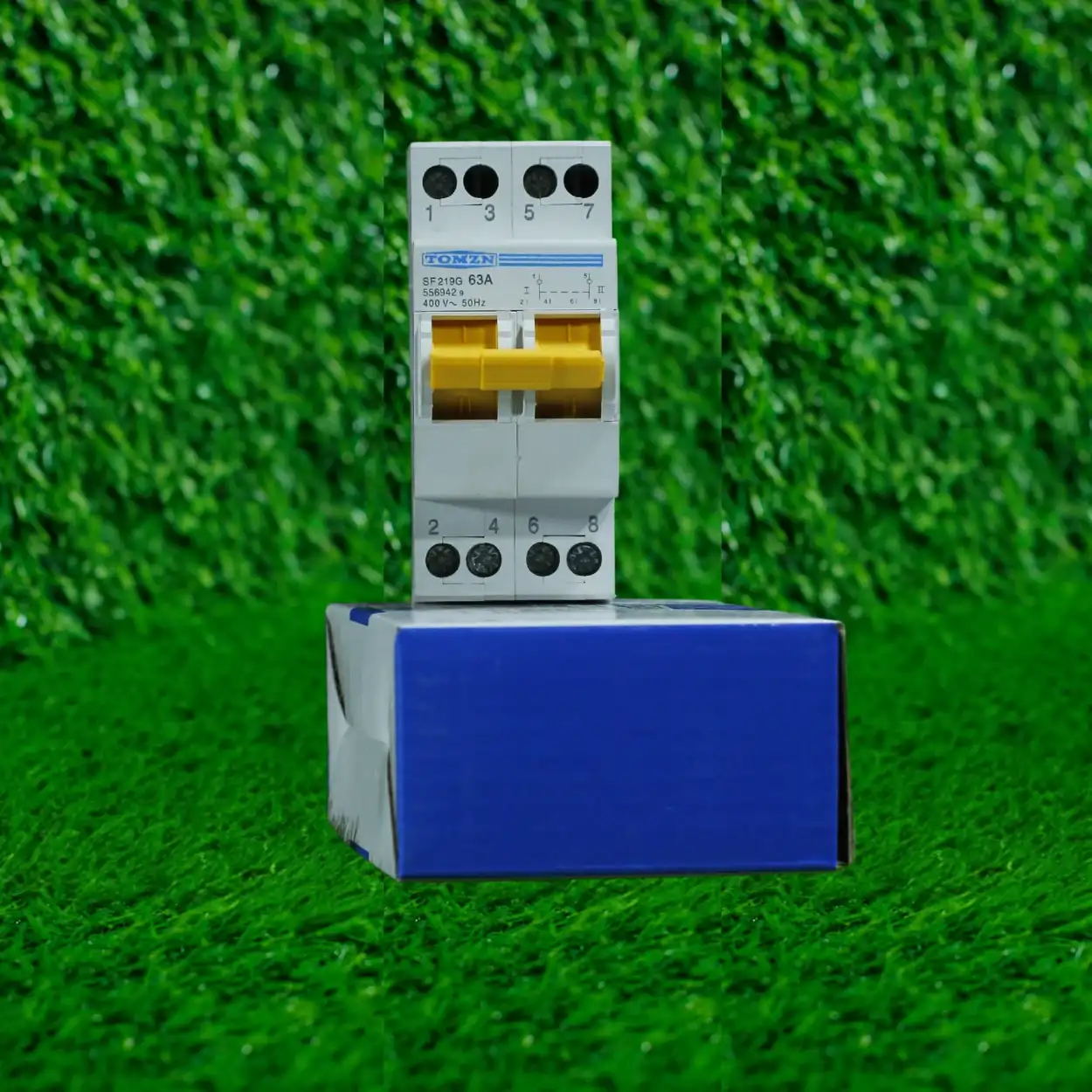
A DC circuit breaker is one of the most critical safety components in any solar panel installation. Unlike AC circuit breakers commonly found in household electrical systems, DC breakers are specifically designed to handle the unique challenges of direct current, which flows continuously in one direction without the natural zero-crossing points that make AC interruption easier.
Solar photovoltaic (PV) systems generate DC power directly from the panels. This power must be safely distributed and protected throughout your system—from the rooftop arrays down to the inverter and battery storage. Without proper circuit protection, your solar installation is vulnerable to overcurrent conditions, short circuits, and arc faults that can damage expensive equipment or create fire hazards.
The stakes are high, which is why understanding how to select an appropriate DC circuit breaker is essential for anyone investing in solar energy. This guide walks you through the technical specifications and practical considerations you need to make an informed decision.
Key Specifications to Consider When Choosing a DC Circuit Breaker
Voltage Rating
The voltage rating of your circuit breaker must match or exceed your system’s operating voltage. Most residential solar systems operate at either 48V, 96V, or 120V DC, depending on the battery bank configuration and system design. Commercial systems may use higher voltages like 240V or 380V DC.
The breaker’s voltage rating indicates the maximum voltage it can safely interrupt. Choosing a breaker rated below your system voltage is dangerous—it won’t properly interrupt faults and may fail catastrophically. Always match the breaker rating to your system’s nominal voltage or select the next standard rating above it.
Current Rating (Amperage)
Current rating is perhaps the most critical specification. This is the maximum continuous current the breaker can handle before automatically tripping. To size this correctly, you must calculate the maximum current your solar array can produce under standard test conditions (STC).
The industry standard is to apply a 125% safety factor to the maximum expected current. For example, if your solar array produces 40 amps at peak conditions, multiply by 1.25 to get 50 amps. You would then select a breaker rated for at least 50 amps. Many installers round up to the next standard breaker size (typically 60A in this case) to account for future system expansion or component tolerances.
Never undersize a breaker to save money. An undersized breaker trips frequently during normal operation, disrupting energy production. Conversely, an oversized breaker won’t protect your system—wiring could overheat before the breaker activates.
Breaking Capacity (Interrupt Rating)
The breaking capacity, measured in amperes at a specific voltage, indicates the maximum fault current the breaker can safely interrupt without damage. DC systems present unique challenges because DC arcs are more difficult to extinguish than AC arcs, requiring breakers with higher interrupt ratings.
Most quality DC breakers for solar applications have interrupt ratings between 5,000 and 20,000 amps at the breaker’s rated voltage. For residential systems, 10,000A is typically sufficient. However, check the available fault current in your specific installation—if the potential short-circuit current exceeds the breaker’s interrupt rating, you need a breaker with higher capacity.
DC Arc Fault Detection
DC arc faults are a leading cause of solar system fires. Unlike AC systems where the current crosses zero naturally, DC arcs sustain themselves continuously. Many modern DC circuit breakers include arc fault detection and interruption (AFDI) technology to detect and interrupt dangerous arcs within milliseconds.
If your installation is in a region with solar safety codes (including most of the United States and increasingly in other countries), AFDI capability is often mandatory. This feature typically adds 20-30% to the breaker’s cost but provides essential protection for your investment and safety.
Mechanical Trip vs. Electronic Trip
DC breakers use either mechanical or electronic tripping mechanisms:
- Mechanical trip breakers rely on thermal and magnetic elements to sense overcurrent. They’re reliable, require no power source, and work independently. They’re ideal for simple systems without monitoring.
- Electronic trip breakers use solid-state electronics to detect faults with greater precision. They offer adjustable trip curves, data logging, and remote monitoring capabilities. They require a small auxiliary power supply but provide superior protection and system diagnostics.
For most residential solar installations, mechanical breakers are adequate and cost-effective. Choose electronic breakers if you want advanced monitoring or have a complex system with multiple strings requiring individual protection.
Practical Steps for Selecting Your DC Circuit Breaker
Calculate Your System’s Maximum Current
Start with your solar panel specifications. Each panel has a rated short-circuit current (Isc) listed in its datasheet. For a string of panels connected in series, use the Isc of one panel. For parallel-connected strings, add the Isc of each string together.
Example: A 10kW solar array consisting of 25 panels rated 400W each with Isc = 10.5A would have:
- If wired in one series string: 10.5A × 1.25 safety factor = 13.1A (round to 15A breaker)
- If wired in 5 parallel strings of 5 panels each: 10.5A × 5 strings × 1.25 = 65.6A (requires 70A or 80A breaker)
Determine Your System Voltage
Identify your system’s nominal voltage by reviewing your inverter specifications and battery bank configuration. This determines which breaker voltage rating category you need. Standard residential options are 48V, 96V, or 120V. Commercial systems may require 240V DC breakers.
Review Local Electrical Codes
Electrical codes vary by location. In the United States, the National Electrical Code (NEC) Article 690 governs solar installations. In Pakistan and South Asian markets, refer to the local electrical safety standards. Some regions now mandate DC arc fault protection, while others recommend it strongly. Check with your local authority having jurisdiction (AHJ) or a qualified electrician before finalizing your breaker selection.
Consider Wire Sizing
Your circuit breaker must be paired with appropriately sized wiring. The DC wire connecting your panels to the breaker and beyond must be rated for the breaker’s current. Undersized wiring creates a fire hazard. As a rule, wire ampacity should match or slightly exceed the breaker current rating.
For high-quality, reliable DC wiring suitable for solar installations, consider 6mm Flexible DC Heatproof Wire, which provides excellent thermal performance and durability in solar applications.
Select an Appropriate Breaker Type
Choose between:
- String breakers—one breaker per series string for maximum protection and quick fault isolation
- Array breakers—single breaker for the entire array output (simpler but less granular protection)
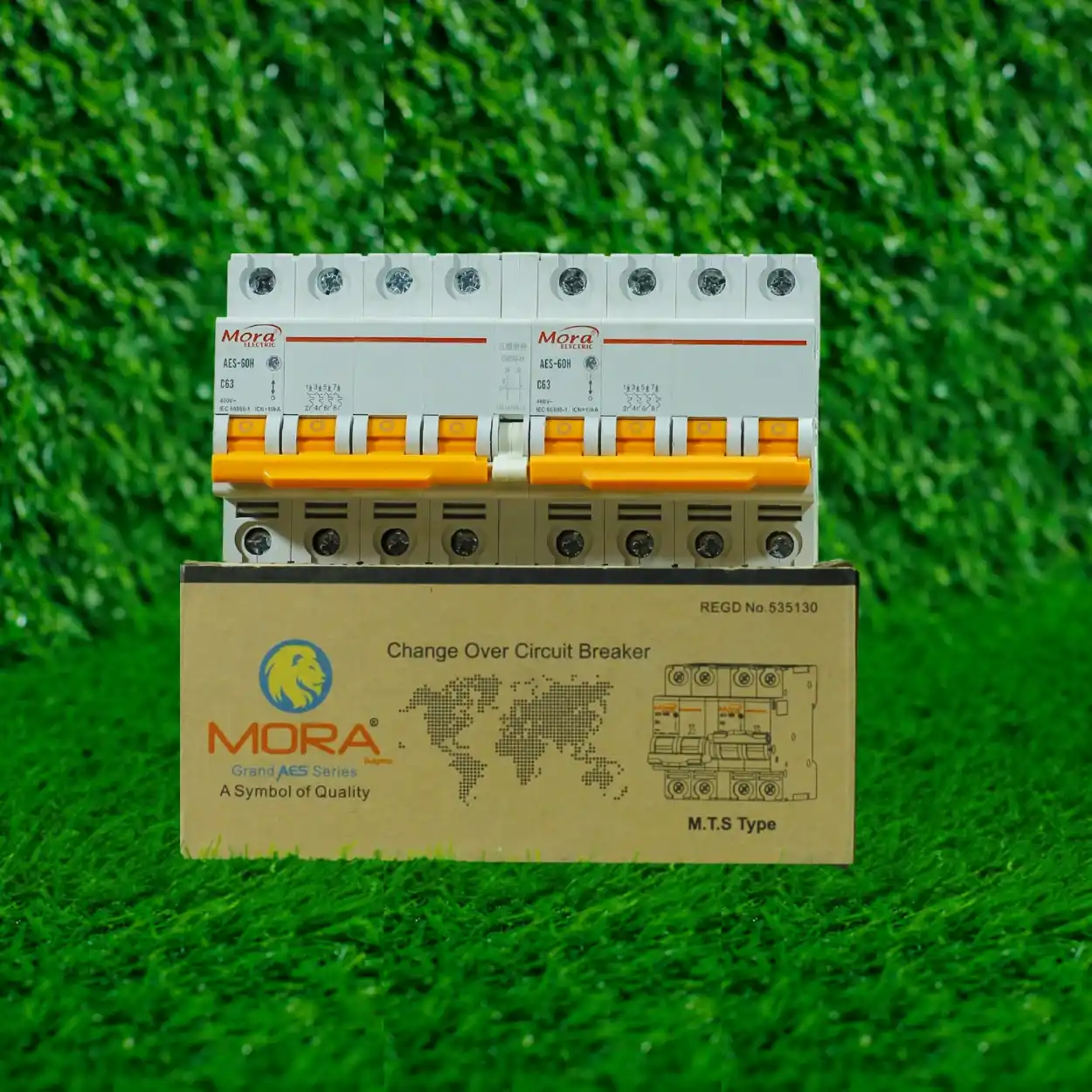
- Load breakers—protect circuits from battery banks or DC loads to the inverter
Most installations benefit from both array-level and string-level protection, though small systems may only need array protection.
Account for Temperature Effects
DC breaker current ratings are typically specified at 25°C (77°F). If your breaker will operate in hotter environments—such as rooftop installations in hot climates—derating may be necessary. Check the manufacturer’s derating curve and reduce the allowable current by the specified percentage for every 5°C or 10°C increase above the base temperature. This ensures your breaker won’t nuisance-trip during normal summer operation.
Installation and Maintenance Best Practices
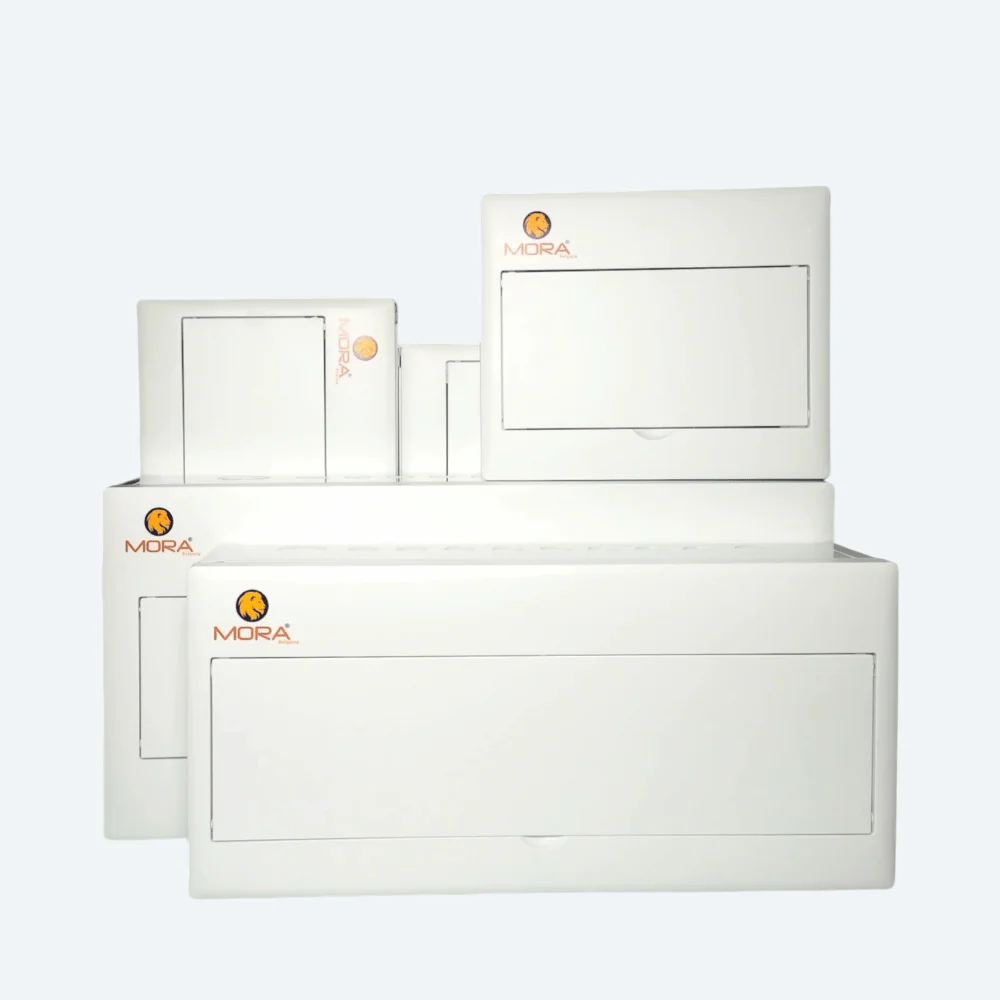
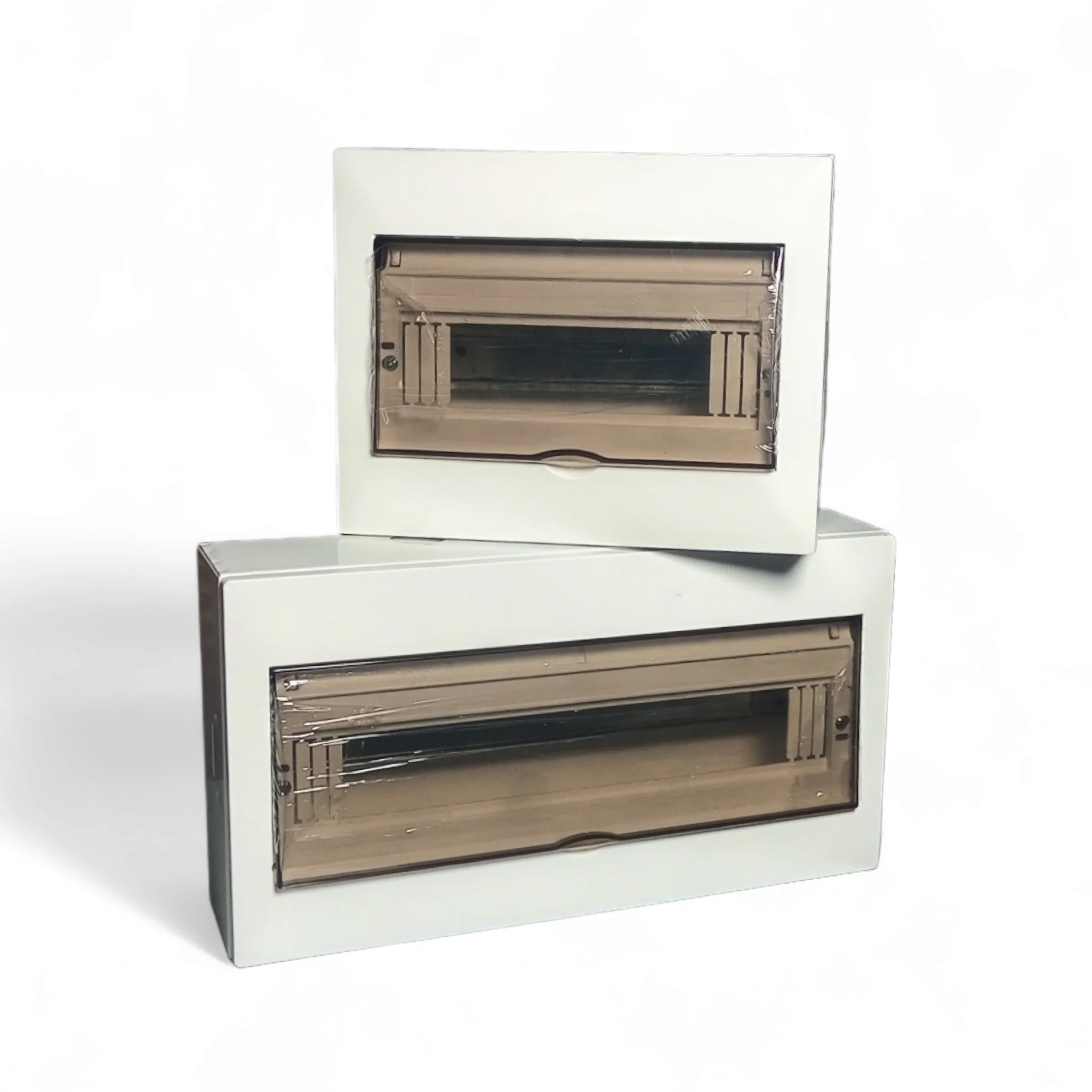
Once you’ve selected your DC circuit breaker, proper installation is equally important. Mount the breaker in a weatherproof, easily accessible location—typically in a dedicated disconnect box or combiner box. Ensure all connections are tight and use appropriately sized lugs and terminals rated for DC service.
Label the breaker clearly with its amperage rating and the system voltage. For systems with monitoring, learn about distribution box configuration differences to optimize your overall electrical design.
Perform visual inspections annually, checking for corrosion, loose connections, or signs of arcing around the breaker terminals. If your breaker has tripped, investigate the cause before resetting it—a tripped breaker indicates a fault that needs correction. Test the breaker’s manual trip button monthly to ensure the mechanism operates smoothly.
Common Mistakes to Avoid
Oversizing for perceived future growth: While planning for expansion is wise, don’t oversizing your initial breaker excessively. An 80A breaker cannot protect 8 AWG wire properly if your current needs only 40A wiring. Match the breaker to your current system design, and upgrade both breaker and wire when you expand.
Ignoring DC-specific requirements: Using an AC breaker in a DC circuit is dangerous. AC and DC breakers have fundamentally different arc suppression mechanisms. Always specify DC-rated breakers explicitly.
Neglecting arc fault protection: If your codes allow it, don’t skip AFDI protection as a cost-saving measure. The protection value far outweighs the additional expense, especially given the risk of fire in solar systems.
Mismatched protection coordination: If using multiple breakers in series, ensure proper coordination so that the breaker closest to the fault trips first. Oversizing upstream breakers prevents proper fault isolation.
Conclusion
Selecting the right DC circuit breaker for your solar installation requires careful analysis of your system’s voltage, current, and fault characteristics. By calculating your maximum system current, applying appropriate safety factors, matching voltage ratings, and incorporating arc fault protection where required, you’ll ensure your solar investment is properly protected.
Take time to review local electrical codes, consult with qualified installers if needed, and choose breakers from reputable manufacturers with proven DC solar experience. The few hundred dollars invested in proper protection today could prevent catastrophic failures and safety hazards that would cost thousands to remedy. Your solar system will operate more reliably, efficiently, and safely when equipped with the correct circuit protection.