


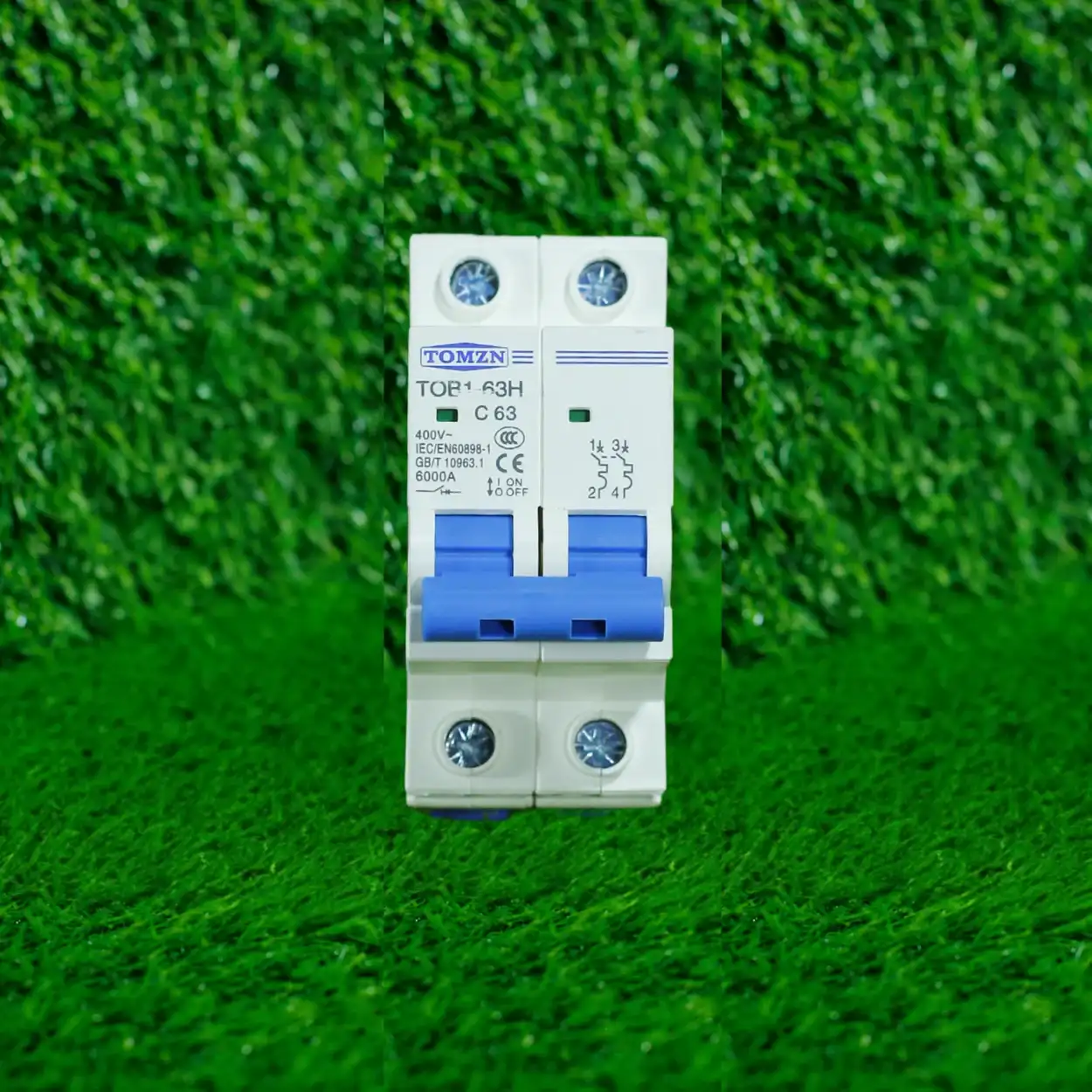
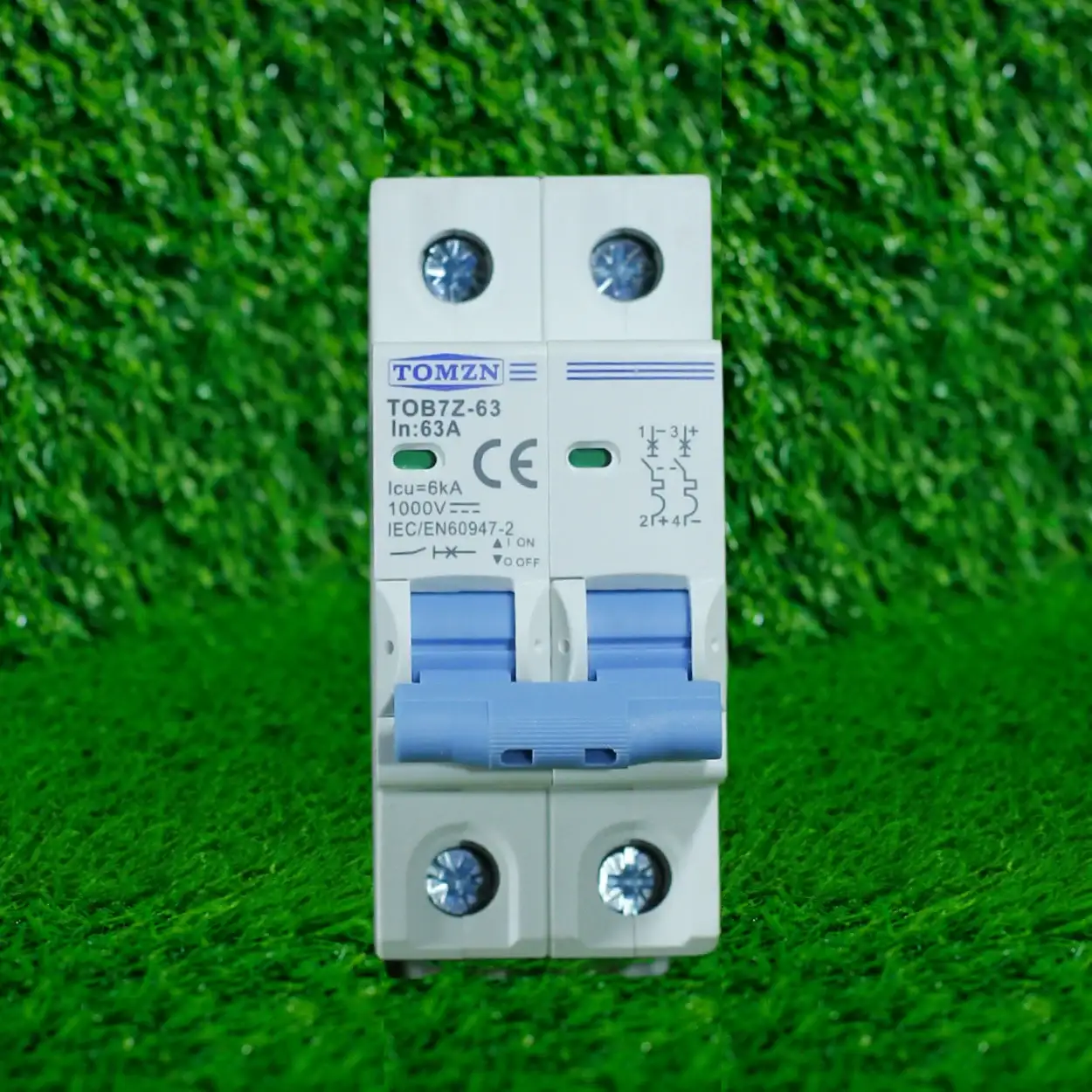

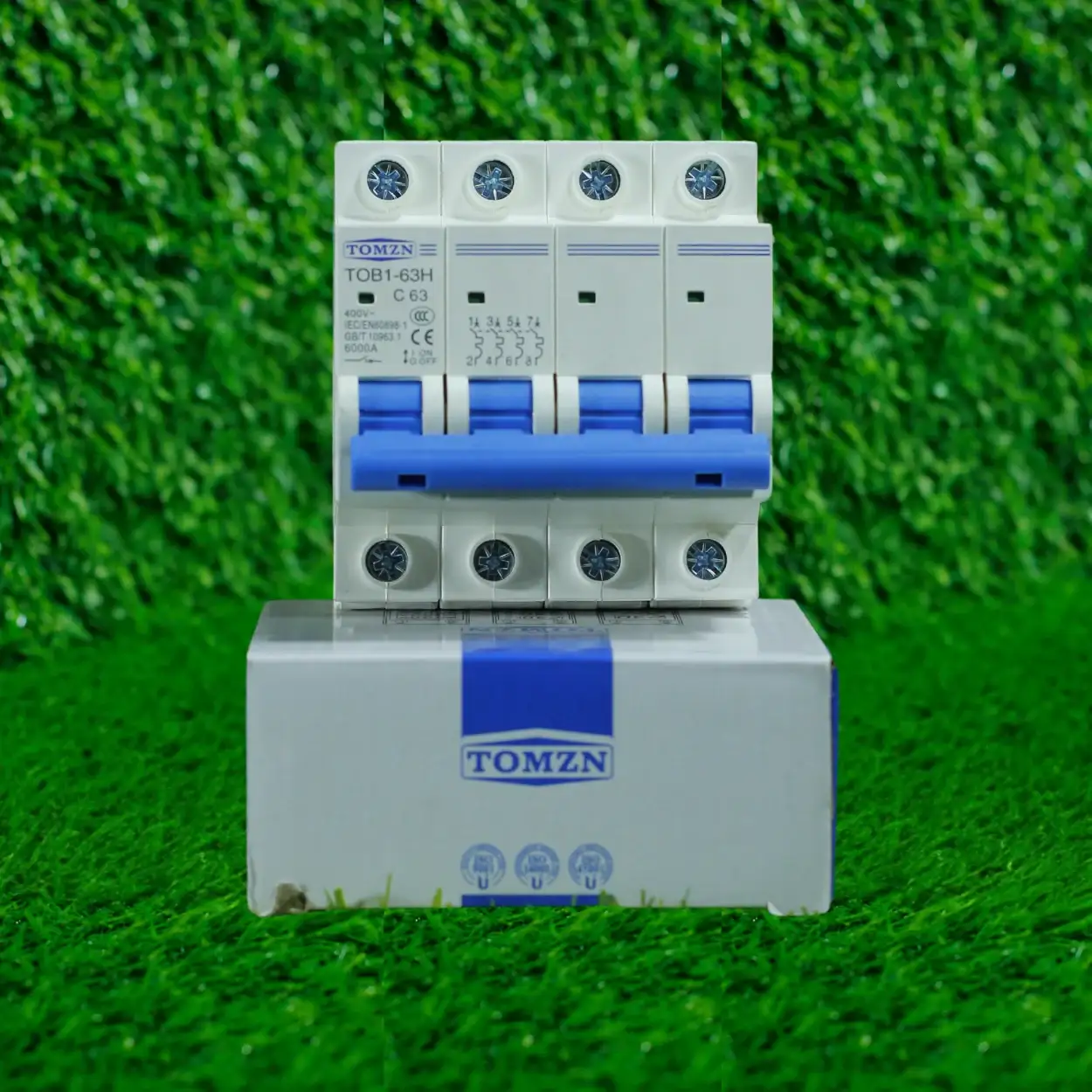
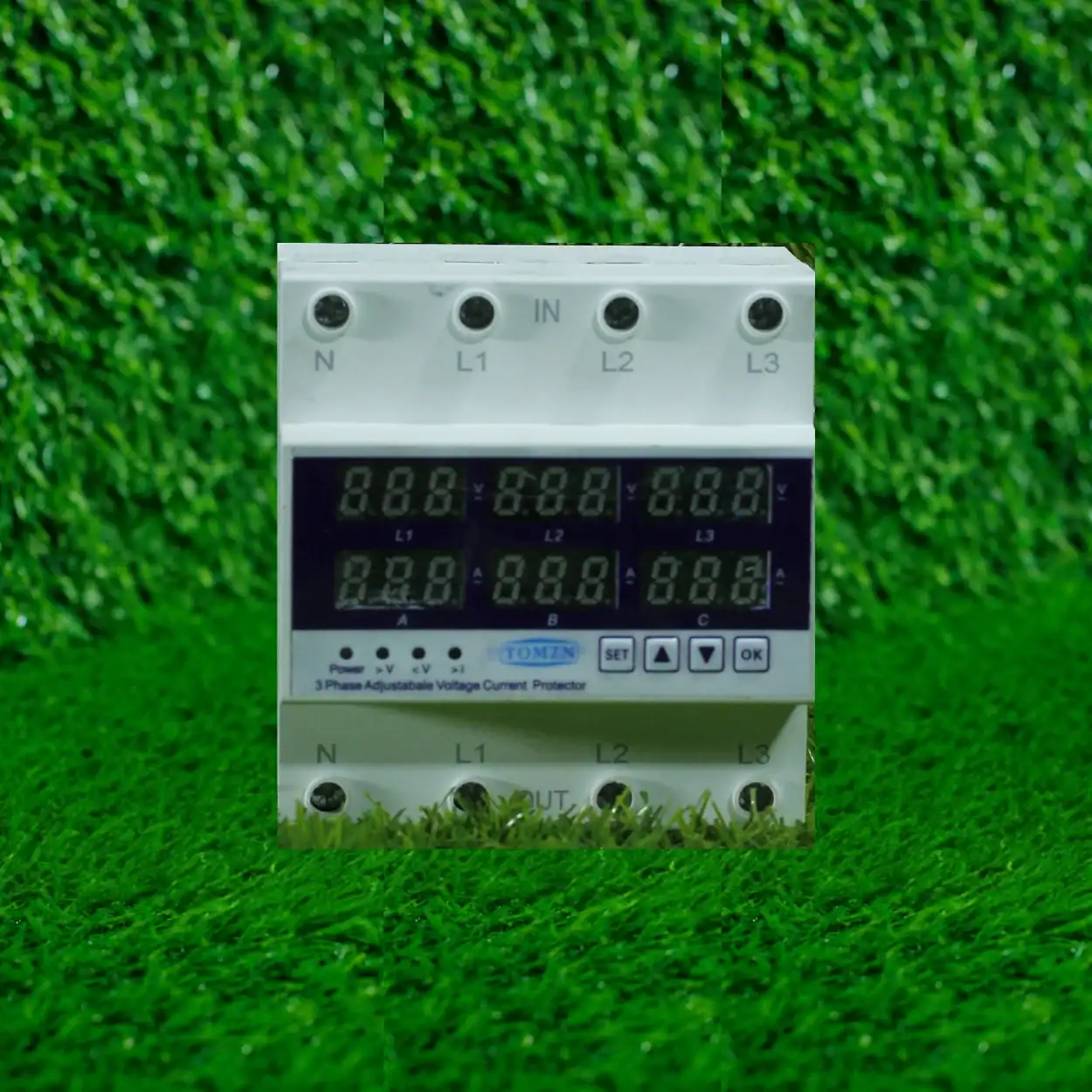







Best 1000V DC Solar MCBs for PV Protection


Understanding 1000V DC Solar MCBs for PV System Protection
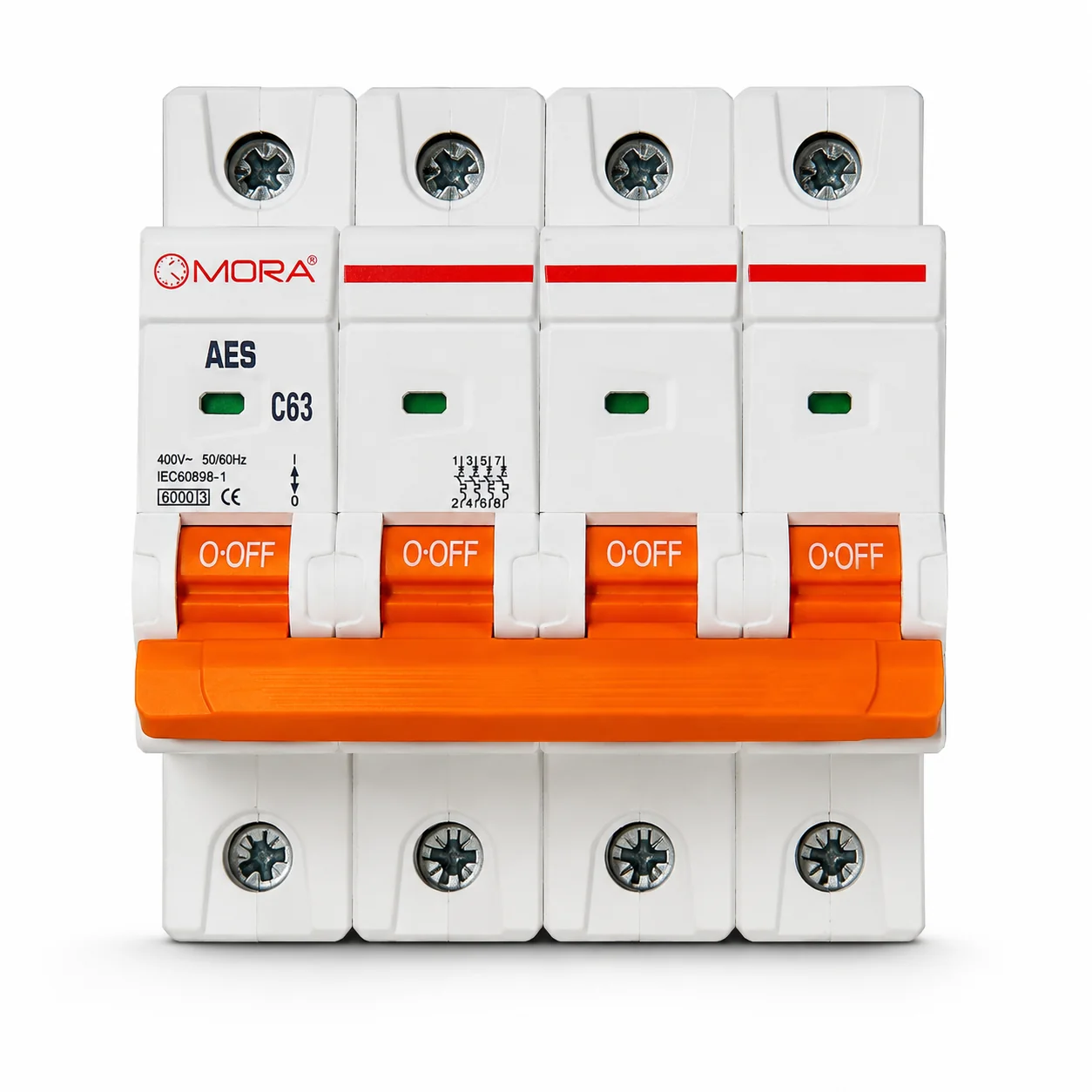
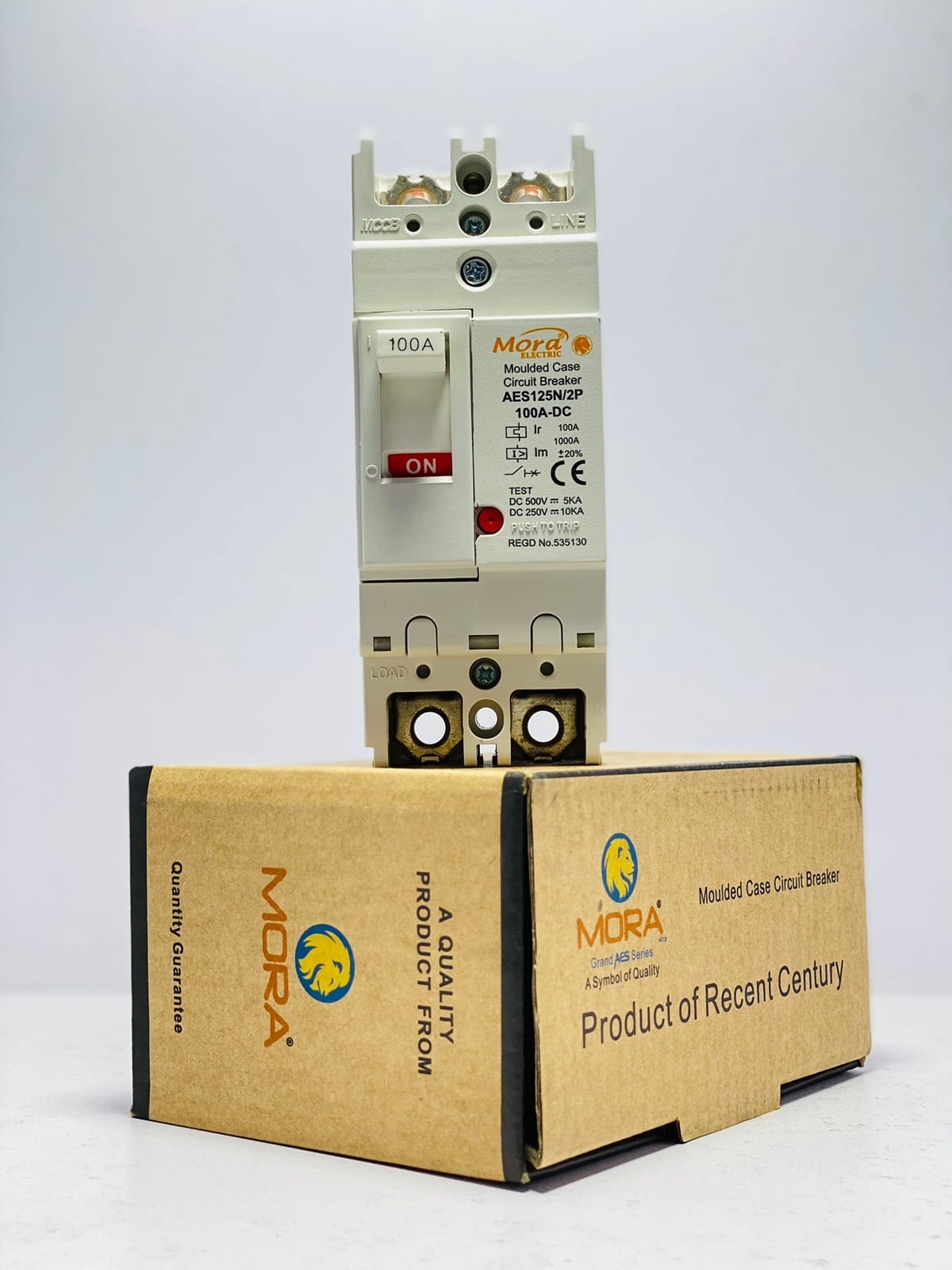
Solar photovoltaic (PV) systems have become increasingly popular for both residential and commercial installations across Pakistan and globally. However, protecting these systems from electrical faults, overcurrents, and short circuits is absolutely critical. This is where 1000V DC MCBs (Miniature Circuit Breakers) play an essential role. Unlike standard AC MCBs, these specialized devices are designed specifically to handle the unique challenges of DC systems operating at high voltages commonly found in solar installations.
The primary function of a 1000V DC solar MCB is to automatically disconnect a circuit when it detects an abnormal current flow. In a PV system, this could be caused by module failures, wiring faults, inverter problems, or external damage. Without proper protection, these faults can lead to equipment damage, electrical fires, or even personal injury. The 1000V rating ensures compatibility with most modern solar array configurations, which typically operate between 600V and 1000V DC.
What makes solar MCBs different from regular MCBs is their ability to handle DC current interruption. DC circuits present unique challenges because the arc created when breaking a DC circuit is much more difficult to extinguish than an AC arc. Therefore, solar-specific MCBs are engineered with advanced arc-quenching technologies and materials specifically rated for DC applications.
Key Features to Look For in Solar MCB Selection
Voltage and Current Rating
When selecting a 1000V DC solar MCB, the voltage rating must match or exceed your system’s maximum voltage. Most modern solar arrays operate at 600V, 750V, or 1000V DC. The current rating should be selected based on your array’s expected output plus a safety margin. For example, if your array produces 20A, you might select a 25A or 32A MCB to avoid nuisance trips while still providing protection. Always consult your system design specifications before making a final selection.
Arc Interruption Capability
The ability to safely interrupt DC arcs is paramount. Look for MCBs specifically certified for DC applications with arc interruption ratings that exceed your system’s fault current capacity. This specification is often listed as the “breaking capacity” in amperes. Premium solar MCBs utilize advanced features like magnetic force chambers and specialized contacts to quench arcs efficiently.
Temperature Performance
Solar installations are often exposed to extreme temperatures. Quality MCBs should function reliably across a wide temperature range, typically from -25°C to +60°C or beyond. Thermal overload protection is also crucial—the device should trip when excessive heat accumulates, preventing damage to both the MCB and surrounding equipment.
IEC and Safety Certifications
Always verify that your chosen MCB meets international standards such as IEC 60947-2 for low-voltage switchgear and controlgear. Additional certifications like UL certification or CE marking indicate third-party testing and compliance with safety requirements. These certifications guarantee that the device has been tested under rigorous conditions and meets performance standards.
Selective Coordination
In a well-designed PV system, MCBs are often installed in series. Selective coordination ensures that only the MCB closest to the fault trips, preventing unnecessary shutdown of the entire system. Premium MCBs are designed to work together in coordinated protection schemes, minimizing downtime and improving system reliability.
Top Characteristics of Reliable Solar MCBs
Compact Design
Space efficiency is important in solar installations where multiple breakers may be mounted in a single enclosure. Modern solar MCBs are designed to be compact, allowing more devices to fit within the same physical space without compromising functionality or safety.
Manual and Automatic Trip Mechanisms
The best solar MCBs include both manual trip handles and automatic trip mechanisms. The manual handle allows technicians to isolate circuits for maintenance, while automatic mechanisms respond to overcurrent and fault conditions. This dual functionality enhances both usability and safety.
Clear Trip Status Indication
Quality MCBs provide clear visual indication of their status. A trip indicator shows whether the device has operated due to an overload or short circuit. This feature is invaluable during troubleshooting and system diagnostics, as it helps technicians quickly identify which circuit experienced a fault.
Weather Resistance
For outdoor installations, weather-resistant enclosures and epoxy-coated terminals protect MCBs from corrosion and moisture damage. This extends the device’s lifespan and maintains reliable performance even in harsh environmental conditions.
Installation Best Practices for Solar MCBs
Proper installation is just as important as selecting the right MCB. All solar MCBs should be installed in a designated DC distribution box or combiner box that provides overcurrent protection for the entire PV array. The device must be easily accessible for manual operation and maintenance, but protected from weather and accidental contact.
Wiring connections should use appropriately sized cables rated for the maximum expected current. Undersized wiring can generate excessive heat and reduce the MCB’s effectiveness. Additionally, the MCB should be mounted vertically on a DIN rail, and terminal connections should be tight and secure to minimize resistance and heat generation.
Regular maintenance includes visual inspections for signs of overheating, corrosion, or damage. While MCBs require minimal maintenance, periodic testing of the manual trip mechanism confirms proper operation. Many installations benefit from annual inspections performed by qualified electricians.
Common MCB Types for Solar Systems
Type B MCBs
Type B MCBs trip when current reaches 3 to 5 times the rated current. These are suitable for resistive loads and installations with stable current patterns. However, they’re less commonly used in modern PV systems due to their limited protection range.
Type C MCBs
Type C devices trip between 5 and 10 times the rated current and are appropriate for most solar installations. They provide good protection while minimizing nuisance trips from normal system operation. Most residential and small commercial solar systems use Type C MCBs.
Type D MCBs
Type D MCBs trip at 10 to 20 times the rated current and are designed for systems with significant inrush currents. While less common in solar applications, they may be specified in systems with particular load characteristics.
Integrating MCBs with Your Complete Protection System
A 1000V DC solar MCB is just one component of a comprehensive PV system protection strategy. Your complete protection system should include string-level fuses or MCBs, array-level DC disconnect switches, and inverter-integrated protection. When these components work together, they create multiple layers of defense against electrical faults.
For a well-rounded approach to solar system protection, consider pairing your MCBs with quality monitoring equipment. A Mora Bulgaria Digital LED Volt Meter can help you monitor voltage levels and quickly identify potential issues before they become serious problems. Regular voltage monitoring ensures your system remains within safe operating parameters.
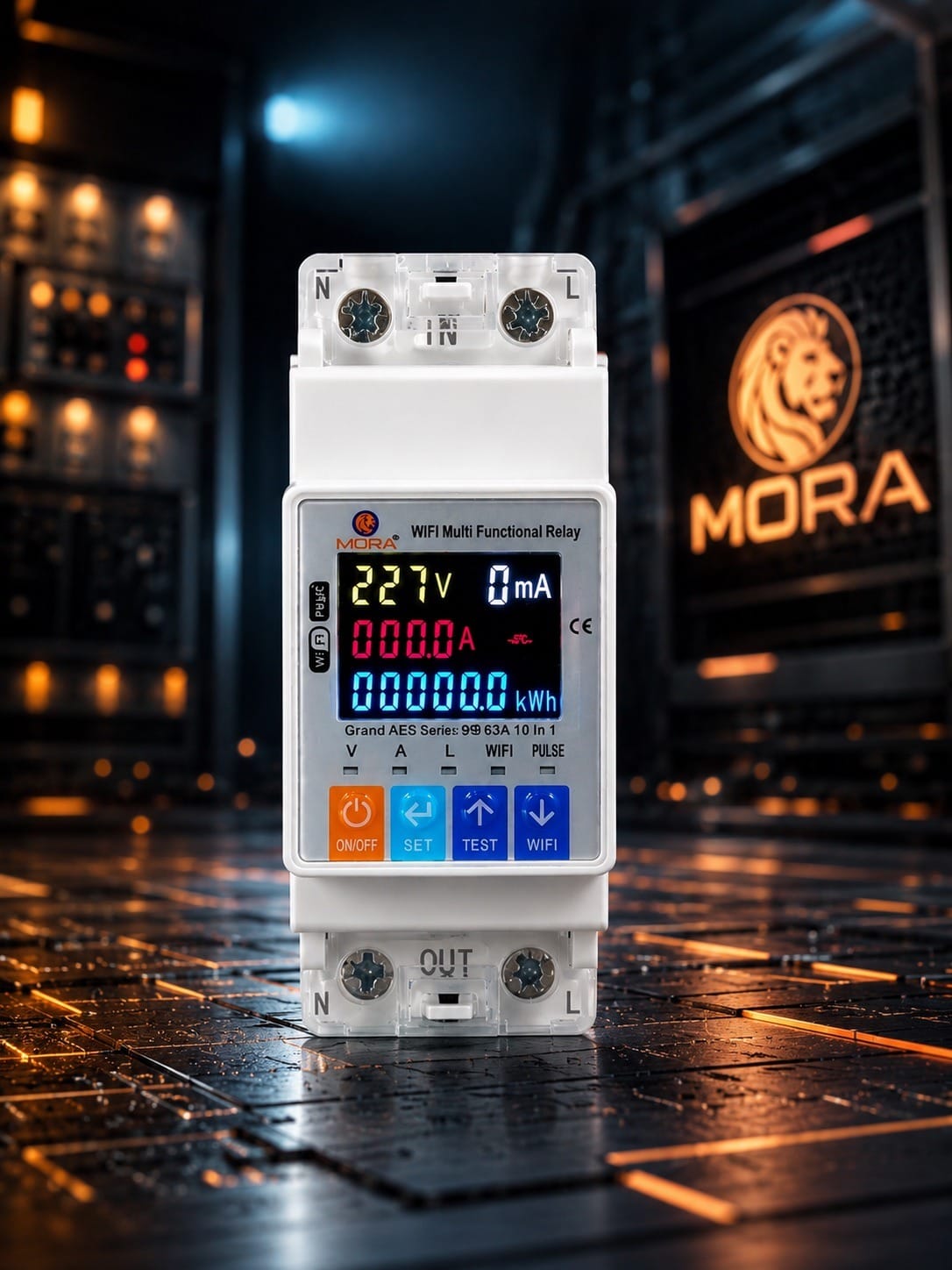
Additionally, modern installations may benefit from smart protection systems. If you’re interested in advanced voltage protection solutions, our guide on MORA Bulgaria 10-in-1 WiFi Protector The Complete Guide to Smart Voltage Protection in Pakistan provides comprehensive information about next-generation protection technologies.
Selecting the Right MCB for Your Specific Application
Residential Solar Systems
Residential installations typically operate at 600V or 800V DC with array currents between 10A and 30A. For these systems, Type C MCBs in the 16A to 32A range are generally appropriate. Ensure your MCB supplier provides documentation confirming DC suitability and that the device has been tested at your system’s specific voltage.
Commercial Solar Arrays
Larger commercial installations often operate at full 1000V DC with significantly higher currents. These systems may require multiple MCBs in parallel configurations or might benefit from exploring specialized product options available through Shop by Brand to find components from established manufacturers.
Ground-Mounted vs. Rooftop Installations
Ground-mounted systems typically experience more temperature variation and weathering, so prioritize MCBs with enhanced environmental protection. Rooftop installations may have space constraints, making compact MCB designs particularly valuable.
Understanding Technical Specifications and Ratings
When reviewing MCB specifications, several technical parameters deserve attention. The breaking capacity indicates the maximum fault current the device can safely interrupt. For most residential systems, 10kA is sufficient, but commercial installations may require 15kA, 20kA, or higher ratings.
The operating time specification tells you how quickly the MCB responds to fault conditions. Faster-acting devices provide better protection but may be prone to nuisance trips if not properly coordinated with other system components. The thermal response indicates how the device reacts to prolonged overload conditions, which is critical for protecting against gradual temperature buildup.
Finally, the dielectric strength specification confirms the device’s ability to withstand overvoltage conditions. For 1000V DC systems, the MCB should have a dielectric rating of at least 1200V to provide adequate safety margin.
Maintenance and Testing of Solar MCBs
While MCBs are generally reliable with minimal maintenance requirements, periodic testing ensures continued proper operation. At least annually, or after any electrical event or system modification, qualified technicians should verify MCB functionality. This typically involves testing the manual trip mechanism and confirming proper operation under controlled fault conditions.
Visual inspections should occur more frequently—quarterly or semi-annually. Look for signs of overheating (discoloration or melting), corrosion of contacts, loose terminal connections, or any physical damage to the housing. Any of these conditions warrant prompt attention from a qualified electrician.
Keep detailed records of all MCB installations, replacements, and testing. These records prove compliance with electrical codes and provide valuable historical data if problems develop. If an MCB trips repeatedly, investigate the underlying cause rather than simply resetting the device, as repeated trips indicate a potential system problem requiring diagnosis.
Conclusion: Protecting Your Investment
Selecting the best 1000V DC solar MCB for your PV system protection represents a critical investment in safety and reliability. By understanding key specifications, installation best practices, and integration with complementary protection components, you can ensure your solar installation operates safely for decades. Quality MCBs from reputable manufacturers, combined with proper installation and regular maintenance, provide peace of mind and protect both your equipment investment and personal safety.
Whether you’re designing a new solar installation or upgrading an existing system, take time to specify components from trusted suppliers who understand DC protection requirements. The small additional investment in quality protection devices will pay dividends through improved system reliability and reduced downtime over your installation’s operational lifetime.