









AC and DC Protection for Solar Inverters

Understanding Solar Inverter Protection Systems
Solar inverters are critical components in any photovoltaic system, converting direct current (DC) from solar panels into alternating current (AC) for household use. However, inverters face numerous electrical hazards—from overvoltage surges to short circuits—that can cause permanent damage or safety risks. A comprehensive protection strategy encompassing both DC and AC sides is essential for system longevity and safety.
The protection requirements for solar inverters differ significantly between the DC input side (from the solar array) and the AC output side (to the grid or home). Understanding these distinct protection needs helps system designers and installers create robust, compliant installations that safeguard equipment and personnel.
Why Dual-Sided Protection Matters
Solar installations operate in challenging environmental conditions. DC circuits experience unique risks including photovoltaic-induced surges, rapid cloud-cover transients, and potential ground faults. Meanwhile, AC circuits must contend with grid disturbances, lightning strikes, and utility switching events. Without proper protection on both sides, even a single failure can cascade into system shutdown or catastrophic equipment damage.
DC-Side Protection Essentials
DC-side protection begins at the solar array and extends to the inverter input terminals. This section of your system requires specialized components designed specifically for DC circuits, which behave differently from AC circuits.
DC Disconnect and Isolation
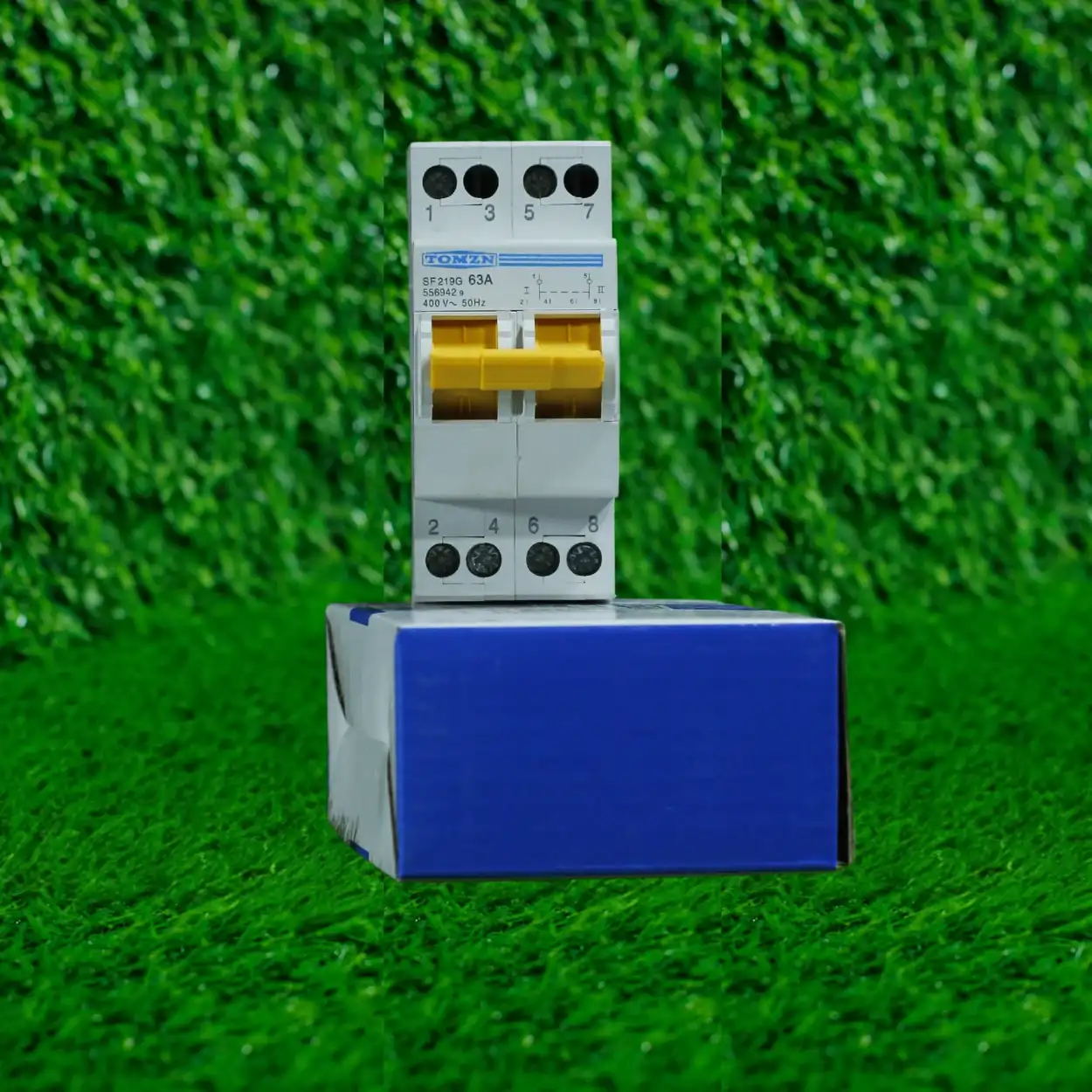
The first line of defense is a dedicated DC disconnect switch positioned between the solar array and the inverter. This switch must be a true DC-rated device capable of interrupting full array current under load. A standard AC switch cannot safely handle DC arcing and may fail catastrophically.
DC disconnects serve multiple purposes:
- Enable safe maintenance by isolating the inverter from live solar circuits
- Provide emergency shutdown capability during system faults
- Protect service personnel from electrocution hazards
- Allow technicians to test system components safely
DC Circuit Breakers and Overcurrent Protection
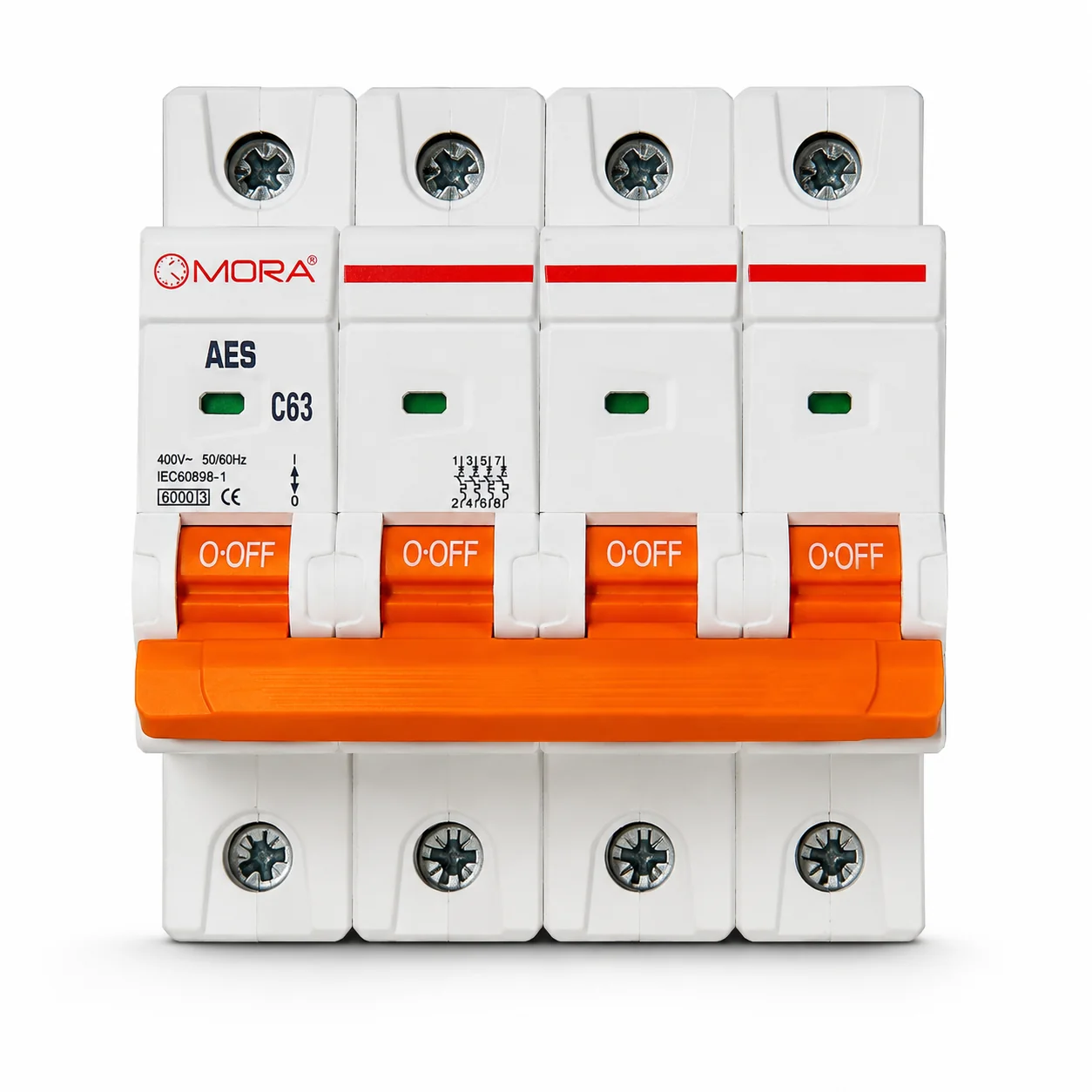
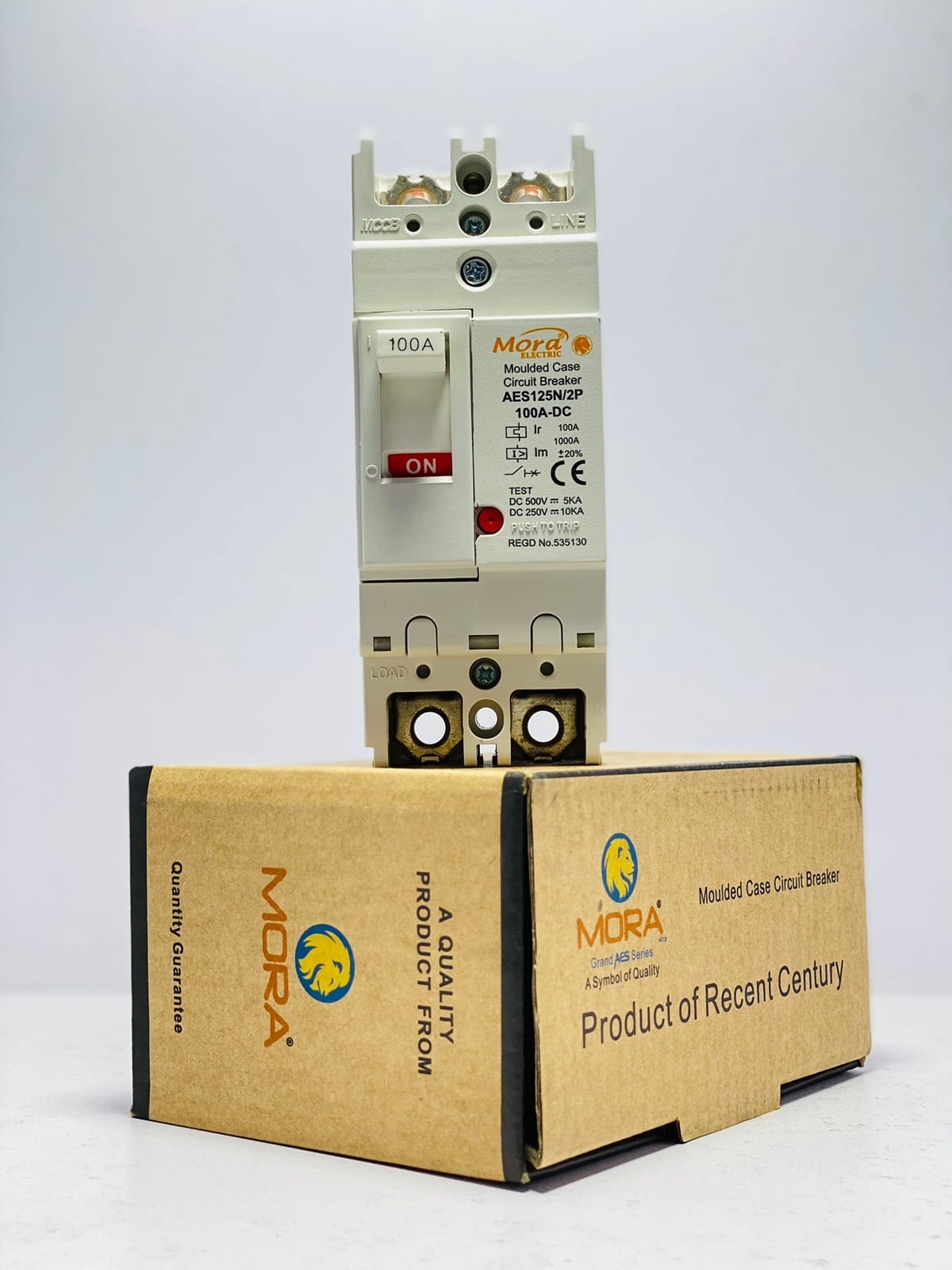
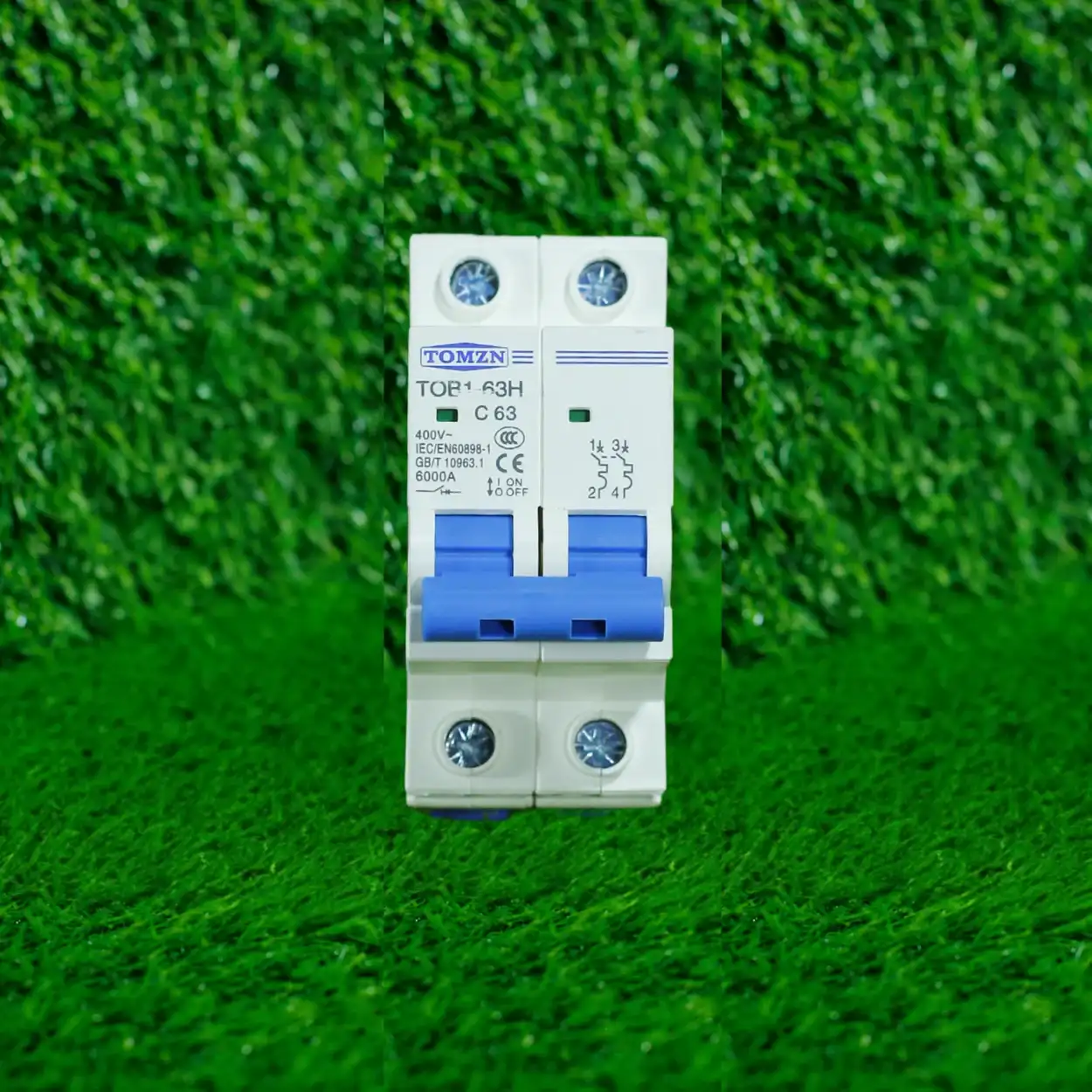
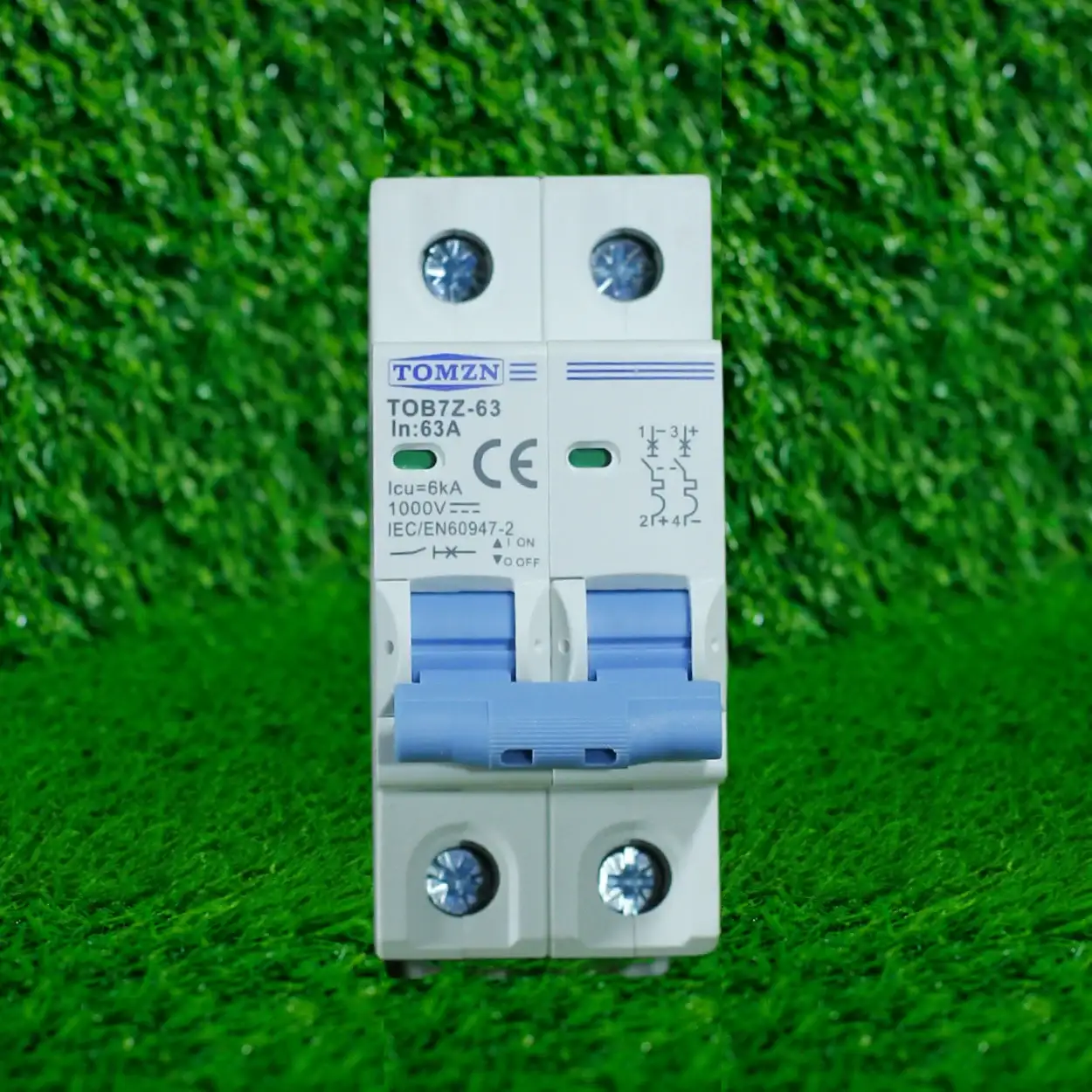
DC circuit breakers rated for photovoltaic applications provide automatic protection against overcurrent conditions. Unlike AC breakers, DC breakers must handle the unique challenge of DC arc extinction—when current flow stops, a DC arc doesn’t naturally extinguish like an AC arc does, requiring specialized arc-quenching mechanisms.
Best 1000V DC Solar MCBs for PV Protection provides detailed guidance on selecting appropriate miniature circuit breakers for your system. String-level breakers protect individual solar panel strings, preventing one failed string from consuming current from healthy strings. Array-level breakers protect the entire array from inverter-side faults.
DC Surge Protection Devices
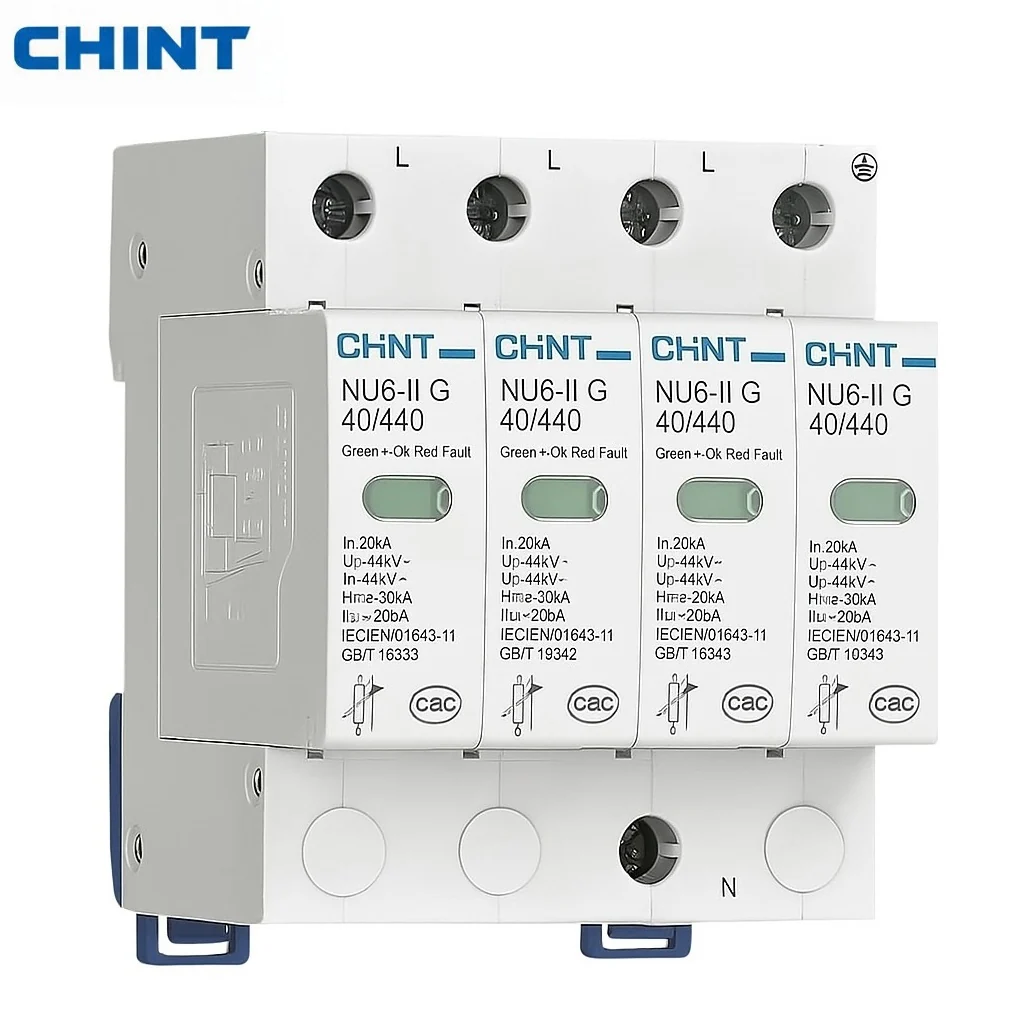
Surge protective devices (SPDs) on the DC side guard against transient overvoltages from lightning strikes and solar array switching transients. These devices respond in nanoseconds to divert surge current to ground before it reaches sensitive inverter components.
DC SPDs for solar applications typically include:
- Metal oxide varistors (MOVs) – Provide rapid response to voltage spikes
- Transient voltage suppression (TVS) diodes – Offer ultra-fast response times
- Combination devices – Integrate multiple protection mechanisms for redundancy
Proper SPD placement is critical. Mount them as close as possible to the DC disconnect and inverter input to minimize voltage rise across connecting wires during surge events. Quality DC wiring, such as 6mm Flexible DC Heatproof Wire – Solar Cable, helps reduce impedance and improves surge protection effectiveness.
DC Grounding and Ground Fault Protection
Proper grounding creates a low-impedance path for fault currents. DC systems typically employ either ungrounded or negative-grounded configurations. Many modern inverters include built-in ground fault detection that monitors leakage current to ground and triggers shutdown if levels exceed safe thresholds—typically 30 mA for residential systems.
Ground fault circuit interrupters (GFCIs) provide additional protection in wet environments or near water features. They detect asymmetry in current flow and interrupt the circuit within milliseconds of detecting a ground fault.
AC-Side Protection Strategies
The AC output side of your inverter requires equally robust protection, as it interfaces with household wiring and potentially the utility grid. AC protection addresses different hazards than the DC side.
AC Disconnect and Isolation
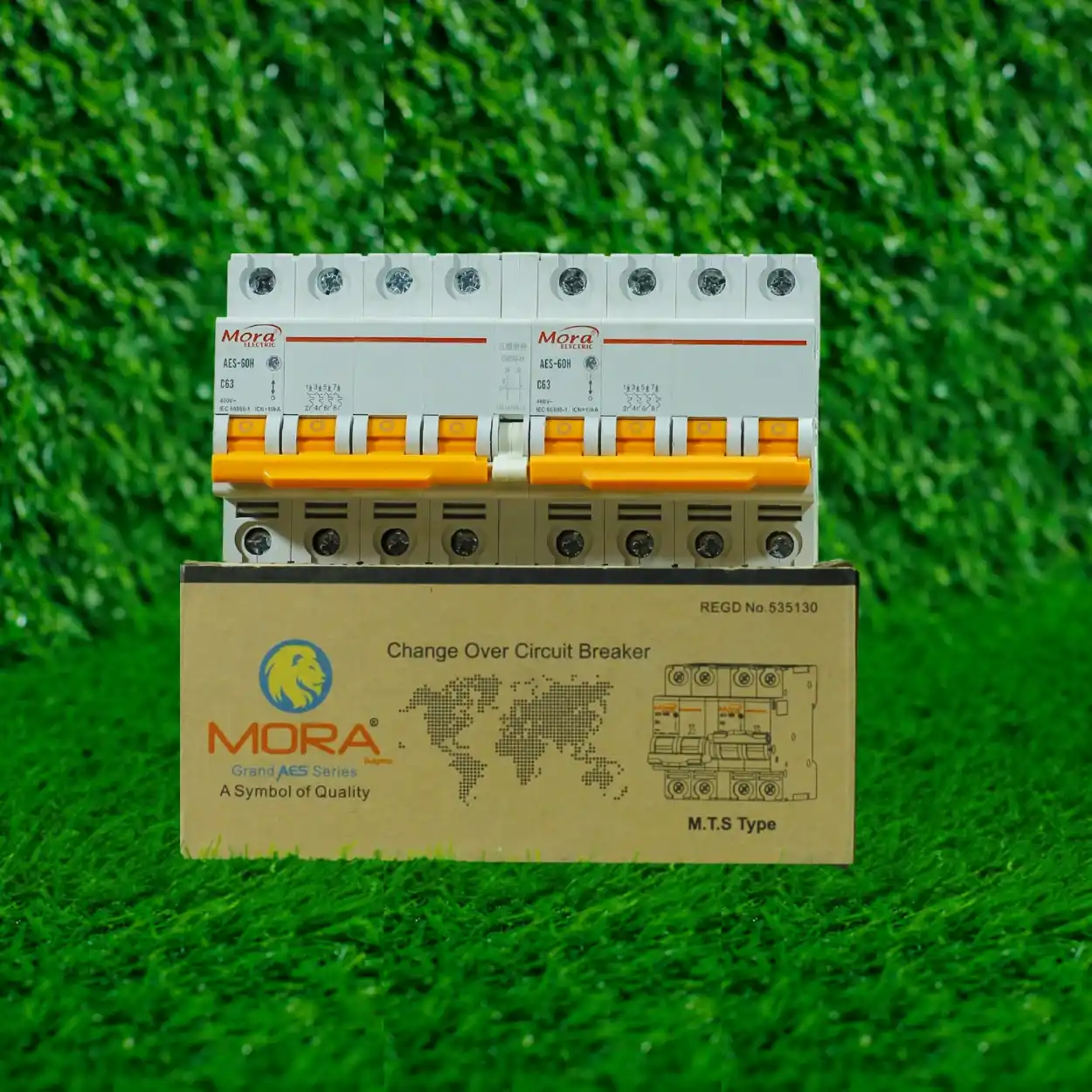
An AC disconnect switch—rated for the full AC output current and voltage of your inverter—provides isolation for maintenance and emergency shutdown. Building codes typically mandate this switch within 10 feet of the inverter or utility disconnect point. AC disconnects must meet appropriate electrical standards and be readily accessible to occupants and emergency responders.
AC Overcurrent Protection Devices
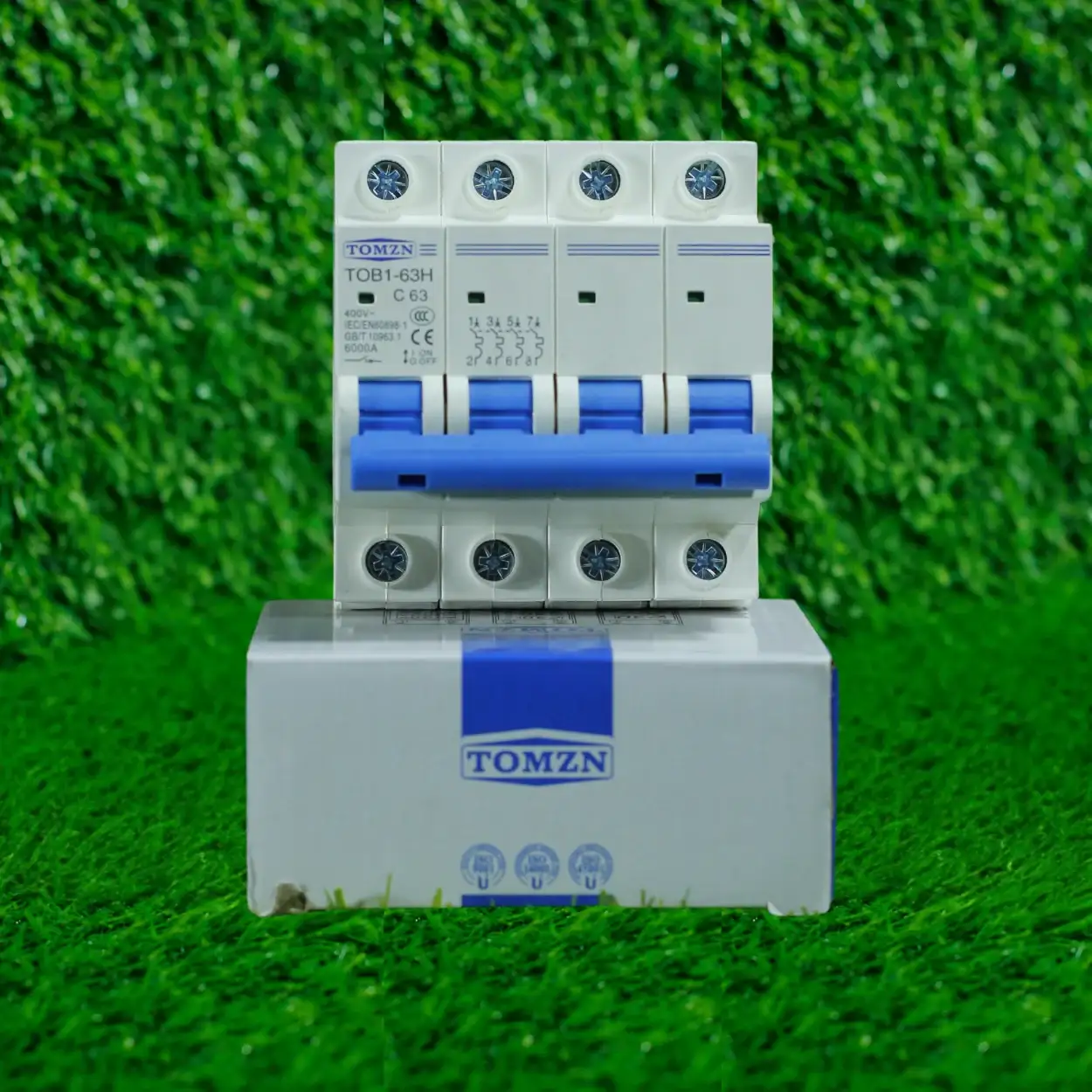
AC circuit breakers or fuses protect the inverter output wiring from overcurrent conditions. The protection device must be sized correctly: too small and nuisance trips occur; too large and wiring damage may occur before the breaker opens. Standard practice is to size the breaker at 125% of the inverter’s maximum AC output current.
In grid-tied systems, anti-islanding protection is mandatory. This ensures the inverter disconnects from the utility during grid outages, preventing the solar system from energizing utility lines that technicians might be working on. Modern inverters include sophisticated anti-islanding algorithms that detect grid loss within milliseconds.
AC Surge Protection and Harmony Management
AC surge protection devices handle transients from lightning, utility switching, and other grid disturbances. AC SPDs differ from DC devices because AC voltage reverses 50 or 60 times per second, requiring different design approaches.
Additionally, some inverter topologies generate harmonic content that can interfere with sensitive AC loads or utility equipment. Filtering and harmonic mitigation devices may be necessary in installations with numerous loads or where utility power quality standards are stringent.
Distribution and Integration
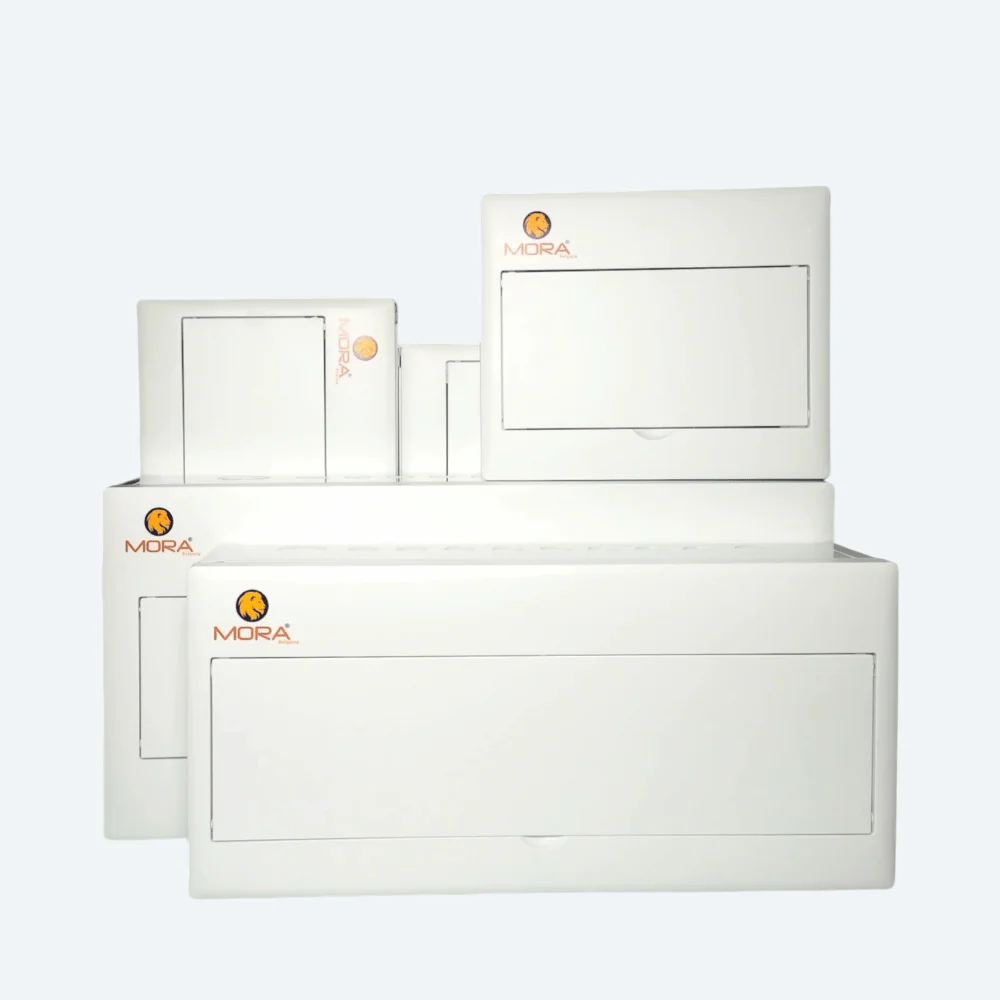
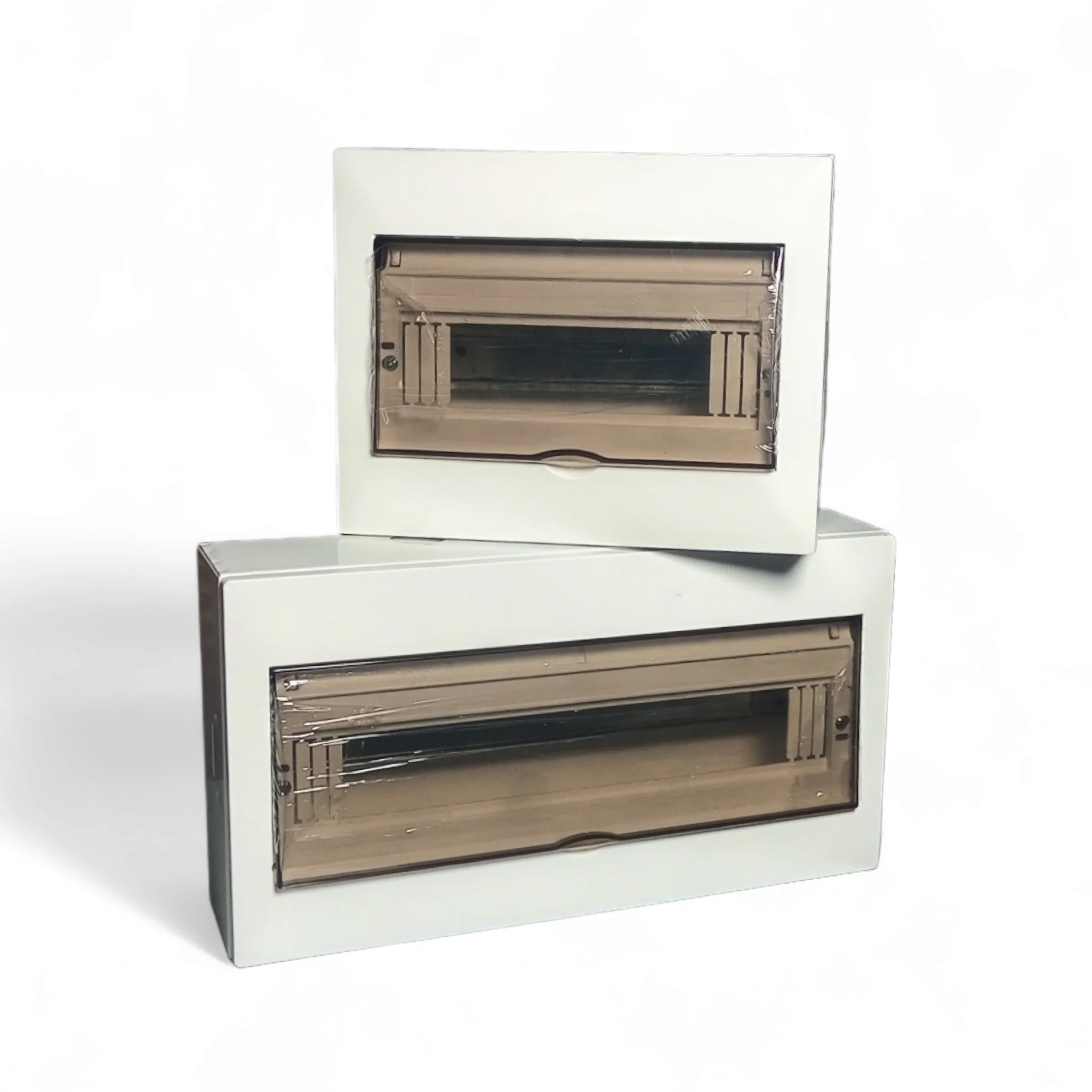
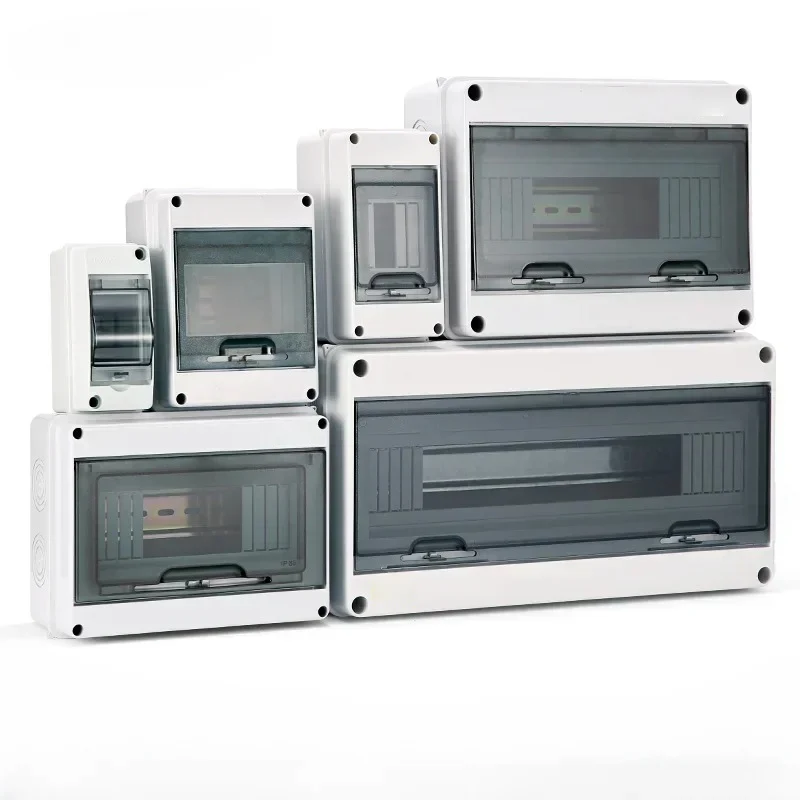
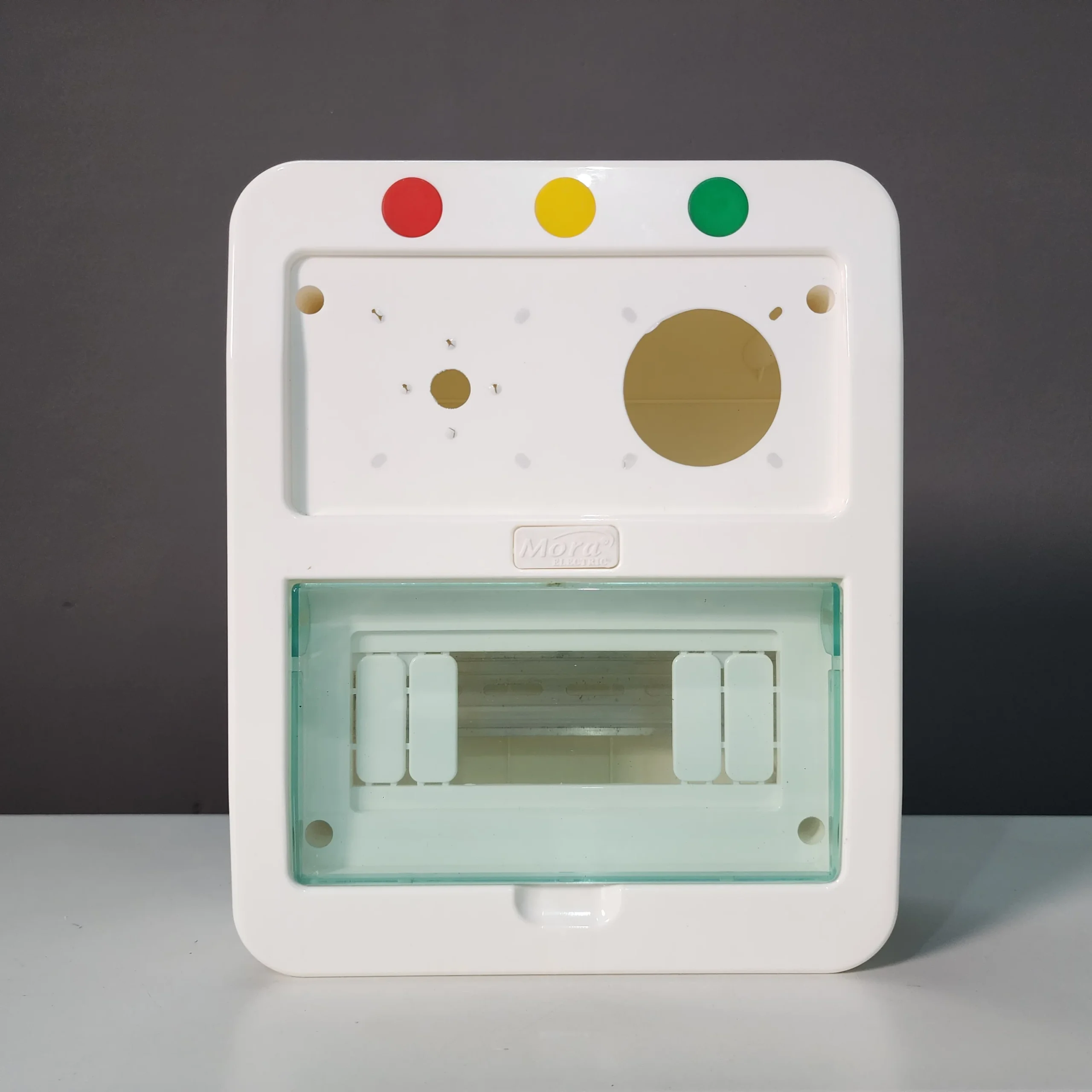
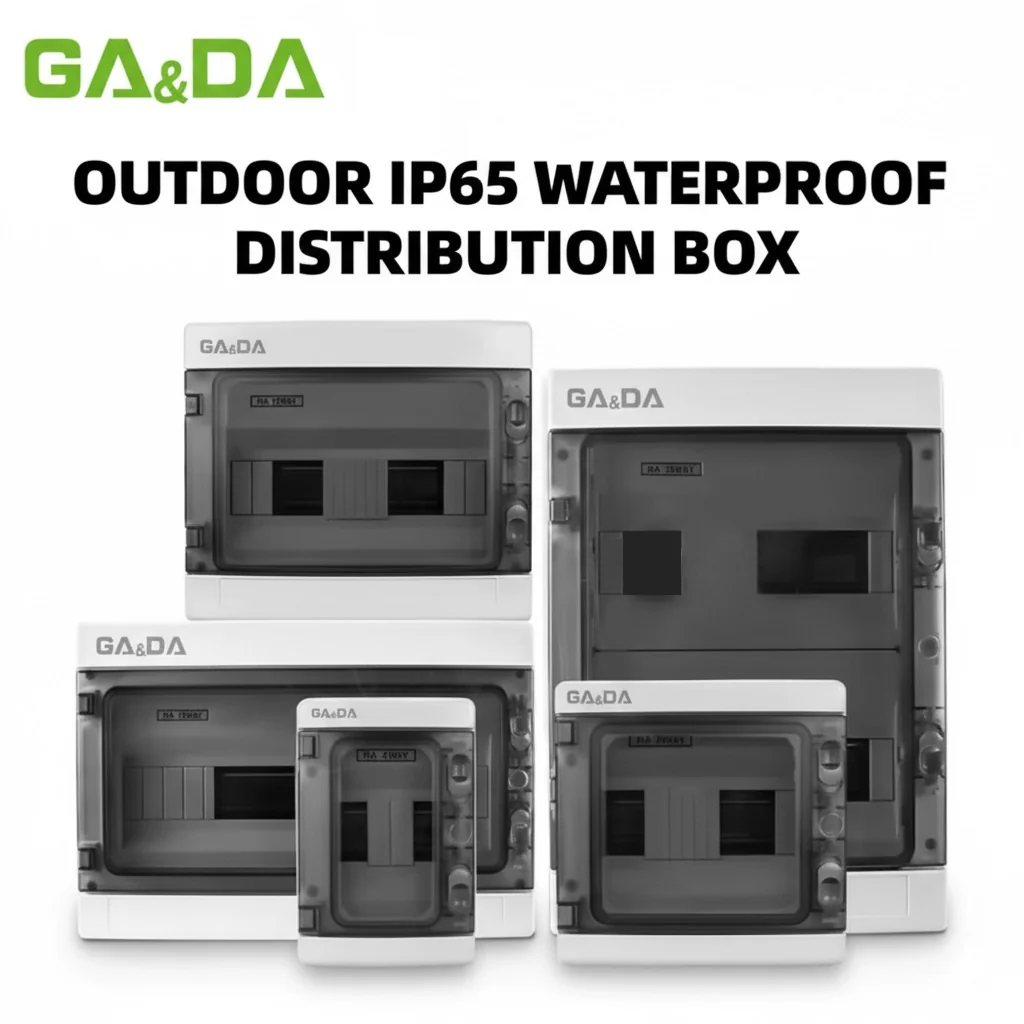
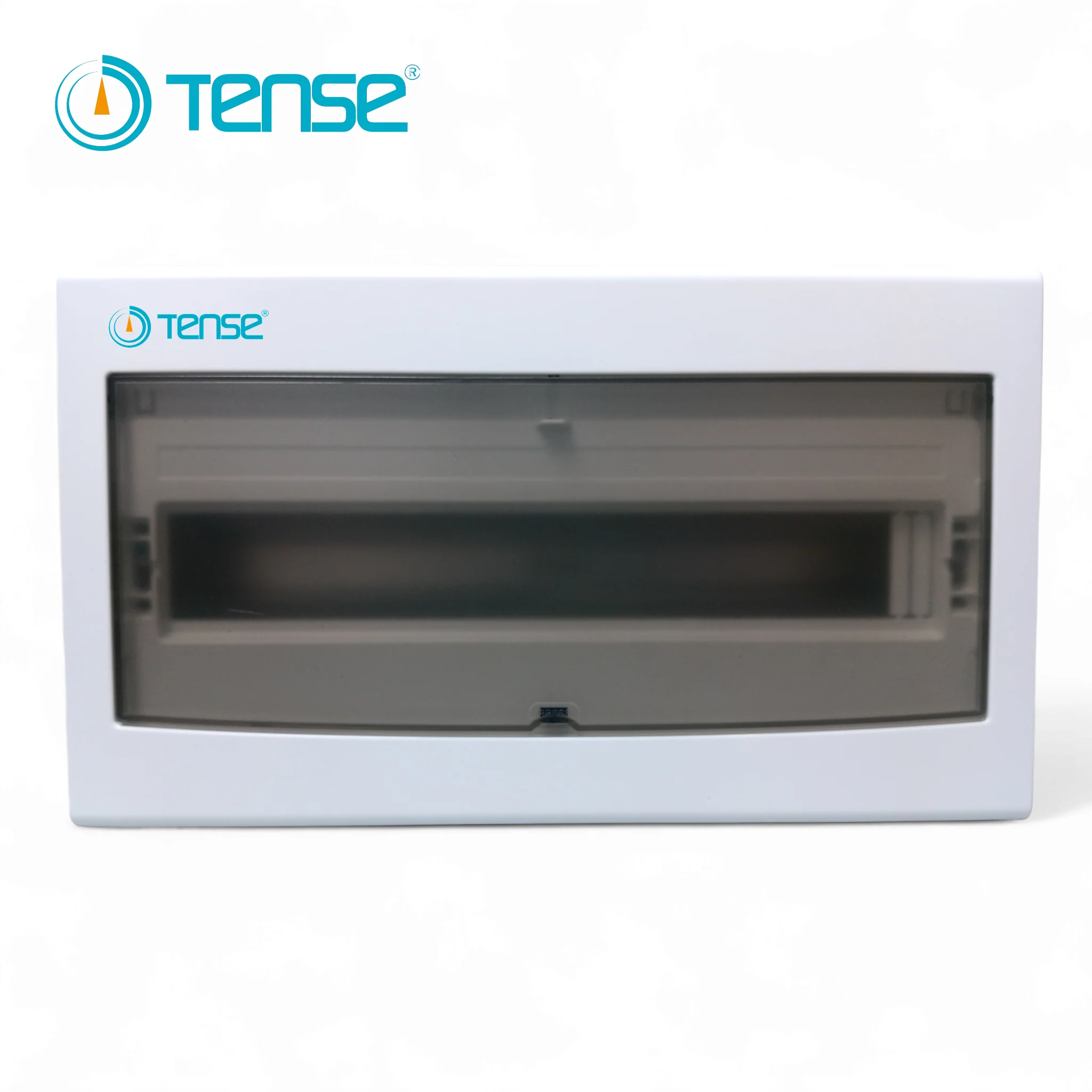
A 12-Way PVC Solar Distribution Box provides organized integration of multiple protection devices for both string-level and system-level control. These distribution boxes consolidate disconnects, breakers, and surge protection into a single, code-compliant assembly, simplifying installation and maintenance while ensuring proper coordination among protection devices.
Protection Coordination and System Design
Selectivity and Coordination
In multi-level protection systems, coordination ensures that only the protection device nearest a fault operates. String-level breakers should clear faults in their respective strings before array-level breakers engage. Similarly, DC protection should operate before AC protection, isolating problems at their source.
Proper coordination requires careful breaker rating selection and understanding upstream/downstream relationships. A protection study may be necessary for complex systems.
Testing and Maintenance
Protection devices require periodic testing to ensure they function correctly when needed:
- Test DC disconnect switches annually for smooth operation
- Verify circuit breaker trip characteristics using manufacturer test procedures
- Inspect surge protective devices for physical damage or signs of failure
- Monitor inverter ground fault detection by observing status indicators
- Perform infrared imaging of connections to detect heat-generating faults
Code Compliance and Standards
Solar installations must comply with the National Electrical Code (NEC), local building codes, and utility interconnection requirements. Code editions are updated every three years, and requirements for solar protection continue evolving. Key standards include:
- UL 1741 – Standard for inverters and charge controllers
- UL 1699 – Ground fault protection devices
- NEC Article 690 – Installation requirements for solar electric systems
- IEEE 1547 – Standard for interconnection of utility and distributed resources
Working with certified solar installers and electricians ensures your system meets all applicable codes and standards.
Choosing Quality Components for Reliable Protection
Protection effectiveness depends directly on component quality. Investing in name-brand breakers, genuine surge protection devices, and proper-gauge wiring pays dividends through system reliability and safety.
When sourcing DC protection components, prioritize DC Wire products that meet solar-specific certifications. Quality wire reduces voltage drop and improves surge protection response time. Combine quality wiring with properly rated breakers and surge devices to create a protection system capable of safeguarding your inverter investment.
Documentation and Record-Keeping
Maintain detailed records of all protection devices, including manufacturer specifications, installation dates, and test results. This documentation proves invaluable during system troubleshooting, warranty claims, or during sale of the property. It also demonstrates due diligence in meeting code and safety requirements.
Solar inverter protection requires thoughtful attention to both DC and AC sides of your system. By implementing comprehensive protection strategies—proper disconnects, appropriately rated breakers, surge protection devices, and quality components—you create a safe, reliable, code-compliant installation that maximizes system longevity and protects your significant solar investment.