









Solar DC Isolator Switch Buying Guide


Understanding Solar DC Isolator Switches
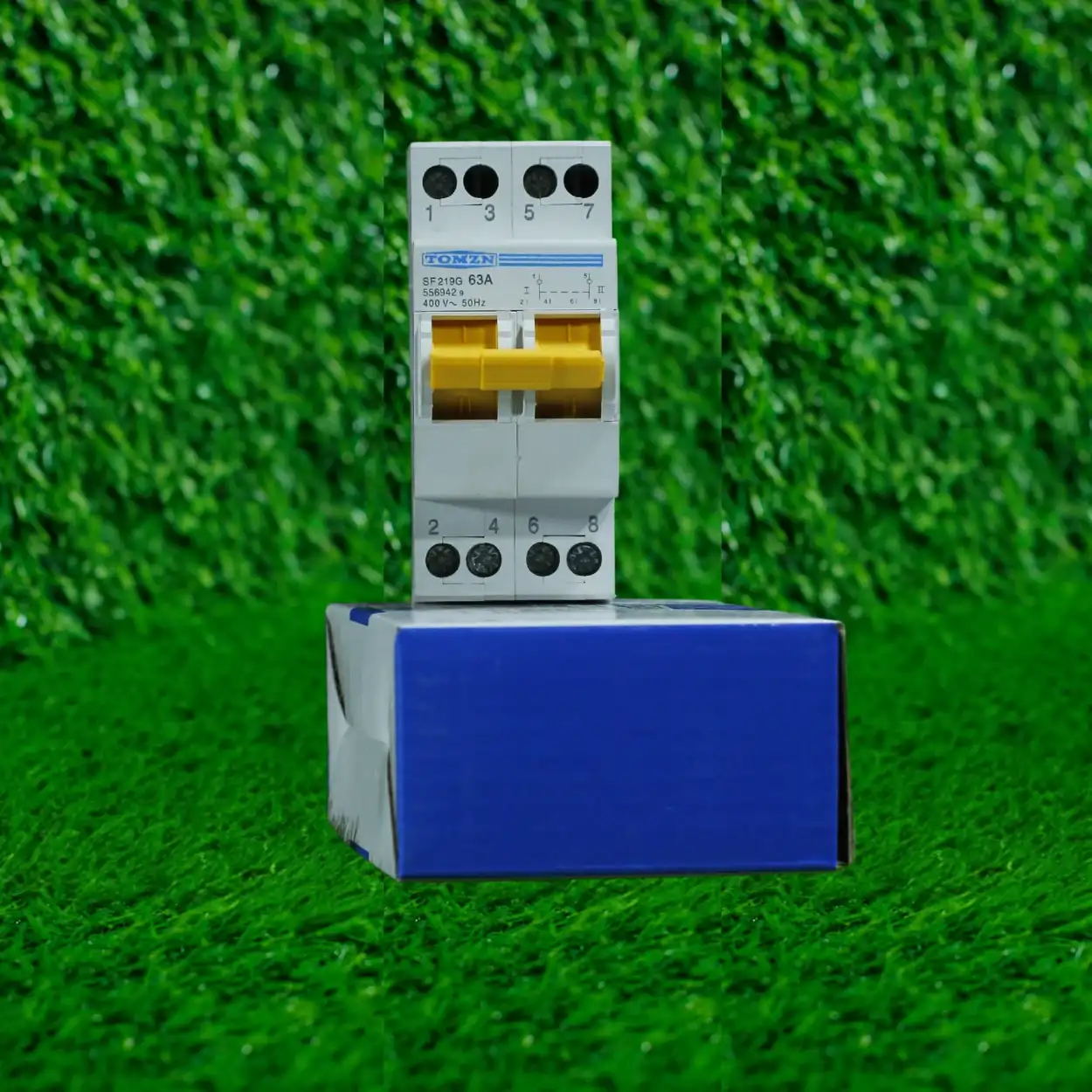
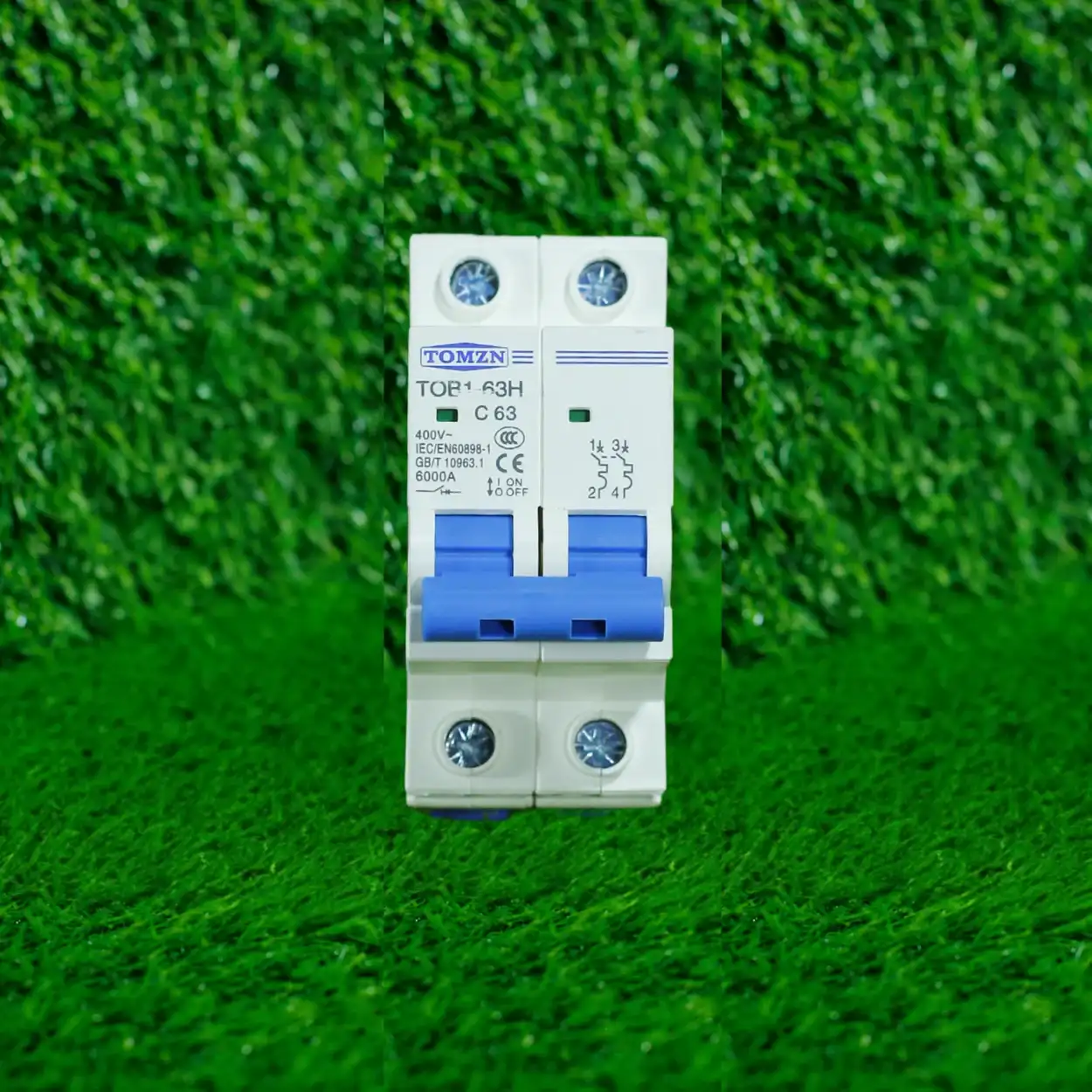
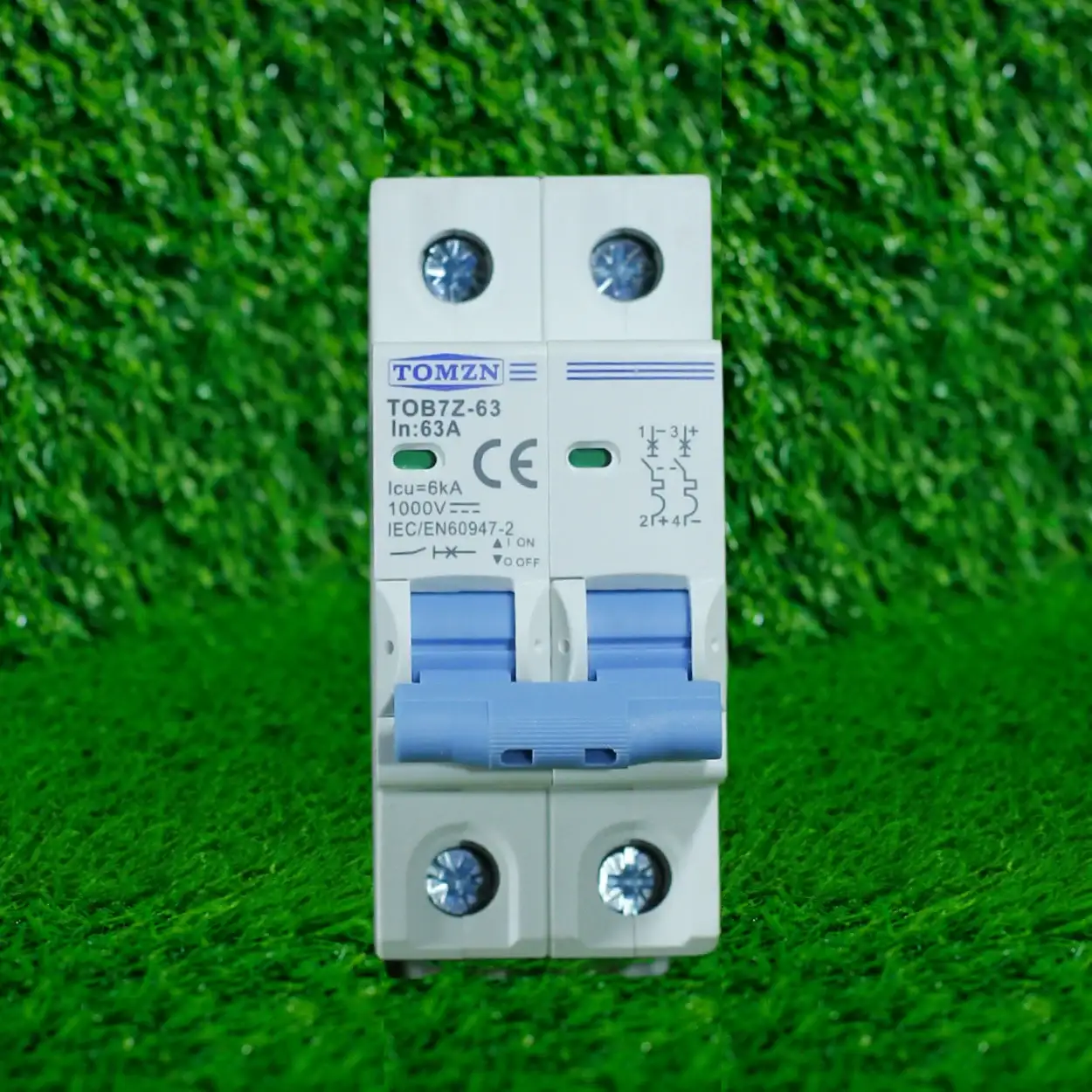
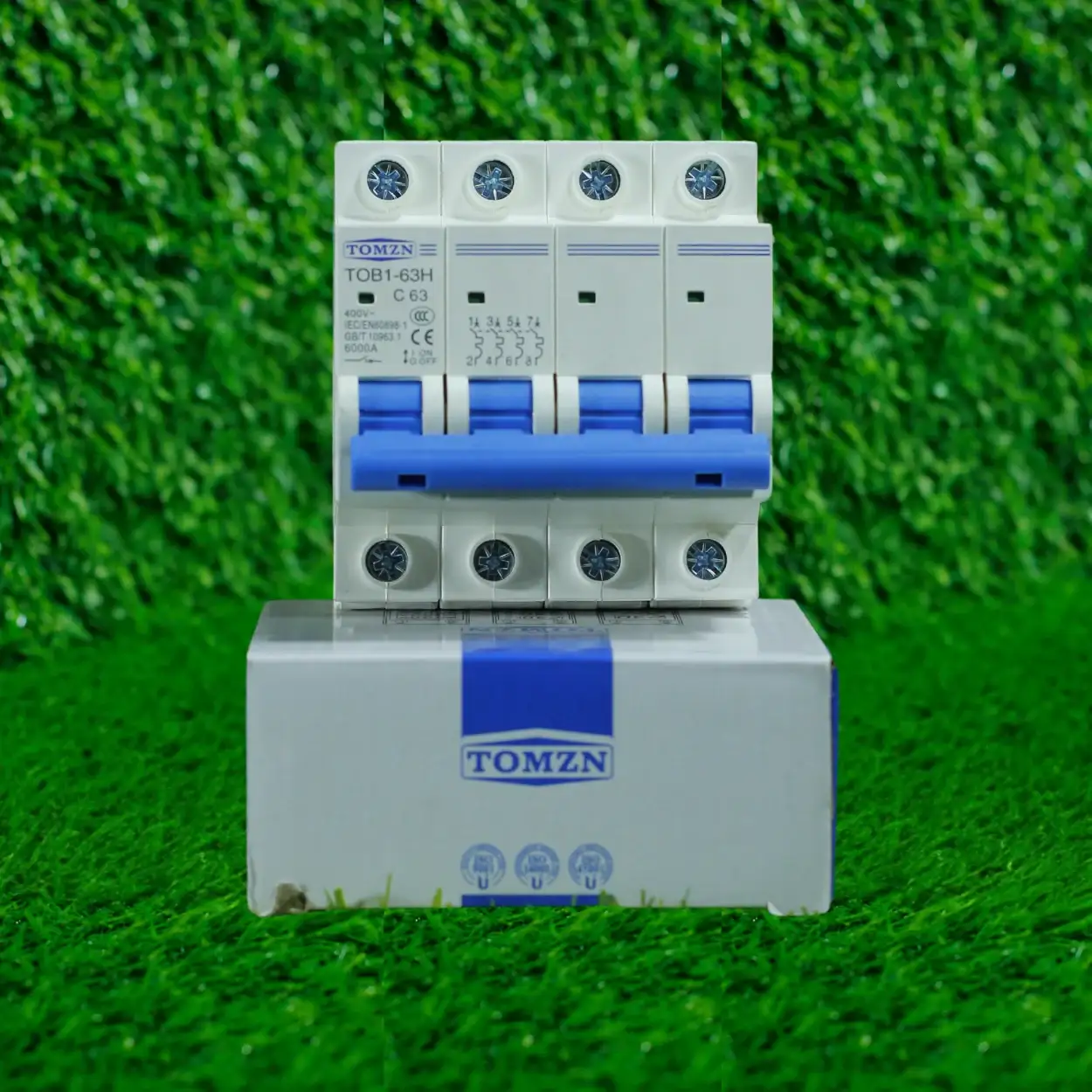
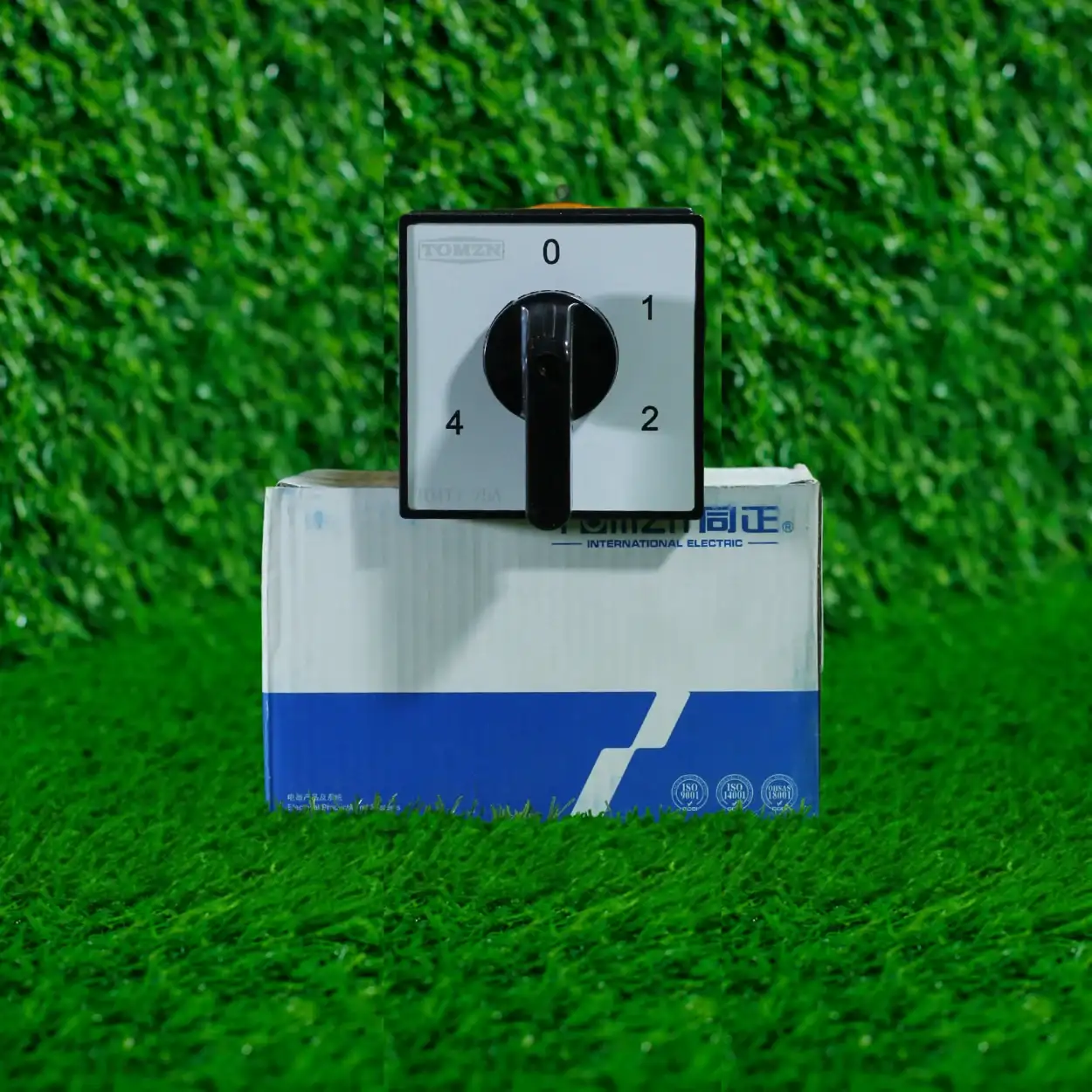
A solar DC isolator switch is one of the most critical safety components in any photovoltaic installation. Unlike standard AC switches, these specialized devices are designed to handle the unique characteristics of direct current generated by solar panels. Their primary function is to provide a safe, reliable method to disconnect DC power from the solar array, inverter, or battery bank during maintenance, emergencies, or system failures.
The importance of selecting the correct isolator switch cannot be overstated. An improperly chosen switch can lead to equipment damage, electrical fires, or personal injury. This guide will walk you through the essential specifications you need to understand before making your purchase.
Key Specifications: Amperage, Voltage, and IP Rating
Understanding Amperage Requirements
Amperage, measured in amps (A), represents the maximum current your isolator switch must safely handle. Selecting the correct amperage rating is crucial because undersized switches can overheat and fail, while oversized switches may not provide adequate protection.
To determine your system’s amperage needs, calculate the total current from your solar array. For a typical residential solar installation:
- Small residential systems (3-5 kW): Usually require 10-20A switches
- Medium residential systems (6-10 kW): Typically need 25-50A switches
- Large residential or commercial systems: Often require 63A, 100A, or higher
Always size your isolator switch based on the maximum current your system can produce. This includes accounting for temperature coefficients—solar panels actually produce more current in cooler conditions, so your amperage calculations should reflect worst-case scenarios. A practical rule is to add 25% to your calculated maximum system current when selecting an amperage rating.
Voltage Ratings Explained
The voltage rating indicates the maximum DC voltage the switch can safely interrupt. Solar systems typically operate at standardized DC voltages:
- 48V DC systems: Common in small off-grid installations and battery backup systems
- 400V DC systems: Standard for many grid-tied residential installations
- 600V DC systems: Used in larger commercial and utility-scale systems
- 1000V DC systems: Utilized in industrial-scale photovoltaic arrays
Your isolator switch must have a voltage rating equal to or greater than your system’s nominal DC voltage. Selecting a switch rated below your system voltage is extremely dangerous and violates electrical codes. For example, a 600V-rated switch should never be used in a 1000V system, as it cannot safely interrupt the higher voltage and will fail during operation.
When planning a system, it’s wise to choose a switch with a voltage rating slightly higher than your current needs. This provides safety margin and future flexibility if you decide to upgrade your system. For instance, a 1000V-rated switch is appropriate even for a 600V installation.
IP Rating: Protection Against Environmental Hazards
The IP (Ingress Protection) rating indicates how well an isolator switch resists dust, moisture, and other environmental contaminants. This rating uses a two-digit code where the first digit relates to solid particle protection (0-6) and the second to liquid protection (0-9).
Common IP ratings for solar DC isolators include:
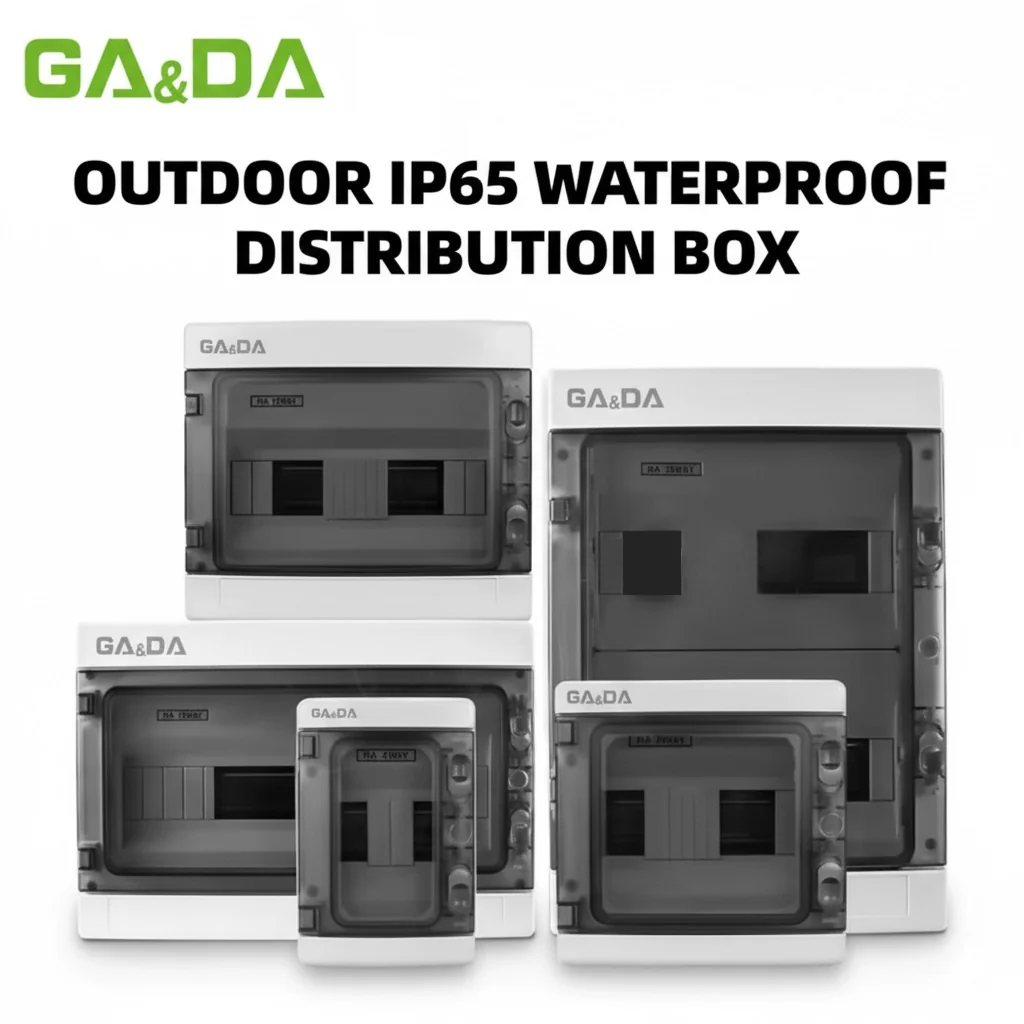
- IP65: Dust-tight and protected against low-pressure water jets. Suitable for most residential rooftop installations
- IP66: Dust-tight with protection against powerful water jets. Ideal for coastal areas or regions with heavy rainfall
- IP67: Dust-tight and protected against temporary immersion. Excellent for installations near water bodies or flood-prone areas
For indoor installations in dry environments, an IP54 rating may suffice. However, outdoor installations should never use switches with ratings below IP65. If your solar array is exposed to salt spray (coastal installations), extreme weather, or potential water exposure, investing in an IP67-rated switch is worthwhile despite the higher cost.
Breaking Capacity: An Often-Overlooked Specification
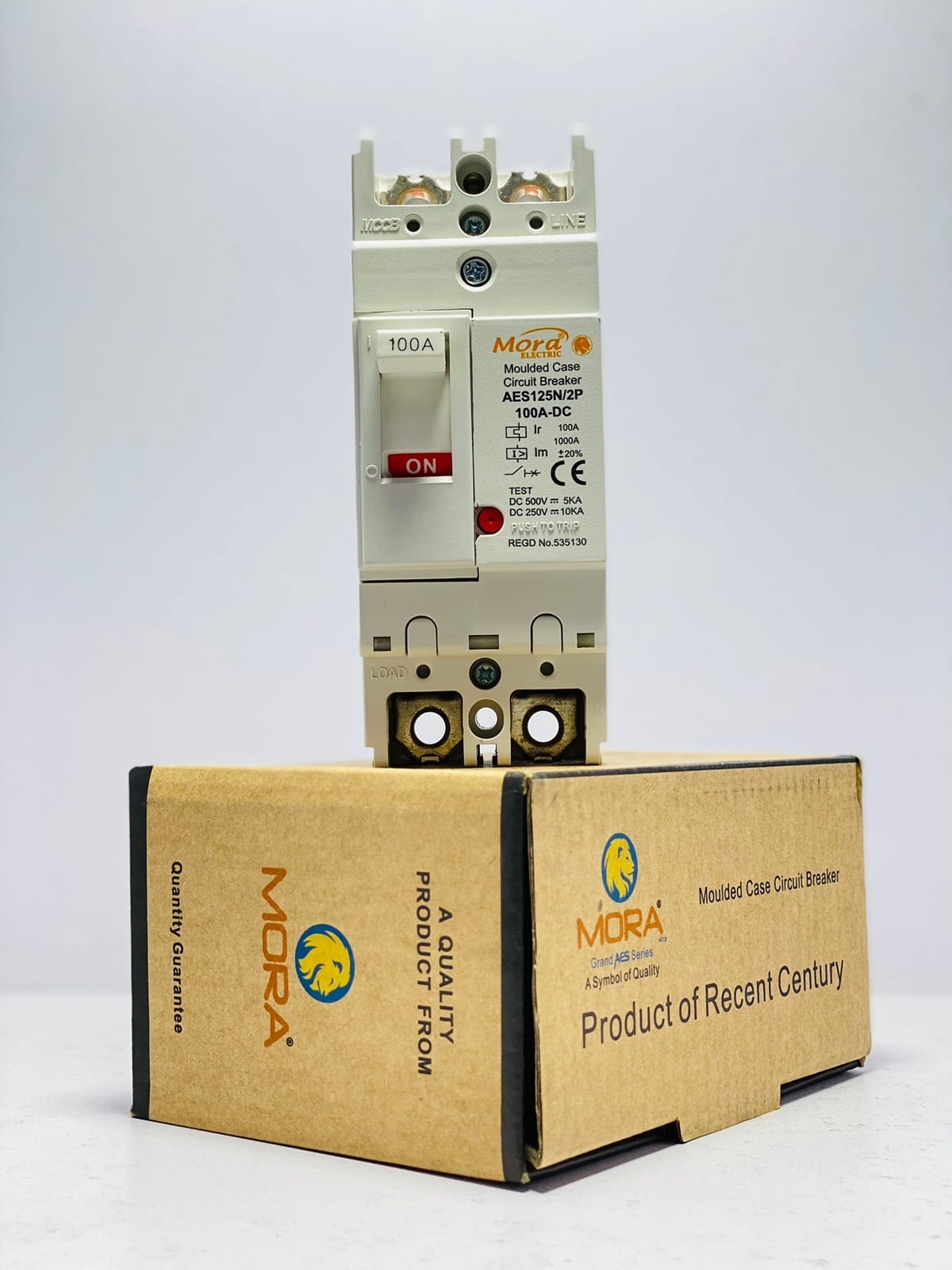
Breaking capacity, measured in amperes or kiloamperes, indicates the maximum current the switch can safely interrupt under fault conditions. This specification becomes critical when your system includes solar panels capable of producing high currents during a short circuit.
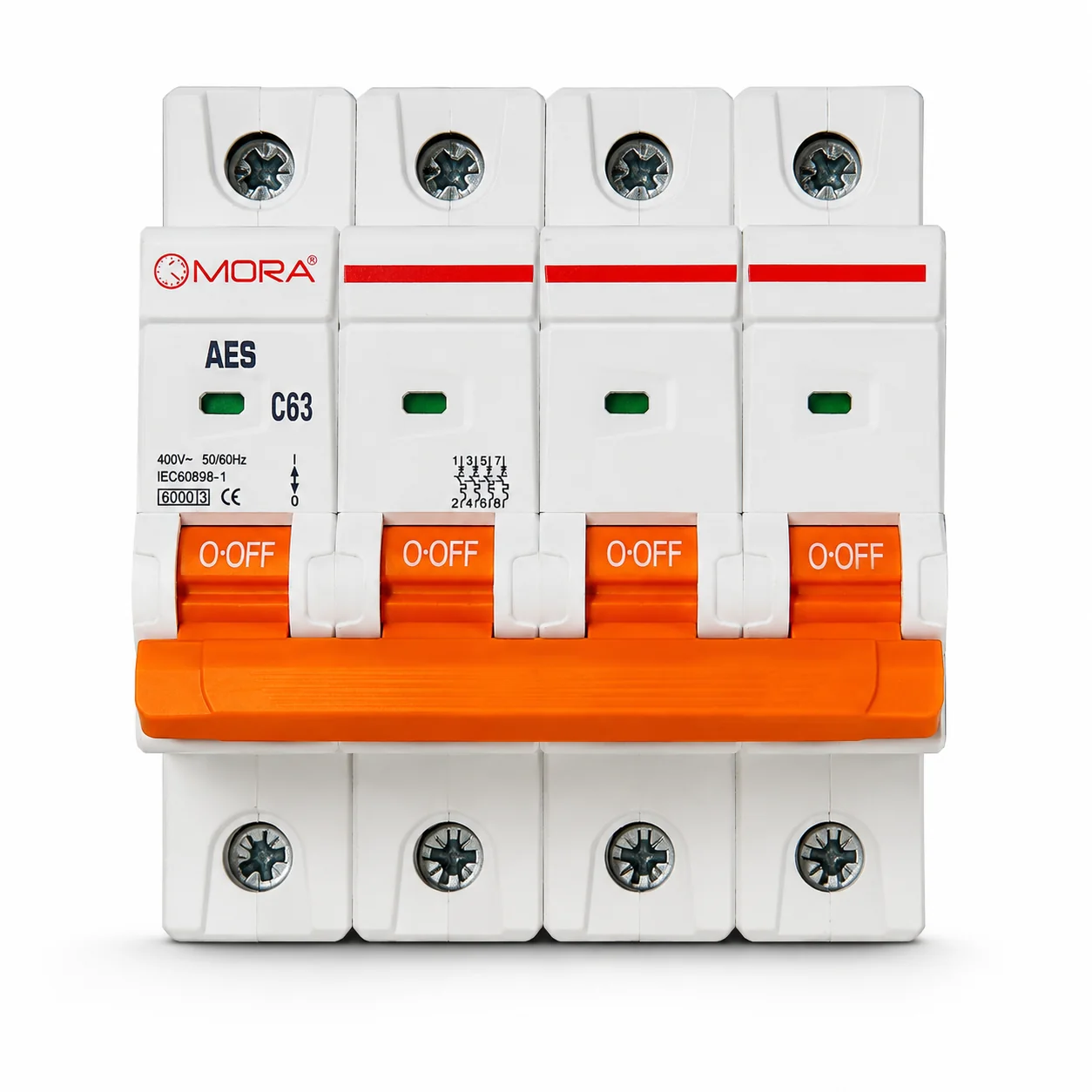
A typical residential DC isolator should have a breaking capacity of at least 10-20 kA. Commercial installations may require 40 kA or higher. When combined with proper system design and DC breakers for PV protection, your isolator switch will work as part of a comprehensive safety system.
Practical Selection Criteria for Your Installation
Step-by-Step Selection Process
Begin by documenting your system specifications. Calculate your maximum system current by adding the short-circuit currents of all parallel strings in your array. Check your inverter documentation for the DC input specifications, which typically include the maximum allowable DC voltage and current.
Next, select an isolator switch with an amperage rating 125% higher than your calculated maximum current. Choose a voltage rating equal to or exceeding your system’s maximum DC voltage. For voltage ratings, 1000V switches are increasingly popular as they work across various system configurations.
Then, determine the appropriate IP rating based on your installation location. Indoor installations can use lower ratings, but outdoor installations should be IP65 minimum. Consider environmental factors specific to your location—humidity, temperature extremes, salt spray, or frequent rainfall should all influence your choice.
Brand Considerations and Quality Standards
When purchasing an isolator switch, brand reputation matters significantly. Established manufacturers conduct rigorous testing and maintain consistent quality standards. You can explore various quality brands through our shop by brand section to find reputable options that meet international safety certifications.
Look for switches certified to IEC 60947-3 standards, which specify requirements for DC isolating switches. Certifications from recognized bodies like TÜV, CE, or UL indicate the product meets rigorous safety and performance standards.
Installation and Safety Considerations
Proper installation of your isolator switch is as important as selecting the right model. The switch should be positioned in an easily accessible location where it can be quickly reached during emergencies. Many installations place the switch near the main DC disconnect point between the solar array and the inverter.
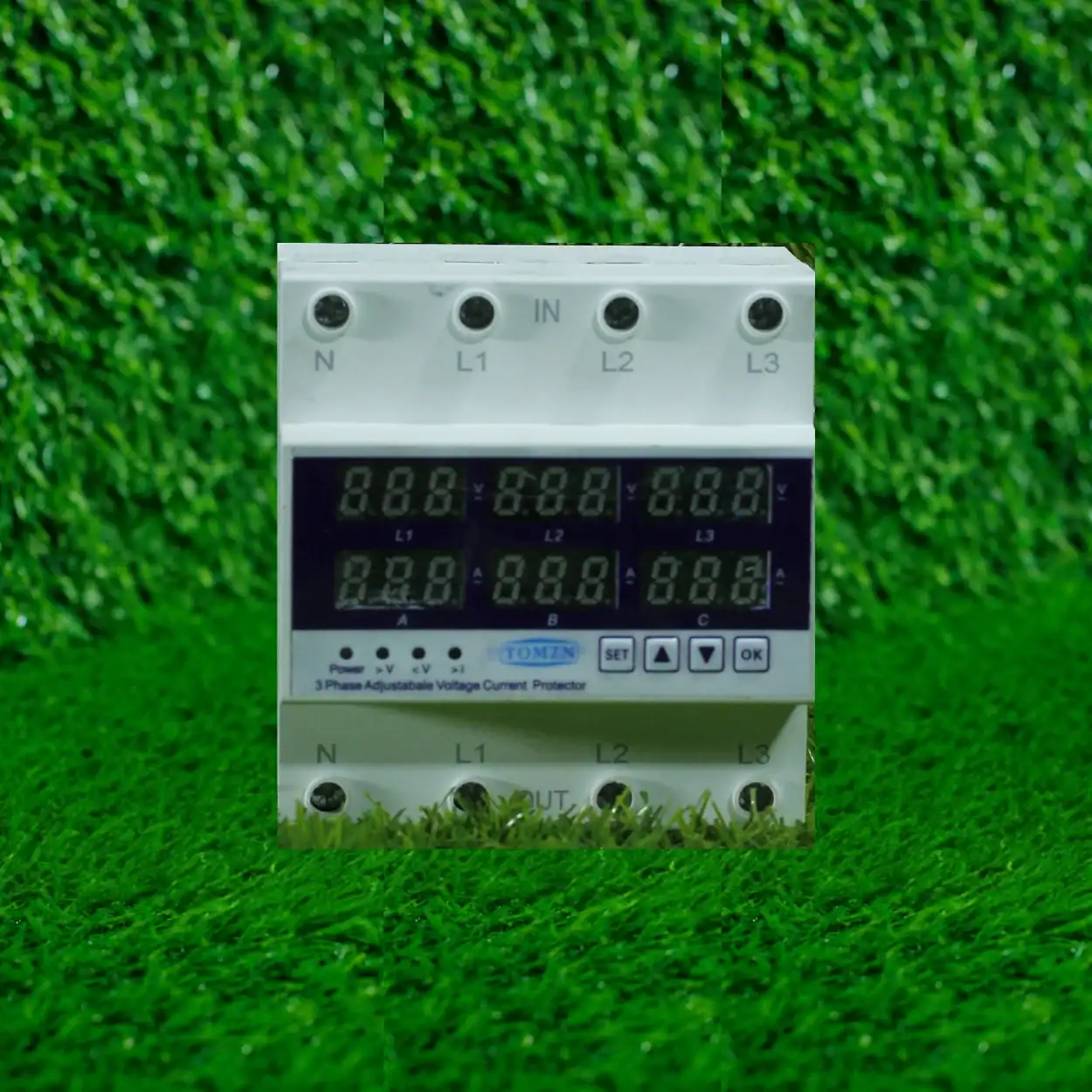
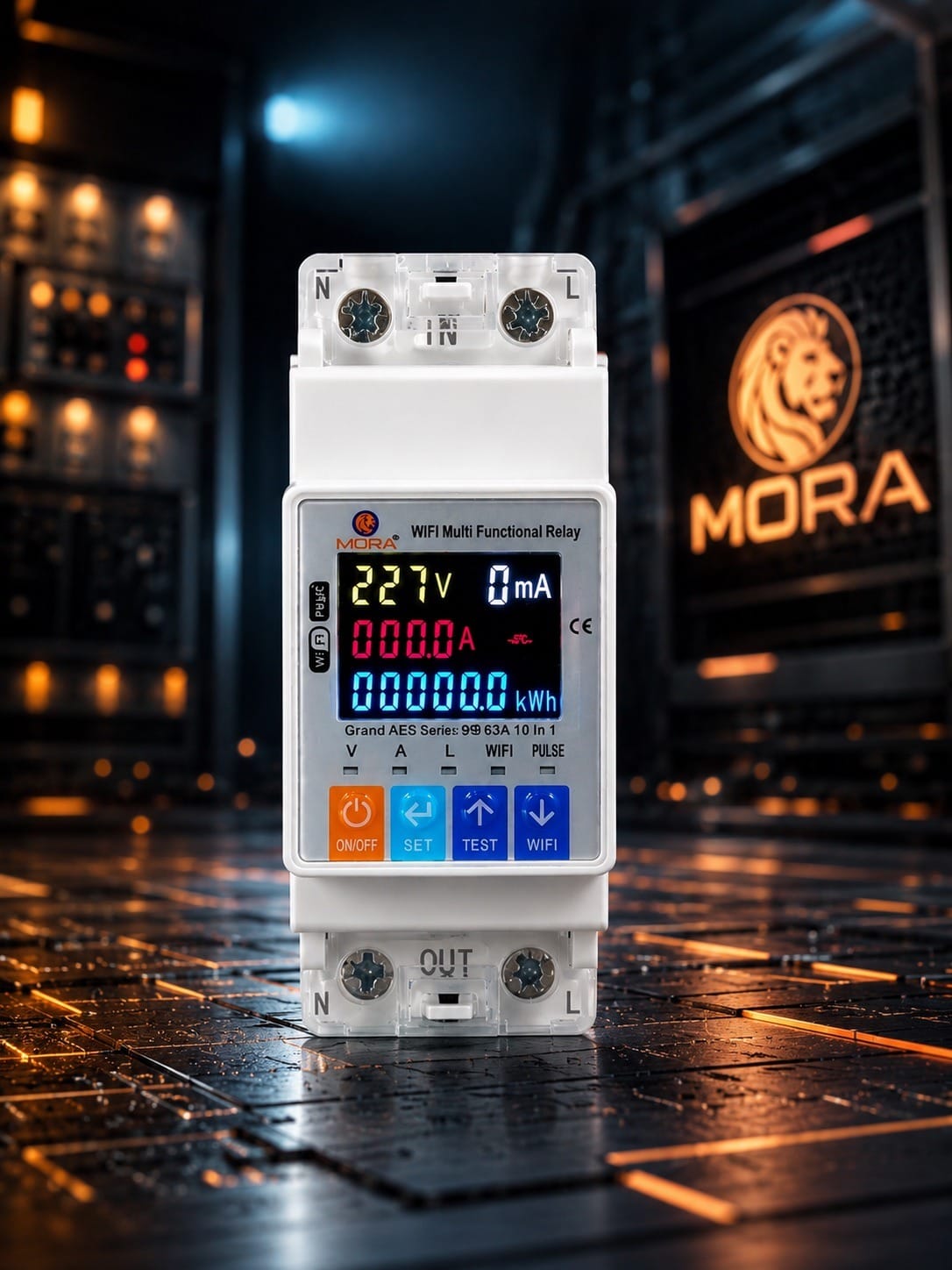
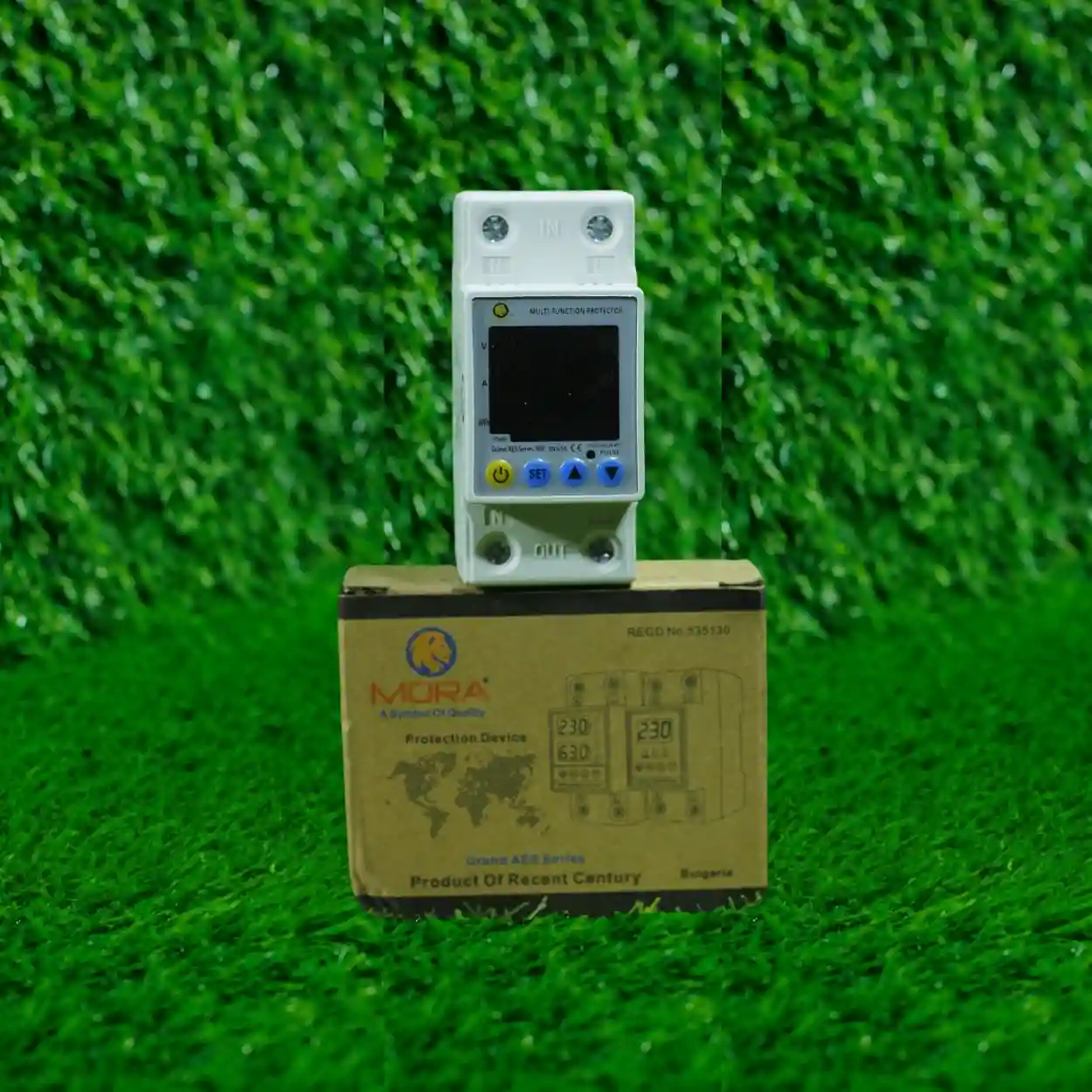
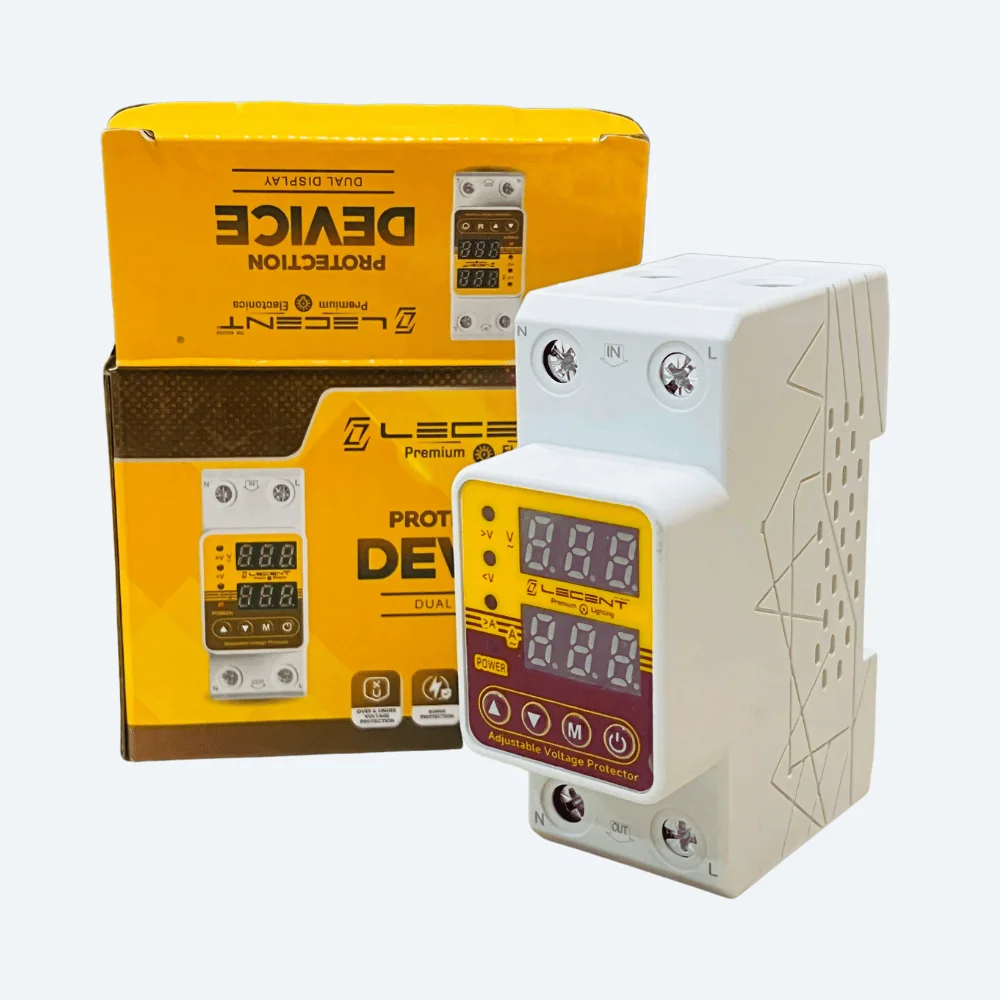
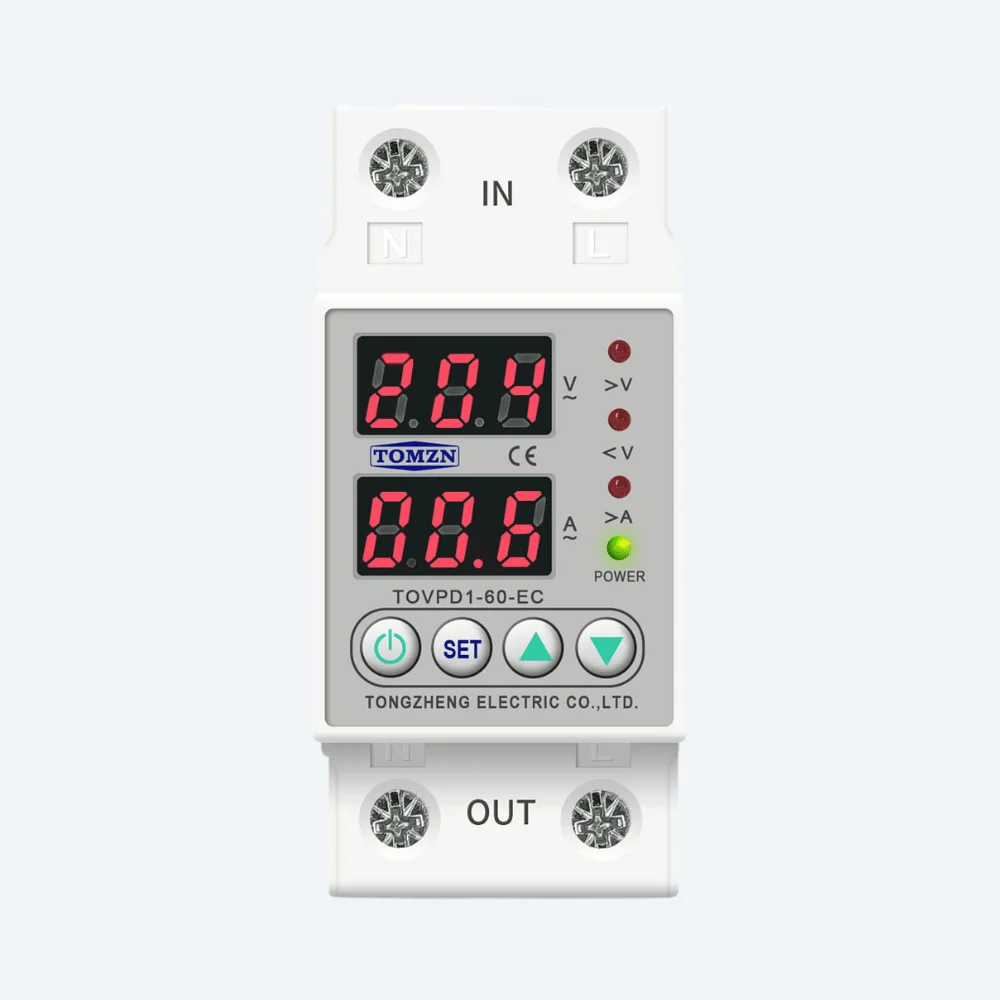
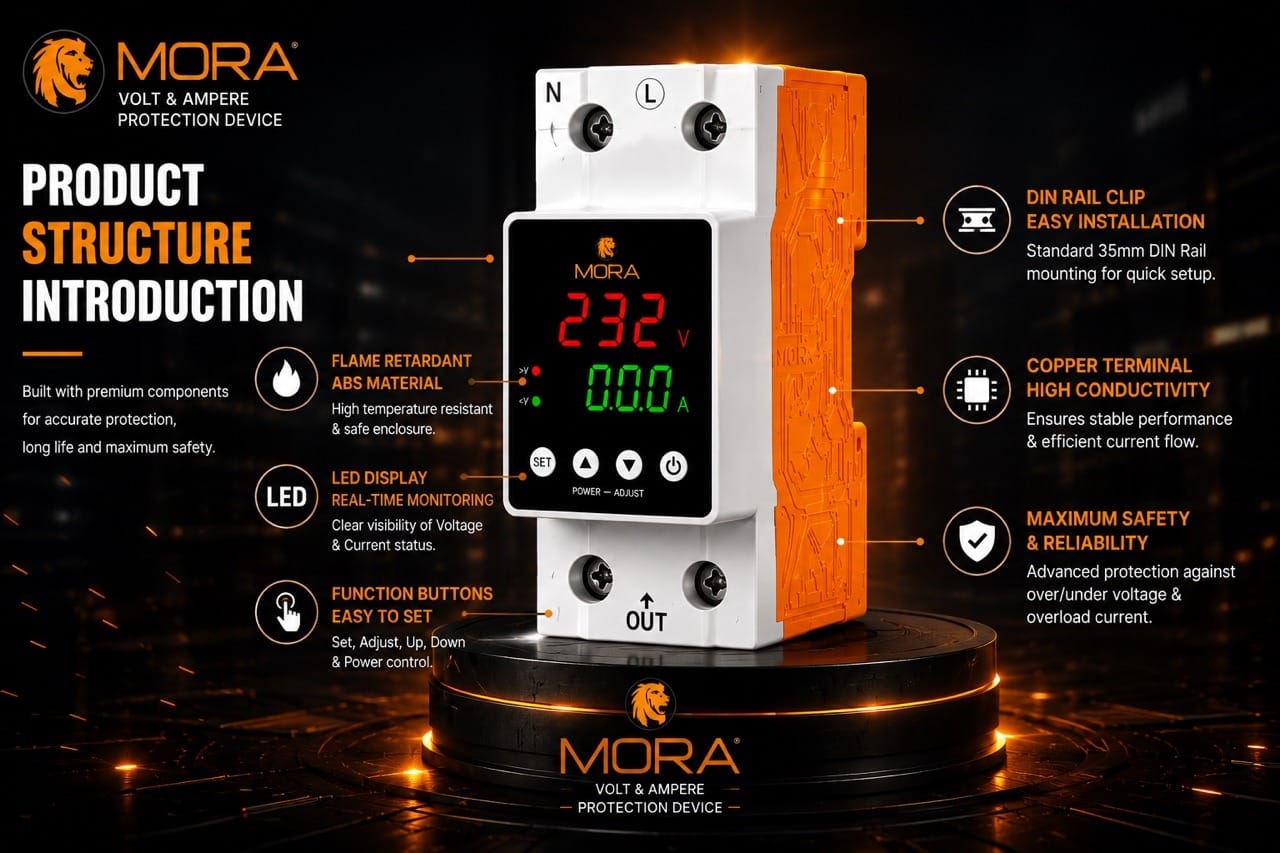
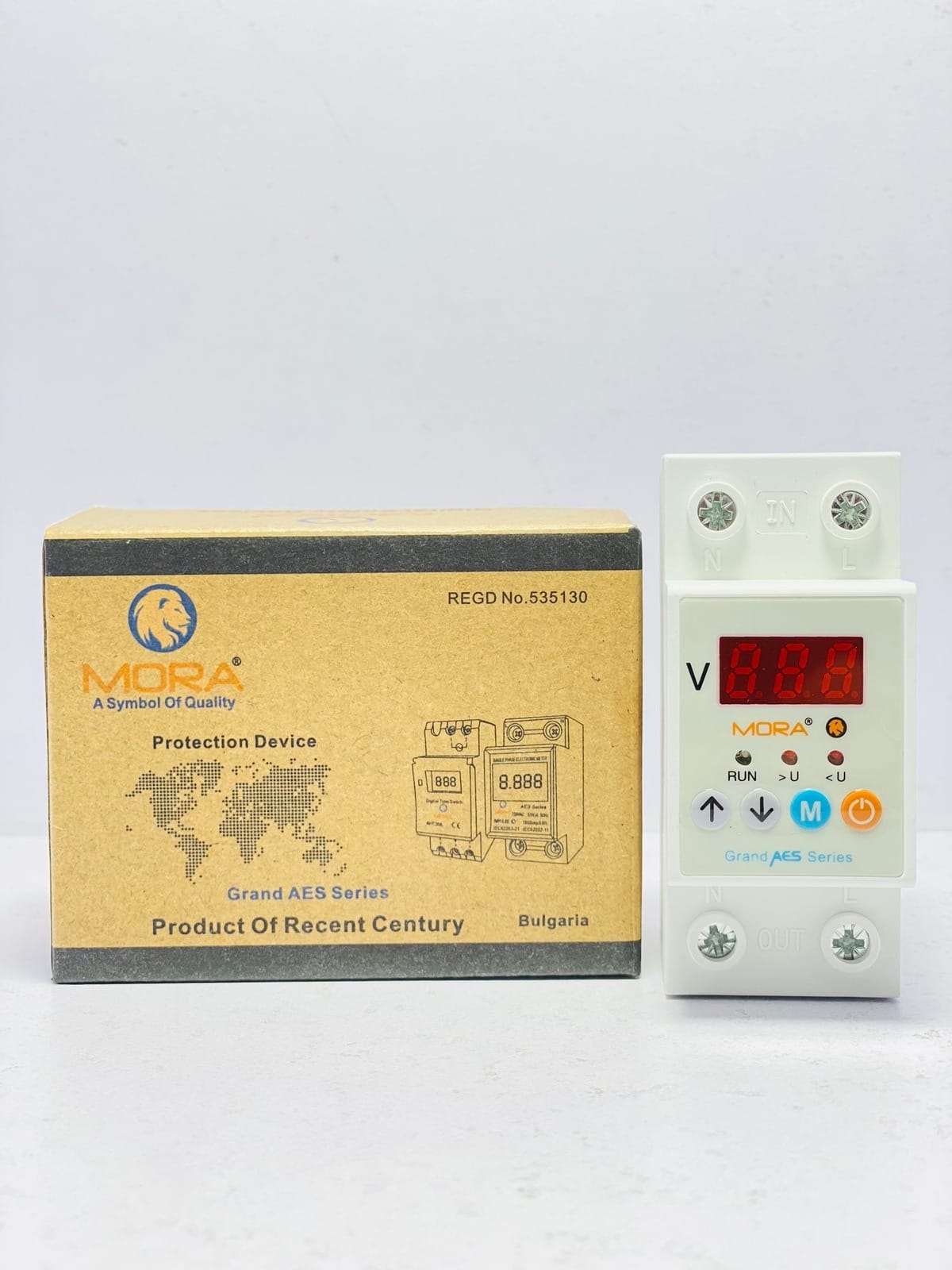
Always verify that your switch has clear labeling indicating the DC voltage and current it handles. The switch must be rated for outdoor use if installed outdoors, and it should never be modified or used beyond its specifications. For safety monitoring during operation, many systems incorporate digital monitoring devices from quality manufacturers to track system voltage and ensure everything operates within safe parameters.
Professional installation is strongly recommended, especially for larger systems. Licensed electricians understand local electrical codes and can ensure your DC isolator switch is installed correctly and integrated properly with other system components like breakers and surge protection devices.
Common Mistakes to Avoid
One widespread error is choosing an isolator switch based solely on price without considering proper specifications. A cheaper switch rated for 400V will fail catastrophically in a 1000V system, potentially causing fire or equipment destruction—a costly mistake.
Another common oversight is neglecting the IP rating. Installing an IP54 switch outdoors in a rainy climate will lead to corrosion, internal arcing, and eventual failure. The modest additional cost of an IP66 or IP67 switch is negligible compared to replacement expenses and potential safety hazards.
Many system designers also underestimate amperage requirements by failing to account for temperature coefficients. This leads to switches that operate at or near their maximum capacity, reducing their lifespan and increasing failure risk during system stress.
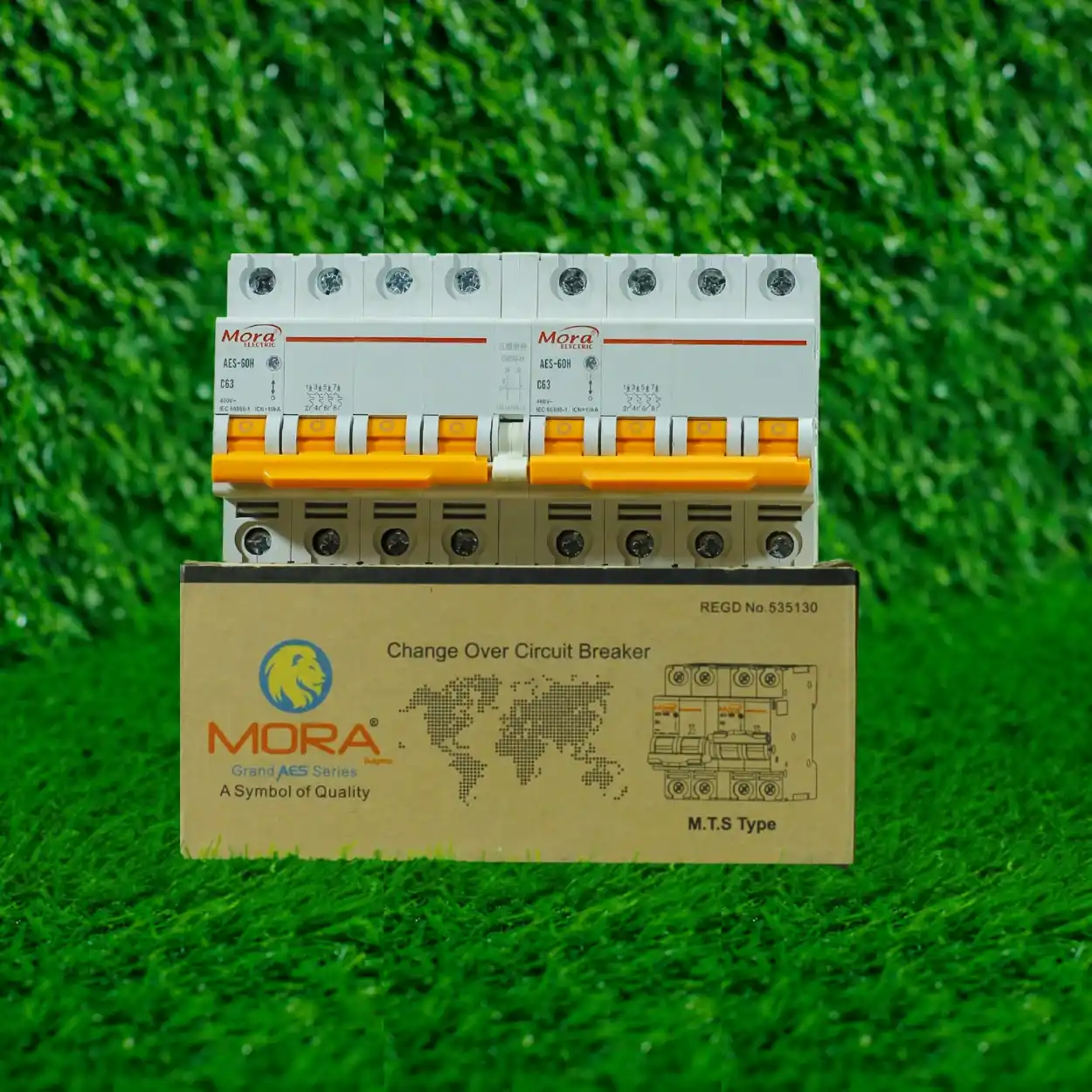
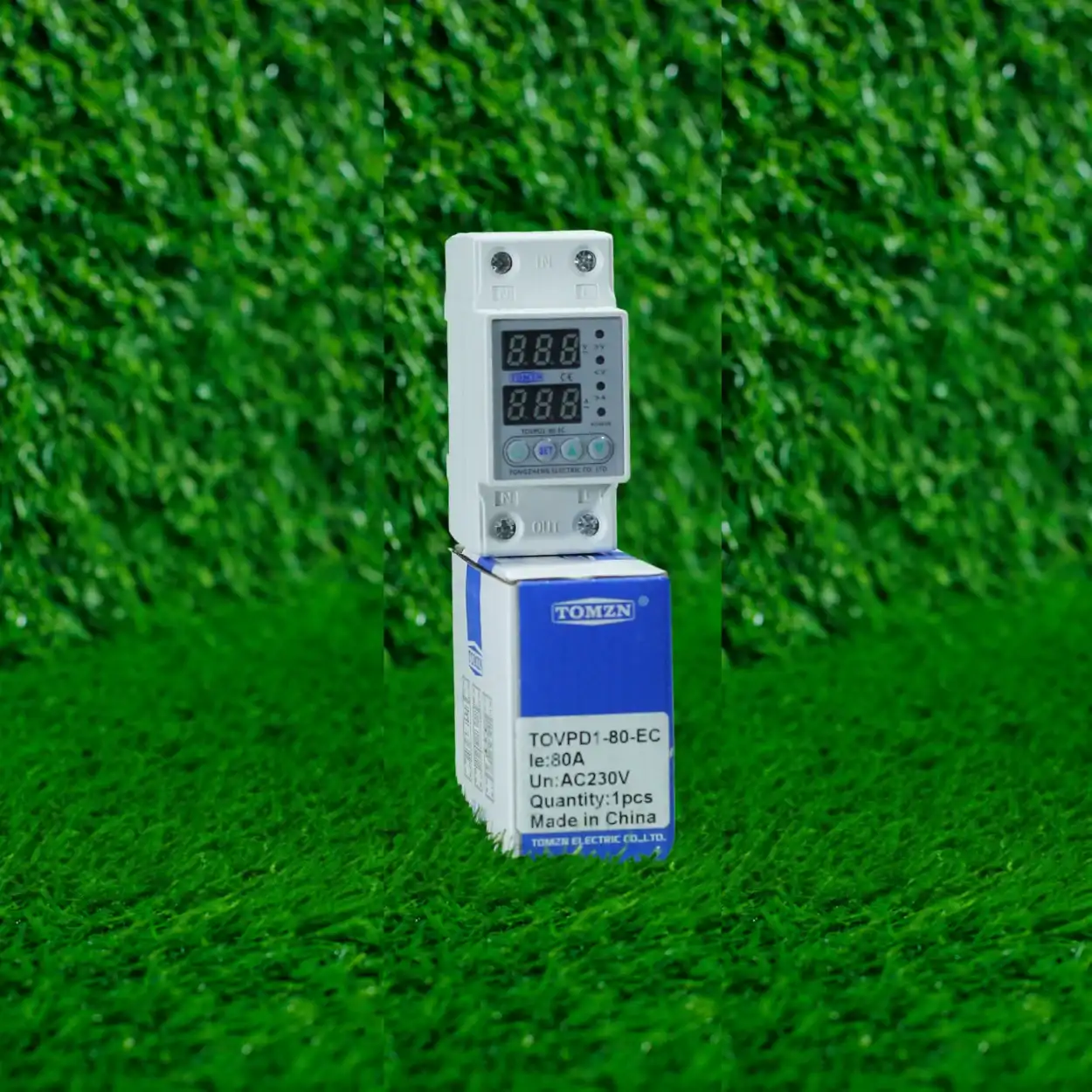
Finally, some installers purchase isolator switches without verifying compatibility with other system components. Your switch should work seamlessly with your DC surge protection devices and DC breakers to create a coordinated safety system.
Conclusion: Making Your Final Decision
Selecting the right solar DC isolator switch involves understanding three primary specifications: amperage, voltage, and IP rating. By carefully calculating your system’s actual requirements and applying a safety margin, you can choose a switch that will reliably serve your installation for years to come.
Remember that your isolator switch is a critical safety component, not a commodity item where the lowest price wins. Invest in a quality switch rated appropriately for your system, installed by a qualified professional, and integrated into a comprehensive safety architecture that includes proper breakers and surge protection.
When you’re ready to purchase, verify all specifications one final time against your system documentation. Quality manufacturers provide detailed technical datasheets—read them thoroughly. Your solar investment deserves protection from a properly specified isolator switch.